Send money to the Philippines from Canada
Grey pays Philippine pesos into a bank account at BDO, BPI, Metrobank, UnionBank, Landbank or PNB, or straight to a GCash or Maya wallet using the registered mobile number. You hold your Grey balance in US dollars, provided by Lead Bank, in pounds or in euro, and it turns into pesos only when you send. Transfers from a funded balance typically arrive within minutes, which on a corridor built around the 15th and the 30th is the part that counts. Nobody at home needs a Grey account.
CAD
PHP


-

Trusted by 3M+ people around the world

GOOGLE PLAY •22K REVIEWS

APP STORE • 12K REVIEWS
The corridor that runs on pay dates
If you want to understand how money leaves Canada, start here. Filipinos are one of the largest immigrant groups in the country, and unlike most they are not concentrated in one city. Winnipeg has a Filipino community as woven into the place as any community anywhere in Canada. Toronto and Scarborough, Mississauga and Brampton. Calgary and Edmonton. Vancouver and Surrey. Saskatoon, Regina, Brandon, Steinbach. Manitoba and Saskatchewan in particular have a Filipino population out of all proportion to their size, and it has been there for decades.
A very large share of it arrived through care and health work. Caregivers who came on a programme designed around live-in work and then brought a family over. Nurses and health care aides who staff hospitals and long-term care homes from St Boniface to Surrey. Personal support workers, hotel and food service staff, meat processing workers in Brandon. The jobs differ. The pay schedule mostly does not: semi-monthly, on or around the 15th and the 30th.
That is why this corridor behaves differently from every other one on this site. It is not occasional and it is not improvised. The padala goes out within a day or two of each pay, roughly the same amount each time, and a household in Cebu, Iloilo, Pampanga, Pangasinan or Davao has already budgeted around it arriving. A transfer that is slow is not an inconvenience here. It is a week of somebody else's groceries.
Where it lands depends on who is receiving it. A parent's generation usually has a BDO or BPI passbook account. A younger sibling or a cousin lives in GCash or Maya and would rather you sent it there, because they can pay a bill, load a phone or transfer it on from the wallet without going anywhere. Grey does both, from the same balance, on the same screen.
Signing up, funding and sending to the Philippines

Sign up
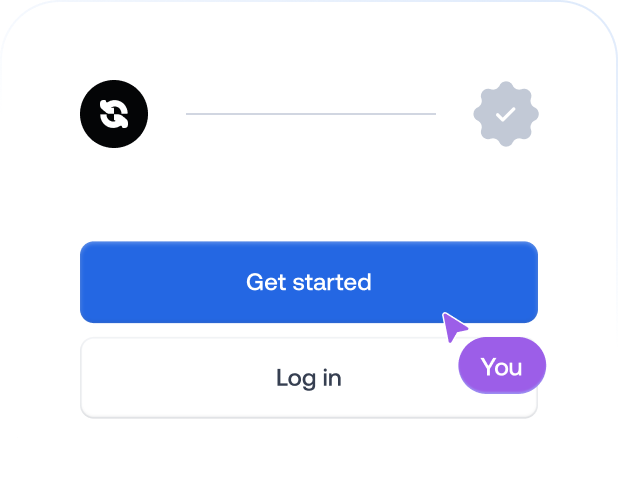
A free Grey account takes about five minutes to open and one valid identity document. Doing it on a day off rather than on the evening of the 15th is the sensible order.

Fund
Grey holds no balance in Canadian dollars. You hold US dollars, provided by Lead Bank, pounds or euro, funded by money reaching you from a client, an employer outside Canada or a transfer you arrange.

Send
Enter the bank account number, or the mobile number registered to the GCash or Maya wallet. The peso amount, the rate and the fee appear together, and the rate is fixed at confirmation.
What a transfer to the Philippines costs
The Philippine corridor is one of the most heavily advertised in the world, and almost all of that advertising is about the fee. It is the wrong number to lead with. A service charging nothing visible can hand over fewer pesos than one that charges openly, because the difference has been taken in the rate instead. Twenty-four transfers a year turns a small rate gap into a sum your mother would recognize as real money.
There is a second cost that a remittance counter never puts on the board: the errand. A shift worker on a rotating schedule, sending on the 15th and the 30th regardless of which day of the week those land on, spends real time getting to a storefront and queuing behind everybody else doing the same thing on the same day. Sending from a phone between shifts removes that from the price without changing the peso total.

How the fixed rate works, balance to pesos

Grey shows the rate before you confirm and holds it from the moment you do. The peso figure you approved is the figure that reaches the account or the wallet, with no recalculation afterwards and no adjustment later in the day.
On a semi-monthly transfer that is worth more than it sounds. You are not trying to average out what you received over a year. You are comparing one known rate on the 15th against the known rate you got on the 30th, which is the only honest way to tell if you are doing better rather than simply hoping so.
It also settles an argument that happens on this corridor constantly. When somebody at home asks how much is coming, you can tell them the peso number rather than the Canadian one, because the peso number is the one that was fixed.


Why a bank wire does not fit a padala
An international wire from RBC, TD Canada Trust, Scotiabank, BMO or CIBC is a product built for the occasional large payment, and nothing about a twice-monthly padala fits that description. It travels through correspondent banks, the peso rate is decided inside the bank rather than shown to you as a number you agreed to, and it cannot reach a GCash or Maya wallet at all. Interac e-Transfer, the thing every Canadian uses at home, does not cross a border. Grey quotes the rate and the fee before you confirm, pays a Philippine bank account or an e-wallet from the same screen, and keeps the transfer trackable from confirmation to settlement.
What your family in the Philippines sees
No Grey account is needed at the Philippine end, and nothing has to be claimed or collected. The pesos land in whichever account or wallet your family already checks.
Bank account
BDO, BPI, Metrobank, UnionBank, Landbank and PNB are all reachable. Enter the account number and the bank name, and the pesos arrive as an ordinary credit in the account a parent has probably had for years.

GCash or Maya
Enter the mobile number the wallet is registered to and the pesos land in the app itself. For a younger sibling or a cousin, that is usually the balance they actually spend from, pay bills out of and pass on.

GreyTag for relatives on Grey
A relative who already holds a Grey account can be paid by GreyTag instead. Free, instant, and in whichever currency the two of you agree on.
Putting money into the balance
Grey is funded by money arriving from outside Canada, so for a new sender the first question is where the balance comes from rather than how the payout works.
From a client
Freelance, agency and contract work paid in US dollars, pounds or euro reaches the matching balance directly, with no conversion until the peso transfer goes out.
From an employer
Pay from a company outside Canada can be received into the balance and held there, so the money is already in place when the 15th or the 30th comes around.
From a transfer you arrange
Money you hold elsewhere can be moved in and left waiting. Most regular senders keep a little ahead, so that enrolment season or a hospital bill does not have to wait on a deposit.

Whichever route it takes, the balance stays in one currency until you send, and the conversion into pesos happens once, at a rate that was on screen before you agreed to it.

What Canadians send to the Philippines for
The household allowance
Rice, electricity, water, a parent's medication and a niece's daily allowance, sent on or just after the 15th and the 30th from Winnipeg, Scarborough or Surrey. The amount is steady and the date is the whole point.
Tuition and enrolment
School fees in Cebu, Iloilo or Davao, and the larger payment that falls at enrolment when books, uniforms and registration all arrive at once. Paid straight into the school's account, on a deadline.
Hospital bills
A parent admitted in Manila or Bacolod, where the bill is settled before discharge and the family is waiting on the money to make that happen. This is the transfer where minutes genuinely matter.
Home, land and emergencies
A lot in the province paid down over years, a house being extended, a roof after a typhoon. Irregular, large, and often decided in a phone call the night before.
Four things carry this corridor, and the first one is by far the largest.
Why Canadians use Grey on the Philippines corridor
Open the account, fund a balance, and decide before you start whether the money is going to a bank account or a wallet. For a bank you need the account number and the bank name. For GCash or Maya you need the registered mobile number, exactly as it appears on their phone.
The useful thing is to have all of that ready a few days before your pay date rather than on it. Once the first transfer has gone, the details are saved and the 30th is a much shorter job than the 15th was.



FAQs
Can I send to GCash or Maya instead of a bank account?

Yes. Enter the mobile number the wallet is registered to and the pesos land in the app. Bank accounts work from the same screen.
Which Philippine banks can Grey pay into?
BDO, BPI, Metrobank, UnionBank, Landbank and PNB are all reachable. Enter the account number and the name of the bank holding it.
Will my padala arrive in time for the 15th and the 30th?
Transfers from a funded Grey balance typically arrive within minutes, so a transfer sent on your pay date lands on your pay date.
Can I top up Grey in Canadian dollars from my hospital or care home pay?
No. Grey holds no balance in Canadian dollars. You hold US dollars, provided by Lead Bank, pounds or euro, and convert to pesos when sending.
Does my mother in Cebu need a Grey account to receive the money?
No. She registers for nothing. The pesos arrive as an ordinary credit in her existing bank account or e-wallet balance.
Can I tell my family the peso amount before I send it?
Yes. The rate is fixed at confirmation, so the peso figure on your screen is the figure that reaches them.
How do I pay school enrolment fees in the Philippines from Canada?
Send straight to the school's own bank account using its account number and bank name, with whatever student reference the school asks you to quote.
Can I use Interac e-Transfer to send a padala home?
No. Interac e-Transfer runs only inside Canada. Grey converts from a US dollar, pound or euro balance and pays pesos in the Philippines.
My father is admitted to hospital in Manila. How quickly can money reach him?
From a funded Grey balance, transfers typically arrive within minutes, whether you pay a bank account or a GCash or Maya wallet.
What mobile number does GCash need, the Philippine one or mine in Canada?
The Philippine number the wallet is registered to. Enter it exactly as it appears in your recipient's GCash or Maya app.
Can I send to a bank account one month and a wallet the next?
Yes. Both payout routes come from the same balance, and you choose which one each time you set up a transfer.
Get digital banking
at your fingertips