





For most foreigners, the best countries to work in Asia are Singapore, Japan and the United Arab Emirates for pay and career growth, South Korea for tech and creative jobs, and Malaysia, Thailand, Vietnam and Indonesia for a lower cost of living. Which one is best for you depends on something most lists skip: whether that country will actually give you a work visa. Every country below needs an employer behind your application, and Malaysia and South Korea raised their salary bars in 2026, with Singapore following in January 2027.
This guide ranks eight countries, shows the work visa each one uses and the salary or employer rules attached to it, and tells you who each country suits. If you work for clients abroad and don't need a local job, skip to the remote work section near the end.
The best countries to work in Asia at a glance
The salary floor column is the minimum monthly pay the main work visa requires, in local currency. Where a country sets no national floor, the table shows the rule that matters most instead.
| Country | Main work visa | Salary floor or key rule (per month) | Best for | Expat Insider 2026 rank (of 31) |
|---|---|---|---|---|
| Singapore | Employment Pass | From S$5,600, rising with age; S$6,000 for new applications from 1 January 2027 | Finance, tech, regional head office roles | 7th |
| Japan | Engineer/Specialist in Humanities/International Services | Pay must be at least what a Japanese employee would get for the same job | Engineers, IT, language and international roles | Not in top 10 |
| United Arab Emirates | Employer work permit and residence visa | Salary set in your contract; no personal income tax | Sales, finance, hospitality, construction | 4th |
| South Korea | E-7-1 professional visa | KRW 2,593,333 (KRW 31.12 million a year) from 1 February 2026 | Tech, design, media, gaming | Not in top 10 |
| Malaysia | Employment Pass | From RM5,000 (Category III) since 1 June 2026 | Tech, engineering, e-commerce | 9th |
| Thailand | Non-Immigrant B visa and work permit | Employer needs THB 2 million capital and four Thai staff per foreign hire | Teaching, tourism, lifestyle seekers | 3rd |
| Vietnam | Work permit | Decision due within 10 working days of a complete application | Developers, marketers, early-career talent | Not in top 10 |
| Indonesia | KITAS backed by an approved hiring plan (RPTKA) | Employer must assign an Indonesian counterpart to work with you | Tech, tourism, sustainability | Not in top 10 |
Checked 25 November 2026. Sources: Singapore Ministry of Manpower, Study in Japan (JASSO), UAE government portal, PwC Worldwide Tax Summaries, KLawGuru E-7 guide, MIDA, ASEAN Briefing, Vietnam Government News, DFDL. Ranks from InterNations Expat Insider 2026, close to 8,000 expats surveyed across 31 countries.
Three questions to answer before you pick a country
Can you get a work visa there?
Start here, because it rules countries out faster than anything else. In Singapore and the UAE your employer applies for you, so no job offer means no visa. Japan and South Korea also expect a relevant degree or years of experience in the field.
Will the salary go further after rent?
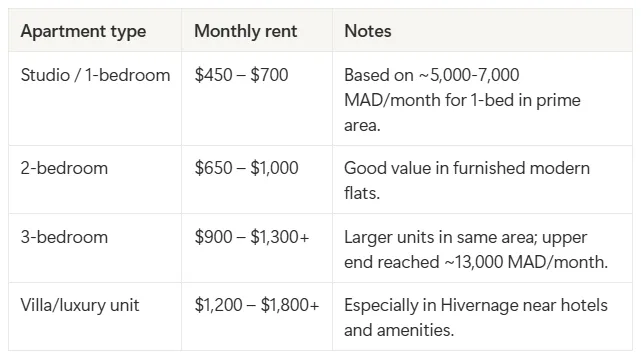
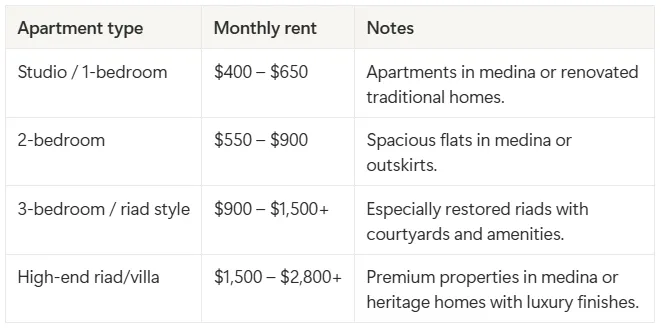
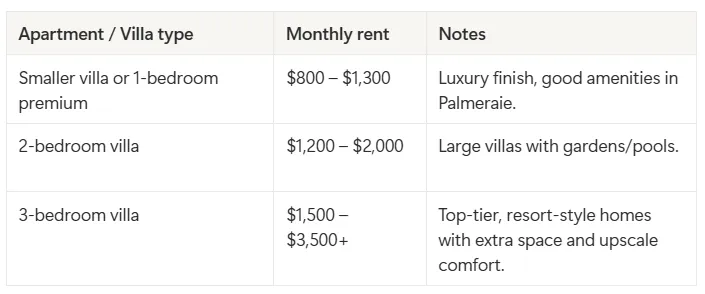
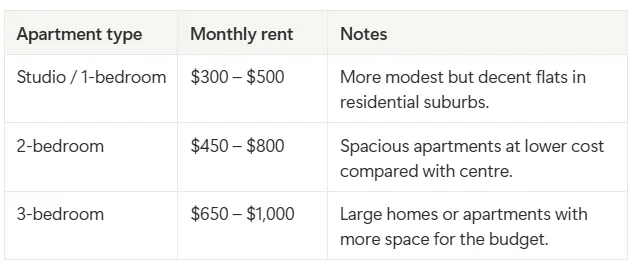
A higher salary in Singapore or Seoul can leave you with less at the end of the month than a modest one in Kuala Lumpur or Chiang Mai. Compare the salary you are offered with local rent before you compare countries by pay alone.
Do you need the local language?
English is widely used at work in Singapore, Malaysia, the Philippines and the UAE. In Japan, South Korea, Thailand, Vietnam and Indonesia, the local language opens far more jobs outside tech and teaching, and makes daily life easier.
Health cover is the fourth thing to check. Many employers include it, and if yours doesn't, international plans such as Insured Nomads are built for people working abroad.
The best countries to work in Asia, ranked
1. Singapore: the highest pay ceiling
If your life is colour-coded and your Google Calendar feels like a personal assistant, Singapore is your natural habitat. The city-state runs on precision, and it is home to the regional head offices of many global companies, which gives you room to move up without moving country.
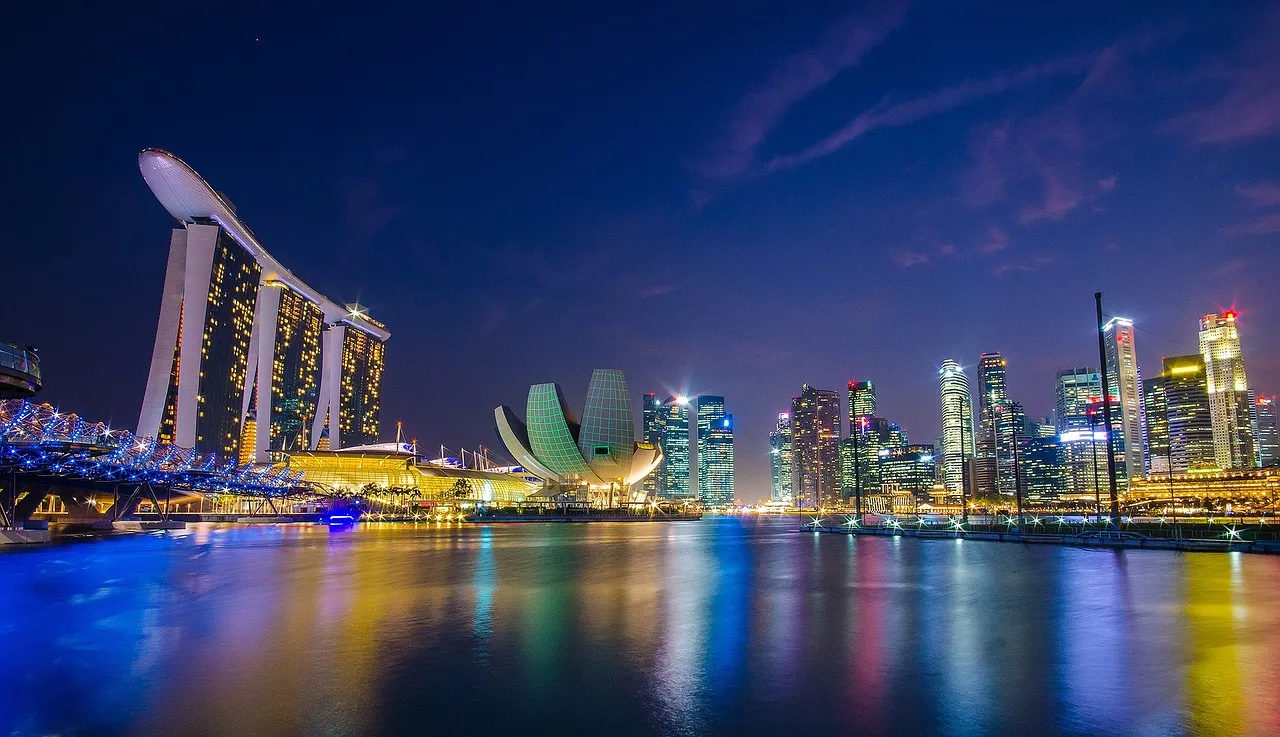
Most professionals come in on the Employment Pass. Your employer or an appointed agent applies for you, and you need a fixed monthly salary of at least S$5,600, rising with age to S$10,700 at 45 and above. Financial services roles start at S$6,200.
Those floors rise on 1 January 2027 for new applications, to S$6,000 at the bottom and S$6,600 in financial services. You also need 40 points under COMPASS, the Ministry of Manpower's scoring framework. First passes last up to two years and renewals up to three.
Rent is the cost that bites in Singapore, so budget for it before you sign. If you will be supporting family back home, Grey lets you send money from Singapore with the rate and fee shown before you confirm.
2. Japan: stable careers for engineers and specialists
If you like long-term plans and trains that leave on the second, Japan rewards patience. A job here can become a career rather than a stopover.
The main route for professionals is the Engineer/Specialist in Humanities/International Services status. You need a degree related to the job, or more than 10 years of relevant experience. Roles such as translation, design or overseas trade need at least three years of experience instead.
Two rules protect you. Your pay must be at least what a Japanese employee would get from the same company, and immigration checks that the employer is stable enough to offer long-term work. Outside tech and English teaching, many jobs expect working Japanese.
Earning from clients abroad instead? Japan's digital nomad visa allows a six-month stay for high earners.
3. United Arab Emirates: tax-free salaries
The UAE sits in Western Asia, so it belongs on this list even though many people file it under the Middle East. Its pull is simple: there is no personal income tax, so the salary on your contract is close to what you keep.
Hiring follows a fixed order. You sign a job offer, your employer applies to the Ministry of Human Resources and Emiratisation for approval, and once you arrive your contract must be filed within 14 days. Contracts are fixed-term for up to three years and can be renewed.
Expats ranked the UAE 4th of 31 countries in Expat Insider 2026. If you plan to send part of your salary home, you can send money from the UAE to India, Pakistan, the Philippines, Nigeria, Kenya and more from a Grey USD account.
4. South Korea: a playground for creatives and tech experts
If you're fuelled by art, aesthetics and ambition, South Korea is your creative playground. Centuries-old palaces share skylines with neon-lit cafés, and Seoul and Busan pull in talent for gaming, fashion, media and software.

Professionals usually need the E-7 visa, which requires an employment contract with a Korean organisation. For E-7-1 professional roles, you typically need a bachelor's degree related to the job, and from 1 February 2026 the minimum salary is KRW 31.12 million a year.
For context, Korea's national minimum wage in 2026 is KRW 10,320 an hour, or KRW 2,156,880 a month on a 209-hour basis, according to Korea.net. Seoul is expensive, other cities are more affordable, and Korean language skills widen your options a lot.
5. Malaysia: affordable comfort, higher bar for jobs
Kuala Lumpur gives you skyscrapers, street food and a relaxed pace of life. English is widely spoken and the society is diverse, which makes settling in easier than in most of the region.
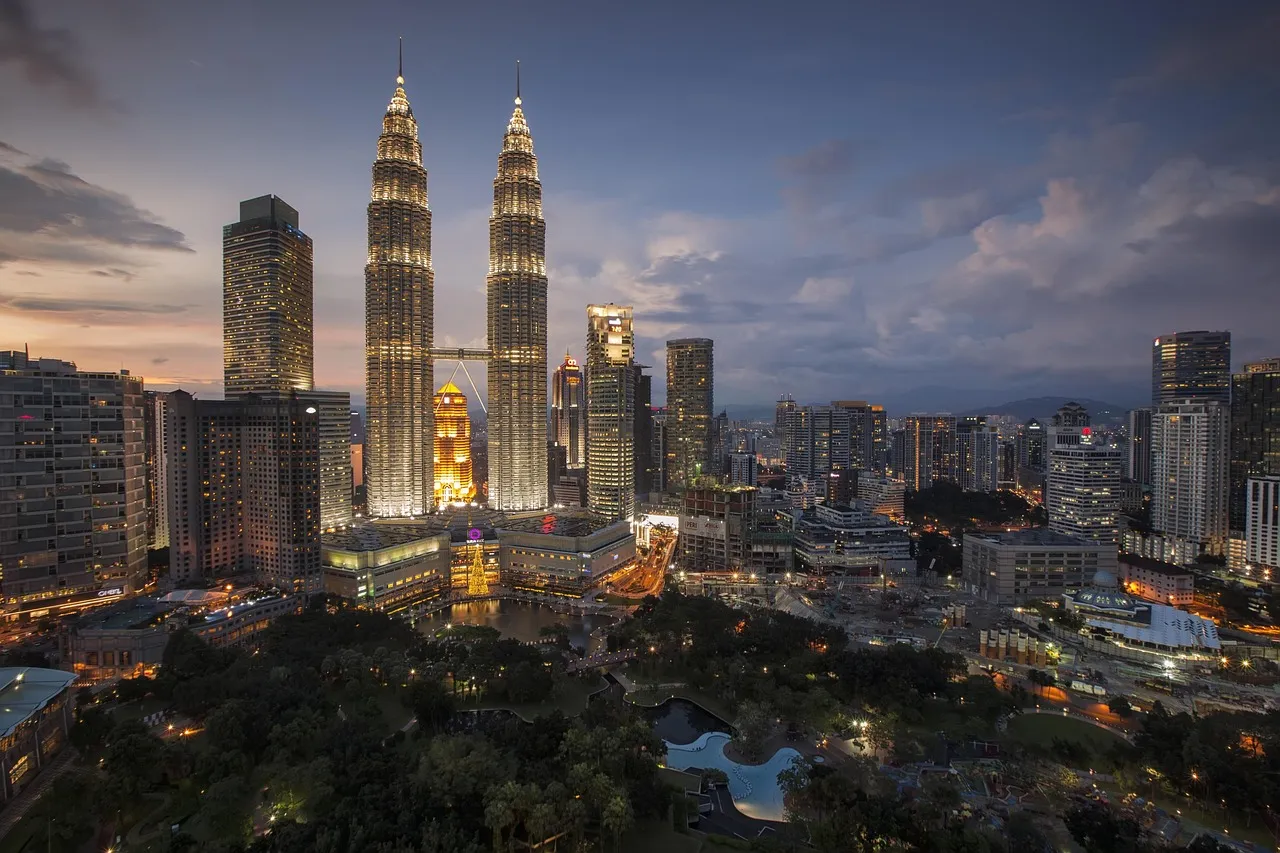
Getting hired got harder on 1 June 2026. Employment Pass salary floors rose sharply: Category III now starts at RM5,000 a month (RM7,000 in some manufacturing sectors), Category II at RM10,000 and Category I at RM20,000. Category III passes are capped at five years and Categories I and II at ten, and Categories II and III need a plan to hand the role to a local.
If you earn in dollars, check what those floors mean on the USD to MYR converter. Remote workers have a simpler route through the DE Rantau pass, and expats ranked Malaysia 9th in Expat Insider 2026.
6. Thailand: balancing work and lifestyle
You crave balance: a productive Zoom call in the morning, a mango smoothie by the beach in the afternoon. Thailand delivers both, and expats agree, ranking it 3rd of 31 countries in Expat Insider 2026, with 86% saying they are happy there.

A local job is harder to land than the lifestyle suggests. You enter on a Non-Immigrant B visa, then your employer applies for a work permit. Under the standard rules, the company needs THB 2 million in paid-up capital and four Thai employees for each foreign hire, and some occupations are reserved for Thai nationals.
That is why Bangkok and Chiang Mai fill up with freelancers and remote workers instead. The Destination Thailand Visa lets them stay legally while working for clients abroad.
7. Vietnam: growing opportunities for early-career talent
Vietnam is the rising star many overlook. Ho Chi Minh City and Hanoi have busy tech and startup scenes, and developers, marketers and early-career professionals can grow fast here on a low cost of living.
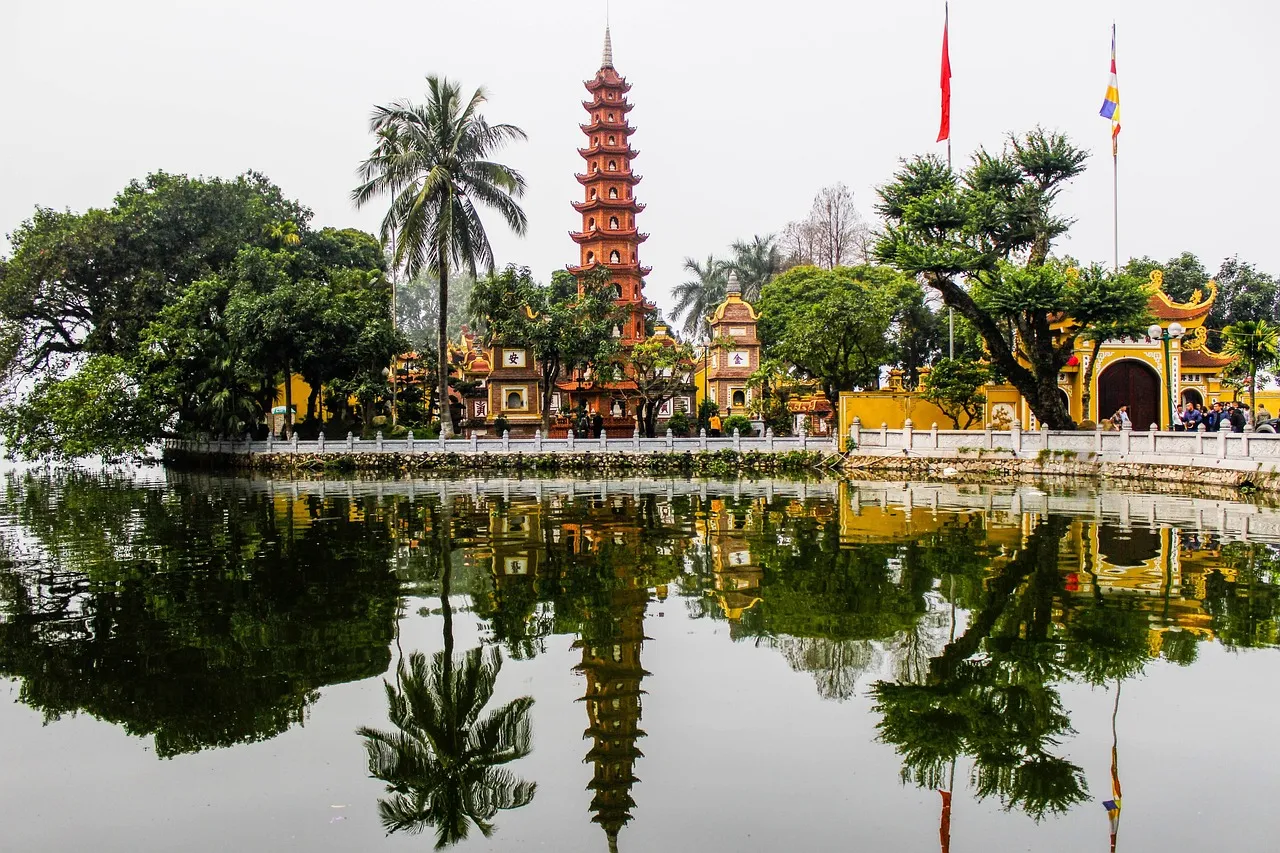
Paperwork has become quicker. Under Decree 219/2025, in force since 7 August 2025, provincial People's Committees issue work permits and must decide within 10 working days of receiving a complete application. Your employer still has to explain why it needs to hire a foreign worker.
8. Indonesia: creative lifestyle, strict hiring rules
Beyond Bali's postcard beaches is a growing community of coworking spaces, startups and remote professionals. Jakarta is the business centre, while Bali draws people who want flexibility and purpose in tech, tourism or sustainability.

Local employment runs through the Ministry of Manpower. Your employer needs an approved foreign worker plan (RPTKA) before anything else, must assign an Indonesian colleague to work alongside and learn from you, and cannot put a foreigner in a role that manages personnel. Your KITAS stay permit follows once the plan is approved.
Infrastructure varies by island, so do your homework on your chosen base. If your income comes from abroad, read our guide to Indonesia's remote worker visa.
What about India and the Philippines?
Both are better known as bases for people who work for foreign clients than as places where foreigners get hired locally. That makes them a better fit if your income comes from abroad.
India
If you thrive in organised chaos and want your work to mean something, India is where innovation meets impact. Bengaluru, Hyderabad and Pune are full of software, fintech and product roles. Foreign professionals with a job offer apply for an Employment Visa through Indian Visa Online.

The Philippines
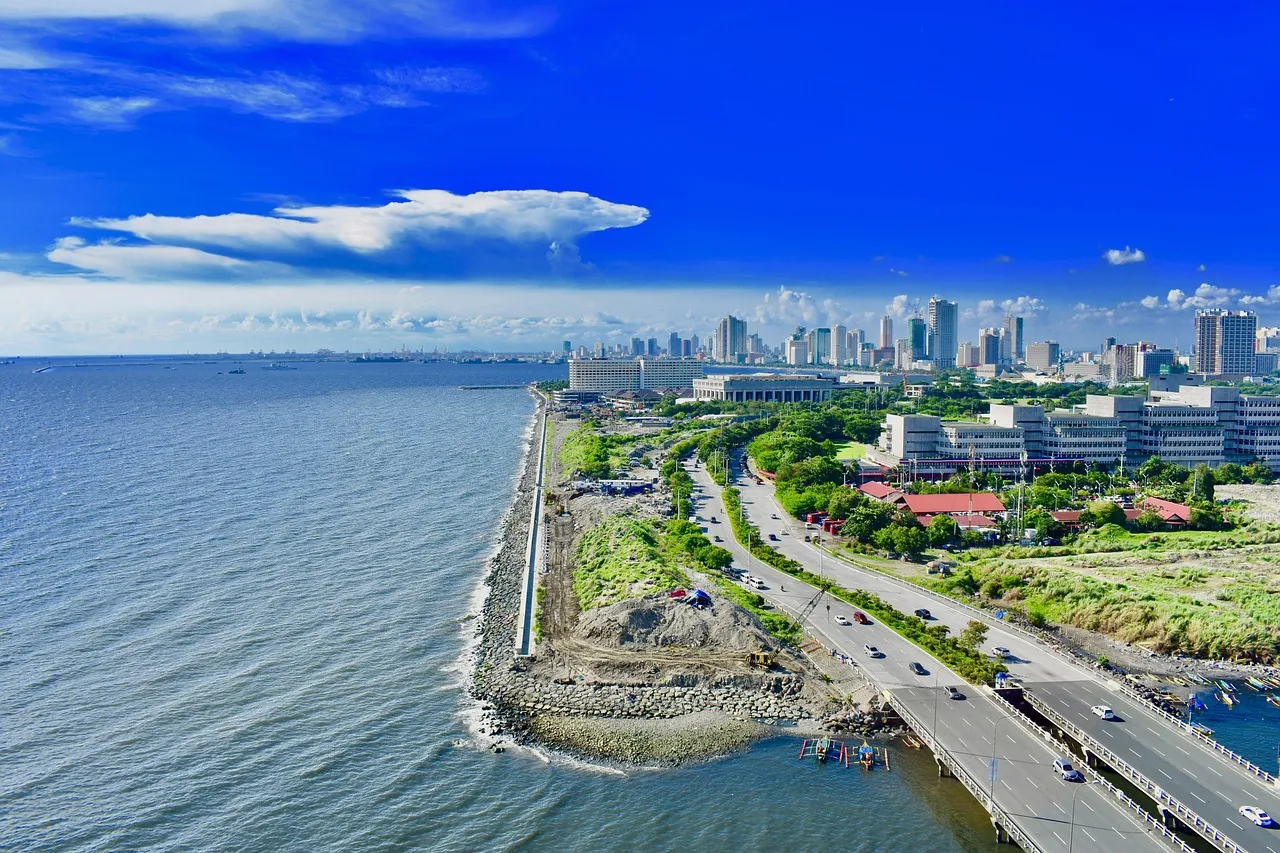
Strong English, friendly communities and a large outsourcing industry make the Philippines a favourite with remote workers. Metro Manila, Cebu and Davao are the main hubs for customer support, virtual assistance, marketing and IT services. Before you move, read our guide to Philippine visa rules, which also covers tax.
Working remotely instead of for a local employer
If your employer or clients are abroad, the whole calculation changes. You no longer need a local work permit, so the question becomes which digital nomad visa you qualify for and how much income it asks you to prove.
Malaysia, Thailand, Japan and Indonesia all have remote work options, linked in their sections above. For a ranked comparison across Asia, Europe and Latin America, see our remote work ranking.
How to get paid while you move
The first months abroad are when money gets awkward. Your local bank account may take weeks to open, while clients, a remote employer or a former employer still pay you from the US, UK or Europe.
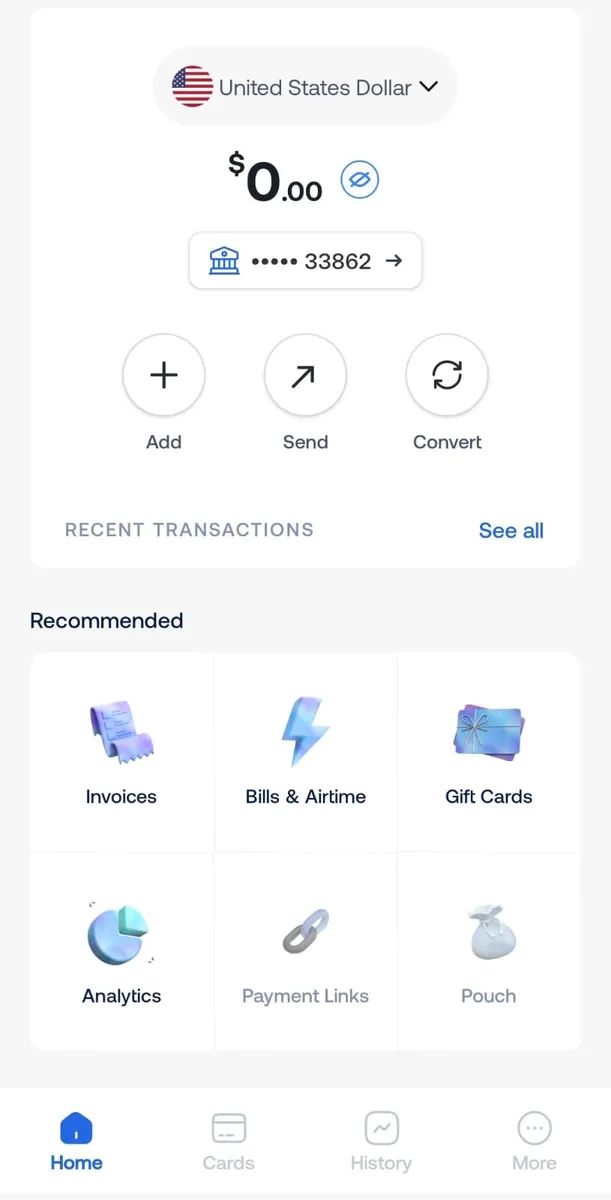
In eligible countries, Grey gives you foreign currency accounts in USD, GBP and EUR, opened from your phone, with no account opening or maintenance fee. You verify with a government ID, which usually takes a few minutes and up to 24 hours. Here is what receiving US dollars costs.
| Payment type | Fee to receive (USD) | Typical arrival time |
|---|---|---|
| ACH | 0.8% (minimum $2, maximum $10) | 1 to 2 business days |
| FedNow | 0.8% (minimum $2, maximum $10) | Seconds to minutes |
| Fedwire | $20 flat | Same business day if sent before the cut-off |
Checked 25 November 2026. Source: Grey Help Centre.
Grey is a financial technology company, not a bank, and is registered with FinCEN in the United States.
Frequently asked questions
Which country in Asia pays foreigners the most?
Singapore sets the highest legal salary floor on this list: Employment Pass holders must earn at least S$5,600 a month, more with age and in financial services. The UAE often wins on take-home pay because it has no personal income tax.
What is the easiest country in Asia to get a work visa?
No country on this list makes local employment easy, because each one needs an employer to back your application. Vietnam has one of the faster processes on paper, with a decision due within 10 working days of a complete application. If you work for clients abroad, a digital nomad visa is usually the simpler route.
Can I work in Asia without a degree?
Sometimes. Japan accepts more than 10 years of relevant experience in place of a degree for its main professional visa. South Korea's E-7-1 usually expects a related bachelor's degree, though an associate degree plus experience can qualify for some jobs.
Can I work in Asia on a tourist visa?
Not for a local employer. Taking a job in any of these countries requires a work permit or work visa arranged with your employer. Several countries now offer digital nomad visas for people who work for clients abroad.
Start with the visa, then pick the country
In Asia, the best country to work in is the one that will give you a work permit, so check the visa rules first and let the lifestyle follow. Once you have a shortlist, open a free Grey account so your foreign income has somewhere to land before your first local payslip.