

<script type="application/ld+json" data-schema-version="grey-blog-v4"> [{"@context":"https://schema.org","@type":"BlogPosting","@id":"https://grey.co/blog/where-to-buy-egyptian-pound-as-a-non-citizen#article","headline":"Where to buy Egyptian pound as a non-citizen","description":"Discover where to buy Egyptian pound as a non-citizen visiting Egypt.","inLanguage":"en","url":"https://grey.co/blog/where-to-buy-egyptian-pound-as-a-non-citizen","mainEntityOfPage":{"@id":"https://grey.co/blog/where-to-buy-egyptian-pound-as-a-non-citizen#webpage"},"datePublished":"2025-03-28T15:42:58.226Z","dateModified":"2026-06-15T15:03:30.013Z","author":{"@type":"Person","@id":"https://grey.co/authors/adeolu-titus-adekunle#person","name":"Adeolu Titus Adekunle","url":"https://grey.co/authors/adeolu-titus-adekunle","jobTitle":"Content Writer","sameAs":["https://www.linkedin.com/in/titusadeoluadekunle/"]},"publisher":{"@type":"Organization","@id":"https://grey.co/#organization","name":"Grey","url":"https://grey.co","logo":{"@type":"ImageObject","url":"https://cdn.prod.website-files.com/6360022338a81bd6fdbb1145/6564ae1077a67e39d3c491a6_Grey%20Logo%20Lockup%20Black.svg"}},"image":{"@type":"ImageObject","@id":"https://grey.co/blog/where-to-buy-egyptian-pound-as-a-non-citizen#primaryimage","url":"https://cdn.prod.website-files.com/636a85d290ee58e70c17e1c0/6a3014417f1e2b07bb1ba403_6a301440409f3f2f72f672e3_where-to-buy-egyptian-pound-as-a-non-citizen__header-image.webp","contentUrl":"https://cdn.prod.website-files.com/636a85d290ee58e70c17e1c0/6a3014417f1e2b07bb1ba403_6a301440409f3f2f72f672e3_where-to-buy-egyptian-pound-as-a-non-citizen__header-image.webp","width":1200,"height":675}},{"@context":"https://schema.org","@type":"WebPage","@id":"https://grey.co/blog/where-to-buy-egyptian-pound-as-a-non-citizen#webpage","url":"https://grey.co/blog/where-to-buy-egyptian-pound-as-a-non-citizen","name":"Where to buy Egyptian pound as a non-citizen","description":"Discover where to buy Egyptian pound as a non-citizen visiting Egypt.","inLanguage":"en","primaryImageOfPage":{"@id":"https://grey.co/blog/where-to-buy-egyptian-pound-as-a-non-citizen#primaryimage"},"breadcrumb":{"@id":"https://grey.co/blog/where-to-buy-egyptian-pound-as-a-non-citizen#breadcrumb"}},{"@context":"https://schema.org","@type":"BreadcrumbList","@id":"https://grey.co/blog/where-to-buy-egyptian-pound-as-a-non-citizen#breadcrumb","itemListElement":[{"@type":"ListItem","position":1,"name":"Home","item":"https://grey.co/"},{"@type":"ListItem","position":2,"name":"Blog","item":"https://grey.co/blog"},{"@type":"ListItem","position":3,"name":"Where to buy Egyptian pound as a non-citizen","item":"https://grey.co/blog/where-to-buy-egyptian-pound-as-a-non-citizen"}]},{"@context":"https://schema.org","@type":"FAQPage","@id":"https://grey.co/blog/where-to-buy-egyptian-pound-as-a-non-citizen#faq","mainEntity":[{"@type":"Question","name":"Can non-citizens buy Egyptian pounds before arriving in Egypt?","acceptedAnswer":{"@type":"Answer","text":"Yes, but availability is very limited outside Egypt. Most banks and exchange bureaus do not stock Egyptian pounds internationally, so travellers often arrive with USD or EUR instead. Many visitors also rely on international cards, local ATMs, or fintech platforms like Wise and Grey to send money, manage foreign currency, and make payments more conveniently while in Egypt."}},{"@type":"Question","name":"What is the safest way to exchange money in Egypt?","acceptedAnswer":{"@type":"Answer","text":"The safest way is through fintech platforms because they reduce cash handling risks and offer more transparency on transfer fees. Services like Wise and Grey let travellers send money securely, manage foreign currency digitally, and make payments more conveniently while abroad, compared to carrying large amounts of cash or relying on airport exchange services."}},{"@type":"Question","name":"Are ATMs a good option for getting Egyptian pounds?","acceptedAnswer":{"@type":"Answer","text":"ATMs are convenient and widely available in airports and cities. They allow instant withdrawals in Egyptian pounds using international cards. However, foreign transaction fees and bank exchange rate markups apply, often making them more expensive than fintech platforms or local bank exchanges for larger withdrawals."}},{"@type":"Question","name":"Why do exchange rates vary so much in Egypt?","acceptedAnswer":{"@type":"Answer","text":"Exchange rates vary due to differences between official bank rates, tourist pricing, and digital platform rates. Airports and hotels apply higher margins for convenience, while banks follow regulated pricing. Fintech platforms often offer closer-to-market rates, creating noticeable differences in how much value you actually receive."}}]},{"@context":"https://schema.org","@type":"DefinedTermSet","@id":"https://grey.co/blog/where-to-buy-egyptian-pound-as-a-non-citizen#terms","name":"Where to buy Egyptian pound as a non-citizen glossary","hasDefinedTerm":[{"@type":"DefinedTerm","name":"challenges of buying Egyptian pounds","description":"Buying Egyptian pounds can be difficult for non-citizens due to rates, limits, and limited availability.","inDefinedTermSet":{"@id":"https://grey.co/blog/where-to-buy-egyptian-pound-as-a-non-citizen#terms"}}]}] </script>

Where to buy Egyptian pound as a non-citizen

Adeolu Titus Adekunle

TABLE OF CONTENT

SHARE THIS POST

Egypt is a popular African destination for tourists, digital nomads, expatriates and entrepreneurs. The country’s rich history, tourist attractions, robust infrastructure and booming economy attracted over 15 million foreigners in 2024.

However, many non-citizens visiting Egypt face hassles when buying Egyptian pounds. Traditional options like banks and currency exchange bureaus remain popular. Unfortunately, they might experience transaction delays, tedious paperwork and unfriendly exchange rates. Fintech solutions such as Grey provide a more seamless and cost-effective approach to buying Egyptian pounds as a non-citizen.

With rising cross-border travel, remote work income, and international spending needs, more people now prefer digital platforms that offer faster access and clearer pricing without relying on physical exchange counters or bank queues.

This article breaks down your options when buying Egyptian pounds as a non-citizen.

Read also: Secure ways to receive international payments in Egypt

What are the challenges of buying Egyptian pounds?

Buying Egyptian pounds can be difficult for non-citizens due to rates, limits, and limited availability.

Exorbitant rates at hotels and airports

Hotels, airports, and tourist exchange points in Egypt often charge significantly higher rates than market prices. These locations prioritise convenience over value, leading to poor exchange rates and hidden margins. Travellers lose more money per transaction, especially when exchanging large amounts. Even small conversions can result in noticeably reduced purchasing power.

Limitations on cash limits

Cash exchange in Egypt is often restricted by regulatory limits, especially for large foreign currency amounts. Non-citizens may face caps of around $5,000 per transaction, requiring multiple exchanges or declarations. These limits can slow down access to funds and create inconvenience for travellers or business visitors needing larger sums in local currency.

Poor availability outside Egypt

Outside Egypt, Egyptian pounds are not widely available in banks or exchange bureaus. This forces travellers to rely on converting foreign currencies only upon arrival, often at airports or limited exchange points. The lack of global availability reduces flexibility and can lead to unfavourable rates when urgent conversion is required.

Also read: Best currency for Egyptians to save in: USD or EGP?

Where to buy Egyptian pounds as a non-citizen

Non-citizens can access Egyptian pounds through ATMs, banks, exchange bureaus, and fintech platforms.

ATMs

ATMs across Egypt, including airports and major cities, let you withdraw Egyptian pounds directly using international debit or credit cards. The conversion rate is set by your home bank or card network, often adding a 2%–5% foreign transaction markup. Convenience is high, but exchange rates are usually less competitive than those of digital platforms or local services.

Local banks

Banks like the National Bank of Egypt and Banque Misr offer regulated currency exchange with official rates. These rates are generally safer and more transparent than hotels or airports, but still include a small margin over mid-market pricing. Documentation may be required, and processing can be slower depending on transaction size and compliance checks.

Exchange bureaus

Exchange bureaus in tourist areas, malls, and hotels provide quick access to Egyptian pounds. However, conversion rates vary widely and often include higher spreads, especially in airport locations. While convenient, they typically offer less favourable rates than banks or fintech options, so comparing before exchanging larger amounts helps reduce unnecessary loss.

Fintech platforms

Fintech platforms like Wise and Grey let you send USD or GBP directly to recipients in Egypt without carrying cash or using physical exchange points. They offer transparent transfer fees, competitive exchange rates, and more control over international payments compared to traditional exchange services.

Also read: Planning a summer trip to Egypt? Avoid currency exchange traps

Frequently asked questions

Can non-citizens buy Egyptian pounds before arriving in Egypt?

Yes, but availability is very limited outside Egypt. Most banks and exchange bureaus do not stock Egyptian pounds internationally, so travellers often arrive with USD or EUR instead. Many visitors also rely on international cards, local ATMs, or fintech platforms like Wise and Grey to send money, manage foreign currency, and make payments more conveniently while in Egypt.

What is the safest way to exchange money in Egypt?

The safest way is through fintech platforms because they reduce cash handling risks and offer more transparency on transfer fees. Services like Wise and Grey let travellers send money securely, manage foreign currency digitally, and make payments more conveniently while abroad, compared to carrying large amounts of cash or relying on airport exchange services.

Are ATMs a good option for getting Egyptian pounds?

ATMs are convenient and widely available in airports and cities. They allow instant withdrawals in Egyptian pounds using international cards. However, foreign transaction fees and bank exchange rate markups apply, often making them more expensive than fintech platforms or local bank exchanges for larger withdrawals.

Why do exchange rates vary so much in Egypt?

Exchange rates vary due to differences between official bank rates, tourist pricing, and digital platform rates. Airports and hotels apply higher margins for convenience, while banks follow regulated pricing. Fintech platforms often offer closer-to-market rates, creating noticeable differences in how much value you actually receive.

Buying Egyptian pounds seamlessly

For non-citizens looking to buy Egyptian pounds, traditional options like banks and exchange bureaus remain viable but often come with higher costs.

Grey offers a modern, cost-effective, and convenient alternative. This makes them an excellent choice for digital nomads, expatriates, and travellers needing access to EGP. By leveraging Grey’s platform, users can enjoy seamless currency conversion with competitive rates and minimal fees.

Sign up on Grey or download the mobile app to buy EGP seamlessly.

Grey charges fees on deposits, conversions, and withdrawals. Deposits via ACH, SEPA, or FPS incur a 0.8% fee (minimum $2/€2/£2, maximum $10/€10/£10). Currency conversions are charged at 1%, capped at $6. Withdrawal fees vary by currency: ₦35 for NGN, 0.5% for EUR/GBP (minimum €2/£2, maximum €10/£10), and $2 for Egypt. Cross-border card transactions (non-USD purchases on a USD card) incur a 2% fee plus $0.50. Exchange rates are variable and include a margin over the mid-market rate. Always review fees and the rate before confirming a transaction. Visit grey.co/pricing for current rates.

Last updated:

October 2, 2026

Open a free Grey account to get startedJoin 1 million digital nomads
IF YOU ENJOYED THIS, CHECK THESE OUT

15 romantic trips for couples: Ideas and budgets

•

•

2 min read

The internet is full of "romantic trip" lists that recommend the Maldives and Santorini as if everyone has $10,000 to spend on a week away. Great romantic trips exist at every price point. A $300 weekend in a cabin can be more memorable than a $5,000 resort stay if you pick the right destination and plan around what you both actually enjoy, not what looks good on Instagram.

The best romantic trips for couples range from budget weekends ($300 to $800 for two) to splurge-worthy escapes ($3,000 to $8,000+). Budget picks: Lisbon, Marrakech, and Bali. Mid-range: Amalfi Coast, Kyoto, and Cape Town. Luxury: Maldives, Santorini, and the Swiss Alps. Each destination suits different types of couples and travel styles.

Skip any destination where one of you will be bored. A beach resort is only romantic if both of you like beaches. If one partner wants culture and museums while the other wants poolside cocktails, pick a city with both. Paris, Barcelona, and Cape Town all deliver romance with enough variety to keep both people engaged.

This guide covers 15 destinations organised by budget, with realistic costs for flights, accommodation, food, and activities.

Budget romantic trips ($300 to $800 for two)

1. Lisbon, Portugal. Flights from the US: $400 to $600 return for two. From the UK: $60 to $150. Accommodation: boutique hotel in Alfama or Bairro Alto for $60 to $120/night. Lisbon is hilly, colourful, and built for wandering. Tram 28 through the old town costs EUR 3.30 and is more scenic than most guided tours.

Pasteis de nata at Pasteis de Belem (EUR 1.30 each) and sunset drinks at a rooftop bar in Bairro Alto cost almost nothing. The Miradouro da Graca viewpoint is free, uncrowded, and overlooks the entire city. Budget for 4 nights: $600 to $1,200 total including flights.

2. Marrakech, Morocco. Flights from Europe: $100 to $300 return for two. Accommodation: a traditional riad (courtyard hotel) in the Medina for $50 to $100/night, including breakfast. Marrakech is sensory overload in the best way: the souks, the food stalls at Jemaa el-Fna square, the call to prayer echoing over the rooftops. A couples' hammam and massage at a mid-range spa costs $30 to $60 per person.

The Jardin Majorelle (EUR 15 entry) is the most romantic garden in North Africa. Budget for 4 nights: $400 to $800 total.

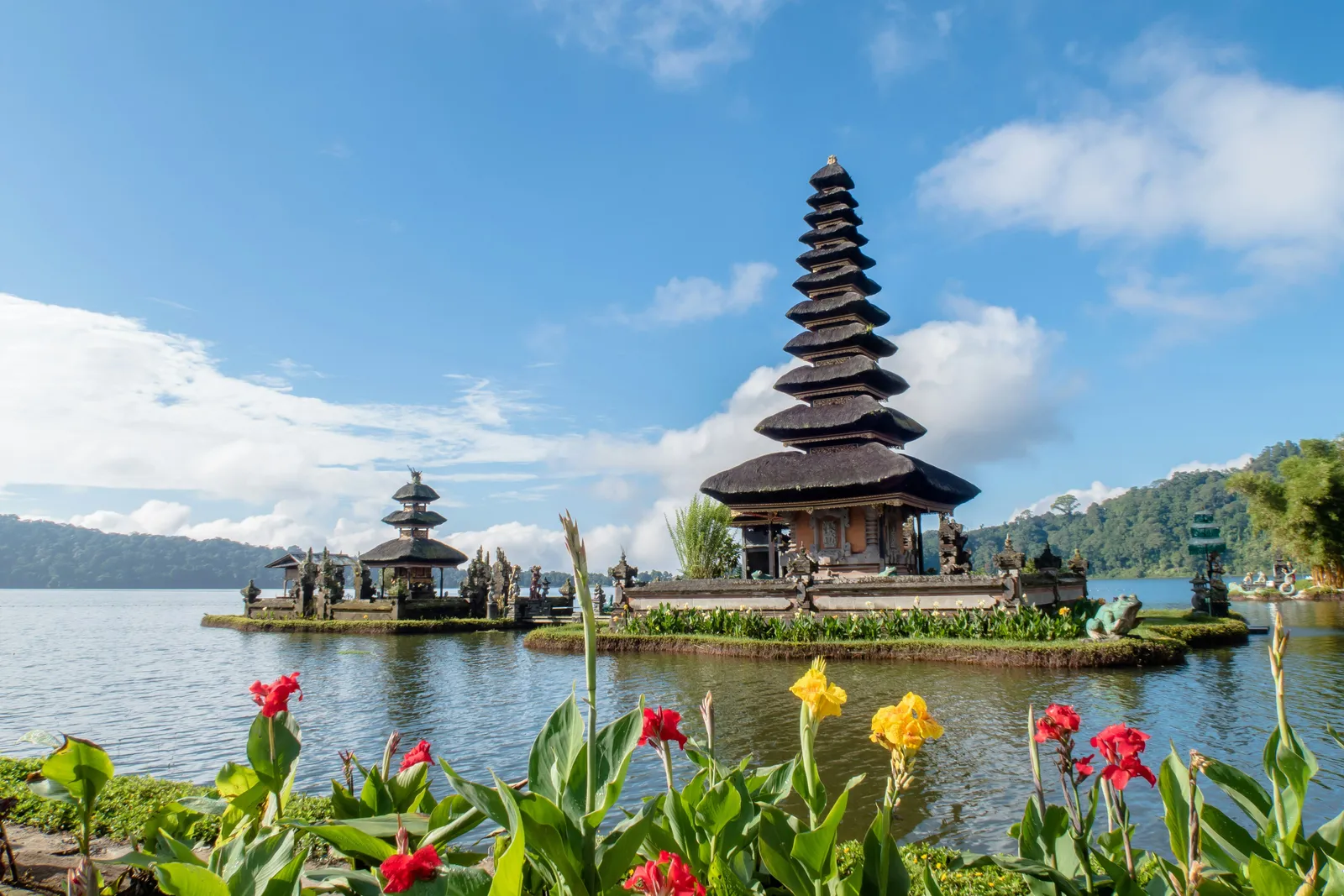
3. Bali, Indonesia. Flights from Australia: $300 to $500 return for two. From the US/Europe: $800 to $1,400. Accommodation: a private pool villa in Ubud or Seminyak for $50 to $150/night. Bali is the budget romantic destination that feels like a splurge. A couples' spa treatment costs $30 to $60. A private sunset dinner at a rice terrace restaurant costs $50 to $80 for two, including wine.

The Tegallalang rice terraces, Uluwatu Temple at sunset, and the Campuhan Ridge Walk in Ubud are all free or nearly free. Budget for 7 nights: $1,000 to $2,500, including flights. For coworking options, if you're combining work and romance, see coworking spaces in Bali.

4. Budapest, Hungary. Flights from Europe: $50 to $150 return for two. From the US: $500 to $800. Accommodation: $60 to $120/night for a boutique hotel along the Danube. Budapest's thermal baths (Szechenyi, Gellert) are built for couples: warm mineral water, ornate architecture, and a pace that forces you to slow down. Entry: $20 to $30 per person.

The ruin bars in the Jewish Quarter are unlike anything else in Europe: crumbling courtyards converted into eccentric bars with mismatched furniture and art installations. Budget for 4 nights: $500 to $1,000 total.

5. San Juan, Puerto Rico. No passport needed for US citizens. Flights from the US East Coast: $150 to $350 return for two. Accommodation: $80 to $150/night in Old San Juan.

Walking the colourful streets of Viejo San Juan, exploring El Morro fortress (free with National Parks Pass, $10 without), and eating mofongo at a local restaurant ($15 to $25 per plate) make a romantic long weekend without the hassle of international travel. Budget for 3 nights: $400 to $800 total.

Mid-range romantic trips ($1,000 to $3,000 for Two)

6. Amalfi Coast, Italy. Fly into Naples, train to Sorrento, ferry to Positano or Amalfi. Flights from the US: $600 to $1,000 return for two. Accommodation: $150 to $300/night (book 3+ months ahead in summer). The Amalfi Coast is the most reliably romantic landscape in Europe: pastel villages clinging to sea cliffs, lemon groves, and blue water.

The Path of the Gods hike (Sentiero degli Dei) from Agerola to Positano is free, takes 3 to 4 hours, and has views that justify the entire trip. Budget for 5 nights: $2,000 to $3,500 total.

7. Kyoto, Japan. Flights from the US: $700 to $1,200 return for two. Accommodation: a traditional ryokan (Japanese inn) with tatami rooms and private onsen for $150 to $350/night. Kyoto has 2,000 temples and shrines, and the best are free or nearly free: Fushimi Inari (free, go at 6 am for empty torii gates), Arashiyama Bamboo Grove (free), and Kinkaku-ji Golden Pavilion (JPY 400).

A private tea ceremony costs $30 to $50 per person and is one of the most meditative couple experiences you can book anywhere. Budget for 5 nights: $2,000 to $3,500 total.

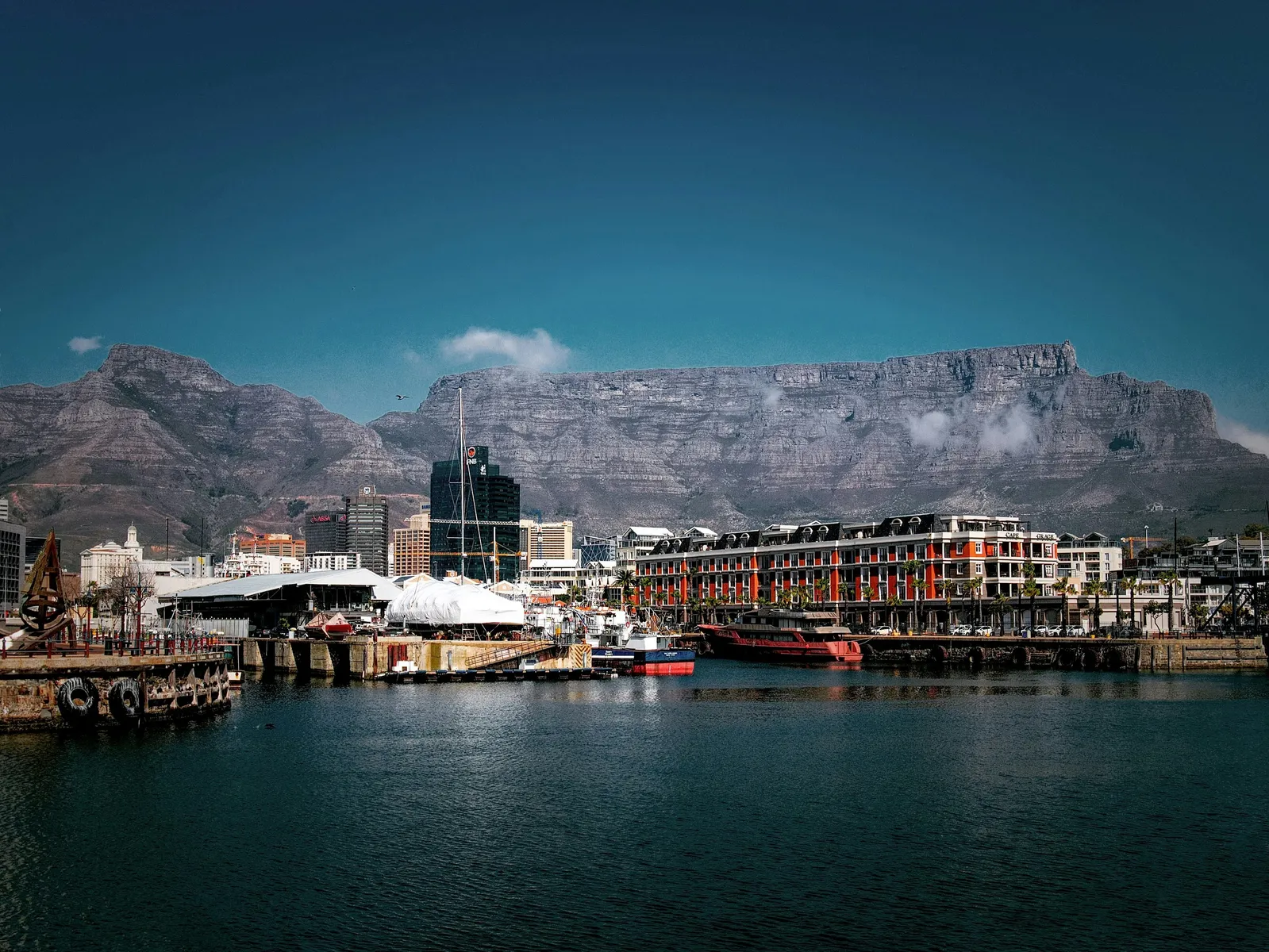
8. Cape Town, South Africa. Flights from the US: $700 to $1,100 return for two. From the UK: $500 to $800. Accommodation: $80 to $200/night in the Cape Winelands or Camps Bay. Table Mountain at sunset (cable car ZAR 360 return), wine tasting in Stellenbosch and Franschhoek (ZAR 50 to 150 per tasting), and a penguin colony at Boulders Beach (ZAR 176 entry).

The exchange rate makes Cape Town exceptionally valuable: a tasting menu at a top restaurant costs $40 to $70 per person, roughly a third of the equivalent quality in London or New York. Budget for 7 nights: $2,000 to $3,500 total.

9. Costa Rica. See our full cost breakdown: how much does a trip to Costa Rica cost. Highlights for couples: Arenal volcano hot springs ($20 to $60 per person), Manuel Antonio National Park ($18 entry), and a private sunset catamaran tour ($80 to $120 per person).

Budget for 7 nights: $2,500 to $4,000 total.

10. Greek Islands (Crete or Naxos). Skip Santorini if you're on a mid-range budget. Crete and Naxos deliver the same blue water and white buildings at half the price. Flights from Europe: $100 to $300 return for two.

Accommodation: $80 to $150/night. Renting a car (EUR 30 to 50/day) opens up hidden beaches and mountain villages. Budget for 7 nights: $1,500 to $2,500 total.

Luxury romantic trips ($3,000+)

11. Santorini, Greece. The caldera view from Oia at sunset is one of the most photographed scenes on earth, and it delivers even when you've seen it a thousand times in photos.

Accommodation: $250 to $600+/night for a cave hotel with a private plunge pool overlooking the caldera. Flights from the US: $800 to $1,200 return for two. Budget for 5 nights: $3,500 to $6,000 total.

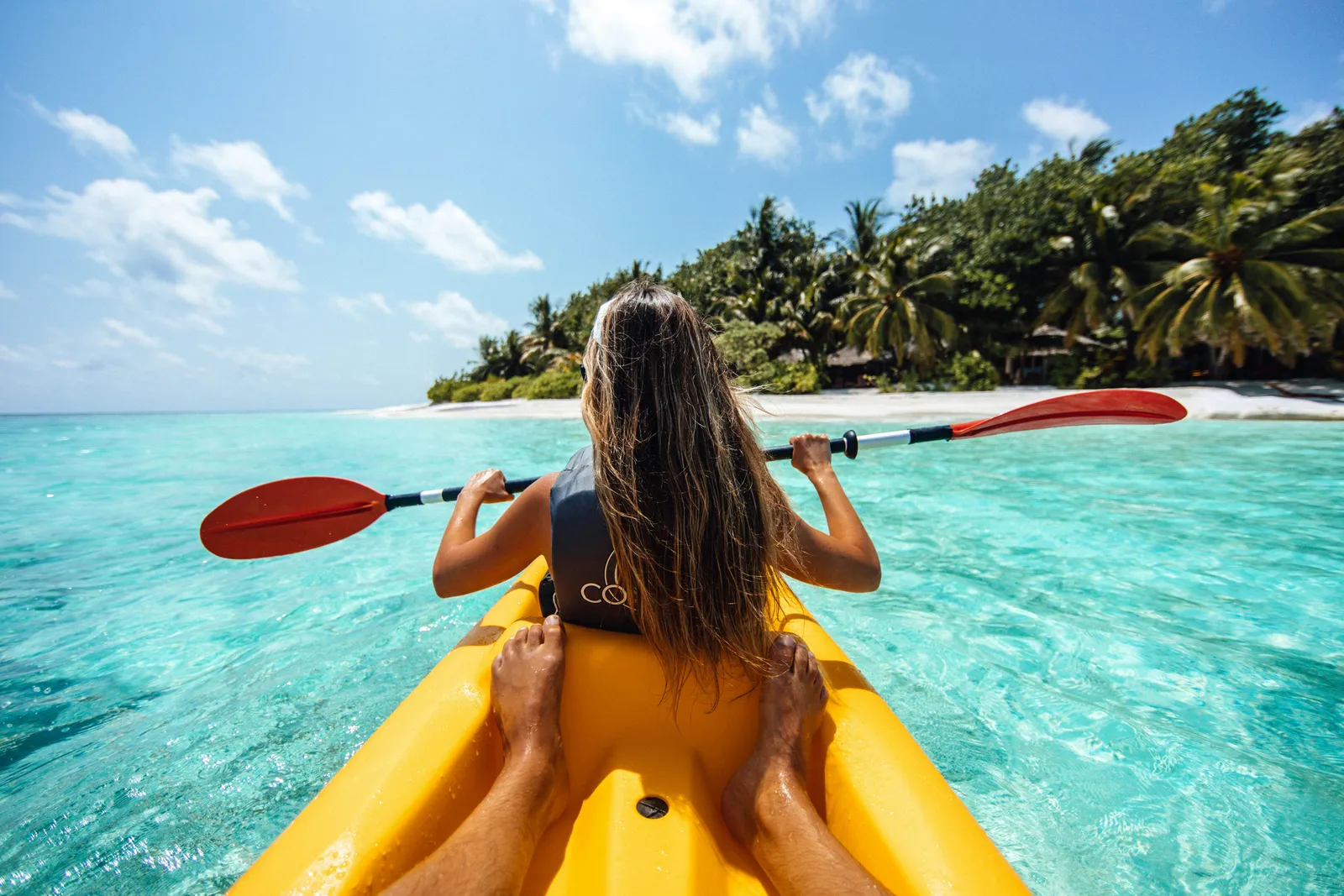
12. Maldives. Overwater bungalows, private beaches, and water so clear you can see fish from your deck. Flights from the US: $1,000 to $1,800 return for two. Accommodation: $300 to $1,500+/night all-inclusive.

The Maldives is the ultimate splurge romantic trip: expensive, remote, and worth every penny if snorkelling, diving, and doing absolutely nothing is your idea of paradise. Budget for 5 nights: $4,000 to $10,000+ total.

13. Swiss Alps (Zermatt or Grindelwald). Mountain romance: snowy peaks, alpine villages, fondue, and train rides through scenery that looks computer-generated. Accommodation: $200 to $500/night.

The Glacier Express or Bernina Express train rides ($100 to $300 per person) are the highlight. Budget for 5 nights: $3,000 to $6,000 total.

14. Patagonia (Argentina/Chile). For adventurous couples. Torres del Paine National Park, glacier hikes, and empty landscapes. Flights from the US: $800 to $1,500 return for two.

Accommodation: $100 to $300/night (lodges near the park). The W Trek (4 to 5 days) is a bucket-list hike. Budget for 7 nights: $3,000 to $5,500 total.

15. Paris, France. The classic. Flights from the US: $600 to $1,000 return for two. Accommodation: $150 to $350/night in the Marais or Saint-Germain. Seine river cruise ($15 to $20), a picnic under the Eiffel Tower with wine and cheese from a local market ($20 for two), and a patisserie crawl through the 6th arrondissement.

Paris earns its romantic reputation through accumulation: every meal, every walk, every candlelit bistro adds to the atmosphere. For day trips, see best day trips from Paris (grey.co/blog/best-day-trips-from-paris). Budget for 5 nights: $2,500 to $4,500 total.

Paying for romance abroad

Foreign transaction fees add 1.5 to 3% to every card payment outside your home currency zone. On a $3,000 trip, that's $45 to $90 in hidden fees. A Grey virtual card lets you spend from your pre-loaded EUR, GBP, or USD balance with no conversion markup. Hold the destination currency before you travel, and every payment comes from your own funds, not a live conversion.

Save for the trip in a Grey Pouch so the money is set aside and growing toward your target. For mobile data abroad, grab a travel eSIM and skip roaming charges that can run $10 to $15 per day on some carriers.

Planning a romantic getaway? Save in a Grey Pouch, spend on a virtual card, and keep more of your travel budget for the trip itself.

Frequently asked questions about romantic trips for couples

What is the most romantic trip for couples?

Depends on what romance means to you. Beach and relaxation: Maldives or Bali. Culture and food: Paris or Kyoto. Adventure: Patagonia or Costa Rica. Budget romantic: Lisbon, Budapest, or Marrakech. The best romantic trip is one where both partners are excited about the destination, not one that just looks good online.

How much should a romantic trip cost?

Budget: $300 to $800 for a long weekend in a nearby destination (Lisbon, Budapest, San Juan). Mid-range: $1,000 to $3,000 for a week in a destination with moderate costs (Amalfi Coast, Kyoto, Cape Town). Luxury: $3,000 to $10,000+ for a once-in-a-lifetime trip (Maldives, Santorini, Swiss Alps). Set a budget both partners are comfortable with before researching destinations.

When is the best time for a romantic trip?

Shoulder seasons (April to May, September to October) offer the best combination of good weather, lower prices, and fewer crowds at most destinations. Avoid peak holiday weeks (Christmas, New Year, Valentine's Day week) when prices spike 30 to 50%. The exception: if a specific season defines the destination (Swiss Alps in winter, cherry blossoms in Kyoto in April), time it to the season.

Should we book all-inclusive or independent?

All-inclusive for pure relaxation trips where you want to stay at the resort (Maldives, Caribbean). Independent for destination exploration trips where eating local, walking the streets, and discovering hidden spots is the point (Paris, Lisbon, Kyoto). An all-inclusive in a culturally rich destination wastes the destination.

‍

Disclaimer: This article is for informational purposes only. All costs and details are estimates based on mid-2026 data. Verify current information before making decisions. Grey isn't a bank. We're a licensed financial services provider offering multi-currency accounts.

How much does a trip to Costa Rica cost? A full budget breakdown

•

•

2 min read

Costa Rica can catch you off guard when it comes to cost. You might picture an affordable Central American trip, then start checking hotels, rental cars and tours and realise your budget needs a rethink. Prices have changed a lot over the years, and in 2026, you’ll need considerably more than the $30-a-day budgets you might still find in older travel guides.

A good starting point is around $100 to $200 per person per day for a mid-range trip, covering a comfortable hotel, restaurant meals, transport and activities. If you’re happy with hostels, buses and local food, $50 to $80 a day is possible. At the other end, boutique stays, private tours and fine dining can push your daily spend to $300 to $600 or more.

Does that make Costa Rica too expensive? I don’t think that’s really the question. You come here for experiences that are difficult to squeeze into one trip elsewhere: waking up near a volcano, hiking through a cloud forest, spotting sloths in the trees and ending the day by the Pacific. If that’s the kind of trip you’re after, it’s easier to understand where the money goes.

This guide breaks down every major cost category with real prices.

Flights to Costa Rica: prices and booking tips

From the US: $250 to $600 return per person, depending on origin city and booking timing. Miami, Houston, and LA have the cheapest fares. JFK, Chicago, and Seattle run higher. Direct flights are available from most major US cities to San Jose (SJO) or Liberia (LIR). Liberia is closer to the Pacific coast beaches (Guanacaste, Tamarindo, Nosara). San Jose is better for the central valley, Arenal, and the Caribbean coast.

From Canada: $350 to $700 return per person. Toronto and Montreal have direct options. Vancouver routes often connect through the US.

From Europe: $500 to $900 return per person. Madrid and Amsterdam have direct routes. London connects through the US or Panama City. European fares fluctuate more than US fares, so booking 3 to 4 months ahead is important.

Booking tip: flights to Costa Rica are cheapest in May to June (early rainy season, lowest demand) and September to November (deep rainy season). December to April (dry season) is peak pricing, especially around Christmas and Easter. The difference between peak and off-peak can be $150 to $300 per ticket.

Accommodation costs in Costa Rica

Budget ($20 to $50/night): hostels, basic cabinas (Costa Rican guesthouses), and budget eco-lodges. Dorm beds in popular backpacker towns (Santa Teresa, Puerto Viejo, La Fortuna) run $12 to $25. Private rooms at basic hotels or Airbnbs run $30 to $50. Quality varies dramatically. Read recent reviews. A "basic but clean" cabina in Costa Rica can mean anything from a charming family-run guesthouse to a bare concrete room with a cold shower.

Mid-range ($80 to $200/night): boutique hotels, mid-range eco-lodges, and well-reviewed Airbnbs. This is the sweet spot for Costa Rica. At $100 to $150/night, you get air conditioning (essential in coastal areas), a pool, decent breakfast, and often stunning natural settings. Nayara in Arenal, Pacuare Lodge on the Pacuare River, and Lapa Rios in the Osa Peninsula are standout mid-range lodges where the setting is the experience.

Luxury ($250 to $800+/night): high-end eco-resorts, private villas, and all-inclusive lodges. Four Seasons Peninsula Papagayo, Andaz Costa Rica, and Kura Design Villas are at this tier. The premium buys you privacy, exclusive wildlife encounters, personal guides, and settings that feel like a private national park.

Food and drink prices in Costa Rica

Budget eating ($15 to $25/day per person): sodas (local eateries serving casados, the traditional rice-beans-meat-plantain-salad plate) cost $5 to $8 for a filling lunch. Street food, bakeries, and supermarket groceries keep costs down. Cooking in your Airbnb is the cheapest option. Rice, beans, eggs, and tropical fruit from a local market cost $3 to $5 per meal.

Mid-range eating ($30 to $60/day per person): restaurant breakfast ($8 to $15), a soda lunch ($5 to $8), and a restaurant dinner ($15 to $30). A beer at a restaurant costs $3 to $5. A cocktail costs $6 to $10. Costa Rican coffee is excellent and cheap: $2 to $3 at most cafes.

Luxury eating ($60 to $150+/day per person): resort restaurants, tasting menus, and premium dining. Fine dining exists in San Jose, Tamarindo, and resort areas. A tasting menu at a top restaurant runs $60 to $100 per person before drinks. Wine is expensive because it's all imported. Expect $30 to $60 for a decent bottle.

Costa Rica activities and tour costs

Activities are where Costa Rica costs add up fastest. Most adventure and wildlife experiences require a guide, transport to the site, and an entry or tour fee. The flip side: the experiences are extraordinary and often unavailable elsewhere.

Budget-friendly and free: hiking in national parks (entry $12 to $18 per person at most parks), swimming at waterfalls (many are free or $3 to $5 entry), beach days (free), bird watching from your lodge terrace (free and surprisingly rewarding).

Mid-range ($40 to $120 per person): zip-lining in Monteverde ($50 to $80), white-water rafting on the Pacuare River ($80 to $110 for a full day), Arenal hot springs ($20 to $60 depending on the facility), snorkelling tours ($40 to $60), guided night walks in cloud forests ($25 to $40), coffee plantation tours ($30 to $50).

Premium ($120 to $400 per person): multi-day treks in Corcovado National Park ($200 to $400 including guide, transport, and food), private catamaran sunset cruises ($100 to $200), helicopter tours over volcanoes ($250 to $400), exclusive wildlife photography tours ($150 to $300).

The honest advice: budget 2 to 3 paid activities per week and fill the rest with free or low-cost options. Four paid activities in one week at $80 each is $320 per person, which can blow a mid-range budget quickly.

Getting around Costa Rica: transport costs

Rental car ($40 to $80/day): the best way to explore Costa Rica if you're comfortable with challenging roads. Many destinations require gravel or dirt roads, especially during the rainy season (May to November). Rent a 4x4 (not optional for Monteverde, Osa Peninsula, or mountain roads). Insurance adds $15 to $30/day and is highly recommended. Gas is about $1.10 to $1.30 per litre.

Public buses ($2 to $15 per route): Costa Rica's bus network connects major towns. San Jose to La Fortuna: $5, about 4 hours. San Jose to Manuel Antonio: $8, about 3.5 hours. Buses are cheap but slow, and schedules are limited. Great for budget travellers with flexible timelines. Not great for tight itineraries or remote destinations.

Shared shuttles ($30 to $60 per person): tourist shuttle services (Interbus, Caribe Shuttle) run between popular destinations. More comfortable than buses, with hotel pickup. Good middle ground between renting a car and taking the bus.

Domestic flights ($80 to $200 one way): Sansa and local charter operators connect San Jose to Liberia, Quepos (Manuel Antonio), Tortuguero, Drake Bay, and Tambor. Saves 4 to 8 hours of driving on some routes. Worth it for Tortuguero (the alternative is a 4-hour boat ride) and Drake Bay (the alternative is a bumpy 5-hour drive).

How much does a 10-day trip to Costa Rica cost?

Budget ($2,000 to $3,000 total): flights $600, hostels/cabinas $400, food $500, buses $150, 4 activities $350. Tight but doable. Cook some meals, take buses, prioritise free activities (national parks, beaches, waterfalls), and splurge on one or two paid experiences.

Mid-range ($3,500 to $5,500 total): flights $800, mid-range hotels $1,200, food $800, rental car $600, 6 activities $600, miscellaneous $300. The most rewarding balance of comfort and experience. You see everything, eat well, and sleep comfortably without feeling extravagant.

Luxury ($6,000 to $12,000+ total): flights $1,200, boutique lodges $3,000, food $1,200, private transfers $800, premium activities $1,500, spa/extras $500. The full Costa Rica experience with no compromises on comfort or access.

Paying in Costa Rica: cash, cards and currency

Costa Rica uses the Costa Rican colon (CRC), but USD is widely accepted in tourist areas. Most hotels, tours, and upscale restaurants price in USD. Local sodas, buses, and markets use colones. ATMs are available in all towns (Banco Nacional and BAC have the widest ATM networks). Withdraw colones in larger amounts to minimise per-withdrawal fees of $3 to $5.

A Grey virtual card works at Visa terminals across Costa Rica. Hold USD in your Grey account before you travel. For mobile data, grab a travel eSIM for Costa Rica instead of buying a local SIM on arrival.

Planning a Costa Rica trip? Save in a Grey Pouch and spend on a virtual card with no conversion fees.

Frequently asked questions about trips to Costa Rica

How much does a trip to Costa Rica cost?

$2,500 to $5,500 for a 10-day trip for two at a mid-range budget, including flights, accommodation, food, transport, and activities. Budget travellers can do it for $2,000 to $3,000. Luxury: $6,000 to $12,000+. The biggest variable is how many paid activities you do (zip-lining, rafting, tours add up fast).

Is Costa Rica expensive?

More expensive than other Central American countries (Nicaragua, Guatemala, Honduras) but cheaper than the US or Europe. Expect mid-range daily costs of $100 to $200 per person. Budget travellers can manage $50 to $80/day. Costa Rica's costs are justified by the quality of wildlife, adventure activities, and natural settings.

When is the best time to visit Costa Rica?

December to April (dry season) for guaranteed sunshine, especially on the Pacific coast. May to November (rainy season) for lower prices and fewer tourists. Rain typically falls in the afternoon, leaving mornings clear. September and October are the wettest months. The Caribbean coast has its own weather pattern: driest in September and October.

Do I need a rental car in Costa Rica?

Recommended for flexibility, especially for Monteverde, Osa Peninsula, and remote beaches. Rent a 4x4 (essential for gravel roads). If you're sticking to popular routes (San Jose, La Fortuna, Manuel Antonio), shared shuttles and buses work fine. Driving in Costa Rica requires comfort with narrow mountain roads and river crossings in the rainy season.

Is Costa Rica safe?

Generally safe for tourists. Petty theft (car break-ins, bag snatching) is the main risk, especially in San Jose and crowded beach areas. Use hotel safes, don't leave valuables in parked cars, and avoid walking alone at night in San Jose. Rural and tourist areas are very safe. Costa Rica has no army and one of the highest literacy rates in the Americas.

Planning Costa Rica? Save in a Grey Pouch and spend on a virtual card.

Disclaimer: This article is for informational purposes only. All costs and details are estimates based on mid-2026 data. Verify current information before making decisions. Grey isn't a bank. We're a licensed financial services provider offering multi-currency accounts.

15 best day trips from Tokyo

•

•

2 min read

When you start looking for day trips from Tokyo, the same names come up again and again: Hakone, Kamakura, Nikko, Yokohama, and maybe Mount Fuji if you’re feeling ambitious. They’re popular for a reason, but I wouldn’t stop there. Tokyo’s incredible train network puts more than 15 destinations within easy reach, including plenty that most visitors never think to add to their itinerary. Some of my favourite options are less than an hour away and can cost less to reach than a restaurant lunch in Tokyo.

The best day trips from Tokyo include Kamakura (1 hour), Hakone (1.5 hours), Nikko (2 hours), Yokohama (30 minutes), and Kawagoe (30 minutes). Kamakura has the Great Buddha and a surf beach. Hakone has hot springs and Fuji views. Nikko has ornate shrines in a mountain forest. Most are reachable on a Japan Rail Pass or regular Suica/Pasmo card.

Skip Mount Fuji as a day trip unless you're only going to the 5th station viewpoint. Actually, climbing Fuji requires an overnight stay during the July to September climbing season. The 5th station bus-and-view trip is doable in a day, but less rewarding than spending that time in Hakone or Kamakura, where you'll see more and stress less.

This guide covers 15 destinations with train times, costs, and what makes each one worth your time. If you're also planning European travel, see best day trips from Paris.

Under 1 hour from Tokyo

1. Kamakura. 1 hour from Tokyo Station via JR Yokosuka Line. A coastal town with the Great Buddha (Kotoku-in, JPY 300 entry), dozens of smaller temples, excellent hiking trails between shrines, and a surf beach. Start at Kita-Kamakura station, walk the temple trail to Hase station (about 2 hours with stops), see the Great Buddha, then walk to the beach for the afternoon.

The Daibutsu hiking trail connects Kita-Kamakura to the Great Buddha through bamboo forests and ridge paths. It's the most scenic walk within day-trip distance of Tokyo.

Budget: JPY 3,000 to 5,000 ($20 to $35) for transport, entry fees, and lunch.

2. Yokohama. 30 minutes from Tokyo Station via JR Tokaido Line or Tokyu Toyoko Line. Japan's second-largest city, but it feels completely different from Tokyo. Chinatown (the largest in Asia with 500+ restaurants), the Cup Noodle Museum (JPY 500, worth it for the custom cup noodle experience), Sankeien Garden, and the Red Brick Warehouse waterfront district.

Yokohama is the easiest day trip from Tokyo: short travel time, lots to do, easy navigation. Good for days when you want a change of scenery without committing to a long train ride. Budget: JPY 2,000 to 4,000 ($14 to $28).

3. Kawagoe. 30 minutes from Ikebukuro via the Tobu Tojo Line. Known as "Little Edo" for its preserved Edo-period merchant houses and kurazukuri (clay-walled warehouse) streetscape. The bell tower (Toki no Kane) is the icon. Penny Candy Alley (Kashiya Yokocho) sells traditional Japanese sweets from 20+ tiny shops.

Less crowded than Kamakura, more photogenic than Yokohama, and close enough for a half-day trip. Go on a weekday to avoid the weekend crowds that can overwhelm the narrow streets.

Budget: JPY 2,000 to 3,500 ($14 to $24).

4. Enoshima. 1 hour from Shinjuku via Odakyu Line to Katase-Enoshima. A small island connected to the mainland by a bridge, with a shrine, sea caves, a lighthouse observation tower, and views of Mount Fuji on clear days. Combine with Kamakura for a full day: temples in the morning, Enoshima in the afternoon.

The island is small enough to walk in 2 to 3 hours. The shirasu (whitebait) rice bowls at the island's restaurants are a local speciality worth trying.

Budget: JPY 2,500 to 4,000 ($17 to $28).

5. Mount Takao. 50 minutes from Shinjuku via the Keio Line to Takaosanguchi. The most accessible mountain hike from Tokyo. The main trail (Trail 1) takes about 90 minutes to the summit and is paved the entire way. For more challenge, Trail 6 follows a stream through the forest. The cable car (JPY 490 one way) covers the first half of the ascent if you want to save energy.

Summit views include Mount Fuji on clear days. Best in autumn (late November) for red maple leaves and spring (April) for cherry blossoms.

Budget: JPY 1,500 to 2,500 ($10 to $17).

1 to 1.5 hours from Tokyo

6. Hakone. 1.5 hours from Shinjuku via Odakyu Romance Car (JPY 2,330 reserved seat). The classic day trip for hot springs and Mount Fuji views. The Hakone Free Pass (JPY 6,100 for 2 days from Shinjuku) covers the Romance Car, cable car, ropeway, pirate ship on Lake Ashi, and buses. It's excellent value if you use even half of the included transport.

The loop route (train to Hakone-Yumoto, bus to Togendai, pirate ship across Lake Ashi, cable car and ropeway back) takes a full day. The open-air museum is worth an hour. Owakudani's volcanic valley smells like sulfur and sells black eggs boiled in the volcanic springs that supposedly add 7 years to your life.

Budget: JPY 6,000 to 10,000 ($40 to $70) with the Free Pass.

7. Nikko. 2 hours from Asakusa via Tobu Railway (JPY 2,800 round trip with the Nikko Pass). Toshogu Shrine is one of Japan's most ornate: gold leaf, intricate carvings (including the famous "see no evil" monkeys and the sleeping cat), and set in a towering cedar forest that filters the light in a way that makes the whole complex feel otherworldly.

The Kegon Falls (100m drop, JPY 570 elevator to the viewing platform) are 30 minutes by bus from Nikko station. Nikko is more expensive and time-consuming than Kamakura, but the visual payoff is bigger. The shrine complex alone justifies the trip.

Budget: JPY 5,000 to 8,000 ($35 to $55).

8. Fuji Five Lakes (Kawaguchiko). 2 hours from Shinjuku via JR Chuo Line + Fuji Kyuko Line, or direct highway bus (JPY 2,200). The best Mount Fuji viewing point that doesn't require climbing. Kawaguchiko (Lake Kawaguchi) has multiple photo spots along the northern shore, a ropeway with panoramic views (JPY 900), and the Chureito Pagoda (free but 400 steps), which produces the iconic five-tiered pagoda framing Mount Fuji that appears on every Japanese tourism poster.

Cloud cover is the risk: Fuji hides behind clouds roughly 60% of days.

Check the webcam at fujigoko.tv before you go. Early morning (before 10 am) offers the best visibility. Budget: JPY 4,000 to 7,000 ($28 to $48).

9. Chichibu. 1.5 hours from Ikebukuro via Seibu Railway. A mountain town that feels rural despite being 90 minutes from central Tokyo. Famous for the 34-temple Chichibu Pilgrimage, sake breweries, and the Nagatoro river gorge, where you can take a traditional boat ride through rapids (JPY 1,800). Much less touristy than Kamakura or Hakone.

The Chichibu Night Festival (December) is one of Japan's most spectacular festivals with illuminated floats, but the town is rewarding year-round. Budget: JPY 3,000 to 5,000 ($20 to $35).

1.5 to 2.5 hours from Tokyo

10. Kusatsu Onsen. 2.5 hours from Tokyo via Shinkansen to Naganohara-Kusatsuguchi, then bus. One of Japan's top three hot spring towns. The yubatake (hot water field) in the town centre is a steaming, sulfurous wooden channel that cools the spring water before it flows to the bathhouses. Free public foot baths line the streets. The Sainokawara open-air bath (JPY 600) is enormous and surrounded by forest.

Kusatsu is the best day trip for onsen (hot spring) culture, better than Hakone's commercialised baths. Budget: JPY 5,000 to 8,000 ($35 to $55).

11. Izu Peninsula. 2 hours from Tokyo via Shinkansen to Atami or Ito. A coastal resort area with hot springs, dramatic cliffs, and seafood. Atami has a castle and fireworks shows (weekends in summer). Jogasaki Coast (near Ito) has a 9km cliff walk with suspension bridges over volcanic rock formations.

Izu is where Tokyo residents go for weekend getaways, so it has excellent infrastructure (ryokans, onsen hotels, seafood restaurants) without the international tourist crowds of Hakone. Budget: JPY 4,000 to 7,000 ($28 to $48).

12. Takayama. 2.5 hours from Tokyo via Shinkansen to Nagoya, then Hida Wide View Express (or direct bus, 5.5 hours). A preserved Edo-period mountain town known for its morning markets, sake breweries, and Hida beef (the rival to Kobe beef that locals insist is better). The old town (Sanmachi Suji) is three streets of wooden merchant houses converted to sake shops, craft stores, and restaurants. Takayama is at the limit of a comfortable day trip.

It's better as an overnight, but if you catch the earliest Shinkansen, you can get 5 to 6 hours in town. Budget: JPY 8,000 to 15,000 ($55 to $100) including Shinkansen.

13. Matsumoto. 2.5 hours from Shinjuku via Azusa Limited Express. Home to Matsumoto Castle, one of Japan's five original castles (most Japanese castles are concrete reconstructions). The black exterior earned it the nickname "Crow Castle." The castle interior climb is steep, narrow wooden stairs through six floors.

The city itself is a pleasant university town with craft beer bars and soba noodle shops. Like Takayama, this stretches the day trip definition, but is doable with an early departure. Budget: JPY 6,000 to 10,000 ($40 to $70).

14. Hitachi Seaside Park. 2 hours from Tokyo via JR Joban Line to Katsuta, then bus. Famous for two spectacular flower seasons: nemophila (baby blue eyes) covering rolling hills in late April to early May, and kochia bushes turning bright red in October. Outside these seasons, the park is pleasant but unremarkable.

Time your visit to the bloom calendar published on the park's website. Entry: JPY 450. Budget: JPY 3,000 to 5,000 ($20 to $35).

15. Odawara. 1 hour from Tokyo via Shinkansen (or 1.5 hours via JR Tokaido Line for the budget option). Odawara Castle is a well-restored hilltop castle with a free garden and JPY 510 keep entry. The castle town has a fish market, a kamaboko (fish cake) museum, and lantern-lit streets.

Often overlooked because it's the gateway to Hakone, and most visitors pass through without stopping. That's a mistake. Odawara deserves 2 to 3 hours before or after Hakone. Budget: JPY 2,000 to 4,000 ($14 to $28).

Paying for day trips from Tokyo

Japan is still a cash-heavy country, though IC cards (Suica, Pasmo) work for all trains and many convenience stores and vending machines. Smaller temples, street food vendors, and rural businesses are often cash-only. ATMs at 7-Eleven and Japan Post accept international cards. Withdraw JPY in larger amounts to avoid per-withdrawal fees.

If you're visiting Japan, it’s worth checking how your card handles payments in yen before you travel. With a Grey virtual card, you can spend directly from your available Grey balance, with no separate card top-up required. For non-USD card transactions, a cross-border fee of 2% + $0.50 may apply. You can also get a travel eSIM through Grey Lifestyle, depending on availability, so you can stay connected for maps, train schedules, and translations without relying on your usual mobile roaming plan.

The Japan Rail Pass is worth it if you're taking the Shinkansen to 3+ destinations. A 7-day pass costs approximately JPY 50,000 ($340) and covers unlimited JR trains, including Shinkansen. If you're only doing 1 to 2-day trips from Tokyo on local JR lines, a regular Suica card is cheaper.

Exploring beyond Tokyo? Spend on a Grey virtual card with no markup and grab a travel eSIM for Japan.

Frequently asked questions about day trips from Tokio

What is the best day trip from Tokyo?

Kamakura for temples and beach. Hakone for hot springs and Fuji views. Nikko for ornate shrines in forest. Yokohama for food and city atmosphere. The best choice depends on what kind of day you want: spiritual and historical (Kamakura, Nikko), scenic and relaxing (Hakone, Kawaguchiko), or urban and culinary (Yokohama, Kawagoe).

Do I need a Japan Rail Pass for day trips?

Only if you're doing 3+ Shinkansen trips. A 7-day JR Pass (~JPY 50,000) covers unlimited JR travel. For 1 to 2-day trips on local JR lines, a Suica or Pasmo IC card is cheaper and more flexible. Non-JR railways (Odakyu, Tobu, Keio, Seibu) aren't covered by the JR Pass anyway.

Can I use credit cards on day trips from Tokyo?

Major stations, chain restaurants, and department stores accept cards. Smaller temples, street food, rural shops, and many local restaurants are cash-only. Withdraw JPY at 7-Eleven ATMs (they accept international cards). Bring JPY 5,000 to 10,000 in cash per day trip as backup.

What is the cheapest day trip from Tokyo?

Mount Takao: JPY 1,500 to 2,500 total ($10 to $17). Train from Shinjuku is JPY 390 each way. No entry fee for the mountain. Cable car is optional (JPY 490). Pack lunch to keep costs down. Kawagoe and Yokohama are also budget-friendly at JPY 2,000 to 3,500.

Is Mount Fuji worth a day trip?

Only for the 5th station viewpoint (bus from Kawaguchiko, 50 minutes). Climbing Fuji requires an overnight trip from July to September. For Fuji views, Kawaguchiko (2 hours from Shinjuku) offers better photo opportunities from the lakeside without the summit commitment. Check the webcam before going. Fuji hides behind clouds roughly 60% of the time.

‍

Disclaimer: This article is for informational purposes only. All costs and details are estimates based on mid-2026 data. Verify current information before making decisions. Grey isn't a bank. We're a licensed financial services provider offering multi-currency accounts.

11 best day trips from London: Where to go and what to spend

•

•

2 min read

If you have time for just one day trip from London, I’d choose Bath. If you can fit in a second, add Oxford. And for a third, Brighton is perfect when you want a break from the city and some sea air. But those are only the beginning. There are at least 11 destinations within easy reach of London that are worth giving a full day to, and getting to most of them costs less than a nice dinner in central London.

The best day trips from London include Oxford, Bath, Windsor, Cambridge, Brighton, Stonehenge, and the Cotswolds. Most are 1 to 2 hours by train or coach, with return fares from around £15 to £50. Book train tickets early for the lowest fares and plan one main sight per trip.

This guide covers all 11, ranked by how much you'll enjoy them relative to how much effort they take. We've included train times, return fares, what to see, and the one thing most visitors miss at each destination. If you're planning a longer European trip, see also the best day trips from Paris.

Best day trips from London: Quick overview

Here's a quick comparison of all 11 destinations so you can pick the right one for your day:

Destination Train time Return fare Coach alt. Walk score Best for
Bath 1h 25m £20 to £50 £10 to £18 High Architecture, hot springs
Oxford 1h 05m £15 to £30 £8 to £15 High Historic colleges, bookshops
Brighton 1h 00m £15 to £25 £8 to £12 High Seaside, The Lanes, food
Cambridge 0h 50m £15 to £25 £8 to £14 High Punting, colleges, museums
Windsor 0h 55m £12 to £20 £7 to £12 Medium Castle, royal history
Stonehenge 1h 30m + bus £30 to £50 £20 to £35 Low Ancient monument, Salisbury
Cotswolds 1h 30m + bus £25 to £45 £15 to £25 Low Villages, countryside walks
Canterbury 0h 55m £15 to £30 £10 to £18 High Cathedral, medieval streets
Warner Bros Studio 0h 20m + bus £10 to £15 + ticket N/A N/A Harry Potter fans
Seven Sisters 1h 20m £15 to £25 £10 to £15 High (hike) Coastal cliffs, hiking
Leeds Castle 1h 00m + bus £20 to £35 £15 to £25 Medium Castle, gardens, families

‍

All train fares are estimates for off-peak return tickets booked 1 to 2 weeks in advance. Walk-up fares on the day can be 2 to 3 times higher. Booking through Trainline or National Rail typically gets the best price.

1. Bath

Bath is the most complete day trip from London. Georgian architecture that looks like it was designed for Instagram, the Roman Baths (genuinely fascinating, not a tourist trap), the Royal Crescent, and independent shops along Milsom Street. It's a proper city with 2,000 years of history, not a village with one attraction.

Getting there: Great Western Railway from London Paddington, 1 hour 25 minutes. Return fare: £20 to £50 (advance), £70+ walk-up.

Don't miss: the Thermae Bath Spa rooftop pool. It's the only place in the UK where you can bathe in naturally warm, mineral-rich waters, and the views over the city from the rooftop are worth the £44 weekday or £49 weekend entry.

Budget for the day: £80 to £150 per person (train + Roman Baths entry £21 to £33 depending on date + food + optional spa).

2. Oxford

Oxford feels like stepping into a film set, largely because it literally is one. The Bodleian Library, Christ Church College (the Great Hall inspired Hogwarts), the Radcliffe Camera, and the covered market are all within a 15-minute walk of each other. The city is small enough to see the highlights in a day.

Getting there: GWR from Paddington or Chiltern Railways from Marylebone, about 1 hour. Return fare: from around £20 to £40 when booked in advance.

Don't miss: Blackwell's Bookshop on Broad Street. The Norrington Room in the basement is one of the largest book-selling rooms in the world.

Budget for the day: £50 to £90 per person (train + Christ Church entry from around £20 + food).

3. Brighton

Brighton is London's beach. One hour south and you're on the seafront with fish and chips, Brighton Pier, and The Lanes (a maze of independent shops, vintage stores, and cafes). The vibe is more relaxed and creative than anywhere in central London.

Getting there: Southern or Thameslink from London Victoria or London Bridge, about 1 hour. Return fare: £15 to £25 (advance).

Don't miss: the Royal Pavilion. It looks like an Indian palace dropped into a seaside town, and the interior is even more extravagant than the outside suggests. Entry is £21.50 for adults, with a 5% discount when booked online.

Budget for the day: £50 to £90 per person (train + Pavilion + seafood lunch).

4. Cambridge

Cambridge is Oxford's quieter, greener rival. The colleges are equally beautiful, the Fitzwilliam Museum is free, and punting on the River Cam is one of those experiences that's exactly as charming as it sounds. Hire a punt yourself (£25 to £30 per hour) or pay a chauffeur (£20 per person) and let someone else do the work.

Getting there: Greater Anglia from Liverpool Street or services from King's Cross, around 50 minutes to 1 hour 25 minutes depending on the train. Return fare: from £13 for a Weekend Day Return or £19 for a weekday Off-Peak Day Return with Greater Anglia; Advance fares can also be available.

Don't miss: King's College Chapel. The fan-vaulted ceiling is one of the finest examples of Gothic architecture in Europe. Entry: £15.75 online in advance or £17 on a standard weekday; weekend prices are slightly higher.

Budget for the day: £50 to £100 per person (train + punting + college entry + food).

5. Windsor

Windsor is dominated by its castle, the oldest and largest occupied castle in the world and still a working royal residence. The state apartments, St George's Chapel (where Harry and Meghan married), and the Changing of the Guard are all included in the castle ticket (£30 for adults).

Getting there: GWR from Paddington (change at Slough) or SWR from Waterloo, about 55 minutes. Return fare: fares vary depending on the service and ticket type (£12 to £20 - advance).

Don't miss: the Long Walk. A 2.65-mile tree-lined avenue stretching from the castle to the Copper Horse statue, free and spectacular in any season.

Budget for the day: £60 to £100 per person (train + castle entry + lunch).

6. Stonehenge

Stonehenge is the one destination on this list that divides opinion. Some visitors find it profoundly moving. Others see a circle of rocks behind a rope barrier and feel underwhelmed. The key to enjoying it: pair it with Salisbury. Take the train to Salisbury (1 hour 25 minutes from Waterloo), visit the cathedral (home to one of four surviving Magna Carta copies), then catch the Stonehenge Tour bus from the station (£16 return, runs every 30 minutes).

Getting there: SWR to Salisbury, then Stonehenge Tour bus, total around 2 hours. Return fare: varies depending on the train and bus ticket (£30 to £50 - train + bus). Stonehenge entry: £25 to £30 for an adult advance ticket without donation, depending on the date. Booking ahead can save up to 15%.

Don't miss: Old Sarum (the original Salisbury), a ruined hilltop fort 2 miles north of the city centre.

Budget for the day: £75 to £110 per person.

7. The Cotswolds

The Cotswolds aren't one place. They're a collection of honey-coloured stone villages spread across 800 square miles. Without a car, the easiest day trip is to Moreton-in-Marsh (direct train from Paddington, 1 hour 30 minutes), then walk or bus to nearby villages like Bourton-on-the-Water, Stow-on-the-Wold, or Broadway.

Getting there: GWR from Paddington to Moreton-in-Marsh, about 1 hour 30 minutes. Return fare: £25 to £45.

Don't miss: the walk from Moreton-in-Marsh to Bourton-on-the-Water (about 8 miles, 3 hours, flat and signposted). It's the best way to experience the Cotswolds without a car.

Budget for the day: £50 to £90 per person (train + pub lunch + cream tea).

8. Canterbury

Canterbury is a pilgrimage city, and the cathedral is the draw. It's the mother church of the Anglican Communion, a UNESCO World Heritage Site, and one of the oldest Christian structures in England. The medieval streets around it are charming and walkable, with plenty of independent shops and tea rooms.

Getting there: Southeastern from London St Pancras, about 55 minutes (high-speed). Return fare: £15 to £30. Cathedral entry: £18 from October to March, £19.50 from April to September, or £21 on weekends in July and August.

Don't miss: the medieval Eastbridge Hospital, a 12th-century almshouse that's still in use. Entry £10.

Budget for the day: £60 to £100 per person.

9. Warner Bros Studio Tour

Warner Bros Studio Tour (The Making of Harry Potter) is the only destination on this list that requires a timed ticket booked weeks or months in advance. It's not a theme park. It's the actual film sets, props, and costumes from all eight Harry Potter films, displayed in the studios where they were shot. Allow 3 to 4 hours inside.

Getting there: Train from Euston to Watford Junction (20 minutes), then shuttle bus to the studio. Return fare: £10 to £15 (train) + studio ticket £60 (adult).

Don't miss: the butterbeer. It's a theme park cliché at any other attraction, but here it's part of the experience.

Budget for the day: £80 to £110 per person.

10. Seven Sisters Cliffs

Seven Sisters is the outdoor option. A series of chalk cliffs along the Sussex coast that look like the White Cliffs of Dover but without the crowds. The cliff walk from Seaford to Eastbourne (about 13 miles, 5 to 6 hours) is one of the best coastal hikes in southern England.

Getting there: Southern from London Victoria or London Bridge to Seaford, about 1 hour 20 minutes. Return fare: varies depending on the ticket type and travel time (£15 to £25).

Don't miss: the view from Birling Gap. It's the most photographed angle of the Seven Sisters, and there's a National Trust cafe at the bottom.

Budget for the day: £30 to £55 per person (train + packed lunch + cafe).

11. Leeds Castle

Leeds Castle calls itself "the loveliest castle in the world," and while that's a bold claim, it's hard to argue when you see it reflected in the surrounding moat on a still morning. The castle, gardens, maze, and grounds easily fill a full day, especially with children.

Getting there: Southeastern from London Victoria to Bearsted (about 1 hour), then shuttle bus to the castle. Return fare: £20 to £35 (train + bus). Castle entry: around £40 (adult), £30 (children).

Don't miss: the yew tree maze. It's one of the most beautiful hedge mazes in England, and finding the centre takes about 15 minutes.

Budget for the day: £75 to £110 per person.

Getting around and paying on your day trips

If you're visiting London from abroad, your main concern is paying for trains, attractions, and food without losing money to foreign transaction fees. A 1.5 to 3% markup on every card payment adds up across a full day of spending. On a £100 day trip, that's £1.50 to £3 in fees you didn't need to pay.

Grey's virtual Mastercard lets you spend on a virtual card with no conversion markup. Load GBP before your trip and pay at train stations, restaurants, and attractions from your pound balance. You can also hold pounds and more in your Grey account, so you're not converting every time you tap.

For mobile data (booking tickets, checking train times, navigating to attractions), a travel eSIM is cheaper than roaming. Buy a travel eSIM for the UK. And if you need to send money abroad from the UK while you're here, Grey handles that too.

Oyster or contactless tip: most day trips start at a London mainline station. Use contactless (or Oyster) for the Tube or bus to get to the station, then buy a National Rail ticket for the journey itself. Contactless doesn't work on National Rail beyond Zone 9.

Exploring beyond London? Spend on a Grey virtual card with no markup and grab a travel eSIM for the day.

Frequently asked questions about the best day trips from London

What is the best day trip from London?

Bath. It has the most to see and do in a single day: Roman Baths, Georgian architecture, the Thermae Bath Spa rooftop pool, and excellent food. It's 1 hour 25 minutes by train from Paddington, and the entire city centre is walkable. Oxford is a close second, especially if you're interested in history and architecture.

How much do day trips from London cost?

Budget £40 to £100 per person, depending on the destination, including return train fare, attraction entry, and food. The cheapest day trip is Seven Sisters (£25 to £45 all in). The most expensive is Warner Bros Studio (£75 to £95). Train fares drop significantly when booked 1 to 2 weeks in advance.

Are trains or coaches cheaper for day trips from London?

Coaches are almost always cheaper. A coach to Bath is £10 to £18 return versus £20 to £50 by train. The trade-off is time: coaches take roughly 50 to 100% longer. For a day trip where time matters (you want to maximise your hours at the destination), the train is usually worth the premium. For budget trips where you don't mind the journey, coaches are a solid option.

Can I do a day trip from London to Paris?

Technically, yes, via Eurostar (2 hours 15 minutes to Gare du Nord). But by the time you factor in check-in, travel to and from St Pancras, and the same at the Paris end, you'll have about 6 to 7 hours in Paris. It's doable but rushed. If you have the budget, it's a brilliant day out. Return fares start from about £78 booked well in advance.

When is the best time of year for day trips from London?

Late spring (May to June) and early autumn (September to October). Summer (July to August) is warmer, but crowded and more expensive. Autumn is ideal for the Cotswolds and Blue Ridge-style countryside colour. Winter works for indoor-heavy trips like Oxford, Canterbury, or Warner Bros Studio, and off-peak train fares are lower.

Do I need to book train tickets in advance?

For the best price, yes. Advance tickets are typically 40 to 60% cheaper than walk-up fares. Book through Trainline or National Rail 1 to 2 weeks ahead. Anytime tickets (walk-up, flexible) are available on the day, but cost significantly more. If your plans might change, an off-peak return offers a middle ground: cheaper than anytime, no fixed train.

Exploring beyond London? Spend on a Grey virtual card with no markup, and grab a travel eSIM for maps and tickets on the go.

Disclaimer: This article is for informational purposes only. Train fares, attraction prices, and opening times change seasonally. All costs are estimates based on mid-2026 data. Verify current prices with National Rail and individual attractions before you travel. Grey isn't a bank. We're a licensed financial services provider offering multi-currency accounts.

9 best day trips from Paris: Where to go and what to spend

•

•

2 min read

When you start looking at day trips from Paris, Versailles seems to be everywhere. And it makes sense: it’s famous, easy to reach, and absolutely worth seeing. But it’s also one of the busiest and most tiring options you can choose. If you’d rather start somewhere a little quieter, I’d go with Giverny instead. Monet’s garden is smaller and much more relaxed, and you can be back in Paris by mid-afternoon with plenty of energy left to enjoy the evening.

The best day trips from Paris include Versailles, Giverny, Champagne (Reims or Epernay), Mont Saint-Michel, Loire Valley castles, Bruges, Normandy's D-Day beaches, Fontainebleau, and Chartres. Most are 1 to 2.5 hours by train, with return fares from EUR 15 to EUR 80.

In this guide, we'll walk you through all nine destinations with train times, return fares, what to see, and a realistic daily budget. Skip Mont Saint-Michel if you only have a short trip and hate early mornings. Skip Bruges if you want to stay in France. Skip Versailles if crowds make you miserable and you haven't booked timed entry. If you're also visiting London, see the best day trips from London.

Best day trips from Paris: Quick comparison

Here's every destination at a glance.

Versailles: Around 40 minutes by RER C, with a 2026 Metro-Train-RER fare of EUR 2.55 each way. A full-estate Passport costs EUR 25 in low season or EUR 35 in high season. Best for the palace, Hall of Mirrors and gardens.

Giverny: Around 45 to 60 minutes by train from Paris Saint-Lazare to Vernon-Giverny, followed by a shuttle, bus, taxi or bike ride to Giverny. SNCF currently shows Paris-Vernon fares from around EUR 10 each way, although prices vary. Best for Monet's house and gardens and art lovers.

Champagne (Reims): As little as 45 minutes by direct TGV from Paris. SNCF currently lists one-way fares from EUR 15, with prices varying by departure and booking date. Best for Champagne-house tours and Reims Cathedral.

Mont Saint-Michel: Roughly 3 to 4 hours from Paris depending on the train and connection, followed by the local transfer to Mont Saint-Michel. The abbey costs EUR 16 during the 2026 high season (1 April to 30 September) and EUR 13 from 1 October 2026 to 31 March 2027. Best for the medieval island and abbey, but it makes for a very long day trip.

Loire Valley: Travel time depends heavily on which castle you visit. Paris to Blois, a useful base for Chambord, takes as little as 1 hour 23 minutes, with SNCF currently showing fares from EUR 10 one way on selected departures. Reaching Chambord itself takes longer, so allow roughly 2 to 3 hours from Paris when connections are included. Best for castles, gardens and cycling.

Bruges: Allow roughly 2.5 to 3 hours each way from Paris, normally with a connection in Brussels. Also, I would remove “Thalys” from the original: Thalys was absorbed into the Eurostar brand in 2023. Best for canals, medieval architecture and chocolate.

D-Day Beaches: Paris to Bayeux takes around 2 hours 15 to 30 minutes by train, and you'll then need a tour, rental car or other transport to reach the landing beaches. Best for Second World War history.

Fontainebleau: Around 40 minutes by train from Paris Gare de Lyon to Fontainebleau-Avon, followed by a local bus to the château. Best for a quieter alternative to Versailles, with both the palace and Fontainebleau forest to explore.

Chartres: Around 1 hour to 1 hour 20 minutes by direct train from Paris Montparnasse, with fares currently available from EUR 10 one way on selected services. Entry to Chartres Cathedral is free. Best for its Gothic cathedral and stained glass.

All fares are estimates for return tickets booked a few days in advance. SNCF and Trainline typically offer the best prices. Walk-up fares can be 2 to 3 times higher on TGV and Thalys routes.

1. Versailles

Versailles is the most famous day trip from Paris for good reason. The Hall of Mirrors, the gardens (which are genuinely vast, not a courtyard with a fountain), and Marie Antoinette's estate are all extraordinary. But it draws 10 million visitors a year, so timing matters more here than at any other destination on this list.

Getting there: RER C from central Paris to Versailles Château Rive Gauche, about 40 minutes. Trains run every 15 to 20 minutes. Return fare: EUR 5.10 (EUR 2.55 each way).

Palace entry: EUR 25 in low season or EUR 35 in high season for the Passport ticket (book timed entry online to skip the worst of the queue, which can stretch to 90 minutes on summer mornings).

Don't miss: the Grand Trianon. Most visitors never leave the main palace, but the Trianon estate is where the royal family actually lived day-to-day, and it's far less crowded. The gardens are free to enter on most days, but on musical fountain show days (weekends, April to October), there's an additional EUR 10 charge. The fountain shows are worth it.

Budget: EUR 45 to 75 per person, including transport, entry, and lunch at one of the on-site cafes.

2. Giverny

Giverny is Claude Monet's house and garden, and it looks exactly like his paintings. The water lily pond, the Japanese bridge, the flower gardens bursting with colour. It's small enough to see in 2 to 3 hours and peaceful enough to make you forget you're 45 minutes from a city of 12 million.

Getting there: Train from Paris Saint-Lazare to Vernon (45 minutes), then shuttle bus to Giverny (15 minutes, EUR 10 return). Entry: EUR 13.

Don't miss: go in the morning. The garden opens at 9:30 am and the first hour is magical before the tour groups arrive. The house interior is worth seeing too: Monet's kitchen is painted bright yellow, and the dining room is bright blue. Both rooms feel like paintings themselves.

Season matters: the garden is open from April to November only. Peak bloom for water lilies is late June through August. May and September are less crowded, and the garden is still beautiful.

Budget: EUR 45-60 per person.

3. Champagne (Reims)

Reims is the capital of the Champagne region and home to most of the famous houses: Veuve Clicquot, Taittinger, Pommery, and Ruinart. A cellar tour with tasting costs EUR 30 to 60 per person. The Reims Cathedral, where French kings were crowned for 800 years, is free to enter and its Gothic facade is one of the finest in France.

Getting there: TGV from Paris Gare de l'Est to Reims, 45 minutes. Return fare: EUR 20 to 50 (book early for the best prices).

Don't miss: Taittinger's cellars are carved into 4th-century Roman chalk pits. The history is as impressive as the champagne. Ruinart (the oldest champagne house, founded in 1729) offers a more exclusive tour at a higher price (EUR 90+), but the cellars are UNESCO-listed, and the experience is exceptional.

Budget: EUR 70 to 130 per person (train, tour, and lunch). Book cellar tours in advance, especially for Veuve Clicquot and Taittinger, which sell out weeks ahead in summer.

4. Mont Saint-Michel

Mont Saint-Michel is the longest day trip on this list, but also the most unforgettable. A medieval abbey perched on a tidal island off the Normandy coast. It looks like a fantasy illustration, and the approach across the causeway is genuinely breathtaking. The abbey has been a pilgrimage site for over 1,000 years.

Getting there: TGV from Paris Montparnasse to Rennes (1h 30m) or Dol-de-Bretagne (2h 40m), then shuttle bus (1 hour). Return fare: From around EUR 50 return, depending on the train and connection. Abbey entry: EUR 16 in high season (April to September) or EUR 13 in low season.

Don't miss: arrive early or stay late. The island empties by 5 pm, and the evening light on the abbey is the view you'll remember. Walking the ramparts after the crowds leave is an entirely different experience from the midday crush.

Budget: EUR 80 to 120 per person. This is a full-day commitment: leave Paris by 7 am, return by 9 pm. Skip this if you only have 4 to 5 days in Paris. If you do go, it's worth every hour.

5. Loire Valley

The Loire Valley has over 300 castles. You can't see them all in a day, so pick two: Chambord (the largest and most dramatic, designed as a hunting lodge for Francis I) and Chenonceau (the most elegant, built across a river, run by women for most of its history). Both are accessible by train and local bus from Tours.

Getting there: TGV from Paris Montparnasse to Tours, 1 hour 15 minutes. Then, take the local bus or hire a bike. Return fare: EUR 25 to 50. Castle entry: Chenonceau EUR 19; Chambord EUR 31.

Don't miss: cycling between castles. The Loire à Velo route is flat, well-signposted, and passes through vineyards. Bike hire from about EUR 15 per day from shops near Tours station.

Budget: EUR 75 to 120 per person. If you're choosing just one castle, make it Chenonceau: it's more intimate, less crowded, and the river setting is unlike any other castle in France.

6. Bruges

Bruges is in Belgium, not France, but it's only 2.5 hours from Paris by Thalys train, and it's the most photogenic small city in northern Europe. Canals, cobblestones, chocolate shops, and medieval architecture. The entire old town is a UNESCO World Heritage Site.

Getting there: Thalys from Paris Gare du Nord to Bruges, about 2 hours and 30 minutes. Return fare: From around EUR 58 return for the Eurostar portion to Brussels, plus the connecting SNCB fare to Bruges. Book early for the lowest fares.

Don't miss: the Belfry tower (366 steps, EUR 14) for a panoramic view of the city. Then a canal boat tour (EUR 12) to see the buildings from the water. The chocolate shops along Katelijnestraat are better than the ones near the Markt.

Budget: EUR 90 to 140 per person. Belgium uses the euro, so no currency change needed from France. Belgian waffles (the real ones, not the tourist traps) cost EUR 2 to 4 from street vendors.

7. D-Day Beaches (Normandy)

The D-Day beaches are spread across 50 miles of the Normandy coastline. Without a car, the most practical approach is a guided tour from Bayeux (2 hours from Paris by train). Tours typically cover Omaha Beach, Pointe du Hoc, and the American Cemetery at Colleville-sur-Mer.

Getting there: Train from Paris Saint-Lazare to Bayeux, about 2 hours 15 minutes. Then join a guided tour (EUR 60 to 90 per person, half-day). Don't miss: the American Cemetery. 9,387 white crosses overlooking Omaha Beach. It's the most emotionally powerful war memorial in Western Europe, and the audio guide is excellent.

Budget: EUR 130 to 180 per person (train, tour, and meals). Book the tour in advance through Bayeux Shuttle or Overlord Tour. This is another full-day trip: 7 am departure, 9 pm return.

8. Fontainebleau

Fontainebleau is Versailles without the crowds. A royal palace surrounded by 60,000 acres of forest, 40 minutes from Paris. Napoleon called it "the true home of kings." The palace apartments are spectacular, and the forest is one of the best outdoor spaces near Paris for hiking, trail running, and renowned bouldering.

Getting there: Train from Gare de Lyon to Fontainebleau-Avon, 40 minutes. Then bus to the palace (10 minutes).

Return fare: EUR 5.10 by train (EUR 2.55 each way), plus local bus fares. Palace entry: EUR 14.

Don't miss: the forest. Bring walking shoes and spend the afternoon on the trails. The bouldering circuit at Gorge aux Chats is world-famous among climbers.

Budget: EUR 35 to 55 per person. Best combined with a picnic lunch in the forest: pick up bread, cheese, and wine from a Fontainebleau boulangerie before heading into the woods.

9. Chartres

Chartres is worth the trip for one thing: the cathedral. Chartres Cathedral is a UNESCO World Heritage Site with the finest medieval stained glass windows in the world. The blue glass ("Chartres blue") is a colour that hasn't been replicated since the 12th century. The old town around the cathedral is charming and quiet, with half-timbered houses along the Eure River.

Getting there: Train from Paris Montparnasse to Chartres, 1 hour 10 minutes.

Return fare: From EUR 20 return on selected trains. Cathedral entry: free (tower climb EUR 10).

Don't miss: the crypt tour (EUR 5.50). It's the largest crypt in France and includes sections from the 9th century. The labyrinth on the cathedral floor is usually uncovered on Fridays from Lent to October.

Budget: EUR 35 to 55 per person. This is the quickest and cheapest day trip on the list, ideal for a half-day if you want to spend the afternoon back in Paris.

Paying for your day trips from Paris

If you're visiting Paris from outside the eurozone, every card payment at a cafe, train station, or museum entrance carries a foreign transaction fee of 1.5 to 3%. On a EUR 100 day trip, that's EUR 1.50 to 3 in fees you didn't budget for. Across a week of day trips, it adds up to EUR 20 or more.

A Grey virtual Mastercard lets you spend on a Grey virtual card from your euro balance with no conversion markup. You can also hold euros in your Grey account before you travel, so you're not converting on every tap. For mobile data on the go, buy a travel eSIM for France and skip the roaming charges. Google Maps offline is essential for navigating small towns like Giverny and Bayeux, where cell coverage can be patchy.

Frequently asked questions about the best day trips from Paris

What is the best day trip from Paris?

Giverny, if you want beauty and tranquillity. Versailles if you want grandeur and history. Champagne (Reims) if you want wine and architecture. The best choice comes down to what kind of day you want: peaceful and artistic, grand and busy, or indulgent and cultural. For first-timers, Giverny is the most universally delightful.

How much do day trips from Paris cost?

Budget EUR 35 to 110 per person, depending on the destination. The cheapest day trip is Chartres (EUR 30 to 50). The most expensive is the D-Day beaches (EUR 110 to 160, including a guided tour). Train fares drop significantly when booked a few days in advance through SNCF or Trainline.

Can I do a day trip from Paris to London?

Yes, via Eurostar (2 hours 15 minutes to St Pancras). Return fares start from about EUR 78 booked well in advance. You'll get 5 to 6 hours in London if you catch an early morning train. It's a long day but a brilliant one. Book at least 2 weeks ahead for the best fares.

Is it worth visiting Versailles?

Yes, but book a timed entry ticket online and go early (the palace opens at 9 am). By 11 am, the Hall of Mirrors is shoulder-to-shoulder. The gardens are free except on musical fountain show days (EUR 10 extra, worth it). Allow a full day.

Do I need to speak French for day trips?

Not really. Train staff, museum employees, and restaurant servers in tourist areas generally speak enough English. Having a few French phrases goes a long way. Google Translate with a downloaded French language pack works offline for signs and menus.

Exploring France? Spend on a Grey virtual card with no markup, and grab a travel eSIM for maps and tickets on the go.

Disclaimer: This article is for informational purposes only. All costs and details are estimates based on mid-2026 data. Verify current information before making decisions. Grey isn't a bank. We're a licensed financial services provider offering multi-currency accounts.

7 best day trips from Rome and Florence

•

•

2 min read

When you're planning a trip to Italy, it's very easy to look at Rome and Florence and think, “What else can I fit in?” I get it. With places like Pompeii, Siena and Cinque Terre only a train ride away, adding a day trip is tempting. The mistake most visitors make, though, is trying to cram a day trip from Rome or Florence into an already packed itinerary. Give it a full day instead. Leave early, come back late, and actually have time to enjoy where you're going.

The best day trips from Rome include Pompeii (2.5 hours, ancient ruins), Orvieto (1 hour, hilltop cathedral), and Tivoli (45 minutes, Villa d'Este gardens). From Florence: Siena (1.5 hours, medieval piazza), Cinque Terre (2.5 hours, coastal villages), and Pisa (1 hour, and yes, the tower). Most are reachable by Trenitalia regional or high-speed trains.

Skip Pompeii from Rome if you only have 4 to 5 hours. The site needs at least 3 hours on the ground, and the 2.5-hour each-way travel time makes it a marathon, not a day trip. Go if you have 10+ hours. Otherwise, Tivoli or Orvieto gives you a richer experience with less travel stress.

This guide covers 7 destinations: 4 in Rome and 3 in Florence, with realistic budgets and timelines.

Day trips from Rome

1. Pompeii and Herculaneum. 2.5 hours from Roma Termini via Frecciarossa to Napoli Centrale, then Circumvesuviana local train to Pompeii Scavi. Return fare: EUR 60-90 (high-speed) or EUR 30-50 (regional; takes 3.5 hours). Entry: EUR 20 for Pompeii, EUR 16 for Herculaneum, EUR 36 combined.

Pompeii is enormous. The excavated area covers 170 acres and you'll walk 3 to 5 miles without trying. Hire an audio guide (from EUR 10) or book a guided tour (from EUR 30 to 50) to make sense of the layout. Without guidance, most visitors see the forum, wander aimlessly, and miss the best parts: the Villa of the Mysteries, the Garden of the Fugitives, and the amphitheatre.

Herculaneum (Ercolano) is smaller, better preserved, and less crowded. Where Pompeii was buried in ash, Herculaneum was encased in volcanic mud that preserved wooden furniture, food, and even fabric. If you can only visit one, Herculaneum offers more per hour. If you have a full day, do both: Herculaneum in the morning (2 hours), then train one stop to Pompeii for the afternoon (3 hours). Budget: EUR 100 to 160 per person for the day.

2. Orvieto. 1 hour from Roma Termini via regional train. Return fare: EUR 20 to 35. A medieval hilltop town perched on a volcanic rock plateau. The Duomo (cathedral) is one of Italy's finest Gothic buildings: the gold mosaic facade stops you in the street. Entry to the cathedral is free. The underground caves (Orvieto Underground, EUR 10) are former Etruscan tunnels and medieval wells carved into the volcanic rock beneath the town.

Orvieto is also one of Umbria's best wine towns. Orvieto Classico (a dry white wine) is the local speciality, and several enotecas in the old town offer tastings with local cheese and salumi for EUR 20 to 35 per person. The funicular from the train station to the old town (included in the train ticket) adds drama to the arrival. This is the most underrated day trip from Rome: beautiful, uncrowded, and easy to reach. Budget: EUR 50 to 75 per person.

3. Tivoli. 45 minutes from Roma Tiburtina via regional train. Return fare: EUR 10 to 20. Two UNESCO sites in one small town. Villa d'Este has the most spectacular Renaissance gardens in Italy: hundreds of fountains, waterfalls, and pools cascading down a hillside. Entry: EUR 17. Villa Adriana (Hadrian's Villa) is a vast 2nd-century Roman emperor's retreat with pools, temples, and underground passages. Entry: EUR 10-14.

Do both if you have a full day. Start with Villa Adriana (morning, 2 hours), then bus or taxi to Villa d'Este (afternoon, 1.5 hours). Villa d'Este is best in the afternoon light when the fountains catch the sun. Tivoli is the cheapest and most accessible day trip from Rome: under an hour, under EUR 70 total, and two World Heritage Sites. Budget: EUR 40 to 70 per person.

4. Ostia Antica. 45 minutes from the Roma Piramide via the Roma-Lido train. Return fare: EUR 5 (it's on the metro system). Entry: EUR 18. Rome's ancient port city, excavated like a smaller, quieter version of Pompeii, is only 30 km from central Rome. Preserved streets, mosaics, an amphitheatre, taverns, and apartment blocks give a vivid picture of everyday Roman life. Unlike Pompeii, it's rarely crowded. On a weekday morning, you might have entire streets to yourself.

Ostia Antica is the day trip for visitors who want to see Roman ruins without the Pompeii commitment. The site is compact enough to cover in 2 to 3 hours, and the train ride is essentially free by Italian standards. Combine it with a lunch at the beach town of Ostia Lido (15 minutes further on the same train line) for a ruins-and-beach day. Budget: EUR 30 to 45 per person.

Day trips from Florence

5. Siena. 1.5 hours from Firenze SMN via Trenitalia regional train or SITA bus (bus is slightly faster, EUR 8 each way). Return fare: EUR 16 to 30. Siena's Piazza del Campo is the most beautiful public square in Italy, a shell-shaped slope of red brick surrounded by medieval palaces. The Palio horse race runs here twice a year (July and August), but the square is magnetic even without the horses.

The Duomo (EUR 14-21 combined ticket for cathedral, library, crypt, and museum) rivals Florence's for artistry. The Piccolomini Library inside has frescoes so vivid they look freshly painted despite being 500+ years old. Siena's hilly streets, 17 medieval contrade (neighbourhood districts, each with its own flag, fountain, and fierce Palio rivalry), and gelato shops make it a full day without trying. Budget: EUR 50 to 75 per person.

6. Cinque Terre. 2.5 hours from Firenze SMN via train to La Spezia, then Cinque Terre Express to the five villages. Return fare: EUR 30 to 50 (depending on booking time and train type). Cinque Terre Card (EUR 15 for 1 day) covers unlimited village-to-village trains and trail access.

Five fishing villages (Monterosso, Vernazza, Corniglia, Manarola, Riomaggiore) cling to cliffs above the Mediterranean. Vernazza is the most photogenic. Monterosso has the best beach. Manarola has the most famous viewpoint. Take the train between villages (5 to 10 minutes each) and walk the coastal trail between at least two (Vernazza to Monterosso is the classic 2-hour hike, moderate difficulty, spectacular views).

This is a long day trip from Florence, but worth it for the scenery. Leave on the earliest train (6:30 am to 7:00 am) and return on the last (8:00 pm to 9:00 pm). Cinque Terre gets extremely crowded in summer, especially in July and August. Visit in May, June, September, or October for better weather and fewer crowds. Budget: EUR 60 to 90 per person.

7. Pisa. 1 hour from Firenze SMN via Trenitalia. Return fare: EUR 20 to 35. Yes, the Leaning Tower. No, it's not a scam: the tower genuinely leans at 3.97 degrees and genuinely impresses in person in a way that photos don't capture. Climbing it (EUR 20, timed entry, book online) is worthwhile for the views and the disorienting sensation of walking on tilted marble floors.

The Piazza dei Miracoli complex (tower, cathedral, baptistery, and Camposanto cemetery) is the main draw. The cathedral is free and often overlooked because everyone photographs the tower and then leaves. The baptistery's acoustics are famous: every 30 minutes, a guard demonstrates the echo by singing a few notes. The Camposanto (EUR 7) has Roman sarcophagi and medieval frescoes.

Pisa doesn't need a full day. 3 to 4 hours covers the piazza comfortably. Combine with a morning in Lucca (30 minutes from Pisa, a walled town with Renaissance ramparts you can walk or cycle on) for a full day. Budget: EUR 45 to 65 per person for Pisa alone; EUR 65 to 85 with Lucca.

Paying for day trips in Italy

Italy is more cash-dependent than northern Europe. Small restaurants, cafes, and gelaterias often prefer cash. Train ticket machines accept cards, but some regional buses are cash-only. ATMs (bancomat) are everywhere in towns but have withdrawal fees of EUR 2 to 5 for foreign cards.

If you're visiting Italy from outside the eurozone, every card payment carries a foreign transaction fee from your bank (1.5 to 3%). Grey's virtual card lets you spend from your euro balance with no conversion markup. Hold euros in your Grey account before you travel so every tap comes from your pre-loaded balance. For data on the go, a travel eSIM for Italy keeps you connected for maps, Trenitalia schedules, and restaurant reviews without roaming charges.

Trenitalia tip: regional trains (Regionale, Regionale Veloce) don't require seat reservations and are significantly cheaper than high-speed Frecciarossa/Frecciargento trains. For day trips under 2 hours, regional trains are fine. From Rome to Naples (Pompeii), the Frecciarossa is worth the extra cost because it cuts travel time in half.

Exploring Italy? Spend on a Grey virtual card with no conversion markup and grab a travel eSIM for maps and tickets.

Frequently asked questions about day trips from Rome and Florence

What is the best day trip from Rome?

Orvieto for an easy, beautiful day (1 hour, hilltop town, cathedral, wine). Tivoli for two UNESCO sites in 45 minutes. Pompeii for ancient history, but only if you have 10+ hours for the full trip, including 5 hours of travel. Ostia Antica if you want Roman ruins without leaving the metro system.

What is the best day trip from Florence?

Siena for medieval charm and the most beautiful piazza in Italy (1.5 hours). Pisa for the tower and cathedral complex (1 hour, half-day). Cinque Terre for coastal scenery and hiking (2.5 hours, full day). Siena is the most rewarding for a full day. Pisa is the easiest for a half-day side trip.

Can I do Cinque Terre as a day trip from Florence?

Yes, but it's a long day: 2.5 hours each way, plus 5 to 6 hours in the villages. Leave Florence on the earliest train (around 6:30 am) and return on one of the last (around 8 to 9 pm). It's doable and worth it, but tiring. An overnight in one of the villages is more relaxed if your schedule allows.

Is the Leaning Tower of Pisa worth visiting?

Yes. Photos don't capture the scale or the lean as well as seeing it in person. Climbing the tower (EUR 20, timed entry) is worthwhile for the views and the disorienting walk up tilted marble stairs. The adjacent cathedral (free) is often overlooked and equally impressive. Allow 3 to 4 hours for the full piazza.

Do trains in Italy accept credit cards?

Ticket machines at major stations accept cards (Visa, Mastercard). Trenitalia and Italo websites accept cards for online booking. Regional buses and some smaller stations may be cash-only. ATMs are widely available. Carry EUR 50 to 100 in cash as backup for each day trip.

‍

Disclaimer: This article is for informational purposes only. All costs and details are estimates based on mid-2026 data. Verify current information before making decisions. Grey isn't a bank. We're a licensed financial services provider offering multi-currency accounts.

Arrow (up)

Back to top