
Can Non-Residents Open a US Bank Account Online? What Works in 2026

Adeolu Titus Adekunle

TABLE OF CONTENT

SHARE THIS POST

If we give you the short answer, you have to make a pinky promise that you read this article to the end. Trust us, we have more to tell you than just ‘yes, non-residents can open a US bank account online in 2026.’ For the longer answer, there are many other things to consider. Stick with us and let’s go through this together by answering a few questions to give you a clear picture.

Can non-residents open a traditional US bank account online in 2026?

Opening a traditional US bank account, such as a Chase or Wells Fargo account, might be difficult due to their requirements. Here are the key reasons why this is next to impossible:

  • Requires your physical presence: Major traditional banks often require you visit a US branch to verify your identity and complete the process.
  • Requires Social Security Number (SSN): While some banks may allow an ITIN (Individual Taxpayer Identification Number) in place of an SSN, many automated online systems strictly require an SSN, which you might not have as a non-resident.
  • Proof of US address: A physical US address is almost always required to open a traditional bank account in compliance with "Know Your Customer" (KYC) regulations.
  • Traditional banks are strict on compliance: They adhere to strict regulations (KYC/AML) and find it easier to reject international applications than to verify their legitimacy remotely.

In summary, you cannot open a traditional bank account online as a non-resident living abroad. Even if a bank’s website says “open online,” the system usually blocks or flags non-US residents during the SSN/address checks.

Also read: Best banks for non-residents to open UK and US accounts

Why do non-residents open US bank accounts?

If opening a traditional US bank account can be difficult, who do people bother?

  • Protects against local inflation: Keeping your earnings in USD protects against the volatility of your local currency.
  • Easier international payments: A USD account lets you receive USD and make international payments with ease. Whether you are a freelancer with international clients or paying for global subscriptions or tools, a USD account makes it more straightforward.
  • Reduces losses: When you receive international payments with your local account, the conversion is often done at unfavourable rates. Using a USD account help you time your conversion better and avoid losses.

How can non-residents open a US bank account online in 2026?

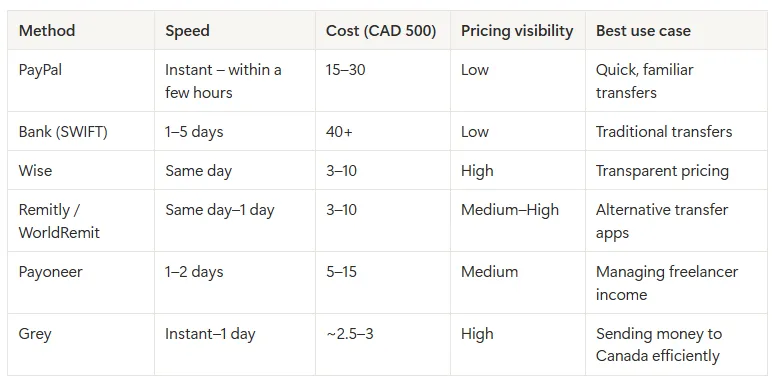
While non-US residents cannot open a traditional US bank account, they can still manage USD transactions seamlessly with fintech payment solutions that let you create an account from anywhere, without a physical visit. While these USD accounts might have some limitations, they are reliable and secure for receiving USD payments. They also let you keep USD, make international payments, and withdraw to your local bank account.

Which USD online banking options can non-residents use?

If you want to manage USD with ease, these are some of your best options.

Grey

This offers multicurrency accounts supporting USD, EUR, and GBP, allowing you to manage USD transactions as you would with a traditional USD account. It also seamlessly integrates with freelancing platforms like Upwork and Fiverr to withdraw your earnings. Grey offers you US banking details to receive USD with ease. It is pretty straightforward to create an account, and you can get started with Grey within minutes.

LDMAG1

Wise

Wise provides USD accounts with US routing and account numbers. Wise is known for transparent fees and mid-market exchange rates. It works well for freelancers and remote workers, though some features may vary depending on your country of residence.

Payoneer

Payoneer is widely used on global freelancing marketplaces. It provides USD receiving accounts and allows withdrawals to local banks. While reliable, its fees and exchange rates are generally higher and less transparent than those of newer fintechs.

PayPal

PayPal allows you to receive USD payments, but you cannot truly hold USD long-term in many countries. Withdrawals often force conversion to local currency at unfavourable rates. It works for occasional payments, but not as a long-term USD banking solution.

Why do people open US bank accounts online with Grey?

Grey remains a favourite among frequent international travellers, freelancers with global clients, and everyone managing multiple currencies. Here are the reasons non-residents open a US bank account online in 2026.

  • Low fees: Grey offers a transparent fee structure with low transaction fees.
  • Competitive exchange rates: Convert fees at market rates, with no hidden markups.
  • Swift transactions: Transactions are processed and completed within minutes to a few hours.
  • Virtual cards: Access multiple virtual cards for your international payments without requiring top-ups. These cards also work with Apple Pay and Google Pay for contactless payment.

Also read: How freelancers choose the right platform to work with

How do you open a US bank account online with Grey?

Opening a US bank account with Grey is straightforward. Follow these steps and your USD accounts will be up and running within minutes.

  • Sign up on Grey’s website or on the mobile app
  • Complete your ‘Know Your Customer’ verification by uploading a valid ID, a selfie, and proof of address.
  • Once verified, request your USD account details.
  • Share the details with clients, employers, or platforms and start receiving USD payments.

While non-residents cannot open traditional US bank accounts online from abroad, global payment solutions like Grey offer multicurrency accounts that support USD transactions without physically visiting a bank or wading through paperwork. Manage your USD at low cost and withdraw to your local accounts at competitive exchange rates.

Download the app and sign up on Grey today to manage USD transactions without breaking a sweat.

‍

Last updated:

June 15, 2026

Open a free Grey account to get startedJoin 1 million digital nomads
IF YOU ENJOYED THIS, CHECK THESE OUT

What cities are attracting global talent in 2025?

•

•

2 min read

In 2025, global talent is on the move, with professionals seeking cities that offer career opportunities, quality of life, and cultural vibrancy. The rise of remote work, thriving tech hubs, and international business centres has made certain destinations more attractive than ever.

From innovation-driven capitals to lifestyle-friendly urban centres, these cities are setting the pace for global talent mobility. As a freelancer, entrepreneur, or skilled professional, knowing where talent is heading can shape your next move. So, what cities are attracting global talent in 2025, and why are they leading the race?

Read also: The best currencies to hold for global freelancers

Essential requirements every global talent needs to succeed

1. Multi-currency account

A multi-currency account is essential for professionals working across borders. It allows seamless transactions in different currencies, reduces conversion fees, and ensures faster payments. This financial flexibility is a game-changer in managing earnings globally for freelancers, remote workers, and international consultants.

2. Digital portfolio

These days, a polished online presence is non-negotiable. A LinkedIn profile, personal website, or portfolio showcasing expertise helps attract opportunities worldwide. Recruiters, clients, and collaborators often make decisions based on visibility and credibility, making this a vital asset for global professionals.

3. Remote collaboration tools

Global careers demand the ability to work effectively with teams spread across time zones. Familiarity with tools like Slack, Zoom, Notion, or Trello enables seamless collaboration, project management, and communication. These tools foster productivity and teamwork, bridging distance and cultural gaps in international projects.

Read also: Best apps for remote workers and global freelancers

Top cities attracting global talent and skilled professionals

Singapore

Singapore is becoming a top hub for freelance and remote tech talent in Asia. Beyond finance and biotech, the city embraces digital design, UI/UX, content creation, and coding for startups and global brands. Its pro-business policies, fast internet, and multicultural environment make it an ideal base for freelancers seeking high-paying gigs, international clients, and steady career growth in 2025.

Read also: How freelancers in Singapore can receive payments from the US, UK & EU clients

London

London continues to attract creative and freelance professionals across design, writing, coding, and digital media. With its booming fintech, AI, and sustainability sectors, demand is high for freelancers who can build products, craft stories, and design user-centered experiences. Its diverse culture, global networks, and flexible work opportunities make it one of the world’s best cities for independent professionals.

New York

New York City thrives as a global freelance hotspot, where design, UI/UX, writing, and coding intersect with finance, media, and startups. Independent professionals find opportunities with agencies, tech firms, and creative industries, while also building direct client networks. Its fast-paced energy and constant demand for innovation make NYC perfect for freelancers who want influence and high earnings.

Paris

In addition to being a centre for art and culture, Paris is  also becoming a hub for fashion tech, green energy, AI, and finance. The city draws global talent in creative industries, sustainable innovation, and luxury branding. Its blend of tradition and modern entrepreneurship makes Paris a unique destination for ambitious professionals.

Read also: Cheapest cities in France for international students

Toronto

Toronto is rising as a freelancer-friendly city, offering steady demand in software development, content writing, digital design, and green tech solutions. With inclusive immigration policies, multicultural communities, and growing startup ecosystems, it provides global freelancers the chance to work with international clients while enjoying a balanced lifestyle and creative freedom.

Bangalore

Bangalore is Asia’s freelance powerhouse, buzzing with opportunities in coding, product design, UI/UX, and digital content. Startups and multinationals alike hire global freelancers for agile, project-based work in software, fintech, and biotech. Its youthful, innovative culture and cost-friendly environment make Bangalore ideal for freelancers looking to scale their careers and gain access to fast-growing markets.

San Francisco

San Francisco remains the heart of global tech innovation, home to Silicon Valley giants and startups. The city actively seeks talent in software engineering, AI, robotics, and biotech. Despite high living costs, its culture of innovation, venture capital opportunities, and strong networks attract professionals driven to shape the future.

Amsterdam

Amsterdam combines quality of life with global business appeal. Known for its progressive culture and strong logistics sector, it attracts talent in fintech, sustainability, AI, and creative industries. Its English-friendly environment, startup ecosystem, and supportive government policies make it a top choice for remote workers and international professionals.

Read also: Best online banks for non-residents and global travellers

Conclusion

Employers in cities like Singapore, London, and Toronto are actively seeking global talent across tech, finance, and creative industries. Yet, receiving payments can be complex. Grey bridges this gap by offering secure, fast, and flexible solutions, empowering professionals to focus on their careers while seamlessly managing international earnings with ease and confidence.

Sign up today or download the app and take full control of your global earnings.

‍

What to do if your payment platform delays your payout

•

•

2 min read

Few things are as frustrating as waiting for money you’ve already earned. You’ve delivered the work, the client has paid, and you’re counting on that money to hit your account, only to realise your payment platform is taking forever. Suddenly, your bills, rent, or weekend plans are on hold because of a “processing delay.”

If you’ve ever been in this situation, you know it can feel helpless. However, with the right steps, you can take control, troubleshoot the problem, and ensure you’re not stuck waiting indefinitely.

Let’s break down exactly what to do when your payment platform drags its feet.

Also read: Global accounts vs traditional banks: What remote workers should know

1. First, don’t panic. Check the expected payout window

One of the most common mistakes freelancers make is assuming their money is “late” when on the contrary, the payment platform is following its regular payout cycle. Every platform has its own rhythm, and it’s worth learning it like the back of your hand.

Take PayPal, for instance. Transfers to your bank usually take between one and five business days. Upwork doesn’t pay you right away either. Once a client approves your work, there’s a five-day security hold before the money hits your balance. Fiverr even takes it a step further. Earnings sit in clearance for 14 days after you deliver (seven if you’ve reached top-rated status).

It might be frustrating, but this is how the system works. Before worrying, always double-check the payout windows listed in the platform’s FAQ or support section.

Here’s a smart move: keep a small “payout calendar.” Set reminders for each platform you use so you always know when to expect your earnings. That way, you can plan your expenses around real timelines, instead of stressing over money that may not be late.

Also read: The ultimate guide to using virtual accounts for global payments in 2025

2. Check for account or compliance holds

One of the most common reasons your money may not land sooner is the platform’s compliance rules. These platforms run on strict rules, and the moment something looks unusual, they’re quick to hit pause. Think of it as a safety lock to protect you and them. However, it can feel frustrating when your earnings get stuck in limbo.

Sometimes, the issue is as simple as missing paperwork. If you haven’t completed KYC (Know Your Customer) verification, like uploading your ID, business registration documents, or proof of address, your account might be flagged until you do. Other times, it’s less obvious. A larger-than-usual payment can trigger fraud checks, or something as small as changing your linked bank account or payout method may cause the system to double-check your details before letting funds through.

The first thing to do is log in and check your notifications or inbox. Most platforms are clear about what’s holding your money. They’ll usually prompt you to upload documents, confirm your identity, or re-verify your bank details. Once you’ve cleared these compliance checks, your payouts typically start flowing smoothly again, and you’re less likely to face future delays.

Also read: Why KYC is required to use global accounts (and how to do it easily)

3. Contact your bank

Not every delay is the platform’s fault. Sometimes, the holdup happens once the money has landed in your bank’s system. Banks can flag or pause international transfers for all sorts of reasons: maybe the amount looks out of the ordinary compared to your usual transactions, maybe the sender is from a region they consider “high risk,” or maybe they just need to double-check compliance boxes like anti-money laundering (AML) regulations.

It’s frustrating, but it’s also part of how banks protect themselves and their customers. A quick nudge can often get things moving. Instead of saying something vague like “My money hasn’t arrived,” give them everything they’ll need to trace the transaction quickly. Include your transaction ID or reference number, the exact date, the amount and currency, and the payout method you used.

The more precise you are, the less time they’ll spend searching and the faster you’ll get answers. Adding screenshots of your receipt or payment history is a bonus. It gives them visual proof to work with.

Ask directly if the funds are sitting in a review queue. If they are, confirming a few details with you, like who sent the payment and what it’s for, might be all they need to release it.

By proactively checking in, you can avoid the stress of waiting days for something that could’ve been cleared up in a single phone call or email.

Also read: Receiving dollar payments in Nigeria: Best platforms and what to avoid

4. Build a financial cushion

No one gets excited about putting money aside instead of spending it on a new gadget, a night out, or that trip you’ve been eyeing. But here’s the truth: a financial cushion is your lifeline as a remote worker.

Payouts get delayed. Clients disappear. Platforms take longer than expected to release your funds. If you’re living pay cheque to pay cheque, even a one-week delay can spiral into stress over rent, bills, or groceries. That’s why having an emergency buffer is non-negotiable.

You can start with with5% of each payout, then work up to 10% as things stabilise, then go higher over time, you’ll have enough to cover at least six months of basic expenses. With that safety net in place, you won’t panic the next time a payment drags. Instead, you’ll have breathing room to focus on your work and clients, rather than scrambling to cover essentials.

Also read: How safe is your money with global virtual accounts?

5. Know when to escalate

There’s a difference between being patient and being taken for granted. If the official processing window has long passed, you’ve followed up multiple times, and you’re still stuck with radio silence, it may be time to move beyond polite reminders.

Start with the platform’s formal dispute process. Almost every payment provider has one — even if it’s buried in the help centre. Document every email, chat, or ticket number you’ve raised so far; a clear paper trail often pushes your case forward faster.

If that still doesn’t get things moving, don’t underestimate the power of visibility. Companies that ignore inboxes often sit up quickly when tagged on social media, especially platforms like X (formerly Twitter) or LinkedIn, where their reputation is on show. A professional but straightforward call-out can put your issue at the top of their priority list.

For freelancers or businesses dealing with larger sums, you may also want to explore professional help. Depending on your country, that could mean contacting a local financial regulatory body, consulting with a lawyer, or even leaning on community groups where others share similar experiences.

At the end of the day, delays shouldn’t be normalised. You’ve done the work and deserve to be paid on time.

Also read: Why Brazilian online entrepreneurs need virtual bank accounts

Payment delays can be stressful, especially when you’re counting on that money for rent, bills, or simply keeping your work-life balance in check. The more informed and prepared you are, the less power these hiccups have over your financial stability.

One real game-changer is having a system that puts you in charge, where payments are faster, currency conversion is seamless, and you’re aren’t stuck waiting.

That’s precisely what Grey was built for. With global accounts in USD, EUR, and GBP, instant currency swaps, and tools designed for cross-border payments, Grey helps freelancers and businesses cut through the usual roadblocks and access their money when it matters most.

Create your free Grey account today or download the app for more secure and timely payments.

‍

What freelancers in India need to know about AdSense withdrawals

•

•

2 min read

India’s digital advertising market is valued at approximately ₹30,000 crore ($3.61 billion USD). As one of the largest ad networks globally, Google AdSense makes a significant contribution to this market. Freelancers have an excellent opportunity to tap into this growing demand.

Google AdSense is a monetisation platform that allows content creators, bloggers, and website owners to earn revenue by displaying targeted advertisements on their digital properties. As India’s digital economy continues to boom, freelancers in India can leverage AdSense to generate income from online content by monetising their websites, blogs, or YouTube channels. However, navigating the withdrawal process can be complex due to payment thresholds, currency conversions, and banking regulations in India.

This article provides a comprehensive guide for freelancers in India on how to effectively manage AdSense withdrawals.

Also read: The easiest way to get a virtual dollar account for AdSense earnings

What is AdSense and how does it work?

Google AdSense is an advertising programme that connects website owners, bloggers, and content creators (publishers) with advertisers who want to display ads on their platforms. The platform was launched in 2003 and has become a leading online monetisation programme, serving millions of freelancers globally. In India, it is particularly popular among freelancers who create content ranging from blogs to YouTube videos.

AdSense operates on a cost-per-click (CPC) or cost-per-impression (CPM) model. When a visitor clicks on an ad (CPC) or views an ad (CPM), the publisher earns a portion of the revenue paid by the advertiser. Google retains approximately 32% of the revenue, while publishers receive 68% for most ad formats. Ads are automatically targeted to the content and audience of the website, leveraging Google’s AI to ensure relevance and maximise engagement. Publishers simply need to integrate AdSense on their website or link their YouTube channel to AdSense to start displaying ads.

To participate, freelancers must meet Google’s eligibility criteria, including:

  • Being at least 18 years old
  • Owning a website or YouTube channel with original content
  • Complying with AdSense programme policies

Once approved, publishers can customise ad placements, block unwanted ads, and track earnings through their AdSense dashboard.

Also read: Earn from TikTok in India without a UK bank account

How do freelancers in India earn from AdSense?

Freelancers in India can earn money from AdSense by creating high-quality, engaging content that attracts a target audience. Common platforms include blogs, websites, and YouTube channels. The amount you earn depends on several factors, including:

  • Traffic volume
  • Audience demographics
  • Content niche
  • Ad engagement

AdSense earnings in India also vary based on site layout, ad unit placement, and audience location. The average cost-per-click (CPC) for AdSense ranges from $0.05 to $0.20. Some high-value niches, such as finance, technology, or education, can yield higher rates.

To get started on AdSense, here is what you have to do:

  1. Create quality content: Develop a website, blog, or YouTube channel with original, high-quality content that complies with AdSense policies.
  2. Apply for AdSense: Sign up through the AdSense website or YouTube Studio, ensuring the content meets Google’s standards.
  3. Place ads strategically: Use AdSense’s auto-ads feature or manually place ads. Ensure you optimise the ad’s visibility without compromising your users’ experience.
  4. Drive traffic: Use search engine optimisation (SEO), social media marketing, or other strategies to increase traffic because higher traffic correlates with higher earnings.
  5. Monitor performance: Use the AdSense dashboard to track clicks, impressions, and revenue, adjusting strategies to improve earnings.

Despite the earning potentials in Adsense, many freelancers in India face challenges, such as lower CPC rates compared to Western markets and stricter scrutiny for account approval due to historical issues with spam accounts. However, with consistent effort, complying with AdSense’s policies, and strategic content creation, AdSense can be a reliable income stream.

Also read: Best USD accounts for creators and influencers outside the US/UK

How can you withdraw from AdSense?

Google typically processes payments monthly, with payments issued between the 21st and 26th of the month if the account balance meets the payment threshold of $100. If your earnings don't reach the threshold in a month, they will be carried over to the next month and added to your earnings for that month. Below is an overview of the withdrawal process and available methods.

Steps to withdraw AdSense earnings in India

Follow these steps to withdraw your AdSense earnings:

  • Sign in to your AdSense account.
  • Navigate to the "Payments" section and then "Payment settings".
  • Click "Add payment method".
  • Choose "Wire transfer to bank account" or "Electronic Funds Transfer (EFT)" as your preferred method.
  • Enter your bank account details carefully, including your account number, IFSC code, and bank name, as they appear on your bank statement.
  • Verify your account by adding a test deposit amount that AdSense will send to you.
  • Once verified, confirm the test deposit amount in your AdSense account.

Ensure your bank account details are accurate to avoid payment delays or failures. You can update your payment method until the 20th of the month for it to be effective in the current payment cycle. The money should be deposited into your bank account within a few days, depending on the payment method and your banking institution. If you have any issues or haven't received your payment within a reasonable timeframe, please contact your bank or AdSense support.

You may also like: How to get paid as a creator on social media from anywhere in the world

Payment methods in India

Indian freelancers have three main options for withdrawing their AdSense earnings. These are:

  • Electronic Funds Transfer (EFT): Earnings are deposited directly into a bank account in Indian Rupees (INR). EFT is the most convenient and recommended method, typically taking 4–10 business days to complete. A small test deposit is sent to verify the account, which must be confirmed in the AdSense dashboard.
  • Wire transfer: Similar to EFT, wire transfers deposit funds into a bank account but may involve higher fees and longer processing times (up to 15 business days). To receive payments via wire transfer, you need to provide your bank details, including your account number, account holder's name, SWIFT code, and bank name
  • Cheque: Cheques are mailed via Blue Dart courier or registered post and could take 2-4 weeks to arrive. You can then deposit the cheque at your local bank. Cheque clearance can add further delays, making this a less popular option for freelancers in India.

What do you look out for when choosing an option?

Choosing the right AdSense payment method in India requires careful consideration of several factors to minimise costs, delays, and complications. Here are key aspects to evaluate:

  1. Speed of payment: Note the time it would take for you to receive your earnings before choosing a payout option. You should factor in your local bank’s delays, too.
  2. Bank fees: Banks in India may charge fees for receiving international transfers, especially wire transfers. Check with your bank to compare fees.
  3. Currency conversion losses: AdSense converts earnings from USD to INR, and banks may apply additional conversion fees or unfavourable exchange rates. Using a multi-currency account, such as Grey, can help reduce losses.
  4. Reliability and convenience: Opt for reliable payment options like Grey that integrate seamlessly with the payment gateway and require minimal manual intervention.

Managing AdSense withdrawals with Grey

Grey offers multi-currency accounts in USD, EUR, and GBP, making it an attractive option for Indian freelancers managing AdSense withdrawals. Freelancers can efficiently receive payments in foreign currencies and withdraw to local bank accounts in INR with minimal conversion losses. Here’s how freelancers can use Grey for AdSense withdrawals:

  1. Set up a Grey account: Register on Grey’s website or download the mobile app. Complete the KYC verification and obtain a USD account.
  2. Add Grey account to AdSense: In the AdSense dashboard, select “Add payment method” and enter the Grey virtual account details as the bank account.
  3. Receive AdSense payments: Google deposits earnings into the Grey USD account, avoiding intermediary bank fees and unfavourable exchange rates.
  4. Withdraw to local bank: Transfer funds from the Grey USD account to an Indian bank account in INR. Grey typically offers competitive exchange rates and low fees.

Also read: How to open US, UK and Euro bank accounts in India

Benefits of using Grey

Many freelancers globally turn to Grey to access their AdSense earnings for many reasons. Here are some benefits of using Grey to manage your AdSense earnings.

  • Reduced conversion losses: Grey’s exchange rates are often better than those of Indian banks, minimising losses.
  • Fast processing: Grey offers swift transaction processing to help freelancers access their AdSense earnings without delays.
  • Multi-currency flexibility: Users can hold their earnings in USD until ready to convert, protecting against INR depreciation.
  • Low fees: Grey’s transaction fees are generally lower than those of bank wire transfers.

By using Grey, freelancers can streamline AdSense withdrawals, reduce costs, and maintain better control over their earnings.

AdSense tips for freelancers in India

Maximising AdSense earnings and managing withdrawals effectively require strategic planning and adherence to best practices. Here are tailored tips for Indian freelancers:

  1. Optimise ad placements: Experiment with ad formats (e.g., in-page, native, or overlay ads) and placements to improve click-through rates without harming user experience. Use AdSense’s auto-ads feature for better optimisation.
  2. Focus on high-value niches: Content in finance, technology, or education tends to attract higher CPC rates. Research trending topics using tools like Google Trends or SEMrush.
  3. Drive targeted traffic: Pay attention to SEO to rank higher on Google and target keywords with commercial intent. Social media platforms like Instagram or X can also drive traffic to your content.
  4. Avoid invalid clicks: Never click on your own ads or encourage others to do so, as this violates AdSense policies and risks account suspension.
  5. Monitor performance regularly: Use the AdSense dashboard to track key metrics, including CPM, CPC, and page views. Adjust strategies based on performance data to boost your earnings.
  6. Comply with tax regulations: Maintain records of your AdSense earnings and comply with taxation regulations. Consult a chartered accountant if necessary. Provide your PAN in the AdSense dashboard to avoid tax-related holds.
  7. Leverage analytics: Use Google Analytics alongside AdSense to understand audience behaviour and optimise content for higher engagement.

By implementing these strategies, Indian freelancers can enhance their AdSense earnings and navigate the withdrawal process with confidence.

Managing AdSense earnings efficiently with Grey

As India’s digital economy continues to grow, Google AdSense offers Indian freelancers an opportunity to monetise their digital content. However, understanding the withdrawal process is crucial to maximising its potential. Choosing the right payment method, a multi-currency platform like Grey, helps freelancers minimise fees and delays. Strategic content creation, ad optimisation, and compliance with tax and banking regulations further enhance earning potential.

Get started with Grey today to manage your AdSense earnings efficiently.

‍

The ultimate guide to using virtual accounts for global payments in 2025

•

•

2 min read

This digital age comes with digital problems that require digital solutions. As countries are now more connected than ever, remote workers and their employers can live on different continents, speak different languages, and spend in different currencies. Freelancers, expats, and businesses are seeking efficient, secure, and cost-effective solutions for managing global payments because conventional banks are expensive, have time-consuming paperwork, and delay international payments.

Fortunately, virtual accounts are transforming how freelancers, digital nomads, startups, and businesses make international payments. With faster processing, lower fees, and multi-currency support, virtual accounts provide a seamless, flexible, and borderless payment experience.

This guide walks you through everything you need to know about using virtual accounts for global payments in 2025.

Also read: The best international bank accounts for freelancers and remote workers

What are virtual accounts?

Virtual accounts are unique, non-physical bank account numbers linked to a main bank account. They allow businesses and individuals to manage payments and collections more easily, without needing to open multiple physical accounts. Each virtual account has its own unique identifier, such as an account number or IBAN, which you can use to send and receive payments in specific currencies. This simplifies online banking for freelancers and business owners.

For platforms like Grey, virtual accounts simplify global payments by offering multi-currency support and seamless integration with international banking systems.

Why virtual accounts are essential for global payments in 2025

With modernisation, the world’s financial systems continue to evolve, creating a growing demand for swift, low-cost international transactions. Virtual accounts address these needs by offering:

  • Multi-currency flexibility: Virtual accounts enable users to hold and transact in multiple currencies, including USD, EUR, GBP, and other local currencies, without the need for separate physical accounts. This is particularly valuable for businesses operating in multiple markets, families managing expenses or remittances in various currencies, and freelancers working with international clients.
  • Cost efficiency: Traditional international transfers often charge high fees and unfavourable exchange rates. Virtual accounts reduce costs by enabling local currency transactions and minimising conversion fees. Many virtual accounts providers ensure there are no hidden fees or markups.
  • Speed and efficiency: With virtual accounts, payments can be processed faster, often within minutes to hours, compared to days for traditional bank transfers.
  • Simplicity: Ease is a marker of modernisation. People are looking for simple ways to set up their payment system. This is where virtual accounts come in. Creating a virtual account is so straightforward that it can be done from the comfort of your home and doesn’t require visiting a banking hall or lengthy paperwork.

You can get a multi-currency account on Grey with minutes. It offers users accounts in USD, EUR, and GBP, enabling seamless global transactions with competitive exchange rates and low fees.

Also read: How to receive payments from freelance platforms easily in 2025

How virtual accounts work on Grey

Grey is designed to simplify international payments for individuals and businesses. It enables users to send, receive, and manage funds globally efficiently. Here’s how it works:

  • Account creation: Users sign up on Grey and create accounts in their desired currencies (e.g., USD, EUR, GBP). These accounts are linked to a master account but function independently for receiving and sending payments.
  • Receiving payments: International clients or customers can send funds to a user’s virtual account using its unique account details. For example, a freelancer in the Philippines can provide a virtual USD bank account number to a client in the US, who can then pay as if it were a local transfer.
  • Currency conversion: Grey offers competitive exchange rates for converting funds between currencies. Users can convert received funds and withdraw to a local bank account or wallet at the best market rates.
  • Sending payments: Users can initiate outbound payments to international recipients using their virtual accounts, benefiting from faster processing and lower fees compared to traditional banks.
  • Integration with payment systems: Grey’s virtual accounts are compatible with global payment networks like SWIFT and SEPA.

Benefits of using virtual accounts on Grey for global payments

Over the years, Grey has proven relevant in meeting the needs of modern businesses, freelancers, and individuals. Here are the benefits of getting virtual accounts on Grey.

  • Accessibility: As a leading global digital payment platform, Grey is reputable for its reliability and accessibility. You can use your Grey account to manage transactions at any time and from anywhere in the world with internet access.
  • Transparent pricing: Grey offers competitive fees and exchange rates, with no hidden charges, making it a cost-effective alternative to traditional banks.
  • User-friendly interface: The platform’s intuitive dashboard allows users to manage multiple virtual accounts, track transactions, and initiate payments without hassles.
  • Security: Grey employs robust encryption and compliance measures to protect user funds and data, ensuring safe transactions.
  • Support for freelancers and SMEs: Virtual accounts simplify online banking for freelancers receiving international payments from clients abroad or small businesses managing supplier payments across borders. They provide invoice automation to help you appear more professional, track your income and streamline your finances. It also integrates seamlessly with global platforms, whether you are a freelancer on Upwork or Fiverr, or selling crafts on Etsy.
  • USD debit card: Grey offers a versatile USD debit card that works well with most payment gateways. This takes your ease of payment to a whole different level, whether you are shopping online or paying for subscriptions.
  • USDC transactions: As an evolving payment system, Grey also supports USDC transactions, reflecting the world's increasing adoption of digital currencies.

Also read: How to manage multiple currencies as an expatriate with Grey

Setting up virtual accounts on Grey

Setting up virtual accounts to receive international payments on Grey is pretty straightforward.

  • Sign up: Create an account on Grey’s website or mobile app. You will be required to upload a valid ID, proof of address and your photo for verification.
  • Choose your currencies: Request for bank accounts in the currencies you will be managing (e.g., USD, EUR, GBP). Grey provides unique account details for each currency.
  • Share account details: Provide your virtual account details to clients or partners for receiving payments. For example, share a GBP virtual account number with a UK-based client.

Virtual accounts are revolutionising global payments by offering a flexible, cost-effective, and efficient solution for managing cross-border transactions. Grey makes these accounts accessible to everyone, from remote workers to businesses. By understanding how to effectively leverage virtual accounts, you can streamline your finances and reduce costs. Whether you’re receiving payments from international clients or paying suppliers abroad, Grey’s virtual accounts provide the tools you need to succeed.

Get started with Grey today to enjoy seamless global transactions with virtual accounts.

‍

Setting up payment terms and timelines with international clients

•

•

2 min read

Being a freelancer means many things you’d rather not deal with end up on your table. One involves setting up payment terms and timelines with international clients. When you factor in the legal framework, currency exchange, and project description, it becomes even more challenging.

However, it is crucial to agree on payment conditions with international clients before embarking on any project to avoid confusion when it is time to receive payment. If you’re wondering how you can set up your payment terms and times with international clients without hassles, as always, we’ve got you.

Also read: Negotiating cross-border freelance contracts: Tips and templates

Why you need to set up payment terms and timelines

Before we dive into the process, here are the reasons you need to draw out your payment conditions when dealing with international clients.

  • Defines mutual expectations: Establishing agreed terms makes both parties accountable and clarifies responsibilities, avoiding disputes.
  • Protects legal rights: Well-drafted terms serve as proof of agreement should legal issues arise or enforcement become necessary.
  • Prevents misunderstandings: Your international clients may have worked with other freelancers and could be used to certain payment conditions, which might not be favourable to you. It is essential to inform them of your preferred payment method to prevent misunderstandings that could compromise your relationship with the client.
  • Promotes your professional outlook: As much as reasonably possible, you want to create a good impression with your international clients. Professionalism will enhance the level of trust your clients have in you and strengthen the relationship. Providing a clear payment plan reassures your client that you are knowledgeable and competent.
  • Helps you plan your finances: Setting up payment terms and timelines ensures you know when to expect your payments. This way, you can plan your finances efficiently instead of leaving it to the discretion of the
  • Reduces risk of non-payment: Specific timelines and conditions reduce the likelihood of clients delaying payments or defaulting, thereby protecting your earnings.

How to set up payment terms and timelines with international clients

Payment terms and timelines are binding agreements that stipulate the amount to be paid, the currency in which it should be paid, when the payment should be made, and the means of payment. Here is all you need to know to set up your payment terms and timelines.

1. Understand local legal and cultural norms

Different countries have varying laws about contracts, dispute resolution, and currency regulation. Before drafting payment terms, research the legal requirements for your country and your client’s country. If necessary, consult legal professionals to understand the client’s local regulations and consider cultural sensitivities, ensuring your terms are appropriate and valid.

2. Define clear and detailed payment terms

Use simple language when drafting your payment terms to reduce misunderstandings. Your payment terms should specify the conditions under which payments are to be made, including:

  • Payment amount: Total fee and any instalments.
  • Payment currency: Clearly state the currency, considering exchange rates and potential fluctuations.
  • Payment method: Bank transfer, international wire, credit card, or online payment platforms.
  • Due date(s): Specific deadlines for each payment or milestone.
  • Late payment penalties: Percentage fees or interest rates applicable if payments are delayed.
  • Any discounts: If you’re offering a discount, please specify the applicable terms and conditions.

3. Set reasonable and mutually convenient timelines

Your set timelines should consider the scope of work, cash flow needs, and the client's payment practices. Here is a payment structure you can consider:

  • Percentage upfront: Often 30-50% before work begins.
  • Milestone payments: Payments made at predefined project stages.
  • Final payment: Due upon project completion or delivery.

You should be flexible enough with your timeline without compromising quality and professionalism. You can allow clients to pay in instalments tied to deliverables or invoicing intervals. Be transparent about processing times, especially when dealing with different banking systems, which can add days to transaction completion.

4. Factor in currency exchange

Fluctuating exchange rates can impact the amount you receive in your local currency. If you will receive payment in your local currency, agree on a fixed exchange rate or a rate at the time of invoicing. Otherwise, consider using international payment services such as Grey to receive payments in USD, GBP, and EUR, which are relatively stable currencies.

Also read: Invoice like a pro: Tools African freelancers are using to get paid faster

5. Use legally binding contracts and clear invoicing procedures

A signed contract outlining payment terms provides legal backing and clarity. Ensure invoices include:

  • A unique invoice number
  • Detailed description of services/products
  • Payment amount and currency
  • Due date
  • Accepted payment methods
  • Bank details or online payment links
  • Terms regarding late payment penalties

Use automated invoicing tools like Grey to streamline your invoicing process. Send invoices well ahead of deadlines, and specify the acceptable days for processing payments (e.g., “net 30," which means the client must pay the full amount of an invoice within 30 calendar days from the invoice date).

6. Discuss payment expectations early

Set expectations proactively in the negotiation process. Discuss and agree on the payment schedule, methods, and currency. Incorporate a confirmation of payment terms into your contractual agreement, and remind clients of upcoming payment deadlines with polite follow-ups.

7. Plan for international transaction fees

International payments often incur transaction fees. Payment platforms charge wire transfer charges, currency conversion costs, or platform transaction fees. Clarify whether these are included in your fee or will be covered by the client. Use a preferred international payment platform that offers low fees and competitive exchange rates. Grey reduces expenses and delays with free multi-currency accounts, low and transparent transaction fees, and favourable conversion rates.

Also read: Freelancer's guide to handling currency fluctuations

Managing international payments

Setting up effective payment terms and timelines with international clients requires careful planning, clear communication, and cultural sensitivity. By establishing transparent, reasonable, and mutually agreeable conditions, you reduce the potential for disputes, organise cash flow, and build strong, professional relationships with your foreign clients.

Grey is a top recommendation for simplifying your cross-border payment process with automated invoicing, multi-currency accounts, low transaction fees, and competitive exchange rates.

Sign up with Grey today to enjoy efficient cross-border payments.

‍

Managing remittances while working from abroad

•

•

2 min read

Working from abroad can be an incredible experience. You can explore new cities, meet new people, and get a fresh perspective on life. In addition, it’s an opportunity to help the people back home and sometimes, build businesses.

In 2024, the World Bank estimated that global remittances to low and middle-income countries reached over $650 billion, with workers abroad making up the bulk of that flow. Challenges like high fees, poor exchange rates, and unpredictable delays often disrupt that flow.

Here’s how you can manage those challenges and keep your remittances smooth, affordable, and stress-free, so you can focus on your work and life abroad without worrying about money transfers.

Also read: How to protect your funds while travelling abroad

Challenges of sending money while abroad

Living and working abroad is exciting, but sometimes, what should be a quick, straightforward transfer often leaves much to be desired.

Here are some of the biggest pain points remote workers and expats face:

  1. High transfer fees: Traditional banks and many remittance services take a sizeable cut, sometimes as much as 5–10% of your transfer. That’s money that could have gone straight to your loved ones.
  2. Poor exchange rates: Even a small difference in the foreign exchange rate can add up to a significant loss on larger transfers. Sometimes, the “bank rate” you’re offered is far worse than the real market rate.
  3. Slow processing times: While you can send an email instantly from anywhere in the world, an international wire transfer can still take several business days to clear. For urgent payments, that delay can be stressful.
  4. Limited payout networks: If your recipient lives in a country with fewer banking or payout options, they may have to travel far or wait longer to collect funds, adding more time and inconvenience.
  5. Hidden costs: Some providers apply receiving charges, intermediary bank fees, or mandatory conversion fees that you only discover after the transfer.

Also read: A freelancer’s guide to avoiding payment scams online

How can you manage remittances effectively?

With the right combination of planning and modern payment tools, you can send money across borders quickly, affordably, and with far fewer headaches. Here are a few tips that can help:

1. Map your routes before you send

Not all transfer paths are created equal. Bank wire, fintech transfer, card payout, and mobile money each have different speeds, fees, and success rates by corridor. Do a quick A/B test with small amounts to see which route lands fastest and cheapest for your destination.

2. Time your transfers with intention

FX moves daily. If you’re paid in a strong currency (e.g., USD/EUR) and sending to a weaker one, batching and converting on favourable days can add up. A nice hack is to set a target rate, and only convert when it’s at or above that line. When in doubt, split transfers, convert some now, hold some to hedge.

3. Avoid double conversions

For example, converting USD to EUR to KES means paying two spreads. Whenever possible, receive the currency you earn and send it in the currency your recipient needs with a single, transparent conversion.

4. Match the payout method to the recipient

Speed, convenience, and cost vary by recipient. A parent may prefer a direct bank credit, while a contractor might want mobile money for instant access. Ask what works for them, then optimise for that rail.

5. Keep a remittance buffer

If your pay fluctuates, hold a small cushion in the sending currency to avoid forced conversions on a bad FX day. Even 2–4 weeks of average transfers can protect you from swings.

6. Prioritise security and compliance

Stick to regulated platforms, complete KYC, and use two-factor authentication. If a service can’t tell you where your money is in the flow, that’s a red flag.

7. Choose a platform built for global workers

You want a fast and easy-to-use platform that works where your recipients live. A good example is Grey.

Also read: How to get paid as a creator on social media from anywhere in the world

With the right tools, you can support your loved ones from anywhere without any issues.

Create your Grey account today or download the app to enjoy inclusive global banking designed to carry your dreams across borders.

‍

Arrow (up)

Back to top