

<script type="application/ld+json" data-schema-version="grey-blog-v4"> [{"@context":"https://schema.org","@type":"BlogPosting","@id":"https://grey.co/blog/egypt-visa-requirements-for-uk-citizens#article","headline":"Egypt visa requirements for UK citizens: The complete 2026 guide","description":"Do UK citizens need a visa for Egypt? 2026 guide to the Sinai exemption, e-Visa, $30 visa on arrival, consulate fees and money rules.","inLanguage":"en","url":"https://grey.co/blog/egypt-visa-requirements-for-uk-citizens","mainEntityOfPage":{"@id":"https://grey.co/blog/egypt-visa-requirements-for-uk-citizens#webpage"},"datePublished":"2025-03-18T09:16:53.829Z","dateModified":"2026-06-30T22:36:49.046Z","author":{"@type":"Person","@id":"https://grey.co/authors/olayoyin-olorunmota#person","name":"Olayoyin Olorunmota","url":"https://grey.co/authors/olayoyin-olorunmota","jobTitle":"Content Writer","sameAs":["http://www.linkedin.com/in/olayoyinolorunmota","http://x.com/yoyin_michael"]},"publisher":{"@type":"Organization","@id":"https://grey.co/#organization","name":"Grey","url":"https://grey.co","logo":{"@type":"ImageObject","url":"https://cdn.prod.website-files.com/6360022338a81bd6fdbb1145/6564ae1077a67e39d3c491a6_Grey%20Logo%20Lockup%20Black.svg"}},"image":{"@type":"ImageObject","@id":"https://grey.co/blog/egypt-visa-requirements-for-uk-citizens#primaryimage","url":"https://cdn.prod.website-files.com/636a85d290ee58e70c17e1c0/6a3014a750479eb492aa02f0_6a3014a696f3e91fb620815d_mexico-visa-requirements-for-us-citizens__header-image.webp","contentUrl":"https://cdn.prod.website-files.com/636a85d290ee58e70c17e1c0/6a3014a750479eb492aa02f0_6a3014a696f3e91fb620815d_mexico-visa-requirements-for-us-citizens__header-image.webp","width":1200,"height":675}},{"@context":"https://schema.org","@type":"WebPage","@id":"https://grey.co/blog/egypt-visa-requirements-for-uk-citizens#webpage","url":"https://grey.co/blog/egypt-visa-requirements-for-uk-citizens","name":"Egypt Visa Requirements for UK Citizens 2026: e-Visa, Fees and Entry | Grey","description":"Do UK citizens need a visa for Egypt? 2026 guide to the Sinai exemption, e-Visa, $30 visa on arrival, consulate fees and money rules.","inLanguage":"en","primaryImageOfPage":{"@id":"https://grey.co/blog/egypt-visa-requirements-for-uk-citizens#primaryimage"},"breadcrumb":{"@id":"https://grey.co/blog/egypt-visa-requirements-for-uk-citizens#breadcrumb"}},{"@context":"https://schema.org","@type":"BreadcrumbList","@id":"https://grey.co/blog/egypt-visa-requirements-for-uk-citizens#breadcrumb","itemListElement":[{"@type":"ListItem","position":1,"name":"Home","item":"https://grey.co/"},{"@type":"ListItem","position":2,"name":"Blog","item":"https://grey.co/blog"},{"@type":"ListItem","position":3,"name":"Egypt visa requirements for UK citizens: The complete 2026 guide","item":"https://grey.co/blog/egypt-visa-requirements-for-uk-citizens"}]},{"@context":"https://schema.org","@type":"FAQPage","@id":"https://grey.co/blog/egypt-visa-requirements-for-uk-citizens#faq","mainEntity":[{"@type":"Question","name":"Do UK citizens need a visa for Egypt?","acceptedAnswer":{"@type":"Answer","text":"Yes, normally. The exception is arriving by air at Sharm El-Sheikh and staying under 15 days within the Sinai resorts of Sharm El Sheikh, Dahab, Nuweiba, or Taba, where you receive a free entry stamp."}},{"@type":"Question","name":"Is Sharm El Sheikh visa-free for UK citizens?","acceptedAnswer":{"@type":"Answer","text":"Yes, for stays under 15 days within the Sinai resorts, arriving by air at Sharm El-Sheikh. Travelling beyond the resorts, including Cairo, Luxor, or a Nile cruise, requires a visa."}},{"@type":"Question","name":"How much is the Egypt visa on arrival for UK citizens?","acceptedAnswer":{"@type":"Answer","text":"30 US dollars, payable in cash only at the official bank kiosks before immigration. Do not buy from agents in the arrival hall, who often charge more than the official price."}},{"@type":"Question","name":"How much does the Egypt e-Visa cost for UK citizens?","acceptedAnswer":{"@type":"Answer","text":"Around $30 for single entry and $60 for multiple entry, paid online by card. Tourist e-visas are valid for up to 3 months. Verify current fees on the official portal before applying."}},{"@type":"Question","name":"How long does the Egypt e-Visa take?","acceptedAnswer":{"@type":"Answer","text":"Typically 3 to 5 business days. Apply at least a week before travel to allow for delays or additional checks."}},{"@type":"Question","name":"Can people of Egyptian origin get a free visa?","acceptedAnswer":{"@type":"Answer","text":"Yes. Applicants of Egyptian origin, or those married to an Egyptian national, can obtain a free multiple-entry visa through the consulate with official proof such as an Egyptian ID or a spouse's ID plus marriage certificate."}},{"@type":"Question","name":"What happens if I overstay my Egypt visa?","acceptedAnswer":{"@type":"Answer","text":"You can apply for an extension at the Egyptian Passport and Immigration Offices. Leaving on a visa expired by more than 14 days risks a fine and difficulties at departure."}},{"@type":"Question","name":"How much cash can I take into Egypt?","acceptedAnswer":{"@type":"Answer","text":"You can bring a maximum of 5,000 Egyptian pounds in or out. Foreign currency is unlimited but amounts worth over 10,000 US dollars must be declared on arrival."}},{"@type":"Question","name":"What is the best way to manage money in Egypt as a UK visitor?","acceptedAnswer":{"@type":"Answer","text":"Carry some US dollars in cash for visa fees and border charges, and use a Grey multi-currency account for the rest: hold GBP, convert at competitive rates, and pay with a virtual card."}}]}] </script>

Egypt visa requirements for UK citizens: The complete 2026 guide

Olayoyin Olorunmota

TABLE OF CONTENT

SHARE THIS POST

Egypt remains one of the most visited destinations for UK travellers, from the Red Sea resorts to Cairo and the Nile. The entry rules are more nuanced than most guides suggest: there is a visa-free route that only applies to part of the country, a visa on arrival that must be paid in cash, an e-Visa, and a consulate route with a little-known free visa for travellers of Egyptian origin.

This guide covers every route for UK citizens in 2026: who genuinely does not need a visa, what each option costs, how to avoid being overcharged at the airport, the border crossing rules from Israel and Jordan, and the money rules that determine how you should carry and spend funds in Egypt.

And because Egypt is a largely cash-based economy with strict limits on its own currency, we also cover the practical side: how a multi-currency account handles GBP to EGP without airport exchange desks.

Do UK citizens need a visa for Egypt?

Yes, in most cases. UK passport holders normally need a visa to enter Egypt. There is one genuine exception: if you arrive by air at Sharm El-Sheikh and stay for less than 15 days within the Sinai resorts of Sharm El Sheikh, Dahab, Nuweiba, or Taba, you receive a free entry permission stamp on arrival and do not need a visa.

The exemption is strictly limited. If you plan to travel outside those resorts, take a Nile cruise, visit Cairo or Luxor, or stay longer than the permitted period, you must get a visa. You can buy one at Sharm El-Sheikh Airport or apply online before travelling.

Your four visa options compared

Route Cost Validity Best for
Sinai free entry stamp Free Up to 15 days, Sinai resorts only Resort-only holidays via Sharm El-Sheikh
e-Visa (online) $30 single / $60 multiple Tourist e-visas valid up to 3 months Most travellers; avoids airport queues
Visa on arrival $30, cash only Up to 30 days, single entry Last-minute trips; bring exact USD cash
Consulate (London) Β£32 single / Β£53 multiple tourist 6 months validity; 30 days stay (single) or 90 days collective (multiple) Long stays, work, study, non-tourist purposes

Two warnings for the airport route. First, the visa on arrival must be paid in US dollars cash at the bank kiosks before the immigration counters; bring the exact amount. Second, you do not need to buy your visa from an agent. Agents in arrival halls often charge well above the $30 official price. If an agent harasses you, report it to the tourist police in the terminal.

The e-Visa is paid online in US dollars, which means a UK debit card adds a foreign transaction fee on top of the visa cost. Paying with a Grey virtual card from a USD balance avoids that markup.

Free multiple-entry visa for travellers of Egyptian origin

Applicants of Egyptian origin, or applicants married to an Egyptian national, can obtain a multiple-entry visa free of charge through the consulate by providing official proof: an Egyptian ID if you are of Egyptian origin, or your spouse's Egyptian ID plus your marriage certificate if your spouse is Egyptian.

For the large UK-Egyptian community visiting family, this changes the calculation entirely. A free multiple-entry visa, valid 6 months with up to 90 days of collective stay, makes frequent trips realistic, and it shifts the real planning question from paperwork to money, which we cover below.

Also read: Step-by-step guide to applying for an Egypt visit visa

Applying through the Egyptian Consulate in London

  • A passport valid for at least 6 months on the date the visa is issued
  • Two recent coloured passport photographs (45mm x 35mm) on a white background, with your name written on the back
  • A completed application form per applicant
  • Card payment when applying in person; postal order with a pre-paid return envelope when applying by post
  • Business visa applications: a company letter stating the purpose of the visit and the name and address of the organisation being visited in Egypt

Collection takes 5 to 7 business days once all documents are provided, and passports must be collected in person if you applied in person. One passport covers children under 16 added to it; children with their own passports, including babies, need their own visa.

Visa extensions and overstays

You can apply for an extension at the Egyptian Passport and Immigration Offices in-country. Do not leave it late: if you try to leave Egypt on a visa that has expired by more than 14 days, you will get a fine and face difficulties at departure. If you are hospitalised or delayed, start the extension process before your visa lapses.

Long-term visas: work, study, and residency

Work visa

Working in Egypt requires a job offer from an Egyptian employer, who sponsors the work permit application through the Egyptian Ministry of Labour. Expect background checks and medical tests, and note one requirement that surprises people: you must show HIV test results to apply for a work permit. Work permits can only be obtained from the local authorities in Egypt, not from the consulate in London.

Student visa

Students need an official letter of acceptance from a recognised Egyptian institution, proof of funds for tuition and living costs, and medical clearance. Visas generally run for the duration of the course.

Residency

Retirees, entrepreneurs, and long-stay residents apply for a residence permit, which can only be applied for and obtained within Egypt. Requirements include proof of sufficient income, a rental contract or property ownership, and a UK police clearance certificate.

Also read: Egypt visa requirements for US citizens

Crossing into Egypt by land or sea

If you are combining Egypt with Israel or Jordan, the border arithmetic matters, because everything is paid in US dollars cash.

From Israel at Taba

  • Staying in Taba only: $20 border tax for a 15-day entry stamp
  • Travelling within Sinai (including Sharm El-Sheikh): $120 border tax for a 15-day stamp
  • Travelling beyond Sinai (including flying from Cairo or Hurghada): $120 border tax plus a $30 entry visa plus a letter of guarantee from a travel agent, around $20
  • Crossing by car: an additional charge of around $100, plus parking fees

The FCDO recommends bringing at least 170 US dollars in cash per person, with extra to cover changes, because charges at Taba have been increasing at short notice since March 2026. The ATMs at the crossing are unreliable and frequently empty, so obtain your dollars before travelling. Border officials may also ask travellers to remove hats, coats, or other items of clothing, including religious clothing, as they pass through the terminal.

From Jordan by ferry

Ferries run from Aqaba to Taba Heights and Nuweiba. If you will stay beyond 15 days or travel past Sinai, an entry visa costs $35 at Taba Heights or $30 at Nuweiba, purchased at the port terminal, again usually in cash.

Health and entry conditions

You must show a yellow fever vaccination certificate if arriving from a country listed as a transmission risk; direct arrivals from the UK are not normally affected, but transit routes can trigger it. Check TravelHealthPro's Egypt guide for recommended vaccinations before you travel.

Two further conditions worth knowing. Egypt may deny entry if your gender expression or appearance does not match the sex marker or photograph in your passport. And high-value electronics and recording equipment should be declared on arrival; satellite phones and radio communications equipment are likely to be confiscated without prior clearance from the Ministry of Telecommunications.

Taking money into Egypt: the rules

Egypt's currency rules shape how you should carry funds. You can bring no more than 5,000 Egyptian pounds into or out of the country, which makes it pointless to buy EGP in the UK in any quantity. There is no limit on foreign currency, but you must declare anything worth more than 10,000 US dollars on arrival.

The practical setup for a UK traveller is foreign currency in and digital money throughout. A Grey multi-currency account lets you hold GBP, USD, and EUR and convert as you spend, at rates that beat airport exchange desks, with a virtual card for hotel and flight bookings. Keep some US dollars in cash for visa fees and border charges, and handle the rest digitally.

Sending money from the UK to Egypt before you travel

For the UK-Egyptian community, trips home usually come with money to move: support for parents, contributions to family costs, payments ahead of arrival. Rather than carrying declared cash, you can send money to Egypt before you travel. Grey pays out to banks operating in Egypt and to mobile money, with mobile money arriving same-day.

Combined with the free multiple-entry visa for travellers of Egyptian origin, a standing GBP to EGP setup means each trip starts with the paperwork and the money already handled. Opening an account takes minutes and you can do it before you fly.

Frequently asked questions

Do UK citizens need a visa for Egypt?

Yes, normally. The exception is arriving by air at Sharm El-Sheikh and staying under 15 days within the Sinai resorts of Sharm El Sheikh, Dahab, Nuweiba, or Taba, where you receive a free entry stamp.

Is Sharm El Sheikh visa-free for UK citizens?

Yes, for stays under 15 days within the Sinai resorts, arriving by air at Sharm El-Sheikh. Travelling beyond the resorts, including Cairo, Luxor, or a Nile cruise, requires a visa.

How much is the Egypt visa on arrival for UK citizens?

30 US dollars, payable in cash only at the official bank kiosks before immigration. Do not buy from agents in the arrival hall, who often charge more than the official price.

How much does the Egypt e-Visa cost for UK citizens?

Around $30 for single entry and $60 for multiple entry, paid online by card. Tourist e-visas are valid for up to 3 months. Verify current fees on the official portal before applying.

How long does the Egypt e-Visa take?

Typically 3 to 5 business days. Apply at least a week before travel to allow for delays or additional checks.

Can people of Egyptian origin get a free visa?

Yes. Applicants of Egyptian origin, or those married to an Egyptian national, can obtain a free multiple-entry visa through the consulate with official proof such as an Egyptian ID or a spouse's ID plus marriage certificate.

What happens if I overstay my Egypt visa?

You can apply for an extension at the Egyptian Passport and Immigration Offices. Leaving on a visa expired by more than 14 days risks a fine and difficulties at departure.

How much cash can I take into Egypt?

You can bring a maximum of 5,000 Egyptian pounds in or out. Foreign currency is unlimited but amounts worth over 10,000 US dollars must be declared on arrival.

What is the best way to manage money in Egypt as a UK visitor?

Carry some US dollars in cash for visa fees and border charges, and use a Grey multi-currency account for the rest: hold GBP, convert at competitive rates, and pay with a virtual card.

Understanding Egypt's visa requirements before you travel can help you avoid unnecessary delays and ensure a smoother journey from the UK. Once your travel plans are in place, open a Grey account to pay for visa fees, manage travel expenses in multiple currencies and spend abroad with greater convenience and competitive exchange rates.

‍

This article is for general information purposes only and does not constitute legal or immigration advice. Visa requirements and entry rules change frequently. Always verify current information with the Egyptian Consulate General in the UK or GOV.UK before travelling. Note that the FCDO advises against all travel to some parts of Egypt and against all but essential travel to others; check current travel advisories before booking.

Last updated:

October 2, 2026

Open a free Grey account to get startedJoin 1 million digital nomads
IF YOU ENJOYED THIS, CHECK THESE OUT

How to plan a camping trip

β€’

β€’

2 min read

There is something refreshing about spending a few days outdoors, waking up to fresh air, preparing meals over a campfire and enjoying a break from everyday routines. Whether you are planning a weekend getaway with friends, a family adventure or a solo escape, camping offers an opportunity to slow down and experience something different. However, the excitement can quickly fade when you arrive at your destination and realise you have forgotten essential supplies or failed to make the necessary arrangements.

To plan a camping trip, choose your destination and dates, book a campsite early, plan meals and water, pack the right gear, and check the weather and park rules. Set a budget for the site, gear, food, and fuel. A simple checklist keeps you from forgetting essentials. These preparations help you avoid last-minute surprises and make it easier to enjoy your time outdoors without worrying about what you left behind.

Whether this is your first camping experience or you have spent several weekends exploring the outdoors, having a clear plan makes all the difference. From arranging transport and choosing suitable equipment to preparing for unexpected weather, here is what you need to know before setting off on your next camping adventure.

How to plan a camping trip step by step

Planning a camping trip involves organising the major details of your outdoor experience before departure. From choosing where to stay and when to travel to securing a campsite and arranging meals, each step helps you prepare your budget, avoid last-minute surprises and make the most of your time outdoors.

Choose your destination

Start by deciding where you want to camp, considering the distance, available facilities, activities and your budget. Whether you prefer a forest, lakeside campsite or national park, research the location to understand its amenities, accessibility and camping requirements before making a choice.

Decide on your travel dates

Choose dates that give you enough time to enjoy your trip without rushing. Check the seasonal weather, public holidays and campsite availability before settling on your schedule. Travelling during less busy periods may also give you more flexibility when making reservations.

Book your campsite

Once you have chosen your destination and dates, secure your campsite reservation. Check the booking fees, available facilities, check-in times and cancellation policy. Some locations have limited spaces, so booking early helps you avoid arriving at a fully occupied campsite.

Plan your meals

Decide what you will eat throughout your stay, considering the number of people, trip duration and available cooking facilities. Create a shopping list, pack easy-to-prepare meals and calculate how much drinking water you will need. A camping trip planner can help organise your meals, bookings and expenses in one place.

Choosing and booking a campsite

The right campsite should match your budget, preferred outdoor activities and accommodation needs, whether you plan to pitch a tent or stay in a cabin.

Types of campsites

Campsites range from basic grounds with open spaces for tents to established parks with toilets, showers, electricity and cooking facilities. Some offer cabins, RV parking, picnic areas and access to hiking trails or lakes. Choose one based on your comfort, budget and planned activities.

How to book a campsite

Visit the campsite's official website to check availability, compare prices and review its booking requirements. Some locations accept online reservations, while others require phone bookings or operate on a first-come, first-served basis. Confirm the facilities, cancellation policy and payment requirements before completing your reservation.

Peak season booking tips

Popular campsites often fill up quickly during public holidays, summer breaks and school vacations, so make reservations several weeks or months ahead. Consider travelling on weekdays or choosing less popular locations if your preferred dates are unavailable. Always confirm your booking before departure.

Camping trip gear checklist

Packing the right equipment makes camping more comfortable and helps you prepare for different situations outdoors. Before leaving home, organise your supplies into categories so you can check what you have and identify anything you still need to buy. Your Camping Trip Gear Checklist should cover four essentials: shelter, sleeping equipment, cooking supplies and safety items.

Shelter and sleeping essentials

Pack a suitable tent, tent stakes, a groundsheet and a rainfly to protect you from changing weather conditions. For sleeping, bring a sleeping bag suited to the expected temperatures, an inflatable mattress or sleeping pad, a pillow and a blanket. If you are planning a weekend trip, check this packing list for additional essentials.

Cooking equipment and food supplies

Bring a portable camping stove, fuel, cooking pots, utensils, reusable plates, cups and cutlery. Pack enough food, drinking water and snacks for everyone, alongside food storage containers, rubbish bags and a cooler if necessary.

Safety and personal essentials

Include a first-aid kit, torch, extra batteries, insect repellent, sunscreen, toiletries, a map and a power bank. This guide to packing for the outdoors can help you identify other useful items for your adventure.

Finally, use your Camping Trip Gear Checklist to confirm that everything is packed before departure.

How to budget for a camping trip

Before making reservations or buying equipment, estimate how much you can afford and divide your budget into major expenses, including campsite fees, camping gear, food, transport and fuel. This is particularly important when travelling with friends, as shared expenses can quickly add up.

Campsite fees and camping gear

Compare campsite prices before booking, as established parks with electricity, showers and other facilities may charge more than basic grounds. If you are new to camping, consider borrowing or renting equipment instead of buying everything. Prioritise essentials such as tents, sleeping bags and cooking supplies.

Food, transport and group expenses

Plan your meals in advance and create a shopping list to avoid unnecessary purchases. For group outings, agree on contributions towards food, accommodation and transport before departure. If you are organising a bachelor party camping trip, sharing the cost of campsite bookings, drinks, meals and activities among attendees can make planning easier.

Manage your group travel money

For a bachelor party camping trip or other group getaway, keeping track of contributions and shared expenses is important. Grey Pouch can help you organise money for a trip by setting aside funds towards specific expenses, making it easier to manage your travel budget and keep spending organised.

How to pay for sites, gear, and Supplies

Managing payments for a camping trip involves arranging how you will pay for campsite bookings, equipment and everyday supplies before departure. Whether you are travelling alone or with friends, choosing convenient payment methods and agreeing on shared expenses can help you stay within budget and avoid unnecessary stress.

Pay by card for bookings and gear

A payment card makes it easier to reserve campsites, purchase camping equipment and pay for supplies online. If you are booking from international websites, check the applicable transaction fees and exchange rates. Grey offers cross-border payment solutions that can help you pay eligible international merchants using supported currency balances. You can also buy a travel eSIM for remote areas to stay connected where mobile networks are available.

Split costs for group trips

When travelling with friends, agree on everyone's contribution towards campsite fees, food, transport and shared equipment before departure. Decide who will handle bookings and purchases, and keep a record of payments to avoid confusion. For group outings such as a bachelor party camping trip, sharing expenses beforehand makes budgeting easier and helps everyone understand their financial commitment before the adventure begins.

Frequently asked questions about camping trips

1. How do I plan a camping trip?

Start by choosing a destination, setting your travel dates and booking a suitable campsite. Next, create a budget, plan your meals, arrange transport and prepare a checklist of essential supplies. Check the weather forecast and campsite rules before departure to avoid last-minute surprises.

2. What should I pack for a camping trip?

Pack a tent, sleeping bag, sleeping pad, suitable clothing, toiletries, food, drinking water and cooking equipment. You should also bring a first-aid kit, torch, insect repellent, sunscreen, power bank and any personal medication. Adjust your packing list based on the weather and length of your stay.

3. How much does a camping trip cost?

The cost depends on your destination, campsite fees, transport, equipment and food. Basic camping trips can be relatively affordable, especially if you already own essential gear. To avoid overspending, estimate your expenses beforehand, compare campsite prices and save for your trip in a Pouch.

4. When is the best time to go camping?

The best time depends on your destination and preferred outdoor activities. Check seasonal weather patterns before booking, as heavy rainfall, extreme temperatures and strong winds can affect your experience. Travelling during quieter periods may also help you secure better campsite availability.

5. How do I choose a good campsite?

Look for a campsite with suitable facilities, convenient access, reliable safety arrangements and activities that match your interests. Check reviews, available amenities, campsite regulations and booking requirements before making a reservation. Consider the distance from nearby towns and emergency services, particularly when camping in remote locations.

6. How do I keep food and water safe while camping?

Store food in sealed containers and use coolers for items that require refrigeration. Keep food away from wildlife and follow campsite storage guidelines. Carry enough drinking water for everyone, or bring an approved water filtration system if you expect to source water outdoors.


What to pack for a beach trip

β€’

β€’

2 min read

A day at the beach sounds simple enough: find a good spot, enjoy the water, soak up some sunshine and take a break from your usual routine. However, forgetting something as basic as sunscreen, a towel, or a change of clothes can make the experience less enjoyable. Whether you are heading to a nearby beach for the afternoon or planning a week-long seaside holiday, preparing what you need beforehand helps you make the most of your time.

For a beach trip, pack swimwear, a cover-up, sun hat, sunglasses, high-SPF sunscreen, sandals, a quick-dry towel, and a waterproof phone pouch. Add a reusable water bottle and a beach bag. For overseas trips, bring a card with no foreign fees and a travel eSIM for maps and bookings.

Putting together a beach trip packing list helps you organise your essentials without carrying unnecessary items. Think about how long you will be away, the activities you have planned and the weather at your destination. From beachwear and personal care products to travel documents and payment options, having everything organised makes travelling easier. This guide covers what to pack for a comfortable and enjoyable beach getaway.

Beach trip packing list: The essentials

Planning a beach holiday means choosing suitable clothing and accessories while considering your destination, activities and budget, including Caribbean and Bahamas travel costs.

Swimwear

Pack at least two swimsuits so you always have a dry option while the other is drying. Choose comfortable swimwear suited to your planned activities, whether swimming, surfing or relaxing by the pool. A rash guard is also useful for additional sun protection, particularly if you intend to spend several hours in the water.

Clothing

Choose lightweight, breathable clothing such as cotton shirts, linen trousers, shorts and summer dresses. These are comfortable in warm weather and can be mixed and matched for different outings. Pack enough underwear and sleepwear for your stay, along with one or two outfits for dinners, sightseeing or evening activities.

Footwear

Bring comfortable flip-flops or sandals for walking on the beach and around your accommodation. Water shoes are useful for rocky shores, while casual trainers or flats work better for sightseeing and other activities. Choose versatile footwear that is comfortable, easy to clean and suitable for your itinerary.

Cover-ups

Pack a sarong, beach robe, kaftan or lightweight cover-up for when you leave the water. These are useful when visiting beachside restaurants, walking around a resort or relaxing outside the beach. Choose breathable fabrics that dry quickly and take up little luggage space. If the Bahamas is on your itinerary, researching how much a trip to the Bahamas costs can help you plan your overall holiday budget.

Sun care and beach essentials

Spending a day at the beach means preparing for more than just swimming and relaxing by the water. You will need protection from the sun, comfortable accessories for the sand and a few essentials for water activities. These items help you enjoy your time outdoors while staying protected and keeping your belongings safe.

Sunscreen and sun protection

Start with a broad-spectrum sunscreen of SPF 30 or higher to protect against UVA and UVB rays. Apply it before heading outdoors and reapply every two hours, especially after swimming or sweating. A wide-brimmed hat and UV-protective sunglasses provide additional protection, particularly when spending long hours under direct sunlight.

Towels and beach accessories

A quick-dry beach towel is useful for drying off after swimming or creating a comfortable spot on the sand. You can also bring a lightweight beach mat, reusable water bottle and spacious beach bag to keep your belongings organised. Choose accessories that are easy to carry and dry quickly.

Waterproof pouches and snorkelling gear

Protect your phone and other small valuables with a waterproof pouch, particularly when swimming or participating in water activities. If you plan to explore underwater, pack a snorkel, mask and fins, or check whether your destination offers equipment rentals.

Prepare the documents, payment options and technology you need to stay organised, spend conveniently and remain connected throughout your beach holiday.

Travel documents, payments and connectivity for your beach trip

Payment cards and cash

Carry a payment card for hotel reservations, restaurant bills and other purchases, alongside some local currency for taxis, beach vendors and small transactions. Grey helps you manage cross-border payments, hold foreign currency and spend using a virtual card with no markup on eligible transactions. Check applicable fees before departure.

Travel documents

Keep your passport, visa, flight tickets, accommodation details and travel insurance information somewhere secure but accessible. Save digital copies on your phone and keep physical copies of important documents as a backup. Having these details readily available makes airport checks, hotel check-ins and other travel arrangements easier to manage.

eSIM and travel technology

If you are visiting overseas beaches, consider getting a travel eSIM to access mobile data for maps, bookings and communication. Pack your phone charger, power bank and travel adapter, ensuring you can stay connected throughout your holiday. Check eSIM coverage and compatibility with your phone before travelling.

Beach packing checklist

Use this beach packing checklist to organise your essentials before departure, keep track of what you have packed and avoid forgetting important items.

Item Why you need it
Swimwear For swimming, water activities and relaxing by the pool.
Sunscreen (SPF 30+) Protects your skin from harmful UV rays.
Sun hat Provides shade and protects your face from direct sunlight.
Sunglasses Protects your eyes from bright sunlight and glare.
Beach towel Helps you dry off after swimming or sunbathing.
Sandals Comfortable footwear for walking around the beach.
Cover-up Provides extra coverage when leaving the water.
Reusable water bottle Keeps you hydrated throughout the day.
Waterproof phone pouch Protects your phone from water and sand.
Travel documents Keeps your passport, tickets and bookings accessible.

‍

Before heading out, check your list and make sure you have everything for a stress-free beach holiday. Don't forget to buy a travel eSIM for your beach trip to stay connected while exploring.

Frequently asked questions about beach packing

1. What should I pack for a beach holiday?

Pack swimwear, lightweight clothing, cover-ups, sandals, sunglasses, a sun hat and sunscreen. Include a quick-dry towel, reusable water bottle, waterproof phone pouch and toiletries. If you plan to participate in water activities, consider bringing snorkelling gear. Adjust your packing list based on your destination, planned activities and length of stay.

2. What SPF should I bring to the beach?

Choose a broad-spectrum sunscreen with SPF 30 or higher to protect against UVA and UVB rays. If you plan to spend several hours swimming or outdoors, consider a water-resistant formula. Apply sunscreen before going outside and reapply every two hours, or more frequently after swimming, sweating or towel drying.

3. What do I need for an overseas beach trip?

For an overseas beach trip, pack your passport, visa, flight tickets, accommodation details and travel insurance documents. Bring a payment card, some local currency, suitable clothing, sunscreen and personal essentials. A travel eSIM, power bank and universal adapter will also help you stay connected and manage your travel arrangements.

4. How many swimsuits should I pack for a beach holiday?

Pack at least two swimsuits for a short beach holiday so you have a dry option while the other is drying. For longer stays, consider three or four, depending on your planned activities and access to laundry facilities. Choose comfortable options suitable for swimming, sunbathing and other water activities.

5. What shoes should I wear on a beach holiday?

Pack comfortable sandals or flip-flops for walking on the sand and around your accommodation. Water shoes are useful for rocky beaches, coral shores and water activities, while trainers or casual flats are better for sightseeing. Choose lightweight, versatile footwear that dries easily and suits your planned activities.

6. How do I protect my belongings at the beach?

Use a waterproof pouch for your phone and other small valuables, and keep your cash, cards and travel documents in a secure, separate bag. Avoid leaving expensive items unattended while swimming. If your accommodation offers lockers or secure storage, use them for passports, electronics and other important belongings.

A memorable beach holiday starts with good preparation, from packing the right clothes and sun protection to arranging your travel documents and spending money. Grey makes managing money abroad easier with its cross-border payment solutions and virtual cards for international payments. For more travel preparation tips, check out this weekend trip packing list before setting off on your next adventure.

11 best day trips from Barcelona and Madrid

β€’

β€’

2 min read

After two years living in Barcelona, I can tell you one thing: some of the best places to visit in Spain are just a short train ride away. One of my favourite parts of being a digital nomad is discovering these little gems and getting to share them with other travellers.

So I'm sharing a few favourites from my time in Barcelona, along with some great day trips from Madrid if you're exploring more of Spain. Here are 11 places worth visiting, with tips on how to get there, what to see and how much to spend.

The best day trips from Barcelona and Madrid include Montserrat, Girona, Sitges, Toledo, Segovia, Ávila and the Costa Brava. Many are between 30 minutes and two hours away by train or bus. Return transport can cost under €10 for nearby towns, while high-speed trains and longer journeys cost more.

Best day trips from Barcelona and Madrid

One of the best things about travelling around Spain is its public transport. You can visit beaches, mountains, medieval towns and historic cities without renting a car. And honestly, the train journeys were part of the experience for me. I still miss those rides and the views along the way.

Barcelona is particularly good for coastal escapes, while Madrid has excellent train connections to some of Spain's most beautiful historic towns.

Here's a quick comparison to help you decide where to go.

Destination From Travel time (one way) Approx. return transport
Montserrat Barcelona 1 hr 30 min €28.80
Girona Barcelona 40 min–1 hr 20 min €18–€40
Sitges Barcelona 35–45 min €9–€12
Costa Brava (Tossa de Mar) Barcelona 1 hr 20 min–2 hrs €29–€40
Tarragona Barcelona 1 hr–1 hr 20 min €17–€25
Toledo Madrid 33–35 min €22–€28
Segovia Madrid 25–30 min + local bus €20–€50
Ávila Madrid 1 hr 25 min–1 hr 45 min €20–€30
Cuenca Madrid 55–65 min + local transfer €20–€90+
El Escorial Madrid 50–70 min €8–€12
Aranjuez Madrid 40–50 min €8–€12

Prices are indicative adult return transport costs based on published 2026 fares and recent route examples. They exclude attractions, food and local transfers unless stated. High-speed train prices change with availability.

You can check train schedules and current prices on Renfe's official website.

Before heading out, I'd also recommend checking the weather and packing comfortable shoes. Spain's historic centres often involve plenty of walking, cobblestones and unexpected hills. Here's a useful guide on what to pack for a Europe trip.

1. Montserrat: Mountains and incredible views near Barcelona

If you want a break from Barcelona's busy streets, Montserrat is one of the most impressive places you can visit.

The mountain is famous for its unusual rock formations and the Santa Maria de Montserrat monastery, home to the Black Madonna, known as La Moreneta. It is an important pilgrimage destination for religious tourists, with a rich history and culture; the scenery alone makes the journey worthwhile.

There are also hiking trails with fantastic views of the surrounding countryside.

How to get there: Take the FGC R5 train from PlaΓ§a d'Espanya towards Manresa. Get off at Monistrol de Montserrat for the rack railway, or Aeri de Montserrat for the cable car.

  • Travel time: Around 1 hour 30 minutes.
  • Return transport: €28.80 for the combined train and rack railway ticket.
  • Best for: Nature, hiking and mountain views.

My tip? Go early, especially on weekends. Montserrat gets busy, and it's much nicer when you have time to walk around without rushing.

Also, choose between the rack railway and cable car before buying your ticket. They use different stops.

2. Girona: A medieval city that feels like another era

Girona is one of those places where you can spend hours wandering around, with many buildings and landscapes looking plucked out of an animated movie.

This vibrant but old town is about 40 minutes by train from Barcelona, and is famed for its narrow streets, stone buildings, hidden courtyards and little cafΓ©s. The colourful houses along the Onyar River are probably its most recognisable sight.

You can also walk along sections of the old city walls and explore the Jewish Quarter, one of the best-preserved in Europe.

And if you're a Game of Thrones fan, you might recognise several filming locations.

How to get there: Take a regional or high-speed train from Barcelona Sants.

  • Travel time: Around 40 minutes by high-speed train or 1 hour 20 minutes by regional train.
  • Return transport: From approximately €18 on regional services; high-speed fares vary.
  • Best for: History, architecture and photography.

I'd recommend exploring on foot and stopping for lunch in the old town. Girona is compact enough for a relaxed day without trying to see everything.

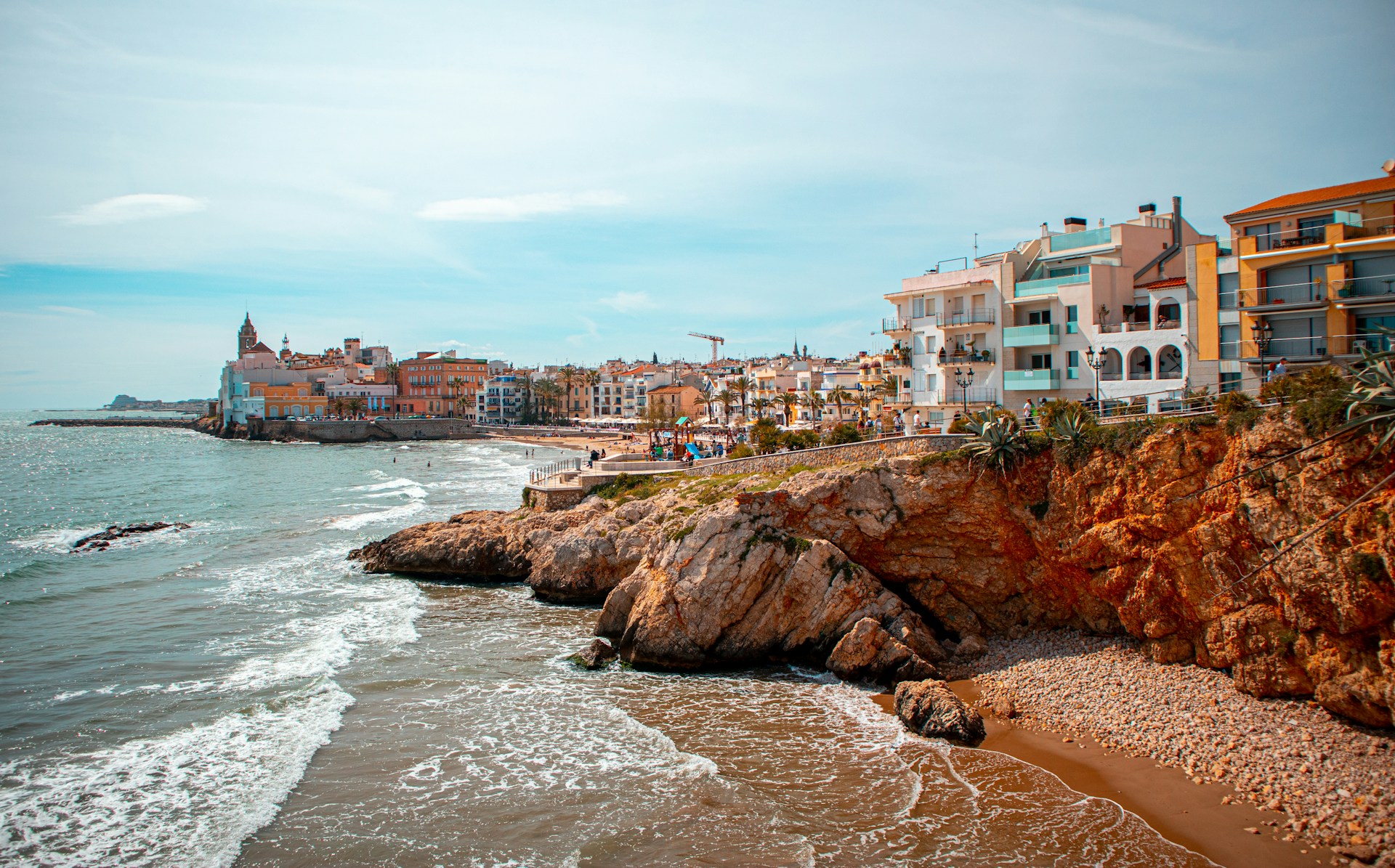
3. Sitges: The easiest beach escape from Barcelona

If you're in Barcelona and feel like spending a day somewhere quieter, Sitges is an excellent choice.

This pretty coastal town has beaches, whitewashed buildings, art galleries and plenty of restaurants.

Sitges is also famous for its Carnival, one of the most popular in Spain, with colourful parades, elaborate costumes and parties that take over the streets. As a Brazilian, I have to say it made me feel a little closer to home!

What I love about Sitges is that you don't need an itinerary. You can walk along the seafront, have lunch, spend a few hours on the beach and head back to Barcelona whenever you feel like it.

How to get there: Take the Rodalies R2 Sud train from Barcelona Sants or Passeig de GrΓ cia.

  • Travel time: Around 35–45 minutes.
  • Return transport: Approximately €9–€12.
  • Best for: Beaches, restaurants and a relaxed afternoon.

My tip is to visit during spring or early autumn if you can. The weather is often lovely, and the beaches are generally less crowded than in July and August. If you want to experience Carnival, though, plan your visit around February or early March, depending on the year's dates.

4. Costa Brava: Beautiful beaches and small coastal towns

The Costa Brava is one of my favourite recommendations for anyone visiting Catalonia.

It's not a single town but a stretch of coastline known for clear water, rocky coves and beautiful seaside villages. And then there are the calas, those small, often hidden coves surrounded by rocks and cliffs, where the water can be incredibly clear. They're one of the things that make this coastline so special.

Some of the most popular places include Tossa de Mar, Calella de Palafrugell and CadaquΓ©s.

For a day trip without a car, I'd choose Tossa de Mar. It has a lovely beach, a medieval walled old town and plenty of places to stop for lunch.

How to get there: Take a direct bus from Barcelona's EstaciΓ³ del Nord to Tossa de Mar, when available.

  • Travel time: Approximately 1 hour 20 minutes to 2 hours, depending on service and traffic.
  • Return transport: Around €29–€40.
  • Best for: Beaches, swimming and coastal scenery.

If you're planning to visit several Costa Brava villages, renting a car can be more practical. Public transport between smaller coastal towns isn't always convenient.

And don't try to squeeze the entire Costa Brava into one day. Choose one or two places and enjoy them properly.

5. Tarragona: Roman history by the Mediterranean

Tarragona is another great option if you want to combine sightseeing with time by the sea.

The city was once an important Roman settlement called Tarraco, and you can still visit its amphitheatre overlooking the Mediterranean.

There's also a cathedral, an attractive old town and plenty of places to stop for tapas.

It's a good alternative to Barcelona if you want somewhere with a little less tourist traffic and you can explore most of the city on foot

How to get there: You can take a regional train from Barcelona Sants to Tarragona's city-centre station.

  • Travel time: Around 1 hour to 1 hour 20 minutes.
  • Return transport: Approximately €17–€25.
  • Best for: Roman history, architecture and coastal views.

One important detail: some high-speed trains stop at Camp de Tarragona, which is outside the city. For a day trip, I'd usually choose a regional service arriving at the central station.

6. Toledo: One of the best day trips from Madrid

If you only have time for one day trip from Madrid, Toledo would be high on my list.

The city sits on a hill above the Tagus River and has a fascinating mix of Christian, Jewish and Islamic history.

Its historic centre is full of narrow streets, medieval buildings, churches, synagogues and viewpoints.

The Toledo Cathedral is one of the main attractions, but simply walking around the old town is part of the experience.

How to get there: Take an Avant train from Madrid Atocha.

  • Travel time: Around 33–35 minutes.
  • Return transport: Approximately €22–€28.
  • Best for: History, architecture and a full day of sightseeing.

My tip is to wear comfortable shoes. Toledo is beautiful, but it's also very hilly.

If you have time, visit the Mirador del Valle for one of the best views of the city.

7. Segovia: A Roman aqueduct and a castle

Segovia looks like the kind of place you'd expect to find in a historical film.

Its most famous landmark is the enormous Roman aqueduct, which has stood for nearly 2,000 years.

There's also the AlcΓ‘zar of Segovia, a castle with towers and dramatic views, plus a lovely historic centre.

If you enjoy food, Segovia is particularly famous for cochinillo asado, or roast suckling pig.

How to get there: Take a high-speed train from Madrid ChamartΓ­n to Segovia-Guiomar, then a local bus into the centre.

  • Travel time: Around 25–30 minutes by train, plus the local transfer.
  • Return transport: Approximately €20–€50, depending on the train.
  • Best for: Architecture, castles and traditional Spanish food.

I'd plan enough time for both the aqueduct and AlcΓ‘zar, with a long lunch somewhere in between.

The train station is outside the historic centre, so remember to include the local bus journey in your plans.

8. Ávila: Walk along medieval city walls

Ávila is famous for its remarkably well-preserved medieval walls, which surround much of the old town.

Walking along the walls is one of the best things to do here, with views over the city and surrounding countryside.

Inside, you'll find churches, squares and traditional restaurants.

It's also a good choice if you prefer smaller cities where you can explore at your own pace.

How to get there: Take a Media Distancia train from Madrid, commonly departing from PrΓ­ncipe PΓ­o.

  • Travel time: Around 1 hour 25 minutes to 1 hour 45 minutes.
  • Return transport: Approximately €20–€30.
  • Best for: Medieval history and quieter sightseeing.

Ávila can be noticeably cooler than Madrid, especially outside summer, so bring an extra layer.

I'd also check the wall's opening hours before visiting, as access can vary by season.

9. Cuenca: The famous hanging houses

Cuenca is one of Spain's most unusual historic cities.

Its main attraction is the Casas Colgadas, or Hanging Houses, built dramatically along the edge of a gorge.

The old town sits between two river valleys, so you get impressive views almost everywhere you look.

There's also a cathedral, narrow streets and the San Pablo Bridge, which offers a great perspective of the hanging houses.

How to get there: Take a high-speed train from Madrid to Cuenca-Fernando ZΓ³bel station, followed by a local bus or taxi.

  • Travel time: Around 55–65 minutes by train, plus the transfer.
  • Return transport: Promotional fares can be around €20 return, but €60–€90 or more is possible.
  • Best for: Photography, architecture and dramatic landscapes.

Cuenca requires a little more planning because the high-speed station is outside the centre.

I'd book trains early and leave enough time to explore the old town without rushing back.

10. El Escorial: A royal monastery near Madrid

El Escorial is an excellent choice if you're interested in Spanish royal history.

Its main attraction is the Royal Monastery of San Lorenzo de El Escorial, a huge complex that includes a basilica, palace, library and royal burial chambers.

The building is impressive, but I also like that the surrounding town feels quite different from central Madrid.

You can combine the monastery with a walk around San Lorenzo de El Escorial and lunch at a local restaurant.

How to get there: Take a CercanΓ­as train towards El Escorial, followed by a walk or local bus to San Lorenzo. Buses 661 and 664 from Moncloa are another option.

  • Travel time: Around 50–70 minutes, plus any local transfer.
  • Return transport: Approximately €8–€12.
  • Best for: Royal history and an easy half-day trip.

The monastery's standard admission is around €14, separate from transport.

Check opening days before travelling, as the monastery is generally closed on Mondays.

11. Aranjuez: Royal gardens and a peaceful afternoon

If you want a break from Madrid without spending too much time travelling, Aranjuez is a lovely option.

The town is known for its Royal Palace and beautiful gardens along the Tagus River.

It's particularly appealing in spring, when the gardens are green and the weather is pleasant.

You can visit the palace, walk through the gardens and enjoy lunch before returning to Madrid.

How to get there: Take a CercanΓ­as C-3 train from Madrid, subject to current service arrangements.

  • Travel time: Around 40–50 minutes.
  • Return transport: Approximately €8–€12.
  • Best for: Gardens, palaces and a relaxed day out.

The Royal Palace's standard admission is around €9, while some gardens can be visited without paying.

I'd choose Aranjuez if you want a slower day rather than another packed sightseeing itinerary.

Getting around and paying on your day trips

One thing I learnt while living in Barcelona is that you really don't need a car for most of these trips.

Spain has an extensive railway network, and many destinations are easy to reach by public transport. But there are a few things I'd keep in mind.

Book the right train

Spain has different types of rail services.

  • AVE, Avlo and other high-speed trains: Great for longer distances and faster journeys, but prices can change depending on when you book.
  • CercanΓ­as and Rodalies: Local commuter trains, usually useful for shorter and cheaper trips.
  • Media Distancia and regional trains: Often a good middle ground for visiting nearby cities.

For popular routes such as Madrid to Toledo, booking ahead is a good idea, especially on weekends.

Also, double-check your departure station. Barcelona and Madrid have several major railway stations, and they're not interchangeable.

Keep your euros organised

If you're travelling internationally or working remotely while exploring Spain, having access to euros can make managing your spending easier.

With Grey, you can hold euros alongside other supported currencies, such as USD and GBP.

You can also use a Grey virtual card for eligible online payments and add it to Apple Pay or Google Pay for contactless purchases in supported locations.

The card is linked to your balance, so you don't need to manually top it up. Currency conversion fees may apply depending on the balance and transaction.

If you're travelling from the US and need to arrange funds before your trip, you can also explore how to send money from the US to Spain.

Stay connected while exploring

I'd also recommend having mobile data available, particularly when visiting smaller towns or relying on public transport.

You'll probably use Google Maps, train schedules, restaurant reviews and translation apps more often than you expect.

With Grey, you can buy a travel eSIM for Spain through the app, subject to plan availability and device compatibility.

Just check that your phone supports eSIMs and choose a data plan that covers your trip.

Travelling around Spain? Get a Grey virtual card to manage eligible payments while exploring Barcelona, Madrid and beyond.

Which day trip would I choose?

If you're visiting Barcelona for the first time, I'd recommend Montserrat for the mountain scenery, Girona for its medieval streets or Sitges for an easy beach day.

If you have a little more time, the Costa Brava is worth exploring, especially outside peak summer.

From Madrid, Toledo and Segovia would be my first choices for history and architecture. Aranjuez is lovely when you want something quieter.

And if there's one piece of advice I'd give after living in Barcelona for two years, it's not to fill every day with activities. Some of the best experiences in Spain come from having enough time to wander around, stop for coffee, enjoy a long lunch and see where the day takes you.

If you're planning more European adventures, you might also enjoy these day trips from Paris.

Wherever you go, open a Grey account to manage supported currencies and payments during your travels.

Frequently asked questions about day trips from Barcelona and Madrid

What is the best day trip from Barcelona?

Montserrat is one of the best day trips from Barcelona for mountain scenery and hiking, while Girona is ideal for history and architecture. If you prefer the beach, Sitges is one of the easiest options, only around 35–45 minutes away by train.

What is the best day trip from Madrid?

Toledo and Segovia are two of the best day trips from Madrid. Toledo is famous for its medieval history and architecture, while Segovia has a Roman aqueduct and an impressive castle. Both can be reached quickly by train.

Is the AVE train worth it for day trips?

Yes, especially when it saves a significant amount of travel time. High-speed trains make places such as Segovia and Cuenca accessible for day trips from Madrid. However, regional trains can be cheaper for shorter journeys, so compare prices and schedules before booking.

Can you do day trips from Barcelona without a car?

Yes. Montserrat, Girona, Sitges and Tarragona are all accessible by train. You can also reach parts of the Costa Brava by bus. A car is more useful if you want to visit several small coastal villages in one day.

What are the cheapest day trips from Barcelona?

Sitges is one of the cheapest options, with return train tickets costing approximately €9–€12. Tarragona and Girona can also be affordable if you use regional trains rather than more expensive high-speed services.

What are the cheapest day trips from Madrid?

Aranjuez and El Escorial are among the cheapest day trips from Madrid, with return commuter train fares generally around €8–€12. You can explore parts of both towns without paying for major attractions.

Can you visit Toledo and Segovia in one day?

It's possible with an organised tour, but visiting both independently in one day can be rushed. They are served by different rail routes from Madrid, so I'd recommend giving each destination its own day if your schedule allows.

7 best day trips from Dublin

β€’

β€’

2 min read

Some of my favourite memories of Ireland involve no big plans, just a train ticket, a seaside town and probably a little rain. When DΓΊn Laoghaire became my home in Ireland, weekend plans often meant hopping on the DART and discovering somewhere new along the coast.

I spent two years getting to know the area, and there's so much more to explore beyond Dublin's city centre. Here are seven day trips I'd recommend, with a few local tips and practical details to help you plan yours.

The best day trips from Dublin include Howth, DΓΊn Laoghaire and Dalkey, Glendalough, Bray, Malahide, Kilkenny and Powerscourt Estate. Most are within an hour of Dublin by train or car, while Glendalough and Kilkenny take a little longer. Coastal trips can cost as little as €4 return with a Leap Card, and many of the best things to do are free.

Best day trips from Dublin: Travel times and costs

One of the things I loved about living near Dublin was how easy it was to explore without a car. You could take the DART along the coast, spend an afternoon in a small village or head into the countryside for something completely different.

Here's how the seven destinations compare.

Destination Travel time
(one way)
Estimated return
ransport cost
Best for
Howth 25-35 minutes Around €4 by DART Cliff walks, harbour and seafood
DΓΊn Laoghaire, Dalkey and Killiney 20-45 minutes Around €4-€6 by DART Coastal villages and sea views
Glendalough 1.5-2 hours €23 by direct bus Lakes, hiking and ancient ruins
Bray 40-50 minutes Around €4 by DART Promenade and Bray Head
Malahide 25-35 minutes Around €4 by DART Castle, gardens and village life
Kilkenny 1.5-1.75 hours From around €20 by train Medieval history and pubs
Powerscourt and Enniskerry 45-60 minutes by car Varies by public transport route Gardens, mountains and countryside

‍

These are indicative adult transport costs from Dublin, not guaranteed fares. Attraction tickets, food and other expenses are separate.

1. Howth: The perfect coastal escape from Dublin

Alejandro Luengo/Unsplash

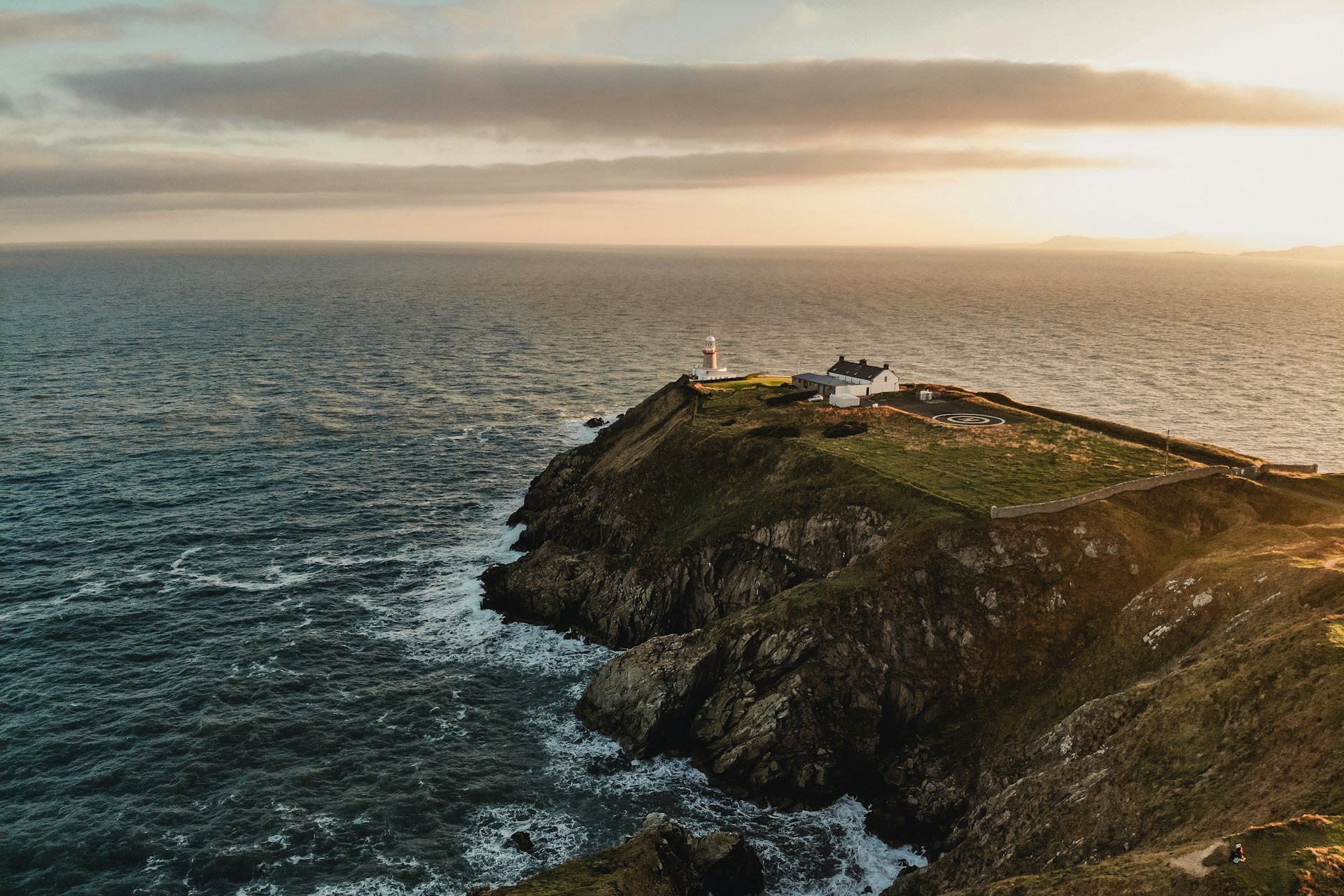
Howth is one of those places where you can arrive without much of a plan and still have a fantastic day. It's a working fishing village with colourful boats, seafood restaurants and beautiful coastal trails, all about half an hour from Dublin.

Start with a walk around the harbour. Keep an eye on the water because seals sometimes appear near the fishing boats, especially when there's activity around the harbour.

From there, head towards the East Pier and lighthouse. If you're up for a longer walk, follow one of the Howth Cliff Walk routes for views of Dublin Bay, Ireland's Eye and the Irish Sea.

One of the nicest things about Howth is the atmosphere. There's always something happening around the harbour, from fishermen unloading their catch to people queuing for fish and chips.

A little local tip: Don't feel you have to do the longest cliff walk. The harbour and pier are lovely on their own, especially if the weather is unpredictable. And if you want to eat seafood, try arriving before the lunchtime rush on weekends.

How to get there: Take the DART from Dublin Connolly or another central station directly to Howth.

Travel time: Around 25-35 minutes each way.

Estimated cost: Around €4 return with an adult Leap Card. The harbour and cliff walks are free.

2. DΓΊn Laoghaire, Dalkey and Killiney: A little piece of home

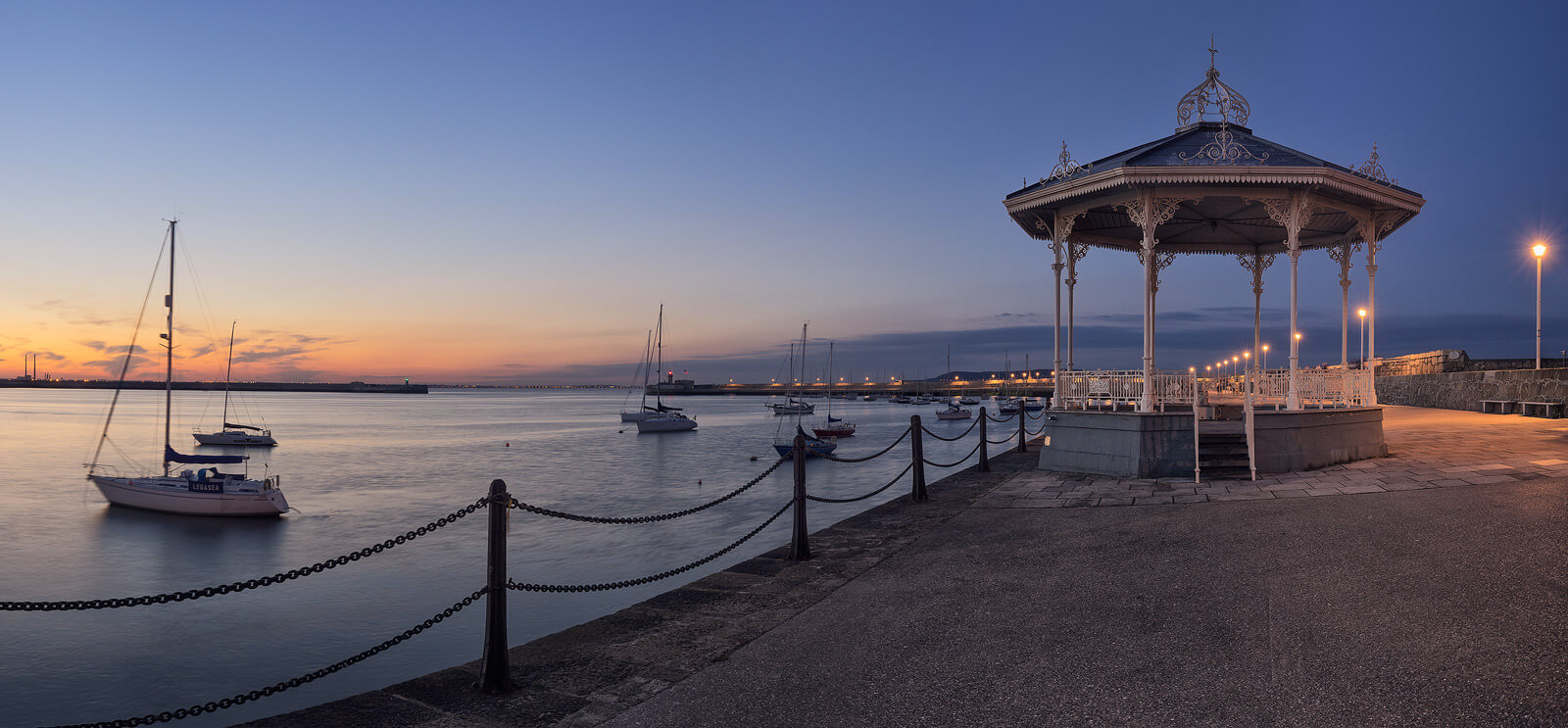
I couldn't write about day trips from Dublin without including DΓΊn Laoghaire. It was home for much of my time in Ireland, and I still miss the walks along the East Pier, the little cafΓ©s and those days when the sea looked beautiful even under a completely grey sky.

Start with the East Pier, one of the town's most popular walking spots. It's a simple pleasure, but that's exactly what makes it special. Afterwards, stop at Teddy's for an ice cream, something of a local tradition.

If you're curious about Irish sea-swimming culture, walk towards Sandycove and the Forty Foot. People swim there throughout the year, including in winter. You don't have to join them to appreciate the experience!

Then take the DART a little further south to Dalkey. This small village has charming streets, independent shops, old pubs and a medieval castle.

For the best views, continue towards Killiney Hill. On a clear day, you can see Dublin Bay, the Wicklow Mountains and the coastline stretching into the distance.

A little local tip: When travelling south from central Dublin, try sitting on the left-hand side of the DART. The sea views are part of the experience, particularly around Blackrock, DΓΊn Laoghaire and Dalkey. Also, don't try to rush all three places. I'd spend more time in DΓΊn Laoghaire and Dalkey, adding Killiney Hill if the weather is good.

How to get there: Take the southbound DART from Dublin city centre. DΓΊn Laoghaire, Dalkey and Killiney are stops along the same line.

Travel time: Around 20-45 minutes, depending on your destination.

Estimated cost: Around €4-€6 with an adult Leap Card, depending on the number of journeys. The East Pier, Forty Foot and Killiney Hill are free.

3. Glendalough: Ancient history in the Wicklow Mountains

Hamed Alayoub/Unsplash

If you want to see a different side of Ireland, head to Glendalough in County Wicklow.

The name means valley of the two lakes, and the landscape is exactly what you'd imagine: mountains, forests, quiet walking trails and two beautiful glacial lakes.

But Glendalough is more than a nature destination. It's also home to an early medieval monastic settlement associated with St Kevin, including an impressive round tower, stone churches and an old cemetery.

I'd start by exploring the monastic ruins before walking towards the Upper Lake. The route is relatively easy, and the scenery gets more dramatic as you move further into the valley.

If you're a keen hiker, there are longer routes through the surrounding hills. Just remember that some involve steep climbs and exposed terrain.

A little local tip: Many visitors head straight for the lakes and spend very little time around the monastic settlement. Don't skip it. The history adds another dimension to the visit, especially when you realise how long people have been coming to this valley.

How to get there: Take St Kevin's Bus from Dublin, or drive through County Wicklow.

Travel time: Around 1.5-2 hours by bus.

Estimated cost: €23 return by St Kevin's Bus. Walking around the lakes and monastic ruins is free, while the visitor centre and parking may involve additional charges.

Check the return bus timetable before starting a long walk.

4. Bray: A proper Irish seaside afternoon

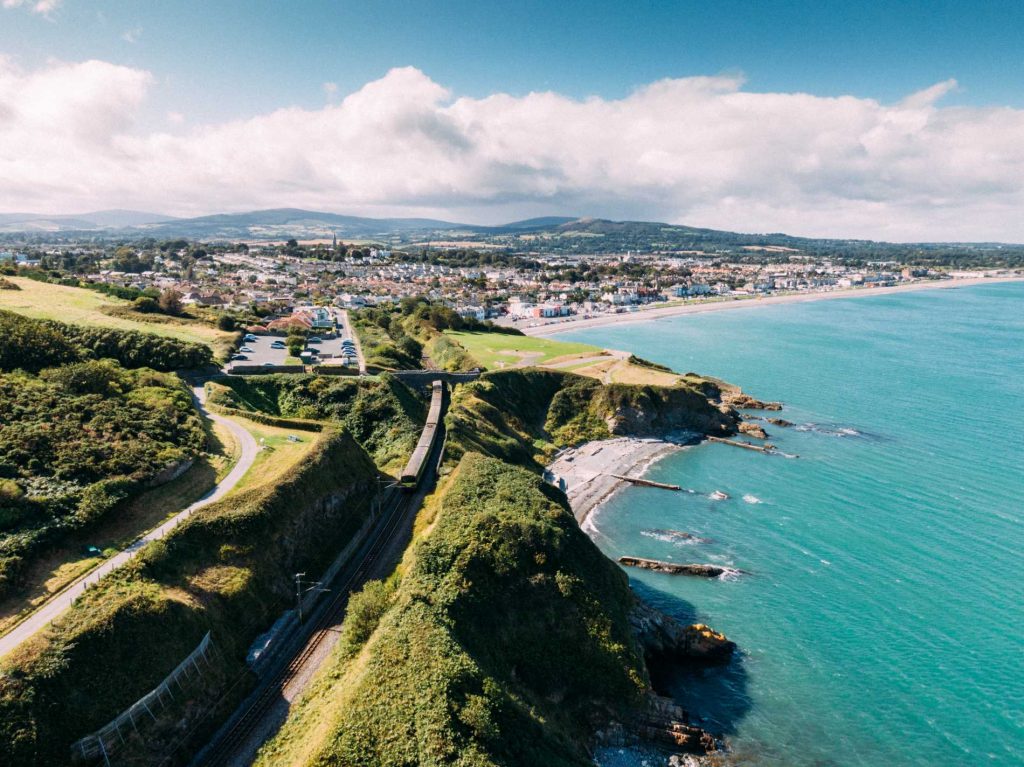
Bray has a completely different atmosphere from Howth or Dalkey. It's a traditional seaside town with a long promenade, amusement attractions, cafΓ©s and a beach that fills with people whenever the sun appears.

I love the idea of a classic Irish seaside day: a walk along the promenade, something to eat and a little time just watching the sea.

If you're feeling energetic, climb Bray Head. It's a fairly short but steep walk, and the views from the top are worth the effort. You'll see the Irish Sea, the coastline and the Wicklow Mountains.

Bray is also a good destination if you're travelling with friends or family and don't want to organise too much. You can spend a few hours walking, eating and exploring without needing tickets or reservations.

A little local tip: Older travel guides often recommend the Bray to Greystones Cliff Walk, but the through route remains closed because of landslide risks. Instead, choose one of the officially open Bray Head walking routes. You can still enjoy beautiful coastal views without attempting the closed trail.

How to get there: Take the southbound DART from Dublin.

Travel time: Around 40-50 minutes each way.

Estimated cost: Around €4 return with an adult Leap Card. The promenade and Bray Head walking routes are free.

5. Malahide: Castle grounds, cafΓ©s and a charming village

Barbara McDermott/Unsplash

Malahide is one of the easiest day trips from Dublin, but it often gets overlooked in favour of the more famous coastal towns.

Its main attraction is Malahide Castle, which has a history stretching back centuries. The castle is surrounded by extensive parkland, beautiful gardens and walking paths.

You can book a guided tour to explore the interiors and learn about the Talbot family, who lived there for generations.

But I'd also make time for Malahide village itself. There are lovely cafΓ©s, independent shops, restaurants and a marina, making it a great place for a relaxed afternoon.

One of the best ways to enjoy Malahide is to combine a walk through the castle grounds with lunch in the village, then continue towards the waterfront if the weather cooperates.

A little local tip: You don't have to pay for a castle tour to enjoy Malahide. Much of the surrounding parkland is free to explore. If you're travelling on a budget, bring something for a picnic and spend your afternoon outdoors.

How to get there: Take the DART from Dublin Connolly to Malahide.

Travel time: Around 25-35 minutes each way.

Estimated cost: Around €4 return with an adult Leap Card. Castle admission is approximately €17 per adult, subject to the ticket option and current pricing.

6. Kilkenny: Medieval streets and traditional Irish pubs

NIR HIMI/Unsplash

Kilkenny is a little further away, but it's one of the best options if you're interested in Irish history and want to explore somewhere that feels different from Dublin.

The city is famous for its medieval architecture, narrow streets, traditional pubs and impressive castle overlooking the River Nore.

Start at Kilkenny Castle and walk through its grounds before exploring the Medieval Mile, which connects some of the city's most important historic sites.

Along the way, you'll find old stone buildings, independent shops, cafΓ©s and small lanes that are worth exploring without a map.

Kilkenny also has a strong arts and crafts tradition. If you enjoy browsing local shops, look out for Irish ceramics, jewellery and textiles.

A little local tip: Don't spend your entire visit moving between paid attractions. Kilkenny is one of those places where simply wandering through the streets is part of the experience. And if you enjoy traditional pubs, it's worth stopping for lunch or an early drink before returning to Dublin.

How to get there: Take the train from Dublin Heuston to Kilkenny MacDonagh Station.

Travel time: Around 1 hour 30 minutes to 1 hour 45 minutes each way.

Estimated cost: Advance online train tickets can start from around €9.99 each way, meaning a return journey may cost approximately €20 when the lowest fares are available. Prices rise depending on the service and booking date.

Check Irish Rail's web fares before booking, as buying in advance is usually the best way to find lower prices.

7. Powerscourt Estate and Enniskerry: Gardens with a mountain backdrop

Manuel Hiller/Pixabay

If you're looking for beautiful scenery without committing to a long hike, Powerscourt Estate is a lovely option.

Located in County Wicklow, just outside Enniskerry village, the estate is known for its landscaped gardens and views of the Great Sugar Loaf mountain.

The gardens include formal terraces, ornamental lakes, woodland paths and Japanese-inspired areas. It's the kind of place where you can spend hours wandering around, especially in spring and summer.

Afterwards, head into Enniskerry, a small village with a picturesque square, cafΓ©s and traditional buildings.

One thing worth knowing is that Powerscourt Gardens and Powerscourt Waterfall are separate attractions. The waterfall is several kilometres from the main estate, so visiting both is easier if you have a car.

A little local tip: If you're relying on public transport, I'd focus on the gardens and Enniskerry village rather than trying to fit in the waterfall. The gardens alone are worth the trip, and you'll have more time to enjoy them.

How to get there: Drive from Dublin or take public transport towards Enniskerry, checking local bus connections and walking distances in advance.

Travel time: Around 45-60 minutes by car, or longer by public transport.

Estimated cost: Powerscourt Gardens admission is approximately €14 per adult. Public transport costs vary depending on your route and connections. The waterfall requires a separate ticket, approximately €8 per adult.

Which day trips from Dublin are best without a car?

One of the biggest advantages of staying in Dublin is that you don't need to rent a car to explore some beautiful places nearby.

For coastal destinations, the DART is usually your best option. It connects Dublin with Howth, Malahide, DΓΊn Laoghaire, Dalkey, Killiney and Bray.

And the train journey itself can be lovely, particularly along the southern coastline.

If you're travelling without a car, I'd prioritise Howth, DΓΊn Laoghaire and Dalkey, Bray or Malahide. They're easy to reach, affordable and give you plenty to do without organising additional transport.

Kilkenny is also accessible by direct train, while Glendalough has a dedicated bus service.

Powerscourt requires a little more planning because public transport connections are less convenient.

How much does public transport cost around Dublin?

The TFI Leap Card is worth considering if you're planning several day trips.

For eligible adult journeys within Dublin's Zone 1, the TFI 90 Minute fare costs €2. There's also a €6 daily cap, so you can make multiple qualifying journeys without spending more than that amount in one day.

That makes visiting several coastal towns surprisingly affordable.

For longer journeys, such as Kilkenny, check Irish Rail's advance fares. Booking early can make a noticeable difference to the price.

You can use Transport for Ireland to plan local journeys and compare routes.

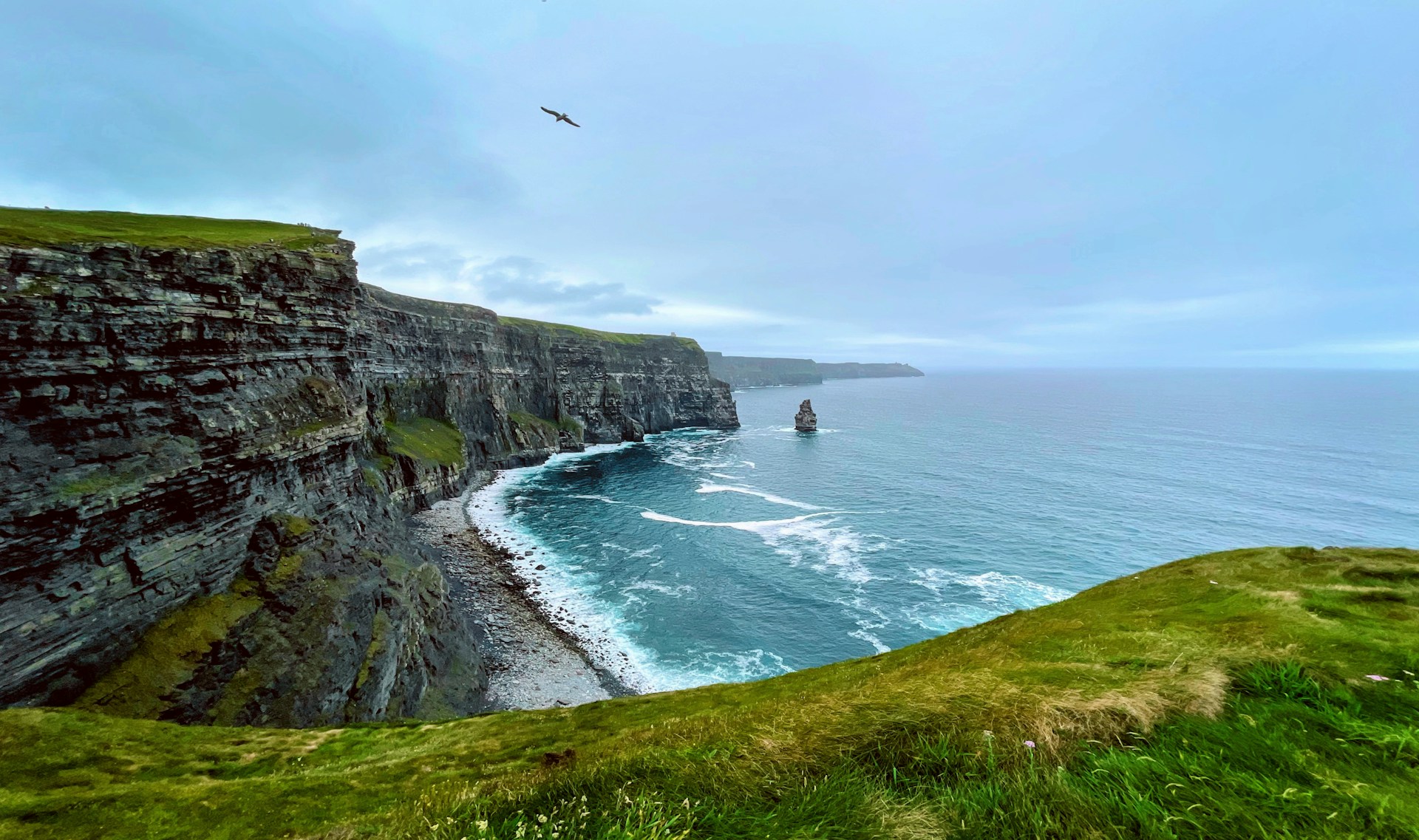
What about Galway, Belfast and the Cliffs of Moher?

Evgeni Gitlits/Unsplash

You might have noticed that some of Ireland's most famous destinations aren't on this list.

That's intentional.

Galway, Belfast, the Cliffs of Moher and the Giant's Causeway are all popular excursions from Dublin, but I think they deserve more time than a rushed day trip.

The Cliffs of Moher, for example, are around 3.5-4 hours from Dublin by road. That's a lot of travelling for a few hours of sightseeing.

Galway and Belfast are closer, but both have enough to explore to justify staying overnight.

If you have only a few days in Dublin, I'd recommend exploring the surrounding coast or County Wicklow instead. You'll spend less time travelling and more time actually enjoying the places you visit.

And if you're planning a longer European trip, you might also enjoy our guide to the best day trips from London, with more ideas for exploring beyond a capital city.

Tips for planning day trips from Dublin

A few things I learnt during my time in Ireland can make these little adventures much more enjoyable.

Don't wait for perfect weather. If you do, you might spend your entire trip indoors! Bring a waterproof jacket, wear comfortable shoes and be prepared for the weather to change throughout the day.

Use the DART whenever possible. It's convenient, affordable and offers beautiful coastal views. You also avoid worrying about parking.

Leave room for spontaneous stops. Sometimes the best part of a day trip is finding a lovely cafΓ©, a quiet beach or a little street you hadn't planned to visit.

Check transport schedules in advance. This is particularly important for Glendalough and Powerscourt, where public transport is less frequent.

Avoid trying to see too much. I'd rather spend a relaxed afternoon exploring one or two places than rush through five attractions just to tick them off a list.

How to manage your money while exploring Ireland

If you're travelling to Ireland from abroad, transport and attraction tickets are only part of your budget. You'll also need to think about accommodation, food, shopping and everyday expenses.

Ireland uses the euro, so having access to EUR can make it easier to organise your spending.

With Grey, you can manage balances in currencies such as USD, GBP and EUR, convert between supported currencies and use a virtual Visa card for eligible payments through Apple Pay or Google Pay.

You can also explore Grey's travel eSIM options to stay connected while checking train schedules, navigating new places or looking for somewhere to eat.

If you're planning your trip, here are a few useful resources:

And if you're still working out how much to save, check our guide to the cost of a trip to Ireland for a broader look at travel expenses.

Frequently asked questions about day trips from Dublin

What is the best day trip from Dublin?

Howth is one of the best options because it's only around 30 minutes from Dublin by DART and offers coastal walks, seafood restaurants and beautiful views. For a quieter seaside experience, DΓΊn Laoghaire and Dalkey are also excellent choices.

What is the cheapest day trip from Dublin?

Howth, Bray, Malahide and DΓΊn Laoghaire are among the cheapest options. Return DART journeys can cost around €4 with an adult Leap Card, and many outdoor attractions are free.

Can you visit the Cliffs of Moher on a day trip from Dublin?

Yes, but it's a long journey. The drive takes approximately 3.5–4 hours each way, and organised tours can last 12–14 hours. If possible, consider staying overnight in Galway or County Clare.

What are the best day trips from Dublin by train?

Howth, DΓΊn Laoghaire, Dalkey, Killiney, Bray and Malahide are all accessible by DART. Kilkenny is another good option, with direct trains from Dublin Heuston taking around 1.5 hours.

Is Glendalough worth visiting from Dublin?

Yes. Glendalough is a beautiful destination for hiking, nature and history. Its two lakes and medieval monastic ruins make it one of the most interesting places to visit in County Wicklow.

Can you visit DΓΊn Laoghaire, Dalkey and Killiney in one day?

Absolutely. They're all located along the same DART line, making them easy to combine. You can walk along the East Pier in DΓΊn Laoghaire, explore Dalkey village and finish with views from Killiney Hill.

Do you need a car for day trips from Dublin?

Not necessarily. Many of the best destinations are accessible by DART or train, including Howth, Bray, Malahide and Kilkenny. A car can be useful for more remote places in County Wicklow, but it's not essential for most coastal day trips.

There's more to Dublin than the city itself

Dublin has plenty to offer, but some of the things I remember most fondly from my time in Ireland happened outside the city centre.

The little coastal towns, the walks along the sea, the cafΓ©s and those DART journeys with views that never seemed to get old.

So if you're visiting Dublin, leave at least one day free to explore beyond the city. You might find that your favourite memory of Ireland comes from somewhere you hadn't even planned to visit.

How much does a trip to Antarctica cost?

β€’

β€’

2 min read

Glaciers, freezing temperatures, and dramatic landscapes are no longer enough for me. Ever since I visited Iceland I’ve had another icy destination on my mind: Antarctica. I want to go even further south to see penguins, enormous blue icebergs and almost no signs of civilisation. I’m most excited to see humpback whales surfacing while on the water.

I've been planning this trip for over a year now. And by planning, I mean researching expedition companies, comparing cabins, watching videos of the Drake Passage and trying to understand why two seemingly similar cruises can have a $10,000 price difference.

Antarctica is definitely not a cheap holiday, as it has no commercial airports for frequent travel. But after all this research, I've realised there are ways to make it more affordable. So here's what I've found, from actual expedition prices to flights, accommodation and all those other things to pay for that aren't immediately obvious.

A trip to Antarctica costs roughly $9,000 to $25,000 per person. Most trips are expedition cruises from Ushuaia in Argentina, though last-minute deals and shared cabins can lower the total; the cruise alone runs between $8,000 and $15,000, plus flights to Ushuaia and a night or two before departure.

Here's what you should budget for if you're also dreaming of visiting the seventh continent.

How much does a trip to Antarctica cost? Budget range overview

Derek Oyen/Unsplash

The biggest expense is the expedition cruise itself. Unlike a regular holiday, you can't simply book a flight to Antarctica, find a hotel and explore independently. Most visitors travel aboard expedition ships departing from Ushuaia, Argentina, with trips lasting around 10 to 12 days. Your ship is your accommodation, restaurant and transport throughout the expedition.

Based on published prices for the 2026–27 season, here's what different types of trips can cost.

Type of Antarctica trip Cruise cost per person
Budget expedition, shared cabin or promotional fare $7,000–$10,000
Standard expedition cruise $10,000–$15,000
Premium expedition cruise $15,000–$25,000
Luxury expedition $25,000–$35,000+

Consider these as planning ranges, not fixed prices. For example, Oceanwide Expeditions lists some March 2027 departures from $7,800 per person, with selected promotional cabins priced lower. Meanwhile, Quark Expeditions has November 2026 voyages with discounted cabin prices starting above $13,000.

The difference often comes down to the ship, cabin, itinerary, season and activities included. Most expedition fares cover accommodation, meals, guided Zodiac excursions, onboard lectures and some equipment. You also have to consider a little extra for flights to Argentina, additional hotels, insurance and optional activities.

There's something I hadn’t considered while putting my plans together: not every cruise to Antarctica lets you actually step onto the continent. Per the International Association of Antarctica Tour Operators (IAATO), ships carrying more than 500 passengers cannot make landings. If walking among penguins and exploring the coastline is part of your dream, check the ship's landing arrangements before booking.
And if you're still figuring out how to afford a big holiday, here's a useful guide on how to plan a trip on a budget.

How much does a trip to Antarctica cost from the USA?

Dylan Shaw/Unsplash

If you're travelling from the United States, you'll usually fly to Buenos Aires, Argentina, before taking a domestic flight to Ushuaia, the southernmost city in Argentina. Flights from major US cities such as New York, Miami and Los Angeles can vary considerably depending on the season and how early you book.

Here's a reasonable starting budget:

Expense Estimated cost
Return flights from the USA to Ushuaia $1,200–$2,500
Antarctica expedition cruise $8,000–$15,000
Hotels, meals and other expenses $500–$1,500
Estimated total $9,700–$19,000

You may find cheaper flights from Miami or New York than from smaller US cities. Also, some expedition packages include flights between Buenos Aires and Ushuaia, so check what's already covered. These estimates assume a standard expedition rather than a luxury cruise.

I'd personally allow at least one night in Ushuaia before departure, preferably two. Missing your cruise because of a delayed flight is an expensive travel mistake.

How much does a trip to Antarctica cost from North America?

For travellers from Canada, Mexico and other parts of North America, the journey is the same: you'd fly to Argentina, connect to Ushuaia and then get aboard your expedition ship. If you're travelling from Canada, you'll also need to consider the exchange rate between Canadian dollars and the currency used to price your cruise.

Expense Estimated cost
Return flights to Ushuaia $1,300–$2,600
Antarctica expedition cruise $8,000–$15,000
Hotels, meals and extras $500–$1,500
Estimated total $9,800–$19,100

Most expedition operators publish their fares in USD, so the final cost in your home currency may change between when you start putting your plans together and when you pay. Another thing to check is your flight connection. Depending on your departure city, travelling through the US or another Latin American city may offer different prices.

How much does a trip to Antarctica cost from Europe?

Jean Pierre CabΓ‘ni/Unsplash

Travelling from Europe means a longer journey, but there are plenty of flight connections to Argentina from cities such as Madrid, Paris, London and Frankfurt. Spain can be particularly convenient because of its connections with Buenos Aires. For planning purposes, I'd budget €1,300 to €2,500 for return flights to Ushuaia, though prices vary widely depending on your departure city and travel dates.

Expense Estimated cost
Return flights to Ushuaia €1,300–€2,500
Antarctica expedition cruise $8,000–$15,000
Hotels, meals and extras $500–$1,500

The cruise is usually priced in USD, so I wouldn't combine these figures into a euro total without checking the exchange rate when booking.

If you're travelling from Europe, it's worth comparing separate tickets to Buenos Aires and Ushuaia against a single through-ticket. It’s also worth checking the arrival time of both flights; this way, you have time to get between connecting flights.

Also check baggage allowances. Expedition clothing can take up quite a bit of luggage space, although some operators provide waterproof boots and parkas.

How much does a trip to Antarctica cost from Africa?

For travellers from Africa, reaching Ushuaia can be one of the more complicated parts of the journey.

Depending on your departure country, you may need connections through Europe, the Middle East or South America. Travellers from South Africa may have different routing options from those departing Nigeria, Ghana or Kenya.

Here's an estimated budget:

Expense Estimated cost
Return flights to Ushuaia $1,500–$3,000
Antarctica expedition cruise $8,000–$15,000
Hotels, meals and extras $500–$1,500
Estimated total $10,000–$19,500

Because of the longer journey, I'd consider spending an extra night or two in Argentina before the cruise. You should also check visa and transit requirements carefully. These depend on your passport and the countries you connect through, not simply where you live. And if your expedition company offers an Argentina flight package, compare it against booking everything independently. Sometimes the convenience is worth the extra cost.

How much does a trip to Antarctica cost from South America?

Here’s one advantage of living in South America: you're already much closer to the departure point. If you're travelling from Brazil, Chile, Uruguay or another neighbouring country, flights to Argentina are generally shorter than those from Europe or North America.

This can make a noticeable difference to your overall budget.

Expense Estimated cost
Return flights to Ushuaia $400–$1,200
Antarctica expedition cruise $8,000–$15,000
Hotels, meals and extras $400–$1,200
Estimated total $8,800–$17,400

Of course, the actual cost depends on your departure city. If you're already in Argentina, you may only need a domestic flight to Ushuaia. Travellers from Brazil can compare connections through Buenos Aires with other available routes.

One thing I'd keep in mind is the Argentine summer holiday season. Flights and accommodation tends to become more expensive around December and January as the holidays peak. For me, this is one of the more encouraging discoveries from my research. The expedition is still expensive, but being closer to Argentina means there's at least one part of the budget where I might save money.

Trip to Antarctica cost breakdown: Cruise, flights, gear and extras

After looking at dozens of itineraries, I've learnt that the advertised cruise price is only part of the story.

Some operators include flights, hotels and equipment. Others charge separately for almost everything beyond the expedition itself.

Here's a more detailed breakdown of what to budget.

Expense Estimated cost per person
Antarctica expedition cruise $8,000–$15,000
Return flights to Ushuaia $400–$3,000
Pre-cruise hotel, 1–2 nights $100–$400
Meals and transport in Argentina $100–$250
Thermal clothing and gear $150–$500
Travel and medical evacuation insurance $200–$600
Tips and personal expenses $100–$300
Optional activities $300–$2,000+

These are illustrative planning allowances, not live quotes. Some costs may already be included in your cruise fare.

The cruise: Where most of your money goes

The ship makes the biggest difference to your Antarctica vacation cost. Oceanwide's 2026–27 published fares include standard Antarctic Peninsula departures starting around $9,650, with selected March discounts; some cabins are priced as low as $8,000. Quark's published November 2026 prices include 11-day voyages starting around $13,500 with promotional discounts. These are real advertised fares, but availability can change quickly.

The cabin also matters. Sharing a cabin with other passengers can save thousands compared with booking a private suite. If you're travelling alone, check whether the operator offers shared cabins without a single supplement. Otherwise, you could end up paying considerably more.

Flights and accommodation in Argentina

Most people travel through Buenos Aires before continuing to Ushuaia. You may need to change airports in Buenos Aires, depending on your international and domestic flights, so leave enough time between connections. I'd also budget for at least one night before departure. Some operators actually require you to arrive a day early.

If your package includes a hotel or domestic flight, don't add those costs twice.

Clothing and equipment

Antarctica is cold, but you don't necessarily need to buy an entirely new wardrobe. You'll want thermal base layers, waterproof trousers, warm socks, gloves and layers that work together.
jusMany expedition companies provide waterproof boots, and some include a parka you can keep.

Insurance and optional activities

This is one expense I wouldn't try to minimise too aggressively.

Antarctica is remote, and medical evacuation can be extremely expensive. Expedition operators commonly require travel insurance with adequate medical and evacuation cover.

Check the exact minimum coverage required by your operator before purchasing a policy.

Optional activities can also add quite a bit to your budget.

For example, Quark lists sea kayaking at $1,995 on some 2026 expeditions, while camping can cost around $495. Some Oceanwide itineraries include activities such as kayaking and camping in the cruise fare. If there's an activity you particularly want to try, compare what's included rather than looking only at the cabin price.

How to budget and pay for your trip to Antarctica

After more than a year of planning, I've realised that Antarctica isn't really a trip you book casually. At least, not with my budget.

The most useful approach I've found is to treat it as a longer-term financial goal.

Set a realistic target

Instead of saving only for the cheapest advertised cruise, I'd build a budget that includes flights, insurance, accommodation and some extra money for unexpected expenses.

For example, if your target is $12,000 and you have 18 months to save, you'd need to put aside approximately $667 per month.

If you have two years, that drops to $500 per month.

Here's how different savings targets compare:

Trip budget Save over 12 months Save over 24 months
$10,000 $833/month $417/month
$12,000 $1,000/month $500/month
$15,000 $1,250/month $625/month
$20,000 $1,667/month $833/month

These figures are rounded up and assume no interest or investment returns. If you already have money saved, your monthly target will be lower.

Keep your Antarctica budget separate

If you're saving for a trip priced in USD, keeping that money separate from everyday spending can make it easier to track your progress.

With Grey, you can save towards your Antarctica trip in a Pouch, choosing USD, GBP or EUR depending on the currency you already hold.
’You can name your Pouch after your goal, add money whenever you want and use round-ups from eligible card purchases to contribute small amounts automatically.

Pouch doesn't currently earn interest, but it can help you organise the money you're setting aside.

Plan how you'll spend in Argentina

Even though Antarctica is the main destination, you'll probably spend a few days in Argentina. That means paying for hotels, meals, transport and perhaps some sightseeing in Buenos Aires or Ushuaia. If you need to transfer money between countries before departure, you can also explore how to move money internationally with Grey.

Grey's virtual Visa card can be used for eligible online payments and contactless purchases through Apple Pay or Google Pay in supported locations. The card is linked to your Grey balance, so you don't need to manually top it up. Just check the applicable exchange rate and conversion fees before paying in Argentine pesos.

You can also buy a travel eSIM through Grey for your time in Argentina, depending on plan availability. When you are on the expedition, internet speed and connection is reliant on many factors, including being at sea.

Is Antarctica worth the cost?

I haven't made it there yet, so I can't give you a first-hand verdict. But after researching this trip for more than a year, I understand why people are willing to spend so much to experience it.

It's not just another holiday destination. It's the possibility of seeing a landscape that looks almost untouched, watching penguins in their natural habitat and experiencing a part of the world that relatively few people get to visit. And I think that's what keeps me planning, even when the prices make me reconsider my entire travel budget.

My advice is to give yourself time, compare expedition companies carefully and pay attention to what's included. A cheaper cruise isn't necessarily better value if you end up paying extra for everything you want to do.

If Antarctica is on your list too, start with a realistic budget and build towards it.You can create a Grey Pouch for your Antarctica trip and set money aside in USD, GBP or EUR as you plan.

Frequently asked questions about travelling to Antarctica

How much does a trip to Antarctica cost?

A typical Antarctica trip costs around $9,000 to $25,000 per person, including an expedition cruise, flights and other expenses. Budget shared-cabin deals can bring the cost down, while luxury expeditions can exceed $30,000 per person.

Can you visit Antarctica cheaply?

The cheapest way to visit Antarctica is usually to book a discounted expedition cruise, share a cabin or travel during the beginning or end of the season. Some 2026–27 promotional fares have been advertised below $8,000 per person, excluding international flights and other expenses.

How long is a cruise to Antarctica?

Most classic Antarctic Peninsula cruises last around 10 to 12 days, including the crossing from Ushuaia. Longer trips visiting South Georgia or the Falkland Islands can last two to three weeks or more.

When is the best time to visit Antarctica?

The main tourist season runs from November to March, during the Antarctic summer. December and January offer long daylight hours, while February and March can be particularly appealing for whale watching. Conditions and wildlife sightings vary throughout the season.

Can you fly to Antarctica instead of taking a cruise?

Yes. Some expedition companies offer fly-cruise itineraries that use charter flights between Punta Arenas in Chile and King George Island in Antarctica. These can reduce time spent crossing the Drake Passage, but they are often more expensive and remain subject to weather delays.

Do you need a visa to visit Antarctica?

Antarctica doesn't have a conventional tourist visa system, but you may need visas or transit permissions for Argentina, Chile or other countries on your route. Your expedition operator handles relevant Antarctic authorisations, while entry requirements depend on your nationality.

Is travel insurance required for Antarctica?

Most expedition operators require adequate travel medical and emergency evacuation insurance. Coverage requirements vary, so check your operator's policy before purchasing insurance. Ordinary travel insurance may not cover polar expeditions or certain adventure activities.

The ultimate weekend trip packing list

β€’

β€’

2 min read

Weekend getaways are meant to be a chance to unwind, but packing can become surprisingly stressful when you are unsure what to bring, what to leave behind or how to fit everything into one bag. A simple two-night escape can easily turn into an overpacked suitcase filled with outfits for every possible occasion, while essentials such as chargers, travel documents or payment cards are forgotten in the rush to leave. Having a clear list of things to pack for a trip makes it easier to prepare without carrying more than you need.

For a weekend trip, pack two to three outfits, one pair of versatile shoes, toiletries in a small bag, chargers, and your key documents. Keep it to a carry-on. Bring a card that works anywhere and a travel eSIM if you are crossing a border, and you are set for two nights.

Before packing, check the weather and plan outfits around your itinerary so you can mix and match without taking unnecessary extras. Keep important documents and everyday essentials easy to reach, and confirm that your payment card and mobile data will work at your destination. With the right things to pack for a trip, preparing for a weekend away becomes simpler, leaving more room to enjoy the experience instead of worrying about what you might have forgotten.

Also read: How much does a US passport cost? Fees and renewal prices

Weekend trip packing list: The essentials

Once you have a rough idea of what belongs in your bag, the next step is choosing items that suit your destination and the activities you have planned, without filling your luggage with things you may never use. A weekend away usually requires less than you think, especially when you choose versatile clothing and pack only the essentials you will need for two or three days.

Clothing and shoes: Pack two or three outfits that can be mixed and matched, along with sleepwear, underwear and an extra layer for cooler evenings. Comfortable walking shoes are useful for sightseeing, while sandals work well for casual outings. If your plans include the coast, check this guide on what to pack for a beach trip so you can prepare for the sun, sand and time by the water.

Toiletries and personal essentials: Carry your toothbrush, toothpaste, deodorant, skincare products and any medication you need in a small toiletry bag. Travel-sized containers can help save space, particularly when you are using a carry-on.

Tech and travel documents: Bring your phone, charger, power bank and headphones, along with your identification, booking confirmations and payment card. For international trips, arrange mobile connectivity before departure by checking whether a travel eSIM suits your destination.

Packing around your itinerary helps you avoid unnecessary luggage while keeping everything important within reach.

Carry-on only: How to pack for two nights

With your clothing, toiletries, tech and travel documents sorted, the next step is fitting everything into a carry-on without leaving your bag overstuffed or difficult to close. The trick is to make thoughtful choices about what you bring and organise each item so you can find what you need throughout your weekend away.

Plan outfits that work together: Rather than packing separate looks for every outing, choose two or three outfits in complementary colours that you can mix and match. Wear your bulkiest shoes during transit, pack one versatile alternative if necessary, and include sleepwear, underwear and a light layer for cooler evenings. Refer back to your packing list for your weekend trip to check that you have covered the essentials without adding unnecessary extras.

Make every inch count: Packing cubes help keep clothing, underwear and accessories organised, while rolling softer garments can make better use of available space. Place heavier items near the bottom of your bag and keep frequently used essentials within easy reach.

Check liquid restrictions before flying: Airport rules vary, so confirm the requirements for your departure airport before packing toiletries. Use travel-sized containers where required and keep liquids together in an accessible pouch for security screening.

Once everything fits comfortably and your essentials are easy to reach, you can head off for two nights with less luggage and fewer things to worry about.

Also read: What to pack for a Europe trip (plus how to handle your money)

Documents, money and connectivity

With your clothes and toiletries packed, give the same attention to the essentials that help your trip run smoothly once you leave home. A forgotten payment card, missing booking confirmation or lack of mobile data can turn a simple weekend away into an unnecessary hassle, particularly when you are travelling across borders and need to access money or find your way around an unfamiliar destination.

Keep your identification, travel tickets and accommodation details somewhere secure, with digital copies on your phone as a backup. For spending money, you can save for weekend getaways in a Pouch to keep your travel funds separate from everyday expenses, while carrying small amounts of local cash for transport and places that do not accept cards. A virtual card can also help with eligible online bookings and payments, so check its availability and acceptance at your destination before travelling.

Mobile connectivity matters just as much when you are abroad, especially when you need directions, booking details or a way to contact your travel companions. Before departure, buy a travel eSIM for cross-border weekends to prepare for mobile data access without relying entirely on public Wi-Fi.

With Grey's cross-border payment solutions and your travel essentials ready, you can spend less time sorting out logistics and more time enjoying your weekend away.

Printable weekend packing checklist

A quick check before leaving can save you from buying forgotten essentials or discovering you left something important at home. Use this weekend packing checklist to organise your bag, tick off each item as you pack and make sure you have everything you need for two nights away.

Category What to pack Packed
Clothing 2–3 outfits, underwear, sleepwear, light jacket ☐
Shoes Comfortable walking shoes, sandals if needed ☐
Toiletries Toothbrush, toothpaste, deodorant, skincare, medication ☐
Tech Phone, charger, power bank, headphones ☐
Documents ID, tickets, accommodation confirmation ☐
Money Payment card, small amount of local cash ☐
Connectivity Travel eSIM for cross-border trips ☐
Extras Sunglasses, reusable water bottle, day bag ☐

‍

Before heading out, check the weather, confirm your bookings and ensure your payment card works at your destination. For international weekends, activate your eSIM as instructed and keep essential documents accessible. Save this checklist to reuse for your next getaway.

Frequently asked questions

What should I pack for a weekend trip?

Pack two or three versatile outfits, underwear, sleepwear, comfortable shoes, toiletries, chargers, your phone, identification and a payment card. Check the weather and your planned activities before adding extras, such as swimwear or a light jacket. Keeping your packing list focused helps you avoid carrying items you will not use.

Can I do a weekend in a carry-on?

Yes, a carry-on is usually enough for a two-night getaway if you plan your outfits carefully. Choose clothes you can mix and match, wear your bulkiest shoes while travelling and use packing cubes to organise smaller items. Check your airline's baggage dimensions and liquid restrictions before departure to avoid surprises.

What do I need for an overseas weekend?

For an overseas weekend, pack your passport and any required travel documents, booking confirmations, a payment card, some local cash and your usual clothing and toiletries. Arrange mobile data with a travel eSIM, check your card's international fees and confirm your destination's entry requirements before leaving. Keep essential documents accessible.

How do I pack light for a weekend away?

Choose two or three outfits that work together, limit yourself to one versatile pair of shoes and use travel-sized toiletries to save space. Packing cubes can help organise your belongings, while a reusable checklist ensures you do not forget essentials. Check your itinerary before adding anything extra.

What should I pack for a weekend beach trip?

Pack lightweight clothing, swimwear, sandals, sunglasses, sunscreen, a hat and a beach bag. Bring toiletries, chargers, identification and a payment card, along with a reusable water bottle to stay hydrated. Check the weather before leaving, and consider a travel eSIM if you are heading abroad and need mobile data.

Arrow (up)

Back to top