



<script type="application/ld+json" data-schema-version="grey-blog-v4"> [{"@context":"https://schema.org","@type":"BlogPosting","@id":"https://grey.co/blog/top-8-must-visit-historical-sites-in-south-africa#article","headline":"Top 7 must-visit historical sites in South Africa","description":"Explore South Africa's rich history! Discover iconic sites like Robben Island & Nelson Mandela's house. Plan your trip today","inLanguage":"en","url":"https://grey.co/blog/top-8-must-visit-historical-sites-in-south-africa","mainEntityOfPage":{"@id":"https://grey.co/blog/top-8-must-visit-historical-sites-in-south-africa#webpage"},"datePublished":"2024-08-29T10:54:52.640Z","dateModified":"2026-06-15T19:26:04.810Z","author":{"@type":"Person","@id":"https://grey.co/authors/ikechukwu-ibe#person","name":"Ikechukwu Ibe","url":"https://grey.co/authors/ikechukwu-ibe"},"publisher":{"@type":"Organization","@id":"https://grey.co/#organization","name":"Grey","url":"https://grey.co","logo":{"@type":"ImageObject","url":"https://cdn.prod.website-files.com/6360022338a81bd6fdbb1145/6564ae1077a67e39d3c491a6_Grey%20Logo%20Lockup%20Black.svg"}},"image":{"@type":"ImageObject","@id":"https://grey.co/blog/top-8-must-visit-historical-sites-in-south-africa#primaryimage","url":"https://cdn.prod.website-files.com/636a85d290ee58e70c17e1c0/6a301a495791d73387410e2b_6a301a48d61be9a66a75d452_top-8-must-visit-historical-sites-in-south-africa__header-image.webp","contentUrl":"https://cdn.prod.website-files.com/636a85d290ee58e70c17e1c0/6a301a495791d73387410e2b_6a301a48d61be9a66a75d452_top-8-must-visit-historical-sites-in-south-africa__header-image.webp","width":1200,"height":675}},{"@context":"https://schema.org","@type":"WebPage","@id":"https://grey.co/blog/top-8-must-visit-historical-sites-in-south-africa#webpage","url":"https://grey.co/blog/top-8-must-visit-historical-sites-in-south-africa","name":"Top 7 must-visit historical sites in South Africa","description":"Explore South Africa's rich history! Discover iconic sites like Robben Island & Nelson Mandela's house. Plan your trip today","inLanguage":"en","primaryImageOfPage":{"@id":"https://grey.co/blog/top-8-must-visit-historical-sites-in-south-africa#primaryimage"},"breadcrumb":{"@id":"https://grey.co/blog/top-8-must-visit-historical-sites-in-south-africa#breadcrumb"}},{"@context":"https://schema.org","@type":"BreadcrumbList","@id":"https://grey.co/blog/top-8-must-visit-historical-sites-in-south-africa#breadcrumb","itemListElement":[{"@type":"ListItem","position":1,"name":"Home","item":"https://grey.co/"},{"@type":"ListItem","position":2,"name":"Blog","item":"https://grey.co/blog"},{"@type":"ListItem","position":3,"name":"Top 7 must-visit historical sites in South Africa","item":"https://grey.co/blog/top-8-must-visit-historical-sites-in-south-africa"}]},{"@context":"https://schema.org","@type":"ItemList","@id":"https://grey.co/blog/top-8-must-visit-historical-sites-in-south-africa#list","name":"Top 7 must-visit historical sites in South Africa","numberOfItems":7,"itemListElement":[{"@type":"ListItem","position":1,"name":"Robben Island"},{"@type":"ListItem","position":2,"name":"Voortrekker Monument"},{"@type":"ListItem","position":3,"name":"District Six Museum"},{"@type":"ListItem","position":4,"name":"Castle of Good Hope"},{"@type":"ListItem","position":5,"name":"Mandela’s house"},{"@type":"ListItem","position":6,"name":"Hole in the Wall"},{"@type":"ListItem","position":7,"name":"Nelson Mandela Capture Site"}]}] </script>

Top 7 must-visit historical sites in South Africa

Ikechukwu Ibe

TABLE OF CONTENT

SHARE THIS POST

Tourist attractions are worth visiting on a trip, not just because of the scenery (which is an addition) but also because of the stories behind them.

These sites also host materials, books, objects, and images from that time that improve your experience. Some tourist centres are named after a person, group, or event. In this post, you will learn about some historical places you can visit in South Africa.

Also read: Seven proven hacks to slash accommodation costs while traveling

Robben Island:

This island is known for one of South Africa’s historical periods—the apartheid era. Located off the mainland of Cape Town, this tourist centre has a prison where citizens are punished for political offences. In 1997, President Nelson Mandela announced the museum's establishment after being imprisoned for 18 years on the same island. An interesting fact is that the island's name was derived from the Dutch word “seal,” tour guides are ex-political prisoners who take you around.

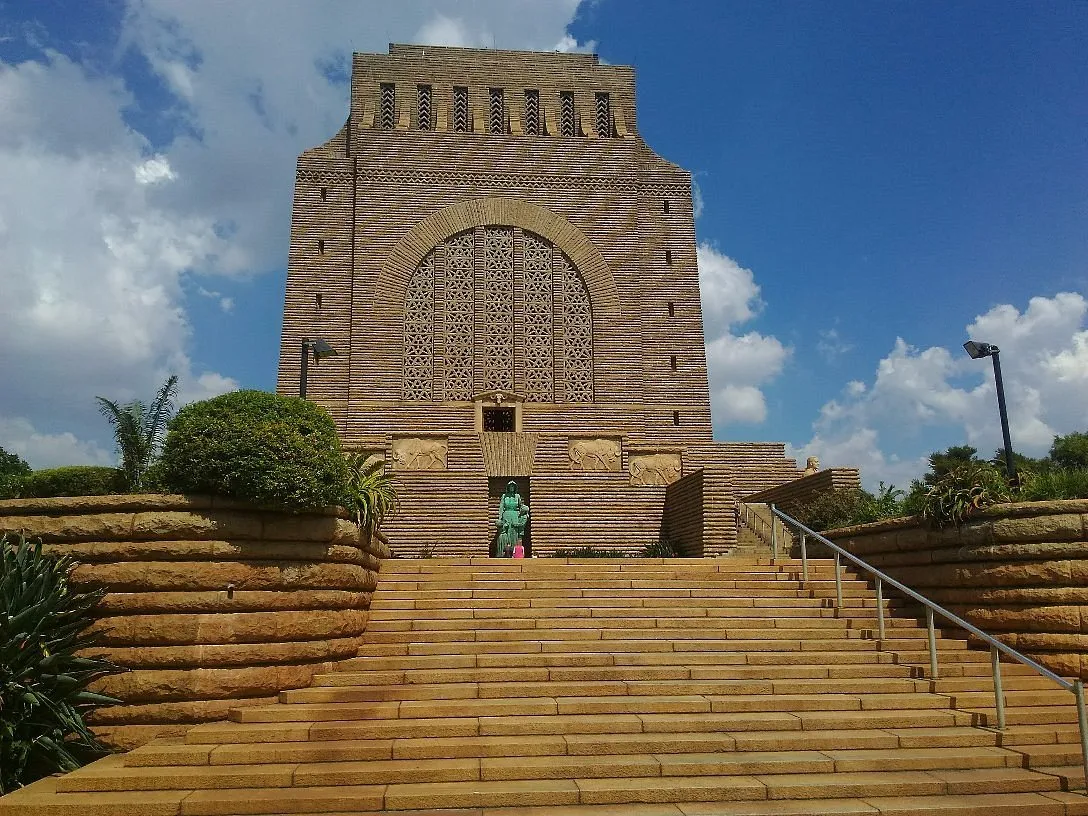
Voortrekker Monument:

The monument was built during the Great Trek in honour of the Voortrekkers (a group of Dutch settlers). This 40-metre tall building has a cenotaph hall with an empty grave, “graves of no bones." It was constructed between 1937 and 1938.

Voortrekker Monument South Africa

District Six Museum:

Founded in 1994, this building holds the memories of a vibrant city in Cape Town named District Six. The museum, a former Methodist church, has a map of the district with personal experiences of former residents driven out during the apartheid era, alongside other artefacts. Tour guides are former residents, which gives a more personalised experience.

Castle of Good Hope:

The Castle of Good Hope was built between 1666 and 1679 to prepare for war. The pentagonal building has five bastions, named after the titles of a prince of the Netherlands, Williams III, and used to prevent an attack from any direction. The Castle of Good Hope is the oldest building in South Africa, and it’s a place to see while you tour the city of Cape Town.

Mandela's house:

This is one of the places you will want to visit in South Africa. Mandela's house became a national heritage site in 1999; by 2009, it had become open to tourists. This building contains a small museum, bullet holes in the walls, and other iconic properties such as his photographs, citations, and awards.

Mandela House South Africa

Hole in the Wall:

This natural archway is a must-see if you are a beach lover. Aside from the beautiful scenery of rocky mountains and high waves, the attractions hold some historical stories. Captain Vidal named it; however, the local Bomvana people called it “EsiKhlaeni,” which means place of sounds. Some believe the slaps of the waves formed the hole, while others think it is tied to a historical love story.

Hole in the wall South Africa

Nelson Mandela Capture Site:

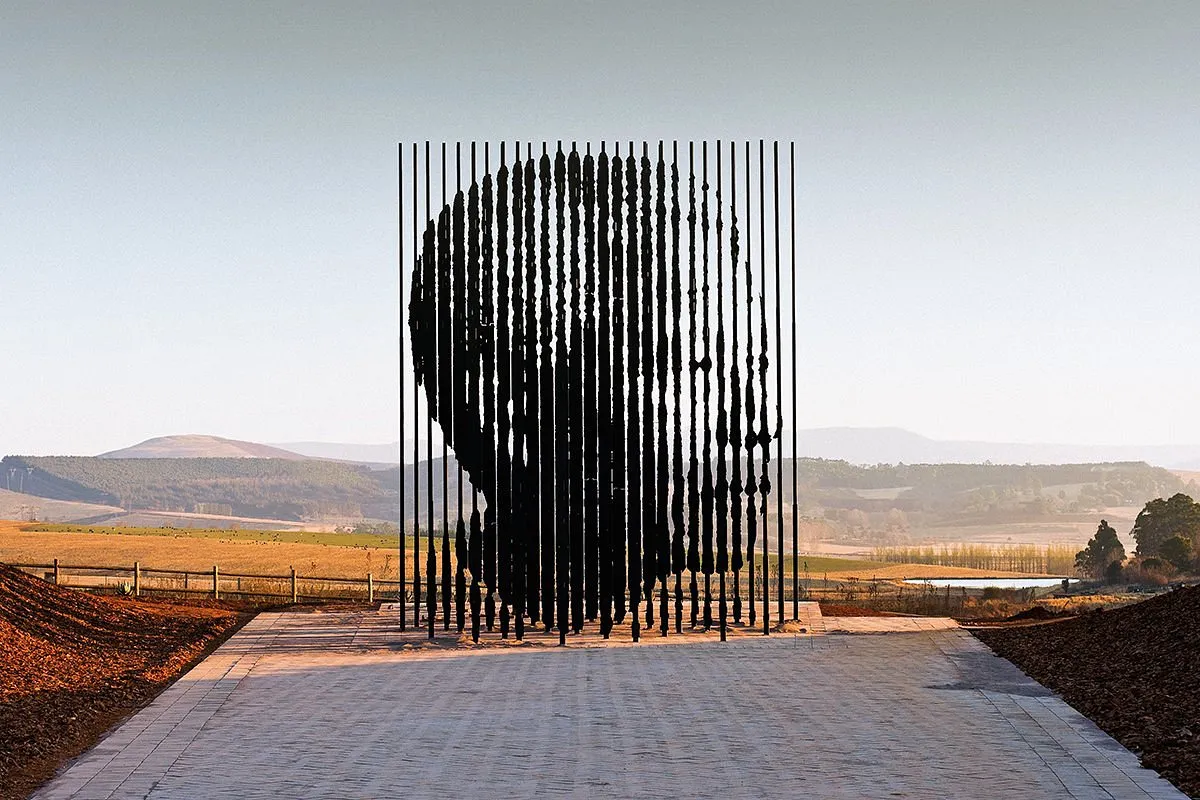
The Nelson Mandela Capture Site near Howick in KwaZulu-Natal marks where Mandela was arrested on August 5, 1962, leading to his 27-year imprisonment. In 2012, a memorial with a unique sculpture was built to celebrate 50 years since his capture. The sculpture, made of 50 steel columns, forms Mandela’s face when viewed from a specific angle.

Nelson Mandela Capture Site

Wrapping up:

South Africa has unique tourist attractions that can promise memorable travel experiences. Don’t let payment issues hold you back from exploring. With Grey, you can spend like a local by instantly converting and withdrawing South African rand directly from your Grey account. Create your free account and get started today.

66a3e62046ce63df0b399525 669925d6733ed8f728b16e9b Greychatt 1

Last updated:

October 2, 2026

Open a free Grey account to get startedJoin 1 million digital nomads
IF YOU ENJOYED THIS, CHECK THESE OUT

Best time to visit Mexico: Weather, seasons and money tips

•

•

2 min read

What country do you think has the largest pyramid by volume? The answer is not Egypt. While the Great Pyramid of Giza is perhaps the most renowned Pyramid in the world, the Great Pyramid of Cholula in Puebla, Mexico, is the largest. Now that we’ve settled the pyramid debate, let’s move on to what this article is actually about.

The best time to visit Mexico is the dry season, from December to April, with warm, sunny days and little rain across most regions. This is peak season on the Caribbean coast around Cancun and Tulum. The wet and hurricane season runs from June to November, when prices drop and crowds thin

Mexico has over 9,000km of coastline and 11 different climate zones. The air might be cold at the top of Mexico City, while it is humid and hot in Chiapas. So, it is very important to plan your trip based on the weather and the cities you are visiting to optimise your experience. The time to visit Cancun is different from the time to visit Oaxaca or Mexico City. This guide covers the best months by region, what to expect from the weather, and practical money tips for getting more out of your trip.

Mexico's seasons at a glance

Mexico's weather varies by region, but most of the country experiences two main seasons:

  • The dry season (temporada seca)
  • The rainy season (temporada de lluvias)

If you're visiting the Caribbean coast, such as Cancún or Tulum, you'll also need to consider the Atlantic hurricane season, which runs from June to November.

Here's what to expect throughout the year.

Month Season Conditions Good for
January Dry Warm, sunny, low humidity Best overall
February Dry Warm, sunny Beaches, cities
March Dry Warm, beginning to heat up Beaches, Oaxaca
April Dry Hot and sunny Peak beach season
May Transition Hot, humidity building Shoulder, some value
June Wet/hurricane season begins Hot, storms possible Budget travel
July Wet/hurricane season Rain and storms possible Budget travel
August Wet/hurricane season Rain and storms possible Budget travel
September Peak hurricane risk Highest storm risk on coast Avoid Caribbean coast
October Wet season continues Rain easing, cooling Day of the Dead
November Transitional Rain easing Day of the Dead, shoulder
December Dry season returns Warm, dry, festive Peak season returns

Mexico City and the central highlands (also called the Mexican Altiplano), like Guanajuato, Querétaro, and San Miguel de Allende, are comfortably warm year-round due to altitude. But it rarely exceeds 28°C. Temperatures might fall under 10°C in the winter, especially at night. The Coastal areas on both the Caribbean and Pacific remain hot and humid year-round, especially from May to October. Northern Mexico is generally hotter and drier, with summer temperatures often exceeding 35°C.

Best time for the Caribbean coast

Most visitors looking to explore Mexico’s beach life head to the Caribbean coast.  It has a tropical climate and includes Cancun, Playa del Carmen, Tulum, and the Riviera Maya. However, the weather conditions here change significantly throughout the year.

The best time to visit is from December to April

This is the dry season and offers the best beach weather. Expect sunny days, warm temperatures between 26°C and 30°C, low humidity, and calm, clear waters that are ideal for swimming, snorkelling, and diving. It is also the busiest and most expensive period, particularly during Christmas, New Year, and Easter, so book well in advance. The Caribbean coast at its best is January through March, when humidity is low and rainfall is minimal.

Check out Visit Mexico as you plan your trip.

Hurricane season (June to November)

The Atlantic hurricane season is from June to November. The highest risk is usually around August and October, and especially in September. Direct hurricanes are not so common, but tropical storms usually bring heavy rain, rough seas, and temporary beach closures. If you are travelling during this period, consider purchasing travel insurance that covers weather-related disruption.

Sargassum seaweed (May to October)

Between January and July 2026, Mexican workers picked up over 96,000 metric tons of sargassum, a new record. The Caribbean coast has been experiencing high amounts of sargassum seaweed in recent years, especially between Cancun and Tulum. The severity varies each year, and by location, so it's worth checking recent beach conditions before booking if spending time on the beach is your priority.

Best months for the Caribbean coast: January, February, and March.

Best time for the Pacific coast and central Mexico

The best time to visit the Pacific coast and central Mexico depends on where you are going.

  • Puerto Vallarta and Mazatlán (Pacific coast): The best time to visit is November to May, when the weather is dry, warm, and sunny. The rainy season lasts from June to October, bringing heavy afternoon showers, although mornings are often clear. Tropical storms occasionally affect the Pacific coast, but the risk is generally lower than on the Caribbean side.
  • Oaxaca: It is best to visit Oaxaca City between November and April. This is when temperatures are pleasant, and rainfall is minimal. Late October and early November are particularly popular because of the famous Day of the Dead celebrations. Coastal destinations such as Puerto Escondido and Huatulco are also driest during this period.
  • Mexico City: Thanks to its high altitude, it enjoys mild temperatures year-round. The dry season (October to May) offers clear skies and comfortable sightseeing weather. During the rainy season, from June to September, showers usually arrive in the afternoon, while mornings remain suitable for exploring.
  • Yucatán Peninsula (Mérida and Chichén Itzá): The best time to visit is October to May, when temperatures are lower and humidity is more manageable. During the summer months, the intense heat can make exploring archaeological sites uncomfortable, particularly around midday.

Cheapest time to visit Mexico and festivals

If you are travelling on a tight budget, then it is better to travel outside the peak tourist seasons. Since there are fewer people visiting, you'll often find cheaper flights, lower hotel rates, and fewer crowds, although you'll need to be more open-minded about the weather.

Low season (June to September)

This is generally the cheapest time to visit Mexico. Flights and accommodation are often 30% to 50% cheaper than during the peak season, especially outside major Mexican school holidays. Expect hot, humid weather with regular afternoon showers, particularly along the Caribbean coast. If you're willing to trade perfect beach weather for lower prices, this is an excellent time to visit.

Shoulder season (May and October to November)

If you are trying to balance travel cost, weather, and crowds, you should consider the shoulder season. Prices are lower than during the peak season (but more expensive than the low season). The weather conditions are, however, better than in the wet months. By October and November, the rains start reducing, and the country starts preparing for one of its most famous cultural celebrations.

Festivals worth planning around

  • Day of the Dead (Día de Muertos), 1 to 2 November: One of Mexico's most iconic celebrations. Cities such as Oaxaca and Mexico City come alive with colourful parades, elaborate altars (ofrendas), candlelit cemeteries, and cultural events.
  • Semana Santa (Holy Week, before Easter): Held in the week leading up to Easter. It is one of the busiest travel periods for tourism in Mexico. Beaches and popular destinations fill up quickly, and accommodation prices rise. Book well in advance if travelling during this period.
  • Christmas and New Year (24 December to 2 January): This is another peak travel season. Beach destinations such as Cancún, Puerto Vallarta, and Los Cabos are especially busy, with some of the year's highest hotel and flight prices.

Money tips for Mexico

Mexico uses the Mexican peso (MXN). Having some cash in pesos is essential, even though card acceptance has improved significantly in tourist areas.

  • Paying by card: Hotels, restaurants, supermarkets, and larger shops in destinations such as Mexico City, Cancún, Playa del Carmen, and Puerto Vallarta generally accept international Visa and Mastercard cards. However, many street vendors, local markets, taxis, and smaller businesses still prefer cash.
  • Using ATMs: ATMs are easy to find in cities and tourist destinations and usually offer better exchange rates than airport exchange counters or hotel currency desks. To reduce withdrawal fees, it's often better to withdraw a reasonable amount at once instead of making several small withdrawals.

Read our guide on how to avoid foreign transaction fees before you travel.

  • Tipping: Tipping is a popular practice in Mexico. You can leave 10% to 15% in restaurants unless a service charge has already been added. It's also common to tip hotel staff, tour guides, drivers, and anyone providing personal service. Carry small peso notes to make this convenient.
  • Using a Grey while travelling: Paying with a Grey Plus Card lets you spend from your USD, GBP, or EUR balance wherever Visa is accepted in Mexico. This can help you avoid the foreign transaction fees that many traditional bank cards charge on international purchases. You can spend abroad with a Grey Card wherever Visa is accepted in Mexico, from resort hotels to city restaurants.
  • Sending money to Mexico: Whether you are supporting family or paying a local vendor in advance, you can send money from the US to Mexico with Grey at transparent rates, and convert to MXN at 1% conversion fee.

Spending while you explore Mexico is easier with a multicurrency account. Send money to Mexico with Grey at transparent rates before and during your trip, and pay with your Grey Card wherever Visa is accepted.

Frequently asked questions

When is the best time to visit Cancun?

January, February, and March are the best months for Cancun. The weather is warm and dry, seas are calm and clear for snorkelling and diving, and the sargassum seaweed problem is at its lowest. Avoid September, which carries the highest hurricane risk of the year.

When is hurricane season in Mexico?

The Atlantic hurricane season runs from June to November. The peak risk period for the Caribbean coast of Mexico is August through October, with September carrying the highest statistical risk. The Pacific coast also has a hurricane season from June to October, though storm frequency and intensity tend to be lower than on the Caribbean side.

What is the cheapest month to visit Mexico?

June, July, and August are typically the cheapest months, particularly for the Caribbean coast. Accommodation prices drop significantly, and flights are often cheaper outside school holiday periods. The trade-off is the wet season, with afternoon rains and hurricane risk on the coasts.

Is Mexico expensive to visit?

Mexico offers a wide range of price points. The all-inclusive resort areas around Cancun and Los Cabos are expensive by regional standards. Budget travel in Oaxaca, Merida, and Mexico City is very affordable. A mid-range traveller in Mexico City can eat and get around comfortably on $50 to $80 per day. Beach resorts during peak season cost significantly more.

What currency does Mexico use?

Mexico uses the Mexican peso (MXN). USD is accepted at many tourist-facing businesses in Cancun and border towns, though the exchange rate applied may not be favourable. Paying in pesos rather than USD at places that accept both generally produces a better outcome.

Can I pay by card in Mexico?

In major tourist areas, cities, and mid-range and upscale establishments, yes. In smaller towns, local markets, street food stalls, and budget accommodation, cash is expected. Always carry pesos for situations where card payment is not accepted. Tell your bank or card provider that you are travelling to Mexico to avoid transactions being blocked as suspicious.

Best time to visit Kenya: Weather, seasons and money tips

•

•

2 min read

Kenya is one of Africa’s best destinations. It offers some of the most notable wildlife safaris, beautiful beaches, and breathtaking mountains. Major cities are quite vibrant with a range of cultural experiences. However, the time you choose to visit largely determines how well you enjoy your stay.

The best time to visit Kenya is the dry season, from late June to October, when wildlife gathers around water, and the great wildebeest migration reaches the Masai Mara. January and February are also dry and good for safari. The long rains, from March to May, are quieter and cheaper.

So, whether you are coming for a Masai Mara safari, the beaches of Diani, or Lake Nakuru, timing your trip around the seasons makes the trip worth it. This guide covers the weather month by month, the best time for each type of trip, and practical money tips for getting the most out of your visit.

Kenya's seasons at a glance

Kenya has two wet seasons and two dry seasons every year. Nairobi and the highlands are cooler than the coast, and the north is hotter and drier than the south.

Here is a table showing Kenya’s weather year-round, and what conditions can be good for various activities:

Month Season Conditions Good for
January Dry Warm and sunny Safari, coast
February Dry Warm, little rain Safari, coast
March Long rains begin Getting wetter Budget travel
April Long rains Heavy rain, lush Budget travel
May Long rains Wet, some floods Budget travel
June Dry season begins Warm, drier Safari begins
July Dry Warm, clear Migration, safari
August Dry Peak season Migration peak
September Dry Warm, clear Migration continues
October Short rains begin Mostly dry early Safari, lighter crowds
November Short rains Sporadic rain Budget travel
December Dry Warm and sunny Beach, safari

Nairobi’s altitude is around 1,700 metres. The temperature is usually under 26°C. Coastal cities like Mombasa are usually warm, averaging 28 to 32°C year-round. The Masai Mara is warm by day and cool at night, particularly in July and August.

Best time for a safari

The best time for a safari in Kenya is the dry season, from late June to October. As water sources dry up, animals concentrate around rivers and waterholes. This is why it is easier to see much of the wildlife during this period. The vegetation also reduces, so you can see further into the bush.

According to Kenya's official tourism authority, this period is particularly recommended for the Masai Mara, Amboseli, and Tsavo parks.

The wildebeest migration

The great migration is one of the most dramatic wildlife events on earth. Around 1.5 million wildebeest, along with zebras and gazelles, move in a circular route between Tanzania's Serengeti and Kenya's Masai Mara. The dramatic Mara River crossings, where wildebeest charge through crocodile-filled water, typically occur between July and October. August and September are considered peak months for the crossings, though the exact timing varies each year.

Best time with fewer crowds

January and February are dry, warm, and far less crowded than the main July-to-October season. Game viewing is excellent in Amboseli, where you can see elephants and Mount Kilimanjaro in the distance. Things are also relatively cheaper during this period than during the peak season.

Months to avoid for safari

The long rainy season (March to May) is generally the least favourable time for safari. Heavy rain can make some park roads difficult to use, while thick vegetation makes wildlife harder to spot. However, many lodges offer significant discounts, making it an attractive option for budget travellers who don't mind unpredictable weather.

Best time for the coast and beaches

Kenya’s coastline is bordered by the Indian Ocean, and this area has a slightly different climate from the non-coastal safari destinations. So, the best time to visit the coast and beaches is not the same as the best time to visit for safaris. Kenya’s coast includes Diani Beach, Mombasa, Malindi, and Watamu.

Best months for the coast

January to March and July to September. The coast is warm year-round, but these months offer the driest conditions, light winds, and calm seas ideal for snorkelling and diving.

Long rains on the coast (April to June)

Kenya’s coastal regions experience their heaviest rainfall between April and June. It is more humid, the seas can be rough, and some smaller hotels close temporarily. However, the region is still significantly less affected by rain than the inland areas. So, visitors who don’t mind the rain and want to enjoy the quieter atmosphere and lower prices opt for this period.

Short rains (November to December)

This period, the rains are usually shorter and less predictable than the long rains. It typically doesn’t rain for long. This makes December dry and pleasant, making it a popular time to visit, especially for Christmas and New Year.

Sargassum seaweed

Unlike parts of the Caribbean, Kenya does not experience widespread sargassum seaweed problems. However, small amounts of seaweed can occasionally wash ashore, so it's worth checking local conditions if you're planning a beach holiday.

Cheapest time to visit Kenya

If you're travelling on a budget, March to May is usually the cheapest time to visit Kenya. Hotel rates, safari lodges, and international flights reduce significantly. So, if your priority is cost and you don’t mind the wildlife conditions, then April and May are your best bet.

Another good value period is November. The short rains are usually brief, visitor numbers are lower, and many lodges offer reduced rates compared with the peak safari season.

July to October is the most expensive time to visit. The Great Migration attracts visitors from around the world. Prices also go up during the Christmas and New Year holidays. Popular lodges in the Masai Mara book out months in advance for August and September. If you're travelling during these periods, book accommodation and safaris several months in advance.

Is Kenya worth visiting during the rainy season?

Absolutely! Even during the rains, Kenya is still Kenya. Safaris still operate, the landscape is great, and the parks are far less crowded. While is might be more difficult to spot the animals, many travellers find the lower prices and peaceful atmosphere as good compensation.

Money tips for Kenya

Kenya uses the Kenyan shilling (KES). Although card payments are becoming more common, carrying some cash is still essential, especially outside major cities.

M-Pesa

M-Pesa is Kenya's most popular payment method. Many markets, taxis, cafés, and small businesses prefer mobile money over cash or cards. Most short-term visitors won't have access to M-Pesa, so carrying Kenyan shillings is useful for everyday purchases.

ATMs

It is relatively easier to find ATMs in Nairobi, Mombasa, and other large towns. But once you move into the remote safari areas and coastal towns, it might be more difficult to find one. It is better to withdraw enough cash before travelling to national parks or smaller coastal towns. Most ATMs accept international Visa and Mastercard cards, although your bank and the local ATM operator may both charge fees.

Paying by card

Hotels, supermarkets, shopping centres, and many restaurants accept card payments. However, local markets, roadside vendors, matatus (shared minibuses), and many smaller businesses are still cash-only.

Exchanging money at the airport

Airport exchange counters often offer less favourable exchange rates than banks or ATMs in town. Exchange only enough money to cover transport and immediate expenses, then withdraw or exchange the rest after you arrive at your destination.

Using a Grey Card

The Grey Plus Card is a virtual Visa card connected to your USD, GBP, or EUR balance. For card-accepted payments in Kenya, using a card connected to a foreign currency balance avoids the double conversion your home bank card might apply. Read more on how to avoid foreign transaction fees when travelling.

You can spend abroad with a Grey Card wherever Visa is accepted in Kenya, including hotels, tour operators, and larger retailers.

If you are supporting family in Kenya or paying a local operator in advance, Grey makes it straightforward to send money to Kenya. You can also send money from the US to Kenya at disclosed rates and 1% conversion fee.

Travel to Kenya without worrying about currency exchange. Spend and send money with Grey, hold foreign currencies, and convert to KES at disclosed rates.

Frequently asked questions

When is the best time for a safari in Kenya?

If you want the best all-round experience, August and September are the top months to visit Kenya. This is when the dry season coincides with the peak of the wildebeest migration in the Masai Mara, making wildlife viewing exceptional. For fewer crowds and lower prices, January and February are also excellent months, especially for safaris and beach holidays.

When is the wildebeest migration in the Masai Mara?

The wildebeest typically reach the Masai Mara between July and October, with the famous Mara River crossings most commonly occurring in August and September. The exact timing varies year to year and cannot be guaranteed in advance. The migration is a natural event that follows rainfall patterns rather than a fixed calendar.

What is the rainy season in Kenya?

Kenya has two rainy seasons. The long rains run from March to May and are the wetter and more disruptive of the two. The short rains run from October to December, are more unpredictable, and are generally lighter. Safari parks can be muddy, and some roads become impassable during the long rains.

What should I pack for Kenya?

Pack lightweight clothing for warm daytime temperatures, along with a light jacket for cool mornings and evenings on safari. Neutral-coloured clothing is recommended for game drives. Don't forget comfortable walking shoes, sunscreen, insect repellent, sunglasses, a reusable water bottle, and a universal travel adapter.

Is Kenya expensive to visit?

Kenya sits in the middle of the range for African safari destinations. Budget travel is possible, particularly during the low season in April and May, when lodge prices drop significantly. Peak season safari camps in the Masai Mara are expensive by any measure, with some lodges charging over $500 per person per night. The coast offers more affordable options year-round.

What currency does Kenya use?

Kenya uses the Kenyan shilling (KES). While some hotels, safari lodges, and tour operators may accept US dollars, you'll usually get better value by paying in Kenyan shillings for everyday expenses. Carry some cash for markets, local transport, and smaller businesses, as card payments are not accepted everywhere.

Can I pay by card in Kenya?

In major hotels, upscale restaurants, and larger supermarkets in Nairobi and Mombasa, yes. In rural areas, national parks, local markets, and most mid-range and budget establishments require cash. Bring enough shillings for the portions of your trip away from tourist infrastructure, and withdraw from ATMs in cities before heading to remote destinations.

Best time to visit Rwanda: Weather, seasons and money tips

•

•

2 min read

Rwanda is one of Africa's most rewarding travel destinations, known for its breathtaking mountain gorillas, rolling green hills and well-maintained national parks. If you're planning a once-in-a-lifetime wildlife adventure or simply want to explore Kigali and the country's natural beauty, when you visit can have a big impact on your experience.

The country's weather changes throughout the year, affecting everything from hiking conditions and safari experiences to accommodation prices and visitor numbers. Picking the right season can mean clearer forest trails, better wildlife sightings and a more comfortable trip overall.

For most travellers, the long dry season from June to September is the best time to visit Rwanda, especially for gorilla trekking. The short dry season between December and February is another excellent option. In this guide, you'll discover the best months to visit, what each season offers and practical tips to help you make the most of your budget.

Understanding Rwanda's weather and seasons

Rwanda enjoys a mild highland climate throughout the year, so temperatures remain comfortable regardless of when you visit. Instead of dramatic changes between summer and winter, the country experiences two dry seasons and two rainy seasons, with each offering a different travel experience. The weather is influenced more by rainfall than temperature, making the timing of your trip especially important for outdoor activities.

The long dry season runs from June to September and is widely regarded as the best time for gorilla trekking, hiking and wildlife viewing. The short dry season, from December to February, also brings pleasant conditions with fewer muddy trails.

The long rainy season falls between March and May, while the short rainy season lasts from October to November. Rain usually comes in heavy showers rather than lasting all day, but trails can become slippery and some outdoor activities more challenging during these months.

Also read: Best countries to work in East Africa

When is the best time for gorilla trekking in Rwanda?

If seeing Rwanda's famous mountain gorillas is at the top of your travel list, June to September is generally the best time to visit. This is the country's long dry season, when forest trails in Volcanoes National Park are firmer, less muddy and easier to navigate. While gorilla sightings are possible throughout the year, drier conditions make the trekking experience more comfortable, especially on steep mountain paths.

The popularity of this season also means demand is at its highest. Gorilla trekking permits are limited and often sell out months in advance, particularly during peak holiday periods. If you're planning to travel between June and September, book your permit as early as possible, along with your accommodation and transport. Planning ahead not only secures your preferred dates but also gives you a wider choice of lodges near the national park.

Where to go in Rwanda and the best time to visit

The ideal time to visit Rwanda depends on what you want to experience. While the dry seasons are generally the most comfortable for travelling, each destination has its own highlights that make certain months especially rewarding.

Lake Kivu

If your idea of a holiday is slowing down and enjoying beautiful scenery, Lake Kivu is at its best between June and September. Sunny days and calm waters make it perfect for boat cruises, kayaking, lakeside cafés and beach resorts. The pleasant weather also makes exploring nearby towns much more enjoyable.

Nyungwe National Park

Nature lovers will appreciate Nyungwe National Park during the June to September and December to February dry seasons. With less rain, forest trails are easier to hike, making chimpanzee trekking, canopy walks and waterfall trails more accessible. Wildlife viewing is also more comfortable when paths are firm and visibility is better.

Kigali

Kigali is a destination you can enjoy throughout the year thanks to its mild climate and well-planned streets. Even so, the dry months are ideal for walking through neighbourhoods, visiting museums, shopping at local markets and enjoying the city's cafés without having to plan around frequent afternoon showers.

Also read: Best places remote workers travel to in early 2026

When is the cheapest time to visit Rwanda

If your priority is saving money, March to May is usually the cheapest time to visit Rwanda. This is the long rainy season, when fewer tourists travel. As demand falls, many hotels, luxury lodges and tour operators offer lower prices, making it easier to enjoy Rwanda on a smaller budget.

The trade-off is that you'll encounter more rain, especially in the afternoons, and some hiking trails can become muddy. However, you'll also enjoy quieter national parks, fewer crowds and lush green landscapes that many photographers consider the country's most beautiful.

One important cost never changes: gorilla trekking permits. Rwanda keeps permit prices fixed at $1,500 per person throughout the year, so travelling in the rainy season won't reduce this expense. Your savings will come from accommodation, flights and selected tour packages rather than the trekking permit itself.

Managing money while travelling in Rwanda

The official currency in Rwanda is the Rwandan franc (RWF), but you won't always pay in cash. Many hotels, restaurants, supermarkets and tour operators accept card payments, and you'll likely need a card for online bookings before your trip as well. If you're making payments online or in person, especially where Visa is accepted, the Grey virtual card is a convenient way to pay for shopping, accommodation, transport and other travel expenses.

Grey is also useful beyond card payments. If you need to pay a tour operator, send money to your family or transfer funds while you're travelling, you can send USD, GBP or EUR directly from your Grey account. Simply download the Grey app or open an account to manage your foreign currencies, international transfers and travel spending from one place.

Frequently asked questions

When is the best time for gorilla trekking?

The best time for gorilla trekking is during Rwanda's dry seasons, from June to September and December to February. Forest trails are firmer, hiking is easier and photography conditions are better. Because permits are limited, book your trekking permit and accommodation several months before your planned travel dates.

How much is a gorilla permit?

A gorilla trekking permit costs $1,500 per person for international visitors. This price remains the same throughout the year, regardless of the season. While hotels and flights may become cheaper during the rainy months, the permit itself is never discounted, so include it in your travel budget early.

What is the rainy season?

Rwanda has two rainy seasons. The longest runs from March to May, bringing heavier rainfall, while a shorter rainy period occurs between October and November. Although rain can make hiking trails muddier, landscapes become greener, parks are quieter and accommodation prices are often lower during these months.

Is Rwanda expensive?

Rwanda is known for premium eco-tourism, particularly gorilla trekking and luxury lodges. However, independent travellers can still enjoy affordable guesthouses, local restaurants and public transport. Your total cost depends on your travel style, making Rwanda suitable for both luxury holidays and carefully planned budget-friendly trips alike.

What currency does Rwanda use?

Rwanda's official currency is the Rwandan franc (RWF). Many safari lodges, hotels and tour operators also accept US dollars, especially for larger payments. Carrying some local cash is useful for markets, taxis and smaller businesses, while cards are increasingly accepted in major towns and cities.

Can I pay by card in Rwanda?

Yes. Many hotels, restaurants and larger businesses accept Visa and Mastercard, particularly in Kigali and tourist areas. For online bookings and payments where Visa is accepted, the Grey Visa card is an ideal option.

15 Japanese words and phrases to know before you visit Japan

•

•

2 min read

Japan is one of the most exciting countries to explore, yet knowing a few local words can completely change your experience. You could be ordering ramen, asking for directions or shopping in a neighbourhood convenience store, making the effort to speak even a little Japanese is often met with genuine appreciation and warmer interactions.

The good news is you don't need to become fluent before you travel. A handful of everyday greetings, polite expressions and numbers will help you navigate restaurants, train stations, hotels and tourist attractions with greater confidence.

In this guide, you'll learn 15 useful Japanese words and phrases every traveller should know before arriving. They're easy to remember, practical in everyday situations and will help you enjoy a more comfortable, respectful and rewarding trip across Japan.

Also read: Best countries to work in Asia

Japanese greetings every traveller should know

These simple greetings are used every day in Japan. Learning when to use each one will help you make a positive first impression and show respect for local customs.

  • Konnichiwa: Meaning "Hello" or "Good afternoon," this is the most common greeting you'll hear during the day. It's suitable for shops, restaurants, hotels and meeting people for the first time.
  • Ohayō gozaimasu: Meaning "Good morning," this polite greeting is used until late morning. It's appropriate when greeting hotel staff, shopkeepers or anyone you meet early in the day.
  • Konbanwa: Meaning "Good evening," use this greeting after sunset when entering restaurants, hotels or meeting friends in the evening. It's polite, friendly and widely used across Japan.
  • Sayonara: Meaning "Goodbye," this is best used when parting for a long time. For casual, everyday goodbyes, Japanese speakers often use simpler expressions instead of saying sayonara.

Polite Japanese phrases every traveller should know

Politeness is an important part of Japanese culture. Using respectful expressions, even if your pronunciation isn't perfect, shows good manners and is often appreciated more than speaking fluent Japanese without courtesy.

  • Arigatō gozaimasu: Meaning "Thank you very much," this is the polite way to express gratitude. Use it when a waiter serves your meal, a shop assistant helps you or someone gives you directions.
  • Sumimasen: One of Japan's most useful phrases, it means "Excuse me," "Sorry," or even "Thank you" in certain situations. Use it to get someone's attention, apologise politely or squeeze through a crowd.
  • Onegaishimasu: Meaning "Please," this phrase is commonly used when making a request, ordering food or asking for assistance. It's more natural than simply saying "please" in many everyday situations.
  • **Hai:**Meaning "Yes," hai is used to agree, confirm information or show you're listening. You'll hear it frequently in conversations, shops and restaurants throughout Japan.
  • Iie: Meaning "No," this is the polite way to decline something or disagree. It's soft and respectful, making it suitable for everyday conversations with strangers and service staff.

Useful words for trains stations and directions

Japan's transport system is one of the world's best, but knowing a few direction-related words can make navigating stations, asking for help and finding your way much easier.

  • Eki (Station): You'll see and hear this word constantly when travelling by train. It refers to a railway or subway station and appears on maps, station signs and public announcements.
  • Toire (Toilet): A useful word whenever you're looking for public restrooms in train stations, shopping centres, restaurants or tourist attractions. Most major stations have clean, well-marked facilities.
  • Doko (Where?): Use this when asking for directions, such as "Tokyo Station, doko?" Even with limited Japanese, locals will usually understand you're asking where something is.
  • Migi (Right): Helpful when following directions from locals or reading simple navigation signs. You'll often hear it when asking how to reach a station exit or nearby attraction.
  • Hidari (Left): The opposite of migi, this word helps when navigating stations, crossing large intersections or following walking directions to hotels, restaurants and tourist sites.

Japanese dining phrases to use in restaurants

Eating out is one of the highlights of visiting Japan. Knowing a few restaurant phrases and basic dining etiquette will make ordering food, paying your bill and interacting with staff much more comfortable.

  • Oishii (Delicious): Use this to compliment your meal. Saying oishii after tasting your food is a simple way to show appreciation and is always welcomed by restaurant staff.
  • Mizu (Water): If you need a glass of water, simply ask for mizu. Drinking water is usually provided free of charge in many Japanese restaurants.
  • Okaikei (The bill): When you're ready to pay, say okaikei onegaishimasu to politely ask for the bill. In many restaurants, you pay at the cashier near the entrance rather than at your table.
  • Itadakimasu (Let's eat): This expression is traditionally said before beginning a meal as a sign of gratitude for the food. While visitors aren't expected to say it, using it respectfully is appreciated and shows an understanding of Japanese dining culture.

Understanding Japanese numbers and money

Knowing a few numbers and payment words makes shopping, ordering food and paying for everyday purchases much easier in Japan.

Numbers one to ten

The numbers you'll hear most often are ichi (one), ni (two), san (three), shi/yon (four), go (five), roku (six), shichi/nana (seven), hachi (eight), kyū (nine) and jū (ten). Learning these helps when reading prices, buying train tickets, counting change or ordering multiple items.

En; Japanese yen

En refers to the Japanese yen (¥), Japan's official currency. Prices are almost always displayed in yen, whether you're paying for meals, transport, shopping or attraction tickets, so recognising the term will make everyday spending much easier.

Genkin; Cash

Genkin means cash. Although Japan has become more card-friendly in recent years, cash is still commonly used in neighbourhood restaurants, local markets, shrines and smaller family-run businesses, so it's worth carrying some yen wherever you travel.

Kādo; Card

Kādo means card. Visa and Mastercard are widely accepted in cities, hotels and major retailers. If you're travelling internationally, the Grey virtual card is a convenient option for paying anywhere Visa is accepted while helping you manage your travel spending more easily.

Emergency words and phrases you should never travel without

These expressions can make a big difference if you need urgent assistance or struggle to communicate in an unfamiliar situation.

Tasukete (Help)

If you're in danger or need immediate assistance, tasukete (help) is the word to remember. Whether you've lost your way, feel threatened or witness an emergency, saying it clearly will quickly alert people nearby that you need assistance.

Byōin (Hospital)

Byōin (hospital) is an essential word if you need medical attention. Use it when asking for the nearest hospital, speaking with hotel staff or requesting directions from locals during an illness or medical emergency while travelling.

Wakarimasen (I don't understand)

Don't worry if you can't follow a conversation. Saying wakarimasen (I don't understand) politely lets the other person know to slow down, repeat themselves or communicate in a simpler way, making everyday interactions much less stressful.

Tasukete kudasai (Please help me)

For a stronger request, say tasukete kudasai (please help me). Adding kudasai makes your request polite while making it clear that you urgently need assistance from someone nearby.

Eigo o hanasemasu ka? (Do you speak English?)

If communication becomes difficult, ask eigo o hanasemasu ka? (Do you speak English?). In major cities and tourist areas, you'll often find someone who can help or direct you to an English-speaking staff member.

Frequently asked questions

How do you say hello in Japanese?

The most common way to say hello is konnichiwa, which is used during the daytime and early evening. It's appropriate when greeting shop staff, hotel employees or people you meet for the first time. For mornings and evenings, Japanese speakers usually use more specific greetings instead of konnichiwa.

How do you say good morning in Japanese?

You say ohayō gozaimasu, the polite form of "good morning." It's commonly used until late morning when greeting hotel staff, colleagues, restaurant workers or anyone you meet early in the day. Friends sometimes shorten it to ohayō, but visitors should use the polite version in most situations.

Is English spoken in Japan?

English is spoken in many hotels, airports and major tourist attractions, but it's less common in smaller towns, neighbourhood restaurants and local businesses. Learning a few basic Japanese words can make everyday interactions much easier and is often appreciated by local people throughout your visit.

Do I need cash in Japan?

Yes. Although card acceptance has improved significantly, Japan is still a cash-friendly country. Smaller restaurants, local markets, temples and family-run businesses may only accept cash, so carrying some Japanese yen alongside your payment card helps you avoid inconvenience during your travels and makes everyday purchases much easier.

Is tipping expected in Japan?

No. Tipping is not part of Japanese culture and can even cause confusion. Restaurants, hotels, taxis and other service providers include excellent service as part of the experience, so simply saying arigatō gozaimasu is the most appropriate way to show appreciation after receiving good service.

Can I use my card in Japan?

Yes. Visa and Mastercard are widely accepted in cities, hotels, department stores and many restaurants. For international travellers, the Grey virtual card is a convenient option wherever Visa is accepted, while carrying some cash remains useful for smaller businesses that still prefer cash payments.

Cheapest way to send money from Brazil to the USA

•

•

2 min read

There’s something unforgettable about Brazil’s energy. The bright yellow hue of its iconic football jerseys and the rhythm of samba echoing through carnivals are some of the most recognisable in the world. Brazil knows how to make a mark. But beyond its sun-soaked beaches and many tourist attractions, there’s a modern reality shapin g how Brazilians engage with the world: the need for efficient cross-border payments.

Every year, thousands of Brazilians send money to the US for school fees, family support, freelancing income, and business deals. However, traditional banks and remittance services often turn a simple transaction into an expensive, time-consuming chore. That’s why finding the cheapest and most convenient way to send USD from Brazil to the USA matters more than ever.

Here, you’ll learn how international transfers work, what to avoid, and why Grey is the most cost-effective way to send money from Brazil.

Why sending money from Brazil to the U.S. can be expensive

Despite how globally connected we are, international money transfers from Brazil can still feel stuck in the past. These are some of the common pain points:

  • Excessive bank fees: Traditional bank wires use the SWIFT network, which often adds up to R$150+ in transaction charges, excluding intermediary fees from U.S. banks.
  • Unfavourable exchange rates: Banks often add a hidden markup to their USD exchange rate, reducing the amount the recipient receives.
  • Slow processing times: International wires can take 3 to 5 business days, depending on the institutions involved.
  • Paperwork and bureaucracy: Local banks might require in-person visits or forms, a hassle for busy professionals and remote workers.

If you regularly send money abroad, these delays and fees can chip away at your earnings.

Also read: How to open a USD bank account remotely without U.S. citizenship

What to look for in an affordable international transfer solution

Here’s what matters most when choosing a platform to send USD from Brazil:

  • Low or no fees: Avoid platforms that charge high commissions or add hidden costs.
  • Transparent exchange rates: Look for platforms that use real-time rates with no hidden markups.
  • Speed: Fast transfers mean quicker access to funds, especially during emergencies.
  • Security and compliance: Your money should be protected every step of the way.
  • Ease of use: Digital platforms that work smoothly on your phone or laptop make life easier.

Grey combines convenience, affordability, and security all in one platform.

Why Grey is the best way to send USD from Brazil

Grey is a global financial platform built for the modern economy. It offers multi-currency accounts and cross-border payment services to individuals and businesses. Here’s why it stands out for Brazilians sending money to the US:

  • Virtual USD account: With Grey, you can open a virtual US dollar account from Brazil for free. It’s like having a US bank account without ever leaving your country.
  • Competitive rates: Grey offers real-time currency exchange rates, so you always get a fair deal when converting BRL to USD.
  • Minimal fees: Transactions are processed with low, transparent fees, and no surprise deductions.
  • Fast processing: Grey’s infrastructure ensures that money is sent quickly and reliably, reducing wait times.
  • Local-friendly: The Grey app is tailored for Brazilian users, making it easy to top up, convert, and send money without stress.

Also read: Cheapest way to send USD from China to India

How to send money from Brazil to the USA with Grey

Sending money through Grey is a straightforward process. Here’s how to get started:

Create your Grey account

Visit Grey.co or download the app from the Play Store or App Store. Sign up with your email and follow the onboarding steps.

Complete verification (KYC)

Upload a valid government-issued ID (like your CPF, RG, or passport), along with proof of address. This step helps keep your account secure and compliant.

Fund your BRL account

Use a local method to deposit Brazilian real (BRL) into your Grey account.

Convert BRL to USD

Inside the app, navigate to your BRL balance, select “Convert”, and choose USD. You’ll see the live exchange rate before confirming.

Send USD to your recipient

You can use your converted USD balance to send money to a US bank account. If you're receiving payments from someone in the US, you can also share your virtual USD account details.

Whether you’re sending money to a family member, paying for tuition, or settling a freelance invoice, Grey makes the process fast and affordable.

Who should use Grey for Brazil-to-US transfers?

Grey is perfect for:

  • Freelancers and remote workers: Get paid in USD, hold it in your wallet, and convert when the rates are in your favour.
  • Parents supporting children abroad: Send money for living expenses or tuition without the high cost of wire transfers.
  • Digital entrepreneurs: If you’re managing global clients or business transactions, Grey offers seamless banking without borders.
  • Travellers and expats: Open a USD account before your trip, so you’re ready to spend the moment you land.

Also read: How freelancers in Brazil can receive payments from the US, UK & EU clients

Grey offers a better way to manage your cross-border payments, with local support, low fees, and powerful financial tools built for modern needs.

Create your Grey account today or download the app to enjoy inclusive global banking, designed to carry your dreams across borders.

‍

How to safely navigate USD to INR black market rates

•

•

2 min read

When it comes to currency exchange, especially in India, there’s a phrase that sparks both curiosity and caution: black market rates. If you’ve ever compared official bank rates to what’s being offered “on the street,” you’ve likely noticed a significant difference. The truth is, many people have looked into black market rates hoping to stretch their dollars further.

But while the promise of a better exchange rate is tempting, navigating the black market comes with serious risks. This article explores how USD to INR black market rates work, why they’re so popular, the dangers involved, and smarter, safer ways to get excellent rates

Also read: How to transfer USD from your Indian bank account to a US business partner

What is the USD to INR black market rate?

The black market exchange rate refers to the unofficial rate you get when exchanging currency outside regulated financial systems like banks or licensed money changers. These rates are often higher than official rates because they reflect real-world demand and bypass government-imposed controls or restrictions.

The USD to INR black market rate is determined by:

  • High demand for dollars in India (for travel, tuition, online shopping, and remittances)
  • Limited legal supply of USD in cash
  • Speculators and money changers capitalising on market gaps

People often refer to sources like local forex groups or informal traders to know the “parallel market” rate of the day. While these rates might sound more appealing, they have downsides.

Also read: How to open a US bank account as a temporary visitor or on a visit visa

Why do people use the black market to convert USD to INR?

Many users are looking for convenience, speed, or better value. Some common motivations include:

  • Favourable exchange rates: Traditional banks and money changers often charge high markups or fixed spreads.
  • Currency limits: India has strict forex regulations, including limits on how much USD one can buy or hold at a time.
  • Remittance issues: Sending money into India via traditional bank transfers can be expensive and slow.
  • Cash needs: Some users want physical dollars (for travel or business) and can’t get them easily through banks.

Freelancers, remote workers, and small businesses with international clients also face delays or fees when receiving foreign payments through banks. So, some are tempted to “go around” the system, despite the risks.

The risks of converting USD to INR through black market channels

Here’s where things get tricky. While the black market might seem convenient or profitable, it comes with serious downsides:

  • Legal trouble: Under India’s Foreign Exchange Management Act (FEMA), participating in unauthorised currency exchange can lead to penalties or even jail time.
  • No protection from scams: Black market exchanges happen without oversight. You could be given counterfeit bills or short-changed with no way to recover your funds.
  • Safety concerns: These transactions often require meeting strangers in public places and carrying large amounts of cash.
  • Unreliable rates: What you’re promised and what you get may differ. There’s no standard, and disputes can’t be resolved legally.

If you’re dealing with large sums or frequent transactions, these risks aren’t worth taking, especially when better, legal alternatives exist.

Also read: Cheapest way to send USD from China to India

A smarter, legal alternative: Use Grey to convert USD to INR

Here’s where platforms like Grey shine. Grey offers a modern, secure solution for receiving, holding, and converting USD to INR without resorting to risky black market exchanges.

What makes Grey a better option?

  • Multi-currency virtual accounts: With Grey, you can get a free USD account to receive payments directly from international clients.
  • Real-time exchange rates: Convert your USD to INR at competitive rates, similar to or better than what you’d get on the black market, but without the risk.
  • No hidden fees: Say goodbye to surprise charges or unfavourable spreads.
  • Instant access: Withdraw INR to your local Indian bank account within minutes.
  • Fully legal and regulated: Grey operates in compliance with financial regulations, so your money stays safe.

How to convert USD to INR legally using Grey

If you’re ready to avoid the black market and still get great rates, here’s how to do it with Grey:

Create an account

Sign up on the Grey website or download the mobile app.

Verify your identity

Complete your KYC (Know Your Customer) process by uploading your ID and proof of address.

Get your virtual USD account

Once verified, you’ll receive a dedicated USD account with your own account number and routing info.

Receive USD

Share your Grey account details with clients or payment providers to receive USD directly.

Convert USD to INR

Head to your Grey dashboard, tap “Convert,” and select the amount of USD you want to convert to INR. You’ll receive a real-time rate, and once confirmed, the INR will be in your wallet instantly.

Withdraw to your local bank

Transfer your INR to your Indian bank account anytime, without delay or red tape.

‍

Also read: India visa requirements for US citizens

Chasing black market rates might seem like a smart way to get more value for your money but the risks aren’t worth it. There’s the potential legal trouble, security concerns and fraud. The method is full of uncertainty.

Instead, platforms like Grey allow you to convert USD to INR quickly, securely, and at great rates while fully compliant with Indian regulations.

Ready to leave the black market behind? Create your Grey account today or download the app to enjoy inclusive global banking, designed to carry your dreams across borders.

‍

Arrow (up)

Back to top