
<script type="application/ld+json">[{"@context":"https://schema.org","@type":"BlogPosting","@id":"https://grey.co/blog/how-to-apply-for-a-digital-nomad-visa-in-germany#article","headline":"Germany digital nomad visa: Requirements and how to apply | Grey","description":"Everything you need to know about the Germany digital nomad visa: eligibility, income requirements, costs, and the step-by-step application process. Apply now.","inLanguage":"en","url":"https://grey.co/blog/how-to-apply-for-a-digital-nomad-visa-in-germany","mainEntityOfPage":"https://grey.co/blog/how-to-apply-for-a-digital-nomad-visa-in-germany","datePublished":"2024-10-31T21:30:32.201Z","dateModified":"2026-06-18T00:33:52.322Z","publisher":{"@type":"Organization","@id":"https://grey.co/#organization","name":"Grey","url":"https://grey.co"},"author":{"@type":"Person","name":"Olayoyin Olorunmota"},"image":"https://cdn.prod.website-files.com/636a85d290ee58e70c17e1c0/6a3019cb290dac55760388e4_6a3019c9291eb1c90962d6e9_how-to-apply-for-a-digital-nomad-visa-in-germany__header-image.webp"},{"@context":"https://schema.org","@type":"BreadcrumbList","@id":"https://grey.co/blog/how-to-apply-for-a-digital-nomad-visa-in-germany#breadcrumb","itemListElement":[{"@type":"ListItem","position":1,"name":"Home","item":"https://grey.co/"},{"@type":"ListItem","position":2,"name":"Blog","item":"https://grey.co/blog"},{"@type":"ListItem","position":3,"name":"Germany digital nomad visa: Requirements and how to apply","item":"https://grey.co/blog/how-to-apply-for-a-digital-nomad-visa-in-germany"}]},{"@context":"https://schema.org","@type":"FAQPage","@id":"https://grey.co/blog/how-to-apply-for-a-digital-nomad-visa-in-germany#faq","mainEntity":[{"@type":"Question","name":"Does Germany have an official digital nomad visa?","acceptedAnswer":{"@type":"Answer","text":"Germany has recently recognised the growing trend of digital nomadism and has introduced a freelancer visa to accommodate this new breed of professionals. The visa allows you to legally reside and work in Germany while contributing to the country's diverse and innovative landscape. The visa is technically the Freiberufler (freelance) residence permit rather than a specifically branded digital nomad visa, but it serves the same function for remote knowledge workers."}},{"@type":"Question","name":"How long does the German freelance visa application take to process?","acceptedAnswer":{"@type":"Answer","text":"Processing typically takes four to twelve weeks from the date of the application appointment. Applications requiring prior agreement from German immigration authorities can take longer. Peak periods at busy consulates further extend timelines. Applying four to six months before your intended move date provides sufficient margin."}},{"@type":"Question","name":"Do I need German clients to qualify for the Freiberufler Visa?","acceptedAnswer":{"@type":"Answer","text":"Having German clients significantly strengthens an application. A foreigner with freelancer status must have at least two clients from Germany. Having only non-German clients does not automatically disqualify an application, but the case for economic benefit to Germany is weaker without German clients. Letters of intent from German businesses, even before work has formally begun, can serve as the client evidence required."}},{"@type":"Question","name":"Do I need a German bank account to apply?","acceptedAnswer":{"@type":"Answer","text":"You do not need a German bank account in order to get your freelance entry visa approved. Bank statements from your home country account demonstrating sufficient income and savings are acceptable for the initial application. Opening a German bank account is advisable once you are in Germany, as it is required for many practical aspects of life, including rental agreements and some client payment arrangements."}},{"@type":"Question","name":"Can my family join me in Germany on the freelance visa?","acceptedAnswer":{"@type":"Answer","text":"Spouses and dependent children of Freiberufler visa holders can apply for family reunification residence permits to join the primary applicant in Germany. The family members' permits are tied to the primary applicant's status. German language requirements and proof of adequate housing and income to support the whole family apply to the family reunification application."}}]},{"@context":"https://schema.org","@type":"DefinedTermSet","@id":"https://grey.co/blog/how-to-apply-for-a-digital-nomad-visa-in-germany#terms","name":"Germany digital nomad visa: Requirements and how to apply glossary","hasDefinedTerm":[{"@type":"DefinedTerm","name":"Freiberufler","description":"Liberal professionals, exempt from trade tax (Gewerbesteuer) and do not need to register a business (Gewerbe).","inDefinedTermSet":{"@id":"https://grey.co/blog/how-to-apply-for-a-digital-nomad-visa-in-germany#terms"}},{"@type":"DefinedTerm","name":"Selbständiger","description":"Entrepreneurs running a business who pay trade tax and must register with the local trade office.","inDefinedTermSet":{"@id":"https://grey.co/blog/how-to-apply-for-a-digital-nomad-visa-in-germany#terms"}},{"@type":"DefinedTerm","name":"Anmeldung","description":"Registration with local authorities in Germany that must happen within 14 days of moving in, under Germany's Bundesmeldegesetz.","inDefinedTermSet":{"@id":"https://grey.co/blog/how-to-apply-for-a-digital-nomad-visa-in-germany#terms"}},{"@type":"DefinedTerm","name":"Ausländerbehörde","description":"Local immigration authority in Germany where you apply for the residence permit.","inDefinedTermSet":{"@id":"https://grey.co/blog/how-to-apply-for-a-digital-nomad-visa-in-germany#terms"}}]}]</script>

Germany digital nomad visa: Requirements and how to apply

Olayoyin Olorunmota

TABLE OF CONTENT

SHARE THIS POST

Germany remains one of Europe’s strongest economies with one of the best standards of living globally. It then makes sense that the country is a favourite destination among digital nomads and remote workers outside the EU.

The challenge is that Germany does not have a visa specifically labelled "digital nomad visa." However, remote workers can legally live and work there on a Freiberufler (freelancer) visa or a Selbständiger (self-employment) visa. Both allow non-EU citizens to reside in Germany while earning income from clients outside the country. Requirements include proof of income, a registered address, and health insurance.

These pathways existed long before digital nomad visas became mainstream. And so, Germany became one of the earliest options in Europe for remote workers who want to live and work abroad. This article explains the two main visa options available for digital nomads and remote workers, what each requires, how to apply step by step, and what to expect during the process.

Discover other countries with digital nomad visas

Does Germany have a digital nomad visa?

Germany doesn't currently offer an officially labelled digital nomad visa, but there are two main pathways for freelancers and self-employed professionals from outside the EU.

The Freiberufler Visa (Freelance Visa)

The Freiberufler Visa enables non-EU nationals, including digital nomads, to live and work independently in Germany as freelancers. So if you are a “liberal professional”, whether you are an artist, writer, IT professional, engineer, or consultant, you can opt for this visa. It offers the flexibility to work with multiple clients and is a suitable alternative, as Germany has no dedicated digital nomad visa yet.

Section 21 of the German Residence Act (Aufenthaltsgesetz) makes provision for the Freiberufler visa. The difference between a Freiberufler and a Selbständiger (which we will discuss soon) matters significantly for tax purposes in Germany. Freiberufler, or “liberal professionals”, are exempt from trade tax (Gewerbesteuer) and do not need to register a business (Gewerbe). Selbständige, or entrepreneurs running a business, pay trade tax and must register with the local trade office. The Freiberufler category is the more advantageous classification for most digital professionals.

The Selbständiger Visa (Self-Employment Visa)

The Selbständiger visa is better suited to entrepreneurs who run a business than to those who practise a liberal profession. If you are launching a tech startup in Germany, operating an e-commerce business serving German customers, or running a consultancy that goes beyond the definition of a liberal profession, the Selbständiger is the appropriate visa to process. It requires a more detailed business plan and is subject to additional scrutiny, including evaluation by the Chamber of Commerce and Industry (IHK) in some cases.

For most digital nomads working as developers, designers, writers, consultants, or other knowledge workers, the Freiberufler visa is more applicable. So, let’s just focus on that.

You might also like: Full list of countries offering digital nomad visas

Who qualifies for a German remote work visa?

Anyone who meets the eligibility requirements and is either a freelancer or self-employed can apply for a German freelancer visa, provided there is an economic interest or regional need for their professional services. Germany accepts all those in liberal professions.

The liberal professions recognised under German law include:

  • Software developers and IT professionals
  • Graphic designers and UI/UX designers
  • Content writers, copywriters, and journalists
  • Translators and interpreters
  • Consultants in management, strategy, and professional services
  • Engineers and architects
  • Healthcare professionals, including doctors, dentists, and therapists
  • Tax advisors and auditors
  • Artists, musicians, and performers

The common thread is that these are knowledge-based or creative professions requiring specialised expertise. They are distinct from trade or commercial activities.

Eligibility criteria include

  • Being a non-EU/EEA national
  • Working in a recognised “liberal profession” under German tax law
  • Proving demand for your freelance services through client letters or contracts
  • Financial stability
  • A valid German health insurance
  • Evidence of professional qualifications, if required.

What are the requirements for a German digital nomad visa?

Proof of freelance work and client demand

This is the most important part of the application. German authorities want to see that you have real clients paying for your services throughout your stay. You can use client contracts or letters of intent that should show a decent salary for your role. Check the standard rates for your services using German salary surveys such as the Honorartabelle.

You are also required to have at least two clients from Germany to sign letters of intent or contracts. While you can work with non-German clients on the Freiberufler visa, having German clients strengthens your application and demonstrates a strong connection to the German economy.

Income requirements

There is no fixed minimum income requirement, but applicants should demonstrate an annual income of €9,000 to €12,000. This amounts to around €750-€1,000 per month, which is below the cost of living comfortably in German cities but may be enough to support yourself without relying on German social welfare.

While it is a plus that Germany only requires you to earn a modest income, you must have sufficient funds to cover housing and basic needs. Bank statements showing a reasonable balance, tax documents from previous years to demonstrate steady freelance income, and client contracts specifying payment terms all support the income aspect of your application.

If you earn money from international clients, having a clear record of your freelance income can also support your application. A Euro account can make it easier to receive EUR payments, keep your earnings in the same currency, and maintain organised payment records. With Grey, you can open a Euro account online and receive EUR payments from clients around the world before or after your move to Germany. Learn more about opening a Euro account with Grey.

Valid health insurance

German health insurance is mandatory for all residents and is required as part of the visa application. Temporary travel insurance is sufficient when you are submitting your documents. But you will need a valid comprehensive German insurance subsequently. Once you arrive in Germany and apply for the residence permit, you will need to switch to a recognised German health insurance provider. Public insurance (gesetzliche Krankenversicherung) through providers like Techniker Krankenkasse, AOK, or Barmer is the most common route for freelancers, with premiums based on declared income.

Techniker Krankenkasse (TK) costs approximately 17.29%  per month. This includes the 14.6% that every public insurance user pays and 2.69% that goes to TK. So, if you earn €3,000 monthly, you pay €40.35 monthly on health insurance.

Proof of accommodation and Anmeldung

A signed lease and a completed Anmeldung are required, not optional. The Anmeldung must happen within 14 days of moving in, under Germany's Bundesmeldegesetz, with fines of up to 1,000 euros for missing the deadline. It also unlocks your Tax ID, bank account, health insurance, and residence permit application, since the Ausländerbehörde requires your registration certificate before processing the permit. A landlord confirmation (Wohnungsgeberbestätigung) is needed too; a lease alone does not satisfy registration.

Also read: Essential checklist for house hunting in Europe

Professional qualifications

For regulated professions such as medicine, law, engineering, and financial advisory, which have specific licensing requirements, you need to provide proof of professional qualifications. This is not required for most digital roles, such as software development, design, and writing. Your client contracts and portfolio are good enough to demonstrate competence.

Passport validity

A valid passport with at least one year of validity beyond the intended period of stay. The passport must have sufficient blank pages for entry and residence permit stamps.

Required documents checklist

The specific documents required vary depending on the German consulate handling your application and your individual circumstances. It is better to contact the consulate in your jurisdiction for the requirements that apply to you. The standard document set includes:

  • Valid passport with at least one year of validity
  • Completed visa application form (Visum-Antrag), available from the German consulate website
  • Two recent biometric passport photographs
  • Signed rental agreement or confirmed accommodation in Germany
  • Proof of health insurance valid in Germany
  • Client contracts, letters of intent, or signed agreements from clients (ideally including German clients)
  • Business plan or description of planned freelance activity
  • Evidence of income: tax returns, bank statements, or contracts specifying payment
  • Professional qualifications or portfolio, where applicable
  • Curriculum vitae in German or English
  • Visa fee payment (see fees section below)

For the Selbständiger pathway, a detailed business plan and potentially an assessment from the local Chamber of Commerce or a relevant authority may be required in addition to the above.

Visa fees

The consular fee varies across jurisdictions, but it is around €75 for most applicants. An additional fee of €23.50 to €47 might apply for visa application centre services, including biometrics processing. Self-employed applicants submitting a business plan may need to pay €100 to have the document examined by the Chamber of Commerce and Industry.

Visa fees are non-refundable regardless of the outcome of the application.

How to apply: step-by-step

Step 1: Determine your visa pathway: Confirm whether your work qualifies as a liberal profession (Freiberufler) or a commercial enterprise (Selbständiger). If you are unsure, consulting an immigration lawyer familiar with German law before applying is worth the investment. Applying under the wrong category causes delays and potential rejection.

Step 2: Gather your documents: Compile the full document set listed above. Every document should be accurate, complete, and consistent with the other documents. Inconsistencies between your business plan, client contracts, and income evidence create questions that delay processing.

Step 3: Schedule an appointment at your local German consulate or embassy: You will need to attend an in-person interview at the German embassy in your home country. Wait times for appointments can be significant, particularly at busier consulates in major cities. Book as early as possible once your documents are ready.

Step 4: Attend the appointment: Bring all original documents plus copies. The visa officer will review your application and may ask questions about your freelance work, client relationships, and plans in Germany. Answer clearly and consistently with what your documents show.

Step 5: Wait for processing. Visa applications typically take 4 to 12 weeks to be processed. The processing time for an application does not exceed 45 working days. Applications requiring prior agreement from German authorities take longer. Do not book non-refundable travel until the visa is confirmed.

Step 6: Enter Germany on the entry visa: Those who arrive with an entry visa will need to inform immigration authorities that they are entering the country to work as freelancers and intend to apply for the Freiberufler (freelance residence permit) to continue living and working. Register your address at the local Bürgeramt (citizens' registration office) within 14 days of moving in, as Anmeldung (registration) is legally required for all residents.

Step 7: Apply for the residence permit: Once in Germany, apply for the freelance residence permit (Aufenthaltserlaubnis zur freiberuflichen Tätigkeit) at the local immigration authority (Ausländerbehörde). This is the multi-year permit that allows continued residence. High-earning digital nomads can receive a freelancer residence permit for a period of three months with the possibility of extension up to three years.

Also read: How to get an instant USD debit card in Germany

Costs, duration and renewal of the German freelancer (Freiberufler) visa

Visa application fee

The German freelancer visa (Freiberufler visa) generally costs €75 when applying for a national (D) visa at a German embassy or consulate abroad. Once in Germany, the residence permit for freelance work typically costs around €100, though fees may vary slightly by city and immigration office.

Processing time and validity duration

Processing times vary depending on where you apply and the workload of the German authorities. Most applicants can expect a decision within 4 to 12 weeks, although some cases take longer if additional documents are required or if local authorities need to review the application.

A German freelancer's residence permit is usually granted for up to three years initially. The exact duration depends on factors such as your profession, financial situation, client contracts, and the strength of your business plan.

German freelancer visa renewal process

Before your permit expires, you can apply for an extension through your local immigration office (Ausländerbehörde). To renew, you will generally need to show that:

  • Your freelance activity is still active and viable.
  • You have generated sufficient income to support yourself.
  • You maintain valid health insurance.
  • You have complied with German tax and registration requirements.

The renewal application should ideally be submitted several months before the permit expires, as appointment wait times can be lengthy in some cities.

Path to long-term residency

One of the main advantages of the German freelancer visa is that it can lead to long-term residency. If your freelance business is successful and you can support yourself financially, you may become eligible for a settlement permit (permanent residence) after some years of legal residence in Germany.

Managing international income while based in Germany

While digital nomads and remote workers need to work with at least two clients in Germany, most typically also earn income from clients outside Germany, often in USD, GBP, or EUR. Managing that income efficiently is important for taxation and convenience.

Germany uses an IBAN-based banking system, and so most European clients pay via SEPA bank transfer. A German bank account or a EUR account with a valid IBAN allows European clients to make domestic transfers without international wire fees or correspondent bank deductions.

For income from US clients specifically, a virtual USD account with a real US routing number and account number allows those clients to pay via ACH, the US domestic network, with no international wire fees on either end. The USD balance can then be held and converted to EUR at a rate and time you choose, rather than at the rate that applies when a SWIFT wire arrives.

Grey provides virtual USD, GBP, and EUR accounts for users internationally. For digital nomads managing income across multiple markets, having all three on a single platform reduces the stress of tracking finances across separate accounts. The EUR account with an IBAN is particularly relevant for Germany-based remote workers receiving income from European clients. USD-EUR and GBP-EUR conversions incur a 1% fee, are capped at $6, and are disclosed before confirmation. Grey foreign account details work well with freelancing platforms like Fiverr and Upwork, as well as other earning platforms like Etsy and Amazon.

Also read: How to open US, UK and Euro bank accounts in Germany

The Grey virtual card connects to foreign currency balances for international purchases. So, you can pay for your visa fees, book flights and accommodation, and spend locally in EUR. Also, you can shop on Amazon, pay for Claude Pro subscriptions, and run Meta ads in USD from the same card linked to your USD and EUR accounts without manual top-ups or conversions. Request multiple cards for different uses and determine their spending limits. Link your Grey cards to Apple Pay and Google Pay for contactless payments when using public transportation or shopping at physical stores.

Grey charges fees on deposits, conversions, and withdrawals. Deposits via ACH, SEPA, or FPS incur a 0.8% fee (minimum $2/€2/£2, maximum $10/€10/£10). Currency conversions are charged at 1% (capped at $6 for applicable currency pairs). Exchange rates are variable and include a margin over the mid-market rate. Visit grey.co/blog/fees-and-charges-on-grey for current rates.

Frequently asked questions

Does Germany have an official digital nomad visa?

Germany has recently recognised the growing trend of digital nomadism and has introduced a freelancer visa to accommodate this new breed of professionals. The visa allows you to legally reside and work in Germany while contributing to the country's diverse and innovative landscape. The visa is technically the Freiberufler (freelance) residence permit rather than a specifically branded digital nomad visa, but it serves the same function for remote knowledge workers.

How long does the German freelance visa application take to process?

Processing typically takes four to twelve weeks from the date of the application appointment. Applications requiring prior agreement from German immigration authorities can take longer. Peak periods at busy consulates further extend timelines. Applying four to six months before your intended move date provides sufficient margin.

Do I need German clients to qualify for the Freiberufler Visa?

Having German clients significantly strengthens an application. A foreigner with freelancer status must have at least two clients from Germany. Having only non-German clients does not automatically disqualify an application, but the case for economic benefit to Germany is weaker without German clients. Letters of intent from German businesses, even before work has formally begun, can serve as the client evidence required.

Do I need a German bank account to apply?

You do not need a German bank account in order to get your freelance entry visa approved. Bank statements from your home country account demonstrating sufficient income and savings are acceptable for the initial application. Opening a German bank account is advisable once you are in Germany, as it is required for many practical aspects of life, including rental agreements and some client payment arrangements.

Can my family join me in Germany on the freelance visa?

Spouses and dependent children of Freiberufler visa holders can apply for family reunification residence permits to join the primary applicant in Germany. The family members' permits are tied to the primary applicant's status. German language requirements and proof of adequate housing and income to support the whole family apply to the family reunification application.

Open a Grey account before you move to Germany. Hold EUR, USD and GBP in one place and spend locally from day one.

Last updated:

September 12, 2026

Open a free Grey account to get startedJoin 1 million digital nomads
IF YOU ENJOYED THIS, CHECK THESE OUT

11 best coworking spaces in Bali

•

•

2 min read

Working from Bali sounds great until you actually need somewhere reliable to take a video call, finish a deadline, or spend a full day getting work done. A beach café might be great for an hour, but it is not always practical when you need fast Wi-Fi, a comfortable desk, and a quiet place to focus.

With more than 50 coworking spaces across Bali, you have plenty of options. Canggu, Ubud, Seminyak, and Sanur all have spaces designed for remote workers, freelancers, entrepreneurs, and digital nomads. Prices can range from around IDR 50,000 per day for a basic hot desk to IDR 2,500,000 per month for a dedicated desk at a premium space.

For most digital nomads, Canggu and Ubud are the first places to look because they have some of the island’s largest remote-working communities. But the right coworking space in Bali depends on where you are staying, how long you plan to work, and whether you need meeting rooms, community events, or simply a quiet desk and reliable internet.

This guide covers 11 coworking spaces worth considering, so you can find one that fits your workday and your Bali plans. For visa options, see our list of visa-free countries for digital nomads.

What should you check before choosing a coworking space in Bali?

The first coworking space you find may look great in photos, but your priorities become clearer once you are sitting there trying to finish a deadline. A beautiful view means little when the Wi-Fi drops during a client call or your desk is too noisy to concentrate.

Check the internet

For regular video calls, aim for at least 50 Mbps and ask whether the space has a backup connection in case the main network goes down. Anything below 30 Mbps will frustrate you if you have to screen-share and upload large files. Test at the time of day you'll actually be working, not at 6 am when the space is empty and the bandwidth is uncontested.

Air conditioning

Open-air spaces look beautiful on Instagram, but working in 32 °C heat with 80% humidity can be miserable for laptop-intensive work. If you run hot, choose an air-conditioned space. Your laptop’s fan will thank you, too. Overheating laptops throttle their processors, which makes everything slower.

Time zone compatibility

Bali is GMT+8. If your clients are in New York (GMT-5), your overlap is 7 am to 11 am Bali time. If they're in London (GMT+0/+1), the overlap is 3 pm to 8pm Bali time. Check that the coworking space opens early enough (or stays open late enough) for your schedule. Some spaces don’t open until 8 am or 9 am, which cuts into your US overlap window.

Think about where you are staying

A 30-minute commute can become frustrating when you are working every day. Canggu works well if you want a social beach scene, while Ubud suits a quieter, nature-based environment.

Compare the actual price

Check whether you are paying daily or monthly and what comes with the membership. Some spaces include coffee, meeting rooms, or events, while others charge separately.

Look beyond the desk

Meeting rooms, phone booths, printers, comfortable seating, and reliable power can make a big difference. Community events matter too if you want to meet other founders, freelancers, and remote workers.

These factors also matter when exploring the best cities in Indonesia for digital nomads, because where you stay can shape both your workday and your experience outside work.

The 11 best coworking spaces in Bali

Whether you’re spending a few weeks in Bali or making the island your new base, you’ll find coworking spaces to suit different ways of working. From quiet spaces where you can focus to lively hubs where you can meet other remote workers, here are 11 places to consider for your next workday.

Outpost

Location: Ubud and Canggu

Daily rate: Around IDR 225,000 USD(15–16)

Monthly rate: Around IDR 2,935,000 USD(195–210)

Internet: Up to 200 Mbps with load-balanced connections

Best for: Remote professionals who need reliable Wi-Fi, quiet spaces and access to more than one location. The phone booths are the key differentiator. If you're on Zoom 3 hours a day, Outpost handles that better than any open-air space in Bali. The downside? It feels like a nice office, not like Bali. That's either a feature or a bug, depending on what you're here for.

Bali

Location: Legian/Kuta, Dewi Sri

Daily rate: Around IDR 150,000 ($10)

Monthly rate: Around IDR 2,000,000 ($133) for a hot desk pass

Internet: Around 30–60 Mbps

Best for: Expats and digital nomads who want a convenient live-and-work setup.

Tribal Bali

Location: Canggu, Pererenan

Daily rate: Free entry, with an expected café spend of around IDR 100,000

Monthly rate: No monthly membership

Internet: Around 100 Mbps fibre

Best for: Social digital nomads, creatives and people who enjoy meeting others while they work.

Livit Hub

Location: Sanur

Daily rate: Around IDR 275,000 ($18)

Monthly rate: Around IDR 4,875,000 ($325) for unlimited access

Internet: Up to 150 Mbps backup fibre

Best for: Startup teams, developers and remote professionals who want a professional workspace.

Workmates Canggu

Location: Canggu

Daily rate: No fixed coworking fee; café spending applies

Monthly rate: Not available

Internet: Around 50–70 Mbps

Best for: Digital nomads who prefer a relaxed café atmosphere over a conventional coworking office.

Kumpul

Location: Multiple locations, including Denpasar and Kuta

Daily rate: Around IDR 200,000 ($13)

Monthly rate: Around IDR 2,500,000 ($165)

Internet: Around 50 Mbps

Best for: Entrepreneurs who want to build connections with local businesses and founders.

The Office Bali

Location: Seminyak

Daily rate: Available on request

Monthly rate: From around IDR 3,500,000 ($230), depending on the desk

Internet: Around 100 Mbps dedicated fibre

Best for: Corporate professionals, consultants and independent professionals who prefer a structured office.

BWork Bali

Location: Canggu, Berawa

Daily rate: Around IDR 150,000–200,000 (10–13)

Monthly rate: Around IDR 2,300,000 ($150)

Internet: Around 150 Mbps dual fibre

Best for: Developers, content creators and remote professionals who need a quieter place to focus.

Dojo Bali

Location: Canggu, Echo Beach

Daily rate: N/A — permanently closed

Monthly rate: N/A — permanently closed

Best for: Understanding the history of Bali's digital nomad community.

Hubud

Location: Ubud, Monkey Forest

Daily rate: N/A — permanently closed

Monthly rate: N/A — permanently closed

Best for: Exploring the history and evolution of coworking in Bali.

Komunitas Co

Location: Ubud

Daily rate: Not available as a standard coworking rate

Monthly rate: Not available

Best for: Travellers interested in local creative communities and cultural experiences.

Best coworking spaces in Ubud for focused work

If you need a quiet place to work in Ubud, these three coworking spaces offer a mix of peaceful surroundings, reliable workspaces and meeting facilities.

Outpost Ubud (Penestanan & Nyuh Kunin)

Atmosphere: A tropical workspace with open-air areas, greenery, ravine views and a jungle pool.

Typical clientele: Remote executives, tech founders and long-term expats.

Distance: Around 7 minutes by scooter from central Ubud.

Meeting rooms: Yes, with private booths, conference rooms and whiteboards**.**

Ubud Co-Working

Atmosphere: A peaceful workspace overlooking green rice fields, designed for focused work.

Typical clientele: Writers, software engineers and digital nomads.

Distance: Around 6 minutes northeast of central Ubud.

Meeting rooms: Yes, including private rooms and dedicated meeting spaces.

The Hidden Space Ubud Cafe

Atmosphere: A quiet, plant-filled café with a garden setting away from the busy centre.

Typical clientele: Creative freelancers, slow-travelling nomads, and professionals.

Distance: Around 13 minutes by scooter from central Ubud.

Meeting rooms: Yes, with space for small workshops and private events.

How much does Coworking in Bali cost?

Your coworking budget depends largely on how long you plan to work from Bali. If you’re only staying for a few days, a day pass usually costs IDR 50,000–200,000.

A weekly pass can give you better value. For a longer stay, expect to pay around IDR 1,000,000–3,000,000 (56–167) a month for a hot desk. Dedicated desks cost more and often include extras such as storage and meeting-room access.

Before choosing a space, check the payment options. Some places offer better rates when you pay in cash, so keeping some IDR with you can help. You can keep your larger travel budget in your [Grey account](https://app.grey.co/auth/register?) and use your multi-currency card when you need to pay by card.

If you’re planning a longer stay, our budgeting tips for nomads in Bali can help you plan your daily spending too.

For data on the go, grab a travel eSIM instead of buying a local SIM at the airport (where you'll overpay by 30-50% compared to ordering one online before you arrive). And if you're earning in USD while living in Bali, hold your dollars in a Grey account and convert to rupiah only when you need local currency. The rupiah fluctuates against the dollar, so converting in smaller amounts as needed often gets you a better average rate than converting a lump sum on arrival.

ATM fees can add up quickly, especially when you’re withdrawing regularly. A Grey card can help you manage your spending abroad by letting you pay by card without foreign transaction fees and withdraw cash at a fair exchange rate, depending on the ATM and applicable charges.

If you’re planning to work and spend more time in Indonesia, having a simple way to manage your money can make everyday payments easier. You can open a Grey account for Indonesia and manage your international spending from one place.

Frequently asked questions

What is the best area in Bali for digital nomads?

Canggu is popular with digital nomads because you’ll find plenty of coworking spaces, cafés, accommodation and a large remote-work community. Ubud is a better fit if you prefer a quieter environment surrounded by nature. Your choice ultimately depends on whether you prioritise social connections, convenience or a slower pace.

How fast is the internet at Bali coworking spaces?

Internet speeds vary between spaces, but many established coworking spaces offer reliable fibre connections suitable for video calls, cloud-based work and large file transfers. Some advertise speeds of 100 Mbps or more. Before choosing a space, check whether it has backup internet if reliable connectivity is essential to your work.

How much does a day pass cost at a Bali coworking space?

A day pass typically costs between IDR 50,000 and IDR 200,000, depending on the location and facilities. Some cafés and coworking spaces offer free entry with a minimum spend, while premium spaces charge more for access to meeting rooms, private areas, pools and other facilities.

Can I legally work remotely in Bali?

You need to check Indonesia’s current visa and immigration rules before working remotely from Bali. The rules depend on your nationality, visa type and the nature of your work. If you’re earning from overseas clients or an employer, confirm that your planned activities are permitted under the visa you intend to use.

Which is better for digital nomads: Canggu or Ubud?

Canggu may suit you if you want a lively digital nomad community, more coworking options and easy access to cafés and social activities. Ubud offers a quieter setting with more greenery and a slower pace. Neither is universally better; the right choice depends on how you prefer to work and live.

Do Bali coworking spaces offer accommodation?

Some coworking spaces in Bali are connected to coliving properties, so you can combine your accommodation and workspace in one place. Others only provide workspace access. If you want both, look specifically for coworking and coliving packages, and check whether accommodation, workspace access and other amenities are included.
How to avoid scams when sending money to Brazil

•

•

2 min read

Scams targeting international money transfers are a problem worldwide. Fraudsters constantly devise sophisticated tactics to steal funds, and falling victim to these schemes can result in huge financial loss and emotional distress.

Fortunately, secure platforms like Grey offer a safer way to send money internationally, ensuring transparency and protection. This guide will highlight common scams, warning signs, and practical tips to keep your transfers safe.

Common scams targeting money transfers to Brazil

Here are some of the most common scams affecting international money transfers:

1. Romance scams

Fraudsters create fake online profiles and build emotional connections, eventually requesting financial help for fabricated emergencies, travel expenses, or investment opportunities.

2. Investment scams

Scammers pose as brokers or investment managers, promising high returns on real estate, cryptocurrency, or stock market investments in Brazil. Victims then send money only to realise the investment was fake.

3. Business opportunity scams

Victims receive unsolicited offers to participate in lucrative business deals or franchises in Brazil. Scammers often ask for an upfront payment to cover "processing fees" or "government permits."

4. Family emergency scams

Fraudsters impersonate relatives or friends, claiming to be in distress and urgently needing money for medical bills, legal fees, or unexpected expenses.

5. Online shopping scams

Scammers set up fake e-commerce sites or social media storefronts, offering discounted goods. Once payment is made, the items never arrive, and the seller disappears.

Also read: Top tools and resources for digital nomads in Brazil

Red flags to watch out for when sending money to Brazil

Recognising these warning signs can help prevent fraud:

  • Urgency: Scammers pressure you to act quickly, claiming dire consequences if you delay.
  • Unusual payment methods: Requests for payments via unconventional methods should raise suspicion.
  • Poor grammar and communication: Many scam messages have spelling errors and inconsistencies.
  • Refusal to meet or provide identification: Fraudsters avoid video calls, in-person meetings, or fail to provide verifiable documents.
  • Too good to be true promises: Unrealistic investment returns or deeply discounted items are likely scams.
  • Lack of a verifiable online presence: Legitimate businesses and individuals usually have traceable records.

Also read: How to avoid scams when sending money to Algeria

Practical tips for sending money safely to Brazil

1. Verify recipient identity

Always confirm the recipient’s details through a trusted source before making any transfers.

2. Choose secure platforms like Grey

Grey provides secure transactions, ensuring your money reaches the right hands without unnecessary risks.

3. Research investments

Before investing in Brazil, conduct thorough research, verify licenses, and seek professional financial advice.

4. Verify business transactions

Use escrow services or platforms like Grey for added security when dealing with businesses.

5. Confirm emergencies independently

If someone claims to be in trouble, contact them directly through official channels before sending money.

6. Ignore unsolicited requests

Be sceptical of unexpected messages asking for financial assistance or investment opportunities.

7. Understand payment method risks

Avoid payment methods that lack security and traceability. Grey ensures safe, trackable transactions.

8. Keep personal information secure

Never share sensitive banking details or passwords with unknown individuals.

9. Report suspicious activity

If you suspect a scam, report it immediately to local authorities, your bank, or the transfer service you used.

Also read: How freelancers in Brazil can receive payments from the US, UK & EU clients

Choose Grey for your transfers to Brazil

Scammers are always evolving their tactics, but using a trusted platform like Grey significantly reduces the risk. With multi-currency support, secure transactions, and competitive exchange rates, Grey ensures that your money reaches its intended destination safely.

Create your Grey account today or download the app to enjoy inclusive global banking, designed to carry your dreams across borders.

‍

Best places to visit in Egypt for summer holidays

•

•

2 min read

A land of ancient wonders and vibrant culture, Egypt is home to over 114 million people and a tapestry of 16 languages. This North African gem weaves history, architecture, and breathtaking landscapes into an unforgettable experience.

Whether seeking adventure, relaxation, or a deep dive into the country’s rich heritage, Egypt has something for everyone.

1. Alexandria

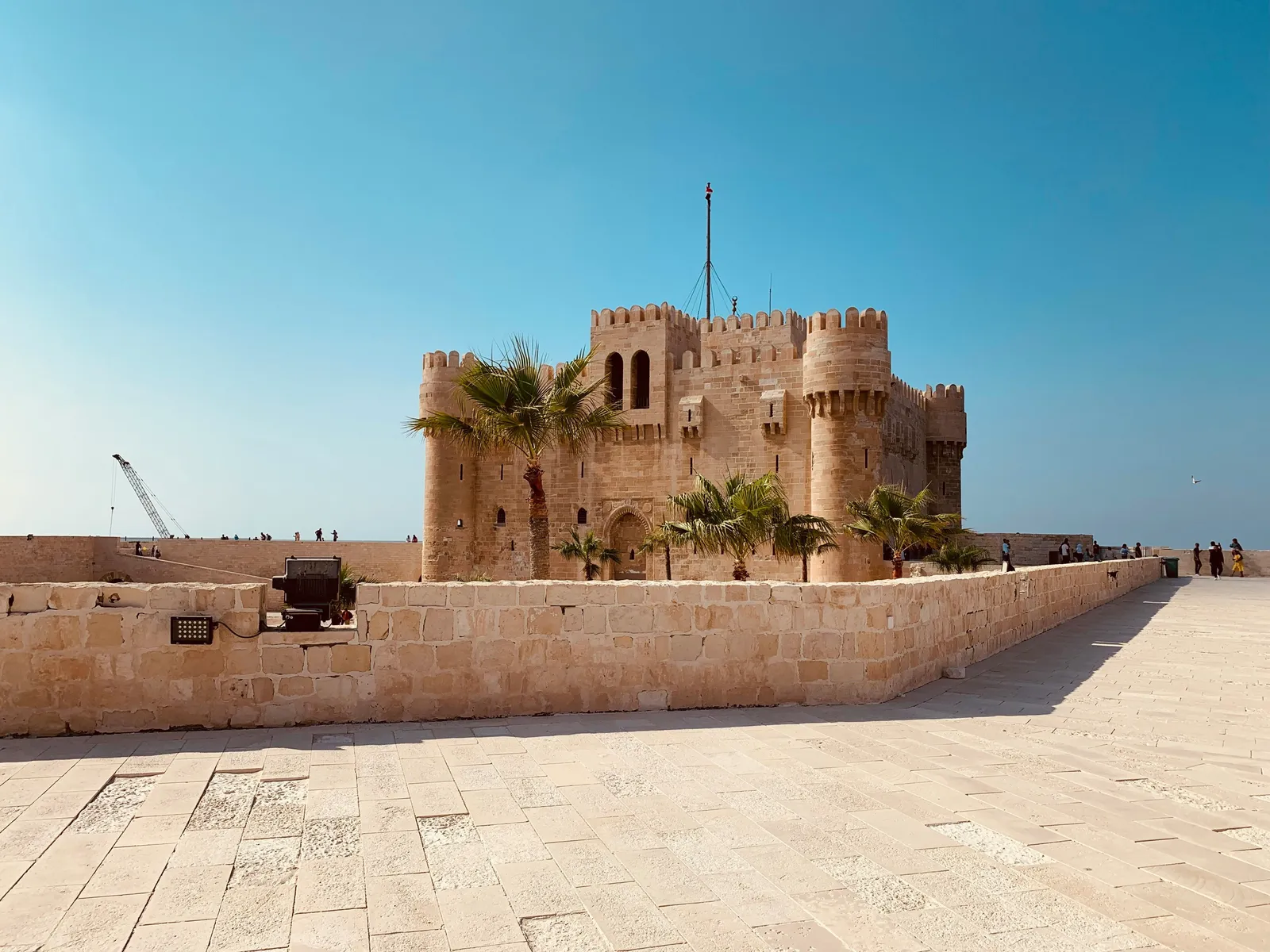
Tourists call it the “Perl of the Mediterranean” because of its cooler coastal climate and laid-back vibe. Alexandria is home to the medieval Citadel of Qaitbay, the royal Montazah palace, and the Bibliotheca library.

It was founded by Alexander the Great in 332, the king of Ancient Greece’s Kingdom of Macedon. Before Julius Caesar’s invasion, which destroyed the city, the Great Library of Alexandria held the world’s most extensive collection of scripted knowledge.

The best time to visit Alexandria is from March to May.

__wf_reserved_inherit

Why should you visit Alexandria?

  • Home of the world's most famous library: The Bibliotheca is one of the largest libraries worldwide, with books in classic Arabic, French, and English. It was built in the fourth century BC and contains half a million papyrus scrolls (the most extensive collection of ancient manuscripts).
  • The Citadel of Qaitbay is home to the defensive fortress built from 1477 to 1479 AD (882–884 AH) by Sultan Al-Ashraf Sayf al-Din Qa’it Bay. This was a strategic place for Egyptians to fight against Ottoman invasions. The British fleet bombarded Alexandria on 11 July 1882 and damaged a large part of the Citadel.
  • The beauty of luxurious Montazah Palace: This palace was designed by Italian architect Antonio Lasciac, who drew inspiration from Islamic and European architecture. The King built Montazah Palace in 1872 to use it as his summer residence. The king was overthrown in 1952, and the government took the Montazah palace and opened it for public use in 1975.

Things to know before visiting Alexandria

  • Alexandria is a conservative city, so dress modestly. Locals like it when you dress respectfully, so wear a scarf and other modest clothing when visiting the city.
  • Keep hugs or kisses private. Ask before taking photos of people. Use your right hand for money or food — it’s polite here.
  • Alexandria is pretty safe, but watch your stuff in busy places like markets or train stations. Say “No, thank you” to pushy tour offers and keep walking.
  • In markets like Souk El Attarine, start with a low price — half what they ask — and talk it up. It’s like a friendly game, not a fight.

Related: **Hidden travel gems to explore in South Africa this summer.**

2 . Cairo

Egypt’s capital city, with over 22.1 million people, is often called “the cradle of civilisation” due to its treasured culture and history. Cairo has a mixed old and new look, with pyramids of giant tombs with over 4000 years of history. Although alcohol is not a massive part of Cairo’s nightlife, there are Baladi bars, which are renowned for shisha and coffee.

The best time to visit Cairo is from March to May or September to November.

__wf_reserved_inherit

Why should you visit Cairo?

  • Visiting the Egyptian Museum is one of the best non-pharaonic activities in Cairo. The museum has been in Tahrir Square since 1902 in an aesthetic rose-coloured building. It has more than 170,000 artefacts, making it the most significant archaeological museum in the Middle East and the largest museum in Africa.
  • Exploring Cairo’s citadel, the most iconic monument in Islamic Cairo. The citadel is divided into two sectors: the Northern Enclosure (more military in character) and the Southern Enclosure (more religious and palatial). Since it was built in 1776, the citadel has witnessed several significant events in Egypt.
  • Climbing Al Mokattam mountain. This is the name of an eastern desert plateau and district located in the east area of Cairo. Mokattam means cut off or broken off, reflecting how Al Mokattam mountain is divided into three hills. The famous Cave church is also at the top of Al Mokattam mountain.

Things to know before visiting Cairo

  • Cairo traffic is chaotic. Taxis and ride-hailing apps are popular options in the city. Metro is cheaper, but it might be overcrowded.
  • Cairo is a conservative city. Dress modestly.
  • Arabic is an official language, and English is spoken in tourist areas. Learn Arabic phrases like “ Shukran” to say "thank you" and easily interact with locals.
  • Follow cultural etiquette, avoid public displays of affection, ask permission before photographing people, and use your right hand for eating or handing over money, as the left hand is considered impolite.

Related: The best summer holiday destinations in the Philippines

3. Luxor

This small city in southern Egypt is located on the east and west banks of the Nile valley. Due to its packed old temples and tombs, some call it “the world’s greatest open-air museum.”

March to April and October to November are the best times to visit Luxor.

__wf_reserved_inherit

Why should you visit Luxor?

  • Visit the temple of Karnak, an ancient place on the Nile River in Luxor. This is a fantastic spot, especially if you love old stories and giant columns.

The Karnak temple has a history of over 3000 years. It was built for Amun Ra, the god of the Sun. The temple is full of Hypostyle halls with over 134 massive columns suitable for tourism.

  • Visit the Valley of the Kings. This is the famous spot in the Nile where kings were buried. This valley is full of tombs, and over 60 pharaohs were buried there over 3000 years ago.

The best time to visit the Valley of Kings is between June, July, and August. The climate is hot there, so wear a hat, sunscreen, and comfy shoes.

Things to know before visiting Luxor

  • Cash is king in Luxor, especially for small vendors and tips, so keep small bills handy.
  • In souks or with vendors, bargaining is common, so make sure you negotiate with vendors.
  • Luxor’s sun is intense, so wear sunscreen and carry water to stay hydrated while exploring the city.
  • Buy a local SIM card at the airport or town for unlimited data, as Wi-Fi isn’t unavailable everywhere.

Related: Top travel destinations in Mexico for summer vacation

4. Aswan

Aswan is a city in southern Egypt near the Nile River. It is popular for its beautiful Nile views, old history, and Nubian culture. Aswan is quieter than Cairo, with palm trees, colourful villages and ancient ruins.

The best time to visit Aswan is between June, July and August.

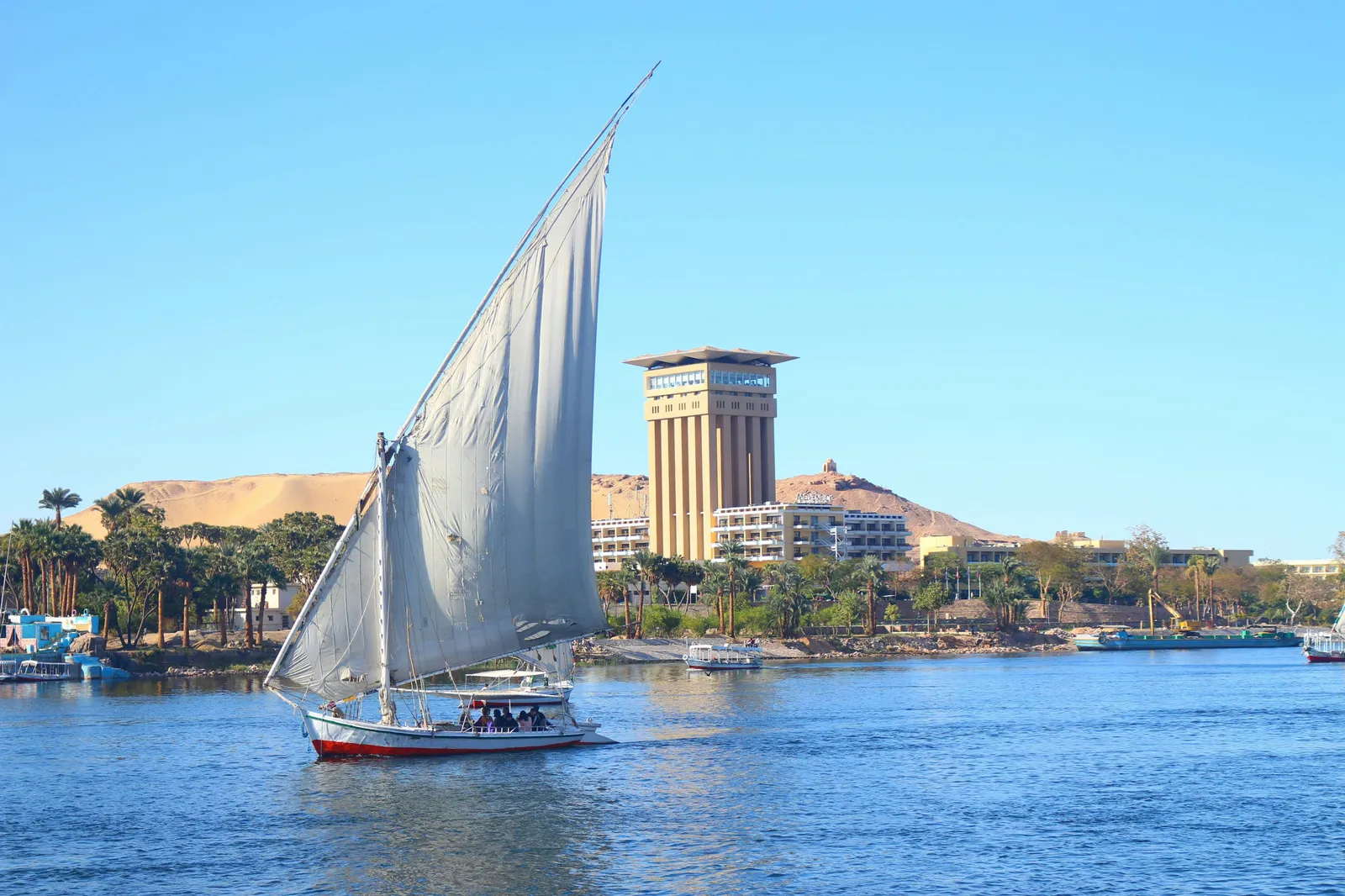
__wf_reserved_inherit

Why should you visit Aswan?

  • Learn about the Aswan High Dam. Built in 1970, it’s a testament to modern engineering and human ambition. The Aswan Dam has transformed Egypt’s agriculture through irrigation and hydroelectric power for electricity generation. Visiting the Aswan Dam will give you historical and economic knowledge of the region and a stunning view of Lake Nasser, one of the largest man-made lakes in the world.
  • Take a boat to the romantic Philae Temple. This beautiful spot in Aswani is located in a small midland on the Nile River. This temple is over 2000 years old and was built for Isis, the goddess of love and magic.

The temple also has pretty carvings and tall columns. The weather is hot in June, July, and August, but the breeze on the water makes it worth it. The boat will cost you 50 - 100 EGP for a round trip and take 10 - 15 minutes.

Things to know before visiting Aswan

  • Dress light but cover shoulders and knees. Long shirts and pants are good choices. A hat or scarf helps with the sun and looks respectful, especially near temples or villages.
  • Locals speak Arabic, but English is acceptable in tourist areas. Say “Shukran” (thank you) or “Salam” (hello) to be nice — it makes people smile.
  • Aswan uses Eastern European Time (EET), UTC+2. People relax late — dinner at 8 or 9 pm is normal.
  • Start with a low price at the souk — half what they say — and chat your way up. It’s friendly, not mean, and part of the fun.

Related: Best travel destinations in Brazil for summer vacation

5. Hurghada

This city is located on Egypt’s Red Sea coast and is known for its sandy beaches and clear blue water. Previously, it was a small fishing village, but now it’s a big tourist spot with resorts, dive shops, and markets.

The best time to visit Hurghada is between June, July and August.

__wf_reserved_inherit

Why visit Hurghada?

  • Go snorkelling or scuba diving in the Red Sea. The Red Sea is famous for being super warm, clear, and packed with life, which makes it the top place for summer holidays in Egypt. The Red Sea has over 1,000 kinds of fish and more than 200 types of Coral, which can easily be seen due to the cleanness of the water.

Snorkelling and scuba diving gear are cheap to rent, and there are guides everywhere who can assist you. Scuba diving and snorkelling beginners can try windsurfing and kiteboarding, which are fun activities. Usually, gears can be rented for around 50 to 100 EGP a day.

  • Visit El Dahar, the old town of Hurghada, famous for its beaches and resorts. It will give you a taste of real Egyptian life mixed with summer fun. Want to experience Arabic chatter, smell spices, and see colourful shops? Then El Dahar should be a must-visit place in Hurghada.

El Dahar market and mosque are popular tourist attractions. The market offers the chance to see people selling clothes, jewellery, spices, and Souvenirs, while the mosque has a tall minaret you can’t miss.

  • A quick overview of Sharm El Sheikh: Sharm El Sheikh is located at the tip of Egypty’s Sinai peninsula, where the Red Sea sparkles and sandy beaches stretch out. It has a fantastic coral reef with chill beaches and lively nightlife.

Although Sharm El Sheikh is hot in summer, the sea breeze and calm water make it perfect for the holiday. The Old Sham area has shops and cafes popular for spices, jewellery, and snacks. The place also has bars, music and dancing, which can be perfect if you like busy evenings.

Things to know before visiting Hurghada

  • Hurghada is safe for tourists, but be cautious in crowded places, avoid isolated spots at night, and beware of petty scams like overpriced tours.
  • Hurghada has a warm climate all year around, and the best time to visit is between September and November.
  • Vendors widely accept cash; the common currency is the Egyptian pound (EGP).
  • Learn basic Arabic so that you can communicate with locals in Hurghada.
  • Buy a local SIM card at the airport or town for unlimited data, as Wi-Fi isn’t available everywhere.

Related:  Egypt visa requirements for US citizens

Planning your dream summer holiday in Egypt? With its stunning destinations and convenient digital payment solutions, Egypty is the perfect summer getaway. Pack your bags, explore breathtaking islands, and let Grey handle your payments seamlessly.

Sign up for a Grey account today, or download the app to get started.

‍

Indonesia visa requirements for EU citizens

•

•

2 min read

From the stunning beaches of Bali to the cultural richness of Yogyakarta, Indonesia is every tourist's dream. But before packing our bags, we need to figure out the visa requirements for EU citizens. If you’re planning a trip to Indonesia, here’s everything you need to know about getting the right visa.

Visa-free entry for short stays

For many EU citizens, visiting Indonesia for a short holiday is incredibly simple. Indonesia offers visa-free entry for up to 30 days for passport holders from most European Union countries. This is perfect for tourists who plan to explore the country briefly without worrying about extra paperwork.

However, there are a few things to keep in mind:

  • The visa-free entry is non-extendable, so if you plan to stay longer than 30 days, you'll need to apply for a visa before arriving.
  • You must enter and exit through designated international airports or seaports that allow visa-free travel.
  • Your passport should be valid for at least six months from the date of arrival.
  • You need a return or onward ticket to prove you won’t overstay.

For official information, you can check the Indonesian Directorate General of Immigration’s website.

Also read: Top travel destinations in Indonesia for summer vacation

Visa on arrival (VOA) for extended stays

If 30 days isn’t enough, you can opt for a Visa on Arrival (VOA), which allows you to stay in Indonesia for up to 60 days. This visa is granted for 30 days initially but can be extended once for another 30 days at an immigration office.

Key details:

  • The VOA costs $35, payable in cash or by card upon arrival.
  • You can apply for an extension before the first 30 days expire.
  • The VOA is available at major international airports and seaports, including Jakarta, Bali, and Surabaya.

For more details and updates on visa fees, visit Indonesia’s immigration website.

Applying for a visa before arrival

For those planning to stay longer or for purposes beyond tourism (such as work or study), you’ll need to apply for a visa before entering Indonesia.

Single-entry tourist visa

If you want to stay beyond 60 days, a single-entry tourist visa allows you to stay for up to 60 days, with the option of extending it for another 30 days. You need to apply at an Indonesian embassy or consulate in your home country before travelling.

Multiple-entry visa

Frequent travellers to Indonesia can apply for a multiple-entry visa, which is valid for one year, allowing stays of up to 60 days per visit. This is ideal for business visitors or those who plan to visit multiple times.

Digital nomad and remote work considerations

Indonesia is a hotspot for digital nomads, especially in Bali. While there is no official digital nomad visa yet, many remote workers enter the country on a business visa (B211A) or a social-cultural visa. These visas allow longer stays but may require sponsorship from an Indonesian company or organisation.

Stay updated on long-term visa options via Indonesia’s official immigration website.

You may also like: How to apply for a digital nomad visa in Indonesia

Important travel tips

Before you embark on your journey to Indonesia, it’s essential to keep a few important travel tips in mind. These can help ensure a smooth trip, avoid unexpected fines, and make your stay more comfortable. Here are some key things to remember:

  • Overstaying penalties: If you exceed your permitted stay, you’ll be fined IDR 1,000,000 (around $65) per day. Long overstays could lead to deportation.
  • Proof of funds: Some visas require you to show sufficient funds for your stay. Carrying a bank statement or proof of income can help.
  • Travel insurance: While not a visa requirement, having travel insurance is highly recommended for medical emergencies and trip cancellations.

Managing finances in Indonesia with Grey

Travelling in Indonesia requires efficient financial management. Grey simplifies international transactions for tourists:

Multi-currency accounts: Hold and manage funds in IDR, USD, EUR, and GBP with Grey.

Competitive exchange rates: Convert currencies at low fees and real-time rates.

Fast international transfers: Send and receive money seamlessly.

Secure mobile banking: Manage your travel expenses through the Grey app.

How to open a Grey account to use in Indonesia

  1. Sign up: Register on the Grey website or download the app.
  2. Verify your identity: Submit a valid passport, proof of address, and a selfie for verification.
  3. Access global bank accounts: Instantly receive USD, EUR, and GBP accounts for seamless transactions.

Grey makes financial management in Indonesia seamless. Create your Grey account today or download the app to enjoy inclusive global banking.

Also read: How to open US and UK bank accounts in Indonesia

Enjoy a smooth Indonesia visa experience

Indonesia is a breathtaking destination, and navigating the visa process as an EU citizen is relatively straightforward. Whether you’re visiting for a short getaway, an extended adventure, or even remote work, planning ahead ensures a hassle-free experience.

Before you book your flight, double-check the latest visa requirements on Indonesia’s official immigration website or consult your nearest Indonesian consulate. Safe travels!

‍

How to get an Algeria tourist visa

•

•

2 min read

The world's largest Arab country has no shortage of tourists. In 2023 alone, Algeria welcomed over 2.5 million tourists, highlighting its appeal to the global population.

If you’re looking to also visit Algeria as a tourist, then you’re in luck. This guide breaks down everything you need to know, including visa types, application steps, and essential travel tips.

Plus, we’ll show you how Grey can help manage your finances efficiently while travelling in Algeria.

Do you need a visa to visit Algeria?

Yes, most travellers need a visa to enter Algeria for tourism purposes. However, citizens of a few countries, including Libya, Mali, Mauritania, Morocco, Seychelles, and Tunisia, can enter visa-free for up to 90 days.

For travellers from the UK, US, EU, and most other countries, a tourist visa is required before departure.

Also read: Egypt visa requirements for EU citizens

Types of Algeria tourist visas

There are two main types of visas for tourism in Algeria:

  1. Single-entry tourist visa: Valid for 30 to 90 days, allowing one-time entry into the country.
  2. Multiple-entry tourist visa: Allows several visits within a designated period, typically granted for travellers who frequently visit Algeria.

Also read: How to avoid scams when sending money to Algeria

Algeria tourist visa requirements

To apply for an Algeria tourist visa, you will need the following:

  • A valid passport: Must be valid for at least six months beyond your travel date.
  • Completed visa application form: This is available online from the Algerian consulate/embassy.
  • Recent passport-sized photos: Usually, two photos with a white background.
  • Travel itinerary: Proof of round-trip flight reservations.
  • Hotel booking or invitation letter: If staying with family or friends, a notarized invitation letter from an Algerian resident is required.
  • Proof of funds: Recent bank statements to demonstrate financial stability during your stay.
  • Travel insurance: Proof of medical insurance coverage for the duration of your trip.
  • Visa fee payment: Fees range from $85 to $160 USD, depending on nationality and visa type.

Additional documents may be required depending on the embassy’s request.

Also read: Egypt visa requirements for UK citizens

How to apply for an Algeria tourist visa

Determine your visa type

Based on your travel plans, decide whether you need a single-entry or multiple-entry visa.

Gather your documents

Ensure all required documents, including passport copies, travel itineraries, and financial proof, are correctly prepared.

Submit your application

Visit the nearest Algerian embassy or consulate in your country. Some embassies may require you to schedule an appointment in advance.

Pay the visa fee

Visa fees vary by nationality and processing speed. Payment is usually made via cash or money order.

Attend an interview (if required)

Some applicants may be asked to attend a short visa interview at the embassy.

Wait for processing

Visa processing takes 10 to 20 business days, depending on the consulate and time of year.

‍

Also read: Algeria visa requirements for UK citizens

Can you extend an Algeria tourist visa?

Yes, visa extensions are possible but require approval from the Algerian authorities. You must apply at the local police station or immigration office before your visa expires, providing a valid reason for the extension.

Tips for travelling to Algeria

  • Currency exchange: The official currency is the Algerian Dinar (DZD). Grey can help with currency exchange.
  • Language: Arabic and Berber are the official languages, but French is widely spoken.
  • Safety: Algeria is generally safe, but always respect local laws and customs.

Managing finances in Algeria with Grey

Travelling in Algeria requires efficient financial management. Grey simplifies international transactions for tourists:

Multi-currency accounts: Hold and manage USD, EUR, GBP, and DZD funds.

Competitive exchange rates: Convert currencies at low fees and real-time rates.

Fast international transfers: Send and receive money seamlessly.

Secure mobile banking: Manage your travel expenses through the Grey app.

How to open a Grey account before travelling to Algeria

  1. Sign up: Register on the Grey website or download the app.
  2. Verify your identity: Submit a valid passport, proof of address, and a selfie for verification.
  3. Access global bank accounts: Instantly receive USD, EUR, and GBP accounts for seamless transactions.

Grey makes financial management in Algeria seamless. Create your Grey account today or download the app to enjoy inclusive global banking, designed to carry your dreams across borders.

‍

Everything you need to know about an Algeria holiday visa

•

•

2 min read

Spanning over 2.38 million square kilometres, Algeria is the largest country in Africa. This means travellers will rarely run out of places to explore.

However, the dream of exploring this fascinating country can be hindered by the often complex visa application process. To help you avoid unnecessary stress and delays, we’ve created a comprehensive guide to the Algeria holiday visa. Let’s break down the requirements and steps, ensuring your adventure starts on the right foot.

Do you need a visa to visit Algeria?

Yes, most travellers need a visa to enter Algeria for tourism purposes. However, visa exemptions apply to citizens of a few select countries, including:

  • Libya, Mali, Mauritania, Morocco, Seychelles, and Tunisia – Visa-free access for up to 90 days.
  • Diplomatic and official passport holders from certain countries – Check with the Algerian embassy for eligibility.

Also read: Egypt visa requirements for EU citizens

Types of Algeria holiday visas

There are two main types of visas for tourism in Algeria:

  1. Single-entry tourist visa: Valid for 30 to 90 days, allowing one-time entry into the country.
  2. Multiple-entry tourist visa: Allows several visits within a designated period, typically granted for travellers who frequently visit Algeria.

Also read: How to avoid scams when sending money to Algeria

Algeria holiday visa requirements

To apply for an Algeria tourist visa, you will need the following:

  • A valid passport: Must be valid for at least six months beyond your travel dates.
  • Completed visa application form: This is available on the website of the Algerian consulate or embassy.
  • Recent passport-sized photos: Usually, two photos with a white background.
  • Travel itinerary: Proof of round-trip flight reservations.
  • Hotel booking or invitation letter: Confirmed accommodation or a letter of invitation from an Algerian resident.
  • Proof of funds: Recent bank statements to demonstrate financial stability during your stay.
  • Travel insurance: Proof of medical insurance coverage for the duration of your trip.
  • Visa fee payment: Fees vary depending on nationality and visa type (typically $85-$160 USD).

Additional documents may be required depending on the embassy’s request.

Also read: Egypt visa requirements for UK citizens

How to apply for an Algeria holiday visa

Determine your visa type

Decide whether you need a single-entry or multiple-entry visa based on your travel plans.

Gather your documents

Ensure all required documents, including passport copies, travel itineraries, and financial proof, are correctly prepared.

Submit your application

Visit the nearest Algerian embassy or consulate in your country. Some embassies may require you to schedule an appointment in advance.

Pay the visa fee

Visa fees vary by nationality and processing speed. Payment is usually made via cash or money order.

Attend an interview (if required)

Some applicants may be asked to attend a short visa interview at the embassy.

Wait for processing

Visa processing takes 10 to 20 business days, depending on the consulate and time of year.

Also read: Algeria visa requirements for UK citizens

Can you extend an Algeria tourist visa?

Yes, visa extensions are possible but require approval from the Algerian authorities. You must apply at the local police station or immigration office before your visa expires, providing a valid reason for the extension.

Tips for travelling to Algeria

  • Currency exchange: The official currency is the Algerian Dinar (DZD). Grey can help with currency exchange.
  • Language: Arabic and Berber are the official languages, but French is widely spoken.
  • Safety: While Algeria is generally safe, travellers should remain aware of local customs and avoid restricted areas.

Managing finances in Algeria with Grey

Travelling in Algeria requires efficient financial management. Grey simplifies international transactions for holidaymakers:

Multi-currency accounts: Hold and manage USD, EUR, GBP, and DZD funds.

Competitive exchange rates: Convert currencies at low fees and real-time rates.

Fast international transfers: Send and receive money seamlessly.

Secure mobile banking: Manage your travel expenses through the Grey app.

How to open a Grey account before travelling to Algeria

  1. Sign up: Register on the Grey website or download the app.
  2. Verify your identity: Submit a valid passport, proof of address, and a selfie for verification.
  3. Access global bank accounts: Instantly receive USD, EUR, and GBP accounts for seamless transactions.

Grey makes financial management in Algeria seamless. Create your Grey account today or download the app to enjoy inclusive global banking, designed to carry your dreams across borders.

‍

Arrow (up)

Back to top