



<script type="application/ld+json" data-schema-version="grey-blog-v4"> [{"@context":"https://schema.org","@type":"BlogPosting","@id":"https://grey.co/blog/top-travel-destinations-in-mexico-for-summer-vacation#article","headline":"7 top summer travel destinations in Mexico","description":"Explore Mexico’s top summer spots, from beaches to ruins, with seamless payments via Grey.","inLanguage":"en","url":"https://grey.co/blog/top-travel-destinations-in-mexico-for-summer-vacation","mainEntityOfPage":{"@id":"https://grey.co/blog/top-travel-destinations-in-mexico-for-summer-vacation#webpage"},"datePublished":"2025-03-25T19:58:46.564Z","dateModified":"2026-06-15T17:06:38.619Z","author":{"@type":"Person","@id":"https://grey.co/authors/priscila-marotti#person","name":"Priscila Marotti","url":"https://grey.co/authors/priscila-marotti","jobTitle":"Content Writer","sameAs":["https://www.linkedin.com/in/priscila-marotti/"]},"publisher":{"@type":"Organization","@id":"https://grey.co/#organization","name":"Grey","url":"https://grey.co","logo":{"@type":"ImageObject","url":"https://cdn.prod.website-files.com/6360022338a81bd6fdbb1145/6564ae1077a67e39d3c491a6_Grey%20Logo%20Lockup%20Black.svg"}},"image":{"@type":"ImageObject","@id":"https://grey.co/blog/top-travel-destinations-in-mexico-for-summer-vacation#primaryimage","url":"https://cdn.prod.website-files.com/636a85d290ee58e70c17e1c0/67e30ade01482472d712ab7f_Top%20travel%20destinations%20in%20Mexico%20for%20summer%20vacation.webp","contentUrl":"https://cdn.prod.website-files.com/636a85d290ee58e70c17e1c0/67e30ade01482472d712ab7f_Top%20travel%20destinations%20in%20Mexico%20for%20summer%20vacation.webp","width":1200,"height":675}},{"@context":"https://schema.org","@type":"WebPage","@id":"https://grey.co/blog/top-travel-destinations-in-mexico-for-summer-vacation#webpage","url":"https://grey.co/blog/top-travel-destinations-in-mexico-for-summer-vacation","name":"7 top summer travel destinations in Mexico","description":"Explore Mexico’s top summer spots, from beaches to ruins, with seamless payments via Grey.","inLanguage":"en","primaryImageOfPage":{"@id":"https://grey.co/blog/top-travel-destinations-in-mexico-for-summer-vacation#primaryimage"},"breadcrumb":{"@id":"https://grey.co/blog/top-travel-destinations-in-mexico-for-summer-vacation#breadcrumb"}},{"@context":"https://schema.org","@type":"BreadcrumbList","@id":"https://grey.co/blog/top-travel-destinations-in-mexico-for-summer-vacation#breadcrumb","itemListElement":[{"@type":"ListItem","position":1,"name":"Home","item":"https://grey.co/"},{"@type":"ListItem","position":2,"name":"Blog","item":"https://grey.co/blog"},{"@type":"ListItem","position":3,"name":"7 top summer travel destinations in Mexico","item":"https://grey.co/blog/top-travel-destinations-in-mexico-for-summer-vacation"}]},{"@context":"https://schema.org","@type":"ItemList","@id":"https://grey.co/blog/top-travel-destinations-in-mexico-for-summer-vacation#list","name":"7 top summer travel destinations in Mexico","numberOfItems":8,"itemListElement":[{"@type":"ListItem","position":1,"name":"Cancún & Riviera Maya"},{"@type":"ListItem","position":2,"name":"Tulum"},{"@type":"ListItem","position":3,"name":"Playa del Carmen"},{"@type":"ListItem","position":4,"name":"Los Cabos"},{"@type":"ListItem","position":5,"name":"Oaxaca"},{"@type":"ListItem","position":6,"name":"Mexico City"},{"@type":"ListItem","position":7,"name":"Puerto Vallarta"},{"@type":"ListItem","position":8,"name":"Bacalar"}]}] </script>

7 top summer travel destinations in Mexico

Priscila Marotti

TABLE OF CONTENT

SHARE THIS POST

Mexico has always been one of those destinations that feels like it has everything—stunning beaches, ancient ruins, vibrant cities, and a culture that pulls you in from the moment you arrive. Whether I’m craving an adventure, a deep dive into history, or just some time to relax by the sea, Mexico never disappoints. With over 35 UNESCO World Heritage Sites, this country is a dream for travellers like me who love to explore without breaking the bank. It’s no wonder Mexico attracts millions of visitors every year, catering to everyone from budget travellers to luxury seekers.

My favourite summer destinations in Mexico

With so many incredible places to visit, narrowing down my must-see spots was no easy task. But these are the destinations that left the biggest impression on me—and the ones I’d recommend to anyone planning a summer escape to Mexico.

1. Cancún & Riviera Maya – Pristine beaches and ancient ruins

__wf_reserved_inherit

I still remember my first time stepping onto the powdery white sands of Cancún. The water was so clear and blue that it felt unreal. This place is famous for its luxurious resorts, buzzing nightlife, and thrilling water activities, but if you’re looking for something more laid-back, the Riviera Maya is just down the coast. There, you’ll find stunning eco-parks and historic sites that add a touch of adventure to your trip.

My favourite things to do:

  • Relax at Playa Delfines, a beautiful beach with fewer crowds.
  • Take a ferry to Isla Mujeres for snorkelling and a slower pace of life.
  • Visit Chichén Itzá and marvel at the iconic Kukulkan Pyramid.
  • Swim in cenotes like Dos Ojos—nature’s own hidden swimming pools.
  • Explore Xcaret and Xel-Há Parks, where you can snorkel, zip-line, and learn about Mexican culture.

2. Tulum – Bohemian vibes and Mayan ruins

__wf_reserved_inherit

Tulum is the kind of place that makes you want to stay forever. Between the stunning beachfront Mayan ruins and the eco-conscious boutique hotels, it’s easy to see why so many travellers fall in love with it.

Why I love Tulum:

  • Exploring the Tulum Ruins, perched on a cliff overlooking the Caribbean.
  • Drifting through the Sian Ka’an Biosphere Reserve, a UNESCO-listed haven for wildlife.
  • Chilling out on Tulum Beach, where every stretch of sand feels like paradise.
  • Swimming in the crystal-clear Gran Cenote.
  • Climbing the ancient Coba Ruins for breathtaking jungle views.

Also read: How to manage multiple currencies as an expatriate in Mexico using Grey

3. Playa del Carmen – A vibrant coastal city

__wf_reserved_inherit

Playa del Carmen is a mix of beach relaxation and buzzing city energy. It’s smaller than Cancún but just as fun, with fantastic restaurants, nightlife, and easy access to the best of the Riviera Maya.

Must-do experiences:

  • Strolling down Fifth Avenue, a lively street filled with shops and restaurants.
  • Taking a ferry to Cozumel for world-class snorkelling and diving.
  • Zip-lining through caves and rivers at Xplor Park.
  • Discovering the underground world of Rio Secreto.
  • Kicking back at Mamitas Beach Club with a cocktail in hand.

4. Los Cabos – A paradise for luxury and adventure

__wf_reserved_inherit

Los Cabos feels like a dream with its dramatic coastline, desert landscapes, and luxurious resorts. It’s the perfect mix of adventure and indulgence.

My top picks:

  • Seeing El Arco, the famous rock formation at the ocean’s edge.
  • Sunbathing at Lover’s Beach and braving the waves at Divorce Beach.
  • Watching whales (seasonal) or spotting dolphins in the summer.
  • Exploring local art at the San José del Cabo Art Walk.
  • Unwinding at one of the region’s many luxury resorts and spas.

Also Read: How to get an instant USD debit card in Mexico

5. Oaxaca – A cultural and culinary hotspot

__wf_reserved_inherit

Oaxaca stole my heart with its rich history, lively markets, and incredible food. If you want a trip packed with authentic experiences, this is the place to be.

Unmissable experiences:

  • Walking among the ancient ruins of Monte Albán.
  • Taking a dip at Hierve el Agua, Mexico’s petrified waterfalls.
  • Exploring the colourful streets of Oaxaca City.
  • Visiting Mitla, a fascinating archaeological site.
  • Indulging in mole, tlayudas, and mezcal — the flavours of Oaxaca are unforgettable.

6. Mexico City – A dynamic metropolis

__wf_reserved_inherit

Mexico City is a vibrant capital blending history, culture, and modern attractions. From ancient Aztec ruins to world-class museums, it offers something for every traveller.

What I loved most:

  • Zócalo – The heart of the city, home to the Metropolitan Cathedral and National Palace.
  • Chapultepec Park – One of the largest urban parks in the world, featuring a castle, museums, and a zoo.
  • Frida Kahlo Museum (Casa Azul) – A must-visit for art lovers.
  • Teotihuacán – The ancient city of pyramids, including the Pyramid of the Sun and Pyramid of the Moon.
  • Xochimilco – Enjoy a colourful boat ride through the famous canals.

7. Puerto Vallarta – A mix of beach, culture, and nightlife

__wf_reserved_inherit

Puerto Vallarta is known for its beautiful beaches, charming Old Town, and lively nightlife. It’s an ideal summer destination for relaxation and adventure.

Top attractions:

  • Malecon Boardwalk – A scenic waterfront promenade with restaurants, sculptures, and street performers.
  • Los Muertos Beach – A popular beach with lively beach clubs and watersports.
  • Marietas Islands – Home to the hidden beach, Playa del Amor.
  • Zona Romántica – A charming district with cobblestone streets, galleries, and cafes.
  • Whale and dolphin tours – Summer offers great opportunities for marine life sightings.

8. Bacalar – The Lagoon of Seven Colors

__wf_reserved_inherit

Bacalar was one of the biggest surprises of my trip. It’s quiet, peaceful, and home to a lagoon so beautiful it doesn’t look real.

Why it’s special:

  • Laguna Bacalar – A stunning freshwater lagoon with varying shades of blue.
  • Fort San Felipe – A historic fort with panoramic views.
  • Los Rapidos – A beautiful canal with gentle currents for floating.
  • Cenote Azul – A deep cenote perfect for swimming and diving.
  • Sailing and kayaking – Explore the lagoon’s hidden spots and enjoy its serene beauty.

You may also like: The best digital nomad jobs to earn from anywhere in Mexico

The best way to manage payments while travelling in Mexico

When travelling in Mexico, managing currency exchange and payments can be challenging. With Grey, you can easily send, receive, and exchange money in multiple currencies without high fees. Whether you’re booking tours, dining out, or shopping, Grey makes international transactions seamless.

Make your summer travel to Mexico stress-free with Grey

Mexico has a way of capturing your heart and making you want to come back again and again. And with Grey, managing your travel expenses is one less thing to worry about.

Sign up for a Grey account today, or download the app to get started.

‍

Last updated:

October 13, 2026

Open a free Grey account to get startedJoin 1 million digital nomads
IF YOU ENJOYED THIS, CHECK THESE OUT

How much does a trip to the Bahamas cost?

•

•

2 min read

A trip to the Bahamas can cost a few hundred dollars or several thousand, depending on where you’re travelling from, how long you plan to stay, and the kind of holiday you want. Flights, accommodation, food, local transport, and activities all affect your budget. If you’re travelling during peak season, expect to pay more for flights and hotels.

Looking at trip packages to the Bahamas can help you plan your spending before you book. Some packages combine flights and accommodation, while others include meals, airport transfers, or excursions. These options can make budgeting easier, but check what’s included so you don’t end up paying extra for things you expected to be covered.

Your travel dates and choice of island also matter. Nassau and Paradise Island offer plenty of resorts and activities, while other islands may suit a quieter getaway. In this guide, you’ll learn what to budget for flights, hotels, food, and activities so you can plan a Bahamas trip that fits your wallet.

How much does a trip to the Bahamas cost?

A 7-day trip to the Bahamas can cost around $1,000 per person for a budget holiday, about $2,000 for a mid-range trip, or more than $4,300 for a luxury stay. Your final cost depends on where you stay, how you travel, and the activities you choose.
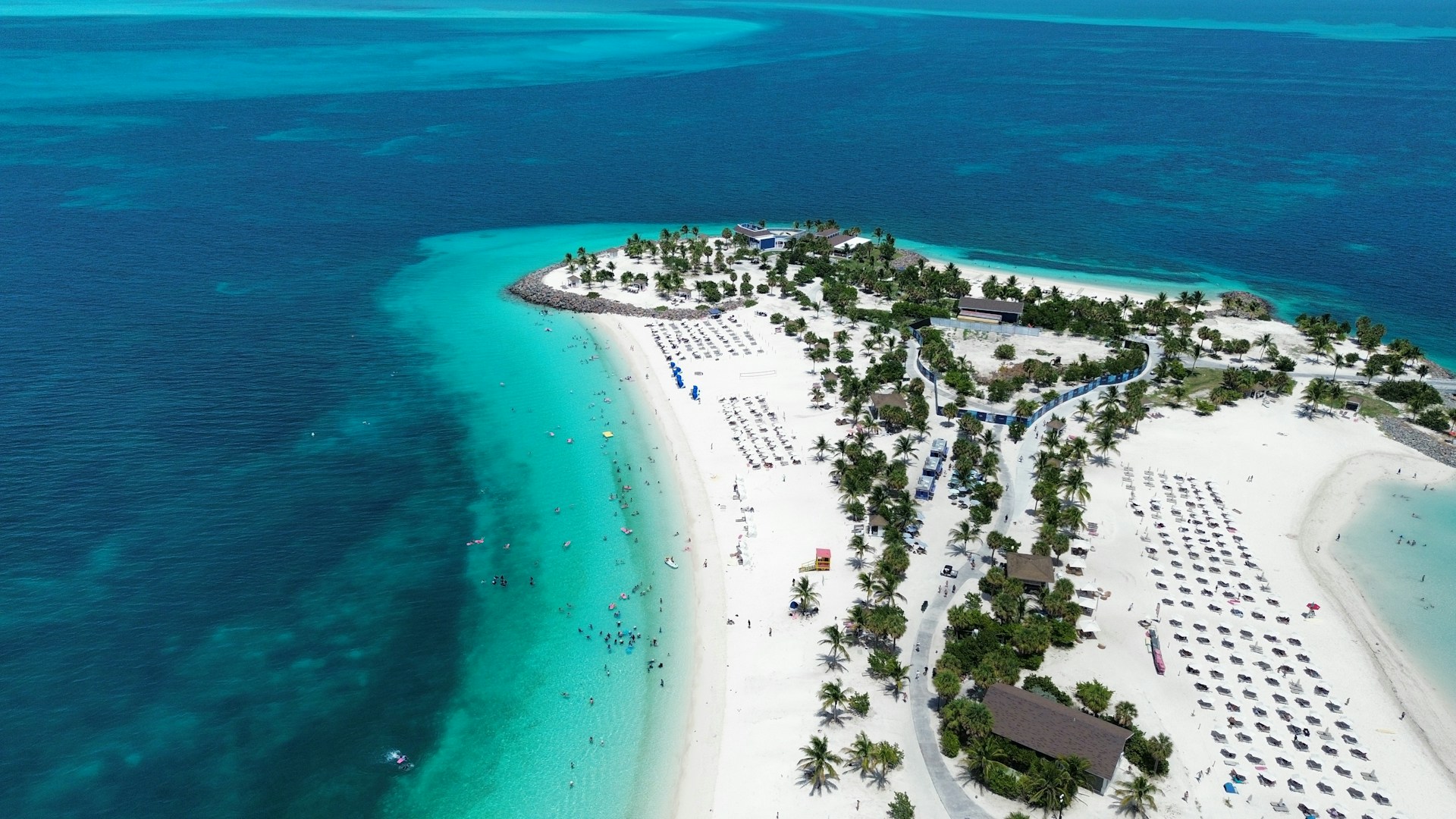
Sky view of the ocean in the Bahamas

Accommodation is one of the biggest expenses, with standard resorts averaging around $242 per night. Food can also take up a large part of your budget, especially if you eat at sit-down restaurants, where daily spending may reach 100–200 per person. Excursions add to the cost, too. Popular Exuma boat tours can range from $215 to over $570, depending on the experience.

Getting around also matters. Local jitney buses are generally cheaper than private taxis, helping you save money on transport. When comparing trip packages to the Bahamas, check whether flights, hotel stays, meals, transfers, and activities are included. This helps you compare the total cost and avoid unexpected expenses.

How much does a trip to the Bahamas cost from Europe?

A one-week trip to the Bahamas from Europe can cost around €2,000 to €5,000 per person, depending on your departure city, accommodation, and travel plans. Budget travellers may spend €2,000 to €2,800, while mid-range holidays can cost €3,000 to €5,000. Luxury trips can cost considerably more.

Flights: Return flights from Europe to the Bahamas typically cost around €500 to €900, although prices vary by season, airline, and booking date. You may also need connecting flights, which can affect your travel time and total fare.

Accommodation: Hotels and resorts are often a major expense. Budget hotels help keep costs down, while beachfront and all-inclusive resorts can cost much more per night.

Daily expenses: Food, transport, and excursions add to your budget. To save money, compare flight prices, travel outside peak periods, and check what your hotel package includes before booking.

Also read: How much does an all-inclusive Caribbean trip cost?

How much does a trip to the Bahamas cost from Africa?

A one-week trip to the Bahamas from Africa can cost around $2,200 to $4,500 per person, depending on your departure city, flights, accommodation, and activities. Travelling from cities like Lagos or Johannesburg can be expensive because flights usually involve connections through Europe or the United States.

Flights: Return flights from major African cities to Nassau may cost around $1,100 to $1,600, depending on the airline, season, and booking date. Check different routes and travel dates to find a suitable fare.

Accommodation: Budget travellers can save by staying in guesthouses or affordable hotels. Mid-range travellers may spend more on three-star resorts and comfortable accommodation close to popular attractions.

Daily expenses: Food, local transport, and excursions add to the total. Budget travellers can spend around $2,100 to $2,600 for the week, while mid-range trips may cost $3,100 to $4,500 per person.

Before booking, compare flight and hotel prices separately and allow extra money for travel insurance, visa requirements where applicable, and unexpected expenses.

How much does a trip to the Bahamas cost from South America?

A one-week trip to the Bahamas from South America can cost around $1,800 to $4,000 per person, depending on your departure city, accommodation, and activities. Your total budget will depend on flight prices and the type of holiday you want.

Flights: Return flights from South American cities to Nassau may cost around $600 to $1,200. Prices vary by country, airline, travel season, and whether you need connecting flights.

Accommodation: Budget hotels and guesthouses help keep costs lower, while beachfront resorts and all-inclusive hotels can increase your spending significantly.

Daily expenses: Food, transport, and excursions add to your total. You can save by eating at local restaurants, using affordable transport, and booking activities in advance.

Trip to the Bahamas cost breakdown

The table below compares the cost of a six-night stay in the Bahamas for one traveller departing from Africa. It covers two options: a mid-range resort and a budget-friendly Airbnb, with estimated costs for flights, accommodation, food, activities, and local transport.

Category Mid-range resort Budget Airbnb
Flights $1,400 $1,400
Accommodation 1,950(325/night) 720(120/night)
Food and drinks $1,050 $525
Excursions $500 $100
Local transport $150 $50
Total estimated cost $5,050 $2,795

‍

Key differences

  • Accommodation: A mid-range resort offers more amenities but can cost considerably more, especially when resort fees apply. An Airbnb may help you save on accommodation, particularly if you choose a less expensive island or neighbourhood.
  • Food and drinks: Restaurant meals can take up a large part of your budget. Eating at local spots such as Fish Fry stalls and preparing some meals with groceries can help reduce spending.
  • Transport and activities: Private airport taxis and organised excursions add to resort holiday costs. Budget travellers can save by using public jitney buses where available and enjoying free activities such as beach hopping.

How to budget and pay for your trip to the Bahamas

Planning your Bahamas trip starts with knowing how much you can afford to spend. Set a budget for flights, accommodation, meals, transport, and excursions, then set aside extra money for unexpected expenses. Book major travel costs early and compare prices before paying.

How you manage your money matters, too. With Grey, you can move money before you travel into your foreign currency account and spend with a virtual card for eligible online payments, including flight bookings, hotel reservations, and activities. Check the card’s availability, fees, and acceptance before your trip.

Staying connected is just as important. You can also buy a travel eSIM for the Bahamas, where available, to access mobile data without relying entirely on expensive roaming charges.

Track your spending throughout the trip, compare exchange rates before converting money, and keep a backup payment option handy. A little preparation can help you enjoy the Bahamas without stretching your budget.

Frequently asked questions about the cost of a trip to the Bahamas

How much does a trip to the Bahamas cost?

A mid-range seven-day trip to the Bahamas costs around $2,000 to $3,500 per person, depending on where you travel from. This estimate covers flights, accommodation, meals, local transport, and a few popular excursions.

Are travel packages cheaper?

Yes, travel packages can save you money by combining flights and accommodation into one booking. Compare package prices with separate bookings, check what is included, and look for deals on all-inclusive resorts in Nassau and Paradise Island.

What currency do they use?

The Bahamas uses the Bahamian dollar (BSD), which is pegged at one-to-one with the US dollar. Both currencies are widely accepted, so US dollars are convenient for visitors. However, you may receive Bahamian dollars as change.

When is the best time to save?

August to November can offer lower flight and hotel prices because it falls within the quieter travel season. However, this period overlaps with hurricane season, so check weather forecasts, cancellation policies, and travel insurance before booking.

Do African citizens need a visa?

Visa requirements depend on your nationality and travel circumstances. Many African passport holders need a Bahamian visa, while some may qualify for exemptions. Check the official Bahamas immigration requirements and any US or European transit visa rules before booking.

How can you save on food?

Save on meals by visiting local food spots instead of dining exclusively at resorts. Arawak Cay’s Fish Fry is popular for Bahamian dishes such as conch salad and fried seafood. Mixing local meals with groceries can help keep daily food costs manageable.

Bahamas bound? Move money before you travel, spend with a Grey virtual card with no markup, and buy a travel eSIM for the Bahamas to stay connected throughout your trip.
Travel packing checklist

•

•

2 min read

What if the one thing you forget to pack is the very thing that could disrupt your entire trip? It could be your passport sitting on the bedside table, the charger you need to keep your phone alive during a long journey or the payment card you assumed was already in your wallet. While it is easy to get caught up choosing outfits and deciding what goes into your suitcase, overlooking a single essential can turn an exciting holiday into a stressful experience before you even arrive.

A reliable Travel packing checklist helps you prepare for these small but costly oversights by organising everything you need into five groups: documents and money, clothing, toiletries, tech and chargers, and trip-specific extras. Start with your travel documents and payment options, set aside one day's essentials in your carry-on in case your checked luggage is delayed, and confirm your airline's rules for liquids and batteries before closing your bag.

Rather than packing from memory, work through each category and tick off items as you go, adjusting the list to your destination, trip length and planned activities. With a clear Travel packing checklist, you can leave home feeling prepared, knowing that the important details have been handled and your attention can stay on the experience ahead.

What should be on every travel packing checklist?

Every travel packing checklist should cover five groups: documents and money, clothing, toiletries, tech and chargers, and trip-specific extras. These categories provide a reliable starting point for organising your luggage, whether you are travelling for a weekend, taking a family holiday or heading overseas for work.

1. Documents and money: Passport or valid ID, visa where required, flight tickets, accommodation confirmations, travel insurance details, payment cards and some local cash. Keep essential documents accessible and save digital copies as a backup.

2. Clothing and toiletries: Underwear, sleepwear, outfits suited to the weather, comfortable shoes and any activity-specific clothing. Add a toothbrush, toothpaste, deodorant, skincare products, sunscreen and prescribed medication, using travel-sized containers where necessary.

3. Tech and chargers: Phone, charging cable, power bank, headphones, travel adapter and any work devices you need. For international trips, consider a travel eSIM to access mobile data without depending entirely on public Wi-Fi.

4. Trip-specific extras: Sunglasses, a reusable water bottle, swimwear, a day bag, snacks or other items suited to your destination and itinerary.

These travel essentials form your master list, but the final selection should reflect where you are going and how long you will stay. Tick off each item as you pack, then check your airline's baggage restrictions before departure to avoid last-minute surprises.

What to pack in your carry-on

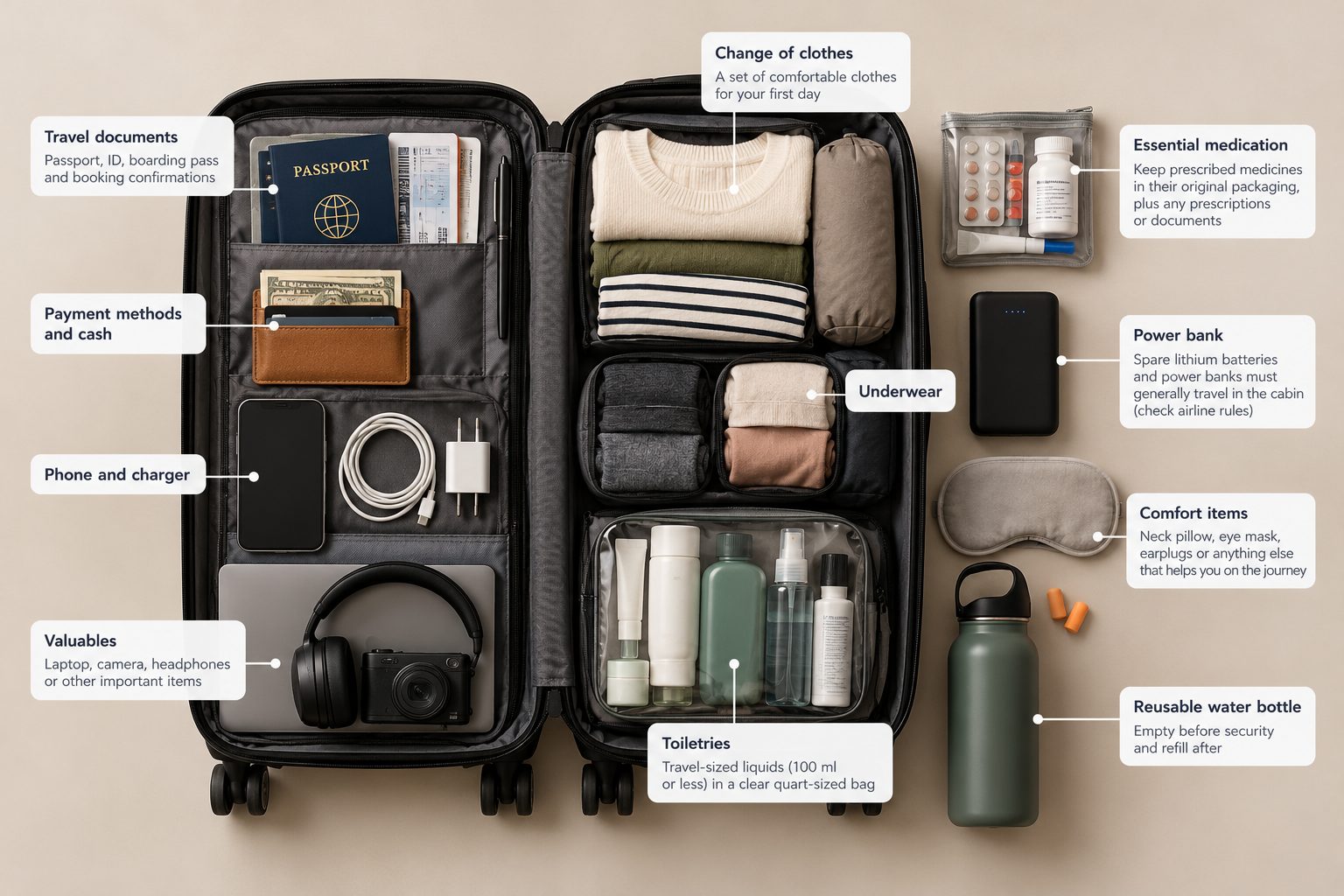
With your master packing list ready, focus on the items you may need during the journey or immediately after landing, especially if your checked luggage arrives late. Your carry-on should keep your first day manageable, with important documents, essential medication and everyday items within easy reach rather than buried in your suitcase.

Carry-on bag contents laid out and labelled.

Start with your passport or identification, booking confirmations, payment cards, some cash, your phone, charger and any valuables you would rather not check in. Add a change of clothes, underwear and basic toiletries so you can freshen up or get through the first day if your main luggage is delayed.

Keep medication close: Pack prescribed medicines in your carry-on, preferably in their original labelled packaging, along with any necessary prescriptions or supporting documents. Medically necessary liquids may qualify for exceptions to standard liquid limits, although screening requirements still apply.

Check liquids and batteries before departure: Under the US Transportation Security Administration’s standard rule, carry-on liquids, gels and aerosols must generally be in containers of 100 ml (3.4 oz) or less, fitting into one clear, quart-sized bag per passenger. Spare lithium batteries and power banks must generally travel in the cabin, with capacity and airline restrictions applying. Check the TSA's guide to what you can bring and your departure airport's rules, since requirements vary by country.

A well-packed carry-on keeps your first-day essentials accessible and helps you handle unexpected delays with less stress.

How to adjust your packing list by trip length

With your master checklist and carry-on essentials sorted, the next step is deciding how much to pack for the time you will spend away. A weekend getaway requires fewer outfits than a week-long holiday, while a longer stay calls for a balance between having enough clothing and leaving room for laundry. Adjusting quantities to match your plans helps you avoid overpacking without running short of essentials.

Weekend trip (2–3 nights): Pack 2–3 outfits, 3 sets of underwear, 1 set of sleepwear, 1–2 pairs of shoes and travel-sized toiletries. Add a light jacket if the weather calls for it.

One-week trip (5–7 nights): A Packing list for a week should include 5–7 outfits, 7 sets of underwear, 2 sets of sleepwear and 2 pairs of shoes. Pack enough toiletries for the stay or plan to replenish them, and include laundry supplies if you expect to wash clothes.

Long stay (two weeks or more): Start with 7–10 outfits, 10–14 sets of underwear, 2–3 pairs of shoes and full-sized toiletries where practical. Plan to do laundry rather than packing a fresh outfit for every day.

Use these counts as a starting point, then adjust for weather, activities and access to laundry facilities.

What to pack for international travel

International trips require a little more preparation than domestic journeys because entry requirements, health rules and everyday practicalities can differ from one country to another. Once your main packing list is ready, use an international travel checklist to confirm that your documents, health records and travel essentials are in order before departure.

Start with your passport and check its expiry date against your destination's entry rules, as some countries require several months of validity beyond your planned stay. Confirm whether you need a visa or electronic travel authorisation, and carry any required vaccination certificates or other health documents. The UK government's foreign travel checklist is a useful resource for checking documents, health precautions and other preparations.

Next, pack a plug adapter that matches your destination's sockets, along with your phone charger and power bank. Download offline maps and save your accommodation address, booking confirmations and emergency contacts so you can access them without an internet connection.

Finally, arrange mobile data before leaving by choosing to buy a travel eSIM if your phone supports it. Check destination coverage and activation instructions in advance so you can navigate, contact your travel companions and access important information after landing.

How to handle money while travelling

Managing money abroad starts with planning how you will pay for things before leaving home. Carry an internationally accepted card, keep some local currency for small purchases and understand how exchange rates affect your spending.

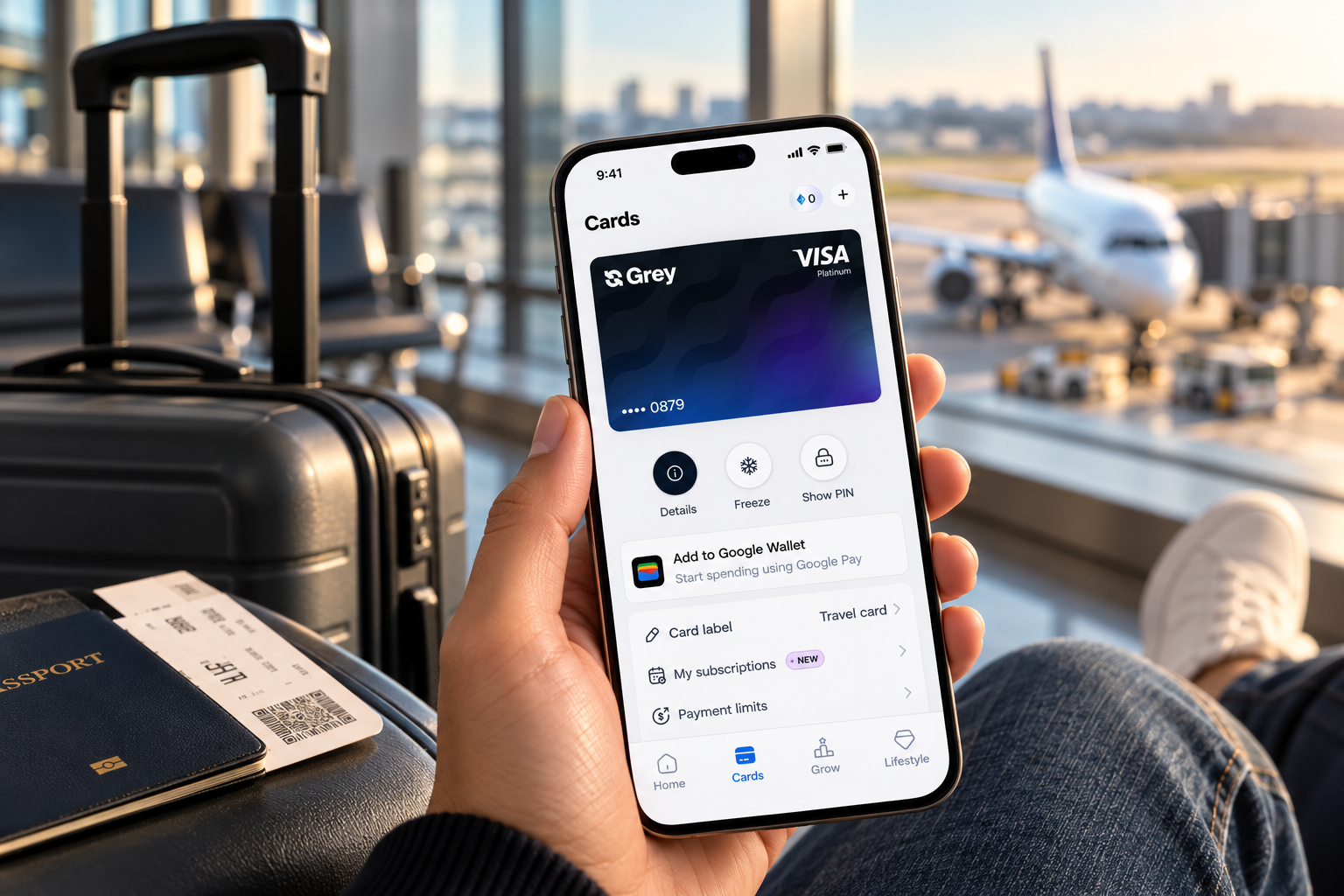
Before departure, check your card’s international fees and set aside enough for accommodation, transport and everyday expenses. Grey’s virtual card for international payments can help you pay eligible merchants online. If you earn in different currencies, Grey also shares tips on saving for a trip when you get paid in different currencies, helping you prepare your travel budget before departure.

Grey virtual card displayed on a phone while travelling.

When paying by card, watch out for dynamic currency conversion (DCC). If a shop or ATM offers to charge you in your home currency or the local currency, choosing the local currency often lets your card provider handle the conversion. Compare the fees and exchange rates before deciding.

Finally, arrange some local currency before landing or plan where to withdraw cash after arrival. Taxis, markets and smaller businesses may not accept cards, so having cash available can make everyday transactions easier.

Frequently asked questions about travel packing checklists

1. What should you never pack in checked baggage?

Avoid packing passports, cash, jewellery, essential medication, laptops, power banks and spare lithium batteries in checked baggage. Keep valuables and important documents in your hand luggage. Also, never pack explosives, flammable substances or other prohibited items. Check your airline’s baggage rules before travelling, as restrictions vary by destination and carrier.

2. How many outfits for a one-week trip?

Pack around seven everyday outfits for a one-week trip, adjusting for your activities and destination. Include two pairs of shoes, sleepwear, underwear for each day, and one extra outfit for emergencies. Choose clothes you can mix and match to save space. For longer trips, consider laundry instead of packing additional outfits.

3. What documents do you need for international travel?

You typically need a valid passport, the appropriate visa or travel authorisation, and your flight tickets or itinerary. Depending on your destination, you may also need proof of accommodation, return tickets, travel insurance, vaccination certificates or evidence of sufficient funds. Check official entry requirements before departure and keep digital and physical copies of important documents.

4. Can you pack a power bank in hand luggage?

Yes. Power banks must generally travel in hand luggage, not checked baggage, because they contain lithium batteries. Airlines commonly allow power banks up to 100 watt-hours (Wh), while larger capacities may require approval or be prohibited. Protect the terminals against short circuits and check your airline’s current battery restrictions before travelling.

5. How much cash should you carry abroad?

Carry enough local currency for your first day’s transport, meals and small purchases, plus a modest emergency reserve. The amount depends on your destination, arrival arrangements and access to ATMs. Avoid carrying your entire travel budget in cash. Use a suitable payment card for larger expenses and check local cash declaration rules before departure.

6. What is the 3-1-1 liquids rule?

The 3-1-1 rule is a US airport security guideline for liquids in carry-on luggage. Each container must hold no more than 3.4 ounces (100 millilitres), all containers must fit inside one clear, resealable quart-sized bag, and each passenger is generally allowed one bag. Rules and exemptions vary by country and airport, so check before flying.

13 best day trips from Lisbon

•

•

2 min read

Lisbon is one of the best bases in Europe for day trips. Palaces, beaches, walled towns, and Roman cities all sit within two hours, and many of the top day trips from Lisbon are reachable by train for the price of a coffee. This guide covers 13 of them: what to see, how to get there, how long it takes, and what it costs.

Fares below are approximate 2026 figures and vary by operator and booking time, so check before you travel.

Best day trips from Lisbon: Overview

Trains serve Sintra, Cascais, Setúbal, Évora, and Tomar. Buses are the go-to option for Óbidos, Nazaré, Fátima, and Batalha, where train connections are slow or indirect, and Arrábida needs a car or a tour. If you can only do one trip, make it Sintra.

Destination Travel time from Lisbon Approximate fare Best for
Sintra 40 min by train €5 return Palaces
Cascais 40 min by train €5 return Beach town
Óbidos 1–1 hr 15 min by bus €10–17 return Medieval walled town
Évora 1 hr 30 min by train €25 return Roman history
Fátima 1 hr 30 min–2 hrs by bus €13 one way Pilgrimage site
Nazaré 1 hr 45 min–2 hrs by bus €20–25 return Giant waves
Setúbal 50 min–1 hr by train €5 one way Seafood, dolphins
Arrábida 45–60 min by car Tours from ~€60 Beaches, wine
Mafra 1 hr by bus €12–18 return (with Ericeira) Baroque palace
Ericeira 1 hr by bus €12–18 return (with Mafra) Surf and seafood
Tomar 2 hrs by train €24–35 return Templar history
Batalha 1 hr 45 min by bus Check Rede Expressos Gothic monastery
Peniche 1 hr 30 min by bus €18 return Coast, Berlengas

‍

Check current times and prices on Comboios de Portugal and the bus operators’ sites before you go.

1. Sintra: Palaces in the hills

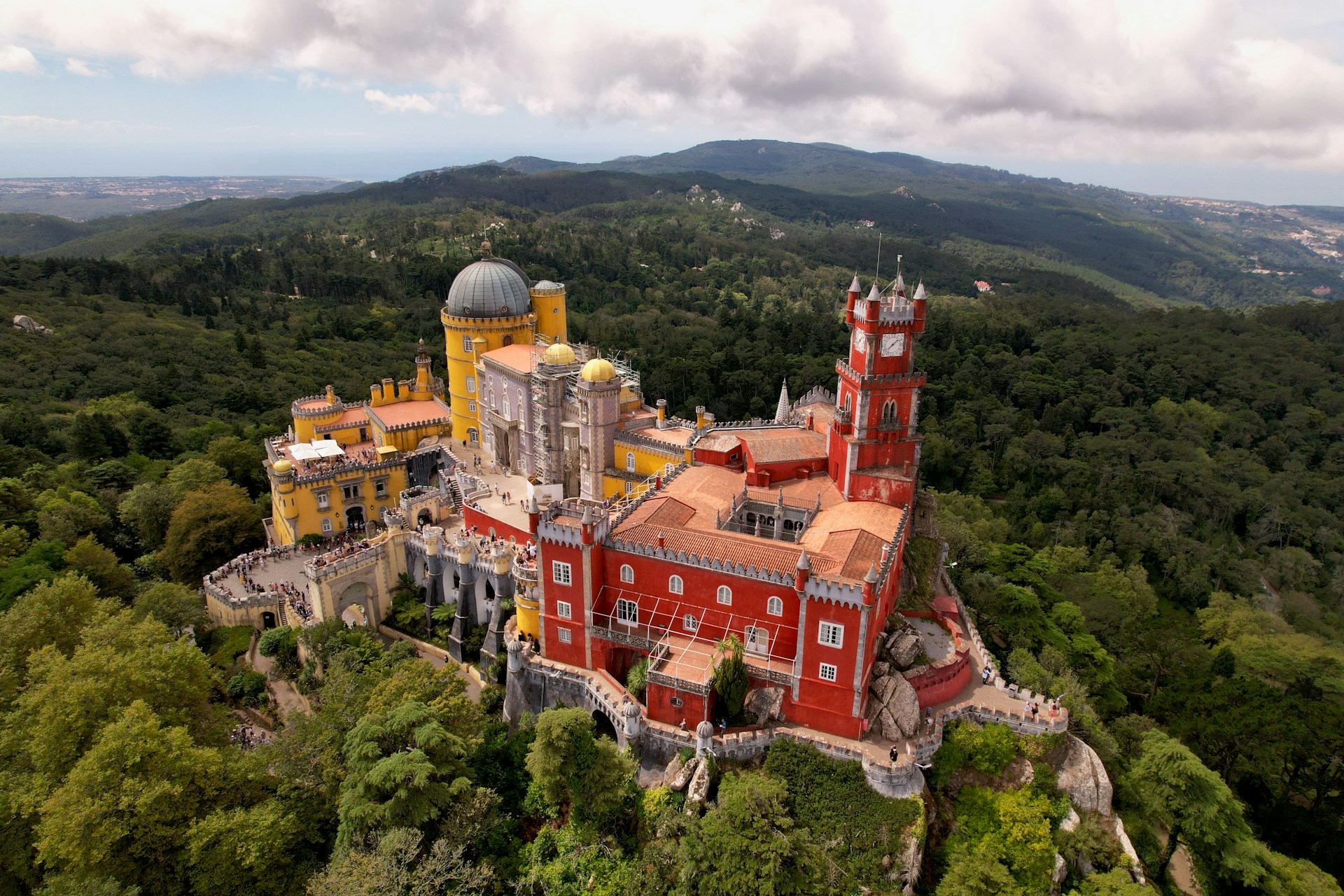
View of a castle in Sintra, Portugal

Sintra is the most popular day trip from Lisbon for good reason: Pena Palace, Quinta da Regaleira, and forested hills about 28 km from the city. Trains leave Rossio every 30 minutes, take about 40 minutes, and cost around €2.45 one way. Expect roughly €15-€20 per monument ticket, and book online in advance. Cabo da Roca, the westernmost point of mainland Europe, is nearby.

Tip: Take an early train, ideally around 08:30. Fares for Sintra and Cascais load onto a Navegante card, which costs €0.50.

2. Cascais: The easiest day trip

View of Cascais in Portugal

Cascais is the easiest day trip from Lisbon. Trains from Cais do Sodré take 35 to 40 minutes and cost about €5 return, with services back every 20 minutes until midnight. It’s a coastal town with beaches and a walkable centre, and 3 to 5 hours is comfortable.

Tip: Combine it with Sintra by taking bus 403 over the Serra de Sintra, a scenic 40-minute ride past Cabo da Roca.

3. Óbidos: A medieval walled town

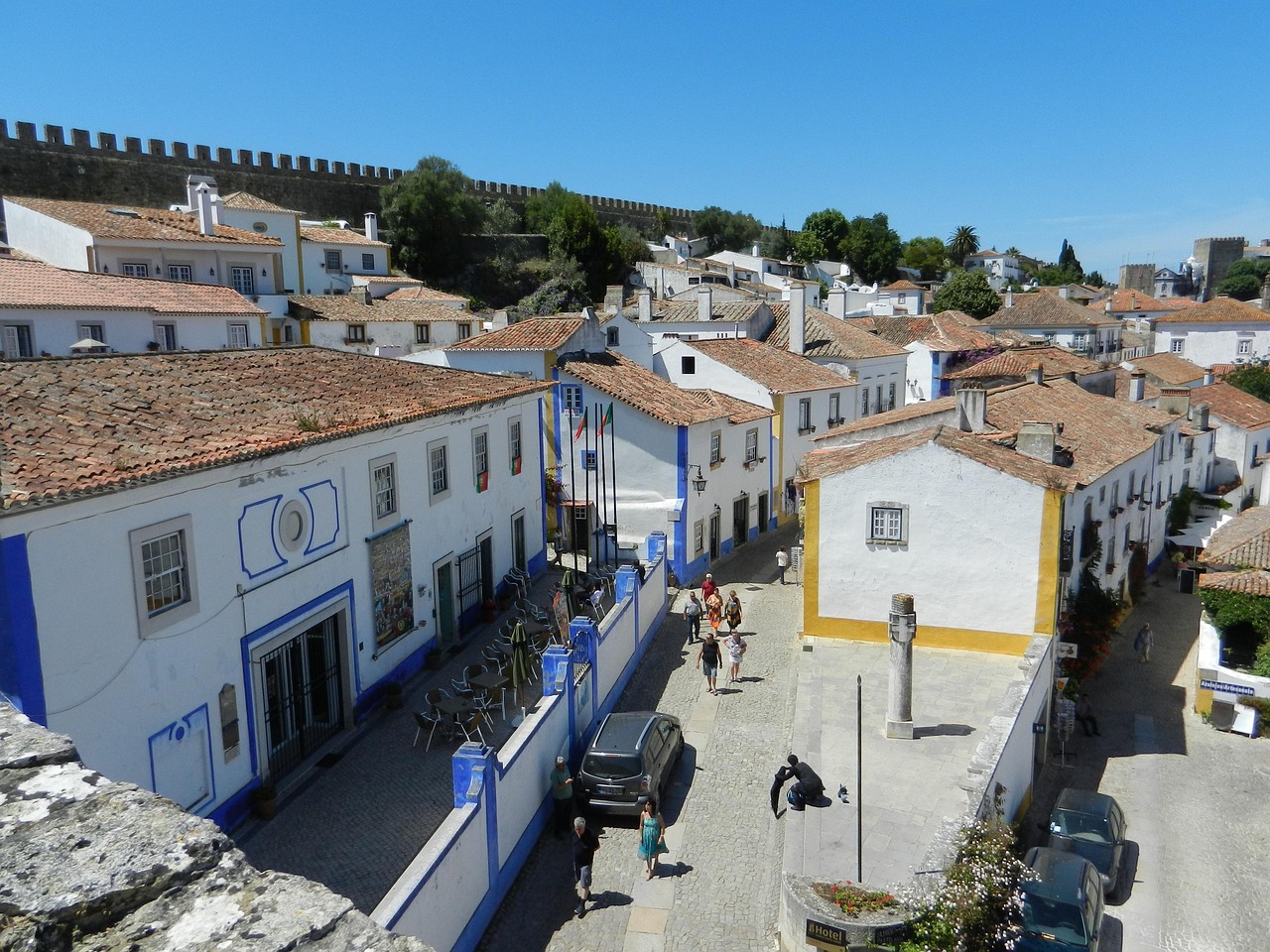
View of the medieval city Obidos in Portugal

Óbidos is a walled town of whitewashed houses and cobbled lanes, known for ginjinha, the local cherry liqueur. Express buses from Campo Grande take about 1 hour to 1 hour 15 minutes and cost roughly €10 to €17 return. The bus stops closer to the town than the train station does. Two hours is enough to walk the walls and the main street.

Tip: Tours often pair Óbidos with Nazaré, which makes a good full day.

4. Évora: Roman ruins and Alentejo wine

Évora is a Roman city in the Alentejo, with a Roman temple, the Chapel of Bones, and a strong wine and food scene. Intercidades trains from Oriente take about 1 hour 30 minutes and cost around €25 return in second class. The station is a 15-minute walk from the old town.

Tip: Check the CP timetable before you go, as trains are less frequent than on the Sintra and Cascais lines, and Promo fares are available when you book at least 5 days in advance.

5. Fátima: Portugal’s pilgrimage site

Fátima is Portugal's main pilgrimage site, and its sanctuary draws visitors from around the world. There’s no useful train, so take a Rede Expressos bus from Sete Rios: about 1 hour 30 minutes to 2 hours and roughly €13 one way. Three to five hours at the site is enough.

Tip: Book the bus in advance, and consider a small-group tour that combines Fátima with Batalha and Nazaré if you want more than one stop.

6. Nazaré: Giant waves and a fishing village

Nazaré is a fishing village known for giant Atlantic waves, with a funicular up to the clifftop and the Praia do Norte viewpoint. Rede Expressos buses from Sete Rios take about 1 hour 45 minutes to 2 hours and cost roughly €20 to €25 return. The biggest waves usually arrive in the cooler months, so summer visitors get the village and beach instead.

Tip: Check bus times carefully, because some routes have only three or four departures a day.

7. Setúbal: The beach day trip locals take

Setúbal is the day trip locals take when they want a beach. The Fertagus train takes around 50 minutes and costs about €5 one way, crossing the 25 de Abril bridge, while buses from Sete Rios take about an hour. From the marina, dolphin-watching boat trips on the Sado estuary cost around €30 to €45 and run from April to October.

Tip: Stay for a seafood lunch before heading back.

8. Arrábida: Turquoise water south of Lisbon

Arrábida Natural Park is a limestone mountain range with turquoise water, white cliffs, and pine forest running to the sea. There's no direct public transport, so you need a car (45 to 60 minutes) or a tour, with guided trips from about €60 per person, or €85 to €140 with Azeitão wine tasting. From mid-June to mid-September, private cars are banned on the coastal road.

Tip: In summer, reach the beaches by shuttle bus from Setúbal or on a tour.

9. Mafra: A baroque palace

Mafra National Palace is a baroque monument with a library that's among the finest in the world. Buses from Campo Grande (Carris Metropolitana line 2804) take 45 to 59 minutes and allow around 1.5 hours inside the palace.

Tip: Visit in the morning, then continue to Ericeira for lunch, only 10 km further.

10. Ericeira: Surf and seafood

Ericeira is a surf and seafood town on a wilder stretch of coast. Buses from Campo Grande take about an hour, and most Mafra buses continue on to Ericeira, with the Mafra to Ericeira leg costing €4.50. The restaurant selection here is better than in Mafra.

Tip: Do the two together, because service to Ericeira alone is limited.

11. Tomar: The Knights Templar town

Tomar is the Templar town, and its Convent of Christ is a UNESCO site larger than it looks. The Intercidades train from Oriente takes about 2 hours and costs around €11.30 one way, or roughly €24 to €35 return depending on the ticket. It's the furthest trip on the train network, so plan a full day.

Tip: Book Promo fares five or more days ahead.

12. Batalha: Gothic monastery country

Batalha is home to the Gothic Batalha Monastery. Rede Expressos buses from Sete Rios take about 1 hour 45 minutes, and the town is 20 minutes from both Fátima and Alcobaça Monastery. Check Rede Expressos for the current fare. Without a car, it's easiest on a small-group tour covering Fátima, Batalha, and Alcobaça, typically €75 to €110.

Tip: By car, a Batalha, Alcobaça, and Tomar loop makes a strong architecture day.

13. Peniche: Coast, lighthouse, and islands

Peniche is a fishing town with coastal hikes, the lighthouse at Cabo Carvoeiro, and harbour restaurants. A Rede Expressos bus from Sete Rios takes about 1.5 hours and costs around €18 return, and FlixBus also runs direct from Oriente. The ferry to the Berlengas islands runs only from mid-May to early September.

Tip: If you want the islands, go in summer and check ferry times before you travel.

Getting around and paying on your day trips

Portugal uses the euro, so you’ll pay in euros on trains, buses, and at attractions. If a card terminal offers to charge you in dollars or pounds instead, decline, because that's dynamic currency conversion and the rate is usually poor.

Grey lets you hold euros in one account, and you can spend euros on a virtual card added to Apple Pay or Google Pay. The card is a USD card, so purchases in euros are cross-border card transactions that incur a 2% fee plus $0.50. The fixed $0.50 charge matters more on small purchases, so fewer, larger payments, such as bus tickets and palace entry, keep the cost down. A travel eSIM for Portugal keeps maps, booking confirmations, and operator apps working without roaming charges, and you can send money from the US to Portugal if you need to top up.

Day-tripping from Lisbon? Hold euros with Grey, spend on a virtual Mastercard, and grab a travel eSIM.

Frequently asked questions about day trips from Lisbon

What is the best day trip from Lisbon?

Sintra is the best all-round choice. It’s about 40 minutes by train from Rossio, costs around €5 return, and packs in palaces and forested hills. Cascais is the easiest alternative, and Évora is the best pick for history lovers.

Is Sintra worth it?

Yes, if you start early. Pena Palace and Quinta da Regaleira are the highlights, with monument tickets priced at roughly €15-€20 each, so book online in advance. The crowds build through the morning, so take a train around 08:30.

Is it better to take the train or a tour?

The train is better for Sintra, Cascais, Setúbal, Évora, and Tomar, since it's cheaper and often faster. A tour or car makes more sense for Arrábida, Batalha, and multi-stop days such as Fátima, Batalha, and Nazaré, where public transport is slow or indirect.

Can you do Sintra and Cascais in one day?

Yes, if you start early. Take a morning train to Sintra, see Pena Palace and Quinta da Regaleira, then catch bus 403 over the Serra de Sintra to Cascais, a 40-minute ride past Cabo da Roca. Trains run back to Lisbon every 20 minutes until midnight.

Can you do day trips from Lisbon without a car?

Yes, for most of the best ones. Sintra and Cascais are about 40 minutes by train, Óbidos is about an hour by bus, and Évora is about 1 hour 30 minutes by train. Arrábida is the main exception and really needs a car or a tour.

How much do day trips from Lisbon cost?

Train trips to Sintra and Cascais cost about €5 return, while trips to Óbidos, Évora, Nazaré, and Peniche cost roughly €10 to €25 return. Add entry fees and note that guided tours typically cost €60-€140 per person.

Whichever trip you choose, check the return times before you set off. For more ideas, see our guide to the best day trips from London.

Get a Grey Card and spend euros on your day trips

11 best day trips from Prague

•

•

2 min read

Prague is a good base for exploring Central Europe. Many of the top day trips from Prague take about an hour by train, and even the longer ones, like Dresden, are manageable in a day. In this guide, I cover what to see, how to get there, how long it takes, and what it costs.

One thing to know first: Czechia uses the koruna (CZK), not the euro. In October 2026, one euro bought roughly 24 koruna, so CZK 100 is about €4. Fares below are approximate 2026 figures and change by operator and booking time.

Best day trips from Prague: Overview

Trains suit Kutná Hora, Plzeň, Karlštejn, and Dresden, while buses are the better choice for Karlovy Vary, Český Krumlov, and Terezín. Distance sets the effort: Karlštejn is about 40 minutes away, whereas Vienna and Brno are long days that suit an early start or an overnight stay.

Destination Travel time from Prague Approximate fare (one way) Best for
Kutná Hora 55 min by direct train CZK 100–160 (€4–7) Bone church, UNESCO town
Český Krumlov 3 hrs by direct bus CZK 130–300 (€5–12) Fairy-tale castle town
Karlovy Vary 2 hrs by bus CZK 100–180 (€4–7) Spa town
Terezín 1 hr by bus 413 Check operator fare WWII history
Dresden 2 hrs 10 min by direct train From CZK 200 (€8) Baroque Germany
Bohemian Switzerland 2 hrs by train and bus Check train and bus fares Sandstone cliffs
Plzeň 1 hr 20 min by direct train CZK 120–200 (€5–8) Pilsner Urquell
Karlštejn 40–45 min by direct train CZK 78 (€3) Gothic castle
Konopiště 40–60 min by train via Benešov Check Czech Railways fare Castle, rose garden
Brno 2 hrs 30 min by Pendolino CZK 250–450 (€10–19) Moravia’s capital
Vienna 4 hrs by direct train From CZK 400 (€16) Imperial capital

‍

Fares are one way, so as a rough guide a return trip costs about double. Check current times and prices on Czech Railways and the bus operators’ sites before you travel.

1. Kutná Hora: The bone church and a silver town

Kutná Hora is the easiest big payoff from Prague. The Sedlec Ossuary, decorated with the bones of tens of thousands of people, is the headline, and St Barbara’s Cathedral in the UNESCO-listed historic centre is the reason to stay for lunch. Direct trains from Praha hlavní nádraží take about 55 minutes and cost around CZK 100-160 one-way. The ossuary is close to Kutná Hora main station, while the historic centre is about 3 km further, so allow for a local train or bus.

Tip: Book an ossuary time slot online first, and arrive early, because tour buses start arriving after 11:00.

2. Český Krumlov: A fairy-tale castle town

Český Krumlov is a UNESCO town set inside a bend of the Vltava River, beneath a castle tower. A direct RegioJet bus from Na Knížecí takes roughly 2 hours 50 minutes to 3 hours 10 minutes and costs around CZK 130 to 300 one way. The train needs a change and takes about 3.5 hours. It’s a long but doable day.

Tip: Take the 07:00 bus, which arrives around 10:00, and catch a late return bus so you see the town after the crowds thin. It gets very busy in July and August.

3. Karlovy Vary: the spa town

Karlovy Vary is a river valley lined with pastel colonnades, where visitors sip warm mineral water from porcelain cups. It’s also known for Becherovka, Moser crystal, and the Grandhotel Pupp. There’s no direct train, so take the bus: about 2 hours from Praha Florenc, with FlixBus at CZK 158 when we checked and RegioJet from around CZK 100.

Tip: Loket, a small castle town, is about half an hour away by local train if you want a second stop.

4. Terezín: A memorial, not a sightseeing stop

Terezín was an 18th-century fortress town that became the Theresienstadt ghetto and transit camp during the Second World War, and around 150,000 Jews passed through it on the way to the extermination camps. Today the Small Fortress, the Ghetto Museum, and a columbarium are memorial sites. Direct bus 413 from Praha Letňany (metro C) takes about an hour and runs hourly. Get off at “Terezín, U památníku” for the Small Fortress, or at the town bus station for the ghetto sites.

Tip: Allow half a day and consider a guide, because the history is hard to follow without context.

5. Dresden: Baroque Germany in two hours

Dresden is in Germany, about 2 hours 10 minutes to 2 hours 20 minutes from Praha hlavní nádraží by direct train, and the line follows the Elbe through sandstone canyon country for around an hour. Fares typically run €8 to €18, and FlixBus takes about 2 hours. The city is known as the “Florence on the Elbe” for its baroque architecture and museums. Germany uses the euro, not the koruna.

Tip: Take an early train and return in the evening, or stay overnight for a slower visit.

6. Bohemian Switzerland: Sandstone cliffs

Bohemian Switzerland National Park is a landscape of sandstone towers, gorges, and pine forest on the German border. The headline is the Pravčická Gate, described as the largest natural sandstone arch in Europe, plus gorge boat rides on the Kamenice. By public transport, take a train from Praha hlavní nádraží to Děčín, then bus 434 or 438 to Hřensko (about 20 minutes), roughly two hours each way. By car it’s about 1 hour 45 minutes.

Tip: This is the trip where a tour or a car beats public transport.

7. Plzeň: The home of Pilsner Urquell

Plzeň is where Pilsner Urquell is brewed, and the brewery is a 15-minute walk from the station. Beneath the historic centre, tunnels run nearly 14 km in total, and the guided Plzeň Historical Underground tour covers 800 metres. The town also has the tallest church tower in Czechia. Direct trains run hourly and take about 1 hour 20 minutes, costing roughly CZK 120 to 200, while buses take about an hour and can be cheaper.

Tip: With children, add the Techmania science centre.

8. Karlštejn: The quickest castle

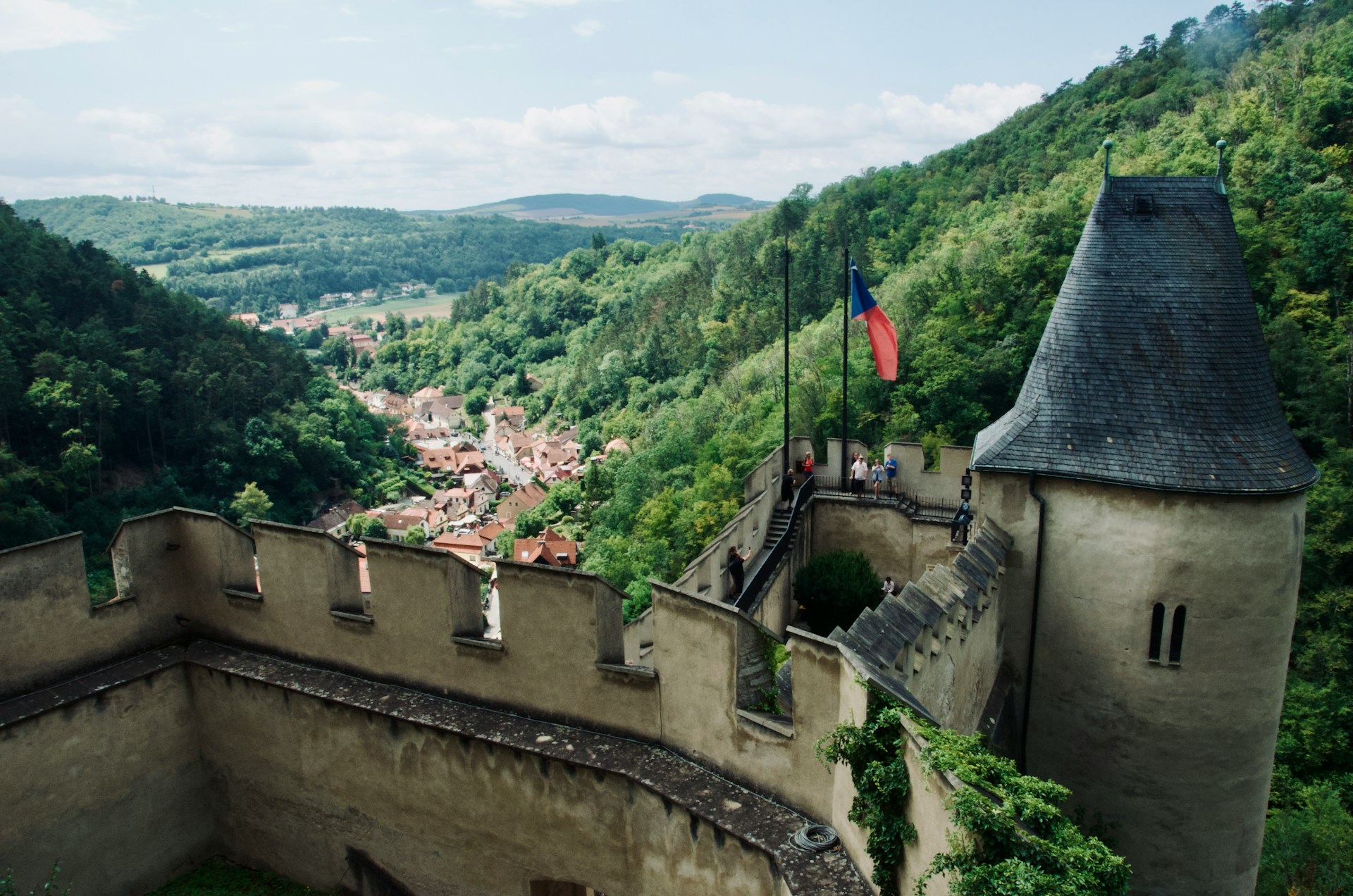
Karlštejn is Charles IV’s Gothic fortress above the Berounka valley, about 30 km from Prague. The direct S7 train from Praha hlavní nádraží takes 40 to 45 minutes and costs around CZK 78 one way. From Karlštejn station, it’s a 20 to 30 minute walk uphill to the castle. It suits a half day. Tip: the ride itself passes limestone cliffs and beech forest, so sit by a window.

9. Konopiště: A quieter castle

Konopiště is a castle with a rose garden about 40 km from Prague. Take a train from Praha hlavní nádraží to Benešov (40 to 60 minutes), then walk or take a local bus to the castle. Check Czech Railways for the current fare.

Tip: Choose Karlštejn if you want the famous castle, and Konopiště if you want the place to yourself.

10. Brno: Moravia’s capital

Brno is the capital of Moravia, about 2 hours 30 minutes from Prague by Pendolino, with trains every 30 minutes at peak times and fares of CZK 250 to 450 one way. Highlights include Špilberk Castle, the Capuchin Crypt, and the UNESCO-listed Villa Tugendhat. With around five hours of travel, it’s a long day, so many visitors stay overnight.

Tip: take the train rather than the bus, which is slower, and book Villa Tugendhat in advance.

11. Vienna: A long but possible day

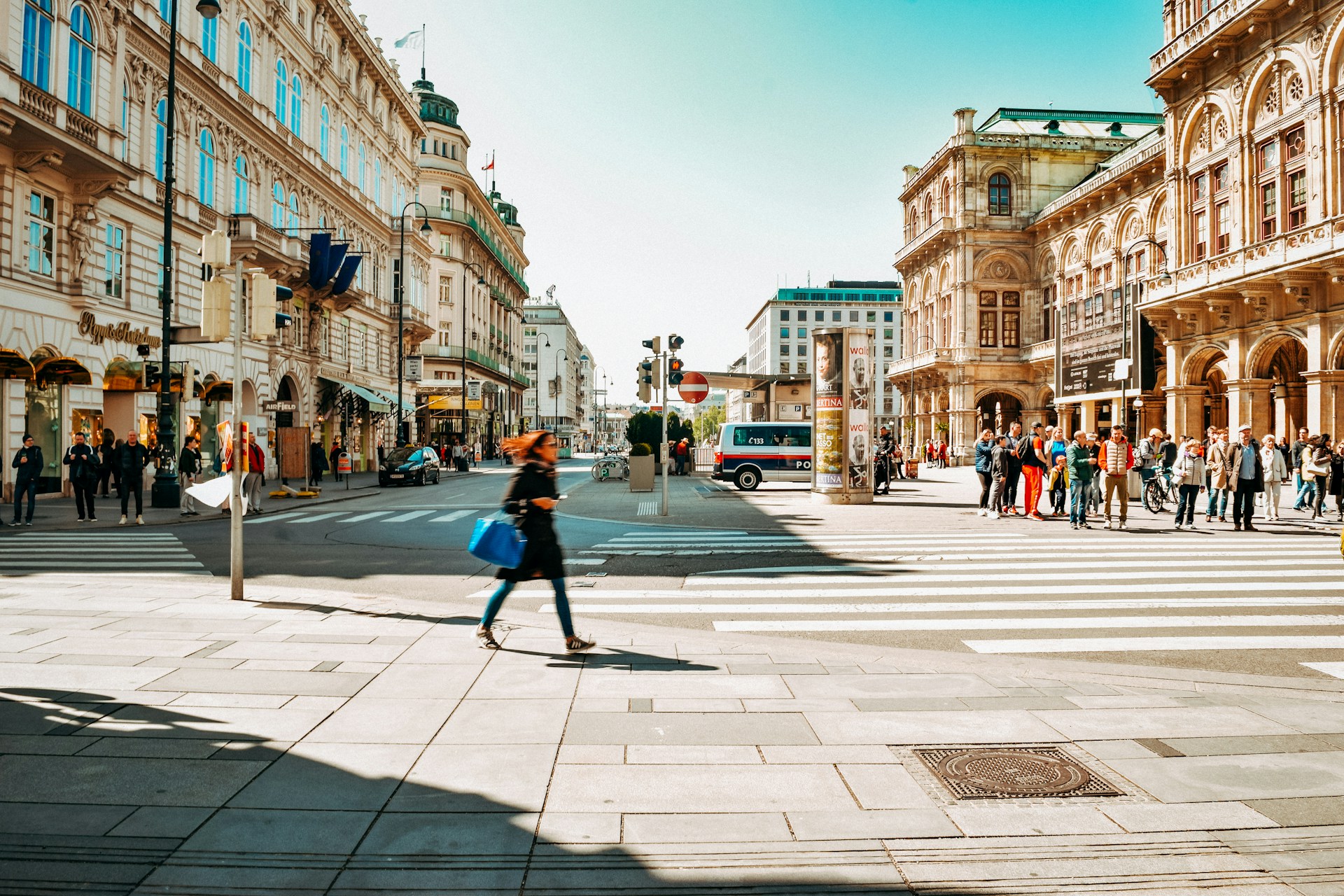
Vienna is in Austria, about 4 hours from Prague by direct train, with several daily departures on ČD Railjet and RegioJet from around CZK 400 (€16). That’s roughly eight hours of travel, so it works better as an overnight stay than a day trip. The draw is the imperial palaces and the coffee culture. Austria uses the euro.

Tip: If you only have one day, spend it in Dresden and save Vienna for a longer visit.

Getting around and paying on your day trips

Czechia uses the koruna, so you’ll pay in CZK at stations, castles, and restaurants, and in euros in Dresden and Vienna. Some tourist businesses accept euros, but the rate they apply is usually worse than your card’s, so pay in koruna. If a card terminal offers to charge you in euros or dollars, decline, because that’s dynamic currency conversion and the rate is usually poor.

Grey lets you hold multiple currencies in one account, and you can spend on a virtual card added to Apple Pay or Google Pay. The card is a USD card, so purchases in koruna or euros are cross-border card transactions that incur a 2% fee plus $0.50. The fixed $0.50 matters more on small purchases, so fewer, larger payments such as train tickets keep the cost down. A travel eSIM for Czechia keeps maps, booking confirmations, and operator apps working without roaming charges, and you can move money before you travel if you need to top up.

Day-tripping from Prague? Spend koruna and euros on a Grey virtual card and grab a travel eSIM.

Frequently asked questions about day trips from Prague

What is the best day trip from Prague?

Kutná Hora is the best all-round choice. It takes about 55 minutes by direct train, costs around CZK 100 to 160 one way, and covers the Sedlec Ossuary and a UNESCO town in half a day. Český Krumlov is the standout if you don’t mind roughly three hours by bus each way.

Can you visit Dresden from Prague in a day?

Yes. Direct trains take about 2 hours 10 to 20 minutes, fares typically run €8 to €18, and FlixBus takes about 2 hours. Take an early train and return in the evening, or stay overnight if you want a slower visit.

What currency does Czechia use?

Czechia uses the Czech koruna (CZK), not the euro. In October 2026, €1 bought roughly 24 koruna, so CZK 100 is about €4. Some tourist businesses accept euros, usually at a poor rate, and Dresden and Vienna both use the euro.

Is it better to take the train or the bus?

Take the train for Kutná Hora, Plzeň, Karlštejn, Dresden, Brno, and Vienna. Take the bus for Karlovy Vary, Český Krumlov, and Terezín, where there’s no good direct train. For Plzeň, the bus can be cheaper and runs more often.

Is Český Krumlov worth a day trip from Prague?

Yes, if you’re comfortable with about three hours each way and catch an early bus. It’s a long day, and the town is very busy in July and August. Staying overnight lets you see it after the day-trippers leave.

How much do day trips from Prague cost?

Public transport trips typically cost about CZK 80 to 450 one way, or roughly €3 to €19, plus entry fees. Organised tours cost more: Kutná Hora tours are listed from about €46 per person and Český Krumlov from about €88 including admissions.

Whichever trip you choose, start early, and book timed entries in advance. For more ideas, see our guide to the best day trips from Amsterdam.

Get a Grey Card and spend on your day trips.

11 best day trips from Amsterdam

•

•

2 min read

Some of the best day trips from Amsterdam take under 30 minutes by train, and most of the rest are within a couple of hours, so you can see those famous windmills, tulip fields, and medieval towns without changing hotels.

This guide covers 11 trips: what to see, how to get there, how long they take, and what they cost. Fares and prices are approximate 2026 figures and vary by time of day and ticket type, so confirm the exact amount before you travel.

Best day trips from Amsterdam: Overview

Trains do most of the work. Haarlem, Zaanse Schans, Utrecht, Rotterdam, The Hague, and Delft are all served by NS trains from Amsterdam Centraal, and you rarely need to book ahead. The exceptions are Keukenhof, which uses timed tickets, and Giethoorn, which has no station. If you’ve already done the Amsterdam canal boat trips, Utrecht’s wharf canals and Giethoorn offer a quieter version of the same idea.

Destination Travel time from Amsterdam Approximate return fare Best for
Zaanse Schans 17–20 min by train, then 10 min walk €9–10 Windmills, half day
Keukenhof 35–45 min by bus (spring only) From about €35 including entry Tulips
Utrecht 25–30 min by train €16 Canals, full day
Rotterdam 40 min by train €15 Modern architecture
The Hague 50 min by train €14 Museums
Giethoorn 2 hrs by train and bus Tours from ~€64.50 Car-free canal village
Bruges 2 hrs 45 min by train €35–50 Medieval Belgium
Haarlem 15–20 min by train €10 Half day, museums
Delft 1 hr by train €15–25 Delft Blue pottery
Volendam and Marken 30–40 min by bus €5–6 one way by bus Fishing villages
Kinderdijk 1 hr 15 min by train and waterbus €15 by train, plus waterbus UNESCO windmills

‍

If you plan several stops in one region, the Amsterdam & Region Travel Ticket covers Volendam, Marken, Edam, Zaanse Schans, and Haarlem from about €23 for one day. Check live train fares on the NS website.

1. Zaanse Schans: Windmills in 20 minutes

Zaanse Schans is a preserved village of working windmills, green wooden houses, a clog workshop, and a cheese farm on the river Zaan, about 16 km from the city. The village is free to walk around, and individual windmills cost roughly €5-€7 each. A direct train from Amsterdam Centraal to Zaandijk Zaanse Schans takes about 17 minutes and costs around €9.40 return, with a 10-minute walk over the bridge afterwards. It suits a half day.

Tip: Arrive before 09:30 or after 15:30 in summer, when coach tours fill the village between 10:00 and 15:00.

2. Keukenhof: Tulips, in season only

Keukenhof is open for only about eight weeks each spring, with around seven million bulbs flowering across 32 hectares near Lisse. The 2026 season ran from 19 March to 10 May, and the dates for the next season will be published on keukenhof.nl. In 2026, adult entry cost about €21-€23 online, and a combi ticket with a return bus from Amsterdam started at roughly €35-€38.50. Bus 852 from Amsterdam RAI takes about 35 minutes. Entry is by timed slot, and peak weekends sell out.

Tip: Peak bloom usually falls between 10 and 25 April.

3. Utrecht: Canals without the crowds

Utrecht is the best city trip if you want canals at a calmer pace. Its two-level wharf canals have cafés in the old cellars at water level, and the Dom Tower and cathedral dominate the centre. Trains from Amsterdam Centraal take 25 to 30 minutes and cost around €16 return.

Tip: Give Utrecht a full day rather than pairing it with another stop, because the old centre rewards slow walking.

4. Rotterdam: The modern contrast

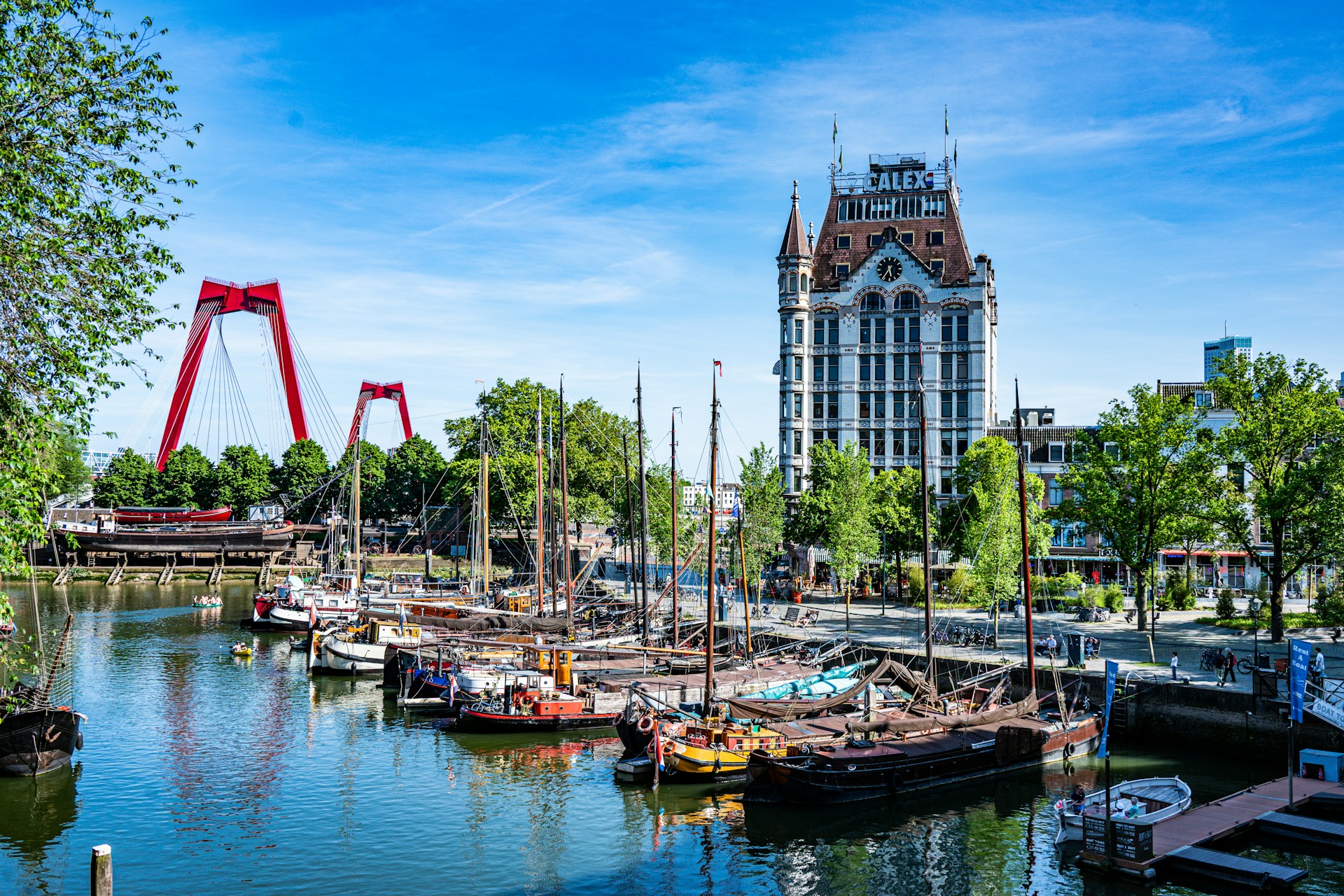
Rotterdam was rebuilt after the Second World War, which explains its bold architecture: the Cube Houses, the Markthal food hall, and the Erasmus Bridge over a lively waterfront. Fast direct intercity trains take about 40 minutes and cost around €15 return.

Tip: Delft is 15 minutes away by train, so the two combine well in one day.

5. The Hague: Museums and government

The Hague is the seat of the Dutch government and home to the Mauritshuis, known for its Vermeer paintings. Families may prefer Madurodam, a miniature Netherlands. A direct intercity train takes about 50 minutes and costs around €14 return.

Tip: Delft is only 10 minutes away by train, so pair The Hague with Delft instead of adding a third city.

6. Giethoorn: The car-free canal village

Giethoorn has about 6.5 km of canals, no cars, and thatched-roof cottages on small islands. It has no train station, so public transport means a train to Steenwijk (around 90 minutes) and bus 270 (15 minutes), roughly two hours each way. Check NS for the current fare. Guided boat tours in the village cost about €8-€10 per person, and organised day tours from Amsterdam start at around €64.50 and include transfers.

Tip: If you only have one spare day, Haarlem or Zaanse Schans give a better return on your time.

7. Bruges: A long day, but worth it

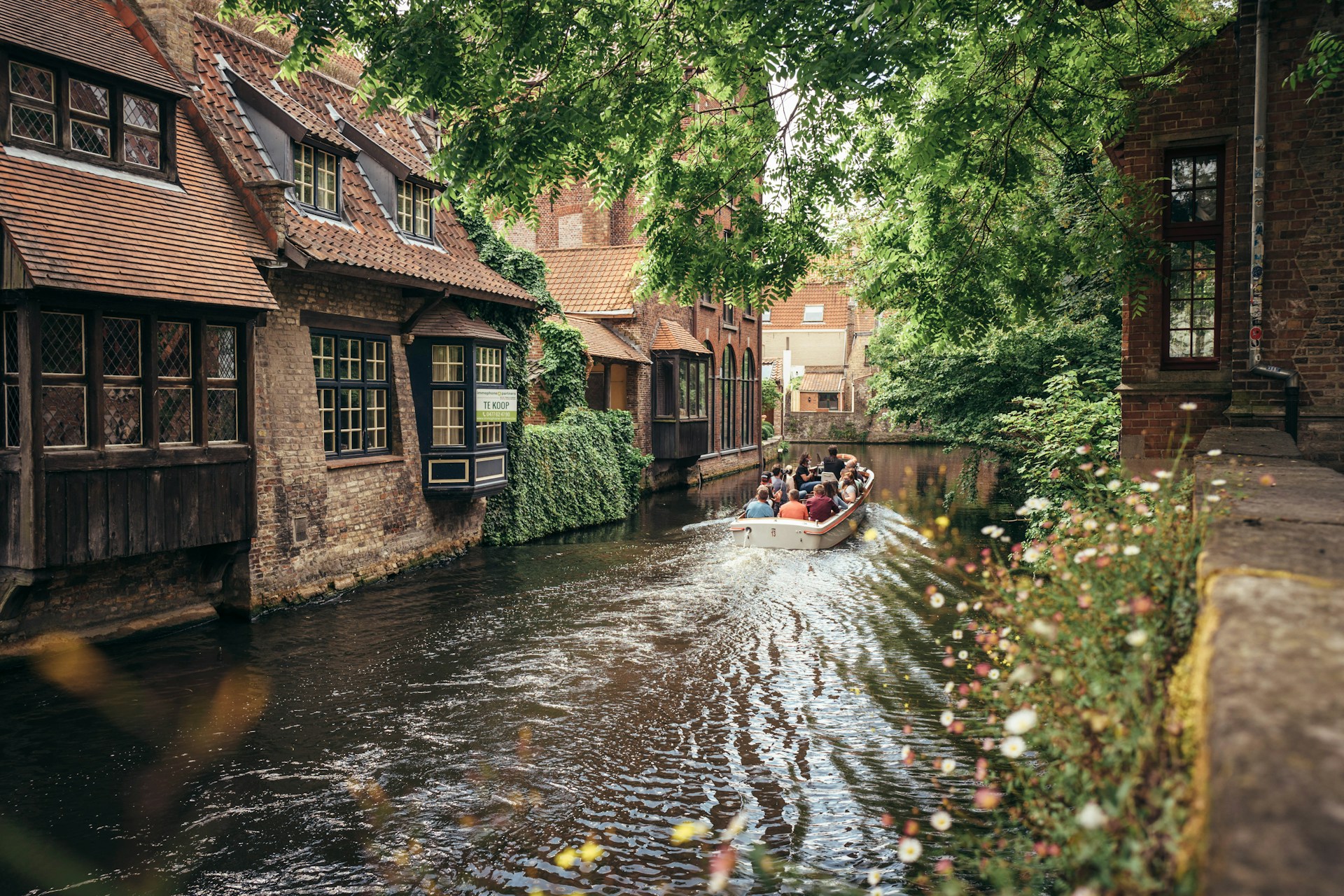
Bruges is in Belgium, so it takes the most planning. The train via Brussels takes about 2 hours 45 minutes each way and costs roughly €35 to €50 return. FlixBus runs direct coaches in 3 to 3.5 hours from about €15 one way. The medieval centre and canals are compact enough to cover in a day.

Tip: Start early and carry photo ID, since you’ll cross a national border even though checks are rare.

8. Haarlem: The easiest day trip

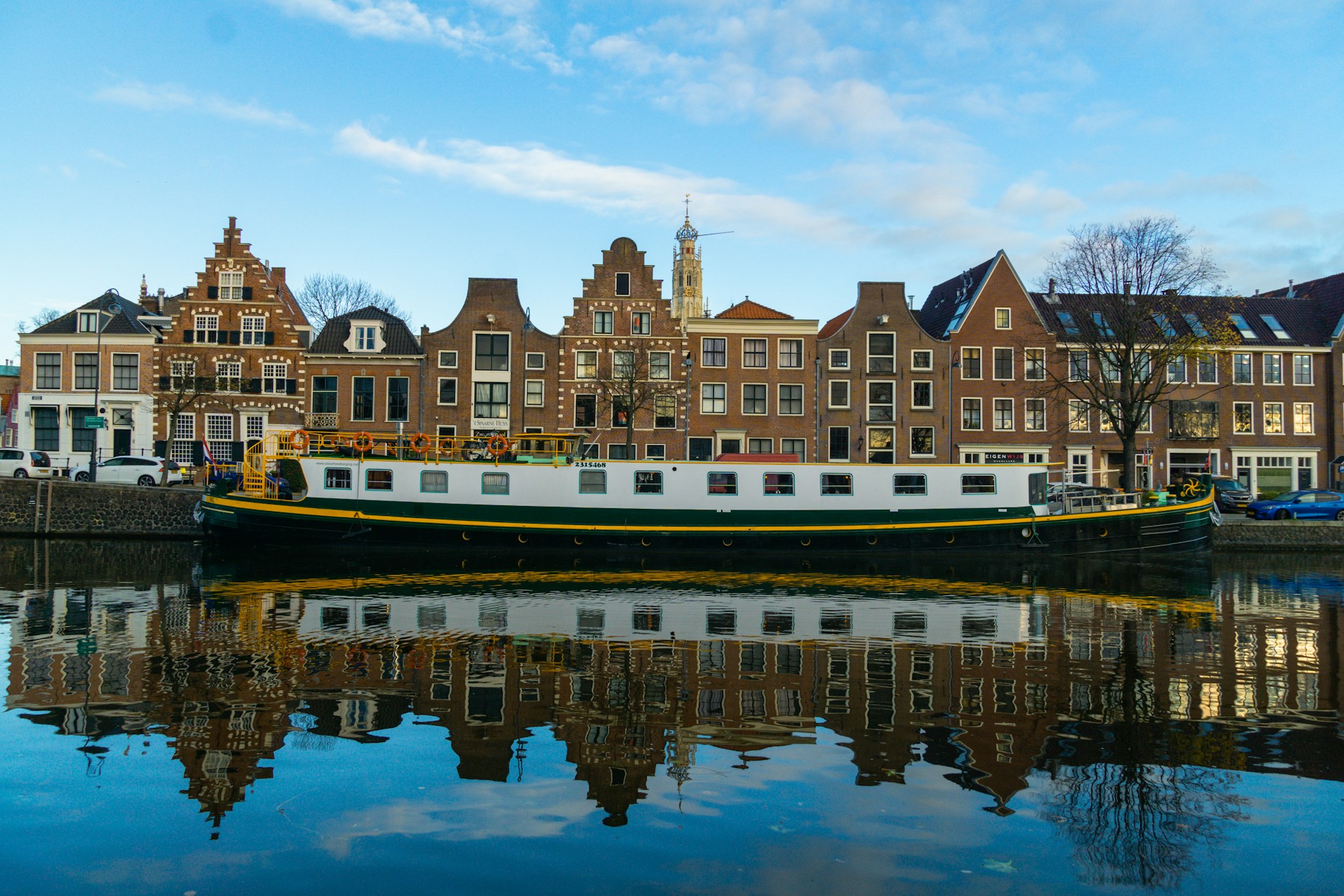
Haarlem is 15 to 20 minutes from Amsterdam Centraal by train, at around €10 return. It has a Gothic cathedral, the Grote Markt square, and the Frans Hals Museum, and feels distinctly Dutch without the crowds. It works as a half day.

Tip: Zandvoort beach is about 15 minutes farther by train, so Haarlem plus a beach walk makes for a full day in warm weather.

9. Delft: Blue pottery and Vermeer

Delft is a compact canal town famous for Delft Blue pottery and its Vermeer connections, including the Vermeer Centrum. The train takes about an hour, and return fares run roughly €15 to €25 depending on the ticket, so check NS. Half a day covers the highlights.

Tip: Delft is 10 minutes from The Hague and 15 minutes from Rotterdam, so it fits easily into a two-city day.

10. Volendam and Marken: fishing villages

Volendam is a fishing village on the IJsselmeer, about 20 km north of the city, with an old harbour and traditional costumes. Marken is a quieter former island with green wooden houses. Bus 316 from Amsterdam Centraal reaches Volendam in 30 to 35 minutes, and a seasonal ferry (April to October) crosses to Marken for roughly €8.50 one way.

Tip: Tours often combine these villages with Zaanse Schans, but they lie in different directions, so going independently means two separate bus routes.

11. Kinderdijk: UNESCO windmills

Kinderdijk’s 19 windmills date from the 1740s and were built to drain the polder. Take the train to Rotterdam (about 40 minutes, around €15 return), then the Waterbus to Kinderdijk, for a total of roughly 1 hour 15 minutes. Entry to the visitor area is around €16, with timed entry in peak season.

Tip: Guided tours linking Kinderdijk with Rotterdam or The Hague simplify transfers.

Getting around and paying on your day trips

Dutch trains, trams, and buses use OVpay, which lets you tap in and out with a contactless bank card or a phone, so you rarely need paper tickets. Confirm your card works with OVpay before you rely on it, and keep some cash for small kiosks and markets.

Grey lets you hold euros and other currencies in one account, and the Grey virtual Mastercard can be added to Apple Pay or Google Pay for contactless payments. Because it’s a USD card, purchases in euros count as cross-border card transactions and incur a 2% fee plus $0.50, so check the cost before you pay for small items. You can spend euros on a virtual Mastercard for larger purchases such as tickets and tours. A travel eSIM for the Netherlands keeps maps, the NS app, and booking confirmations working without roaming charges. If you’re topping up from home, see how to send money from the US to the Netherlands.

Day-tripping from Amsterdam? Hold euros with Grey, spend on a virtual card, and grab a travel eSIM.

Frequently asked questions about day trips from Amsterdam

What is the best day trip from Amsterdam?

Zaanse Schans is the best all-round choice for first-time visitors, because it’s about 17 minutes by train and covers windmills, cheese, and crafts in half a day. Haarlem and Utrecht are better if you prefer a real Dutch city. In spring, Keukenhof is the standout.

Is Bruges a day trip from Amsterdam?

Yes, but it’s a long one. Allow about 2 hours 45 minutes each way by train via Brussels, or 3 to 3.5 hours by FlixBus from around €15 one way. Start early, or stay overnight if you want a slower visit.

Is it better to take the train or a tour?

The train is better for Haarlem, Utrecht, Rotterdam, The Hague, Delft, and Zaanse Schans, since they’re direct and need no advance booking. A tour makes sense for Giethoorn and Keukenhof, where public transport involves transfers. Organised full-day tours typically cost €35 to €90.

Can I visit two cities in one day?

Yes. Delft, The Hague, and Rotterdam are on the same line, with Delft 10 minutes from The Hague and 15 minutes from Rotterdam. Haarlem and Zandvoort beach are about 15 minutes apart.

Do I need to book Keukenhof in advance?

Yes. Entry is by timed slot, and popular dates sell out before the season starts. The park opens for about eight weeks each spring, so check keukenhof.nl for the confirmed dates.

How much does a day trip from Amsterdam cost?

Most train-based trips cost about €9-€16 return to Zaanse Schans, Haarlem, Utrecht, The Hague, and Rotterdam, plus any attraction entry fees. Bruges and organised tours cost more. Prices change, so confirm fares on NS before you go.

Whichever trip you choose, start early and travel light. For more ideas, see our guide to the best day trips from London.

Get a Grey Card and spend euros on your day trips

How much does a Europe trip cost? A country-by-country budget

•

•

2 min read

Planning a Europe trip involves a lot of variables: which countries, which season, how you’ll move between cities, and where you’re flying from. Get those details right, and you can see a lot of Europe for a reasonable amount. Get them wrong, and costs escalate quickly without any obvious single cause.

This guide breaks down what a trip to Europe costs in 2026, starting with five major departure regions, then going country by country to provide daily spending figures that determine your on-the-ground budget.

How much does a Europe trip cost? Budget range overview

A two-week Europe trip in 2026 costs roughly $1,800 to $3,500 per person on a budget, $3,500 to $7,000 mid-range, and $8,000 plus for luxury travel. These figures include international return flights from the US, accommodation, food, local transport, and activities.

The single biggest variable after flights is your route. Daily costs range from $70 to $90 in Eastern Europe, $120 to $180 in Western Europe, and $180 to $280 in Switzerland and Iceland. A two-week itinerary through Portugal and the Czech Republic costs meaningfully less than the same length of time in France and Switzerland, even with identical spending habits.

Two other variables that matter: season and booking lead time. Summer (June to August) is the most expensive period for both flights and accommodation across Europe. Shoulder seasons (April to June and September to October) offer a strong balance of good weather and lower prices. Winter travel outside the Christmas period can reduce costs significantly.

The Europe trip budget framework that most experienced travellers use: calculate your flights as a fixed one-off cost, then multiply your daily spending estimate by the number of travel days, and add a 10 to 15% buffer for unexpected costs. The daily estimate depends almost entirely on which countries you visit, covered in the country-by-country section below.

How much does a Europe trip cost from the USA?

Flights from the US are the single largest fixed cost for most American travellers visiting Europe, and the range is wide depending on departure city, destination, airline, and timing.

From New York (JFK), round-trip fares to London or Paris typically run $600 to $900 on full-service airlines if you book two to three months ahead. In summer, prices can spike to $1,200 or more for direct flights. From Los Angeles (LAX), expect to pay $750 to $1,200 for a round trip in economy to major hubs like Amsterdam, Frankfurt, or Madrid. Chicago usually falls in the $650 to $950 range for nonstop routes.

Budget airlines including Norse Atlantic, PLAY, and French Bee offer transatlantic fares from $150 to $380 one-way. These carry-on-only fares require flexibility on dates and destination, but can substantially reduce the flight portion of your budget.

Two-week Europe trip total from the USA (per person):

  • Budget traveller: $1,800 to $2,800 (including $500 to $700 on flights)
  • Mid-range traveller: $3,000 to $4,500 (including $700 to $1,000 on flights)
  • Comfort traveller: $6,000 to $9,000 (including $1,000 to $1,500 on flights)

How much does a Europe trip cost from Canada?

Canadian travellers face similar transatlantic flight dynamics to US travellers, with some route-specific differences. Direct flights operate from Toronto (YYZ), Vancouver (YVR), and Montreal (YUL) to major European hubs.

Round-trip fares from the East Coast of North America to Europe average $700 to $1,000 for economy class, with West Coast departures running $900 to $1,300. Canadian departure cities generally sit within this range, with Montreal often competitive on Air France and Air Transat routes to Paris and beyond.

Two-week Europe trip total from Canada (per person):

  • Budget traveller: $1,900 to $2,900 (including $550 to $800 on flights)
  • Mid-range traveller: $3,100 to $4,700 (including $800 to $1,100 on flights)
  • Comfort traveller: $6,200 to $9,500

How much does a Europe trip cost from within Europe?

Travelling within Europe to other European destinations has a completely different cost structure. Budget airlines (Ryanair, easyJet, Wizz Air, Vueling) and an extensive rail network make intra-European travel significantly cheaper than transatlantic flights.

Budget airline fares between European cities often start at £20-£80 one-way when booked in advance, though baggage fees can add £30-£50. Intercity rail within a single country runs €20 to €80 for most journeys, with high-speed international routes (London to Paris, Paris to Amsterdam, Madrid to Barcelona) typically costing €50 to €150 when booked ahead.

A multi-country Eurail Pass offers unlimited travel in 33 European countries, with a 15-day continuous pass starting from approximately €441 for adults. This is cost-effective for intensive rail travel but not always necessary for planned itineraries where point-to-point tickets booked in advance are often cheaper.

Two-week Europe trip total from within Europe (per person):

  • Budget traveller: £800 to £1,400 / €900 to €1,600 (depending on route and countries visited)
  • Mid-range traveller: £1,500 to £2,800 / €1,700 to €3,200
  • Comfort traveller: £3,500 to £6,000 / €4,000 to €7,000

How much does a Europe trip cost from Africa?

African travellers to Europe typically fly through major connecting hubs including Istanbul (Turkish Airlines), Addis Ababa (Ethiopian Airlines), Doha (Qatar Airways), Dubai (Emirates), and Amsterdam (KLM). Direct flights exist from a small number of African cities to European destinations, but the majority involve at least one connection.

Roundtrip fares from major African cities, including Lagos, Nairobi, Accra, and Johannesburg, to European destinations typically range from $400 to $1,100, depending on origin, destination, and season. Ethiopian Airlines and Turkish Airlines consistently offer competitive fares on African-to-European routes.

Schengen visa requirements apply for most African passport holders, with consulate fees currently at €80 per application. Factor this into the total trip cost.

Two-week Europe trip total from Africa (per person):

  • Budget traveller: $1,500 to $2,400 (including $400 to $700 on flights)
  • Mid-range traveller: $2,800 to $4,200 (including $600 to $900 on flights)
  • Comfort traveller: $5,500 to $8,500

How much does a Europe trip cost from South America?

South American travellers face some of the longest transatlantic routes outside of Asia-Pacific. Direct flights operate from São Paulo (GRU), Buenos Aires (EZE), Bogotá (BOG), Lima (LIM), and a handful of other cities to European hubs, primarily Lisbon, Madrid, and Paris.

Lisbon and Madrid are typically the cheapest entry points for South American travellers due to direct routes from multiple South American cities. TAP Air Portugal and Iberia are the primary carriers on these corridors.

Roundtrip economy fares from South America to Europe generally run $700 to $1,400, with São Paulo to Lisbon or Madrid often the most competitively priced at $700 to $1,000 when booked two to three months ahead. Buenos Aires and Lima routes run slightly higher.

Two-week Europe trip total from South America (per person):

  • Budget traveller: $2,000 to $3,200 (including $700 to $1,000 on flights)
  • Mid-range traveller: $3,500 to $5,500 (including $900 to $1,300 on flights)
  • Comfort traveller: $7,000 to $11,000

Europe trip cost by country: daily budgets compared

Your route determines your daily spending more than almost any other factor. Here is a verified country-by-country comparison for the five most commonly visited European destinations, plus two value alternatives.

Country Budget
($/day)
Mid-range
($/day)
Comfort
($/day)
Notes
Czech Republic

$45–$65 $80–$120 $150–$230 Prague is pricier; Brno and smaller cities offer better value
Portugal

$55–$80 $95–$140 $160–$250 Lisbon and Porto have risen in cost; the Alentejo and Algarve remain cheaper
Italy $70–$100 $140–$175 $280–$380 Venice and Milan are the most expensive; Naples and Sicily offer considerably more for less
France $75–$110 $145–$215 $250–$400 Paris runs 30 to 40% above the national average; the south and rural France are far more affordable
Switzerland $150–$190 $260–$320 $450–$600+ The most expensive country in Europe for travellers; day trips from France or Italy can reduce costs significantly

‍

Switzerland can cost €230 to €280 per day, while Portugal is €85 to €115 per day, which is significantly cheaper than most of Western Europe.

For a detailed breakdown of one of the most popular European destinations, see our guide on how much a trip to Italy costs.

What your route means in practice: A 14-day trip splitting time between Czech Republic and Portugal, using the mid-range figures above, costs approximately $1,820 to $2,940 in on-the-ground spending, not including flights. The same two weeks split between France and Switzerland costs approximately $2,870 to $4,690 on the ground. That’s a difference of over $1,000 to $1,700 purely from country selection, before a single additional decision is made.

How to budget and pay for your Europe trip

Once you have a total figure, how you access and spend money in Europe makes a measurable difference to what you actually spend.

Hold euros before you go: Most of Western Europe uses the euro. Converting your spending money before departure, or holding euros in a multi-currency account, means you can see and confirm the rate you're getting, rather than accepting whatever the airport kiosk or hotel desk offers. Grey lets you hold euros and more in one account and spend directly from that balance.

Use one virtual Mastercard across borders: A Grey virtual card works at any merchant or ATM that accepts Visa across all 27 EU countries and beyond. There’s no need to carry multiple cards or exchange cash at each border. Cross-border card transactions on a USD card incur a 2% fee plus $0.50; spending from a euro balance avoids this for euro-zone countries.

Get a travel eSIM for Europe: Roaming charges on your home plan can add unexpected costs to a multi-country trip. A travel eSIM lets you add a European data plan before you leave, avoid roaming fees entirely, and switch between local networks across the continent. Buy a travel eSIM for Europe through the Grey app and cover your data needs without a separate SIM card or roaming charges.

For sending money from the US to cover European expenses, see our “send money from the US to Europe” page for current rates and fee information.

Frequently asked questions about the cost of a Europe trip

How much does a Europe trip cost for two weeks?

A two-week Europe trip in 2026 costs roughly $1,800 to $3,500 per person on a budget, $3,500 to $7,000 mid-range, and $8,000 plus luxury, including flights from the US. The range is wide because Eastern European countries cost roughly half as much per day as Western European ones. Your route shapes the total almost as much as your flights.

Which are the cheapest countries in Europe to visit?

Central and Eastern Europe offers the best budget value, with Czechia, Hungary, and Poland providing realistic daily costs from about $45 to $65. Portugal is the best value in Western-adjacent Europe, with prices ranging from $55 to $80 per day on a budget. Switzerland and Scandinavia are consistently the most expensive, with Switzerland running $150 or more even for budget travellers.

How much per day should I budget for Europe?

Plan $45 to $65 per day in Eastern Europe (Czech Republic, Hungary, Poland), $80 to $130 in Southern Europe (Portugal, Greece, Croatia), and $120 to $200 in Western Europe (France, Italy, Germany). Switzerland is a category of its own at $150 to $300 per day for most travellers. These figures cover accommodation, food, local transport, and entry fees, but not international flights.

Is rail or flying cheaper for getting around Europe?

It depends on the route and how far ahead you book. Budget airlines frequently offer fares between European cities for £20 to £80 one-way when booked weeks in advance, which beats most rail options on cost. However, rail is often faster city-centre to city-centre once airport travel time is included, and a Eurail Pass becomes cost-effective for intensive multi-country itineraries. For short, planned routes, point-to-point rail tickets booked two to three months ahead are often the best value; for spontaneous travel, budget airlines win on price.

What is the cheapest month to fly to Europe?

The cheapest months to fly to Europe from the US are typically January, February, and November, when round-trip fares from hubs like JFK can drop to $550-$700. The shoulder seasons of May and September offer a good balance of lower prices and favourable weather compared to the peak summer period in July and August.

Touring Europe? Hold euros with Grey, use one virtual card across borders, and grab a travel eSIM for your trip.

Arrow (up)

Back to top