



Imagine a US business paying a freelancer on a Friday evening and the freelancer receiving the money within seconds, rather than waiting until the next business day for a traditional bank transfer to clear. That is the kind of experience real-time payments are designed to make possible, and it is where the RTP network comes in.
The RTP network is a US real-time payments system run by The Clearing House that settles payments instantly, 24/7, every day of the year. Funds are available to the recipient within seconds and payments are final. It is used for payroll, bill pay and business-to-business transfers.
For you, the biggest difference is speed. Instead of planning around banking hours, weekends or public holidays, an RTP payment can move whenever the sending and receiving institutions support the network. That makes real-time payments particularly useful when getting paid, settling an urgent bill or moving money between businesses.
What is the RTP Network?
The RTP Network is a US real-time payments network that allows participating banks and financial institutions to send and receive eligible payments within seconds, rather than waiting for traditional banking processing windows. If you are sending money through a participating institution, the payment can move at any time, including nights, weekends and holidays, making it useful when waiting until the next business day is not an option.
The network is operated by The Clearing House, a US payments company owned by a group of major banks. Unlike traditional payment systems that may process transactions in batches, the RTP Network is designed for continuous, real-time processing, so funds can become available to the recipient almost immediately after the payment is sent.
For you, the key features are speed, availability and finality. RTP payments operate 24 hours a day, seven days a week, 365 days a year, and payments sent through the network are generally irrevocable once completed. The network supports use cases including business payments, bill payments, payroll and other account-to-account transfers.
How RTP payments work
An RTP payment can start with a request for payment or a direct credit push, before the network processes and settles the transaction almost immediately.
Request for payment
A request for payment allows the recipient or business to ask you to make a payment electronically. You receive the request through your participating bank or financial institution, review the payment details and authorise it. Once approved, the payment can be sent through the RTP Network without waiting for normal banking hours.
Credit push
A credit push is the more direct option, where you instruct your bank or financial institution to send money to the recipient's account. You provide the required account and payment details, confirm the amount and authorise the transaction. The sending institution then submits the payment through the RTP Network for processing.
Instant settlement
Once the payment is submitted, the RTP Network processes it in real time and settles the transaction between participating financial institutions. The recipient can typically access the funds within seconds, while the payment becomes final after settlement. Because RTP operates continuously, payments can be made on weekends, holidays and outside traditional banking hours.
RTP vs FedNow vs ACH vs wire transfers
This comparison shows how RTP, FedNow, ACH and wire transfers differ across speed, cost, operating hours and payment finality, helping you choose the right rail.
| Payment Rail | Speed | Cost (Network / Retail) | Operating Hours | Finality (Irrevocability) |
|---|---|---|---|---|
| RTP | Immediate (seconds) | Network: $0.045; Retail: free to low fee |
24/7/365 | Immediate and final |
| FedNow | Immediate (seconds) | Network: $0.045; Retail: free to low fee |
24/7/365 | Immediate and final |
| ACH | 1–3 business days | Network: <$0.01; Retail: free to $1.00 |
Business hours (batches) | Reversible (60-day consumer window) |
| Wire | 1–2 hours | Network: Variable; Retail: 15–50 |
Varies by institution | Generally final |
When should you use real-time payments?
You should use real-time payments when you need money to reach someone within seconds, rather than waiting for traditional banking hours or batch processing. They are particularly useful for urgent payments, payroll, bills and business-to-business transfers where immediate access to funds matters.
Payroll
If you run payroll and need employees or contractors to receive their money immediately, real-time payments can shorten the gap between sending funds and availability. This can be particularly useful for urgent payments, off-cycle payroll or businesses paying workers outside traditional banking hours.
Bill payments
Real-time payments can help you settle bills when waiting several business days is not practical. If a payment is due today, sending it through a participating institution can make funds available quickly, helping you avoid delays, missed deadlines or interruptions to important services.
Business-to-business payments
For B2B payments, real-time payments can help you pay suppliers, contractors or business partners without waiting for traditional payment batches. Faster settlement can improve cash flow, speed up fulfillment and give the recipient access to funds almost immediately after the payment is sent.
Also read: How to choose a cross-border payments platform you can trust
How cross-border payments work when domestic instant rails stop at the border
Real-time payment networks such as RTP are built for domestic transfers, which means the speed you experience within the US does not automatically apply when you make a cross-border payment. For example, someone looking to send money from the US to Mexico may still need a different payment route because the transaction involves another country, currency, banking system and regulatory requirements.
That does not mean international transfers have to be difficult. With a multi-currency account, you can receive and hold money in different currencies before deciding when to convert or move it. This gives you more control, particularly when you regularly receive payments from abroad and do not want every transaction converted immediately.
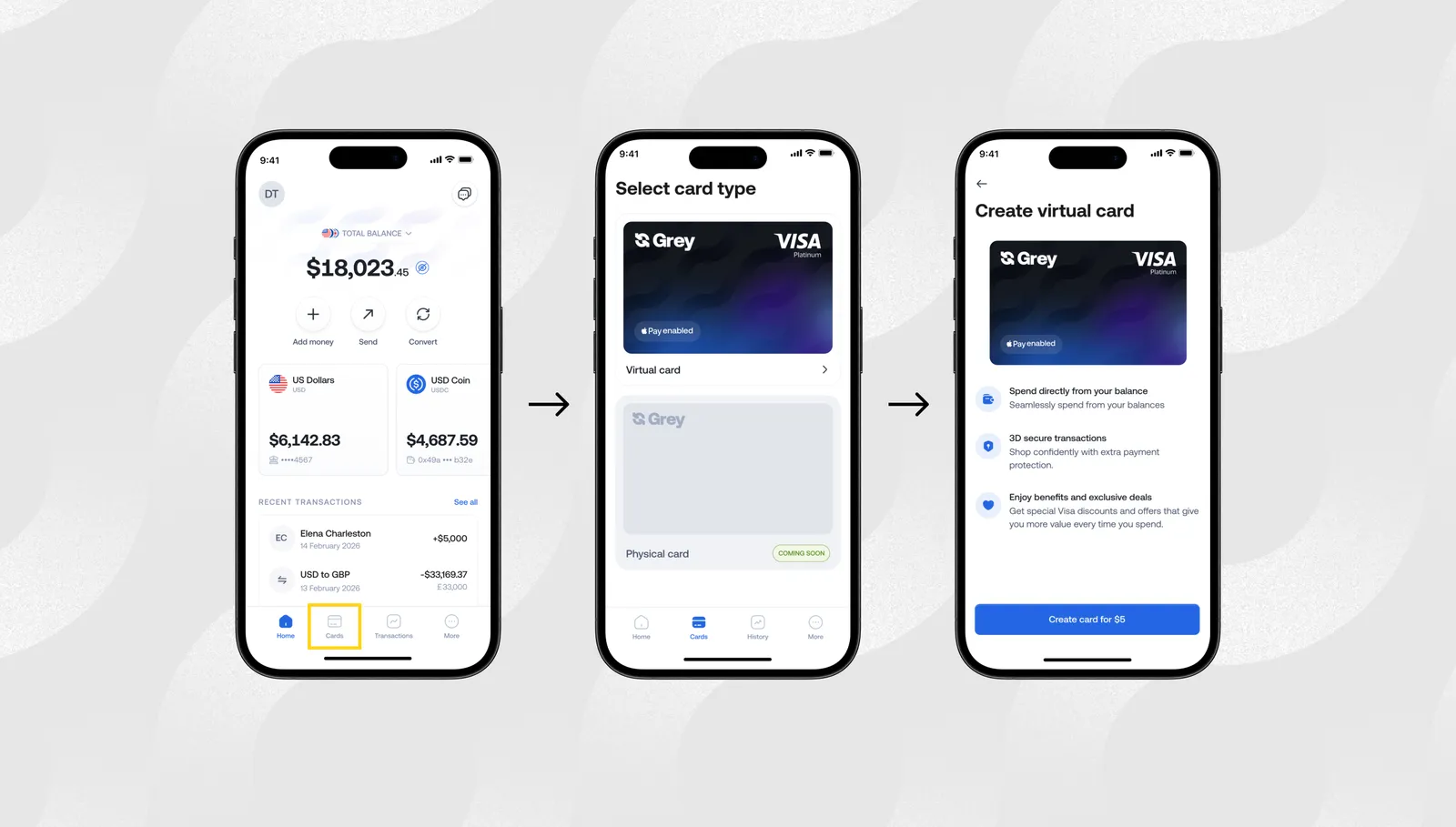
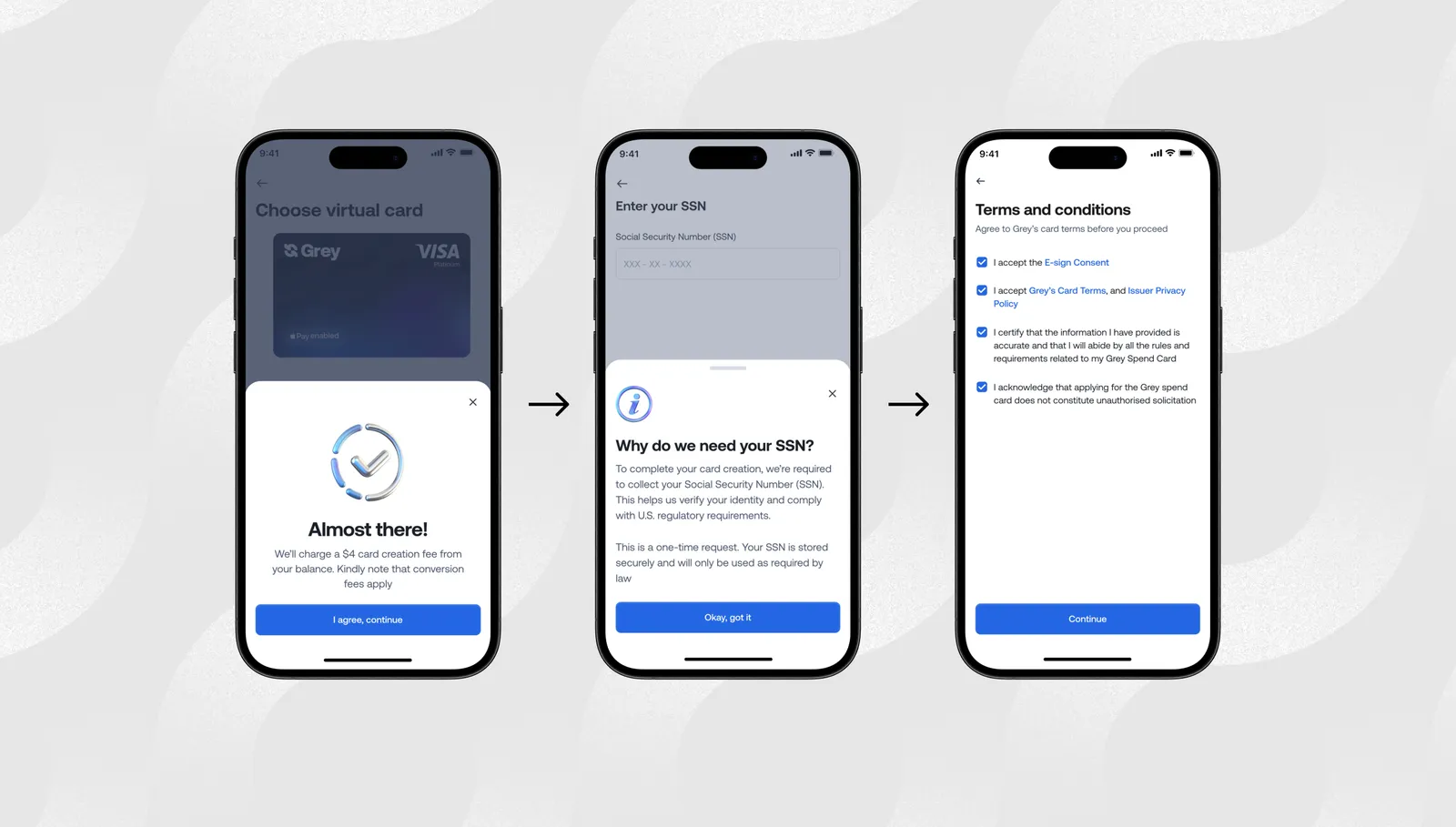
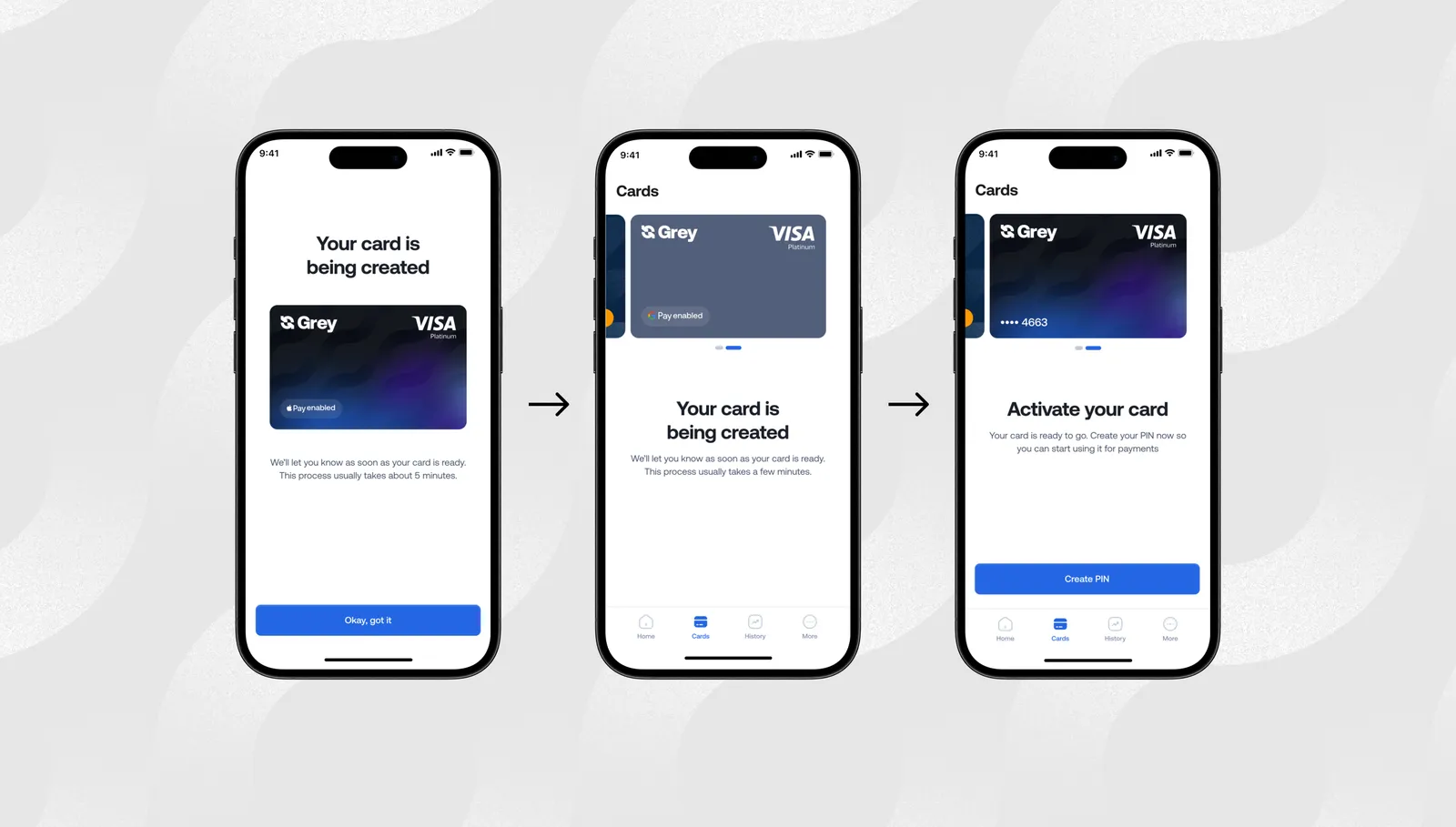
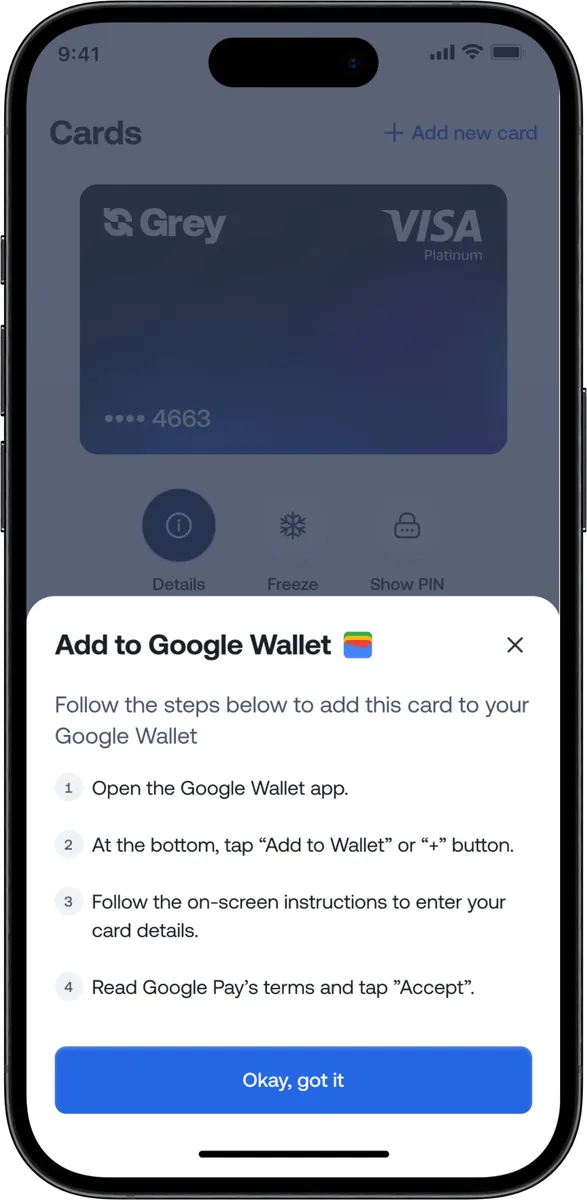
For example, with Grey, you can manage multiple currencies in one account and use supported payment routes for international transfers. Whether you need to send money from the US to Mexico or manage payments across other countries, holding your funds in the currency you receive them in can give you more control over when and how you move your money.
Also read: Best cross-border payment platforms compared 2026
Frequently asked questions about the RTP Network
What is the RTP network?
The RTP network is a US real-time payments system operated by The Clearing House. It allows participating banks and financial institutions to send and receive payments instantly, 24/7, 365 days a year. Unlike traditional payment methods that process in batches, RTP transactions settle individually, with funds available within seconds.
Who runs it?
The RTP network is operated by The Clearing House, a US payments organisation owned by major banks. It provides the infrastructure that participating financial institutions use to send and receive real-time payments. Your bank or payment provider must participate in RTP for you to make or receive an RTP payment.
How fast is it?
RTP payments typically reach the recipient within seconds, rather than taking one or several business days. The network operates continuously, including weekends and public holidays, so you do not have to wait for normal banking hours. Once an RTP payment settles, the funds are generally available to the recipient immediately.
How is RTP different from FedNow?
RTP and FedNow are both US real-time payment networks that enable near-instant transfers 24/7. The main difference is who operates them: The Clearing House runs RTP, while the Federal Reserve operates FedNow. Your choice usually depends on which real-time payment network your bank or financial institution supports.
Is RTP the same as ACH?
No. RTP and ACH are different US payment rails. RTP processes payments individually in real time, allowing recipients to access funds within seconds, while ACH payments are generally processed in batches and can take longer. ACH transactions can also have different rules around reversals and payment processing compared with RTP.
Can I use it internationally?
RTP is primarily designed for domestic payments within the US, so you generally cannot use it as a direct international payment network. Sending money across borders, such as from the US to Mexico, requires a separate international payment route that can handle different currencies, banking systems and regulatory requirements.