

Say you’re dealing with a factory whose quote is in dollars, and they want a deposit before production starts, and the account details arrive by email under a company name that isn’t quite the one on the invoice. For a first-time importer in Lagos or Nairobi, nothing about that moment is unusual, and each part of it is a place where a small mistake costs real money.
Many African businesses usually pay Chinese suppliers by international bank transfer, in US dollars or yuan. A common pattern is a deposit before production and the balance before shipment, though terms are negotiable. Importers in Nigeria must also register a Form M with their bank. Platform escrow, where offered, adds protection for first orders.
However, with cross-border and global payments making it easier for businesses to settle renminbi (RMB) transactions, trading with China has become easier, and more options are available to people and businesses to send yuan directly to local bank accounts in China.
In this article, I cover how to find and check a supplier, what an order should cost, how to manage the relationship, and how to pay.
Why China, and why now?
If you are looking to start or scale a business, China is hard not to consider. China is a major source of manufactured goods for African businesses, and the volumes show it. Trade between China and Africa reached a record US$348.05 billion in 2025, up 17.7% on the year, according to a report from the NTU-SBF Centre for African Studies. Chinese exports to Africa accounted for US$225.03 billion, up 25.8%, while imports from Africa were US$123.02 billion, up 5.4%. The same report puts Africa’s deficit with China at US$102.01 billion, meaning African buyers are importing far more than they export.
Behind those totals are the businesses this guide is for: shop owners, online sellers, and small manufacturers who buy fabric, electronics, machine parts, packaging, and finished goods. A growing number go a step further and develop private-label products, in which a factory makes a product to the importer's specifications and under the importer’s brand. That raises the stakes on everything that follows: choosing the factory, agreeing the order size, checking quality, and moving the money.
What has changed in China-Africa trade in the last five years
China opened its market to African exports
Since 1 May 2026, China has applied zero-tariff treatment to imports from the 53 African countries with which it has diplomatic relations, per Reuters’ report. The measure covers goods entering China. It helps African exporters and does not lower what an importer pays for Chinese goods, so the cost of buying from China still depends on the factory price, shipping, home duties, and the cost of moving money.
Nigeria’s foreign exchange policy has been updated
The CBN issued a new foreign exchange manual in May 2026. Coverage states that importers must submit exchange control documents within 90 days of negotiating shipping documents, and that importers who fail to do so may be restricted from the foreign exchange market. We’ll talk about this a bit more in the section on paying suppliers.
There are more ways to pay in yuan
Some payment providers, like Grey, now deliver yuan directly to Chinese bank accounts, giving importers an alternative to paying only in dollars.
How to find a reliable Chinese supplier
For businesses looking to source from China, finding a supplier often starts with an online marketplace, especially for first-time importers.
Alibaba.com is built for export buyers and lists suppliers that work with overseas customers. 1688 is China’s domestic wholesale platform. It is written in Chinese, prices are often lower, and most foreign buyers use a sourcing agent or a translator to work with it. Trade fairs such as the Canton Fair in Guangzhou let you meet suppliers and handle samples in person, and referrals from other importers in your market often lead to suppliers that already ship to Africa.
Factory or trading company?
When you make contact, you have to ask directly: “Do you own the factory?” A trading company is not a bad choice, since it can combine products from several factories and handle export paperwork, but it adds its own margin and puts you one step further from the people making your product. A factory can usually show its production line on a video call and explain who works on your order.
Check that the company exists
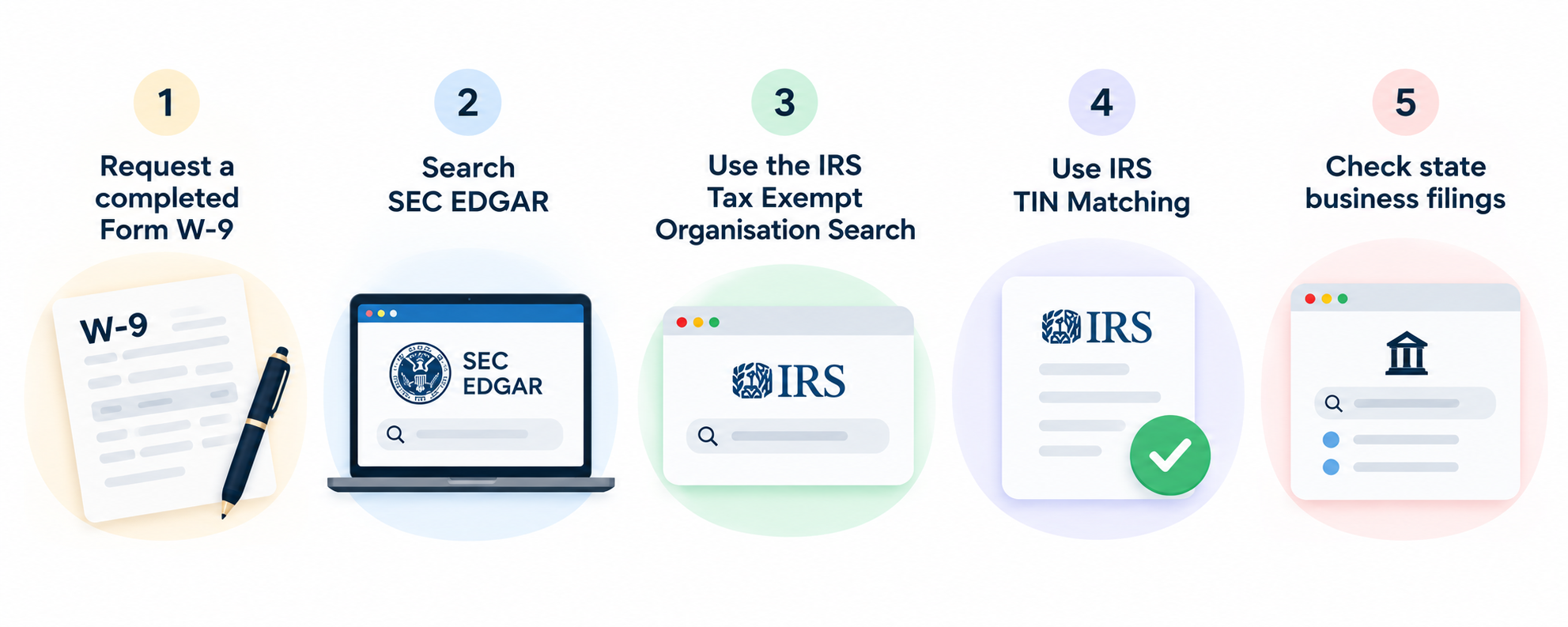
Ask for the business licence, which carries an 18-character Unified Social Credit Code. China’s National Enterprise Credit Information Publicity System at gsxt.gov.cn lets you search for that code to see whether the company is registered, who its legal representative is, and whether it has abnormal operation records. The site is in Chinese with no official English version and can be slow from outside China, so browser translation helps. Two limits matter. A matching code proves that a company exists, not that the person you are talking to works for it. And the English name on a supplier’s profile often differs from its registered Chinese name, so make sure the name on the licence, contract, invoice, and bank account all match.
Order samples before you commit
Pay for samples, test them yourself, and then compare the first production units with the approved sample. Making one good sample is easy. What you want to know is whether the supplier can repeat it.
Document exactly what you want
A supplier can only build what is written down. Send specifications with photos, dimensions, materials, colours, packaging, and tolerances, and confirm every decision in writing, even if you also talk on WeChat or WhatsApp. Ask the supplier to repeat back what they will make.
Warning signs
A price far below every other quote, a refusal to join a video call, pressure to pay quickly, a request to pay a personal account for a company order, or a request to move the payment outside the platform you are using.
The real cost of sourcing from China: MOQs, shipping and duties
The price in the quote is the starting point, not the end. What matters is the landed cost: everything you have paid by the time the goods are in your warehouse.
MOQs
A minimum order quantity (MOQ) is the smallest order a supplier will produce. It varies by product and factory, and custom or private-label work tends to carry higher minimums than catalogue items because the factory has to set up materials and tooling for you. MOQs are often negotiable, especially if you accept a higher unit price, a later delivery date, or a promise of repeat orders. A smaller first order costs more per unit, but it limits your potential losses while you test the supplier and the market.
Shipping
Sea freight costs less per unit and takes longer. Air freight is faster but more expensive, making it suitable for samples and urgent restocks. For sea freight, a full container (FCL) gives you the entire container, while a less-than-container load (LCL) lets smaller orders share space at a higher per-unit cost. Ask every quote to state its Incoterm, which says who pays for what and where responsibility passes to you. Under FOB, the supplier delivers the goods to the port in China, and you pay the freight from that point onward. Under CIF, the supplier also pays freight and insurance to your destination port.
Duties and clearing
Import duty depends on how the product is classified under the Harmonised System (HS) code, and rates differ by product. Check the HS code and the current rate with a licensed clearing agent before you place the order, because a wrong classification can change the bill after the goods arrive. In Nigeria, the goods also need a registered Form M, covered in the section on paying suppliers.
Payment costs
Bank fees and exchange rate margins sit on top. For a thin-margin product, a percentage point or two can decide whether an order is worth repeating.
The numbers below are made up and rounded to show how a quote grows. They are not real prices or rates.
On these made-up figures, a unit quoted at US$4.00 costs US$6.23 once it lands, about 56% more. Work out your own version before you agree a price, and repeat it for each product.
Managing suppliers across time zones and currencies
Time zones
China runs on UTC+8. Lagos is seven hours behind it, and Nairobi is five hours behind it. A supplier’s working day, roughly 9 am to 6 pm in China, runs from about 2 am to 11 am in Lagos, so the useful overlap is the morning. Agree on a fixed weekly call time, and use written updates for everything else, so nothing depends on both of you being online at once.
Milestones, not trust
Split the order into stages and tie each stage to evidence: a confirmed specification and a signed sample; production started, with photos or a video; finished goods before packing; and a pre-shipment inspection. An independent inspection company can check quantity, workmanship, and packaging before you pay the balance. Include these stages in the contract, along with what happens if the goods do not match the sample.
Holidays
Chinese New Year and the National Day holiday in early October can close factories for days or weeks, and orders placed just before them can slip. Build the dates into your plan and place orders early.
One record
Keep one shared order sheet with the product, specification, quantity, price, currency, deposit paid, balance due, and expected dates. When a supplier changes a price or a date, ask for it in writing and update the sheet.
Currencies
Decide the invoice currency at the start. A quote is a snapshot, so ask how long the price is valid. If your local currency weakens between the quote and payment, the same dollar or yuan amount costs more to buy. Where you can, hold or earn the currency you pay in, so a swing in the exchange rate does not change the size of the bill. Splitting a large order into a deposit and a balance paid weeks apart also spreads the exchange rate risk, though it can work in either direction.
How to pay Chinese suppliers from Nigeria and the rest of Africa
There is no single best way to pay a supplier. The right route depends on the size of the order, how well you know the supplier, and what your bank and customs require.
The main ways to pay
What Nigerian importers need to know
In Nigeria, an importer must complete Form M for goods entering the country. GTBank’s guide to Form M calls it a mandatory statutory document for all importers who are registered with an authorised dealer (a bank) when the order is placed, whether or not the transaction requires foreign exchange. It is submitted electronically on the CBN’s Trade Portal, which works with the Nigeria Customs Service. It is valid for 180 days for general merchandise and 365 days for plant and machinery, and the bank can extend it.
The CBN’s foreign exchange manual, issued in May 2026, adds a second deadline. Coverage of it says importers must submit exchange control documents within 90 days of negotiating shipping documents with overseas correspondent banks, and that importers who do not can be barred from foreign exchange transactions, including Form M processing, for periods that lengthen with repeat offences. Keep every invoice, contract, and shipping document organised so you can produce them when needed.
Before you pay, ask your bank how it wants the Form M and supporting documents handled for your route, and whether payments made through a payment provider fit its documentation requirements. Rules change, so confirm the current position with your bank or the CBN, not from a blog.
Protect the payment itself
- Pay only to an account in the supplier’s registered company name, as shown on the contract and invoice.
- Confirm bank details by a second channel, such as a video call, before the first payment and whenever they change. A change of account details sent by email is a common fraud.
- Size the deposit to what you can afford to lose on a first order, and tie the balance to the inspection result.
- Get the invoice in writing, with the currency, amount, and bank details.
Comparing what you pay
Quotes are hard to compare because the cost is split between a fee and an exchange rate. To compare them, divide the total naira you pay by the amount the supplier receives, then compare the resulting rate with the mid-market rate for the same day. The gap, plus any fee, is the real cost of the transfer. Do the same for each route, and ask the supplier whether the price changes depending on whether you pay in dollars or yuan.
Paying with Grey
Grey recently launched payouts to China, giving Nigerian importers another option.
- The supplier receives yuan in their own Chinese bank account with ICBC, Bank of China, China Construction Bank, or Agricultural Bank of China and does not need a Grey account.
- Before you confirm, Grey shows the rate and the fee as two separate numbers, and the yuan amount your recipient receives does not change after you confirm.
- The account name you enter must match the account name on the supplier’s invoice, so copy it from there.
Grey charges a flat fee of $2.80 per bank transfer, with a limit of 50 to 21,000 yuan per transfer. Transfers are typically completed within 24 hours on banking days, with a 10:00 GMT cut-off; transfers made after this time may take longer. A limit of 21,000 yuan per transfer means a large factory deposit may need to be split into several transfers or paid another way, so check the limit shown in the app for your route before relying on it.
To hold US dollars and convert them when you need to pay, see Grey's foreign accounts. For small-order samples on platforms that accept cards, a virtual card is another option, though payments on non-US websites may incur a cross-border fee. If you pay several suppliers, Grey also offers a business account for cross-border trade with bulk payouts and payment status tracking. Check whether it is available in your country first.
Grey is a financial technology company, not a bank, and works with CBN-licensed banking partners in Nigeria. Its US services are regulated by FinCEN and its Canadian services by FINTRAC.
Frequently asked questions
How do African businesses pay Chinese suppliers?
Most pay through international bank transfer in US dollars or yuan, often with a deposit before production and the balance before shipment. Other routes include platform payments with escrow, letters of credit, and yuan payouts through payment providers. The right choice depends on the order size, the supplier, and your bank’s requirements.
Do they need a Form M to import from China into Nigeria?
Yes. GTBank’s guide describes Form M as a mandatory statutory document for all importers, which must be registered with a bank when the order is placed, whether or not the transaction requires foreign exchange. Confirm the current process with your bank.
Is it better to pay a Chinese supplier in dollars or yuan?
Neither is better by default. Ask the supplier for the price in both currencies, then compare the total you pay in your local currency, including fees and the exchange rate, against the mid-market rate on the day.
How can I check that a Chinese supplier is real?
Ask for the business licence and search its Unified Social Credit Code on China’s National Enterprise Credit Information Publicity System. Make sure the name on the licence, contract, invoice, and bank account match; order samples first; and join a video call before you pay a deposit.
Can I pay a supplier in China with Grey from Nigeria?
Grey offers payouts to Chinese bank accounts, delivered in yuan, from a naira top-up or a USD balance. The recipient does not need a Grey account. Check the fee, rate, and limit shown in the app before you confirm, as per-transfer limits apply.
Does China’s zero-tariff policy make imports from China cheaper?
No. The policy, in force from 1 May 2026, covers goods entering China from 53 African countries. It helps African exporters without changing what importers pay for Chinese goods.
How much deposit should I pay a new supplier?
Terms are negotiable, and a deposit before production, with the balance due before shipment, is a common pattern. For a first order, pay only what you can afford to lose, use platform protection where available, and tie the balance to an inspection result. This is general guidance, not financial advice.
Paying a supplier in China? See the rate and fee before you send.
Fees and rates: Grey's CNY payout post lists a flat fee of $2.80 per bank transfer and a limit of 21,000 yuan per transfer. Currency conversion is listed at 1% (capped at $6) on USD, GBP, and EUR transfers, so check the fee shown in the app for your route. A virtual card costs $5 to create once, with no monthly fee, and payments on non-US websites may incur a cross-border fee of 2% plus $0.50. Exchange rates vary with a margin over the mid-market rate, and delivery times depend on the bank, the route, and cut-off times.