

Remote data entry is one of the easier ways to start working online without needing years of experience or specialised qualifications. If you can type accurately, follow instructions and stay organised, you can find roles that involve entering, checking and updating information from your own home.
The work itself can vary. Some employers need help entering customer details, updating spreadsheets or processing forms, while freelance clients may need someone to organise databases, transfer information between systems or clean up records. This makes data entry suitable for people looking for flexible work around other commitments.
The challenge is finding genuine opportunities. Data entry scams are common, with some listings asking applicants to pay upfront fees or promising unusually high earnings for very little work. Established freelance platforms and reputable job sites are generally safer places to begin. Below, we look at 13 places where you can find legitimate remote data entry jobs, including options that may accept beginners.
Also read: Best non-tech remote jobs that pay in US dollars
What are remote data entry jobs?
Remote data entry jobs involve entering, updating and organising information for a company or client without working from a traditional office. The work is usually straightforward, but accuracy matters because even small mistakes can affect customer records, accounts or business reports. Many entry-level positions do not require previous experience.
Typical tasks include entering information into spreadsheets, updating databases, processing forms, checking records, transcribing basic information and moving data between systems. Depending on the role, you may also be asked to verify information, organise digital files or remove duplicate records. Common tools include Microsoft Excel, Google Sheets, Microsoft Word and cloud-based databases.
Pay varies according to the employer, location, workload and your experience. Entry-level workers may earn around £10–£15 per hour, while experienced freelancers or specialists can charge more. Since many roles are freelance, earnings can also depend on the number of projects you complete.
Do you need experience to start data entry work?
No, you do not always need previous experience to start working in data entry. Many entry-level remote data entry jobs are designed for beginners and focus more on whether you can follow instructions, work independently and handle information carefully. If you are comfortable using a computer and basic office software, you already have many of the skills needed to begin.
Employers typically look for accuracy, typing speed and reliability. You may be expected to enter information without making mistakes, complete tasks within agreed deadlines and communicate clearly if something is unclear. Basic knowledge of tools such as Excel, Google Sheets and Word can also make you more competitive when applying for remote positions.
For beginners, the main challenge is often finding legitimate opportunities rather than learning the work itself. Start with established job boards and freelance platforms, build a simple profile and apply for roles that match your current skills. Small projects can also help you gain experience and strengthen your profile for better-paying opportunities.
Also read: Freelance Data Entry Jobs: 7 Best Platforms to Find Work
Where to find legitimate remote data entry jobs
If you are starting without experience, these platforms offer different ways to find data entry work, from freelance contracts to quick online tasks.
| Platform | Job model | Fee / cost | Best for |
|---|---|---|---|
| Upwork | Bid on contracts | 10% on earnings | Finding long-term clients |
| Fiverr | Clients buy your “Gig” | 20% on earnings | Fixed-price, clear tasks |
| Clickworker | On-demand micro-tasks | Free to join | Working anytime without bidding |
| Amazon MTurk | Human Intelligence Tasks | Free to join | Quick, repetitive tasks |
| FlexJobs | Vetted corporate job board | Paid subscription | Steady, screened employment |
| Freelancer.com | Competitive bidding | 10% on earnings | Bulk data migration projects |
How to spot and avoid data entry scams
Learn the warning signs of fake data entry jobs before sharing your details, paying fees or accepting offers that seem too good to be true.
Never pay upfront
Legitimate employers do not usually ask you to pay registration, training or equipment fees before allowing you to start working.
Check the company
Search the employer independently, review its official website and look for genuine employee reviews before accepting a remote data entry position.
Avoid unrealistic pay
Be cautious when a listing promises unusually high earnings for simple tasks, especially when it requires little experience or offers immediate employment.
Protect your details
Do not send bank details, passwords, identity documents or sensitive personal information until you have verified the employer and confirmed the job is genuine.
Online data entry jobs for students with no experience
For students and first-time job seekers, remote data entry can be a practical way to earn money around lectures, assignments and other commitments. Many tasks are completed online and do not require previous office experience, making them accessible if you have basic computer skills, reliable internet and good attention to detail. You may find work entering information into spreadsheets, updating records, checking documents or completing short online tasks.
The biggest advantage for students is flexibility. Freelance platforms and microtask websites often allow you to choose when you work, meaning you can take on smaller projects during quieter periods and reduce your workload around exams. However, earnings can vary considerably, particularly when you are starting out. Focus on legitimate platforms, read job descriptions carefully and avoid any opportunity asking for upfront payment. Over time, completing smaller assignments can help you build experience, improve your profile and qualify for better-paying remote work.
How to start data entry work from home
Ready to start earning from data entry? Follow these steps to move from creating your profile to completing your first paid assignment.
- Build your profile: Create a simple, professional profile highlighting your typing accuracy, computer skills, attention to detail and familiarity with Excel, Google Sheets or similar tools.
- Take a skills test: Complete any available typing, data entry or platform assessment to demonstrate your accuracy and speed, particularly if you have little previous work experience.
- Apply for jobs: Start with smaller, straightforward projects that match your current abilities. Tailor your applications to each listing instead of sending the same generic response.
- Deliver the work: Follow the client's instructions carefully, check your entries for mistakes and submit everything before the agreed deadline to build a strong reputation.
- Get paid: Once the client approves your completed work, payment is released according to the platform's terms. Keep completing projects to build reviews and attract better opportunities.
How to get paid for remote work from anywhere with Grey
Working remotely gives you access to clients and employers around the world, but getting paid internationally can sometimes be the difficult part. Different currencies, transfer fees and unfavourable exchange rates can reduce what you actually take home.
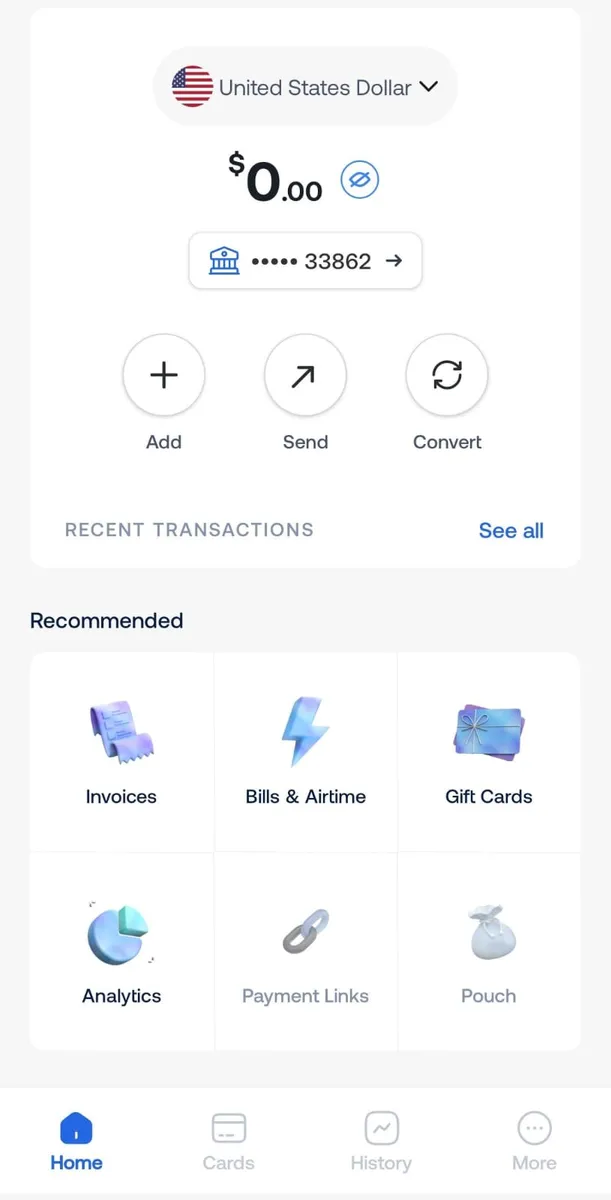
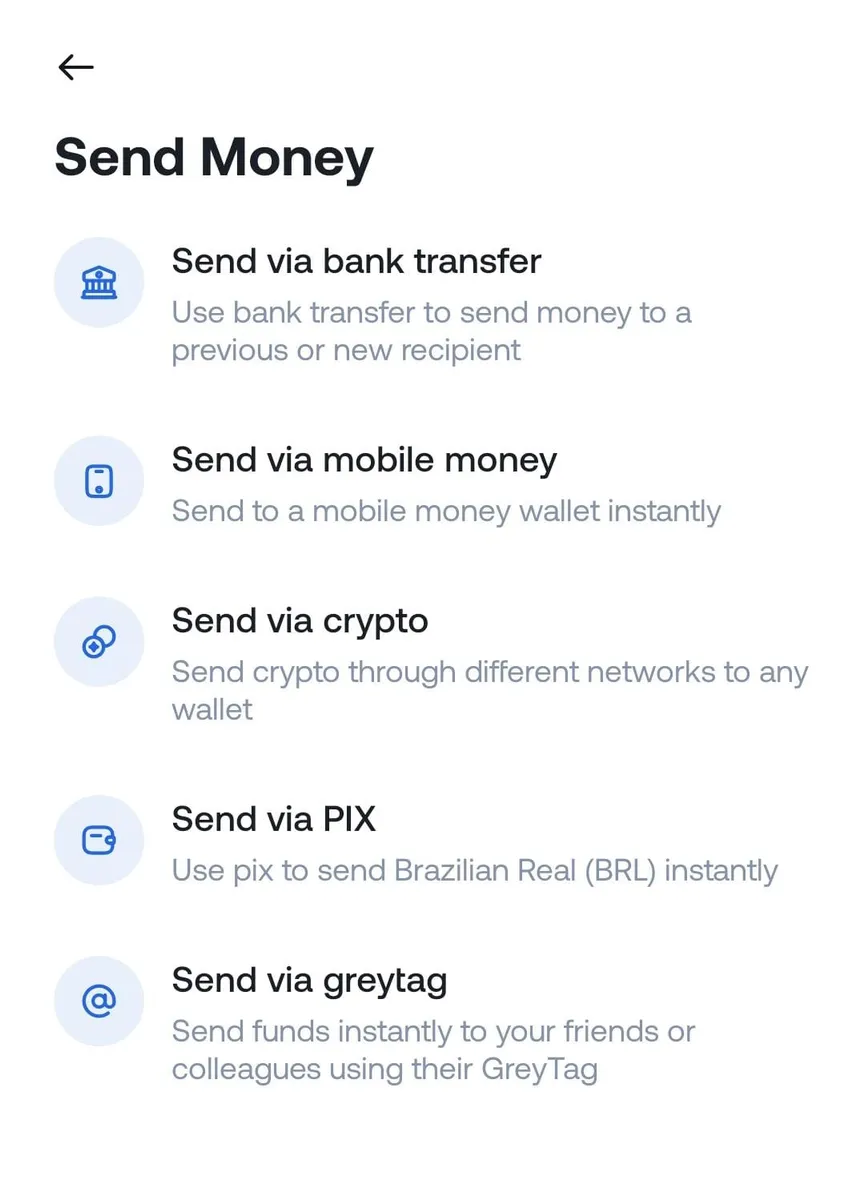
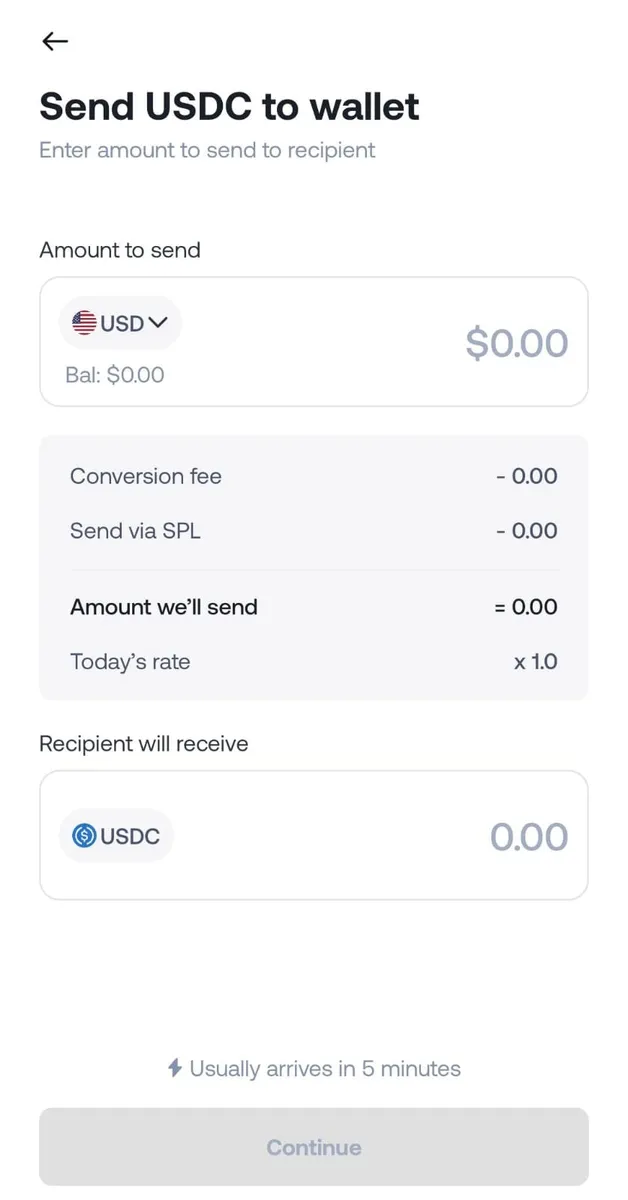
Grey makes receiving international payments simpler by giving remote workers access to accounts in multiple currencies. You can receive payments in supported currencies, hold your funds and manage your money without needing to open traditional bank accounts in several countries.
When you are ready to use your earnings, Grey also lets you convert between currencies at competitive market rates, helping you get more value from the money you have earned. Whether you are freelancing, working remotely for an overseas company or completing online projects, you can manage your international income in one place. Open a Grey account or download the app to get started.
Frequently asked questions
Are data entry jobs easy?
Data entry is generally straightforward because tasks often involve typing, copying, organising or checking information. However, simple does not mean effortless. You need concentration, patience and accuracy, particularly when handling large amounts of information. Meeting deadlines and maintaining consistent quality can also become challenging during longer or repetitive assignments.
How much do data entry jobs pay?
Data entry pay varies based on the platform, employer, location, experience and complexity of the work. Many entry-level opportunities advertise around $10–$25 per hour, although freelance earnings can fluctuate. Some projects pay by task rather than hourly, so always check the payment structure before accepting an assignment.
Are data entry jobs legitimate?
Yes, many remote data entry jobs are legitimate, but scams are common in this area. Be cautious of employers promising unusually high earnings for minimal work or requesting upfront payments. Never provide sensitive financial information until you have verified the company, job listing and payment arrangements properly.
What are the best platforms for beginners?
Fiverr and Clickworker can be useful starting points for beginners because they offer accessible ways to find online tasks without requiring extensive professional experience. Other established platforms, including Upwork and Freelancer.com, can also provide opportunities, although securing your first projects may require more effort.
Do you need qualifications?
Most data entry positions do not require a university degree or formal qualification. Employers are more interested in practical abilities such as accurate typing, computer literacy, attention to detail and basic spreadsheet skills. Familiarity with tools such as Microsoft Excel or Google Sheets can make you more competitive.
What equipment do you need?
Getting started usually requires a reliable computer, stable internet connection and basic office software. A comfortable keyboard can also make longer typing sessions easier. Depending on the employer or platform, you may need access to tools such as Microsoft Excel, Google Sheets, Word or specific online databases.
How do you avoid data entry scams?
Protect yourself by researching the company before accepting work and avoiding employers requesting upfront payments for training, registration or equipment. Be particularly cautious when someone pressures you to move communication or payments outside a secure platform without a clear reason or verifiable company identity.