
<script type="application/ld+json">[{"@context":"https://schema.org","@type":"BlogPosting","@id":"https://grey.co/blog/mistakes-you-make-working-remotely#article","headline":"Mistakes you are making as a remote worker","description":"Remote working is currently one of the best ways to work. Here are some of the mistakes that may make remote work unpleasant for you.","inLanguage":"en","url":"https://grey.co/blog/mistakes-you-make-working-remotely","mainEntityOfPage":"https://grey.co/blog/mistakes-you-make-working-remotely","datePublished":"2022-11-30T17:29:51.758Z","dateModified":"2022-11-30T17:29:51.758Z","author":{"@type":"Person","name":"Ngozi Enelamah"},"publisher":{"@type":"Organization","@id":"https://grey.co/#organization","name":"Grey","url":"https://grey.co"},"image":"https://cdn.prod.website-files.com/636a85d290ee58e70c17e1c0/6a301cc3290dac55760471f8_6a301cc2d92fdd315282cc6d_mistakes-you-make-working-remotely__header-image.webp"},{"@context":"https://schema.org","@type":"BreadcrumbList","@id":"https://grey.co/blog/mistakes-you-make-working-remotely#breadcrumb","itemListElement":[{"@type":"ListItem","position":1,"name":"Home","item":"https://grey.co/"},{"@type":"ListItem","position":2,"name":"Blog","item":"https://grey.co/blog"},{"@type":"ListItem","position":3,"name":"Mistakes you are making as a remote worker","item":"https://grey.co/blog/mistakes-you-make-working-remotely"}]}]</script>

Mistakes you are making as a remote worker

Ngozi Enelamah

TABLE OF CONTENT

SHARE THIS POST

What is the point of discussing mistakes remote workers make? Working from home should be simple, right? Well, that's because what seemed like the best thing to happen to your career life could become a disaster, as transitioning into remote working isn't as easy as it looks. 

Remote working comes with its unique benefits and challenges, which 8 in 10 remote workers can relate to as most of the benefits and challenges are bound to happen. 

As you can imagine, getting your first remote job is only the first step, afterwards, you need to look for ways to seamlessly work from home while avoiding some of the most common mistakes. 

 Here, we share some of the common mistakes remote workers make and how to correct them. That way, you’ll be able to fully enjoy the benefits of working from home.

Mistake 1: Not having a designated workstation 

This is a common mistake most first-time remote workers make. They sometimes neglect the importance of having a designated workstation where they get their work done. In being productive as a remote worker, the first step is to have a workstation that acts as your makeshift office. When you can't, a laptop table would do. So if you are just starting as a remote worker, get a space in your apartment that could serve as your workstation. What a designated work station does is that it helps separate work from personal life, which is an important distinction to be productive at work and also helps keep track of time.

Steps to take:

  1. Find a space in your apartment with less distraction.
  2. Get a work chair that comforts you, especially on your back.
  3. A work table suitable for the chair you have assigned.
  4. Get a laptop stand or table. 

Read also: The Ultimate Guide to Content Creation

Mistake 2: Thinking you can do it all alone

Feelings of isolation can often lead to a lack of motivation to get work done. Thankfully, many remote work tools allow for channels where employees can communicate outside of work matters, such as watercooler channels.

So, knowing you can’t do it alone and finding ways to participate in non-work communication with colleagues is a good way to improve your working relationship. 

Steps to take:

  1. Check on your colleagues as frequently as you can, asking about their whereabouts and how you can help if they need it.
  2. Get involved in other remote activities your colleagues get involved in.
  3. Ask for their input on tasks even when you have it all figured out.

Mistake 3: Working with your television playing in the background

As tempting as this sounds, working with your television playing in the background is a big No and a mistake lots of remote workers make at the early stage. However, some argue that they work just fine with some form of sound in the background without getting distracted. This can't be true as now your attention becomes divided. 

Steps to take:

  1. Have an allotted time where you take breaks to watch a little Tv.
  2. If you have to work with sounds, substitute the TV for radio or Bluetooth music players. 
  3. Play sounds at inaudible volumes. 

Mistake 4: Picking up your phone too often

Ooh!! I am speaking from personal experience. One big mistake remote workers make is picking up their phones too often and staying long on them. This makes it hard to focus and get the work done. 

Steps to take

  1. Turn off your mobile phone network for some time. 
  2. Ensure your phone is far away from your workstation for some time to ensure you are able to work. 
  3. Consciously time yourself. Set a time limit for when you can be on your phone. 

Mistake 5: Not having a social life

Working from home gives the luxury of spending more time with family and having a better work-life balance. However, many remote workers lose themselves to their careers and homework to where they forget to interact with society. This leads to faster burnout and lower productivity. 

Steps to take:

  1. Make plans with friends and family every other week to go out. 
  2. Make bi-weekly plans to work outside of your home. Could be at a restaurant, mobile workstations or a recreational centre. 

Mistake 6: Not having a contingency plan

As a remote worker, it's your responsibility to ensure that you can work uninterrupted. At the early stage of remote working, some remote workers make the mistake of depending highly on just one source of power and data and this, in the long run, breeds unproductivity. 

Steps to take

  1. Have an extra source of power.
  2. Have over one network source.
  3. Make plans to work outside of your home on some occasions.

Mistake 7: Not making proper financial plans

The Money conversation is one people shy away from having. However, one major mistake remote workers make is not having proper financial plans even though they get international gigs. 

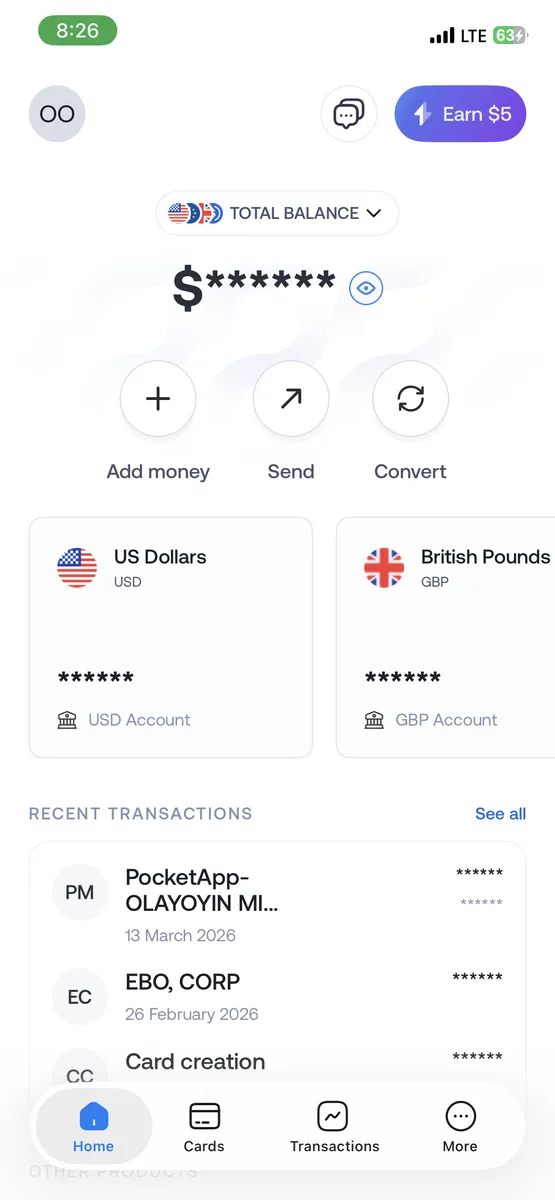
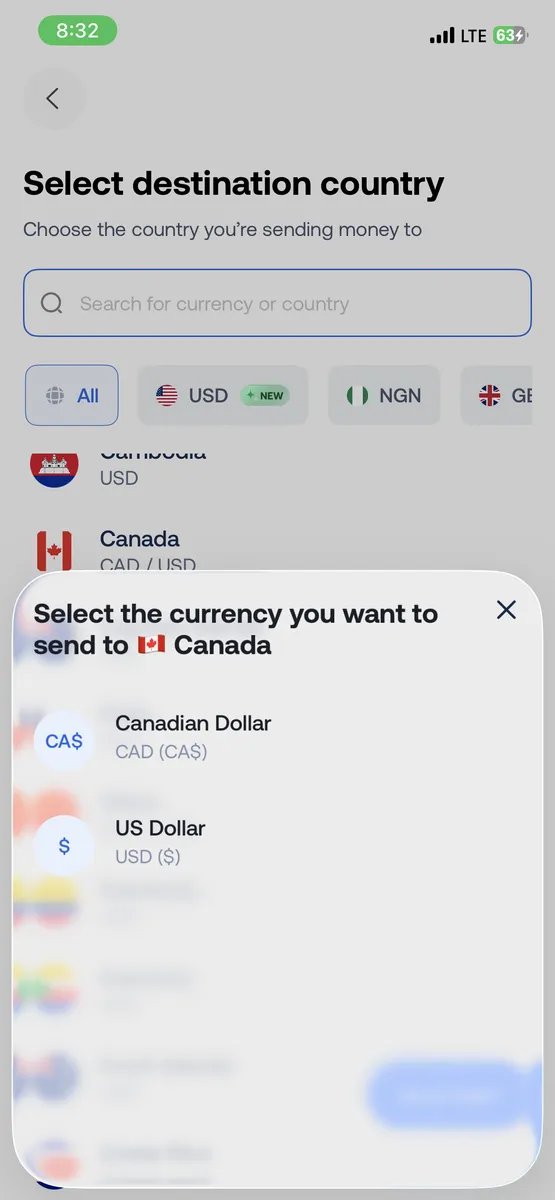
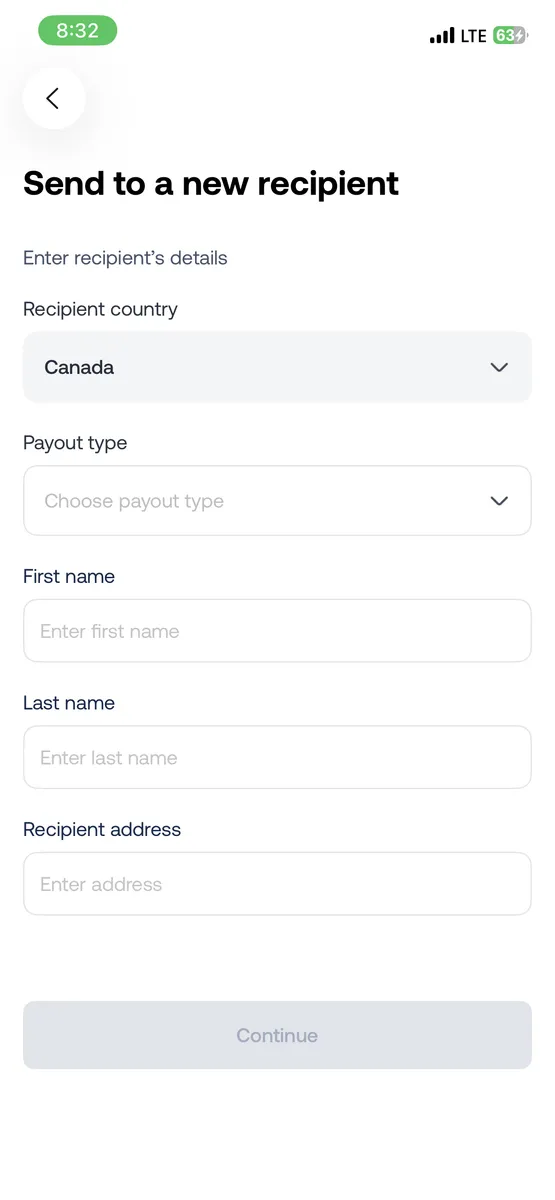
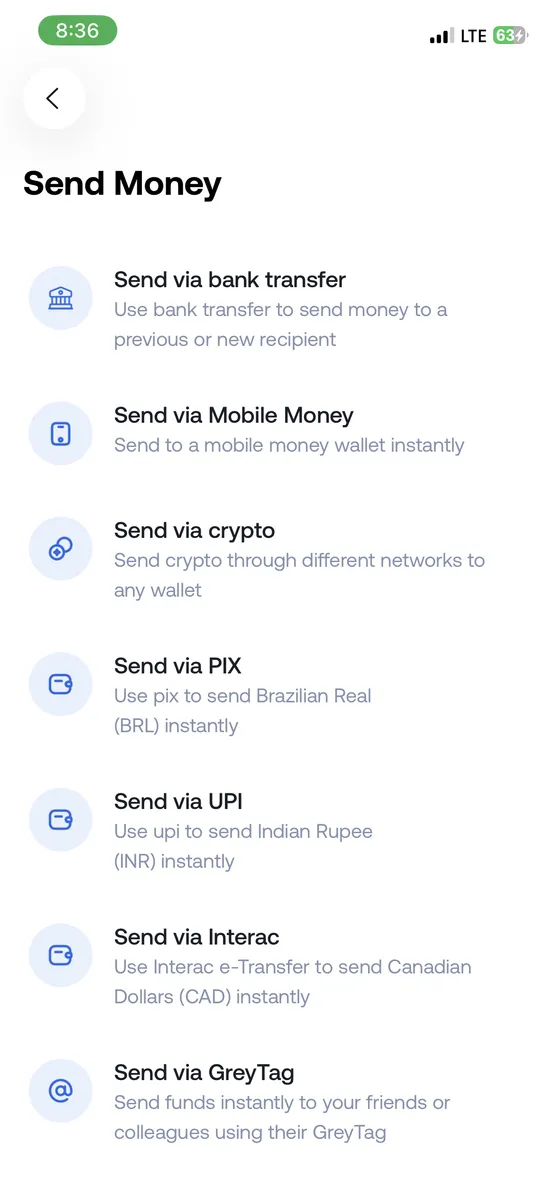
However, one step to keeping proper financial plans is to pick platforms that help them maximize their earnings and help make the payment process easier and that’s where Grey comes in as we enable you to receive foreign currencies in your virtual accounts & also offer the best rate to convert to Naira.

Register on Grey to own a foreign bank account if you work remotely and receive payment in foreign currency. 

Last updated:

September 13, 2026

Open a free Grey account to get startedJoin 1 million digital nomads
IF YOU ENJOYED THIS, CHECK THESE OUT

The perfect last minute gift idea for this Valentine’s

2 min read

Valentine is here, and unfortunately, it’s on a Tuesday.

With the endless cash troubles, fuel scarcity, and impending elections, getting the perfect gift this year can be twice as hard and twice as expensive. But love shouldn’t cost a thing.

That’s why we’ve partnered with Chowdeck to bring you the perfect last-minute valentine’s gift idea - Free Food Deliveries!

Grey X Chowdeck Free Food Deliveries

With the Grey and Chowdeck sponsorship, we’re bringing romance to your doorsteps.

Instead of spending hours trying to find a table at a restaurant, order from your favorite restaurant on Chowdeck and have an intimate candlelight dinner. Spend those precious moments together.

We’re also helping you cut costs this period. Save costs on Uber, fuel, and even delivery fees.

If you’re still going out with your partner this Valentine’s, you should definitely consider stocking up your fridge for the rainy days after.

How Do I Qualify for the Free Chowdeck Deliveries by Grey?

It’s easy. All you have to do is order a meal from Chowdeck from 4pm to 7pm WAT between the 13th to 15th of February 2023. That’s all. Delivery is on us!

There’s More

In addition to winning free deliveries between the 13th and 15th of February 2023, four lucky people stand a chance to win free Chowdeck deliveries for a month.

If you’re looking to help your partner save costs on their food expenses, here’s what you need to do;

  • Make sure you’re following Grey and Chowdeck
  • Be an active Grey and Chowdeck user
  • Leave us  a comment by telling us how you met your partner with the hashtags #greyhearts
  • We’d select the meet-cutes we love!

Join the challenge on our Instagram and Twitter.

PS: Terms and conditions apply

Everything you need to know about the Mauritius digital nomad visa

2 min read

Are you a digital nomad looking for a new place to call your temporary home? Mauritius might just be the answer. Being an island nation located off the southeast coast of Africa, Mauritius has been the destination for many travelers looking to unwind at the beach or with an ocean view.

Recently, they introduced their digital nomad visa, which allows remote workers to migrate there for an extended period of time. In this article, we’ll explain how this visa works, the requirements, and how to apply for it.

The Mauritius Digital Nomad Visa

The Mauritius digital nomad visa (DNV) is a new visa category designed to attract remote workers and foreign currencies to the island. It generally allows remote workers and digital nomads to live and work in Mauritius for up to one year. This is because the visa is only valid for a year.

Fun fact: You don’t have to be a digital nomad to apply for the Digital Nomad Visa. It’s available to retirees and any remote workers. Plus, you can also relocate with your family members.

Benefits of Working in Mauritius as a Digital Nomad

There are many upsides to working and living in Mauritius. Some of them include;

  1. It’s a beautiful island: Starting from the most obvious reason, Mauritius has a ton of beautiful beaches and lagoons. So it’s an opportunity to enjoy a thorough work-life balance. This country also has a vibrant culture and wonderful people you’ll be sure to encounter on your way.
  2. Tax Exemptions: Unlike most countries issuing digital nomad visas, there’s no income tax on foreign incomes. This means that you’re automatically exempted from paying taxes. In our books, it means more money to spend on jet skiing, parasailing, and just enjoying your new home. However, if you’re staying in the country for more than 183 days, you will have to start paying taxes.
  3. Inexpensive living costs: Since it’s on an island, the cost of living in Mauritius is relatively low, especially compared to other digital nomad destinations like Portugal. While Port-Louis might be the most expensive city because it’s the capital, there are cheaper alternatives like Moka and Tamarin, which are also digital nomad spots.
  4. Security: Mauritius has a very stable government and political climate. Even their economy is similar, so the safety in Mauritius is guaranteed. You will have no problems during your stay there.

Who is Eligible to Apply for this Visa?

Eligibility criteria vary, especially if you’re not on the list of countries eligible for this visa. However, the most important criterion is that you have a stable remote job with a monthly income of at least $1,500.

Eligible African countries include; Namibia, Tanzania, Kenya, Egypt, Burundi, Gabon, Rwanda, Barbados, Seychelles, Benin, Lesotho, Uganda, Chad, DRC, Ghana, Zambia, Zimbabwe, Cape Verde, Botswana, Sierra Leone, Mozambique, Gambia, South Africa, and Angola.

If your country isn’t on the list, you will have to first apply for a tourist visa. Then when you get to Mauritius, apply for the Digital Nomad Visa.

Application Checklist or Requirements for the Mauritius Digital Nomad Visa

Before applying for this visa, be sure to meet the following criteria or checklist.

  • Bank statements to prove that you earn at least $1500 monthly. If you are traveling with dependents, you need $500 extra per dependent.
  • Proof of remote work, e.g., contracts, pension, business registrations, etc
  • Travel and health insurance
  • Be a citizen of the approved 114 countries
  • A valid passport
  • Return Airline tickets (6 months to one year)
  • Accommodation in Mauritius
  • Proof of dependents, e.g., marriage and birth certificates
  • A clean criminal record

How to Apply for the Mauritius Digital Nomad Visa

If you’re ready to apply for the Mauritius DNV, here’s a step-by-step guide to help you through the process. Since the entire process is online, it takes a few minutes once you have all your documents ready.

  1. Gather all the relevant documents. Since you’ll have to upload all of the documents online, it’s important to have all the requirements we listed above ready. Be sure they have official stamps and are translated into either English or French.
  2. Apply for the visa online here. Once you land on this page, click on ‘Apply,’ create an account, and apply for the visa there.
  3. Once you submit your application, wait for approval. It could be anywhere from 48 hours to three weeks. Once your application has been approved, you’ll get an email either confirming or denying your application.

Once you meet the requirements, it’s very rare for your application to be denied. However, in the unlikely event that it happens, we recommend reviewing your documents to be sure they are correct and applying again.

PS: There are no application fees for the Mauritius DNV when you apply directly. However, if you use travel agencies, your application might be subject to certain fees.

Before Moving to Mauritius

Once your application is approved, here are a few things we think will help make your stay even better.

Brush up on your French skills. While English is widely spoken, French is still the major language on the island. So it’s nice to be able to understand the locals.

Get a reliable foreign account: The last thing you need in a foreign country is money problems. This is why we recommend getting a foreign account with Grey. With your Grey app, you don’t have to worry about receiving payments from your employers, sending invoices on time, or even converting your money.

The Mauritius Digital Nomad Visa is a great opportunity for remote workers looking to relocate to an inexpensive, secure country. However, while applying for this visa, be sure you have your foreign payments on lockdown with Grey to avoid any hiccups along the way. Create a free account here.

5 tips for getting the best currency exchange rates

2 min read

While currency exchange rates are super important to our economy, they affect the value of money you send or receive. This is why you should look into getting the best exchange rates whenever you need to make international transactions.

So whether you’re traveling abroad or simply looking to swap money you just received, here are five tips to ensure you get the best rates. 

How Do Exchange Rates Work?

Most people think about buying low and selling high when they think about exchange rates - understandably so. 

However, beyond how it favors you as an individual, exchange rates are a way to calculate the value of your national currency when compared to its counterparts in other countries. This affects the prices of imported goods, government loans, services, and much more.

If you’ve noticed, there are central bank rates known as the official exchange rates and others. These other rates vary amongst money changers. Unfortunately, at the moment, bank rates continue to differ from other rates because they all buy at different rates. 

Money changers buy and sell at higher rates. This is because they’d want to make a commission and recoup how much they spent purchasing these foreign currencies. Since getting foreign currencies at the bank aren’t so accessible, it’s up to you to find the best exchange rates available.

How to Get the Best Exchange Rates

So do you need to exchange foreign currencies, make a purchase or sell your foreign currency? We’ve got you covered. Here’s how to get the best exchange rates available in the market;

1. Always stay on top of the market

How do you even know if you’re about to make a loss or profit? By knowing when there’s any change in the parallel market. Prices will constantly fluctuate, so you’d have to know what the prices are to see when you have an advantage.

When prices are going up, you don’t want to risk buying at the last minute and losing your funds when it comes down. So we recommend monitoring what the current rates are at least every week.

2. Compare the best rates

When using foreign exchange services, you shouldn’t just choose the first one that comes to mind. In addition to reviewing customer service and user experience, you should also compare the exchange rates across your options. 

With this, you can figure out what the average rates are and which offers the best. If you’re not sure where to start, Grey offers one of the best currency exchange rates in the market. There are also multiple currencies you can swap on the app. 

There’s also the option of currency exchange calculators. You can use these across different websites to weigh your options.

3. Don’t use your debit cards at foreign ATMs

If you’re paying for a transaction with your debit card, you’d have to remit either withdrawals or transaction fees. But for an international transaction, you’d pay for the currency exchange - which isn’t favorable, ATM fees at the foreign ATM, and a fee from your bank for using your card at a foreign ATM. 

With all these charges, the cost is almost three times the amount you would ordinarily spend. So before using your card at a foreign bank, reevaluate your need. 

If it’s essential, speak to a bank representative to know how much you’d be charged for an international transaction

This way, you can review your transaction history for any inconsistencies.

4. Buy items in the local currency

This is especially handy if you’re traveling as a tourist. Often, stores would offer to receive the equivalent of what you’d like to pay in either Dollars or Euros. Seems reasonable, right? 

The thing is - the equivalent will always be a hiked version of the exchange rate. It might not look like a lot at first, but it can run into a considerable loss when accumulated. So, instead, make a bulk exchange at the bank or money changer and pay in the local currency.

5. Be wary when there are no currency exchange fees

Many money changers, shop owners, and exchange providers might try to convince you that there are no additional fees. While this might seem like a great bargain, think about it. How do they then earn a living from it? It’s simple - by hiking up the already unfavorable exchange rates. 

We recommend opting for exchange services that offer transparent rates and prices. With this, you know that no hidden fees or charges will spring up after your transaction. 

Wrapping up

Getting the best market exchange rates requires careful observation, staying up to date with price changes, and sticking to local payments. Are you traveling soon? Or perhaps you’re just looking to swap money in a different currency, we recommend using Grey. 

With Grey, you can receive, send or swap foreign currencies and withdraw to your local bank account. All at the best market rates. Get started here.

Here’s how to pay your UK school fees from Nigeria

2 min read

If you are a Nigerian student about to study in the United Kingdom, you may find it challenging to pay your school fees due to the currency differences and unfavorable exchange rates. It can also be confusing to determine what exact payment method to opt for. 

Fortunately, there are several ways to pay for your UK school fees from Nigeria that won’t leave a dent in your funds. We’ll explore those options in this article.

Paying for your school fees deposit

Perhaps the most crucial part of your fees is the deposit, and this is because it determines how soon you get your CAS. 

Most Nigerian students prefer to pay using FORM A because you can get pounds via bank rates. However, due to the recent delays associated with this payment method, we only recommend using it when paying your other installments.

Since the payment window for paying your deposit is particularly short, you should consider the fastest and easiest way to transfer the money to your school. 

Your school will share some of the acceptable payment methods, which often include paying via bank transfer, a debit card, or in person. Since paying in person is not an option for you as a Nigerian living in Nigeria, here’s how you can pay your UK school fees deposit;

Pay via bank transfer

One of the most popular ways to pay your UK school fees is by bank transfer. To do this, you’ll either need a GBP domiciliary account or a UK bank account. The issue with a domiciliary account is that processing it takes more time, which can be counterproductive. 

This is why getting a Grey UK bank account is the perfect option. Since it’s already domiciled in the UK, transfers are faster and much easier. You will also need the banking details of your UK school, including their SWIFT code and account number. You can find this on their payment page. 

Once this is sorted, here’s how to pay your school fees deposit via a bank transfer;

  • Log in to your Grey account.
  • Top up your Naira balance via a bank transfer to your NGN virtual account.

ngn account on grey
  • Once the funds reflect in your Naira balance, swap to GBP
  • You can track our real-time exchange rates on the rates page
  • Now in your GBP balance, tap on ‘Send GBP’
send-gbp-with-grey
  • From the dropdown menu, tap on ‘Send to New Recipient’
  • In the recipient’s currency, select ‘GBP’ and proceed to enter the remaining details
entergbp-details
  • Double-check to be sure that your school banking details are correct before completing the transaction.
  • Once it sends, share the transaction receipt with your school and wait for payment confirmation from them.

Please note that bank transfers to the UK typically take 1-3 working days, excluding weekends and holidays.

Pay via debit card

Another way to pay your UK school fees is via a debit card. Usually, your school will also have a portal where you can directly make payments via a card. However, since all Naira cards don’t work for international payments, you can only pay using your domiciliary account card or via a virtual card.

Since the Grey USD card works for every international payment, we strongly recommend this option, especially if you don’t have a domiciliary bank card. This is because the Grey virtual card is efficient, reliable, and there are no hidden fees associated with your payments, unlike most cards.

To pay your school fees via debit card, here are the steps you can follow

  • Log in to your Grey app.
  • Top up your Naira balance via a bank transfer to your NGN virtual account
  • Visit the cards section and top up your Grey USD virtual card from your Naira balance
  • If you don’t have one yet, here’s how to create a virtual card on Grey
  • Once your funds reflect on your card, visit your school portal and pay with it
  • Complete the transaction and wait for payment confirmation from your school

For subsequent payment installments

Once you’ve completed the visa application process and started your studies in the UK, paying for the rest of your fees will be pretty easy. You can choose to pay using any of the following options above or even in person now.

However, we recommend using Form A, especially if your school fees balance is in Naira. Form A is an international payment method offered by the Central Bank of Nigeria and commercial banks. 

The CBN gives these banks a specific amount of foreign currency and instructs them to sell it at bank rates. As an international student, you qualify for this bank exchange rate. In this case, your bank makes the payment on your behalf to your school and notifies you when the transaction is complete.

What you need to qualify for Form A as an international student

Since you’d have to fill out a form online, here are a few documents you’ll need to verify your status as an international student from Nigeria;

  • Your school admission letter or unconditional offer
  • A valid Nigerian international passport
  • School invoice that contains the school’s banking details
  • WAEC certificate for undergraduates
  • First-degree certificate for postgraduate students
  • Sponsors ID if you’re paying through a sponsor
  • The equivalent amount of your school fees in your Naira bank account

How to pay for your school fees abroad using Form A

Once you have all the documents listed above, here’s how to pay for your school fees via Form A.

  • Visit the Trade Monitoring System Applicant Portal
  • Sign up using your BVN as an individual
  • You’ll get an OTP in the email address linked to your BVN. 
  • Verify your email and login to your portal
  • Select ‘Educational fees’ from the options under Form A
  • Fill out the forms displayed and upload all your required documents
  • Review your entry and submit

Once you submit, the prompt is sent to your bank so they can review and process your transaction.

Please keep in mind that, unlike payment options with Grey, using Form A requires a longer processing time. Since the transaction is highly dependent on the country’s FX availability, it can take up to months. If you’re in a hurry, we recommend paying in person, using a bank transfer or a debit card, to be on the safer side.

So whether you’re paying your first deposit or subsequent installments, carefully consider the fees and exchange rates to ensure you are getting the best deal. Grey has transparent rates and prices, so you’re guaranteed affordable currency exchange and faster payments. Sign up to get started.

5 essential things you need when relocating to the UK on a student Visa (+bonus tips)

2 min read

Are you planning to relocate to the UK for your studies? Congratulations! It’s an exciting opportunity, but it can also be overwhelming. Relocating to a new country comes with a lot of challenges, especially if you’re a student from Nigeria, Kenya, or Tanzania.

That’s why we’ve created this detailed guide on the most important things and documents you need when relocating to the UK on a student visa.

1. Student Visa

The first and most important thing you need when relocating to the UK for your studies is a student visa. This is because, without a student visa, you won't be allowed to enter the country.

Usually, after paying your first deposit, it’s the next step to take. You can apply for a student visa through the UK Visas and Immigration website.

After this, book your appointment date. Make sure you have all the necessary documents, such as a valid passport, a CAS number, and proof of financial support.

2. Accommodation

Finding suitable accommodation is another crucial aspect of relocating to the UK. You can choose to live on-campus or off-campus, depending on your preference and budget. On-campus accommodation can sometimes be more expensive, but it’s convenient and a great way to meet new people.

Off-campus accommodation could be cheaper, but you’ll need to factor in additional costs such as transportation. It also depends on whether your school is located in an expensive city like London or in more affordable areas like Leeds.

Be sure to start your search for accommodation early, and don’t hesitate to seek advice from your university’s housing team.

3. Bank Account

Opening a bank account in the UK is essential, especially if you plan to stay for an extended period. A UK bank account will make it easier for you to manage your finances, pay bills, and receive payments from your family or employers while in school.

We recommend opening an account that can allow you to make ultra-fast conversions from your local currency to GBP. So, for example, if you need to receive money from your family in Nigeria or even send money back home, you can easily do this with a foreign bank account like Grey.

Unlike other banks that’ll require you to show up in person, with Grey, all you need is your proof of identification and address, like a utility bill.

Another reason to choose Grey is that you don’t have to suffer high international transaction fees and poor currency exchange rates with other options. Plus, you can open one before relocating. Learn more about how it works here.

4. Health Insurance

As an international student, it’s important to have health insurance to cover any medical expenses you may incur during your stay in the UK. You can either choose to purchase private health insurance or register with the National Health Service (NHS).

The NHS offers free healthcare services to UK residents, but you’ll need to pay for some treatments, such as dental care. Make sure you have adequate health insurance before you travel to the UK.

5. Travel Documents

Remember to bring all the necessary travel documents with you when relocating to the UK. This includes your passport, student visa, and any other relevant documentation, such as your acceptance letter from your university. Keep these documents in a safe and secure place and make copies to have as a backup.

6. Student ID Card

Your student ID card is an essential piece of documentation that you’ll need throughout your studies in the UK. It will allow you to access your university’s facilities, such as the library and computer labs, and may also offer discounts on transport and other services. Make sure you apply for your student ID card as soon as possible after arriving on campus.

Tips for a Smooth Relocation to the UK on a Student Visa

Here are some additional tips guaranteed to help you with your relocation to the UK on a student visa:

1. Research Your University

Before you arrive in the UK, make sure you research your university thoroughly. This will help you to get a better idea of what to expect when you arrive and what facilities and services are available to you. Check the university’s website for details on accommodation, student services, and any other relevant information.

2. Plan Your Finances

Moving to a new country can be expensive, so it’s important to plan your finances carefully. Make a budget and stick to it, and remember to factor in costs such as accommodation, food, transportation, and leisure activities.

You may also need to consider the costs of additional expenses like clothing and purchasing health insurance. If you already have a Grey account, you can convert your savings in Naira and shillings to British Pounds at the best rates. Afterward, you can make an instant transfer to your regular GBP account.

3. Attend Orientation

Most universities in the UK offer orientation sessions for new international students. These sessions are designed to help you get familiar with your new surroundings and meet other students. Attend orientation if you can, as it’s a great way to get started on the right foot and make new friends.

4. Join Clubs and Societies

Joining clubs and societies is a great way to meet other students and get involved in campus life. Most universities in the UK offer a wide range of clubs and societies, including sports teams, cultural groups, and academic societies. Joining a club or society that interests you can be a great way to make new friends and get involved in activities outside of your studies.

5. Stay Connected with Family and Friends

Moving to a new country like the UK can be a lonely experience, so it’s important to stay connected with your family and friends back home. Use video calling apps to keep in touch, and consider setting up a regular time to chat with your loved ones back home.

Wrapping Up

Relocating to the UK on a student visa can be a challenging experience, but it’s also an exciting opportunity to explore a new country and culture. Don’t forget to set up your Grey account so you never have to worry about your finances while studying in the UK.

7 financial tips for being a successful digital nomad

2 min read

Let’s start by answering the question of who a digital nomad is.

A digital nomad is a person who works remotely, is self-employed, or is a freelancer. They have the liberty of being on the move while earning an income working and staying connected with co-workers, employees, or clients via the help of the internet. An exciting lifestyle, I must say. 

If you work in this space, you’d understand that this excitement sometimes is what success means to some, while success might mean different things to others. 

However, one will agree that in the heat of the excitement, working while constantly traveling requires careful financial planning, as digital nomads might have an inconsistent income stream either by the number of clients they take on or project.

Financial Tips for Successful Digital Nomads

Here are seven strategies guaranteed to help you become more successful as a digital nomad.

1. Create a budget: It is essential to calculate your monthly expenses and create a budget around them. This helps you keep track of your spending and avoid overspending. It also allows you to see the need for multiple income streams. 

2. Save for emergencies: An emergency fund with at least three to six months’ worth of expenses is essential for unexpected events. We know and understand that digital nomads experience fluctuations in how much they earn. Still, it would help if you allocated a certain percentage towards emergency funds for every income you make. 

3. Get insurance: Certain life events take up the funds we must have set aside, but to ensure your funds are protected, It is essential to have health, travel, and equipment insurance. This saves you and your assets from unforeseen events. 

4. Invest in the right tools: Invest in the equipment necessary for your work, such as laptops and phones, to increase productivity. However, while investing in the right tools, ensure you are also investing in quality tools that reduce the need for repairs or replacement. 

5. Diversify your income streams: Sometimes, having multiple streams of income doesn’t necessarily mean picking up another skill that can earn you money; it sometimes means looking at the skills you have and finding out what other ways to generate more income from them; this can come from offering another service within your skill set or selling a product which can be the knowledge of the skill set. But note that having multiple sources of income provides financial stability and security. 

6. Utilize technology: Technology, such as mobile banking apps and budgeting software, can help you manage your finances effectively.

7. Seek professional advice: If you need clarification on financial planning, it is advisable to seek the advice of a financial advisor or accountant.

Conclusion

Being a digital nomad is one way to travel round the world while still maintaining a steady source of income. Being successful in it requires having a way to move money around the globe with easy. Start by getting a foreign bank account with Grey.

Arrow (up)

Back to top