Many freelancers often start s with one client, then another, and before long, your week is filled with overlapping deadlines, endless emails, and messages arriving from every direction.
Even when the work is exciting, keeping track of everything can quickly become exhausting. Sometimes even more than the work itself. When every client feels urgent, it's easy to lose focus, miss details, and finish each day feeling like you've been constantly reacting instead of making progress.
The good news is that staying organised has less to do with working harder and more to do with having the right systems in place. To manage multiple freelance clients without burning out, build three core systems: a client tracker (one place for all projects, deadlines, and statuses), time-blocked workdays (separate time slots per client), and a single communication channel per client. These simple structures reduce decision fatigue and help you stay in control, even as your client list grows.
This guide will show you how to build a workflow that keeps projects moving, clients informed, and your schedule manageable, so you can deliver consistently without feeling overwhelmed every time a new brief lands in your inbox.
Also read: How freelancers increase earnings year over year
Why is managing multiple clients hard?
Winning more clients is progress. But comes at a cost. Soon, multiple projects start competing for your attention. Instead of doing more meaningful work, you spend your day jumping between different briefs, industries, and priorities. Every interruption forces your brain to refocus, slowing your work and increasing the likelihood of mistakes. Productivity drops, even when you're putting in more hours.
Communication becomes another hidden challenge. One client prefers email, another sends voice notes on WhatsApp, while someone else expects instant replies on Slack. Add overlapping deadlines, last-minute revisions, and urgent requests, and it's easy for important tasks to slip through the cracks. Without a clear system, every day starts to feel reactive rather than planned.
The operational side of freelancing can be just as demanding. You're following up on unpaid invoices, tracking payments arriving in different currencies, and managing projects that quietly expand beyond the original agreement. As more clients are added, scope creep, payment administration, and scheduling conflicts multiply, making organisation just as important as the quality of the work you deliver.
Also read: The ultimate guide to choosing the best freelancing platform in 2026
How to handle many clients as a freelancer
Build simple systems that reduce chaos, protect your time, and keep every client informed without constant firefighting.
- Create one client tracker: Keep every project, deadline, payment status, revision request, and next action in one spreadsheet or project management tool. For example, create columns for client name, deliverables, due date, status, invoice, and follow-up date.
- Time-block your week: Assign dedicated blocks of time to each client instead of switching between projects every hour. For instance, reserve mornings for Client A, afternoons for Client B, and Fridays for revisions and admin.
- Use one communication channel per client: Ask each client to stick to one platform, such as email or Slack. This prevents important messages from being buried across WhatsApp, LinkedIn, and text messages.
- Review your workload weekly: Spend 20 minutes every Friday checking deadlines, updating your tracker, confirming priorities, and identifying capacity before accepting new work. A weekly reset prevents small issues from becoming missed deadlines.
Also read: Upwork vs. Fiverr: Which Freelancing Platform is the Best?
Tips for juggling multiple clients as a freelancer
Small habits make the biggest difference when your workload grows. These practices help you stay productive, protect your time, and keep clients happy.
- Batch similar tasks together: Group comparable work into one session instead of switching constantly. Write all blog articles in one block, review designs together, or schedule invoices at the same time. Batching reduces context switching and helps you complete work faster with fewer mistakes.
- Set expectations from the start: Tell clients your working hours, response times, revision process, and preferred communication channel before the project begins. Clear boundaries reduce unnecessary interruptions and help clients respect your schedule without affecting the relationship.
- Use templates for recurring replies: Save templates for project proposals, onboarding emails, revision requests, payment reminders, and status updates. Personalise each message where needed, but avoid rewriting the same responses every week.
- Schedule one weekly client update day: Choose one day to send progress updates, confirm priorities, answer non-urgent questions, and review the week ahead. Pair this with Do Not Disturb focus periods so you can complete deep work without responding to every notification immediately.
Best freelance management tools
The right tools do more than keep you organised. They reduce admin, improve communication, help you meet deadlines, and give you more time to focus on client work instead of constantly switching between tasks.
Project management tools
Notion, Trello, and Asana help you organise projects, deadlines, client requests, and task progress in one place.
- Pros: Clear project visibility, collaboration features, and workflow automation.
- Cons: Can become overwhelming without a consistent structure, while advanced features are usually available only on paid plans.
Time tracking tools
Toggl Track and Harvest record billable hours and show where your time is spent.
- Pros: Supports accurate pricing, invoicing, and productivity analysis.
- Cons: Requires consistent use to remain effective, and premium reporting tools may require a subscription.
Communication tools
Slack, Microsoft Teams, and Google Chat keep client conversations organised through dedicated channels.
- Pros: Centralised communication, searchable messages, and fewer missed updates.
- Cons: Too many notifications can interrupt deep work unless boundaries and notification settings are carefully managed.
Invoicing and payment tools
Grey, FreshBooks, and Wave simplify invoicing and payment management.
- Pros: Professional invoices, payment tracking, and with Grey, the ability to receive and hold USD, GBP, and EUR.
- Cons: Some platforms charge transaction or subscription fees for advanced features.
Scheduling tools
Calendly and Google Calendar automate meeting bookings and help prevent scheduling conflicts.
- Pros: Saves time, reduces email exchanges, and keeps your calendar organised.
- Cons: Requires your availability to be updated regularly to avoid booking issues.
File storage and collaboration tools
Google Drive and Dropbox securely store contracts, project files, and client assets while making collaboration easier.
- Pros: Easy sharing, automatic backups, and version history.
- Cons: Free storage is limited, and larger freelance businesses may need a paid storage plan.
Also read: Simple tools freelancers use to work with clients worldwide
How to manage payments from multiple clients
Managing several clients means managing several payment schedules, too. Create a separate invoice for every project instead of combining work from different clients. This makes it easier to track outstanding balances, identify overdue invoices, and avoid confusion when payments arrive. During your weekly business review, check every invoice against its due date, send reminders where necessary, and update your payment tracker before taking on new work.
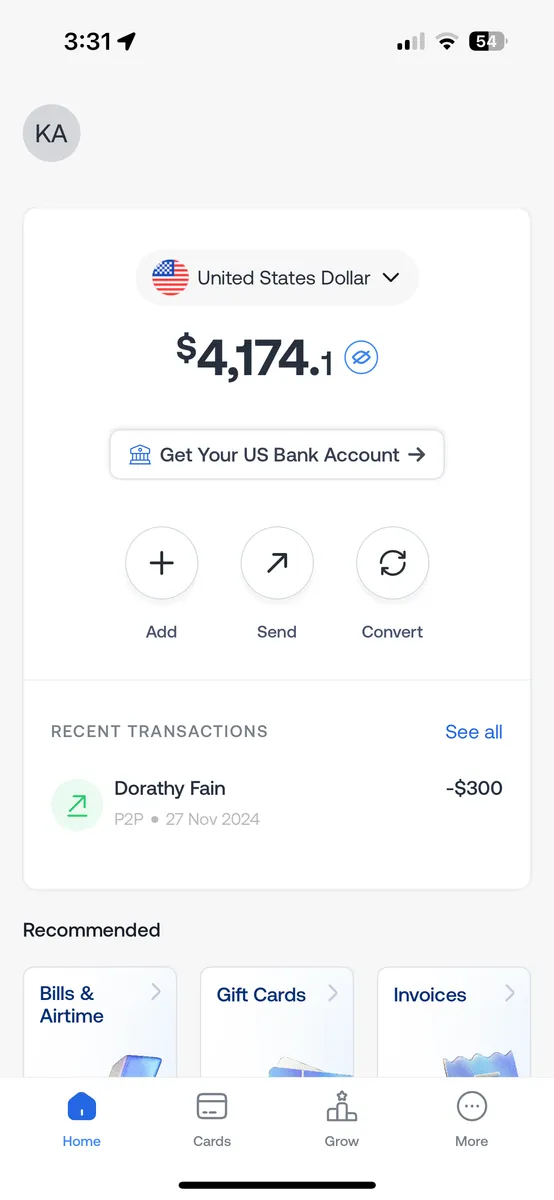
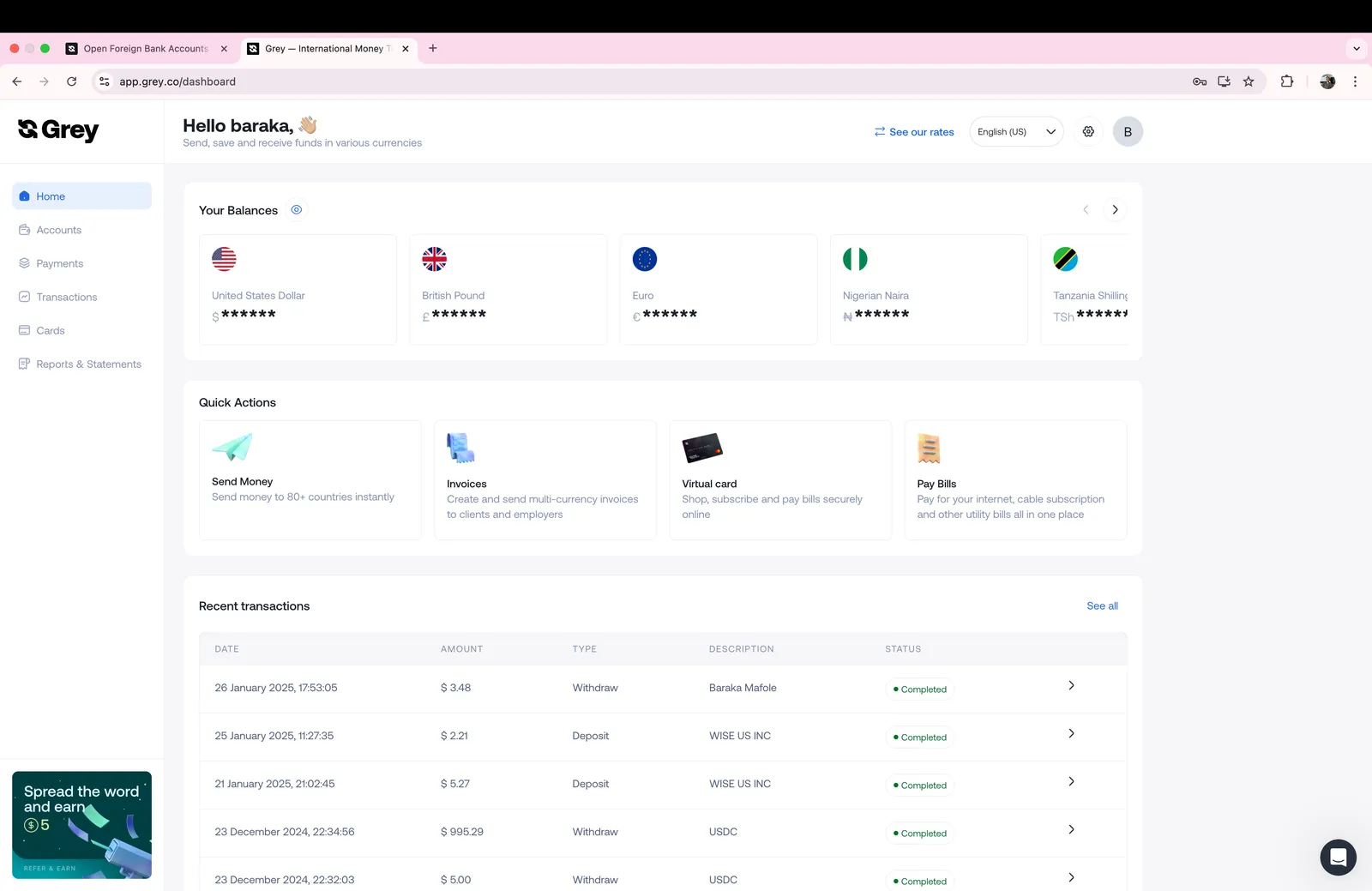
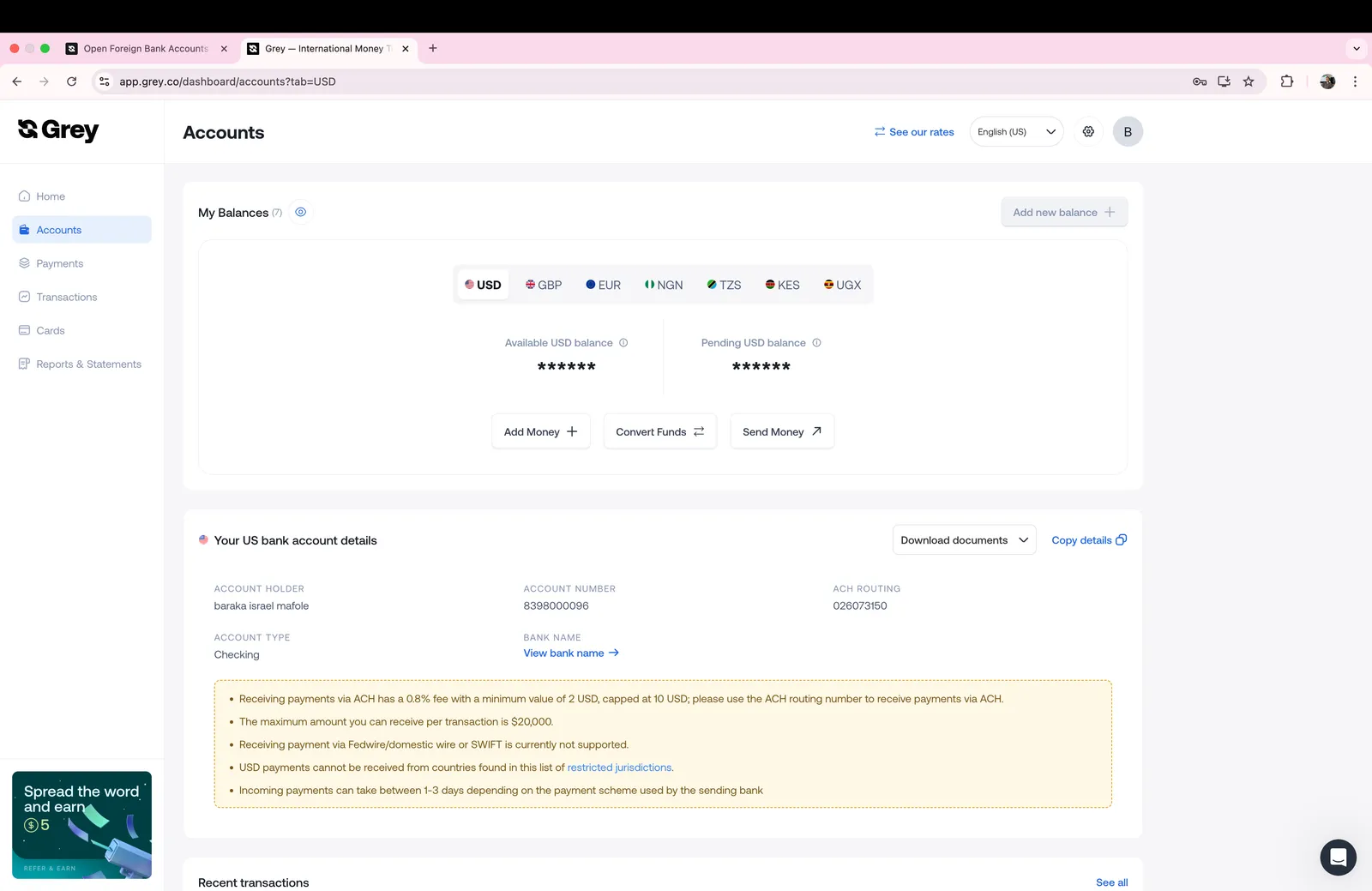
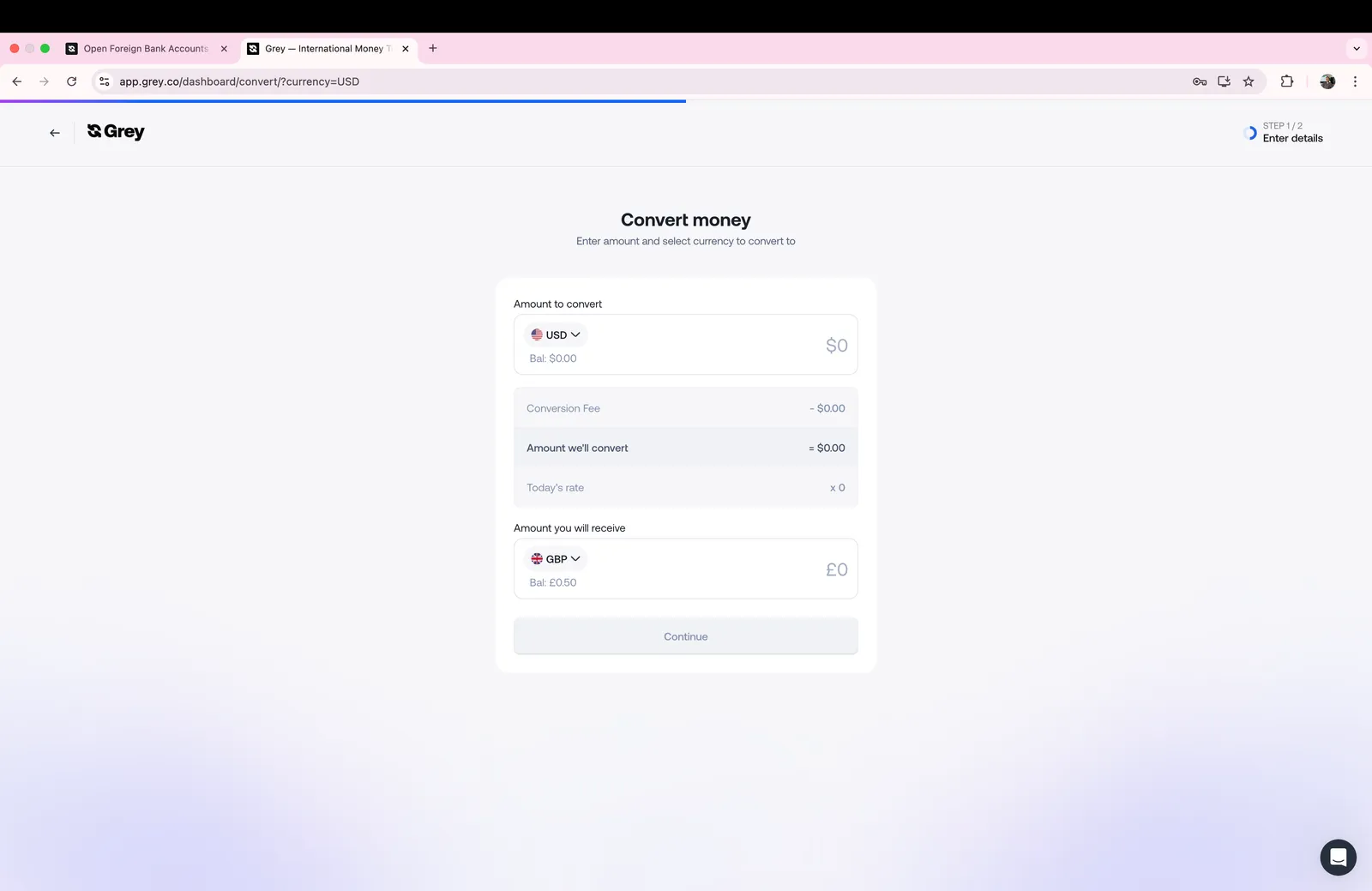
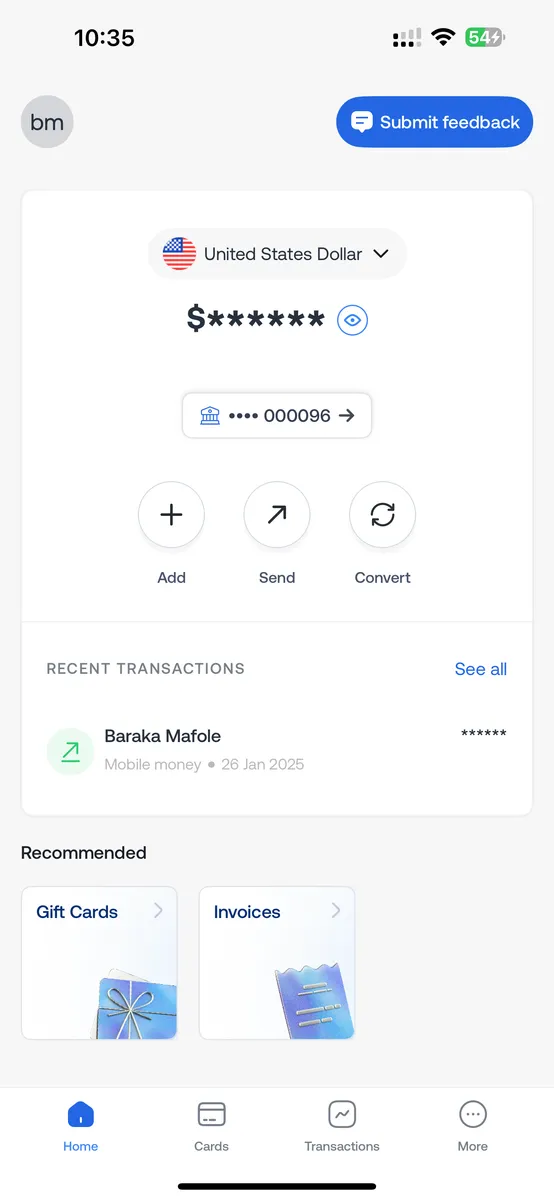
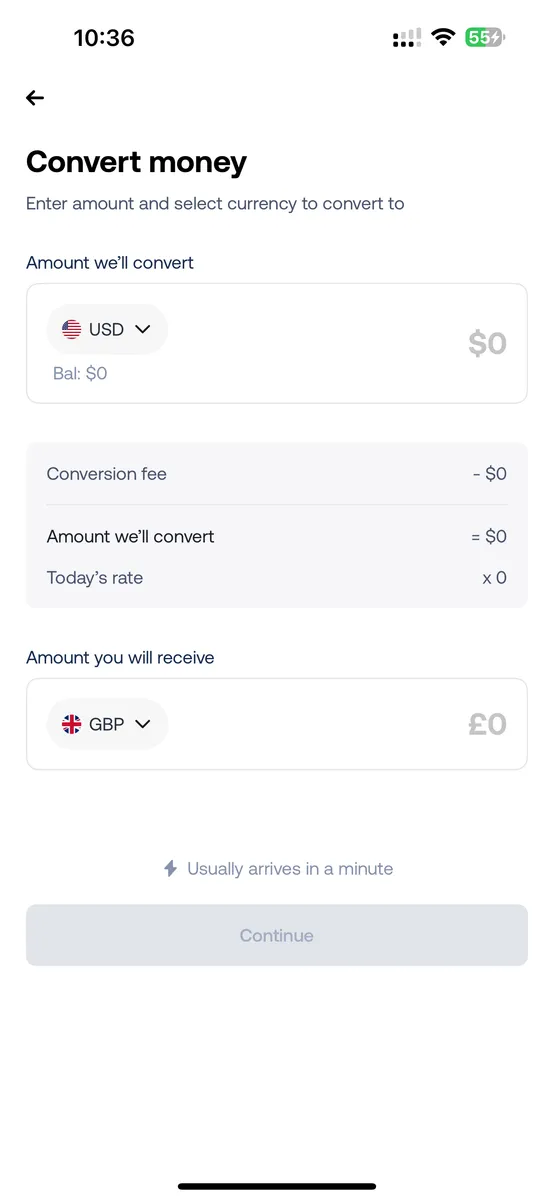
If you work with international clients, invoice them in the currency they normally pay in rather than converting your prices into your local currency. This makes pricing clearer for clients and helps you avoid unnecessary exchange losses. Grey lets you receive and hold USD, GBP, and EUR in one multi-currency account, so payments from clients in different countries arrive in one place. You can then decide when to convert your funds, giving you greater flexibility and a clearer view of your freelance income across every client.
When should you fire a freelance client?
Not every client is worth keeping. A long-term relationship should be profitable, respectful, and sustainable. If one client consistently drains your time, affects your well-being, or prevents you from serving better clients, it may be time to end the relationship professionally.
- They repeatedly pay late: Occasional delays happen, but habitual late payments disrupt your cash flow and force you to spend time chasing invoices. If reminders, revised payment terms, and clear deadlines make no difference, the relationship is no longer financially reliable.
- They constantly expand the scope: Every project grows beyond the agreed-upon brief, yet they resist paying for additional work. Regular scope creep reduces your effective hourly rate and leaves less time for higher-value clients who respect agreed deliverables.
- The work is no longer profitable: Your rates have increased, but the client still expects old pricing or excessive revisions. If the project consistently delivers low margins compared with other work, keeping the client could be costing you more than you realise.
- Communication has broken down: Constant last-minute requests, unrealistic expectations, or disrespectful behaviour create unnecessary stress. A healthy client relationship depends on clear communication and mutual respect, not constant conflict.
Note: End the relationship politely, give reasonable notice where appropriate, complete any agreed work, settle outstanding invoices, and thank the client for the opportunity.
Frequently asked questions
How many freelance clients should I have at once?
There is no ideal number. The right workload depends on your capacity, project size, and systems. If you consistently meet deadlines, communicate well, and still have room for new enquiries, your workload is manageable. If quality drops or you constantly work overtime, you have probably taken on too many clients.
Should clients know that I work with other freelancers or businesses?
Yes, but there is rarely a need to bring it up unless asked. Most clients expect freelancers to have multiple projects. What matters is delivering work on time and maintaining confidentiality. A professional client values reliable results more than whether they are your only customer.
What should I do if two clients have the same deadline?
Review both project scopes immediately and prioritise based on urgency and contractual commitments. If a conflict cannot be avoided, communicate early with one client rather than missing both deadlines. Most clients appreciate advance notice far more than unexpected delays on the delivery date.
What is the best client management tool for freelancers?
The best tool is one you will actually use consistently. Notion, Trello, and Asana are excellent for tracking projects and deadlines, while a simple spreadsheet works well for smaller workloads. Choose a system that gives you one clear view of every client and project.
How do I manage clients across different time zones?
Set clear working hours and communicate your availability before the project begins. Use scheduling tools like Calendly to avoid confusion, and agree on response-time expectations. Delivering work consistently matters more than replying instantly, especially when clients are spread across several countries.
What is the easiest way to receive payments in different currencies?
Invoice clients in the currency they normally pay in whenever possible. Using a multi-currency account such as Grey allows you to receive and hold USD, GBP, and EUR in one place, making it easier to manage international payments and decide when to convert your funds.
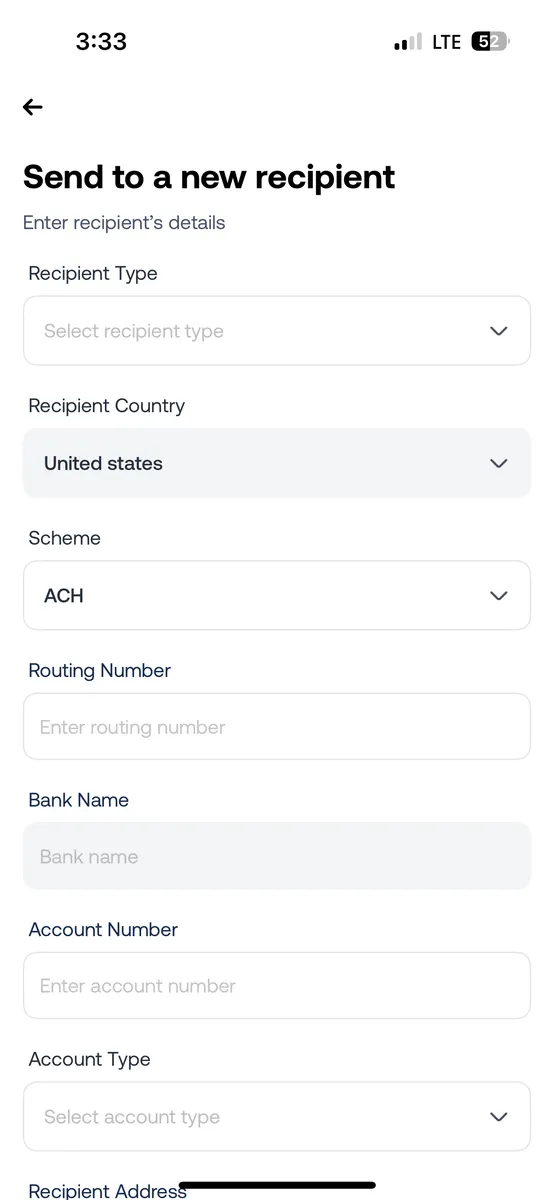
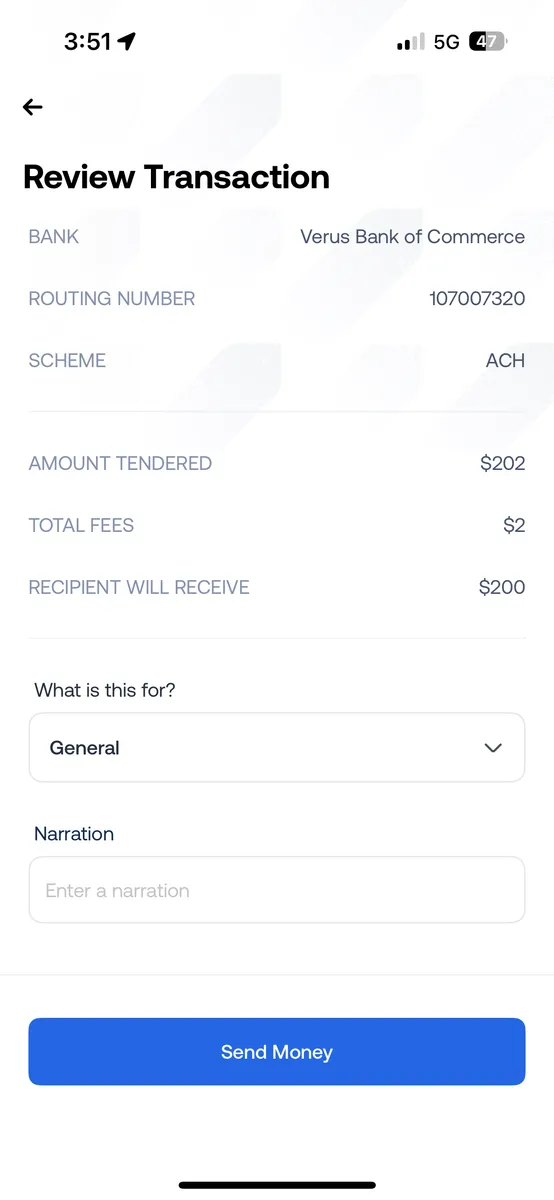
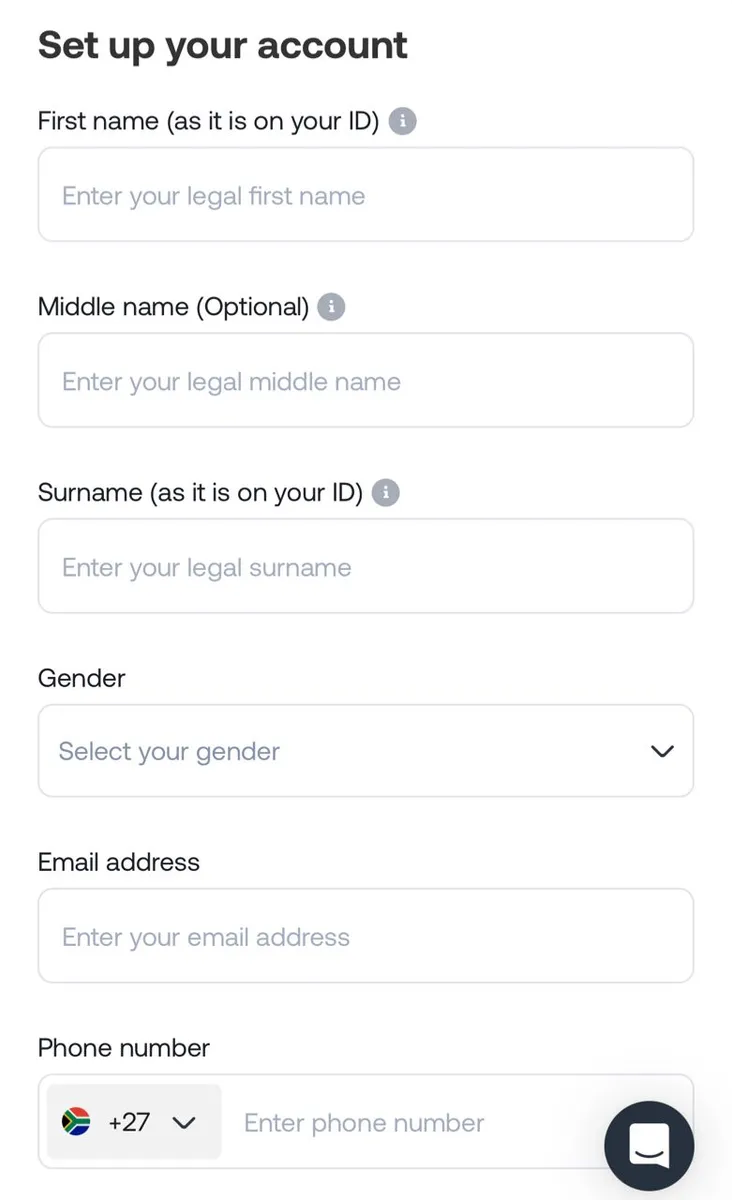
Managing multiple freelance clients becomes much easier when your workflow and finances are equally organised. While good systems keep your projects on track, Grey helps you manage your international payments in one place. Open a Grey account or download the app today to receive and hold USD, GBP, and EUR









.svg)


