
How expats are saving hours each week with Grey

Adeolu Titus Adekunle

TABLE OF CONTENT

SHARE THIS POST

Managing international transactions as an expat in a foreign country can be tricky. Many expats end up wasting time in banking halls, on support call lines, or chasing delayed payments. This can impact your productivity and consume your work hours.

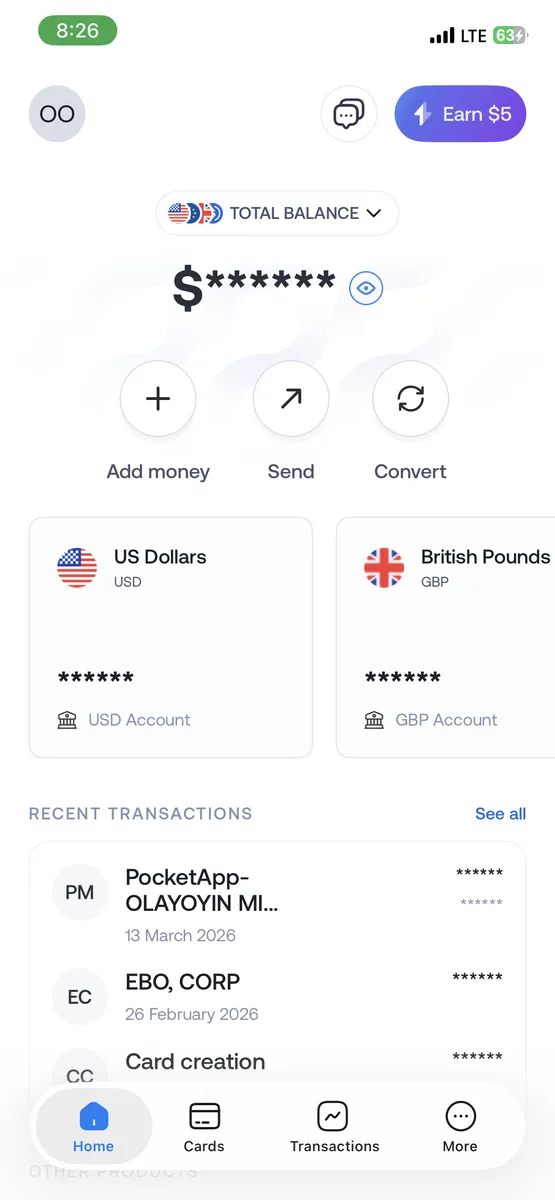
Grey helps expats manage international payments more easily with multi-currency accounts, simple sign-up, and quick transfers. In this article, you’ll see how expats are saving hours each week by using Grey.

Also read: Managing money across countries as an expat: A complete guide

Multicurrency accounts

Expats often need to manage different currencies. Traditional banks usually require you to open a separate account for each one, sometimes at different banks, which can be time-consuming. With Grey, you can open multi-currency accounts in EUR, GBP, and USD in just a few minutes. This means you can handle all your main currencies in one place and save time.

Easy onboarding

Opening an account with Grey is simple and secure. All you need is a valid ID, proof of address, and a photo. You can sign up online without having to visit a bank or fill out lots of paperwork.

Fast transfers

With Grey, international transfers usually take just minutes or a few hours. This makes it a great option if you need to send money quickly. Traditional banks can take days to process cross-border payments, which can cause delays.

Accessible customer support

With Grey, you can reach customer support anytime you need help. This means you don’t have to wait in long lines or spend hours on hold to get your questions answered.

Swift currency conversion

Grey offers instant currency conversion at competitive exchange rates within the app. This is quicker and more accessible than traditional banks and exchange services.

Also read: Expat banking 101: Opening an account before relocation

Managing international transactions with Grey

Time matters for expats. Whether you’re working, travelling, or staying in touch with family, saving time on banking can make a real difference. Grey helps you avoid delays with seamless onboarding processes, multi-currency accounts, low-cost transactions, and competitive exchange rates. By simplifying cross-border payments, Grey is helping expats focus on what really matters.

Get started on Grey today for seamless international transactions.

Last updated:

June 15, 2026

Open a free Grey account to get startedJoin 1 million digital nomads
IF YOU ENJOYED THIS, CHECK THESE OUT

Going Abroad? Here’s your international travel checklist

2 min read

International trips come with a longer to-do list than most of us realise.

There are the obvious things, like checking your passport and packing your clothes. Then there are the things you might only remember at the last minute: travel insurance, an adapter, mobile data, copies of your documents or a card that works in another country.

So, instead of trying to keep all of that in your head, use this international travel checklist to work through it before you leave.

It covers your travel documents, health and insurance, packing, phone and connectivity, and money, so you can check each one off as you prepare.

What travel documents do you need for an international trip?

Your passport is the obvious one, but there may be several other documents you need before you can travel.

Start by checking the entry requirements for your destination based on your nationality. Some countries allow visa-free visits, while others require a visa or electronic travel authorisation before arrival. Your passport may also need to remain valid for a certain period beyond your travel dates.

Do this early rather than assuming you can sort everything a few days before your flight. Depending on the destination, getting the right visa or travel authorisation can take time.

Before you travel, check that you have:

  • A valid passport
  • The visa or travel authorisation required for your destination
  • Flight confirmations and your itinerary
  • Accommodation confirmations
  • Proof of onward or return travel, if required
  • Any additional documents requested at immigration
  • Digital or paper copies of important documents

It’s a good idea to keep copies of your passport, visa and other important documents somewhere separate from the originals. Having digital copies you can access from another device can also be useful if your phone or physical documents are lost.

If your journey includes a connection in another country, check its transit requirements too. Depending on your nationality and itinerary, you may need additional documentation even if you’re only changing planes.

What health and insurance preparations should you make?

Nobody wants to spend the weeks before a holiday thinking about getting sick. Still, a little preparation here can make a big difference if something does happen while you’re away.

Check the health requirements and recommendations for your destination well before departure. Depending on where you’re travelling, you may need certain vaccinations or proof of vaccination to enter.

The World Health Organization provides travel health information, but you should also check official guidance for your destination and speak to a healthcare professional if you have questions about vaccinations or medication.

Add these to your checklist:

  • Check vaccination requirements and recommendations
  • Arrange travel insurance
  • Pack enough prescription medication for your trip
  • Keep medication in its original packaging where possible
  • Bring copies of prescriptions or supporting medical documents if needed
  • Check whether your medication is restricted at your destination
  • Save your travel insurer’s emergency contact details

Travel insurance is also worth arranging before you leave. Policies vary, so check what yours actually covers, particularly medical treatment, cancellations, delays and lost belongings.

If you take prescription medication, don’t assume you can simply buy more when you arrive. Rules around medication vary between countries, and some medicines that are commonly available at home may be controlled elsewhere.

What should you pack for international travel?

Packing depends heavily on where you’re going and what you’ll be doing there, but there are a few essentials that belong on almost every travel checklist for international travel.

Start with what you’ll genuinely use rather than trying to prepare for every possible scenario. Check the weather forecast shortly before you pack and think about your plans for each day. A beach holiday, work trip and week of hiking obviously call for very different suitcases.

For the basics, check off:

  • Clothes appropriate for the weather and your plans
  • Comfortable shoes
  • Toiletries
  • Prescription medication
  • Phone and other devices
  • Chargers and cables
  • A travel adapter for your destination
  • Headphones
  • Reusable water bottle, if useful for your trip
  • Any destination-specific essentials

Your carry-on deserves its own mini checklist. Keep anything difficult or expensive to replace with you rather than putting it in checked luggage.

That includes:

  • Passport and travel documents
  • Wallet and cards
  • Phone
  • Medication
  • Valuables
  • Chargers
  • A change of clothes and basic toiletries

If your checked bag is delayed, having the essentials with you can make the first day of your trip considerably easier.

And check your airline’s baggage rules before packing. Cabin bag dimensions, weight allowances and restrictions can vary between airlines and ticket types.

How can you stay connected while travelling abroad?

Working out how you’ll get online is much easier before you arrive than after you land and discover your usual mobile plan charges a small fortune for roaming. International roaming is one option, and for short trips it may be convenient. But depending on your mobile provider and destination, it can be expensive.

A local SIM is another option. You can usually buy one at the airport, a mobile shop or convenience store after arrival, although you may need to show identification and physically swap your existing SIM.

If your phone supports it, an eSIM gives you another option. It’s digital, so there’s no physical SIM to insert or remove. You can buy a data plan for your destination and set it up on your phone, sometimes before you even leave home.

Before travelling, check:

  • Your mobile provider’s international roaming rates
  • If your phone is unlocked
  • Which phones support eSIM
  • How much data you expect to use
  • Coverage at your destination
  • That your eSIM or roaming plan is ready before arrival

If you’re an iPhone user, you can also check how to activate an eSIM on iPhone before your trip. It’s worth downloading anything important while you still have reliable Wi-Fi too. Save your boarding passes, accommodation details, maps and transport information offline where possible.

That way, you’re not completely dependent on finding airport Wi-Fi the moment you arrive.

How should you manage money when travelling abroad?

Money deserves a little more planning than simply checking that there’s enough in your bank account.

Before travelling, think about what currency you’ll need, how you’ll pay for everyday purchases and what you’ll do if your main payment method doesn’t work.

Start with:

  • Check the local currency at your destination
  • Find out how widely cards are accepted
  • Check your card’s foreign transaction and currency conversion fees
  • Make sure your card can be used internationally
  • Have a backup payment method
  • Keep a small amount of local cash if useful
  • Check ATM fees and withdrawal limits
  • Avoid keeping all your cards and cash in the same place

Having a card that works abroad can make everyday spending easier, particularly if you’re travelling between countries or paying in different currencies.

It can also be useful to hold multiple currencies rather than converting money every time you need to make a payment. With Grey, you can hold supported currencies in your account and use your Grey Card for international payments.

Before paying, always check which currency you’re being charged in. Some shops, hotels and ATMs may offer to convert the transaction into your home currency. The rate offered may differ from the rate your card provider would use, so check the amount and conversion before accepting it.

Your card can also be useful before the trip itself. From booking activities to paying on international sites, having an international payment method gives you more flexibility when arranging things in advance.

It’s still sensible to travel with a backup. Keep another card or some emergency cash somewhere separate from your main wallet so one lost wallet doesn’t leave you without access to money.

Your international travel checklist before you leave

A few days before your trip, do one final run-through.

  • Passport is valid and packed
  • Visa or travel authorisation is approved
  • Flights and accommodation are confirmed
  • Important documents are saved offline
  • Travel insurance is active
  • Medication is packed
  • Clothes and essentials are ready
  • Travel adapter and chargers are packed
  • Roaming, SIM or eSIM is sorted
  • Offline maps and important information are downloaded
  • Your main card works internationally
  • You have a backup way to access money
  • You have any local cash you want to carry

You don’t need to prepare for every possible thing that could happen while you’re away. The aim is simply to take care of the things you can sort in advance, so you’re not trying to solve them from an airport terminal or hotel lobby.

Frequently asked questions about preparing for international travel

What should be on an international travel checklist?

Your international travel checklist should cover your passport and other travel documents, visas, health requirements, travel insurance, medication, clothing, chargers and adapters, phone connectivity and how you’ll access and spend money abroad.

You can also add destination-specific items based on the weather, activities you have planned and local entry requirements.

What documents do I need for international travel?

At a minimum, you’ll need a valid passport. Depending on your nationality and destination, you may also need a visa or travel authorisation, proof of accommodation, a return or onward ticket and other supporting documents.

Always check the official entry requirements for your destination before travelling.

Should I get travel insurance for an international trip?

Travel insurance can help cover unexpected costs related to medical treatment, cancellations, delays, lost luggage and other problems, depending on your policy.

Read the terms carefully before buying so you know exactly what is and isn’t covered.

How do I get mobile data abroad?

You can use international roaming from your existing mobile provider, buy a physical SIM at your destination or use an eSIM if your phone supports one.

Compare the cost, data allowance and coverage of each option before choosing.

What is the best way to spend money abroad?

The best option depends on your destination and how you prefer to pay. A card that supports international payments can be useful for everyday purchases, while a small amount of local cash can help in places where cards aren’t accepted.

It’s also a good idea to have a backup payment method and check any currency conversion or international transaction fees before travelling.

How early should I prepare for an international trip?

Start checking passport validity, visa requirements and vaccinations as soon as you know where you’re travelling, as some applications and health preparations can take weeks or longer. Packing, connectivity and spending arrangements can usually be handled closer to departure, but sorting them a few days in advance gives you time to fix any problems.

With the practical details taken care of, there’s one less thing competing for your attention when your trip begins.

Get a Grey virtual card before you travel and have a way to pay when you’re abroad.

Moving abroad checklist: 6 Essential considerations for a smooth transition

2 min read

Moving abroad is a great way to step out of your comfort zone and gain new experiences. You get to learn about other cultures, meet new people, and expand your career prospects.

However, before taking this step, you must plan to ensure the relocation process happens smoothly and carefully. So, in this post, we’ll guide you through some important things to consider before making the big move.

Visa requirements:

Understanding the visa process is a big first step when relocating to a new country. You need to know the requirements, eligibility, and costs to be incurred. Since eligibility criteria vary by country, you must consult immigration websites to confirm your eligibility for a visa before starting your application.

Also read: Visa 101: A Comprehensive Guide to Different Types Of Visas

Also, ensure that you choose the right visa type when applying, as this directly influences your duration of stay and the opportunities available to you.

Work opportunities:

While you might have some savings to support you after moving, you will need a job to help you live comfortably. That’s why, before you move to a new country, you should consider the following:

  • Employment rate
  • Skills in demand
  • Language requirements
  • Professional qualifications and credentials
  • Salary and employment benefits
  • Work visa requirements.

By understanding the job market dynamics of your destination country, you can improve your chances of finding opportunities that best suit your skills and interests.

Also read: Best Countries to Work in Europe in 2024

Taxes:

Taxes are another essential factor to consider when relocating. Because each country collects taxes differently, you have to understand the implications of moving abroad to ensure compliance with tax laws in both countries. Doing this protects you from double taxation and helps you better plan and manage your finances. Other vital things to consider include:

  • Residency status: The amount of tax paid may vary depending on whether you’re considered a resident in your home or new country. For instance, some countries, like the United States, tax residents based on their worldwide income, while others only tax income earned within their borders.****
  • Tax treaties: A tax treaty is a written agreement between two countries to avoid double taxation and provide relief to taxpayers. So, before relocating, confirm if there are tax treaties between your home country and the new country to understand how it might affect your tax situation.
  • Reporting requirements: You must familiarize yourself with what you need to report for taxes in your home country and your new country. Reporting requirements might include filing tax returns and reporting income and assets. Not doing this right can lead to fines or more serious legal penalties.

Cost of living:

Before relocating, consider how the cost of living in your new destination will affect your quality of life. Research expenses for accommodation, education, transportation, utility, healthcare, and food.

Knowing these costs in advance can help you make informed decisions about where to move. It can also help you prepare financially, avoiding unwanted surprises and stress.

Culture:

Another essential thing to consider before moving is the culture and lifestyle of your new location. By understanding the beliefs, customs, and values of your new location, you can avoid stereotypes, prejudices, and biases that might offend the locals.

It would help if you also tried to learn the language of your destination, as translation apps can only help you to a point. Doing this will make it easier for you to interact and form new relationships with people in your community.

Banking:

As a foreigner, opening an account in a new country might not be easy, so you need Grey—a global bank account that lets you receive, send, and exchange multiple currencies in one place.

In minutes, you can open a free US, EU, or UK bank account and live like a local anywhere. Open an account today to get started.

14 Canadian companies that sponsor work visas in 2026

2 min read

A Canadian job offer can be the first real step towards working and living in Canada, but not every employer is prepared to hire someone who needs immigration support. Knowing which companies regularly recruit international workers can save you time and help you focus your applications on employers with a realistic pathway to sponsorship.

Large employers and organisations across technology, healthcare, construction, agriculture, manufacturing and hospitality hire foreign workers frequently, especially for roles they struggle to fill locally. Depending on the position, an employer may need a Labour Market Impact Assessment (LMIA) before you can apply for a work permit. Other jobs can qualify through different immigration programmes without an LMIA. This guide highlights Canadian employers worth checking, what types of workers they hire and what to look for before applying.

Also read: How to register as self-employed in the UK and US

How Canadian work visa sponsorship works

A Canadian job offer does not automatically give you the right to work in Canada. For many employer-specific work permits, the process starts with an employer deciding that it needs to hire someone from outside Canada. In most cases, the employer must obtain a Labour Market Impact Assessment (LMIA), which confirms that there is a genuine need for a foreign worker and that suitable Canadians or permanent residents were not available.

The employer handles the LMIA process where one is required and, once approved, gives you the positive LMIA, job offer and employment contract needed for your work permit application. You then apply to Immigration, Refugees and Citizenship Canada (IRCC) and must meet the requirements for the permit and the job.

Not every job needs an LMIA. Some positions qualify for an exemption under Canada's International Mobility Program or another specific pathway, where the employer submits an offer through the Employer Portal instead.

Express Entry is a separate route to permanent residence for skilled workers. A job offer can still matter for eligibility in some programmes, although Canada removed CRS points for job offers from 25 March 2025

Which Canadian companies sponsor work visas?

The companies below operate in sectors where Canada regularly recruits international talent. However, sponsorship is not automatic: whether a company can support your work permit depends on the specific vacancy, location, employer requirements and immigration programme. Always check the individual job posting and the employer’s current hiring policy before applying.

Technology

  • Google Canada: Software development, artificial intelligence and data science roles can attract international candidates, particularly where specialised technical skills are required.
  • Amazon Canada: Opportunities span cloud computing, software engineering, logistics technology and systems architecture across its Canadian operations.
  • Microsoft Canada: Technical roles in software, cloud services, research and enterprise technology can appeal to experienced international professionals.

Healthcare

  • Alberta Health Services: A major healthcare employer recruiting internationally for roles including registered nurses, physicians and other healthcare professionals.
  • Ontario Health: Supports Ontario’s healthcare system, with opportunities across nursing, clinical and specialised healthcare positions.
  • Vancouver Coastal Health: Offers roles across hospitals, community care and allied health services in British Columbia.

Trades and construction

  • PCL Construction: Large infrastructure and building projects create opportunities for experienced construction professionals, supervisors and project managers.
  • EllisDon: Employs workers across construction, infrastructure and specialised trades on major Canadian projects.
  • Magna International: Automotive manufacturing creates demand for skilled technicians, mechanics, engineers and production specialists.

Agriculture

  • Cargill Canada: Its food and agricultural operations create opportunities across processing, production, maintenance and agricultural supply chains.
  • Maple Leaf Foods: Food production facilities recruit for manufacturing, processing, maintenance and operations roles.
  • Highline Produce: Agricultural operations provide opportunities in farming, food production and seasonal agricultural work.

Hospitality

  • Fairmont Hotels & Resorts: International applicants may find opportunities across culinary, hotel operations, management and guest services.
  • Marriott Canada: Hotel properties recruit across hospitality management, food service, housekeeping and guest-facing positions.
  • Holiday Inn Express: Individual Canadian properties may recruit internationally for hospitality and operational roles where local labour shortages exist.

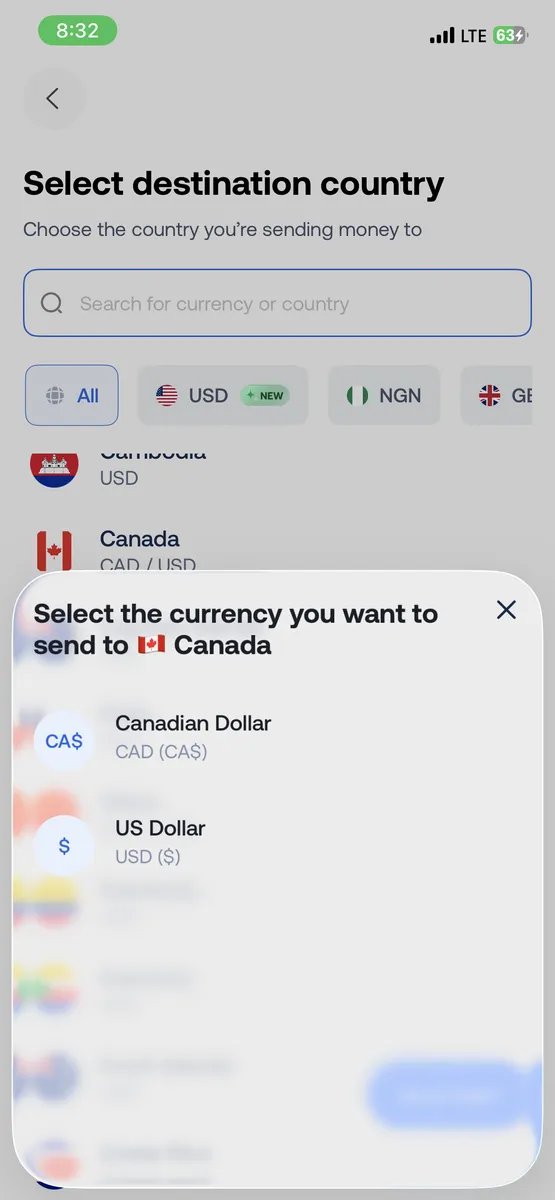
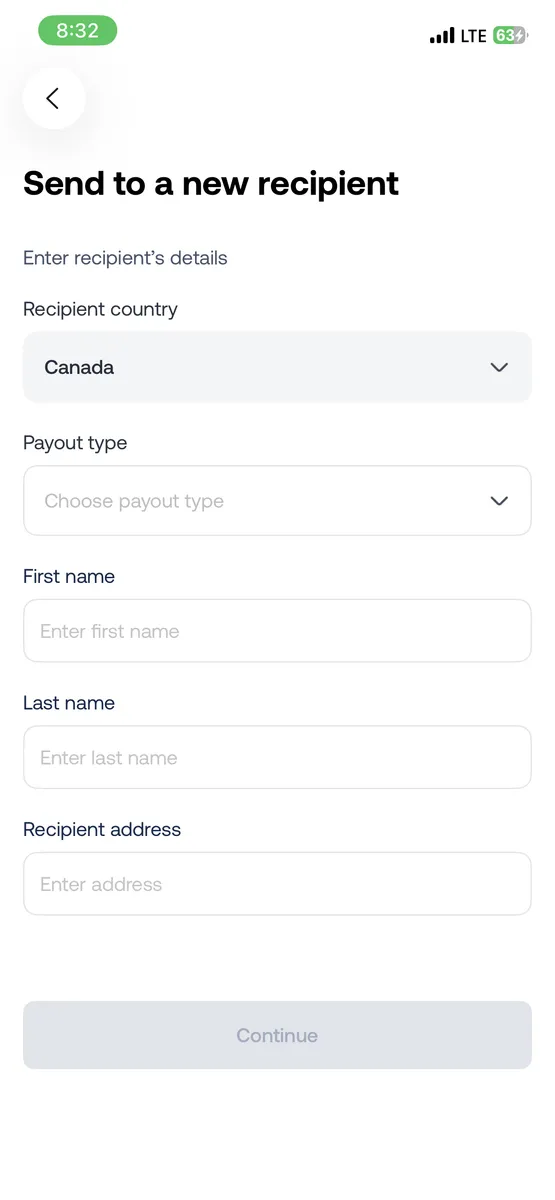
Also read: How to send Canadian dollars (CAD) to Canada with Grey

Which industries in Canada are most likely to sponsor foreign workers?

Canada’s strongest sponsorship opportunities tend to appear in industries where employers struggle to find enough qualified workers locally. The exact route still depends on the job, employer and immigration programme, but these sectors are worth watching closely when searching for sponsored roles.

Healthcare

Canada’s ageing population continues to increase demand for healthcare workers, creating opportunities for international professionals.

Qualifying roles include:

  • Registered nurses
  • Physicians
  • Home care aides
  • Medical laboratory technicians

Technology

Canada’s growing digital economy has increased demand for specialised technical skills, particularly in areas where employers face talent shortages.

Qualifying roles include:

  • Software engineers
  • Data scientists
  • Cybersecurity analysts
  • Cloud architects

Trades and construction

Housing, infrastructure and commercial development continue to create demand for skilled tradespeople across Canada.

Qualifying roles include:

  • Industrial electricians
  • Structural welders
  • Commercial carpenters
  • Heavy machinery mechanics

Agriculture

Farms and food-processing businesses can struggle to recruit locally, particularly for seasonal work and positions in rural areas.

Qualifying roles include:

  • Agricultural mechanics
  • Food processing workers
  • Farm supervisors
  • Harvesting workers

Hospitality

Hotels, restaurants and tourism businesses often experience high staff turnover, particularly in busy tourism destinations.

Qualifying roles include:

  • Executive chefs
  • Restaurant supervisors
  • Hotel operations managers

How to apply for a Canadian job with visa sponsorship

  • Finding listings: Search Canada’s Job Bank for employers hiring temporary foreign workers and look specifically for roles where international candidates are considered. An LMIA is not guaranteed simply because a company appears on a sponsorship list.
  • Fix your CV: Keep your CV clear and tailored to the Canadian job description. Highlight relevant experience, qualifications, licences and measurable achievements, and make sure your claims match the role you are applying for.
  • Get the offer: Once selected, the employer handles the LMIA where required. After receiving a positive LMIA, you should receive the LMIA number, job offer and employment contract needed for your work permit application.
  • Prepare documents: Expect to provide your résumé, work references, proof of experience, qualifications, identification and other documents from your personalised IRCC checklist. Regulated jobs may also require licences or certifications.
  • Apply and wait: Submit your work permit application to IRCC after receiving the required employer documents. Processing times vary; June 2026 LMIA averages ranged from 9 days for the Global Talent Stream to 79 days for high-wage applications.

How to get paid in Canadian dollars and send money home

Most Canadian employers pay salaries through payroll, with your wages deposited directly into a Canadian bank account in CAD. For example, if your monthly salary is CAD 5,000, that money arrives in your account as Canadian dollars, ready for rent, bills and everyday spending.

A multi-currency account such as Grey can be useful when you need to move some of your money into another currency. Grey lets you hold and convert supported currencies from one account, so you can move CAD into USD, EUR or another supported currency when needed. You can convert currencies at mid-market rates with Grey.

For Nigerians working in Canada, the process can be much simpler when it is time to send money home. You can use Grey to send money to Canada at competitive prices, rather than converting your Canadian dollars into another currency first and then converting again into naira. This can help avoid unnecessary conversion costs.

Frequently asked questions

What is an LMIA?

A Labour Market Impact Assessment (LMIA) is a government assessment that helps determine whether hiring a foreign worker will positively affect Canada’s labour market. A positive LMIA confirms that no Canadian worker was available and the employer needs foreign talent.

Do I need a job offer first?

For most employer-specific work permits, yes. If your position requires an LMIA, you need a Canadian employer, job offer and positive LMIA before applying for the work permit. Some LMIA-exempt routes work differently and require an employment contract and offer number instead.

Which companies sponsor foreign workers?

Canadian employers in healthcare, technology, construction, agriculture and hospitality commonly recruit internationally where skills are difficult to find locally. Companies such as Google Canada, Amazon Canada, Alberta Health Services and PCL Construction are worth researching, but sponsorship depends on the specific vacancy.

How long does the process take?

There is no single timeline because LMIA and work-permit processing are separate stages. In June 2026, average LMIA processing ranged from 9 business days for Global Talent Stream applications to 79 days for high-wage applications. Work-permit processing then depends on IRCC.

Can I bring my family?

Your spouse or partner and eligible dependent children may be able to apply alongside you, depending on their circumstances and your work permit. Family members have separate eligibility requirements, and some may qualify for an open work permit.

How do I send money home from Canada?

Once you are earning in Canada, Grey can help you manage supported currencies and send money internationally. For Nigeria, you can convert supported funds into NGN and send naira directly to a Nigerian bank account through Grey

How to open a bank account in India as a non-resident

2 min read

India’s banking system has a structured framework for non-residents, built around three specific account types: NRE, NRO, and FCNR. Each serves a different purpose, holds currency differently, and comes with different tax and repatriation rules.

For those who can’t easily open a resident Indian account, whether tourists, short-stay visitors, or freelancers earning internationally, understanding how freelancers in India receive international payments without a local account is often a more practical starting point.

This guide covers who qualifies for which account, what documents you need, how to open one from overseas, and what to do if the Indian banking system isn’t accessible to your specific situation.

Can a foreigner open a bank account in India?

Yes, but the type of account you can open depends on your status.

India’s banking rules, governed by the Foreign Exchange Management Act (FEMA) and administered by the Reserve Bank of India (RBI), draw a clear line between residents and non-residents. Your residency status determines which accounts are available to you, what currency they hold, and how freely you can move money in and out.

Non-Resident Indians (NRIs) are Indian citizens who live outside India for more than 182 days in a financial year. They can open NRE, NRO, and FCNR accounts.

Overseas Citizens of India (OCIs) hold a special status that gives them most of the banking rights of NRIs. OCIs can open NRE, NRO, and in some cases FCNR accounts at most major Indian banks.

Foreign nationals of non-Indian origin face more restrictions. They generally cannot open NRE accounts, which are reserved for those of Indian origin. They can typically open NRO accounts if they have legitimate India-sourced income, or resident accounts if they are living in India on a long-term visa (employment, student, business).

If you are not an NRI or OCI, you typically need a work visa or business visa to open a resident account. Tourists and short-stay visitors have a specific, limited option covered in the section below.

One critical compliance point: under India’s FEMA regulations, once you become an NRI you are not permitted to keep an ordinary resident savings account. It must be converted to an NRO account or closed.

Types of Indian bank accounts for non-residents: NRE, NRO, and FCNR

India’s RBI has established three types of non-resident deposit accounts. Each serves a different function. Understanding the difference before you apply saves significant paperwork and avoids compliance mistakes later.

Feature NRE account NRO account FCNR(B) account
Full name
Non-Resident External Non-Resident Ordinary Foreign Currency Non-Resident (Bank)
Currency held
Indian rupee (INR) Indian rupee (INR) Foreign currency (USD, GBP, EUR, others)
Who can open it NRIs and OCIs (generally not foreign nationals without Indian origin) NRIs, OCIs, and foreign nationals with India-sourced income NRIs (limited access for non-Indian-origin foreigners)
Funded by Foreign earnings remitted to India India-sourced income (rent, dividends, pension) and foreign remittances Foreign earnings; deposited in the original foreign currency
Repatriation Fully and freely repatriable (principal and interest) Up to USD 1 million per financial year (with Forms 15CA/15CB) Fully repatriable
Interest tax in India
Tax-free in India Taxable; TDS applies Tax-free in India for eligible account holders
Exchange rate risk
Yes (converted to INR on deposit) Yes (held in INR) No (held in foreign currency)
Joint account with resident Indian Allowed on "former or survivor" basis Allowed Allowed on "former or survivor" basis
Best for Parking foreign savings in India; repatriating freely Managing rent, dividends, or Indian pension Avoiding rupee depreciation risk on large foreign currency savings

NRE accounts are ideal for repatriable foreign savings. NRO accounts are for India-sourced income. FCNR accounts are for holding dollar savings with no foreign exchange risk. Most NRIs end up with a combination: an NRE and NRO pair (very common), and an FCNR deposit if they want currency protection.

One common mistake worth naming explicitly: income earned in India, such as rent, dividends, or pension, cannot be credited to an NRE account. This is a frequent error. Such income must go into an NRO account.

What documents do you need to open a bank account in India?

The document requirements vary by account type and your specific status, but the core requirements are consistent across major Indian banks.

For NRIs and OCIs opening NRE or NRO accounts:

  • Valid passport (Indian passport for NRIs; foreign passport for OCIs)
  • OCI card or PIO card (for OCIs and Persons of Indian Origin)
  • Proof of NRI or OCI status
  • Proof of overseas address: a utility bill, bank statement, or official document from your country of residence, typically dated within 90 days
  • Passport-size photographs (two to four, depending on the bank)
  • PAN card or Form 60 (PAN is required for most account operations and is strongly recommended)
  • Visa copy (where applicable)

For foreign nationals opening NRO accounts:

  • Valid passport
  • Valid visa (tourist, employment, or business, depending on circumstances)
  • FRRO registration certificate, where required (foreigners staying more than 14 days on certain visa types must register with the Foreigners Regional Registration Office)
  • Proof of Indian address or overseas address
  • PAN card (required for transactions above INR 50,000)

Practical notes on documentation:

Indian banks are thorough in their KYC (Know Your Customer) requirements. Bring originals and multiple self-attested photocopies of every document. Incomplete submissions are the primary reason account applications are delayed or rejected. Some banks accept applications and documents by post or courier for NRIs opening accounts from abroad; others require either an in-person visit to an Indian branch or an in-person visit to an overseas representative office of the bank.

How to open an Indian bank account from overseas: step by step

Many major Indian banks allow NRIs and OCIs to begin the account opening process from abroad, though the extent to which the full process can be completed remotely varies by bank.

  1. Choose your account type. Decide whether you need an NRE, NRO, or FCNR account based on the nature of your India-related income and whether you need full repatriation. For most NRIs starting out, an NRE account is the first account to open, with an NRO account added if you have India-sourced income.
  2. Choose your bank. Major Indian banks with strong NRI services include State Bank of India (SBI), HDFC Bank, ICICI Bank, and Axis Bank. HDFC and ICICI are frequently cited for their digital onboarding capabilities and NRI-dedicated customer service teams. SBI has the broadest branch network globally through its overseas offices.
  3. Gather your documents. Compile passport, visa or OCI card, overseas address proof, PAN card, and photographs. Have originals ready, and prepare multiple self-attested photocopies.
  4. Begin the application. ICICI and HDFC both offer online application forms for NRI accounts that can be started from outside India. You will typically fill in personal and financial details, upload document scans, and then submit physical originals by courier to the bank’s NRI processing centre.
  5. Complete KYC verification. Some banks accept in-person verification at their overseas representative offices or partner banks. Others require a visit to an Indian branch, which many NRIs complete during a trip to India. NRI accounts typically take 1 to 3 weeks to open once the full documentation is submitted.
  6. Fund the account. For NRE accounts, fund by remitting foreign currency from your overseas bank account. The bank converts the amount to INR at the prevailing rate. For NRO accounts, fund via foreign remittance or by crediting India-sourced income.
  7. Set up UPI and internet banking. Once the account is active, link it to UPI for local payments in India. The RBI now allows NRIs from select countries to use UPI with international SIM cards, which is useful for payments during visits to India.

Can a tourist or visitor open a bank account in India?

Yes, but with significant restrictions.

Foreign tourists during their short visit to India can open a Non-Resident (Ordinary) Rupee (NRO) account at any bank dealing in foreign exchange. Such an account is valid for a maximum period of six months.

Funds remitted from outside India through banking channels, or obtained by the sale of foreign exchange brought by the tourist to India, can be credited to this account. Tourists can freely make local payments through the NRO account, with all payments to residents exceeding INR 50,000 required to be made by cheque, pay order, or demand draft.

Banks can convert the balance in the account into foreign currency for payment to the account holder at the time of departure from India, provided the account has been maintained for no more than six months and has not been credited with any local funds other than interest. If the account runs beyond six months, repatriation requires an application to the RBI’s Foreign Exchange Department.

For most tourists and short-stay visitors, this level of complexity outweighs the benefit of a temporary Indian bank account. Practical alternatives for tourists include carrying foreign currency cash, using an international debit card, or maintaining a multi-currency account that allows local spending in INR without needing a local bank relationship.

Can US citizens, NRIs, and OCIs open bank accounts in India?

US citizens

A US citizen can open a bank account in India, but the process depends on their India-related status and residency. A US citizen who qualifies as an NRI (Indian citizenship, living outside India) opens an NRE or NRO account as an NRI. A US citizen who is an OCI holder opens accounts on OCI terms. A US citizen with no Indian origin who lives in India on a long-term visa can open a resident account.

US citizens face an additional layer: FATCA (Foreign Account Tax Compliance Act) reporting requirements. Indian banks are required to collect FATCA declarations from US citizens and report account details to the US Internal Revenue Service. This doesn’t prevent account opening, but it means US citizens should be prepared for additional compliance paperwork and should consult a US tax advisor familiar with foreign account reporting requirements (FBAR and Form 8938) before opening accounts.

NRIs

NRIs have the most straightforward path: NRE and NRO accounts are specifically designed for them. Most major Indian banks have dedicated NRI banking divisions. The primary compliance obligation is ensuring that the correct account type is used for the correct income type, and that resident accounts are converted to NRO accounts if an Indian resident becomes an NRI.

OCIs

OCIs can open all types of accounts available to NRIs, including NRE, NRO, and, in most cases, FCNR accounts. OCI holders returning to live in India convert their NRI accounts to resident accounts on repatriation, and reconvert when they leave again.

One important OCI note from RBI guidance: an OCI who becomes resident in India must redesignate or convert their NRE, NRO, or FCNR accounts to resident account types as applicable.

What if you cannot open a resident account? Use a multi-currency account

Not everyone who needs to receive, hold, or spend money connected to India can easily open an Indian bank account. Tourists on short visits, foreign nationals without Indian origin, freelancers receiving payments from Indian or international clients, and non-residents who want to avoid the documentation complexity of NRE/NRO accounts all face practical barriers.

For these situations, a multi-currency account provides a working alternative that doesn’t require Indian residency, Indian documentation, or FEMA compliance overhead.

Grey provides USD, EUR, and GBP accounts with local banking details, allowing users to receive international payments without needing an Indian bank account at all. For freelancers based in India receiving USD from US clients, the ability to provide a US ACH routing number and account number to clients means payments arrive as domestic US transfers, without international wire fees or SWIFT deductions. For a full breakdown of how this works, see our guide on safe ways to receive international payments in India.

For non-residents who need foreign currency accounts with local banking details in USD, EUR, or GBP, rather than Indian rupee accounts, you can open a multi-currency account that provides those details without requiring Indian residency. You hold balances in foreign currency, convert when you choose at a rate shown before confirmation, and withdraw to your preferred bank account.

Grey’s deposit fee via ACH, SEPA, or Faster Payments is 0.8%, capped at $10/€10/£10. Currency conversion is charged at 1%, capped at $6. There are no monthly maintenance fees. For a guide to opening US, UK, and euro accounts that work for India-based users, see our article on opening US, UK, and euro accounts in India.

Frequently asked questions

What is the minimum balance required for an NRE or NRO account in India?

Minimum balance requirements vary by bank and account type. At SBI, the minimum average monthly balance for an NRE savings account is typically INR 3,000 for non-metro branches and INR 10,000 for metro and urban branches. HDFC and ICICI Bank generally require higher minimum balances for NRI accounts, ranging from INR 10,000 to INR 25,000, depending on account type and branch location. Always confirm current minimum balance requirements directly with the bank before opening, as these figures change.

What is the difference between an NRE and an NRO account?

An NRE account holds rupees funded by foreign earnings remitted to India, is fully and freely repatriable, and earns tax-free interest in India. An NRO account holds rupees and is primarily for managing income earned within India, such as rent, dividends, or pension. NRO interest is taxable, and TDS applies. Repatriation from an NRO account is permitted up to USD 1 million per financial year with documentation (Forms 15CA and 15CB). Most NRIs hold both an NRE account for foreign savings and an NRO account for Indian income.

Can I open an Indian bank account remotely without visiting India?

Partially. Several major Indian banks, including HDFC and ICICI, allow NRIs and OCIs to begin the application process online from outside India. However, full KYC completion often requires either submitting physical documents by courier to the bank’s NRI processing centre, in-person verification at an overseas bank representative office, or a visit to an Indian branch during a trip to India. A fully digital, non-in-person account opening that is accepted across all Indian banks is not consistently available for non-residents as of 2026.

Can a foreign company open a bank account in India?

Yes, but through a different regulatory framework. Foreign companies operating in India, whether as a branch, liaison office, or subsidiary, can open current accounts with Indian banks subject to RBI approval and FEMA compliance. The documentation requirements are more extensive than for individual accounts and typically involve corporate registration documents, board resolutions, and, in some cases, RBI or FIPB approval, depending on the nature of the business activity.

Can an Indian resident open a foreign bank account?

Yes, under the Liberalised Remittance Scheme (LRS). Indian residents can remit up to USD 250,000 per financial year outside India for permitted purposes, including opening and maintaining foreign bank accounts, investments, education, and travel. Amounts above USD 7 lakh in a financial year attract Tax Collected at Source (TCS) of 20% on the excess, which can be claimed as a credit against tax liability. For a detailed breakdown of how LRS works, see the RBI’s official LRS guidelines at rbi.org.in.

Do I need a PAN card to open a bank account in India as a non-resident?

A PAN card is not mandatory to open an account, but is strongly recommended and practically necessary for most account operations. Transactions above INR 50,000 typically require a PAN. Interest earned on NRO accounts is subject to TDS, and filing for treaty benefits or refunds requires a PAN. NRIs and OCIs can apply for a PAN card by submitting Form 49A along with a passport, overseas address proof, and a photograph. Applications can be submitted online through the Income Tax Department portal at incometax.gov.in or through authorised PAN service centres.

Can I open an NRI account if I hold dual citizenship?

India does not permit dual citizenship. The OCI (Overseas Citizen of India) status is the closest equivalent for those who have taken foreign citizenship. OCI holders can open NRE and NRO accounts on the same terms as NRIs. Persons who have renounced Indian citizenship but hold OCI status retain full NRI banking access. If you are a Person of Indian Origin (PIO) without OCI status, most banks still allow NRO account opening, and some extend NRE account access as well: confirm with your specific bank before applying.

Compare your options and open a multi-currency account with Grey today at grey.co/foreign-accounts.

Portugal NHR tax regime: The expat tax break explained

2 min read

You are probably here because you are moving to Portugal and might have heard about the country’s tax-relief programme for foreigners that lasts up to 10 years. The Non-Habitual Resident (NHR) programme was introduced in 2009 to attract foreign investors and professionals to Portugal.

However, Portugal's original Non-Habitual Resident (NHR) regime closed to new applicants in 2024. Transitional provisions allow some new arrivals who met specific criteria by certain deadlines to still benefit, though. A replacement regime, the Tax Incentive for Scientific Research and Innovation (NHR 2.0), launched in 2024 and is still accepting applicants who work in qualifying fields.

This article explores Portugal’s NHR tax regime, how it has changed over time, the rules, eligibility, and how to plan your move to Portugal.

What is the Portugal NHR tax regime?

Portugal introduced the Non-Habitual Resident tax regime in 2009. The plan was to attract skilled professionals, retirees, and investors to Portugal by offering a favourable tax structure for a period.

The tax regime offered:

  • A flat 20% tax rate on money made from working locally in Portugal instead of the standard progressive rates that reach up to 48%.
  • Exemptions or reduced withholding tax on many categories of foreign income. This included incomes from pensions, dividends, royalties, and rental income from abroad
  • The benefits for 10 consecutive years with no option to renew

The scheme became very popular, especially among people moving from the UK, the US, Brazil, and France. Interest grew even more after the COVID-19 pandemic as remote work became more common.

So far, here is the timeline of events relevant to the NHR tax regime:

  • 2009: NHR regime introduced
  • 2020 to 2023: Peak uptake, particularly from UK nationals post-Brexit and US retirees
  • October 2023: Portuguese government announces the closure of NHR to new applicants from 2024
  • January 2024: NHR formally closed to new registrations
  • 2024: NHR 2.0 (Tax Incentive for Scientific Research and Innovation) launched as the replacement

Non-habitual resident status in Portugal: who qualifies?

Let’s say you are a US retiree moving to Portugal. The original NHR tax regime meant you could receive Social Security payments, pension income, and investment dividends largely free of Portuguese tax for 10 years. If you are a UK professional working remotely for a British company, you could pay 20% flat tax on your Portuguese-source income rather than the standard progressive rate.

Under the original NHR programme, you could qualify if you**:**

  • Had not been a tax resident in Portugal in the previous five years
  • Became a Portuguese tax resident by spending more than 183 days in Portugal each year or by making Portugal your habitual residence.
  • Applied for NHR status with the Portuguese Tax Authority within the required deadline.

The 10-year period was fixed and non-renewable. After it expired, the individual fell back to the standard Portuguese income tax rates.

Portugal's flat tax for expats in 2026

The original NHR has since closed. If you did not register before it closed, you cannot apply for it anymore. There were transitional rules for two groups who could still register:

  1. People who became tax residents in Portugal in 2024 and met the transitional eligibility requirements. This includes having a qualifying connection to Portugal before the scheme closed (for example, if you had an eligible employment contract, property agreement, or a residence visa application in progress). They also had to apply within the permitted timeframe (31st March, 2025).
  2. People who had already registered under NHR before it closed. They continue to receive the tax benefits until the end of their 10-year period.

For people just moving to Portugal now or in the future, it is unlikely that they can still benefit from the NHR tax regime. The NHR 2.0 is what is in place now.

Learn about Portugal’s receiving limit from US Banks

What replaced the NHR regime?

Portugal replaced the original NHR scheme with the Tax Incentive for Scientific Research and Innovation, commonly known as NHR 2.0.

Let’s run through the differences between the original NHR and NHR 2.0:

Feature Original NHR NHR 2.0
Open to Most professionals and retirees Qualifying researchers, scientists, and highly skilled workers
Tax rate 20% flat on Portuguese-source qualifying income 20% flat on qualifying Portuguese-source income
Duration 10 years 10 years
Foreign income treatment Broad exemptions More limited; depends on income type
Application status Closed (since January 2024) Open
Qualifying activities Broad range Scientific research, technology, innovation, specific high-value-added roles

Who qualifies for NHR 2.0:

  • Researchers working for universities, scientific institutions, or R&D departments
  • Professionals in qualifying technology, data science, and AI roles
  • Academics and postdoctoral researchers
  • Workers in Portugal's "contractual tax benefits" investment programme
  • Certain professionals in innovation-focused industries

Unlike the original NHR, NHR 2.0 is much more restrictive. Most retirees, freelancers, and remote workers will not qualify unless their work falls within one of the approved categories.

How to apply for the new regime

If you believe you qualify for NHR 2.0, here is what the general process looks like. Always verify current requirements at the Portuguese Tax Authority portal before applying.

Step 1: Become a Portuguese tax resident

You generally need to spend more than 183 days in Portugal in a year or have a permanent home there.

Step 2: Get your NIF

The NIF (Número de Identificação Fiscal) is Portugal’s tax identification number. You need it for almost everything, from banking to renting a property, signing contracts, and registering with the tax authority. Non-residents can obtain a NIF at a tax office (Finanças) with a passport and a fiscal representative, before they even move.

Step 3: Register as a tax resident

Once you've moved, update your tax status with the Portuguese Tax Authority.

Step 4: Demonstrate your qualifying activity

You'll need documents showing that your work qualifies for NHR 2.0, such as an employment contract, research agreement, or confirmation from a Portuguese institution.

Step 5: Submit your NHR 2.0 application

Apply through the Portuguese Tax Authority's online portal using your NIF, proof of tax residency, and supporting documents.

Step 6: Await confirmation

The Tax Authority processes the application and confirms your status. Once approved, the 10-year period begins.

Common mistakes to avoid

  • Missing the application deadline after becoming a tax resident
  • Not keeping documents that prove your qualifying role
  • Assuming remote work automatically qualifies
  • Applying without getting professional tax advice

Other tax considerations for expats in Portugal

If you don't qualify for NHR or NHR 2.0, you'll be required to pay Portugal's standard income tax rates. These are progressive, starting at 13% on lower incomes (up to approximately €7,700 per year) and rising to 48% on incomes above €80,000.  High-income earners may also pay an additional solidarity surcharge of 2.5% to 5%.

Here are a few other taxes to keep in mind.

  • Property tax (IMI): Homeowners pay an annual property tax, usually between 0.3% and 0.8% of the property's taxable value. There is also a wealth surcharge (AIMI) on real estate assets above €600,000.
  • Inheritance tax: Portugal does not charge inheritance tax between close family members, such as spouses, parents, and children. Transfers to other beneficiaries are generally subject to 10% stamp duty.
  • US citizens: Moving to Portugal does not stop your US tax obligations. US citizens must still report their worldwide income to the IRS. You may be able to reduce double taxation through the Foreign Tax Credit or tax treaty provisions, but it's best to speak to a cross-border tax adviser.

Managing income from abroad in Portugal

Many expats in Portugal receive income in USD, GBP, or EUR. If that income is sent via an international wire transfer (SWIFT) to a Portuguese bank account, correspondent bank fees and the bank's conversion markup reduce what actually arrives.

For a detailed breakdown of what daily life costs, see our cost of living in Lisbon guide.

Opening a multi-currency account with Grey gives you USD, GBP, and EUR accounts to receive payments from the US, UK, or Europe. Once you provide the corresponding account details, the payment goes through ACH, Faster Payments, or SEPA, depending on the currency. It looks like the sender is making a local transfer.

You can hold the USD or GBP or convert to EUR at a disclosed rate when you need it, and withdraw to your Portuguese bank account. For expats also supporting family back home, you can send money to Portugal with Grey from abroad at transparent rates.

Open a multi-currency account with Grey and receive your international income in Portugal at disclosed fees, convert and withdraw to your Portuguese account whenever you want.

Frequently asked questions

Is the NHR still available in 2026?

The original NHR scheme is closed to new applicants. Some people who qualified under the transitional rules may still receive their benefits. Most new arrivals must apply under NHR 2.0, provided they work in an eligible profession.

Who qualifies for NHR 2.0?

NHR 2.0 is designed for researchers, scientists, academics, and professionals in qualifying high-value technology and innovation roles. Remote workers, retirees, and general freelancers do not qualify under the new scheme unless their work specifically falls within a recognised research or innovation category. Check with the Portuguese Tax Authority or a tax adviser to confirm whether your role qualifies.

How much tax do expats pay in Portugal without NHR?

Without NHR or NHR 2.0, expats are subject to Portugal's standard progressive income tax rates, which range from 14.5% at the bottom to 48% at the top. A solidarity surcharge of 2.5% to 5% also applies to higher earners.

Can I get NHR if I move to Portugal now?

The original NHR is no longer available. If you move to Portugal today, you'll generally pay the standard tax rates unless you qualify for NHR 2.0 or are covered by the transitional rules.

Does Portugal tax US Social Security?

Without NHR, US Social Security benefits may be taxable in Portugal. The exact treatment depends on Portuguese tax rules and the US-Portugal tax treaty, so it's worth getting advice from a tax specialist.

Can I receive USD or GBP income via Grey in Portugal?

Yes. Grey provides USD, GBP, and EUR accounts with real foreign banking details. US clients or pension providers can pay to your US routing number via ACH. UK payers can use your UK sort code via Faster Payments. European payers use your IBAN for SEPA. All payments arrive in full without correspondent bank deductions. You convert to EUR when you need it, at a rate shown before you confirm.

5 best travel debit cards UK residents can use abroad 

2 min read

Using the wrong debit card abroad is one of the most reliable ways to spend more money than you planned. Most standard UK current account debit cards charge a non-sterling transaction fee, typically around 2-3%, every time you pay in a foreign currency. On top of that, ATM withdrawals abroad often carry a separate fee. A fortnight in Europe or a trip to Nigeria adds up fast.

The good news is that the right card costs nothing extra to use abroad. Several UK debit cards now offer zero foreign transaction fees and zero ATM charges. This guide covers the best options, explains the fee structure you need to understand before you travel, and is honest about where different cards suit different travellers, including diaspora users whose travel needs differ from the standard package-holiday crowd.

Want a virtual debit card you can use abroad? Grey gives you a multi-currency account with a virtual debit card, so you can spend, send, and manage money across borders from day one. Get your Grey card

What fees do UK debit cards charge abroad?

Before comparing specific cards, it helps to understand the three fees that make up the total cost of using a debit card internationally.

Non-sterling transaction fee

This is the most common fee and the most significant. When you pay in a foreign currency, your bank has to convert that currency to sterling. Most standard UK bank accounts add a markup of around 2-3% on top of the exchange rate for doing this. On a GBP 500 holiday budget, that is GBP 10 to GBP 15 in fees alone, before you factor in ATM charges.

ATM withdrawal fee

Withdrawing cash from a foreign ATM can trigger a separate fee from your UK bank, on top of whatever the ATM operator charges. Some banks charge a flat fee per withdrawal. Others charge a percentage, typically 1.5-2%, with a minimum amount. The best travel debit cards charge neither.

Exchange rate markup

Even cards that advertise 'no fees' can still cost you money if they apply a markup to the exchange rate itself rather than charging a visible fee. The mid-market rate is the rate you see on a currency converter. Any rate that is worse than that is effectively a hidden charge. Cards that use the Mastercard or Visa exchange rate are typically very close to the mid-market rate, which is why they are considered fee-free in practice.

The best debit cards to use abroad from the UK

All fee and limit information below is based on publicly available data as of June 2026. Verify the current figures on each provider's website before you travel, as providers regularly update their terms.

  1. Starling Bank: the cleanest zero-fee option

Starling is the most straightforward pick for UK travellers who want to spend abroad without thinking about fees. It charges nothing for spending in any foreign currency and nothing for ATM withdrawals anywhere in the world. The card uses the Mastercard exchange rate, which sits very close to the mid-market rate with no additional markup.

  • Foreign transaction fee: None
  • ATM withdrawal fee abroad: None
  • Exchange rate: Mastercard rate, no markup
  • ATM spending limit: GBP 300 per day (maximum 6 withdrawals)
  • Card purchase limit: GBP 10,000 per day
  • Account fee: None
  • Card type: Mastercard debit

Starling regularly tops UK banking service polls for customer satisfaction. The app is clean, the account is easy to open, and there are no tricks in the fee structure. For most UK travellers, this is where the search ends.

One thing to note: the GBP 300 daily ATM limit applies to combined UK and overseas withdrawals. If you need to withdraw significant amounts of local cash, plan accordingly.

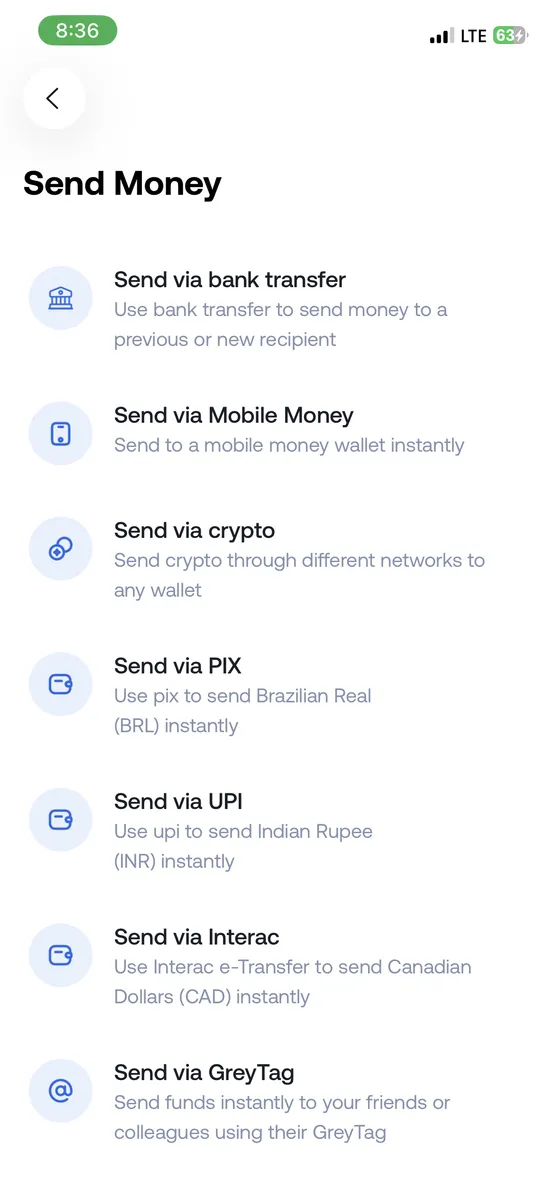
If you're travelling to Europe, India, Bangladesh, or Nigeria, you can send money directly to a local bank account in those countries with Grey.

  1. Chase UK: best for ease of access alongside your existing bank

Chase offers zero foreign transaction fees and zero ATM withdrawal fees abroad, with the Mastercard exchange rate and no markup. The major advantage of Chase over Starling is the barrier to entry: you can open a Chase account with only a soft ID check, not a full credit check, and you do not have to switch your existing bank account. Chase sits alongside whatever bank account you already have.

  • Foreign transaction fee: None
  • ATM withdrawal fee abroad: None
  • Exchange rate: Mastercard rate, no markup
  • ATM limit abroad: GBP 500 per day; maximum GBP 1,500 per month when overseas
  • Account fee: None
  • Ongoing perk: 1% cashback on UK grocery, transport, and fuel spending

Chase is particularly useful if you travel infrequently and do not want to go through the process of switching banks. You keep your existing current account for day-to-day UK banking and use Chase only when travelling abroad or when you want the cashback perk.

The monthly ATM cap of GBP 1,500 overseas is lower than Starling's equivalent, which is worth noting if you regularly make larger cash withdrawals when travelling.

  1. First Direct: best all-round package including non-travel perks

First Direct offers the same zero-fee travel proposition as Starling and Chase, with the Mastercard rate and no foreign transaction or ATM fees. Where First Direct stands apart is the overall current account offer: a GBP 200 switching bonus for eligible new customers, a 7% regular savings account rate, and a GBP 250 interest-free overdraft for many customers.

  • Foreign transaction fee: None
  • ATM withdrawal fee abroad: None
  • Exchange rate: Mastercard rate, no markup
  • ATM limit: GBP 500 per day
  • Account fee: None, subject to minimum monthly pay-in or maintaining a minimum balance
  • Switching bonus: GBP 200 for eligible switchers (confirm current terms at firstdirect.com)

First Direct is worth considering as a full bank switch if you want the travel benefits plus the savings rate and overdraft. For people who want the travel card without switching banks, Chase is the simpler option.

  1. Monzo: best for budget tracking alongside zero-fee travel spending

Monzo's free current account comes with a Mastercard debit card that charges no foreign transaction fees. ATM withdrawals in the European Economic Area (EEA) are unlimited and free if Monzo is your main account. Outside the EEA, the first GBP 200 per month is free, and a 3% fee applies thereafter.

  • Foreign transaction fee: None
  • ATM withdrawal fee: Free in EEA (as main account); GBP 200 free per month outside EEA, 3% above limit
  • Exchange rate: Mastercard rate, no markup
  • Purchase limit: GBP 10,000 per day
  • ATM limit: GBP 400 per day
  • Account fee: None (free plan)

Monzo's app is particularly strong for spending visibility: real-time notifications, category breakdowns, and the ability to set pots for specific travel budgets. If you travel mainly within Europe, the unlimited free ATM withdrawals as a main account holder make it one of the strongest free options. For long-haul travel outside the EEA, the GBP 200 monthly ATM cap is a consideration. Wise card is worth considering here, as it lets you hold and convert over 40 currencies and withdraw up to GBP 200 a month fee-free across the globe, making it a practical companion for frequent long-haul travellers.

Full comparison: fee-free debit cards for travel from the UK

Card FX fee ATM fee abroad Exchange rate ATM limit Account fee
Starling None None Mastercard rate GBP 300/day None
Chase UK None None Mastercard rate GBP 500/day; GBP 1,500/month abroad None
First Direct None None Mastercard rate GBP 500/day None (conditions apply)
Monzo None Free in EEA; GBP 200/month outside, 3% above Mastercard rate GBP 400/day None (free plan)
Wise card None (conversion fee from 0.33%) Free to GBP 250/month; 2.69% above Mid-market rate GBP 4,000/month None (GBP 7 one-time physical card fee)
Barclays 2.99% 2.99% (included in non-sterling fee) Visa rate GBP 300/day None (standard account)
Halifax 2.99% 2.99% + GBP 1.50 flat fee (waived in EEA) Mastercard rate GBP 800/day None (standard account)
Lloyds 2.99% 2.99% + GBP 1.50 flat fee (waived in EEA) Mastercard rate GBP 800/day None (standard); GBP 5/month for Club Lloyds, which waives FX fees
HSBC 2.75% 2.75% + 2% (min. GBP 1.75, max. GBP 5) Visa rate GBP 500/day (depends on account type) None (standard); Global Money Account waives all fees
Santander 2.95% 2.95% Mastercard/Visa rate GBP 300/day None (standard)

Cards to avoid for overseas spending

Most standard UK bank account debit cards are expensive to use abroad. The typical arrangement is a 2.99% non-sterling transaction fee, a separate fee of GBP 1 to GBP 1.50 for each ATM withdrawal, and sometimes a flat spending fee of 50p to GBP 1 on top of that.

Lloyds Classic, Halifax Current Account, Bank of Scotland Classic, and TSB Spend and Save all fall into this category for overseas spending. Holding one of these as your main account does not mean you are stuck with high travel fees: opening a Chase account alongside it takes minutes and removes the problem entirely.

Grey: for diaspora users travelling between the UK and their home

Who this section is for: Nigerian professionals, NRIs, and wider diaspora communities in the UK who travel regularly between the UK and their home country, and who already use Grey for money transfers and multi-currency account features.

Grey is not a travel debit card in the conventional sense. Its virtual card charges a 2% plus $0.50 foreign exchange fee on transactions processed in non-USD currencies. That puts it behind Starling, Chase, First Direct, and Monzo for general holiday spending, which processes in any currency for free.

But travel looks different for diaspora users. When a Nigerian professional in the UK flies home to Lagos, they are not looking for a card to tap at a Parisian cafe. They are managing money across two countries simultaneously: salary in sterling, family support in naira, subscriptions in dollars, and potentially a Grey account they already use for transfers.

For that user, Grey's value during travel is not as a spending card. It is the account they already hold that travels with them. If you use Grey to send money to Nigeria, your USD, GBP, and EUR balances are accessible from wherever you are. You can top up your Grey USD card from your USD wallet and pay for USD-denominated services, whether you are in London or Lagos. You can receive international income into your Grey account while abroad.

The practical recommendation for diaspora travellers

  • Open Starling or Chase for local spending while travelling, whether in the UK, Nigeria, India, or anywhere else. Zero fees, immediate ATM access, Mastercard rate.
  • Use Grey for what Grey is built for: your USD, EUR, and GBP balances, international transfers, and paying for USD-denominated platforms from whichever country you are in.
  • These two accounts complement each other. Starling or Chase handles local-currency spend. Grey handles your cross-border financial life.

Grey is not designed for general overseas spending. Its virtual card charges a 2% + $0.50 FX fee on non-USD transactions, which means it serves a different purpose from zero-fee travel cards. Where Grey adds value for travellers is through the multi-currency account and transfer features that travel alongside you.

Do you need to tell your bank before travelling?

For the fee-free digital banks covered in this guide, no notification is typically required. Starling, Chase, and Monzo are designed for international use and rarely block overseas transactions as suspicious. First Direct may occasionally query unusual activity, so it is worth having a UK contact number that works internationally.

For standard bank account debit cards, setting a travel notification in the app before you leave can prevent your card from being blocked for suspected fraud when transactions start appearing from a different country.

Dynamic currency conversion: always decline it

When paying by card abroad, some merchants and ATMs offer to convert the transaction to sterling for you. This is called dynamic currency conversion (DCC). It will almost always be the more expensive option. The rate applied is the merchant's own rate, which is typically worse than the Mastercard or Visa rate your bank would use.

When given the option, always choose to pay in the local currency. Let your card do the conversion. This applies regardless of which card you are using.

Should I use my debit card for hotel check-ins and car rentals abroad?

Hotels and car rental companies often place a temporary hold on your card when you check in or pick up a vehicle. This is a security deposit, not an actual charge, and it is released when you check out or return the car. The amount varies, ranging from GBP 50 to several hundred pounds.

With a debit card, this hold reduces your available balance immediately. If you have GBP 500 in your account and the hotel places a GBP 300 hold, you have GBP 200 available to spend until the hold is released. This can create problems if your account balance is not significantly higher than the hold amount.

With a credit card, the hold is applied to your credit limit rather than your available cash, avoiding the cash flow issue entirely. Some car rental companies specifically require a credit card for this reason. Always check the rental company's policy before you travel. If they require a credit card and you do not have one, some companies will accept a debit card with a larger cash deposit.

For the zero-fee debit cards recommended in this guide, holds work as follows: Starling and Chase place holds in the normal way and release them when notified by the merchant, which can take one to five business days. If a hold is not released promptly, contact the card provider directly.

What to do if your card is blocked or stopped abroad

Even with the best travel debit cards, things occasionally go wrong. A transaction in an unfamiliar country can trigger a fraud alert and temporarily block your card. Here is what to do if it happens.

Check your notifications first

Starling, Chase, and Monzo all send instant push notifications for every transaction. If your card is blocked, you will usually receive a notification explaining why. Some digital banks let you unblock specific transaction types directly in the app, without having to call anyone.

Use the in-app card controls

All four recommended cards have in-app controls that let you freeze and unfreeze your card instantly. If a specific merchant or transaction type is being blocked, you may be able to adjust settings in the app to allow it. Check the card settings before calling the bank.

Have a backup card

The single most important thing you can do before travelling is to carry two cards. Keep them in separate places. If one card is blocked, lost, or stolen, the second card covers you while you sort out the first. Opening a Chase account alongside your existing bank account before you travel costs nothing and takes a few minutes. It means you always have a backup.

Contact the bank's emergency line

First Direct has a 24-hour phone line. Starling and Monzo have in-app chat. Chase has in-app support. If you are abroad and your card is blocked, use the in-app contact method first, as it is usually faster than a phone call. Have your account details ready.

Emergency cash via Western Union or MoneyGram

If you are in a situation where all your cards have failed, and you need cash urgently, someone at home can send you emergency cash via Western Union or MoneyGram for collection at a local agent. This is a last resort, but worth knowing about before you travel.

ATM safety tips when travelling abroad

The best travel debit cards eliminate bank fees on ATM withdrawals, but there are other risks at foreign ATMs beyond what your bank charges.

Use ATMs attached to banks, not standalone machines

Freestanding ATMs in tourist areas, airports, and convenience stores are more frequently targeted by card-skimming devices than those at bank branches. Where possible, use ATMs physically attached to a bank building, ideally in the bank lobby.

Cover the keypad when entering your PIN

Skimming devices can capture your card number electronically, but they still need your PIN to use the card at an ATM. Covering the keypad with your hand when entering your PIN is a basic but effective precaution.

Decline dynamic currency conversion at the ATM

ATMs will often offer to convert the amount to your home currency at the moment of withdrawal. Always decline and choose to withdraw in the local currency. The ATM's conversion rate is almost always worse than the Mastercard or Visa rate your card would apply, and it is a source of significant revenue for ATM operators. This applies even with zero-fee cards: the fee from your bank is zero, but the conversion markup from the ATM operator is not.

Check your account after every ATM withdrawal

Enable real-time notifications on your card so you see every transaction as it happens. If you see a withdrawal you did not make, freeze the card immediately in the app and contact the bank. Early detection significantly improves the chance of recovering funds.

How to manage spending in multiple currencies on the same trip

Some diaspora travellers make stops in more than one country on a single trip. A Nigerian professional in the UK might travel through Dubai before arriving in Lagos, for example. Here is how to manage the card strategy for a multi-currency trip.

The core principle is the same regardless of how many countries you visit: use a zero-fee travel card (Starling or Chase) for all local spending in local currency, and use Grey for any USD-denominated services you access while travelling. This approach keeps costs at zero for local spending and avoids FX fees on USD platform spending.

For countries where cash is preferred for day-to-day transactions, draw local currency from an ATM using Starling or Chase on arrival. Both cards give you the Mastercard rate with no ATM fee, which is the best available rate short of having a bank account in that country.

If you receive income from a client while travelling, Grey's USD or EUR account details work from anywhere. You can share your Grey account number and routing details with a client in any country and receive the payment directly into your Grey wallet. You do not need to be physically in the UK to use your Grey account.

Travel cards for UK residents sending money home

For diaspora travellers, a trip home often involves more than tourist spending. You may need to support family, pay for services locally, and manage money across two banking systems simultaneously. The card strategy needs to account for all of this.

The most efficient setup for a UK-based Nigerian professional travelling to Nigeria:

  • Starling or Chase: for local spending in Naira at Nigerian merchants and ATMs. Zero foreign transaction fees, Mastercard rate.
  • Grey: for sending naira directly to Nigerian family bank accounts before or during the trip. Grey's NGN transfer corridor lets you send from your GBP or USD balance to any Nigerian bank account at a transparent rate, without carrying large amounts of cash.
  • Grey USD card: for paying USD-denominated platforms and services you continue to use while in Nigeria, such as cloud tools, subscriptions, and professional platforms.

This three-layer approach covers local spending, family support, and international platform payments without paying unnecessary fees on any of them.

Frequently asked questions about travel cards

Which UK debit card has no foreign transaction fees?

Starling, Chase, First Direct, and Monzo all charge zero foreign transaction fees on their free current account debit cards. All use the Mastercard exchange rate with no additional markup.

Does Starling charge fees abroad?

No. Starling charges no foreign transaction fees and no ATM withdrawal fees anywhere in the world. It uses the Mastercard exchange rate with no markup. The daily ATM limit is GBP 300 (up to 6 withdrawals).

Can I use Grey as a travel card?

Grey is not designed as a general travel spending card. It charges a 2% plus $0.50 FX fee on non-USD transactions, which makes it more expensive than the zero-fee options above for everyday spending abroad.

Where Grey stands out is in sending money home. For diaspora users and businesses that work across borders, Grey lets you send money directly to bank accounts and mobile wallets around the world, at fees that start from $1 and without the markups that traditional banks charge. Use Starling or Chase for local spending, and use Grey to send money home, pay international contractors, or manage balances across currencies.

Send money with Grey

What is a non-sterling transaction fee?

A non-sterling transaction fee is a charge applied by your bank when you pay in a foreign currency. Your bank converts the foreign amount to sterling and then charges a percentage, typically 2-3%, for doing so. The best travel debit cards do not charge this fee. Standard high street bank debit cards usually do.

Is Chase Bank good for travelling abroad?

Yes. Chase UK charges zero foreign transaction fees and zero ATM withdrawal fees abroad. It uses the Mastercard exchange rate with no markup. The main limit to be aware of is the GBP 1,500 monthly cap on overseas ATM withdrawals. For most travellers, this is not a binding constraint.

Should I let an ATM convert the currency for me?

No. When an ATM offers to convert the amount to sterling and show you the total in GBP, it is applying its own exchange rate, which is typically worse than the rate your card would use. Always select the local currency option and let your debit card handle the conversion.

Can I use a UK debit card in Nigeria?

Yes. All four recommended cards (Starling, Chase, First Direct, Monzo) are Mastercard debit cards and are accepted at Mastercard-enabled ATMs and point-of-sale terminals in Nigeria. ATM availability varies by city and area. In major cities like Lagos and Abuja, Mastercard acceptance is generally good at bank ATMs. In more rural areas, carry local cash as a backup.

Does Monzo work in Nigeria?

Yes. Monzo's Mastercard debit card works at Mastercard ATMs in Nigeria. The first GBP 200 per month in ATM withdrawals are free outside the EEA if Monzo is your main account, with a 3% fee thereafter. For spending at point-of-sale terminals, there are no foreign transaction fees.

Is it better to use a card or cash in Nigeria?

In Lagos and Abuja, cards are increasingly accepted at hotels, restaurants, and larger shops. For markets, transport, and smaller vendors, cash is usually required. The practical approach is to withdraw a reasonable amount of naira from an ATM on arrival using Starling or Chase (zero fees) and use your card where it is accepted. Avoid airport exchange bureaux, which offer poor rates.

What is the best card to use in India?

Starling and Chase both offer no foreign transaction fees and no ATM charges (within their respective limits). UPI (Unified Payments Interface) is widely used in India for local payments, but requires an Indian bank account. For UK visitors, a zero-fee Mastercard debit card for ATM withdrawals and card payments at hotels and larger merchants is the practical approach for local spending. You can also send money to a local bank in India with Grey.

Can I use contactless payments abroad?

Yes. Starling, Chase, First Direct, and Monzo all support contactless payments via Mastercard at contactless terminals. Apple Pay and Google Pay are also supported by all four cards. Contactless limits vary by country and are set by local payment network rules, not your UK bank.

What if I lose my card abroad?

Freeze the card immediately in the app. For Starling, Chase, and Monzo, this takes seconds. Then contact the bank through their in-app chat or phone line to report the card lost and request a replacement. While waiting for a replacement, your second card (or Apple Pay / Google Pay on your phone if already set up) can continue to work. This is another reason to have two cards before you travel.

Arrow (up)

Back to top