<script type="application/ld+json"> [ {"@context":"https://schema.org/","@type":"BlogPosting","@id":"https://grey.co/blog/freelance-web-designer-guide#article","mainEntityOfPage":{"@id":"https://grey.co/blog/freelance-web-designer-guide"},"headline":"Freelance web designer: How to get started and find your first client","description":"A practical guide to becoming a freelance web designer: what the work involves, a six-step path to your first client, services to offer, typical rates by experience level, the highest-paying niches, essential tools, and how to receive international payments.","image":["https://cdn.prod.website-files.com/636a85d290ee58e70c17e1c0/6a63781f57d63c4a39980311_Freelance%20Web%20Designer%20How%20to%20Get%20Started%20and%20Find%20Your%20First%20Client-compressed-p-130x130q80.jpg"],"datePublished":"2026-07-24T09:00:00+01:00","dateModified":"2026-07-24T09:00:00+01:00","inLanguage":"en","articleSection":"Freelancer","keywords":"freelance web designer, web designer rates, how to become web designer, Webflow, Framer, Figma, freelance web design niches, portfolio for web designer, no-code web design","author":{"@type":"Person","name":"Adeolu Titus Adekunle","jobTitle":"Content Writer","worksFor":{"@id":"https://grey.co/#organization"}},"publisher":{"@id":"https://grey.co/#organization"},"about":[{"@type":"Thing","name":"Freelance web design"},{"@type":"Thing","name":"Website design"},{"@type":"Thing","name":"UI design"},{"@type":"Thing","name":"No-code web design"}]}, {"@context":"https://schema.org/","@type":"BreadcrumbList","itemListElement":[{"@type":"ListItem","position":1,"name":"Home","item":"https://grey.co/"},{"@type":"ListItem","position":2,"name":"Blog","item":"https://grey.co/blog"},{"@type":"ListItem","position":3,"name":"Freelance web designer: How to get started and find your first client","item":"https://grey.co/blog/freelance-web-designer-guide"}]}, {"@context":"https://schema.org/","@type":"FAQPage","mainEntity":[{"@type":"Question","name":"Do I need to know how to code to be a freelance web designer?","acceptedAnswer":{"@type":"Answer","text":"No. Many freelance designers use no-code platforms like Webflow, Framer, and Squarespace. However, learning basic HTML, CSS, and JavaScript can help you take on more complex projects and increase your value to clients."}},{"@type":"Question","name":"Is freelance web design still worth it in 2026?","acceptedAnswer":{"@type":"Answer","text":"Yes. Businesses continue to invest in modern, high-performing websites. AI tools help speed up parts of the design process, but skilled designers who focus on strategy, branding, conversions, and user experience remain in high demand."}},{"@type":"Question","name":"How long does it take to become a freelance web designer?","acceptedAnswer":{"@type":"Answer","text":"With consistent effort, most beginners can master the fundamentals within three to six months. Reaching a full-time freelance income typically takes twelve to eighteen months of continuous practice, portfolio-building, and client acquisition."}},{"@type":"Question","name":"What's the difference between a web designer and a web developer?","acceptedAnswer":{"@type":"Answer","text":"Web designers focus on layout, branding, typography, colours, and user experience. Web developers focus on functionality, backend logic, and technical implementation. Many freelance web designers do both, especially when working with no-code platforms."}},{"@type":"Question","name":"Which platform is best for beginner freelance web designers?","acceptedAnswer":{"@type":"Answer","text":"Webflow, Framer, and Squarespace are strong choices. They allow you to build responsive, modern websites without writing code and are widely used by freelance web designers across niches."}},{"@type":"Question","name":"How can I receive international payments as a freelance web designer?","acceptedAnswer":{"@type":"Answer","text":"Working with global clients often means invoicing in multiple currencies. Grey offers foreign currency accounts, allowing you to receive payments in USD, EUR, and GBP, hold multiple currencies, and convert them at competitive exchange rates, making international payments faster and more affordable."}},{"@type":"Question","name":"How much do freelance web designers charge?","acceptedAnswer":{"@type":"Answer","text":"Junior web designers charge $25 to $50 per hour or $500 to $1,500 per website. Mid-level designers charge $50 to $100 per hour or $1,500 to $5,000 per website. Senior designers charge $100 to $200+ per hour or $5,000 to $20,000+ per website. Rates vary by number of pages, custom features, e-commerce complexity, and niche. Designers specialising in SaaS, e-commerce, or agency clients typically command the highest rates."}},{"@type":"Question","name":"What does a freelance web designer do?","acceptedAnswer":{"@type":"Answer","text":"A freelance web designer creates websites for clients, from small business sites to advanced e-commerce platforms. Core work includes designing responsive websites, custom landing pages, and marketing pages; developing branded visual identity systems; UX planning and wireframing; building on platforms like Webflow, Framer, WordPress, or Shopify; optimising for speed, SEO, and mobile experience; and maintaining or redesigning existing websites."}}]}, {"@context":"https://schema.org/","@type":"ItemList","name":"Best niches for freelance web designers","description":"Six freelance web design niches that consistently offer strong demand and profitable projects, in the order presented in the article.","itemListOrder":"https://schema.org/ItemListOrderAscending","numberOfItems":6,"itemListElement":[{"@type":"ListItem","position":1,"name":"Small business websites","description":"Local businesses, restaurants, salons, gyms, and service providers frequently need updated websites. High demand, though projects sit at the lower end of the rate range."},{"@type":"ListItem","position":2,"name":"E-commerce design","description":"Online stores need conversion-focused websites built on Shopify, WooCommerce, or Webflow Ecommerce. Sales-driven design supports higher project fees."},{"@type":"ListItem","position":3,"name":"SaaS and tech companies","description":"Software companies invest heavily in landing pages, marketing sites, and product pages. High customer lifetime values support premium rates for designers who understand conversion and product storytelling."},{"@type":"ListItem","position":4,"name":"Personal brands and creators","description":"Coaches, influencers, and content creators need high-quality portfolio and personal branding websites. Strong niche for designers who enjoy visual storytelling."},{"@type":"ListItem","position":5,"name":"Agencies and startups","description":"Agencies and early-stage startups often outsource web design work. This is a strong niche for building repeat clients and long-term retainer relationships."},{"@type":"ListItem","position":6,"name":"Portfolio and creative sites","description":"Photographers, designers, artists, and studios need visually striking websites that showcase their work. Design-led niche where creative execution matters more than volume."}]}, {"@context":"https://schema.org/","@type":"HowTo","name":"How to become a freelance web designer","description":"A six-step path to becoming a freelance web designer and landing your first paying client. Most beginners reach client-ready level within three to six months of consistent practice.","totalTime":"P6M","step":[{"@type":"HowToStep","position":1,"name":"Learn the fundamentals of design","text":"Focus on the core principles that make websites both attractive and functional: typography, colour theory and hierarchy, layout and spacing, responsive design, UX and user flow. Free resources like Refactoring UI, Google Fonts guides, and YouTube tutorials are enough to develop strong skills without a formal design degree."},{"@type":"HowToStep","position":2,"name":"Choose your design and development platforms","text":"Modern freelance web designers work primarily with no-code and low-code tools such as Webflow, Framer, WordPress with Elementor or Bricks, Squarespace, or Shopify for e-commerce. For prototyping, use Figma. Learning at least one design tool and one platform lets you deliver complete client projects."},{"@type":"HowToStep","position":3,"name":"Build sample projects","text":"You don't need clients to start. Design fictional websites for restaurants, agencies, or SaaS brands. Redesign a well-known company's site as a case study. Create landing pages, portfolios, and small business sites to showcase different styles."},{"@type":"HowToStep","position":4,"name":"Build a strong portfolio","text":"Include three to five polished projects, before-and-after comparisons where possible, clean layout with mobile-optimised previews, and short explanations of your process and design decisions. Your portfolio speaks for you when clients are deciding whether to hire you."},{"@type":"HowToStep","position":5,"name":"Set up your professional profile","text":"Create a Framer, Webflow, or Notion portfolio site. Optimise your LinkedIn profile with a clear service headline. Create profiles on Upwork, Contra, and Fiverr, and join freelancer communities on Twitter/X, LinkedIn, and Discord."},{"@type":"HowToStep","position":6,"name":"Find your first clients","text":"Pitch small businesses in your local area, reach out to startups needing website redesigns, offer discounted work in exchange for testimonials, publish design tips on LinkedIn or Twitter/X to attract inbound leads, and apply for Upwork or Contra jobs consistently."}]} ] </script>

Freelance web designer: How to get started and find your first client

Tunde Aladeloba

TABLE OF CONTENT

SHARE THIS POST

The first place most people discover a business is no longer a shopfront, but a website. Within seconds, visitors decide whether to stay, explore or leave. That's why companies invest heavily in websites that not only look professional but also build trust, showcase their brand and convert visitors into customers. For freelance web designers, that demand has created opportunities across startups, agencies, personal brands and established businesses.

As a freelance web designer, you'll create websites using platforms such as Webflow, Framer, WordPress or Squarespace, helping clients establish a strong online presence without building everything from scratch. It's also one of the most rewarding creative services to offer, with beginner freelancers typically charging between $1,000 and $3,000 per website, while experienced designers often earn $5,000 to $20,000 or more for larger, more complex projects.

If you're learning web design for the first time or even turning an existing skill into a business, this guide will show you how to build a portfolio, attract your first clients, price your work confidently and grow a freelance career that can scale well beyond a single project.

Also read: How to find freelance clients on LinkedIn: Proven strategies

What does a freelance web designer do?

Freelance web designers help businesses create websites that are visually appealing, easy to use and designed to achieve specific business goals.

Every project usually begins with a conversation on discovery , where the designer learns about the client's business, target audience and objectives. From there, they create wireframes to map the site's structure, design the interface in tools like Figma, then build the website using platforms such as Webflow, Framer or WordPress. Before launch, they test the site across devices, fix any issues and ensure everything performs smoothly. Many designers also provide ongoing maintenance, content updates and technical support after the website goes live.

Although the roles often overlap, a web designer and a web developer are not the same. A web designer focuses on layout, user experience, branding and visual design, while a web developer writes code and builds custom functionality behind the scenes. Many freelance designers work with developers on larger projects, while no-code platforms now allow designers to build complete websites independently.

Building your freelance web design career

The fastest way to become a freelance web designer is to master one platform, create a portfolio that showcases real projects and consistently market your services.

  • Learn web design fundamentals: Start with layout, typography, colour theory, responsive design, accessibility and user experience. Strong design principles matter far more than simply knowing how to use design software.
  • Master one website platform: Choose a primary platform such as Webflow before exploring alternatives like Framer or WordPress. Becoming highly proficient in one tool makes it easier to deliver professional projects efficiently.
  • Build 3 -5 portfolio websites: Create sample websites for fictional brands or redesign existing sites to demonstrate your design process, creativity and problem-solving skills to potential clients.
  • Launch your own portfolio website: Treat your website as your strongest marketing tool. Showcase your work, explain your services, include testimonials where possible and make it easy for prospects to contact you.
  • Choose a niche and begin outreach: Focus on industries such as SaaS, agencies, consultants or e-commerce, then pitch businesses with personalised messages. With consistent learning and outreach, many designers secure their first paying client within three to six months.

Also read: Freelance proposal: How to write one that wins the job

Freelance web design services clients will pay for

Offering a mix of project-based and recurring services helps you increase your earning potential while creating more predictable monthly income.

  • Website design: Design professional websites from the ground up that reflect a client's brand, improve user experience and support business goals.
  • Website redesigns: Refresh outdated websites with modern layouts, improved navigation, stronger branding and better performance without rebuilding everything from scratch.
  • Landing pages: Create high-converting landing pages for product launches, lead generation campaigns, webinars and paid advertising.
  • E-commerce websites: Build online stores that showcase products, simplify the buying journey and improve conversion rates.
  • Conversion optimisation: Improve existing websites by refining layouts, calls to action, page structure and user journeys to generate more enquiries or sales.
  • Website maintenance retainers: Provide ongoing updates, security checks, content changes and technical support through monthly recurring service agreements.
  • Client training packages: Teach clients how to update content, publish blogs and manage their websites confidently after launch.

Also read: Freelance Contract: Template and Key Clauses

How much should you charge for freelance web design projects?

Web design pricing depends on project scope, functionality, experience and the value your website delivers. As your portfolio grows, focus on project-based pricing rather than billing only by the hour.

Pricing model Service / experience level Typical rate (USD)
Hourly rate Beginner web designer $30–$60/hour
Mid-level web designer $60–$120/hour
Senior / specialist web designer $120–$250+/hour
Per project Simple website (1–5 pages) $1,500–$3,000
Business website $3,000–$10,000
Custom website (advanced functionality) $10,000+
Monthly retainer Website Maintenance & Support $100–$1,000+/month

Most experienced freelancers price websites as complete projects because clients are paying for the outcome, not just your time. Website maintenance retainers also provide recurring monthly income by covering updates, security checks, backups, performance improvements and ongoing technical support after launch.

How to find your first freelance web design client

Your first client rarely comes from luck. It usually comes from consistently showing your work, building relationships and reaching out to businesses that genuinely need a better website.

  • Cold email local businesses: Identify businesses with outdated or poorly performing websites, then send personalised emails explaining how a redesign could improve credibility, user experience and conversions. Include one relevant portfolio example and a clear next step.
  • Build in public on LinkedIn and X: Share your design process, website redesigns, client wins and lessons learned. Consistent posting helps potential clients discover your expertise and builds trust before they ever contact you.
  • Join design communities: Participate in Webflow, Framer and design communities where founders and creators regularly look for designers and recommend freelancers for upcoming projects.
  • Partner with agencies: Marketing and branding agencies frequently outsource website projects during busy periods. Delivering quality work can lead to long-term partnerships and recurring referrals.
  • Start with your existing network: Friends, family and business contacts may already know someone who needs a website. Your first paid project often comes through a warm introduction rather than a cold pitch.

Choosing the right platform for freelance web design

The platform you specialise in influences the types of clients you attract, the projects you deliver and how much you can charge.

Platform Best for Advantages Considerations Typical pricing potential
Webflow Business websites and marketing sites Visual development, clean code, CMS capabilities and professional workflows. Steeper learning curve than some builders. High
Framer Modern marketing websites and startup landing pages Fast, interactive, easy to publish and ideal for sleek, high-performance sites. Less suited for complex content-heavy websites. High
WordPress Business, blogs and custom websites Powers over 40% of the web, highly flexible with thousands of plugins and themes. Requires ongoing maintenance and plugin management. Medium to High
Squarespace Small businesses and personal brands Easy to learn, quick to launch and simple for clients to manage. Less customisation and flexibility for advanced projects. Medium

Managing payments from international web design clients

Most freelance web designers work with businesses in the US, UK and Europe, making multi-currency invoicing an essential part of running a professional business. A common payment structure is 50% upfront before work begins, followed by milestone payments or the remaining balance upon project completion. This protects both you and your client while improving cash flow throughout the project.

Grey makes receiving international payments straightforward. With foreign currency accounts in USD, GBP and EUR, you can receive payments like a local without relying on expensive international bank transfers. You can hold multiple currencies, convert them at competitive exchange rates and access your earnings more efficiently, making it easier to manage projects for clients anywhere in the world.

Frequently asked questions

Do I need to know how to code to be a freelance web designer?

No. Modern platforms like Webflow, Framer and Squarespace allow you to build professional websites without writing code. However, understanding basic HTML and CSS can help you customise designs, troubleshoot issues and collaborate more effectively with developers on larger or more complex projects.

How much can a freelance web designer earn?

Your earnings depend on your experience, niche and the types of clients you serve. Beginners often charge $1,000–$3,000 per website, while experienced freelancers regularly command $5,000–$20,000+ for custom projects. Monthly maintenance retainers can also create a steady stream of recurring income.

Which platform is best for freelance web designers?

There's no single best platform, it depends on your target clients. Webflow is ideal for business websites, Framer suits modern marketing sites, WordPress remains the most flexible option for many businesses, while Squarespace works well for smaller brands that need simple, easy-to-manage websites.

How long does a typical freelance web design project take?

A simple website can be completed in one to three weeks, while business websites usually take four to eight weeks. Larger custom projects may run for several months, depending on revisions, content readiness, client feedback and the complexity of the site's functionality.

Should I specialise in a niche as a freelance web designer?

Yes. Focusing on industries such as SaaS, healthcare, coaches, law firms or e-commerce helps you build expertise and position yourself as a specialist. Clients are often willing to pay more for designers who understand their industry, customers and business goals.

What's the best way to receive payments from international clients?

If you work with overseas clients, invoicing in USD, GBP or EUR creates a smoother payment experience. Grey provides foreign currency accounts that let you receive payments like a local, hold multiple currencies and convert them at competitive exchange rates whenever you need access to your funds.

Every business needs a website, and skilled freelance web designers are in high demand. Keep refining your craft, build a portfolio that showcases real results and pitch consistently. When clients start paying you from around the world, open a Grey account or download the app to receive international payments seamlessly.

Last updated:

August 5, 2026

Open a free Grey account to get startedJoin 1 million digital nomads
IF YOU ENJOYED THIS, CHECK THESE OUT

Should you use a business or personal bank account as a freelancer?

2 min read

When I started out as a freelancer, I wasn’t sure if I needed a different bank account for my new “business”, if I could even call it that. I mean, my personal account was right there. Did I really need to do anything more complicated?

Most freelancers are not legally required to use a business bank account unless they are registered as a company. However, keeping freelance income separate from personal spending makes tax reporting significantly easier, reduces errors, and looks more professional to clients. A separate account, whether labelled business or not, is strongly advisable from day one.

In this article, I cover the instances where you may require a business account, what the differences are, and what to look for if you decide to keep your freelance income separate.

Do freelancers need a business bank account?

Whether you are legally required to use a business bank account depends on how your freelance practice is structured.

In the United States, for example, sole proprietors have no legal obligation to maintain a separate business bank account. If you freelance under your own name and haven’t formed a separate legal entity, you and your business are the same entity in the eyes of the law. You can receive client payments into your personal account without violating any rules. If you have formed a Limited Liability Company (LLC), the situation changes. For LLC owners, a separate account is necessary to maintain legal protection.

In the United Kingdom, sole traders face the same position as US sole proprietors: no legal requirement for a business account. HMRC does not mandate one. However, if you operate as a limited company in the UK, your company is a separate legal entity from you as an individual. The company’s money is not your money until you pay yourself a salary or dividend, and mixing the two in a personal account creates both a legal problem and a significant accounting headache.

For freelancers who don’t yet know whether they want to operate as a sole trader or through a limited company, our guide on freelancing vs full-time employment covers how different structures affect your taxes and liability in more detail.

The practical summary: if you’re a sole proprietor or sole trader, you don’t legally need a business account. If you’re a limited company or LLC, you do. Either way, keeping freelance income separate from personal spending is strongly advisable, and the next section explains why.

Business account vs personal account: key differences

If you do open a dedicated account for your freelance income, you’ll face a choice between a traditional business bank account and a personal account used exclusively for freelance purposes.

Feature Traditional business account Personal account (dedicated for freelance)
Monthly fees Often £5–£25/month or higher Usually free
Interest on balance Rarely; some charge for holding funds Often available on personal savings
Overdraft facility Sometimes available; business rates apply Usually available; personal rates apply
Debit card type Business Mastercard or Visa Standard personal debit card
Invoicing tools Some accounts include basic invoicing Usually not included
Accountant access Often available (read-only logins) Rarely offered
IRS / HMRC readiness Transactions clearly categorised as business Requires manual separation
Professional appearance Company or trading name on statements Personal name only
Multi-currency support Limited at traditional banks Limited at traditional banks
Account opening Slower; may require registered company docs Faster; personal ID only

Generally, business accounts at traditional banks cost more, offer fewer consumer protections, and provide features (invoicing tools, accountant access) that most freelancers handle through separate software anyway. The primary advantage of a labelled business account is the psychological and practical clarity that comes from a clean separation between business income and personal spending.

A dedicated personal account used exclusively for freelance income offers most practical benefits at a lower cost, except for company-name branding on statements and the formal accountant access features that some clients or accountants prefer.

Why separating your finances matters even if it is not required

When your freelance income and your personal spending share an account, every bank statement becomes a sorting exercise. Which transactions were business expenses? Which were personal? The takeaway you bought on a Tuesday: was that a client meeting or lunch? The software subscription: was that for client work or personal use? Without separation, these questions require memory, receipts, and time, at exactly the moment when tax season is already stressful.

A separate account means every transaction is cleanly categorised. Income that enters the freelance account is business income. Transfers from the freelance account to your personal account are your pay. Expenses charged to the freelance account are business expenses. The logic is automatic rather than reconstructed retrospectively.

Here’s a simple system that works from day one:

  1. Open a dedicated account for freelance income: This is the account you put on every invoice.
  2. Receive client income into the freelance account: Every payment from every client lands here. If you have international clients paying in different currencies, this account should support multi-currency receipts.
  3. Pay yourself a regular transfer to your personal account: On a fixed date each month, transfer a set amount to your personal account as your salary. This is what you live on. It separates your business cash flow from your personal spending clearly.
  4. Hold tax savings in a third account or Pouch: Set aside a percentage of every payment received for tax. A rough starting point for most freelancers is 20 to 30%, depending on your income level and jurisdiction. Treat this as untouchable until your tax bill arrives.

For guidance on structuring your income before this point, our piece on how to set your freelance rates covers how to price your work to make this system financially viable.

What to look for in a bank account for freelancers

Monthly fees
A freelancer starting out doesn’t need a £15 per month business account. Free accounts exist that provide everything necessary. Monthly fees add up, and a new freelancer spending £180 per year on a bank account that is largely empty in the early months is an unnecessary cost.

Multi-currency support
If any of your clients pay in USD, EUR, GBP, or another currency, you need an account that can receive those payments without forcing an immediate conversion at a poor rate. Most traditional bank accounts convert foreign payments upon receipt at the bank's margin, typically 2 to 4% above the mid-market rate. Multi-currency accounts let you hold income in the currency it arrived in and convert when you choose.

A virtual card for online subscriptions
Many freelancers pay for project management tools, design software, cloud storage, AI subscriptions, and domain hosting. A virtual card linked to your freelance account keeps all of these expenses on one statement, separate from personal card spending, and protects your main account details from exposure on subscription platforms.

Fast account opening with no fixed address requirement
Traditional business accounts often require proof of a registered business address, company documents, and a branch visit. For a freelancer, particularly one who works remotely or lives in multiple places, these requirements are a barrier that digital-first accounts don’t impose.

Invoicing integration or export capability
You don’t necessarily need invoicing built into the account, but your account should be able to export transactions in a format your accounting software can read. Clean data export saves significant time at tax season.

Grey covers all of these for international freelancers. Open a Grey account for your freelance income and receive payments in USD, EUR, and GBP from international clients without losing money on forced conversion.

As the scope of your work expands, you can also open a Grey business account, which gives you both USD and USD accounts, access to bulk payouts, and multiple virtual cards.

Frequently asked questions

Can I use my personal account for freelance work?

Yes, in most cases. Sole proprietors in the US and sole traders in the UK are not legally required to use a separate business account. You can receive client payments into a personal account without breaking any rules. The practical problem is that mixing personal and business transactions in one account makes tax reporting significantly harder and increases the risk of errors. A dedicated account, whether officially labelled business or not, is strongly advisable even if it’s not legally required.

Do I need a business account to invoice clients?

No. You can invoice clients and direct them to pay into any account you hold, including a personal account. Invoices are documents you issue, not something that depends on the type of bank account you hold. What your invoice needs is a valid account number and sort code (or routing number and account number for US payments), your name or trading name, and a unique invoice number. The type of account those details belong to is irrelevant to the invoice’s validity.

What is the best bank account for freelancers?

The best account for a freelancer depends on how they work. For freelancers with only domestic clients in a single currency, a free personal account used exclusively for freelance income covers most practical needs. For freelancers with international clients paying in multiple currencies, a multi-currency account that receives USD, EUR, and GBP without forced conversion is more suitable. Grey provides multi-currency accounts with local banking details (US routing numbers, EUR IBANs, UK sort codes) that let international freelancers receive payments as if they were local vendors in each market.

Can I open a business account without a registered company?

At most traditional banks, a business account requires proof of a registered company: a company registration number, a registered address, and in some cases a minimum trading history. As a sole trader or sole proprietor, you typically cannot open a business account at a traditional bank without a formal business registration. Digital-first accounts and some multi-currency platforms generally have lighter requirements and can be opened by individual freelancers without a registered company.

Is it illegal to use a personal account for business?

For sole traders and sole proprietors, no. There is no law in the UK or US that prohibits receiving business income into a personal account for unincorporated freelancers. Some banks include terms in their personal account agreements that technically restrict business use, but this is a contractual matter rather than a legal one and enforcement is rare. For limited company directors in the UK and LLC members in the US, mixing company and personal funds in a personal account creates legal and tax problems that go beyond a contractual breach.

How do I separate my freelance finances?

The simplest system has three parts: one account that receives all client income and nothing else; one account for personal spending that receives a regular transfer from the freelance account as your salary; and a separate savings balance or account for taxes. Open the freelance account before your first invoice goes out. Put that account number on every invoice from day one. Transfer a set amount to your personal account on a fixed date each month. Set aside a percentage of every payment for tax immediately on receipt. That system, applied consistently, solves the vast majority of freelance financial admin problems.

Grey charges fees on deposits, conversions, and withdrawals. Deposits via ACH, SEPA, or FPS incur a 0.8% fee (minimum $2/€2/£2, maximum $10/€10/£10). Currency conversions are charged at 1%, capped at $6. Withdrawal fees vary by currency. Exchange rates are variable and include a margin over the mid-market rate. Always review fees and the rate before confirming a transaction.

Open a Grey account and keep your freelance income separate from day one, in any currency your clients pay in.

How to receive payments from Upwork in Turkey in 2025

2 min read

Freelancing in Turkey is on the rise, with professionals across the country tapping into global markets through platforms like Upwork. From Istanbul's bustling metropolis to the serene towns of Cappadocia, Turkish freelancers are showcasing their skills and creativity to clients worldwide.

But there’s a familiar frustration that often comes with freelancing:  getting paid quickly, securely, and without losing a significant part of your earnings  to fees. Traditional banking methods can be slow and costly, and with PayPal no longer available in Turkey, options feel limited. That’s where Grey steps in, offering freelancers a seamless solution to manage their payments and focus on doing what they love.

Also read: The ultimate guide to choosing the best freelancing platform in 2024

Meet Grey: Your freelancing best friend

If managing payments stresses you out, it’s time to meet Grey. Here’s why it’s the ultimate tool for freelancers in Turkey:

  • Multi-currency accounts: Receive payments in USD, GBP, or EUR directly from Upwork.
  • No more hidden fees: Keep more of your earnings with minimal transaction costs.
  • Fast & secure transfers: Get your money quickly without waiting for days.
  • Good exchange rates: Convert your earnings to Turkish Lira (TRY) at rates you’ll love.

Also read: How to build a personal brand as a freelancer in 2024

How to start using Grey for Upwork payments

1. Create a free Grey account: Head to Grey’s website and sign up for a free account.  Upon completing your KYC verification, you can request for a EU, US, or UK bank account to receive foreign payments

2. Connect Grey to your Upwork account: Log in to your Upwork account, navigate to the "Get Paid" section, select "Direct to Local Bank" or "Wire Transfer. Enter your Grey account details, and complete Upwork’s verification process (typically takes a few days).

3. Start receiving payments: Once verified, your Upwork earnings will flow directly into your Grey account, hassle-free.

4. Convert and withdraw your money: Use Grey to convert USD, GBP, or EUR into Turkish Lira at competitive exchange rates and transfer the funds to your local bank account in Turkey.

Also read: How Fiverr freelancers in Turkey can receive payments easily in 2025

With Grey, you’ll spend less time worrying about transactions and more time building your freelancing profile.  Sign up for Grey today and experience payment freedom made just for Turkish freelancers.

How to receive payments from Upwork in Portugal in 2026

2 min read

Portugal, a land of breathtaking coastlines, rich culture, and warm hospitality, is also home to a growing community of freelancers. For writers, designers, developers, and virtual assistants, platforms like Upwork have become a gateway to international opportunities, connecting them with clients worldwide.

Also read: The ultimate guide to choosing the best freelancing platform in 2024

Yet, despite  the rewards of freelancing, one challenge persists: managing international payments efficiently. This is where ****Grey ****steps in a revolutionary payment solution that simplifies the process, ensuring you get paid faster and keep more of your earnings.

In this guide, we’ll explore how freelancers in Portugal can use Grey to streamline Upwork payments

Why freelancers in Portugal love Upwork

  • Global reach: A chance to collaborate with clients from every corner of the world.
  • Flexibility: Set your schedule and work on projects that excite you.
  • Diverse opportunities: From app development to content creation, there’s something for everyone.

Also read: How to become a registered freelancer on Upwork

Why Grey is the ultimate solution for Portuguese freelancers

Grey provides a cutting-edge way to handle payments, designed with the freelancer in mind. Here’s why it’s the preferred choice:

  • Multi-currency accounts: Receive payments directly in USD, GBP, or EUR.
  • Low fees: Say goodbye to excessive charges and keep more of your earnings.
  • Fast transfers: Get paid quickly, without unnecessary delays.
  • Competitive exchange rates: Convert your earnings to Euros at rates that maximize your income.

Also read: How to open US, UK and Euro bank accounts in Portugal

How to use Grey for Upwork payments in Portugal

1. Create your free Grey account: Visit Grey’s website and register for an account. Upon completing your KYC verification, you can request for a EU, US, or UK bank account to receive foreign payments.

2. Link your Upwork account: Log in to Upwork, navigate to the "Get Paid" section, select "Direct to Local Bank" or "Wire Transfer" as your withdrawal method, and input your Grey account details.

3. Start receiving payments: After verification, Upwork will deposit your earnings directly into your Grey account, ensuring a smooth and reliable transaction process.

4. Convert and withdraw funds: Use Grey to convert USD, GBP, or EUR to Euros at competitive rates and transfer your funds securely and effortlessly to your local bank account in Portugal.

Sign up for Grey today and experience hassle-free payments designed for Portuguese freelancers.

How to receive payments from Upwork in Rwanda in 2025

2 min read

Rwanda, a country known for its innovation and resilience, is rapidly becoming a hotspot for freelancers excelling in writing, design, virtual assistance, and more. Platforms like Upwork offer Rwandan freelancers a global stage to showcase their expertise and connect with clients worldwide.

However, while freelancing on Upwork is incredibly rewarding, managing international payments can often be challenging due to high fees and delays. That’s where Grey steps in, offering a simple, efficient, cost-effective way for freelancers in Rwanda to receive their earnings without hassle.

Also read: How to become a registered freelancer on Upwork

In this guide, we’ll explore how freelancers in Rwanda can use Grey to streamline Upwork payments and focus on what matters most—delivering exceptional work.

Why freelancers in Rwanda choose Upwork

Upwork has transformed freelancing for Rwandans by offering:

  • Global reach: Access to international clients in need of your skills.
  • Flexible work opportunities: Build your schedule and take charge of your career.
  • Diverse projects: From software development to digital marketing, there’s something for every skill set.

Also read: The ultimate guide to choosing the best freelancing platform in 2024

Why Grey is the ultimate solution for Rwandan freelancers

Grey simplifies payment management for freelancers by providing a modern, seamless experience tailored to their needs. Here’s why it’s the preferred choice:

  • Multi-currency accounts: Receive payments directly in USD, GBP, or EUR from Upwork.
  • Low fees: Avoid excessive charges and keep more of your earnings.
  • Fast transfers: Get paid quickly without unnecessary delays.
  • Competitive exchange rates: Convert funds to Rwandan Francs (RWF) at rates that work in your favor.

Also read: How Fiverr freelancers in Rwanda can receive payments easily in 2025

How to use Grey for Upwork payments in Rwanda

1. Create your free Grey account: Visit Grey’s website and sign up for a free account. Upon completing your KYC verification, you can request for a EU, US, or UK bank account to receive foreign payments.

2. Link your Upwork account: Log in to your Upwork account and go to the "Get Paid" section. Select "Direct to Local Bank" or "Wire Transfer" as your payment method and input your Grey account details.

3. Start receiving payments: Once verified, Upwork will deposit your earnings directly into your Grey account, allowing you to track payments in real-time.

4. Convert and withdraw funds: Use Grey to convert your USD to Rwandan Francs at competitive rates. Transfer your funds to your local bank account or mobile money wallet quickly and securely.

With Grey, managing payments becomes effortless, letting you focus on delivering outstanding work. Sign up for Grey today and experience a seamless payment solution designed for Rwandan freelancers.

How to convert and send USD to Ugandan Shillings (UGX) online

2 min read

Managing cross-border payments doesn’t have to be complicated. Whether you’re a freelancer, remote worker, or supporting family in Uganda, converting USD to Ugandan Shilling (UGX) can be quick, secure, and hassle-free with Grey.

This guide shows you how to easily convert and send USD to UGX online, highlighting key benefits, costs, and tips for seamless transactions.

Why use Grey to convert and send USD to UGX?

Grey is a digital banking platform designed for global citizens who want to manage multiple currencies easily. Here’s why Grey is an excellent choice for converting and sending USD to UGX:

  • Competitive exchange rates: Grey offers real-time rates to ensure you get the most value when converting USD to UGX.
  • Low fees: Avoid the high conversion and transfer fees associated with traditional banks.
  • Quick transfers: Funds are processed quickly, ensuring your recipients get the money without delays.
  • User-friendly platform: Grey’s app and website are designed to make international transactions simple and accessible for everyone.

Exchange rates fluctuate for various reasons, so we’ve designed a handy, real time currency converter for you.

Also read: How to convert and send USD with Grey

How to convert and send USD to UGX with Grey

1. Create your Grey account

First, sign up for a free Grey account via the website or app, available on iOS and Android. Registration is straightforward and requires you to:

  • Provide basic personal information.
  • Verify your identity by uploading the required documents.
  • Set up your virtual wallet for multiple currencies, including USD.

2. Add USD to your Grey account

Once your account is active, deposit USD into your Grey wallet. You can do this in several ways:

  • Bank transfer: Link your USD bank account and transfer funds directly.
  • Freelance platforms: Receive payments from platforms like Upwork or Fiverr directly into your Grey USD wallet.
  • Wire transfers: Accept payments from international clients or businesses.

With USD in your account, you can convert it into UGX.

3. Convert USD to Ugandan Shilling with Grey

Follow these steps to convert your USD to UGX:

  1. Log into your account: Open the Grey app or website and sign in.
  2. Navigate to currency exchange: Select the “Convert” option from the dashboard.
  3. Choose currencies: Select USD as the source currency and UGX as the destination currency.
  4. Enter the amount: Specify the amount of USD you want to convert.
  5. Confirm the transaction: Review the exchange rate, fees, and total amount in UGX, then click “Convert.” The converted funds will appear in your UGX wallet instantly.

4. Send UGX to your recipient

Once your USD is converted to UGX, it’s time to transfer the funds to your recipient in Uganda. Here’s how:

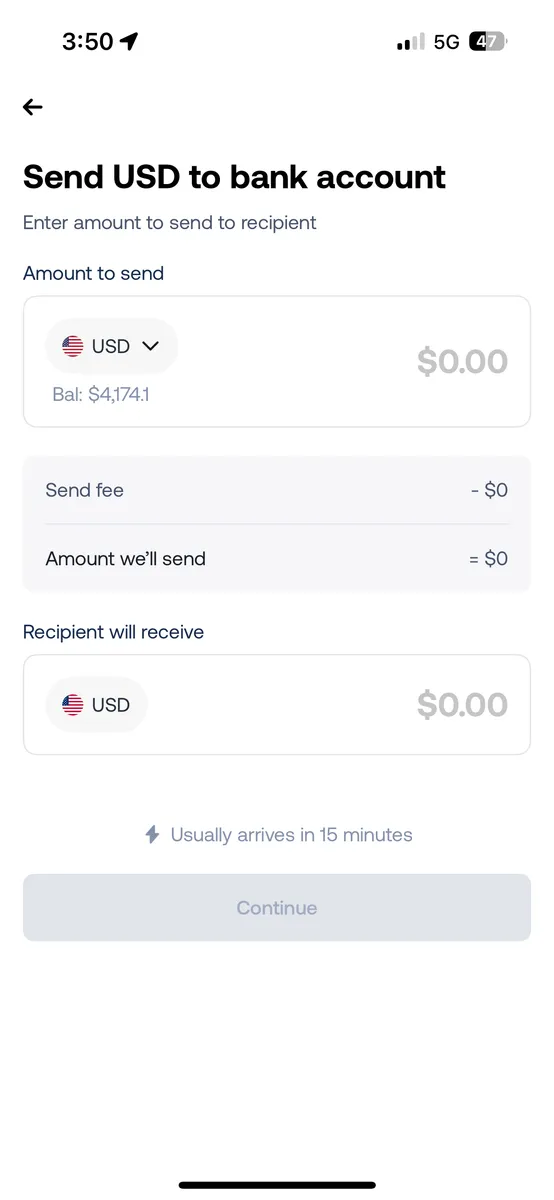
1. Navigate to the Send Money section: Choose the “Send” option in the Grey app.

676ec441190ed0b08ba00d26 676ebd9e62b40f1197672db7 send us dollars grey 6

2. Enter the recipient’s details: Add the recipient’s bank account or wallet information. You can also send funds to another Grey user.

676ec442190ed0b08ba00d42 676ebd4d245072006253a99c send us dollars grey 4

3. Choose the amount to send: Enter the amount in USD or your currency (e.g., EUR).

676ec442190ed0b08ba00d3f 676ec3b94c9821344d4d5d63 IMG 0368

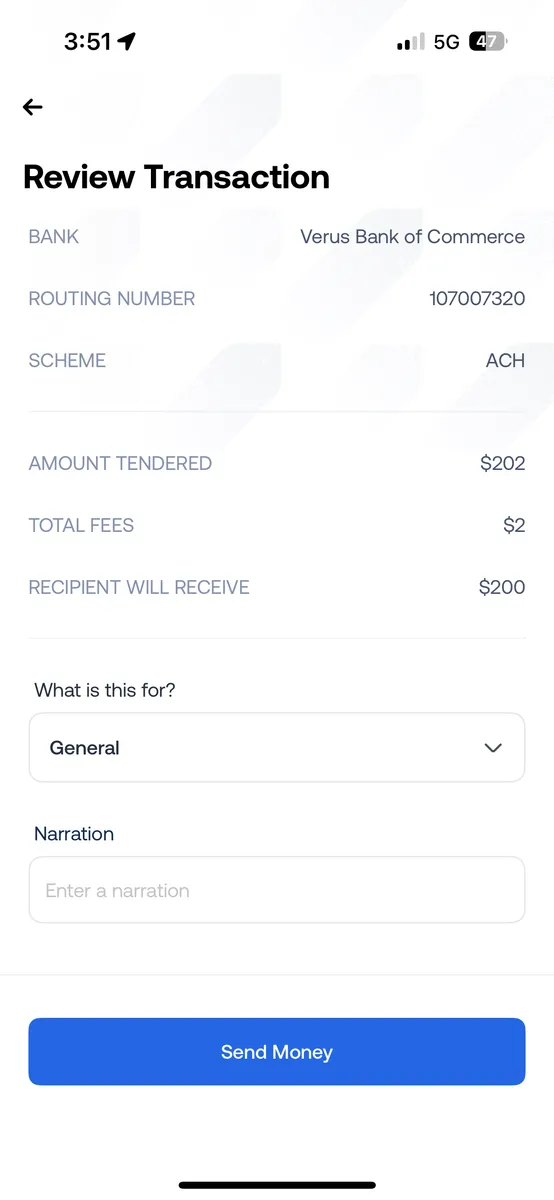
4. Review fees and exchange rates: Grey will estimate the fees and exchange rates so you know exactly how much the recipient will receive.

676ec442190ed0b08ba00d79 676ec3c426d44aa2a43d7fc8 IMG 0370

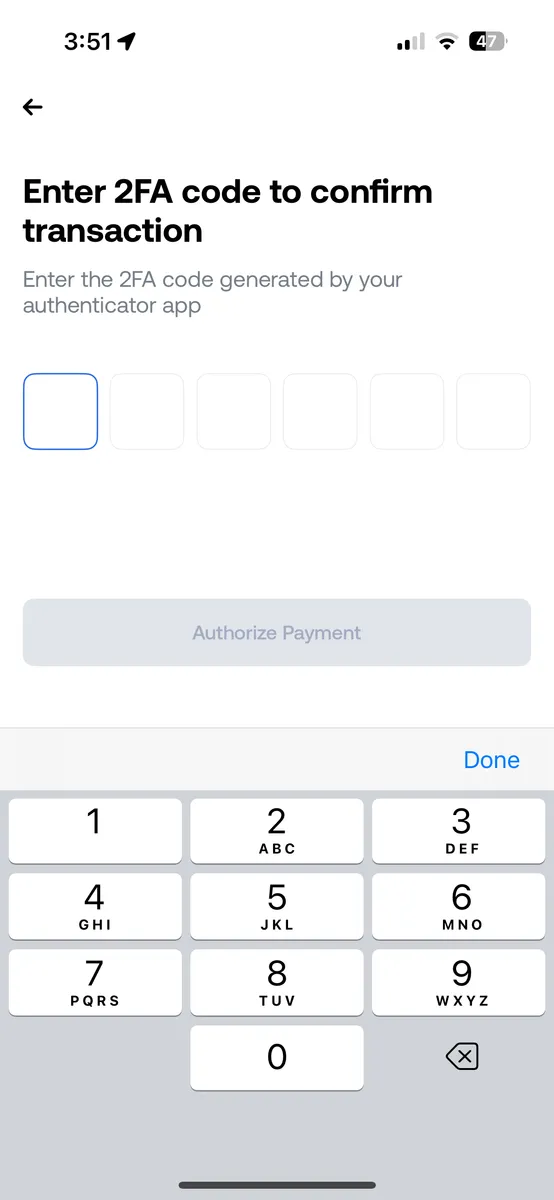
5. Complete the transaction: Confirm the details and authorise the payment. The recipient typically receives the funds in minutes to a few hours, depending on the payment method.

676ec442190ed0b08ba00d45 676ec3d1138ab1eb14571c89 IMG 0371

You may also like: How to convert and send USD to TZS online

Key tips for converting and sending USD to UGX

  1. Monitor exchange rates: Keep an eye on the exchange rate to convert your funds at the best possible time.
  2. Double-check recipient details: Ensure the accuracy of bank account or mobile wallet information to avoid delays.
  3. Use Grey’s multi-currency wallets: Store USD and UGX in your Grey account to avoid frequent conversions and save on fees.
  4. Track your transactions: Grey offers a transaction history feature to easily track conversions and transfers.

Why Grey is the best option for USD to UGX transfers

Grey stands out as a reliable and cost-effective platform for handling international payments. Here’s why it’s a top choice:

  • Speed: Transfers are processed faster than most traditional banks, so your recipients get their money quickly.
  • Savings: With low fees and competitive exchange rates, you keep more of your hard-earned money.
  • Flexibility: Manage multiple currencies from one account and send funds anytime, anywhere.
  • Security: Grey prioritises secure transactions, giving you peace of mind.

Take control of your cross-border payments with Grey

Converting and sending USD to Ugandan Shilling has never been easier. Whether supporting family, paying vendors, or managing personal finances, Grey’s seamless platform saves you time, money, and effort.

Ready to simplify your financial transactions? Sign up with Grey today and enjoy a hassle-free way to convert and send USD to UGX online.

How Fiverr freelancers in the Philippines can receive payments easily in 2026

2 min read

The Philippines, a country celebrated for its culture and workforce, has become a hub for freelancers excelling in writing, design, virtual assistance, and more. Platforms like Fiverr provide Filipino freelancers with global opportunities, connecting them with clients worldwide to showcase their talents.

However, as rewarding as freelancing on Fiverr is, managing international payments can often feel complex due to high fees and delays. That’s where Grey steps in, offering a simple, efficient, cost-effective way for Filipino freelancers to receive their earnings without hassle.

Also read: How to receive payments from freelance platforms easily in 2025

In this guide, we’ll explore how freelancers in the Philippines can use Grey to streamline Fiverr payments and focus on what matters most—delivering exceptional work.

Why freelancers in the Philippines choose Fiverr

Fiverr has become a game-changer for freelancers in the Philippines, offering:

  • Global reach: Access to clients across the globe who need your expertise.
  • Flexible work opportunities: Build your schedule and take control of your career.
  • Diverse projects: From content writing to graphic design, there’s something for every skill.

Also read: The ultimate guide to choosing the best freelancing platform in 2024

Why Grey is the ultimate solution for Filipino freelancers

Grey provides freelancers with a modern, seamless payment experience tailored to their needs. Here’s why it’s the preferred choice:

  • Multi-currency accounts: Receive Fiverr payments directly in USD, GBP, or EUR.
  • Low fees: Avoid excessive charges and keep more of your hard-earned money.
  • Fast transfers: Get paid quickly with no unnecessary delays.
  • Competitive exchange rates: Convert funds to PHP at rates that work in your favour.

Also read: How to receive payments from Upwork in the Philippines in 2025

How to use Grey for Fiverr payments in the Philippines

  1. Create your free Grey account: Visit Grey’s website and sign up for a free account. Once registered, you’ll receive virtual multi-currency account details in USD, GBP, and EUR.
  2. Link your Fiverr account: Log in to your Fiverr account and navigate to the "Earnings" section. Select "Bank Transfer" as your withdrawal option and input your Grey account details.
  3. Start receiving payments: Fiverr will deposit your earnings directly into your Grey account, where you can track real-time payments.
  4. Convert and withdraw funds: Use Grey’s platform to convert USD, GBP, or EUR to EGP at competitive rates. Transfer your funds to your local Philippines bank account quickly and securely.

With Grey, managing your payments becomes one less thing to worry about. Sign up for Grey today and experience seamless, efficient payment solutions designed for Filipino freelancers.

Arrow (up)

Back to top