
Before agreeing to a payment contract with international clients, it’s important to consider more than just your rate or project scope. How you receive payments can directly affect your earnings and cash flow.
Cross-border payments often involve hidden fees, delays, and currency conversion challenges. Some platforms may have restrictions depending on the freelancer’s country, while others may not support certain local banks. Failing to check these details beforehand can lead to unexpected costs or slow access to funds.
By understanding the payment methods, associated fees, and local availability, freelancers can make informed decisions. This ensures smoother transactions, timely access to income, and greater confidence when working with international clients.
Also read: Freelance contracts 101: why you need them and what to include
Payment security & terms
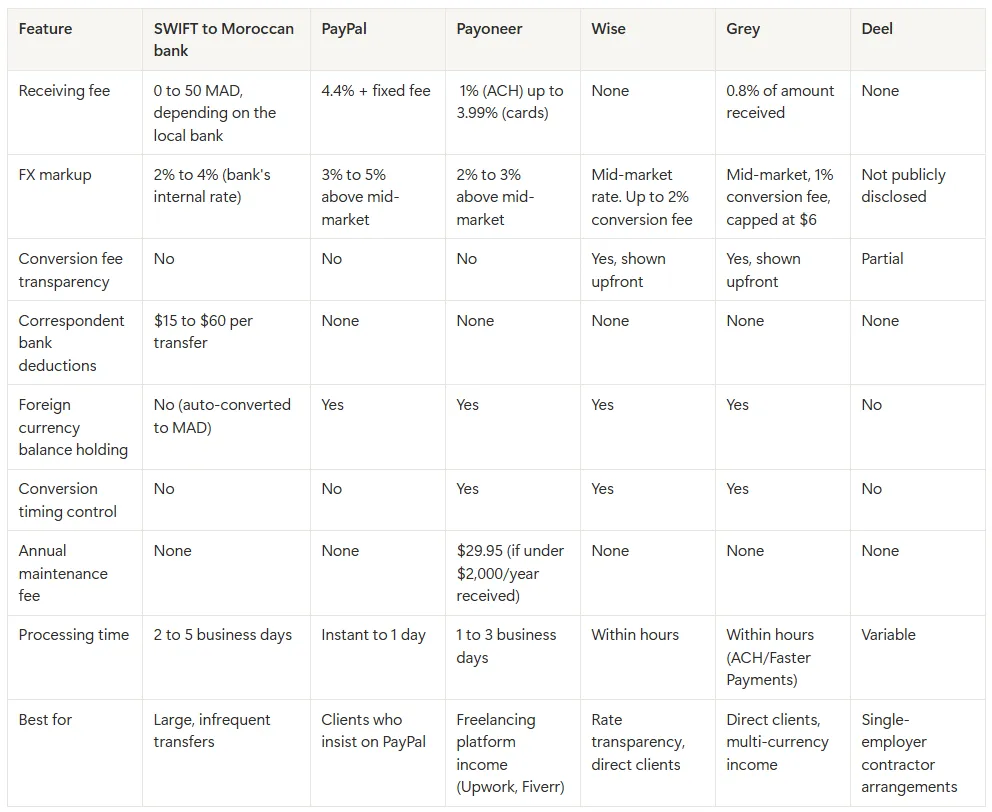
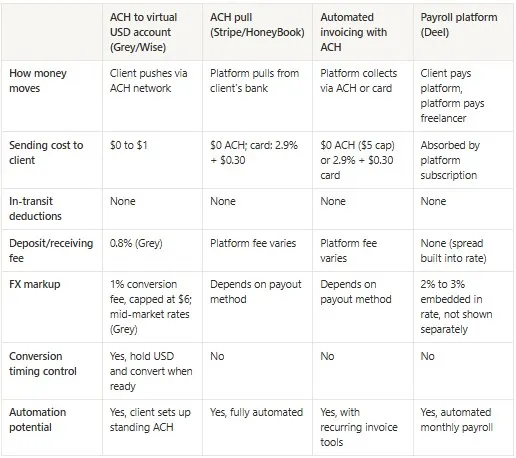
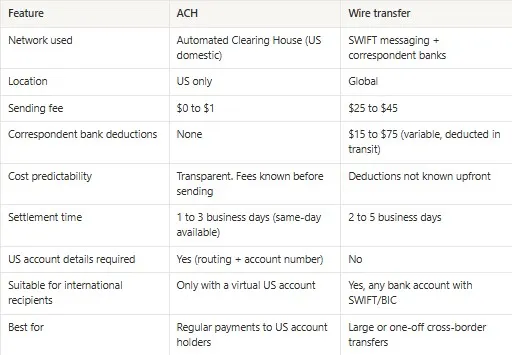
Before signing, clearly define the payment currency (USD, EUR, etc.) to avoid losses from fluctuating exchange rates. Specify acceptable payment methods, such as wire transfer, Payoneer, or Grey, and ensure they are reliable in your country. Include milestones and consider requesting a 20–50% upfront deposit to secure partial payment before starting work. Setting these details in the contract protects your earnings, builds trust with the client, and ensures both parties understand when and how payments will be made.
Late payments
Contracts should explicitly address late payments. Include interest fees, usually 1–5%, and clearly define the payment timeline, such as Net-15 or Net-30 terms. This ensures clients understand the consequences of delayed payments and protects your cash flow. By documenting these terms upfront, you reduce uncertainty, minimise disputes, and maintain professional boundaries. Having a formal clause for late payment safeguards your financial stability and encourages clients to prioritise timely transfers.
Scope of work & revisions
Clearly outline the deliverables, project milestones, and any limits on revisions in the contract. Ambiguous terms often lead to scope creep, where clients request additional work without extra compensation. Defining your responsibilities and revision limits protects your time, reduces stress, and ensures fair compensation. This clarity allows you to manage expectations professionally and prevents misunderstandings, giving both you and your client confidence in the agreement.
Taxes & compliance
Understand that foreign clients rarely withhold taxes on payments. As a freelancer, you are responsible for declaring your income, paying local taxes, and managing VAT or GST obligations. Include a note in your financial planning to account for these liabilities, and keep records of all invoices and payments. Knowing your responsibilities ensures compliance, avoids legal penalties, and gives you peace of mind when working with international clients.
Intellectual property & termination
Specify who owns the work and when ownership transfers in the contract. Define terms for contract termination, including what constitutes a “kill fee” if a project ends early. Clarifying these points protects your creative and professional work, prevents disputes, and ensures fair compensation in unexpected circumstances. Explicit IP and termination clauses provide security for both parties and establish professional expectations before work begins.
Legal jurisdiction
Contracts should state which country’s law governs the agreement. Jurisdiction affects dispute resolution, enforceability, and your legal rights. Knowing this before signing helps you understand which courts, arbitration, or legal processes apply if disagreements arise. For freelancers, choosing a jurisdiction that is reasonable and fair ensures you are not disadvantaged and provides a clear framework for resolving conflicts professionally and efficiently.
Why must freelancers sign contracts before starting work?
Signing a contract protects your work, income, and professional relationship, ensuring clarity and security before starting any freelance or consulting project.
1. Protects your payments
A signed contract guarantees agreed-upon payment terms, rates, and schedules. It secures upfront deposits, prevents disputes, and ensures clients cannot delay or withhold funds without consequences.
2. Defines scope of work
Contracts clearly outline deliverables, responsibilities, and revision limits. This prevents scope creep, overwork, and misunderstandings, keeping the project manageable and professional.
3. Secures intellectual property
Contracts define ownership of work and when it transfers. This protects your creative or professional output and ensures you retain rights until payment is complete.
4. Provides legal recourse
Contracts specify governing law and dispute resolution methods. In case of disagreements, they provide a clear framework to enforce your rights professionally.
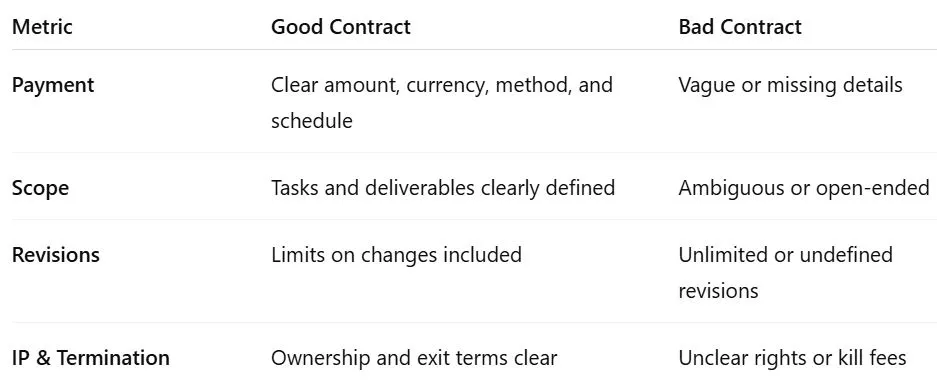
Use this table to quickly spot the differences between a good and a bad contract.
Who should sign your freelance or consulting contracts
Only the right people should sign contracts to ensure legal validity, accountability, and protection of your work and income.
1. The freelancer
You, as the service provider, must always sign the contract to confirm agreement to terms, responsibilities, and payment conditions. Your signature legally binds you and protects your rights.
2. The client
The person you’re directly collaborating with should sign to confirm their commitment to the project, deliverables, and payments. This ensures mutual accountability.
3. Company director or CEO
For larger businesses, a director or CEO signing guarantees the contract has executive approval and that funds and obligations are formally committed.
4. Legal manager
Some organisations require a legal or contract manager’s signature to validate compliance with internal policies and mitigate legal risks for both parties.
LDMAG1
Signing a contract is just the first step; ensuring secure, reliable payments is equally important. Grey is an ideal solution for freelancers working with US clients. It offers virtual USD, EUR, and GBP accounts, real bank details for smooth transfers, competitive conversion rates, and fast withdrawals to your local account. Sign up on Grey or download the app to get your banking details instantly.
.svg)