

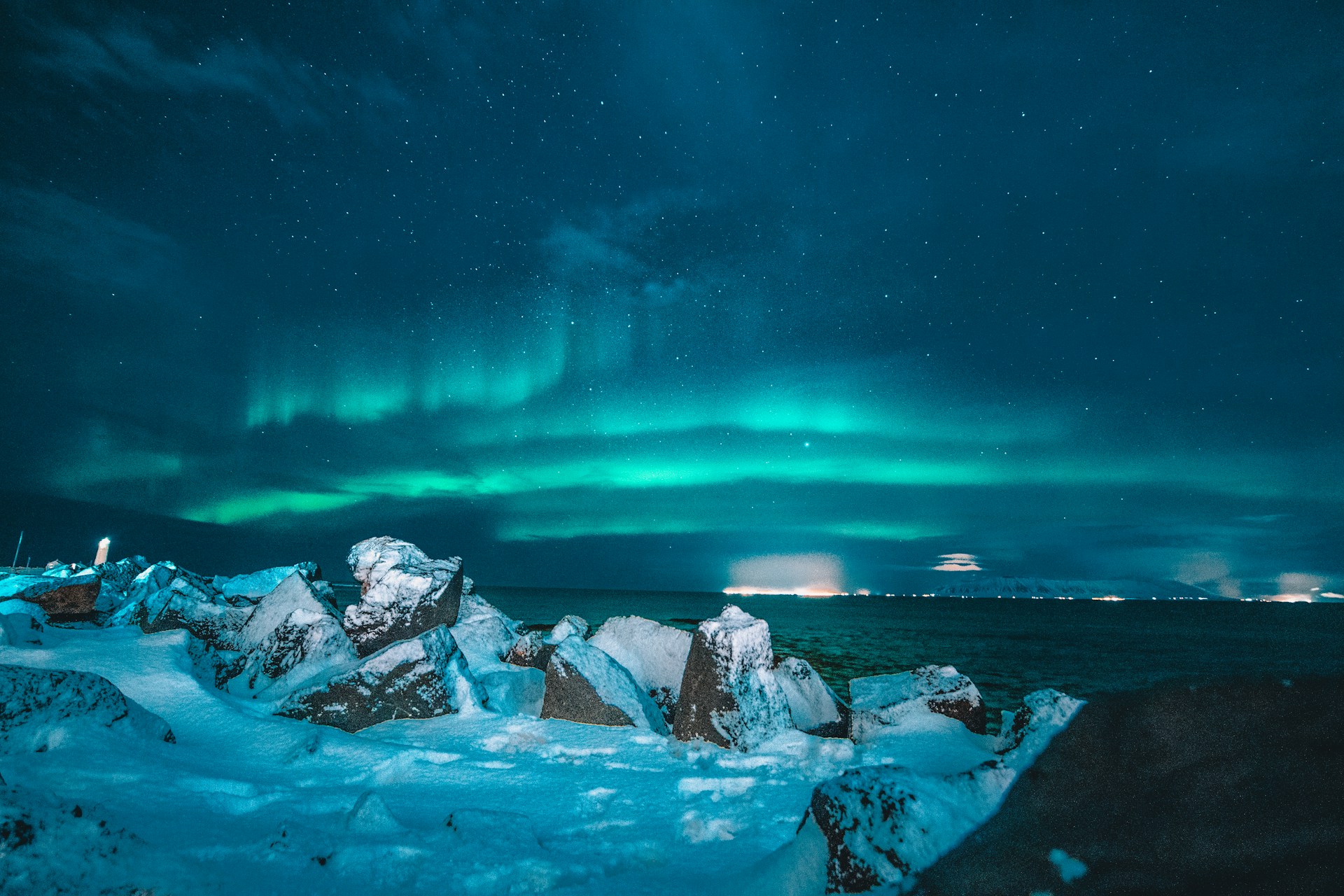
Nothing could have prepared me for Iceland. I'd seen countless photos of its waterfalls, glaciers, black sand beaches and volcanic landscapes, but seeing them in person was something else entirely. There were moments when I genuinely felt like I'd landed on another planet. But there's something else nobody prepared me for: the prices.
I knew Iceland was expensive. Everyone tells you that before you go. What I didn't realise was just how much I'd end up spending on simple things like a meal, getting around or a night in a hotel. And when you're surrounded by so many incredible places to explore, it's surprisingly easy to spend more than you planned.
If you're planning an Iceland trip, knowing what to expect financially can make a huge difference. Here's what you should budget for flights, accommodation, transport, food and activities, including how much Iceland trips cost when you're travelling from different parts of the world.
A one-week trip to Iceland costs roughly $2,000 to $4,500 per person. Iceland is expensive: budget travellers spend around $2,000 to $2,800, mid-range $3,000 to $4,500, and luxury $7,000 or more. Car hire, food, and tours drive the cost more than flights, which are often cheap from hub cities.
How much does a trip to Iceland cost? Budget range overview
The first thing to understand about an Iceland trip cost is that getting there isn't necessarily the most expensive part. Depending on where you're flying from, you might find a relatively affordable flight to Reykjavík. It's what you spend after arriving that can catch you off guard.
Accommodation, restaurant meals, car hire and organised excursions are considerably more expensive than in many other European destinations. Even a fairly modest itinerary can become costly when you're travelling around the island.
For a seven-day trip, here's a reasonable starting point for your budget.
These are planning estimates, including flights, rather than fixed prices. Your departure city, travel season and whether you're sharing accommodation and transport can change the total significantly.
Summer tends to be particularly expensive because demand for accommodation and rental cars increases. Travelling in spring or autumn may offer better value, although weather conditions can be less predictable.
If you're still deciding how much you can comfortably spend, our guide on how to plan a trip on a budget can help you work backwards from your available money.
How much does a trip to Iceland cost from the USA?
Travelling from the United States is relatively convenient, especially if you're flying from cities with direct connections to Keflavík International Airport, such as New York or Boston.
For a return flight, budget approximately $500 to $1,100, depending on your departure city, season and how far ahead you book. Flights from the East Coast can be considerably cheaper than those requiring a domestic connection.
Once you arrive, your main expenses will be accommodation, transport and food.
For a seven-day trip, a mid-range budget might look like this:
These estimates assume two people sharing a room and a rental car. Solo travellers should allow more for accommodation and transport.
You can reduce the total by staying in guesthouses, preparing some meals and choosing free attractions. Many of Iceland's most impressive waterfalls, beaches and viewpoints can be visited without paying for an organised tour.
How much does a trip to Iceland cost from North America?
If you're travelling from Canada or Mexico, the overall budget is similar to travelling from the United States, although flights may involve additional connections.
Return flights generally require a planning allowance of around $600 to $1,200. Toronto and Montréal can offer convenient connections, while travellers departing from Mexico may need to transit through the United States, Canada or Europe.

Once in Iceland, allow approximately $1,500 to $2,700 per person for a week of shared accommodation, car hire, meals and a few paid activities.
That brings the estimated total to $2,100 to $3,900 per person.
For travellers coming from Mexico, the exchange rate is another consideration. Your flights might be priced in Mexican pesos or US dollars, while most purchases in Iceland will be charged in Icelandic króna (ISK).
It's worth comparing the final price in your home currency, including any conversion or international card fees, before booking.
How much does a trip to Iceland cost from Europe?
Europe-based travellers have one major advantage: shorter flights and, in some cases, much cheaper fares.
Return flights from cities such as London, Dublin, Paris or Copenhagen can sometimes be found for approximately €150 to €400, especially outside the busiest summer months. Travelling from southern or eastern Europe may involve longer journeys or connections.
But cheaper flights don't necessarily mean a cheap holiday.
Once you're in Iceland, you'll face the same accommodation, food and transport prices as everyone else. For a week, allow approximately €1,400 to €2,500 for your expenses in Iceland, assuming shared accommodation and transport.
Your total trip budget could therefore be around €1,550 to €2,900 per person.
If you're based in Europe, a shorter four or five-day trip can be a good alternative. You could explore Reykjavík, the Golden Circle and part of the South Coast without committing to a full week of expenses.
How much does a trip to Iceland cost from Africa?
Travelling to Iceland from Africa usually requires more planning, as direct flights are limited and many itineraries involve connecting through European hubs.
For travellers departing from cities such as Lagos, Accra, Nairobi or Johannesburg, a return flight budget of approximately $700 to $1,400 is a useful starting point. Some routes, particularly from southern or eastern Africa, may cost more.
The expenses within Iceland remain similar: accommodation, food, transport and activities could add another $1,500 to $2,700 for a week.
That puts a typical seven-day trip at around $2,200 to $4,100 per person.
Before booking, check transit visa requirements for every country on your itinerary. A cheaper flight with a long European connection may not be the most practical option if additional documents or an overnight stay are required.
It's also worth allowing extra time between connecting flights, particularly if you're booking separate tickets.
How much does a trip to Iceland cost from South America?
For travellers coming from Brazil, Argentina, Colombia or other South American countries, flights will probably take up a significant part of the budget.
Most journeys require at least one connection, often through Europe or North America. Depending on your departure city and dates, return flights may cost approximately $1,300 to $2,200.
For a seven-day trip, you could budget:
These figures assume shared accommodation and car hire, with a mix of supermarket meals and restaurants.
Coming from Brazil, I would pay particular attention to flight connections and the overall journey time. Getting to Iceland can take a considerable amount of time, so it makes sense to stay long enough to enjoy the destination rather than rushing through everything in a few days.
If you're travelling that far, spending a little more time exploring the country may offer better value than squeezing everything into a short itinerary.
The flight ranges in these regional sections are indicative planning allowances, not verified live airfares for particular routes. The destination-cost estimates are informed by 2026 Iceland travel budgets and rental pricing. Actual quotes will depend on travel dates, availability and party size.
Trip to Iceland cost breakdown: flights, car hire, food and tours
Looking at the total cost is helpful, but breaking it down by expense makes it easier to decide where to spend more and where to save.
Here's what you can expect to pay for some of the main expenses during an Iceland trip.
These are indicative 2026 planning ranges, not guaranteed booking prices. Certain services like car hire and accommodation are especially sensitive to season. The Blue Lagoon, for instance, uses dynamic pricing.
Accommodation
Accommodation is one of the biggest expenses, particularly during the summer. A hostel dormitory is generally the cheapest option, while guesthouses offer a useful middle ground between shared accommodation and hotels. If you're travelling with someone else, splitting a private room can sometimes work out better than paying for two hostel beds.
Booking early matters, especially in smaller towns along popular road-trip routes, where accommodation choices can be limited.
Car hire and transport
Iceland is a destination where having a car can make a huge difference to your experience. Some of the places I found most memorable were the landscapes along the road itself. Being able to stop at a waterfall, a viewpoint or a stretch of black sand whenever you wanted was part of the experience. However, hiring a car involves more than the daily rental price. You also need to consider insurance, fuel, parking and road charges.
Iceland introduced a distance-based road usage charge in January 2026, so check how your rental company includes this in its pricing.
A small car may be sufficient for popular routes during the warmer months, but some roads require a 4x4. Iceland's official tourism website provides useful information about driving conditions and choosing a rental car.
Food and restaurants
Food is another expense that can surprise you. Eating out for every meal can quickly become one of the most expensive parts of the trip, particularly if you're travelling for more than a few days. One way to manage this is to combine restaurants with supermarket meals. Stores such as Bónus and Krónan are popular options for groceries, snacks and ingredients for simple meals.
If your accommodation includes a kitchen, you can save considerably by preparing breakfast or dinner yourself. You don't have to avoid restaurants completely, just decide which meals you'd genuinely like to spend more on and budget accordingly.
Tours and activities
One of the best things about Iceland is that many of its most extraordinary sights are natural attractions. You can visit famous waterfalls, explore dramatic coastal landscapes and enjoy spectacular viewpoints without paying for admission to every stop. Other experiences, however, come with a significant price tag. Glacier hikes, whale-watching excursions, ice cave tours and geothermal spas can add hundreds of dollars to your budget.
The Blue Lagoon, for example, advertises Comfort admission from ISK 11,990, with higher-priced packages available. Prices vary by date and demand, so check the official Blue Lagoon website before making your plans. I'd recommend choosing two or three paid experiences that really interest you rather than trying to fit everything into one trip.
Other expenses worth planning for
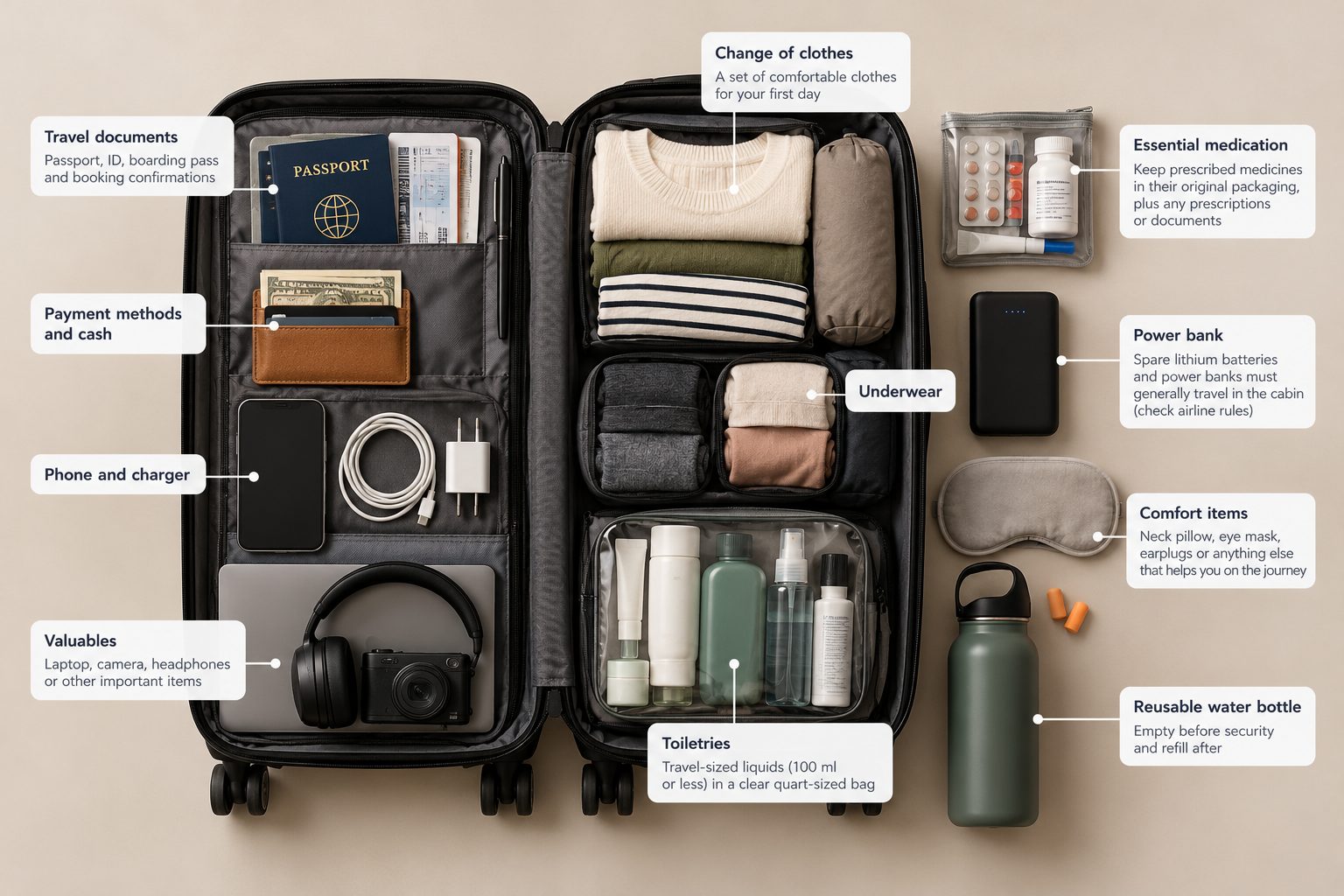
There are a few smaller costs that are easy to overlook, including airport transfers, parking, travel insurance and mobile data. Packing properly can also save you from having to buy expensive clothing or accessories after arriving.
And if you're saving for your holiday over several months, being able to hold multiple currencies for travel can help you organise money for expenses in different currencies. Keep in mind that Iceland uses ISK, so conversion may still be required when you pay.
How to budget and pay for your trip to Iceland
One thing I appreciated about Iceland was how little cash I needed. Cards are widely accepted, even for relatively small purchases, so you don't have to arrive with a wallet full of Icelandic króna.
In fact, many automated petrol stations require a payment card with a PIN. Still, paying in a different currency means paying attention to exchange rates and card fees. A small additional charge on every transaction can add up over a week of hotels, restaurants and activities.
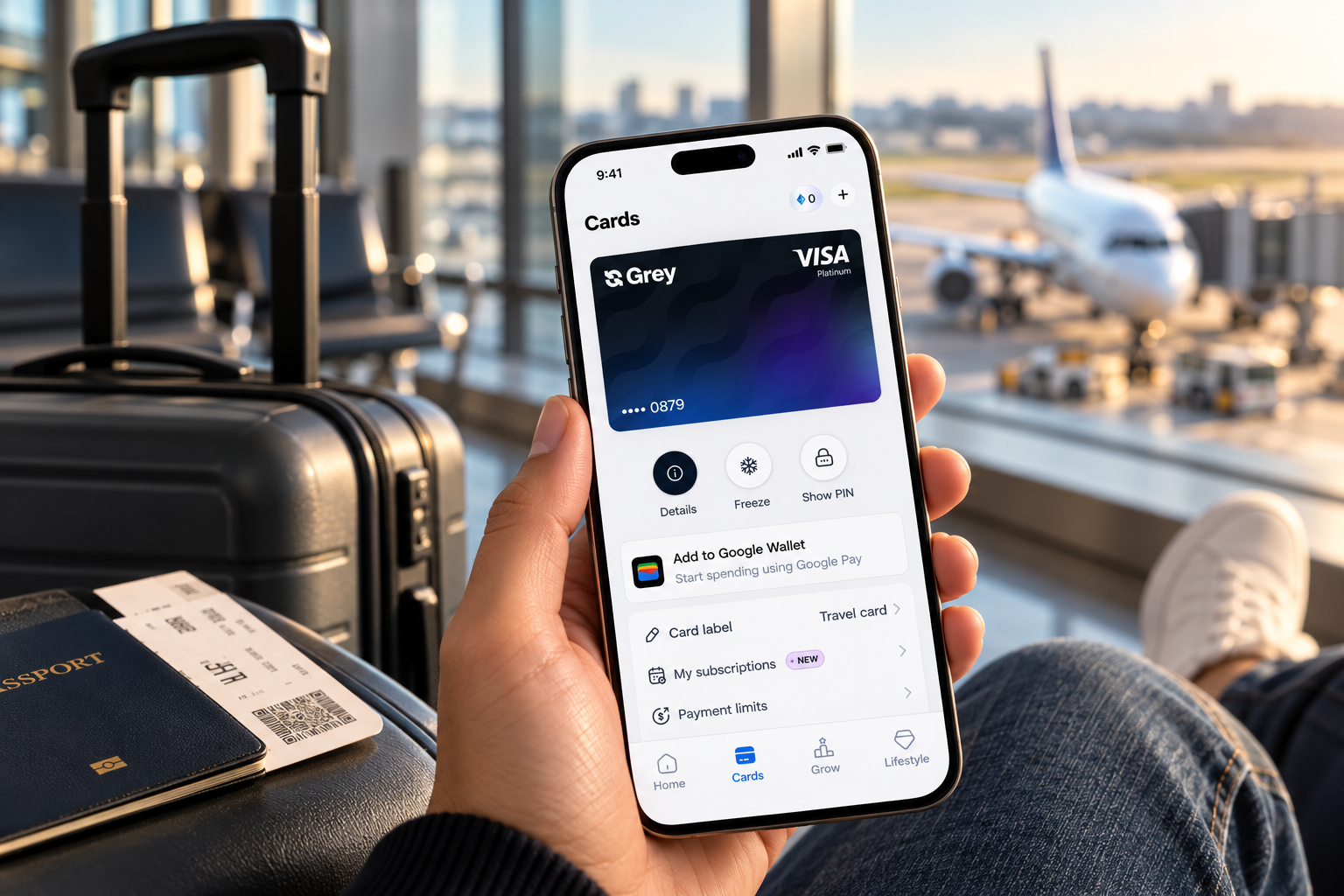
This is where Grey can help you organise your travel spending. With Grey, you can pay with a virtual card using a Visa card linked to your eligible currency balances. You can also add the card to Apple Pay or Google Pay for contactless purchases in supported regions. The card has a one-time $5 creation fee and no monthly maintenance fee. Currency conversion and applicable cross-border charges may still apply, so check the final amount before paying.
You can also buy a travel eSIM for Iceland through the Grey app, subject to plan availability. This can be particularly useful when you're navigating unfamiliar roads, checking weather conditions or looking up your next destination.
If you're preparing your travel budget in advance, Grey also lets you move money before you travel, depending on the currencies and transfer routes available to your account.
A few ways to spend less in Iceland
I wouldn't recommend trying to save money on absolutely everything. Iceland is one of those destinations where certain experiences are worth setting money aside for.
But there are practical ways to keep your spending under control:
- Travel in the shoulder season, when accommodation and car hire may be cheaper than in July and August.
- Share a rental car and accommodation with a friend or partner.
- Book accommodation with breakfast or kitchen facilities.
- Choose a few paid activities and spend the rest of your time exploring free natural attractions.
- Compare the total rental car cost, including insurance, fuel, parking and road charges.
- Leave some room in your budget for unexpected expenses, especially if the weather changes your plans.
I'd also recommend allowing a little extra for the experiences you haven't planned. Sometimes the most memorable part of a trip is discovering somewhere you didn't even know existed.
Ready for Iceland? Get a Grey virtual card to organise your travel spending and explore travel eSIM options in the Grey app before you leave.
Frequently asked questions about the cost of a trip to Iceland
How much does a trip to Iceland cost for one week?
A one-week trip to Iceland typically requires a budget of around $2,000 to $4,500 per person, including flights. Budget travellers sharing accommodation and transport may spend less, while luxury travellers can easily exceed $7,000.
The total depends on your departure city, travel season, accommodation and activities.
Why is Iceland so expensive?
Iceland has relatively high labour and operating costs, and many consumer goods need to be imported. Accommodation and transport can also be expensive because of seasonal demand and the costs associated with operating services in a small, geographically isolated country.
Tourism businesses also face substantial costs for vehicles, fuel, maintenance and staffing.
Is $3,000 enough for a trip to Iceland?
Yes, $3,000 can be enough for a seven-day Iceland trip, especially if you're travelling from Europe or North America and sharing accommodation and car hire.
You may need to be more selective about restaurants and paid excursions. If you're travelling from South America or another region with expensive flights, $3,000 could be a tighter budget.
Do you need to rent a car in Iceland?
Not necessarily. If you're staying in Reykjavík, you can explore the city and book organised excursions to popular attractions such as the Golden Circle and South Coast.
However, renting a car gives you more flexibility to explore independently. If you're planning a road trip, consider the season, weather conditions and the type of roads you'll be using.
Can you pay by card everywhere in Iceland?
Cards are accepted at most hotels, restaurants, shops and tourist attractions. Iceland is largely cashless, so many travellers can manage without exchanging much physical currency.
However, it's sensible to have a backup payment method. Some automated petrol stations require a card with a PIN, and you should check that your card works for international transactions before travelling.
What is the cheapest month to visit Iceland?
January, February and November can offer lower accommodation and car hire prices than the summer months, although Christmas and other holiday periods may be exceptions.
May, September and early October can also offer a useful balance between prices, daylight and accessibility.
Remember that winter travel brings shorter days and potentially difficult driving conditions, so a cheaper hotel or rental car doesn't automatically mean the trip will be easier.
How many days do you need in Iceland?
Five to seven days is enough to explore Reykjavík, the Golden Circle and parts of the South Coast at a comfortable pace.
If you want to drive the entire Ring Road, consider allowing at least 10 to 14 days. This gives you more time to explore and accommodate changes in weather or road conditions.
Is Iceland worth the cost?
For me, absolutely.
Iceland was one of those places where the landscapes were even more impressive than the photos. There was something extraordinary about driving past lava fields, enormous waterfalls and mountains that looked almost unreal.
Would I have liked to spend less? Definitely. But looking back, I remember the places I visited far more than the money I spent getting there.
An Iceland trip requires a realistic budget, particularly if you're travelling from far away. But with some planning, you can enjoy much of what makes the country special without spending a fortune on every activity.
And if there's one thing I'd recommend, it's this: prepare for the prices, but leave plenty of room to be surprised by everything else. Planning your Iceland trip? Explore Grey's virtual card and get your travel payments organised before you go.