

<script type="application/ld+json" data-schema-version="grey-blog-v4">
[{"@context":"https://schema.org","@type":"BlogPosting","@id":"https://grey.co/blog/how-to-plan-a-road-trip#article","headline":"How to plan a road trip in the US (plus the best scenic routes)","description":"Learn how to plan a road trip step by step, with the best scenic US routes, a budget planner, and the easy way to pay for fuel and tolls. ","inLanguage":"en","url":"https://grey.co/blog/how-to-plan-a-road-trip","mainEntityOfPage":{"@id":"https://grey.co/blog/how-to-plan-a-road-trip#webpage"},"datePublished":"2026-10-06T22:55:00.239Z","dateModified":"2026-10-06T23:00:12.661Z","author":{"@type":"Person","@id":"https://grey.co/authors/priscila-marotti#person","name":"Priscila Marotti","url":"https://grey.co/authors/priscila-marotti","jobTitle":"Content Writer","sameAs":["https://www.linkedin.com/in/priscila-marotti/"]},"publisher":{"@type":"Organization","@id":"https://grey.co/#organization","name":"Grey","url":"https://grey.co","logo":{"@type":"ImageObject","url":"https://cdn.prod.website-files.com/6360022338a81bd6fdbb1145/6564ae1077a67e39d3c491a6_Grey%20Logo%20Lockup%20Black.svg"}},"image":{"@type":"ImageObject","@id":"https://grey.co/blog/how-to-plan-a-road-trip#primaryimage","url":"https://cdn.prod.website-files.com/636a85d290ee58e70c17e1c0/6ac57d622a094e68b3d8fb7a_How%20to%20Plan%20a%20Road%20Trip%20in%20the%20US-compressed.jpg","contentUrl":"https://cdn.prod.website-files.com/636a85d290ee58e70c17e1c0/6ac57d622a094e68b3d8fb7a_How%20to%20Plan%20a%20Road%20Trip%20in%20the%20US-compressed.jpg","width":1200,"height":675}},{"@context":"https://schema.org","@type":"WebPage","@id":"https://grey.co/blog/how-to-plan-a-road-trip#webpage","url":"https://grey.co/blog/how-to-plan-a-road-trip","name":"How to Plan a Road Trip in the US: Routes and Tips | Grey","description":"Learn how to plan a road trip step by step, with the best scenic US routes, a budget planner, and the easy way to pay for fuel and tolls. ","inLanguage":"en","primaryImageOfPage":{"@id":"https://grey.co/blog/how-to-plan-a-road-trip#primaryimage"},"breadcrumb":{"@id":"https://grey.co/blog/how-to-plan-a-road-trip#breadcrumb"}},{"@context":"https://schema.org","@type":"BreadcrumbList","@id":"https://grey.co/blog/how-to-plan-a-road-trip#breadcrumb","itemListElement":[{"@type":"ListItem","position":1,"name":"Home","item":"https://grey.co/"},{"@type":"ListItem","position":2,"name":"Blog","item":"https://grey.co/blog"},{"@type":"ListItem","position":3,"name":"How to plan a road trip in the US (plus the best scenic routes)","item":"https://grey.co/blog/how-to-plan-a-road-trip"}]},{"@context":"https://schema.org","@type":"FAQPage","@id":"https://grey.co/blog/how-to-plan-a-road-trip#faq","mainEntity":[{"@type":"Question","name":"How do I plan a road trip for the first time?","acceptedAnswer":{"@type":"Answer","text":"Start with a route (pick a destination or a scenic drive). Map your overnight stops every 3 to 5 hours of driving. Book your first night, last night, and any national park accommodation in advance. Budget for fuel, food, stays, and one unexpected cost. Prep the car (tyres, oil, lights). Download offline maps. Everything else can be flexible."}},{"@type":"Question","name":"What is the best US road trip for beginners?","acceptedAnswer":{"@type":"Answer","text":"The Pacific Coast Highway from San Francisco to Los Angeles. It's short (650 miles, 5 to 7 days), the route is well-marked, accommodation is plentiful, and the scenery is spectacular from start to finish. Reliable cell coverage for most of the route makes navigation easy."}},{"@type":"Question","name":"How much does a road trip across the US cost?","acceptedAnswer":{"@type":"Answer","text":"A coast-to-coast trip (roughly 2,800 miles, 10 to 14 days) typically costs $2,500 to $5,000 per person. Budget roughly: $300 to $500 for fuel, $1,000 to $2,500 for accommodation, $500 to $1,000 for food, and $200 to $500 for tolls, attractions, and unexpected costs. Camping and cooking drop the total significantly."}},{"@type":"Question","name":"How far should I drive per day on a road trip?","acceptedAnswer":{"@type":"Answer","text":"4 to 5 hours of actual driving (200 to 300 miles on highways) is the sweet spot. You can push to 6 to 8 hours on long transfer days, but doing that daily will burn you out by day three. Plan around a 4-hour average and add a rest day every three or four driving days."}},{"@type":"Question","name":"Do I need an America the Beautiful pass?","acceptedAnswer":{"@type":"Answer","text":"If you're visiting two or more national parks, yes. The pass costs $80 per vehicle per year and covers all 400+ National Park Service sites. A single park entry is typically $30 to $35, so the pass pays for itself after three parks. For the Utah Mighty Five loop, it saves roughly $95 in entrance fees."}},{"@type":"Question","name":"Can I do a US road trip without a car?","acceptedAnswer":{"@type":"Answer","text":"You'll need a car. Public transport doesn't cover most scenic routes. If you don't own a car, rent one early for the best rates. Airport pickup is usually cheaper than city-centre. Under-25 drivers can expect a surcharge of $20 to $30 per day. International visitors need a valid driving licence from their home country."}}]},{"@context":"https://schema.org","@type":"ItemList","@id":"https://grey.co/blog/how-to-plan-a-road-trip#list","name":"How to plan a road trip in the US (plus the best scenic routes)","numberOfItems":4,"itemListElement":[{"@type":"ListItem","position":1,"name":"Pacific Coast Highway"},{"@type":"ListItem","position":2,"name":"Route 66"},{"@type":"ListItem","position":3,"name":"Blue Ridge Parkway"},{"@type":"ListItem","position":4,"name":"Utah Mighty Five"}]}]
</script>
Travel
•
October 6, 2026
•
8 min read
How to plan a road trip in the US (plus the best scenic routes)
Priscila Marotti
TABLE OF CONTENT
SHARE THIS POST
You've got two weeks off, a car, and roughly $2,000. That's enough for an incredible US road trip if you plan it right, and barely enough for a frustrating one if you don't. Most people start by picking a route. That's actually step two. Step one is deciding how many hours you're willing to drive each day, because that single number determines where you can go, how many stops you can make, and whether you'll enjoy the trip or just survive it.
To plan a road trip, pick your route and stops, set a daily driving limit, budget for fuel, food, and stays, book key accommodation early, and prepare your car. Build in buffer time for detours. Use a card with no foreign transaction fees if you're visiting from abroad.
We've planned this guide around the decisions in the order you actually need to make them, not the order most articles put them in. You'll also find the four best scenic road trips in the US with real distances, costs, and timing, so you can compare routes before committing.
How to plan a road trip: step by step
Planning a road trip comes down to six decisions, made in this order. Skip one and the rest get harder.
1. Choose your route. Start with a destination or a theme. Do you want coastline (Pacific Coast Highway), desert (Utah's Mighty Five parks), history (Route 66), or mountains (Blue Ridge Parkway)? Once you've picked the theme, map the route and identify overnight stops roughly every 3 to 5 hours of driving. Google Maps and Roadtrippers are the two best tools for this.
2. Set a daily driving limit. The number one mistake on road trips is overestimating how far you want to drive in a day. 4 to 5 hours of actual driving is sustainable. Six is fine occasionally. Eight is miserable and dangerous. Plan your stops around a 4-hour average, and you'll enjoy the drive instead of enduring it.
3. Book accommodation for your first and last nights, plus any national parks. Everything in between can stay flexible. But the first night sets the tone (don't arrive exhausted because you drove too far), and national park lodges and campsites book months in advance. If you're visiting in summer, book Yosemite, Zion, or Yellowstone accommodation 3 to 6 months ahead.
4. Budget the trip before you leave. Fuel, food, accommodation, tolls, park entrance fees, and one unexpected cost. We'll break this down below with a worked example.
5. Prepare the car. Tyres, oil, coolant, wipers, and a safety kit. A breakdown 100 miles from the nearest town is the kind of adventure nobody wants. If you're renting, inspect the car before you leave the lot and document any existing damage.
6. Download offline maps. Cell coverage is patchy in rural America, especially through the desert Southwest, mountain passes, and stretches of Montana and Wyoming. Download your entire route on Google Maps or Maps.me before you leave. If you're visiting from abroad and need data on the road, a travel eSIM is cheaper and more reliable than roaming on your home plan.
Best scenic road trips in the US
If you're looking for road trip ideas, these are the four routes that consistently rank as the best road trips in the USA. Here's a quick comparison:
Route
Distance
Days
Est. fuel cost
Best season
Pacific Coast Highway
~650 mi
5 to 7
$80 to $120
Apr to Oct
Route 66
~2,400 mi
10 to 14
$250 to $400
May to Sep
Blue Ridge Parkway
~469 mi
3 to 5
$60 to $90
Sep to Nov
Utah Mighty Five
~900 mi
7 to 10
$120 to $180
Mar to May, Sep to Nov
Pacific Coast Highway is probably the most photographed road trip in the country. San Francisco to Los Angeles (or the reverse), hugging the coast through Big Sur, Monterey, Santa Barbara, and Malibu. It's short enough for a long weekend if you push it, but 5 to 7 days lets you stop at every viewpoint without rushing.
Route 66 is the classic. 2,400 miles from Chicago to Santa Monica, crossing eight states and three time zones. It's a trip through small-town America, roadside diners, and neon signs. Budget at least 10 days. Some stretches of the original route have been replaced by interstate, but most of the iconic stops are still there.
Blue Ridge Parkway is the most underrated route on this list. 469 miles through the Appalachian Mountains from Virginia to North Carolina, with no commercial traffic (trucks are banned). In autumn, the foliage is extraordinary. It's also one of the cheapest road trips because there are no tolls and fuel distances are short.
Utah's Mighty Five hits all five of Utah's national parks in a single loop: Arches, Canyonlands, Capitol Reef, Bryce Canyon, and Zion. The landscape is unlike anything else in the US. Spring and autumn are the sweet spots; summer is brutally hot and parks are overcrowded. An America the Beautiful pass ($80 per vehicle per year), from the National Park Service, covers entrance fees for all five parks.
All fuel costs are estimates based on a vehicle averaging 25 to 30 mpg at mid-2026 US fuel prices. Your actual cost will vary by vehicle, driving style, and fuel price at the time of travel.
How to budget for a road trip
The number that catches most people off guard isn't fuel. It's food. A two-week road trip where you eat at restaurants for every meal can easily cost $1,500 to $2,000 per person. Pack a cooler, buy groceries, and save restaurants for the stops that deserve them.
Here's a worked budget for a 7-day Pacific Coast Highway trip for two people:
Expense
Estimated cost (2 people, 7 days)
Fuel (650 mi, 25 mpg, ~$4/gal)
$100 to $120
Accommodation (motels + Airbnb mix)
$700 to $1,200
Food (groceries + 3 restaurant meals)
$400 to $600
Tolls (Golden Gate Bridge + minor)
$10 to $20
Park and attraction fees
$30 to $80
Unexpected (flat tyre, parking, etc.)
$100 to $200
TOTAL
$1,340 to $2,220
The range is wide because accommodation drives most of the variance. Camping ($20 to $40 per night) versus a beachfront motel in Big Sur ($250+ per night) changes the total dramatically. If you're saving up for the trip, save for your road trip in a Pouch so the money is set aside and visible, separate from your everyday spending.
All costs are estimates based on mid-2026 prices. Fuel, accommodation, and food costs vary seasonally and by region.
Road trip packing and car prep
Two lists: one for the car, one for you.
Car prep (do this at least a week before you leave): check tyre pressure and tread depth (including the spare), check oil level and coolant, test all lights (headlights, brake lights, indicators, fog lights), replace wiper blades if they streak, and make sure your breakdown cover is active and covers your route.
Safety kit: jump cables or a portable jump starter, a basic tool kit, a torch with fresh batteries, a first aid kit, a reflective warning triangle or flares, and a printed copy of your route (in case your phone dies and there's no signal).
Packing for you: pack light. Road trip luggage lives in the boot, not in overhead bins, so you have more space than flying, but overpacking means less room for souvenirs and groceries. Bring layers (mountain and coastal temperatures swing 15 to 20 degrees between morning and afternoon), comfortable driving shoes, sunscreen, a reusable water bottle, and a cooler if you're planning to buy groceries.
One thing most people forget: a phone mount for the dashboard. Using your phone as a GPS while it sits in your lap is unsafe and illegal in many states. A $15 mount solves this completely.
How to pay on a US road trip
If you live in the US, your regular debit or credit card handles everything. Fuel, tolls, accommodation, food. The only thing to watch is whether your card charges foreign transaction fees if you cross into Canada or Mexico during the trip.
If you're visiting the US from abroad, paying for a road trip gets more complicated. Your home bank card works at most fuel stations and restaurants, but foreign transaction fees of 1.5 to 3% add up fast over a two-week trip. On $3,000 in spending, that's $45 to $90 in fees you didn't need to pay.
A card with no foreign transaction fees is the simplest fix. Grey's virtual Mastercard works at US fuel stations, restaurants, and toll booths. You load USD before you leave and spend from your dollar balance, so there's no conversion markup on every transaction. Pay for fuel and tolls on a virtual card.
For data and navigation, a travel eSIM is cheaper than international roaming. You buy it before you leave, activate it when you land, and get US data for maps, music, and booking accommodation on the road. Buy a travel eSIM for the US. And if you need to move money before you travel, Grey handles that too.
Cash tip: carry $100 to $200 in small bills. Some rural fuel stations, farm stands, and small-town diners are cash-only.
Frequently asked questions about planning a road trip IN the US
How do I plan a road trip for the first time?
Start with a route (pick a destination or a scenic drive). Map your overnight stops every 3 to 5 hours of driving. Book your first night, last night, and any national park accommodation in advance. Budget for fuel, food, stays, and one unexpected cost. Prep the car (tyres, oil, lights). Download offline maps. Everything else can be flexible.
What is the best US road trip for beginners?
The Pacific Coast Highway from San Francisco to Los Angeles. It's short (650 miles, 5 to 7 days), the route is well-marked, accommodation is plentiful, and the scenery is spectacular from start to finish. Reliable cell coverage for most of the route makes navigation easy.
How much does a road trip across the US cost?
A coast-to-coast trip (roughly 2,800 miles, 10 to 14 days) typically costs $2,500 to $5,000 per person. Budget roughly: $300 to $500 for fuel, $1,000 to $2,500 for accommodation, $500 to $1,000 for food, and $200 to $500 for tolls, attractions, and unexpected costs. Camping and cooking drop the total significantly.
How far should I drive per day on a road trip?
4 to 5 hours of actual driving (200 to 300 miles on highways) is the sweet spot. You can push to 6 to 8 hours on long transfer days, but doing that daily will burn you out by day three. Plan around a 4-hour average and add a rest day every three or four driving days.
Do I need an America the Beautiful pass?
If you're visiting two or more national parks, yes. The pass costs $80 per vehicle per year and covers all 400+ National Park Service sites. A single park entry is typically $30 to $35, so the pass pays for itself after three parks. For the Utah Mighty Five loop, it saves roughly $95 in entrance fees.
Can I do a US road trip without a car?
You'll need a car. Public transport doesn't cover most scenic routes. If you don't own a car, rent one early for the best rates. Airport pickup is usually cheaper than city-centre. Under-25 drivers can expect a surcharge of $20 to $30 per day. International visitors need a valid driving licence from their home country.
Hitting the road? Save for your trip in a Grey Pouch and pay for fuel and tolls on a virtual card, wherever the highway takes you.
Disclaimer: This article is for informational purposes only. Fuel prices, accommodation rates, park fees, and toll charges change seasonally. All cost estimates are based on mid-2026 data. Verify current prices before you travel. Grey isn't a bank. We're a licensed financial services provider offering multi-currency accounts.
When people picture travel bloggers, they often imagine chatty twenty or thirty-somethings with expensive smartphones or cameras for shooting perfectly edited vlogs. I know that isn’t very far from the truth, but it’s not exactly as straightforward as that.
Growing a travel blog or vlog, especially while working remotely, can be a chaotic experience. You need routines that fit around your work schedule, a creative process that aligns with your travels, and money systems that don’t collapse every time you move countries. Let’s break down how to make this lifestyle sustainable and even profitable.
Find your niche
There are thousands of travel creators already, so you need to stand out. Growth happens when you’re known for something.
You could be the person who discusses the “real cost of living” in different cities, breaking down expenses such as groceries, rent, and data plans. Alternatively, you can focus on food, sharing stories about the best markets or restaurants in various cities. Pick a few themes you’ll always return to. These pillars make it easier to stay consistent, and your audience knows what to expect from you.
Balancing a remote job with content creation requires some careful planning. Scheduling helps a lot with this. You need to block out time for your content, plan deliverables, and respect deadlines. That discipline keeps you from posting one big video, then ghosting for months.
Create content that actually works
You don’t have to buy the fanciest gear. A good phone, a small mic, and natural light will do most of the heavy lifting. What matters more is storytelling. Instead of posting a random clip of “me walking in Lisbon,” try: “How much it costs to eat out in Lisbon for a day.” The difference is in the story that’s being told. You need to key into people’s curiosity, and satisfying this curiosity will drive growth.
When you edit, think in layers: main story, supporting visuals, and sound. Add ambient noise from the street, overlay quick prices on screen, and keep cuts snappy. Repurposing is also a really powerful strategy. One long-form YouTube video can then be broken down into five short TikToks or Reels.
Posting consistently is just the baseline. To grow, you need to build a community. You will need to reply to comments just as you would to regular WhatsApp messages and share behind-the-scenes moments that make you feel human and relatable. Also, don’t be afraid to ask questions in your captions; people love to share their opinions. That debate is engagement.
The long game
Growing a travel blog or vlog while working remotely is less about going viral (although that would be nice) and more about creating systems that allow you to balance work, life, and creativity without burning out.
So next time you’re editing at 2 a.m. with spotty Wi-Fi, remember that you’re building a library of stories that will outlive the trip itself and maybe even fund the next one.
At the end of the day, growing a travel blog or vlog while working remotely is about being consistent, resourceful, and authentic.
But there’s one thing every creator eventually learns: your content might be global, but your payments need to be simple. With Grey’s multi-currency accounts, you can receive payments from clients, sponsors, or platforms in USD, EUR, or GBP and easily convert them into the local currency at fair rates. No more hidden fees eating into your hard-earned travel income.
Another flame joins it… Then another… And before long, a cold street in London feels a little more like Delhi.
That’s what Diwali does best when it bridges continents with light.
Every year, millions of Indians abroad recreate the festival of lights in their own corners of the world, transforming apartments, city squares, and even office spaces into pockets of home. This sacred tradition originated more than 2,000 years ago and now travels across the globe.
What Diwali is about
Diwali means “row of lights” and is one of India’s oldest and most widely celebrated festivals. Across different beliefs, it marks the victory of light and knowledge over darkness and ignorance.
In this five-day celebration, families light diyas, share sweets and gifts, perform prayers, and decorate their homes with rangoli patterns. Each day has its own significance, welcoming prosperity and wealth, and celebrating family and community.
For many living abroad, that also means finding creative ways to stay connected: sending digital gifts, paying for festive deliveries, or transferring money home so loved ones can celebrate too.
The celebration that travels
Few festivals can match Diwali’s global energy, celebrated by over a billion people with music, devotion and, naturally, plenty of lights.
In London, Trafalgar Square bursts to life every autumn with hundreds of dancers performing classical, folk, and Bollywood styles. Thousands of lamps and street food stalls bring the flavours and energy of India to the heart of the city.
In Dubai, fireworks light up the skyline over Al Seef and Global Village as families celebrate with festive dinners, temple visits, and cultural events. The city sparkles with a mix of tradition and modern energy.
In Toronto, the Gerrard India Bazaar hosts parades, fireworks, live music, and communal feasts during the Diwali Mela. People of all backgrounds join to enjoy South Asian culture and cuisine in downtown Toronto.
In Singapore, HDB flats glow with lights and rangoli as Little India’s Deepavali Light Up festival fills the streets with fairs, performances, and open houses. Community spirit and cultural pride shine through every corner.
In Melbourne, neighbourhoods celebrate Diwali with light displays, music, dance, and street fairs. Shared meals and community events bring the warmth of the festival to life across the city.
In New York, Times Square transforms into a glowing hub of music, food, dance, and spiritual activities. Traditional attire and festive energy bring Diwali’s joy to the city that never sleeps.
And these are just a few examples of how Diwali crosses continents and time zones, reminding Indians abroad of who they are and how far their roots can travel. Each city becomes a reflection of home — proof that culture doesn’t need a passport, and connection doesn’t need a border.
A festival of connection
Diwali shines in subtle connections for those far from India: lighting a diya at home while on a video call, sending a gift to family, tasting sweets with friends who’ve never celebrated it. It’s passing on stories, keeping traditions alive, and just experiencing the strange comfort of feeling at home far from home.
Bringing home wherever you go
Diwali is proof that distance can’t dim the connections that matter most.
That’s the heart of what Grey supports, too: a simpler way to live and move globally without losing touch. You might earn in dollars, spend in pounds, or save in euros, but your essence will always convert back to rupees. We invite you to open a free account and see how it fits your journey.
Happy Diwali… wherever in the world you’re celebrating.
You've got two weeks off, a car, and roughly $2,000. That's enough for an incredible US road trip if you plan it right, and barely enough for a frustrating one if you don't. Most people start by picking a route. That's actually step two. Step one is deciding how many hours you're willing to drive each day, because that single number determines where you can go, how many stops you can make, and whether you'll enjoy the trip or just survive it.
To plan a road trip, pick your route and stops, set a daily driving limit, budget for fuel, food, and stays, book key accommodation early, and prepare your car. Build in buffer time for detours. Use a card with no foreign transaction fees if you're visiting from abroad.
We've planned this guide around the decisions in the order you actually need to make them, not the order most articles put them in. You'll also find the four best scenic road trips in the US with real distances, costs, and timing, so you can compare routes before committing.
How to plan a road trip: step by step
Planning a road trip comes down to six decisions, made in this order. Skip one and the rest get harder.
1. Choose your route. Start with a destination or a theme. Do you want coastline (Pacific Coast Highway), desert (Utah's Mighty Five parks), history (Route 66), or mountains (Blue Ridge Parkway)? Once you've picked the theme, map the route and identify overnight stops roughly every 3 to 5 hours of driving. Google Maps and Roadtrippers are the two best tools for this.
2. Set a daily driving limit. The number one mistake on road trips is overestimating how far you want to drive in a day. 4 to 5 hours of actual driving is sustainable. Six is fine occasionally. Eight is miserable and dangerous. Plan your stops around a 4-hour average, and you'll enjoy the drive instead of enduring it.
3. Book accommodation for your first and last nights, plus any national parks. Everything in between can stay flexible. But the first night sets the tone (don't arrive exhausted because you drove too far), and national park lodges and campsites book months in advance. If you're visiting in summer, book Yosemite, Zion, or Yellowstone accommodation 3 to 6 months ahead.
4. Budget the trip before you leave. Fuel, food, accommodation, tolls, park entrance fees, and one unexpected cost. We'll break this down below with a worked example.
5. Prepare the car. Tyres, oil, coolant, wipers, and a safety kit. A breakdown 100 miles from the nearest town is the kind of adventure nobody wants. If you're renting, inspect the car before you leave the lot and document any existing damage.
6. Download offline maps. Cell coverage is patchy in rural America, especially through the desert Southwest, mountain passes, and stretches of Montana and Wyoming. Download your entire route on Google Maps or Maps.me before you leave. If you're visiting from abroad and need data on the road, a travel eSIM is cheaper and more reliable than roaming on your home plan.
Best scenic road trips in the US
If you're looking for road trip ideas, these are the four routes that consistently rank as the best road trips in the USA. Here's a quick comparison:
Route
Distance
Days
Est. fuel cost
Best season
Pacific Coast Highway
~650 mi
5 to 7
$80 to $120
Apr to Oct
Route 66
~2,400 mi
10 to 14
$250 to $400
May to Sep
Blue Ridge Parkway
~469 mi
3 to 5
$60 to $90
Sep to Nov
Utah Mighty Five
~900 mi
7 to 10
$120 to $180
Mar to May, Sep to Nov
Pacific Coast Highway is probably the most photographed road trip in the country. San Francisco to Los Angeles (or the reverse), hugging the coast through Big Sur, Monterey, Santa Barbara, and Malibu. It's short enough for a long weekend if you push it, but 5 to 7 days lets you stop at every viewpoint without rushing.
Route 66 is the classic. 2,400 miles from Chicago to Santa Monica, crossing eight states and three time zones. It's a trip through small-town America, roadside diners, and neon signs. Budget at least 10 days. Some stretches of the original route have been replaced by interstate, but most of the iconic stops are still there.
Blue Ridge Parkway is the most underrated route on this list. 469 miles through the Appalachian Mountains from Virginia to North Carolina, with no commercial traffic (trucks are banned). In autumn, the foliage is extraordinary. It's also one of the cheapest road trips because there are no tolls and fuel distances are short.
Utah's Mighty Five hits all five of Utah's national parks in a single loop: Arches, Canyonlands, Capitol Reef, Bryce Canyon, and Zion. The landscape is unlike anything else in the US. Spring and autumn are the sweet spots; summer is brutally hot and parks are overcrowded. An America the Beautiful pass ($80 per vehicle per year), from the National Park Service, covers entrance fees for all five parks.
All fuel costs are estimates based on a vehicle averaging 25 to 30 mpg at mid-2026 US fuel prices. Your actual cost will vary by vehicle, driving style, and fuel price at the time of travel.
How to budget for a road trip
The number that catches most people off guard isn't fuel. It's food. A two-week road trip where you eat at restaurants for every meal can easily cost $1,500 to $2,000 per person. Pack a cooler, buy groceries, and save restaurants for the stops that deserve them.
Here's a worked budget for a 7-day Pacific Coast Highway trip for two people:
Expense
Estimated cost (2 people, 7 days)
Fuel (650 mi, 25 mpg, ~$4/gal)
$100 to $120
Accommodation (motels + Airbnb mix)
$700 to $1,200
Food (groceries + 3 restaurant meals)
$400 to $600
Tolls (Golden Gate Bridge + minor)
$10 to $20
Park and attraction fees
$30 to $80
Unexpected (flat tyre, parking, etc.)
$100 to $200
TOTAL
$1,340 to $2,220
The range is wide because accommodation drives most of the variance. Camping ($20 to $40 per night) versus a beachfront motel in Big Sur ($250+ per night) changes the total dramatically. If you're saving up for the trip, save for your road trip in a Pouch so the money is set aside and visible, separate from your everyday spending.
All costs are estimates based on mid-2026 prices. Fuel, accommodation, and food costs vary seasonally and by region.
Road trip packing and car prep
Two lists: one for the car, one for you.
Car prep (do this at least a week before you leave): check tyre pressure and tread depth (including the spare), check oil level and coolant, test all lights (headlights, brake lights, indicators, fog lights), replace wiper blades if they streak, and make sure your breakdown cover is active and covers your route.
Safety kit: jump cables or a portable jump starter, a basic tool kit, a torch with fresh batteries, a first aid kit, a reflective warning triangle or flares, and a printed copy of your route (in case your phone dies and there's no signal).
Packing for you: pack light. Road trip luggage lives in the boot, not in overhead bins, so you have more space than flying, but overpacking means less room for souvenirs and groceries. Bring layers (mountain and coastal temperatures swing 15 to 20 degrees between morning and afternoon), comfortable driving shoes, sunscreen, a reusable water bottle, and a cooler if you're planning to buy groceries.
One thing most people forget: a phone mount for the dashboard. Using your phone as a GPS while it sits in your lap is unsafe and illegal in many states. A $15 mount solves this completely.
How to pay on a US road trip
If you live in the US, your regular debit or credit card handles everything. Fuel, tolls, accommodation, food. The only thing to watch is whether your card charges foreign transaction fees if you cross into Canada or Mexico during the trip.
If you're visiting the US from abroad, paying for a road trip gets more complicated. Your home bank card works at most fuel stations and restaurants, but foreign transaction fees of 1.5 to 3% add up fast over a two-week trip. On $3,000 in spending, that's $45 to $90 in fees you didn't need to pay.
A card with no foreign transaction fees is the simplest fix. Grey's virtual Mastercard works at US fuel stations, restaurants, and toll booths. You load USD before you leave and spend from your dollar balance, so there's no conversion markup on every transaction. Pay for fuel and tolls on a virtual card.
For data and navigation, a travel eSIM is cheaper than international roaming. You buy it before you leave, activate it when you land, and get US data for maps, music, and booking accommodation on the road. Buy a travel eSIM for the US. And if you need to move money before you travel, Grey handles that too.
Cash tip: carry $100 to $200 in small bills. Some rural fuel stations, farm stands, and small-town diners are cash-only.
Frequently asked questions about planning a road trip IN the US
How do I plan a road trip for the first time?
Start with a route (pick a destination or a scenic drive). Map your overnight stops every 3 to 5 hours of driving. Book your first night, last night, and any national park accommodation in advance. Budget for fuel, food, stays, and one unexpected cost. Prep the car (tyres, oil, lights). Download offline maps. Everything else can be flexible.
What is the best US road trip for beginners?
The Pacific Coast Highway from San Francisco to Los Angeles. It's short (650 miles, 5 to 7 days), the route is well-marked, accommodation is plentiful, and the scenery is spectacular from start to finish. Reliable cell coverage for most of the route makes navigation easy.
How much does a road trip across the US cost?
A coast-to-coast trip (roughly 2,800 miles, 10 to 14 days) typically costs $2,500 to $5,000 per person. Budget roughly: $300 to $500 for fuel, $1,000 to $2,500 for accommodation, $500 to $1,000 for food, and $200 to $500 for tolls, attractions, and unexpected costs. Camping and cooking drop the total significantly.
How far should I drive per day on a road trip?
4 to 5 hours of actual driving (200 to 300 miles on highways) is the sweet spot. You can push to 6 to 8 hours on long transfer days, but doing that daily will burn you out by day three. Plan around a 4-hour average and add a rest day every three or four driving days.
Do I need an America the Beautiful pass?
If you're visiting two or more national parks, yes. The pass costs $80 per vehicle per year and covers all 400+ National Park Service sites. A single park entry is typically $30 to $35, so the pass pays for itself after three parks. For the Utah Mighty Five loop, it saves roughly $95 in entrance fees.
Can I do a US road trip without a car?
You'll need a car. Public transport doesn't cover most scenic routes. If you don't own a car, rent one early for the best rates. Airport pickup is usually cheaper than city-centre. Under-25 drivers can expect a surcharge of $20 to $30 per day. International visitors need a valid driving licence from their home country.
Hitting the road? Save for your trip in a Grey Pouch and pay for fuel and tolls on a virtual card, wherever the highway takes you.
Disclaimer: This article is for informational purposes only. Fuel prices, accommodation rates, park fees, and toll charges change seasonally. All cost estimates are based on mid-2026 data. Verify current prices before you travel. Grey isn't a bank. We're a licensed financial services provider offering multi-currency accounts.
Here’s the nomad productivity paradox: just when you figure out how to work well somewhere, it’s time to leave. Your perfectly crafted routine becomes useless the moment you cross a border.
The nomadic lifestyle is brilliant, but how do you stay productive when everything around you keeps changing?
I’ve been talking to nomads and, having moved to different countries myself, I think we’ve figured some things out. The approach can be simpler than rigid schedules or forcing the same routine everywhere.
Here’s where most people get it wrong. They try to recreate their home routine exactly, down to the same breakfast and the same 7 am start time. Then they wonder why it falls apart the moment they hit a different culture or climate.
The nomads who actually thrive? They think in anchors, not schedules.
Mariana, a freelance developer I know, puts it perfectly: “I don’t try to wake up at the same time everywhere. But I do the same three things every morning before I start work, no matter where I am or what time it is.” Her anchors are simple:
Ten minutes of stretching
Checking her project priorities
Making whatever counts as her morning drink in that location
These anchors work because they’re based on internal cues rather than external ones. More than fighting jet lag or local customs, you’re creating consistency within the chaos.
The key is choosing anchors that travel well:
Physical routines work better than location-dependent ones
Mental check-ins work better than external dependencies
A five-minute meditation beats a specific coffee shop visit every time
This might be the most liberating thing about nomadic work: you can finally optimise for your actual energy, not society’s expectations.
When you’re constantly switching time zones anyway, you start to notice something interesting about your natural rhythms. Maybe you’re absolutely useless at creative work after 3 pm. Maybe your brain lights up at 10 pm when everyone else is winding down.
The trick is mapping your energy patterns independently of clock time. Ask yourself:
When do you naturally want to tackle complex problems?
When does your brain go into creative mode?
When do you hit that wall where you’re basically useless for anything important?
Once you know this about yourself, you can work with any schedule. Client in New York wants to meet at 9 am their time? Perfect, that’s your natural afternoon focus period anyway.
The constant transition between “travel mode” and “work mode” is exhausting. One day you’re exploring temples in Thailand, the next you’re on a deadline.
I once read a nomadic designer saying she has a “switching on” routine that takes exactly seven minutes:
Make tea
Set phone to do not disturb
Write down three priorities
Put on the same playlist
That’s it. But it works anywhere — in a cramped Airbnb kitchen, a coworking space in Medellín, or a beachside café in Portugal.
She’s also got micro-routines for switching off work:
Close laptop with intention
Quick brain dump of tomorrow’s tasks
Take five deep breaths
These tiny rituals create clear boundaries when everything else is fluid.
Here's what finally clicked for me after a while: we should stop trying to impose control and start building adaptability instead. Your routine is whatever works right now, and not what worked last month in a different city, not what some productivity guru recommends. The goal is to get comfortable with constantly adapting, with finding your flow wherever you happen to be.
And the same flexibility applies to how you handle money. Nothing disrupts your flow quite like worrying about whether a client payment will clear or dealing with currency conversion headaches when you're trying to focus on work.
If you’re ready to make your finances as adaptable as your work routine, Grey handles all the international payment complexity so you can focus on what actually matters.
The average all-inclusive Caribbean trip for two people runs $3,000 to $8,000 for a week, and that's before flights, tips, off-resort excursions, and the spa treatments that aren't actually included. "All-inclusive" covers a lot, but it doesn't cover everything.
An all-inclusive Caribbean trip typically costs $150 to $400 per person per night at the resort, plus $300 to $800 per person for flights from the US. The total cost for a 7-night trip for two ranges from $3,000 to $8,000, depending on the island, resort tier, and time of year. Punta Cana and Cancun are the most affordable. Turks and Caicos and St. Barts are the most expensive.
Skip all-inclusive entirely if you love exploring local restaurants, markets, and street food. The resort model keeps you on-site, and that's the point. If discovering a country through its food is half your trip, go hotel-only and eat locally. You'll spend less and see more.
This guide breaks down costs by island, shows you what's actually included (and what isn't), and helps you set a realistic budget.
What does "all-inclusive" actually include?
Before comparing prices, understand what the package covers. A standard all-inclusive includes: accommodation, all meals (buffet plus 2 to 4 a la carte restaurants with reservations), drinks (alcoholic and non-alcoholic, usually house brands), pool and beach access, basic water sports (kayaking, snorkelling gear, paddleboarding), and entertainment (live music, evening shows, kids' clubs at family resorts).
What's usually NOT included: flights, airport transfers (some resorts include these, most charge $30 to $80 per car each way), spa treatments ($100 to $300 per treatment), premium excursions (catamaran tours $80 to $150, zip-lining $60 to $120, scuba diving $100 to $200), premium alcohol brands (top-shelf spirits and imported wine), room service at some resorts, Wi-Fi at older properties, tips for staff (varies by resort and country), and travel insurance.
The "not included" list is where the real cost hides. A couple spending $300 on a spa day, $200 on a catamaran tour, and $100 on premium drinks adds $600 to a trip they thought was already paid for. Budget an extra 15 to 25% above the resort rate for these extras. If you're strict about staying on-site and sticking to included drinks, you can avoid most of this. But most people don't.
One thing most comparison sites don't tell you: the quality gap between a $150/night resort and a $250/night resort is enormous. The extra $100/night buys you edible a la carte restaurants instead of repetitive buffet food, drinkable house wine instead of headache-inducing cheap spirits, and a beach that isn't shared with 500 other guests. The mid-range tier is where all-inclusive actually delivers on its promise.
All-inclusive costs by island
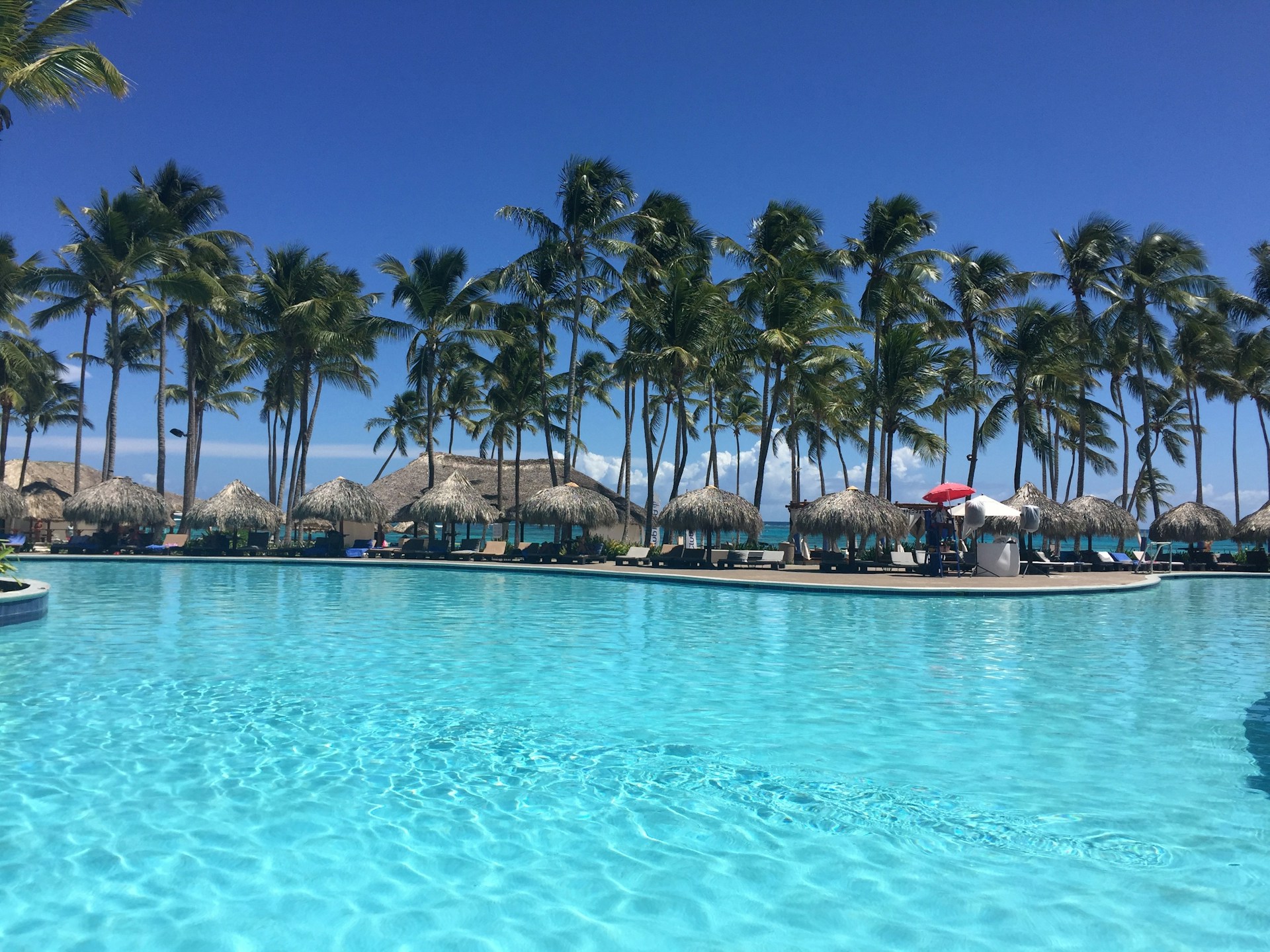
Punta Cana (Dominican Republic). The most popular and affordable all-inclusive destination in the Caribbean. Budget resorts: $120 to $180/night per person per night. Mid-range: $180-$280/night. Luxury: $280 to $500+/night. Flights from the US East Coast: $250 to $450 return. The DR has more all-inclusive resorts than any other Caribbean island, which keeps prices competitive.
The Bavaro Beach strip has the highest concentration of resorts, which means easy comparison shopping but also the most crowded beaches. Hard Rock and Hyatt Ziva are solid mid-range options. Secrets and Excellence are the best adults-only properties.
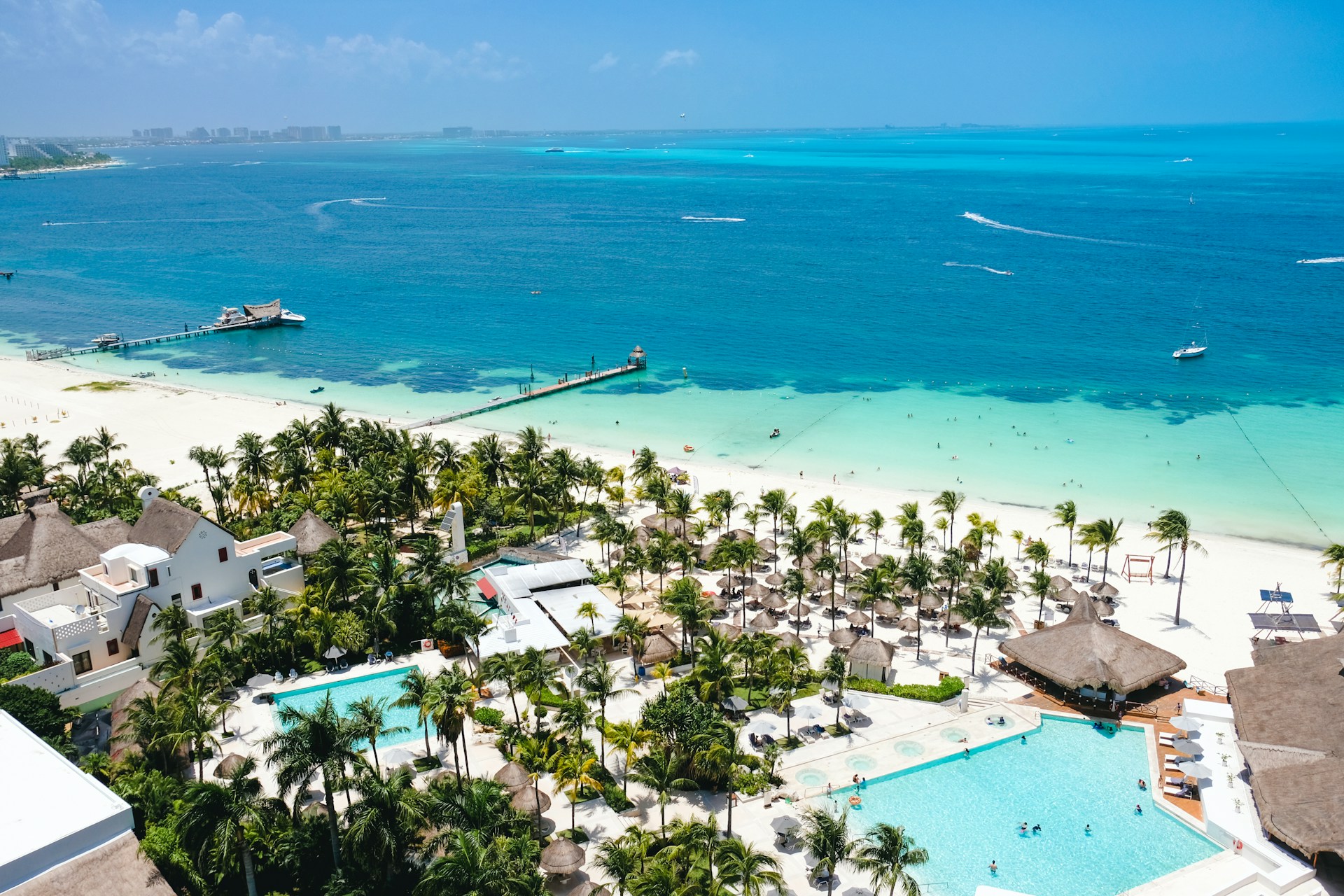
Cancun/Riviera Maya (Mexico). Close second to Punta Cana on value. Budget: $120 to $200/night. Mid-range: $200-$350/night. Luxury: $350 to $600+/night. Flights from the US: $200 to $400 round-trip. The Riviera Maya (Playa del Carmen, Tulum) is slightly pricier than Cancun's hotel zone but quieter and with better snorkelling at cenotes and nearby reefs.
Cancun has more nightlife options, which matters if you want to explore beyond the property. The domestic flight connections from Cancun are also cheaper if you want to add Mexico City or Oaxaca to your trip.
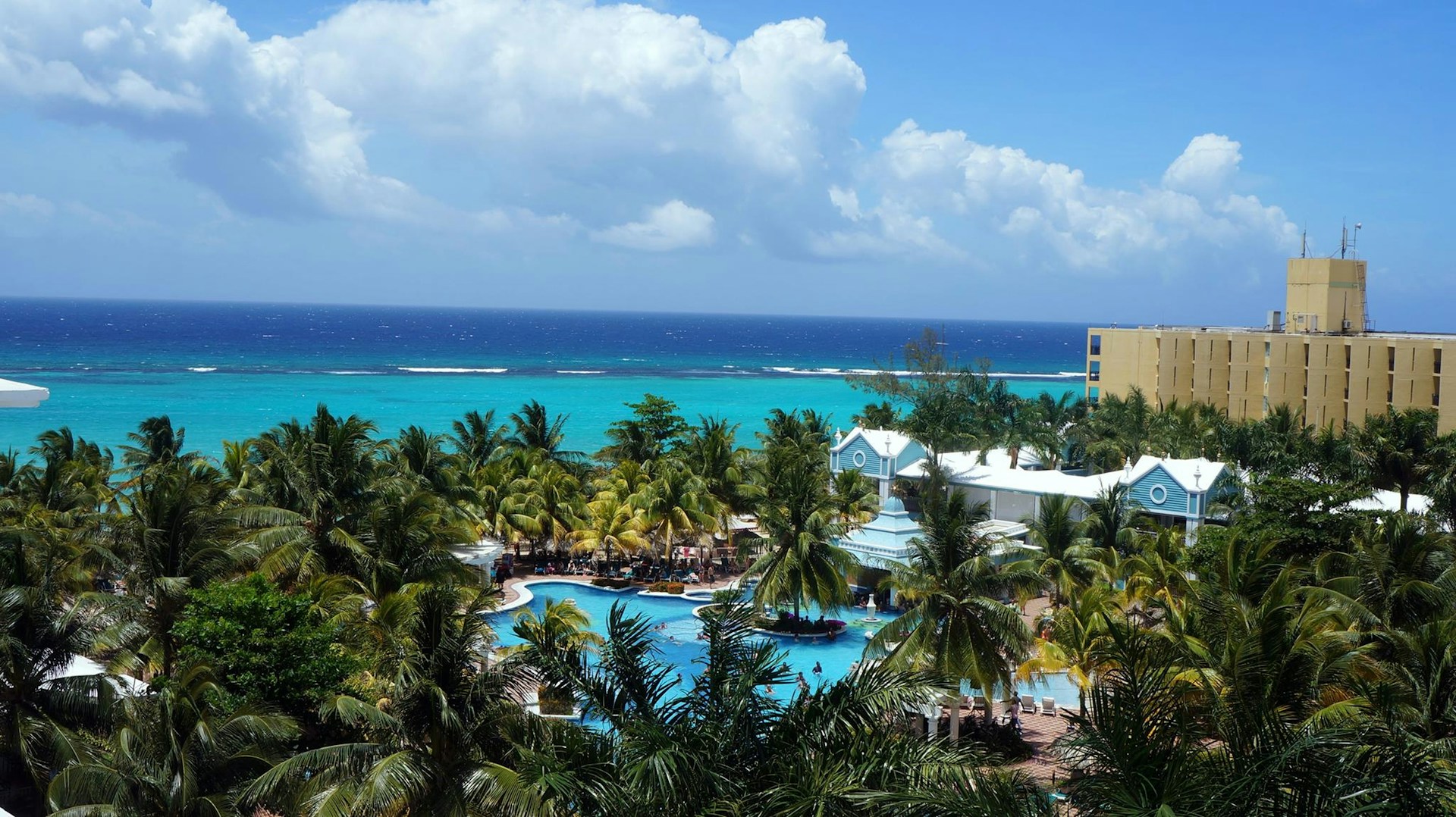
Jamaica. Montego Bay and Negril are the main all-inclusive hubs. Budget: $150 to $220/night. Mid-range: $220 to $350/night. Luxury (Sandals, Secrets): $350 to $600+/night. Flights: $300 to $500 return. Jamaica's all-inclusives tend to include more in the base package than the cheapest DR options: better drink selections, more included restaurants, and more activities.
Sandals properties are couples-only and include premium spirits and top-shelf wine that would cost extra at most other chains. The trade-off is that Jamaica's resorts are more spread out, and getting between them (or to town) requires taxis or organised transport.
Aruba. Fewer true all-inclusives than DR or Jamaica, and generally pricier. Mid-range: $250 to $400/night. Luxury: $400 to $700+/night. Flights: $300 to $550 return. Aruba's appeal is the guaranteed weather.
It sits outside the hurricane belt, so you can book August to October without weather anxiety and get low-season pricing without the storm risk. The European-influenced dining scene and the island's compact size (you can drive end to end in 45 minutes) make it easy to explore off-resort too.
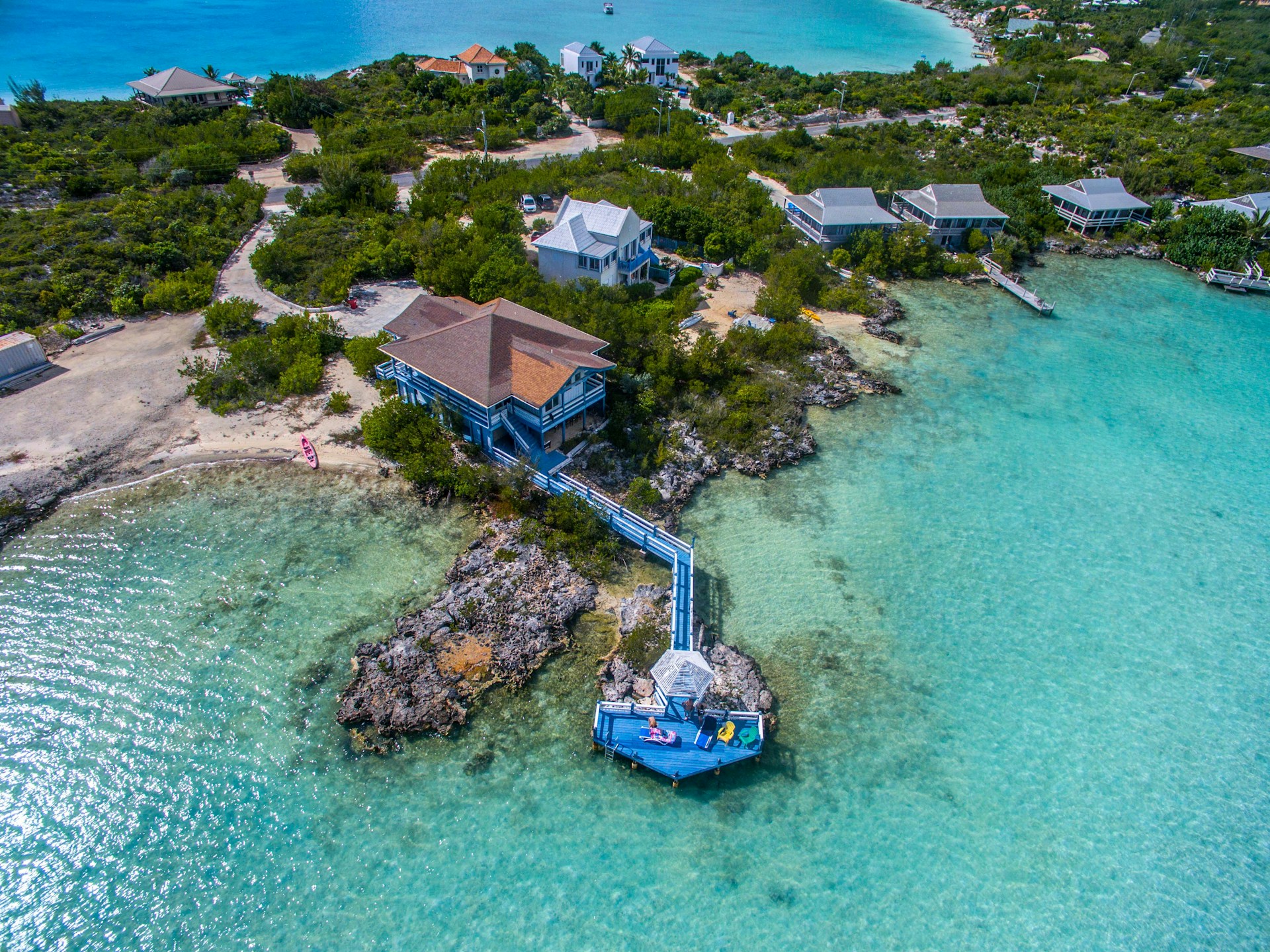
Turks and Caicos. Premium destination. Very few budget options exist. Mid-range: $350 to $550/night. Luxury: $600 to $1,200+/night. Flights: $350 to $600 return. Grace Bay Beach consistently ranks among the world's best beaches, and the price reflects it.
This is where you go for a special occasion or once-in-a-lifetime trip, not a budget beach break. The water clarity and turquoise colour are genuinely in a different league from most Caribbean islands.
St. Lucia. Romantic favourite. Budget options are rare. Mid-range: $300 to $500/night. Luxury (Sandals, Jade Mountain): $500 to $1,500+/night. Flights: $350 to $650 return. The Pitons (twin volcanic peaks) make every sunset photo look professional.
St. Lucia is the Caribbean's top honeymoon destination for a reason: dramatic scenery, boutique resorts, and a lush, mountainous interior that feels more like Hawaii than a flat coral island.
All prices are estimates based on mid-2026 data for 7-night stays. Prices fluctuate significantly by season, with December to April (high season) commanding 30 to 50% premiums over May to November (low season, which overlaps with hurricane season). If you're planning a trip for two, you can find more inspiration in our guide to 15 romantic destinations for couples.
When to book for the best price
Timing matters more than haggling. Three rules:
1. Book 2 to 4 months in advance for the best combination of availability and price. Last-minute deals exist but they're unpredictable, and you lose the ability to choose your room type or preferred resort. The sweet spot is 8 to 16 weeks before departure. Earlier bookings (6+ months) lock in availability but rarely offer the lowest price.
2. Travel in shoulder season (late April to May, or November). Prices drop 20 to 40% from peak, the weather is still good (warm, occasional rain, fewer tourists), and resorts are less crowded. Avoid hurricane peak (August to October) unless you're comfortable with the risk and want the absolute lowest prices. If you do book during hurricane season, travel insurance that covers weather-related cancellations is non-negotiable. A cancelled trip without insurance means you lose the full resort cost.
3. Compare the package, not just the nightly rate. A resort at $250/night that includes airport transfers, premium drinks, and a la carte dining may cost less overall than a $180/night resort where transfers are $80 round trip, good drinks are extra, and you end up eating off-resort twice because the buffet disappoints. The per-night rate is the starting point, not the final answer.
Sample budget: 7-night Punta Cana trip for two
Here's what a realistic mid-range all-inclusive week looks like for two people:
Flights (US East Coast): $600 to $900 total (two return tickets booked 2 to 3 months ahead).
Resort (mid-range, 7 nights): $2,500 to $3,900 total (based on $180 to $280/night per person). This gets you a Hyatt Ziva, Hard Rock, or Secrets-tier property with multiple restaurants, pool bars, and beach service.
Airport transfers: $60 to $100 total (shared shuttle is cheapest, private car is $80 to $100).
Excursions (2 activities): $150 to $300 total (catamaran tour with snorkelling plus a zip-line or ATV adventure).
Tips and extras: $100 to $200 total (staff tips throughout the week, one spa treatment, premium drinks upgrade).
Travel insurance: $80 to $150 total (covers cancellation, medical, and evacuation).
TOTAL: $3,490 to $5,550 for two people, 7 nights.
If you're saving up before the trip, set aside money in a Grey Pouch so the funds are earmarked and visible. You can track your savings growing toward the target and know exactly where you stand before booking.
How to pay at Caribbean resorts
Most Caribbean resorts accept Visa and Mastercard for extras, excursions, and tips. If you're paying in USD (most Caribbean destinations price in USD for tourists), your home bank card may charge 1.5 to 3% in foreign transaction fees on every tap. On a $500 extras bill across the week, that's $7.50 to $15 in hidden fees you wouldn't notice until the statement arrives.
A Grey virtual card lets you spend from your dollar balance with no conversion markup. You can also hold USD before you travel, so every payment at the resort comes from your pre-loaded balance rather than triggering a live conversion. For data and maps at the resort, grab a travel eSIM and skip the international roaming charges that add up when you're googling snorkelling spots and restaurant reviews.
Bring $50 to $100 in small USD bills for tipping housekeeping, bartenders, and tour guides. Cash tips are preferred over adding them to the room bill, and many staff members don't see room-bill tips until weeks later.
Frequently asked questions
How much does an all-inclusive Caribbean trip cost for two?
$3,000 to $8,000 for a 7-night trip, including flights, depending on the island and resort tier. Punta Cana (DR) and Cancun (Mexico) are the most affordable at $3,000 to $5,500. Turks and Caicos starts at $6,000+. These figures include flights, resort, transfers, excursions, tips, and insurance. The resort rate alone is only part of the total.
Is Punta Cana or Cancun cheaper?
They're close, but Punta Cana edges ahead slightly on resort prices due to higher competition among properties. Cancun has cheaper flights from the US West Coast and Midwest. For the US East Coast, Punta Cana is usually the better overall deal because flights are shorter (3 to 4 hours vs 4 to 5) and cheaper.
Are all-inclusive resorts worth it?
For beach holidays where you plan to spend most of your time at the resort, yes. The value is strongest at mid-range resorts ($200 to $350/night) where meals, drinks, and activities are genuinely included and genuinely good. Skip all-inclusive if you love exploring local restaurants and markets. The resort model is designed to keep you on-site.
When is hurricane season in the Caribbean?
June to November, with August to October being the highest-risk months. Resorts offer their lowest prices during this period (20 to 40% below peak). Travel insurance that covers weather-related cancellations is essential if you book during hurricane season. Aruba, Bonaire, and Curacao sit outside the hurricane belt and are safer bets.
Do I need a passport for the Caribbean?
US citizens need a valid passport for all Caribbean destinations except US territories (US Virgin Islands, Puerto Rico). Your passport must be valid for at least 6 months beyond your travel dates for most islands. Apply or renew at least 3 months before your trip; processing times can stretch to 8 to 10 weeks.
Should I tip at an all-inclusive resort?
Not required, but it's customary and appreciated. $1 to $5 per interaction for bartenders, housekeeping, and restaurant servers. $5 to $20 for tour guides and excursion leaders. Some resorts add a service charge automatically to your bill. Check before doubling up. Bring small USD bills since cash is strongly preferred.
Planning a Caribbean getaway? Save for the trip in a Grey Pouch and pay for extras on a virtual card with no conversion fees.
Disclaimer: This article is for informational purposes only. All costs and details are estimates based on mid-2026 data. Verify current information before making decisions. Grey isn't a bank. We're a licensed financial services provider offering multi-currency accounts.
You pull up flights to Tokyo. $1,200 round trip from New York. You check hotels. $150 a night in Shinjuku. You start doing the maths and the number climbs past $3,000 before you've added food or a single bullet train ticket. Then you land and discover that a bowl of tonkotsu ramen costs $7, a metro ride across Tokyo is $2, and a Shinto shrine charges $3 to enter. The flights and hotels are expensive. Everything else is cheaper than a week in most European or American cities.
A one-week trip to Japan costs roughly $1,500 to $4,000 per person, depending on where you fly from and your travel style. Budget travellers can manage around $1,500 to $2,200, mid-range around $2,500 to $4,000, and luxury $6,000 or more. Flights are the biggest variable by region.
This guide breaks down costs from five origin regions so you can budget accurately regardless of where you're flying from. For help building your itinerary, use the free trip itinerary template.
How much does a trip to Japan cost? Budget range overview
How much is a trip to Japan? The answer depends on three things: where you fly from, how you sleep, and how fast you move between cities. Here's the range for a solo traveller spending 7 nights:
Travel Style
7-Night Total (Solo)
Daily Spend (Excl. Flight)
Budget (hostels, konbini meals, local trains)
$1,500 to $2,200
$80 to $120
Mid-range (business hotels, restaurants, JR Pass)
$2,500 to $4,000
$150 to $250
Luxury (ryokans, kaiseki, taxis)
$5,000 to $8,000+
$400 to $700+
The highest single cost is always the flight. After that, accommodation and intercity transport (especially bullet trains) determine which tier you're in. Food, attractions, and local transport are comparatively cheap. A budget traveller eating at convenience stores, taking local trains, and sleeping in hostels can see most of what Japan offers for under $100 a day.
How much does a trip to Japan cost from the USA?
Round-trip flights from major US cities to Tokyo (Narita or Haneda) typically cost $800 to $1,400 in economy. Direct flights from the West Coast (LA, San Francisco, Seattle) are cheaper and shorter (10 to 11 hours). East Coast departures (New York, Chicago) are more expensive and add connection time or a longer direct route (13 to 14 hours).
Low season (January to early March, excluding holidays) drops fares to the $700 to $900 range. Cherry blossom season (late March to mid-April) and Golden Week (late April to early May) push fares past $1,200. Summer (July to August) and autumn foliage (October to November) sit in the middle.
Expense
Budget
Mid-Range
Round-trip flight
$700 to $1,000
$1,000 to $1,400
Accommodation (7 nights)
$280 to $490
$560 to $1,050
Food (7 days)
$175 to $280
$280 to $490
Transport (7 days)
$100 to $180
$250 to $400
Activities (7 days)
$50 to $100
$100 to $250
Total per person
$1,500 to $2,200
$2,500 to $4,000
How much does a trip to Japan cost from North America (Canada and Mexico)?
From Canada, round-trip flights from Vancouver are the cheapest, ranging from $800 to $1,200 (direct flights available). Toronto adds $200 to $400 to those ranges because most routes connect through Vancouver, Seattle, or a Pacific hub. From Mexico City, flights typically route through the US or via a transpacific airline and cost $1,000 to $1,700.
Once in Japan, daily costs are identical to those for US travellers. The only difference is the flight. Budget total for 7 nights from Canada: $1,600 to $2,400. From Mexico: $1,800 to $2,800.
How much does a trip to Japan cost from Europe?
Flights from London, Paris, and Frankfurt to Tokyo run $700 to $1,300 (roughly EUR 650 to EUR 1,200). Airlines like Finnair (via Helsinki), Turkish Airlines (via Istanbul), and ANA (direct from London or Paris) compete on this route, keeping prices reasonable despite the distance. Low-season fares dip below $700.
The yen's weakness against the euro and pound in recent years has made Japan's daily costs cheaper for European travellers than they look in dollar terms. A meal that costs 1,500 yen ($10) feels like a bargain against London or Paris restaurant prices. Budget total for 7 nights from Europe: $1,500 to $2,200. Mid-range: $2,300 to $3,800.
How much does a trip to japan cost from Africa?
There are no direct flights from any African city to Japan. The most common routes connect through Dubai (Emirates), Doha (Qatar Airways), or Istanbul (Turkish Airlines). From Lagos, Nairobi, or Johannesburg, round-trip fares range from $900 to $1,800, depending on the season and layover time. Two-stop itineraries are cheaper but add 20+ hours of travel.
Once in Japan, costs are the same as for any other origin. The flight premium is the main budget difference. Budget total for 7 nights from Africa: $1,700 to $2,600. Mid-range: $2,700 to $4,200. Currency conversion is a factor: if you're earning in naira, rand, or shillings, holding USD or yen before travel avoids unfavourable airport exchange rates.
How much does a trip to Japan cost from South America?
Flights from Sao Paulo or Buenos Aires to Tokyo are among the longest and most expensive: $1,300 to $2,200 round trip. Most routes connect through the US (Dallas, Houston, LA) or the Middle East. Timing matters: January and February fares are lowest. No direct flights exist from South America to Japan as of 2026.
Budget total for 7 nights from South America: $2,000 to $3,000. Mid-range: $3,000 to $4,500. The flight is the single largest expense. Once on the ground, Japan's daily costs are manageable, but the airfare takes a bigger bite of the total budget than from any other region.
Trip to Japan cost breakdown: Flights, hotels, food and activities
Here's every line item for a 7-day Japan trip, regardless of origin:
Expense
Budget Range
Notes
Round-trip flight (US origin)
$700 to $1,400
West Coast cheaper; book 2 to 3 months ahead
Accommodation per night
$40 to $200
Hostels $40 to $70, business hotels $80 to $150, ryokans $150 to $400+
JR Pass (7-day)
$335
Covers bullet trains; only worth it if you take 3+ long-distance trips
Local transport per day
$5 to $15
Metro, buses; buy a Suica or Pasmo IC card
Food per day
$25 to $70
Konbini breakfast $3 to $5, ramen $7 to $12, sit-down dinner $15 to $40
Activities per day
$10 to $35
Temples $3 to $5, museums $7 to $15, theme parks $55 to $75
eSIM data (7 days)
$4 to $10
Prepaid data plan; essential for maps and translation
Travel insurance (7 days)
$15 to $50
Basic medical + trip cancellation coverage
On the JR Pass: at $335 for 7 days, the Japan Rail Pass is only worth buying if you plan at least 2 to 3 long-distance bullet train trips (Tokyo to Kyoto is $100 each way). If you're staying in one city, local trains and metro passes are much cheaper. If you're buying JR tickets individually, hold Japanese yen in advance and pay at station kiosks to avoid airport exchange markups.
How to Budget and Pay for Your Trip to Japan
Japan is still heavily cash-dependent in smaller shops, izakayas, and rural areas. Major chains and department stores accept cards, but you'll need cash for temple admission, street food, local buses, and smaller restaurants. Here's how to handle the money side:
Carry some yen in cash. Withdraw from 7-Eleven ATMs (available nationwide, 24/7) or exchange before departure. Airport exchange desks give the worst rates.
Use a card with no foreign transaction fee. Japan's card acceptance has improved, but foreign transaction fees of 1.5 to 3% eat into your budget on every tap. Grey's virtual card charges a 1% conversion fee capped at $6. That's cheaper than most bank cards on any purchase over $600. The Grey card works everywhere Visa is accepted, including convenience stores, department stores, and train stations.
Get a travel eSIM before you fly. Japan has free Wi-Fi in stations and convenience stores, but it's patchy and slow. A prepaid eSIM plan gives you data for Google Maps, Google Translate, and train schedules without hunting for hotspots. Buy a travel eSIM for Japan through Grey's Lifestyle tab before departure.
Move money before you travel. Sending money ahead to a Japanese bank account for tuition, a rent deposit, or a ryokan booking? Move money before you travel through Grey. The fee is 1% capped at $6. Far cheaper than a bank wire.
Frequently asked questions about the cost of a trip to Japan from the US
How much does a trip to Japan cost for 7 days?
A 7-day trip to Japan costs $1,500 to $4,000 per person from the US, depending on travel style. Budget travellers staying in hostels and eating at convenience stores spend $1,500 to $2,200. Mid-range travellers using business hotels, JR Pass, and restaurants spend $2,500 to $4,000. Flights are the biggest variable: West Coast departures are $200 to $400 cheaper than East Coast.
Is Japan expensive for tourists?
Japan's reputation for being expensive is outdated. Daily spending (food, transport, activities) is lower than in London, Paris, or New York. A bowl of ramen costs $7 to $12. A metro ride is $2 to $4. Temple admission is $3 to $5. The expensive parts are flights (especially from Africa and South America) and bullet trains ($100+ per trip). The weak yen has also made Japan cheaper for visitors holding dollars, euros, or pounds.
How much spending money do I need per day in Japan?
Budget travellers need $80 to $120 per day for accommodation, food, transport, and activities. Mid-range travellers need $150 to $250 per day. This excludes flights. Carry some cash (yen) for smaller shops and rural areas. Use a card with no foreign transaction fee for larger purchases to avoid 1.5 to 3% markups on every tap.
Is the JR Pass worth it?
Only if you take 3 or more long-distance bullet train trips in 7 days. At $335, the JR Pass breaks even if you ride from Tokyo to Kyoto round-trip ($200) plus one more Shinkansen trip. If you're staying in one city or only making one intercity trip, buying individual tickets is cheaper. The JR Pass also covers some local JR lines, which adds value if you're moving between cities daily.
What is the cheapest month to visit Japan?
January and February are the cheapest months. Flights drop to $700 to $900 from the US, and hotels offer low-season rates. The weather is cold but dry. Avoid the last week of December (New Year) and the first week of January (holiday crowds). Late May (after Golden Week) and September are also good values with better weather.
How much would a trip to Japan cost from Africa?
A 7-day trip to Japan from Lagos, Nairobi, or Johannesburg costs $1,700 to $4,200, depending on travel style. Flights are the biggest expense: $900 to $1,800 round trip via Dubai, Doha, or Istanbul. Daily costs in Japan are the same regardless of origin. Consider holding USD or yen before departure to avoid poor exchange rates at African airports.
Travelling to Japan? Open a Grey account, spend in yen on a virtual card, and buy a travel eSIM before you fly.
Disclaimer: All prices are estimates based on publicly available data and may change. Flight prices vary by season, airline, and booking date. Hotel prices vary by location and demand. Grey isn't a bank. We're a licensed financial services provider offering multi-currency accounts and virtual cards.