<script type="application/ld+json">[{"@context":"https://schema.org","@type":"BlogPosting","@id":"https://grey.co/blog/top-tools-and-resources-for-digital-nomads-in-mexico#article","headline":"Top tools and resources for digital nomads in Mexico","description":"Discover apps and tools to help digital nomads in Mexico stay organised, secure, and productive — making remote work smooth and enjoyable.","inLanguage":"en","url":"https://grey.co/blog/top-tools-and-resources-for-digital-nomads-in-mexico","mainEntityOfPage":"https://grey.co/blog/top-tools-and-resources-for-digital-nomads-in-mexico","datePublished":"2024-11-14T14:09:59.737Z","dateModified":"2026-06-15T18:18:43.040Z","publisher":{"@type":"Organization","@id":"https://grey.co/#organization","name":"Grey","url":"https://grey.co"},"author":{"@type":"Person","name":"Priscila Marotti"},"image":"https://cdn.prod.website-files.com/636a85d290ee58e70c17e1c0/6a3019751d9ad575b4ca6458_6a301975b24e8fcf46a1cd71_top-tools-and-resources-for-digital-nomads-in-mexico__header-image.webp"},{"@context":"https://schema.org","@type":"BreadcrumbList","@id":"https://grey.co/blog/top-tools-and-resources-for-digital-nomads-in-mexico#breadcrumb","itemListElement":[{"@type":"ListItem","position":1,"name":"Home","item":"https://grey.co/"},{"@type":"ListItem","position":2,"name":"Blog","item":"https://grey.co/blog"},{"@type":"ListItem","position":3,"name":"Top tools and resources for digital nomads in Mexico","item":"https://grey.co/blog/top-tools-and-resources-for-digital-nomads-in-mexico"}]}]</script>

Top tools and resources for digital nomads in Mexico

Priscila Marotti

TABLE OF CONTENT

SHARE THIS POST

Mexico is a rising favourite for digital nomads, offering a unique mix of vibrant culture, beautiful landscapes, affordable living, and an exciting community of remote workers. But to truly thrive as a digital nomad in a new country, having the right tools is essential to stay connected, productive, and secure.

Whether navigating time zones, securing reliable internet, or organising your workload, the right resources can make your journey in Mexico smoother but far more enjoyable and effective. Here’s a rundown of must-have tools to optimise your experience as a digital nomad in Mexico.

Everyday life and culture for digital nomads in Mexico

To make the most of living in Mexico, some apps help navigate the daily aspects of life, from transportation to emergency alerts.

  • Mexico City Metro Map & Route Planner

Navigating Mexico City’s vast metro system can be daunting, especially for newcomers. The Mexico City Metro Map & Route Planner app provides a detailed metro network map and route planning options, even offline. This app is essential for anyone using public transport in the city, offering a quick, easy way to plan routes and avoid delays.

  • SASSLA Mexico

SASSLA is a must-have for safety-conscious digital nomads in Mexico. This app offers real-time earthquake alerts and safety notifications,  particularly useful in seismic regions like Mexico City. SASSLA warns about potential emergencies and provides information on safe practices, making it an invaluable resource for anyone in Mexico.

  • MiBici (for Guadalajara)

MiBici is a local bike-sharing app promoting eco-friendly transportation for those staying in Guadalajara. With this app, digital nomads can easily rent bikes, plan routes, and navigate the city sustainably, saving time and reducing their carbon footprint.

Travel-specific tools and apps for digital nomads in Mexico

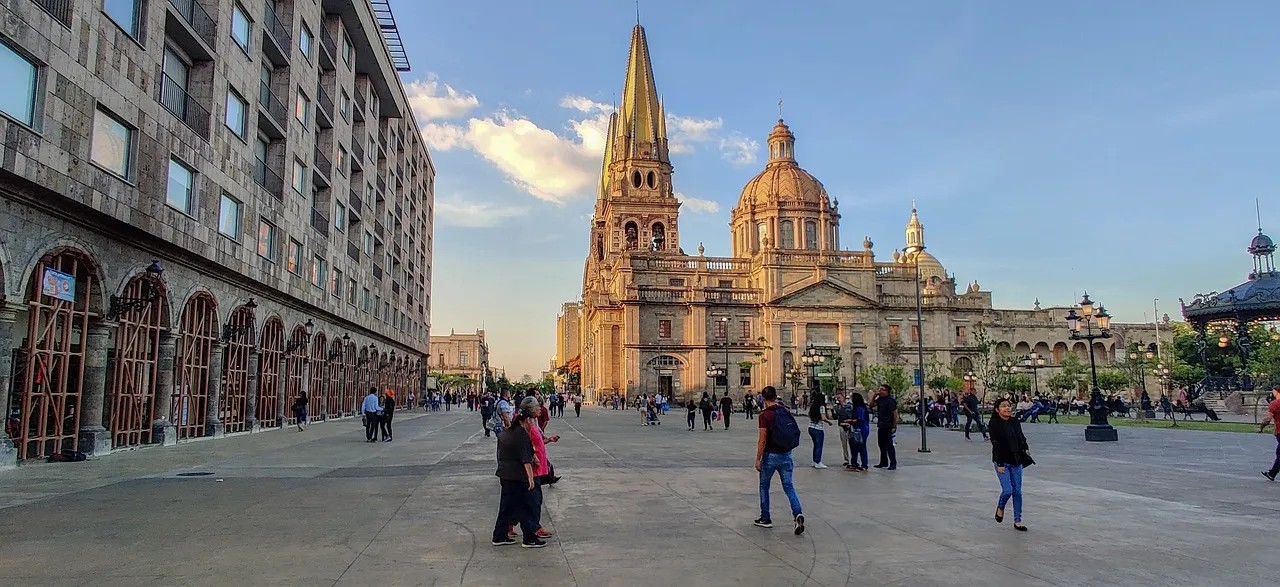
people walking around the city of Guadalajara, in Mexico - one of the top cities for digital nomads
Guadalajara, Mexico

Mexico is a vast and diverse country; navigating it efficiently requires the right tools. These travel apps help digital nomads explore, find accommodation, and connect with local communities.

  • Worldpackers

Worldpackers is an online platform connecting travellers with volunteering opportunities worldwide. Worldpackers can offer affordable lodging options for digital nomads in exchange for work in Mexico, from eco-projects to language teaching. It’s a meaningful way to engage with local communities, make friends, and reduce accommodation costs while travelling.

  • Wi-Fi Map

Reliable internet is a priority for digital nomads, and “Wi-Fi Map” can be a lifesaver. This app helps users locate free Wi-Fi hotspots in the vicinity, complete with passwords shared by the community. In a country as large as Mexico, “Wi-Fi Map” is especially helpful in finding internet access in less populated or rural areas.

Coworking space apps

While some digital nomads are content working from cafes, others prefer the structure and amenities of a dedicated coworking space. Several apps make it easy to find coworking spaces across Mexico.

  • Coworker

Coworker provides access to thousands of coworking spaces worldwide. In Mexico, digital nomads can search for nearby spaces, check reviews, and view amenities. Coworker also offers a Global Pass, granting access to over 5,000 coworking spaces worldwide — an excellent option for those frequently on the move.

  • Workfrom

For digital nomads who enjoy working in various settings, Workfrom identifies public work-friendly locations, including cafes, parks, and coworking spaces. The app offers information about Wi-Fi speeds, noise levels, and seating options, making it easy to find a suitable spot, whether a quiet cafe or a bustling coworking space.

Related: How to apply for a digital nomad visa in Mexico

Travel insurance for digital nomads

Mexico offers an adventurous lifestyle, but travel insurance is vital to safeguard against the unexpected. These providers offer flexible, tailored plans for digital nomads.

  • Insured Nomads

Insured Nomads offers comprehensive travel health and global medical insurance designed for digital nomads and remote workers. Their plans cover medical emergencies, evacuation, trip delays, and personal belongings, and include access to telemedicine services. As a Grey user, you’ll get a 10% discount on travel and health insurance plans from Insured Nomads.

  • SafetyWing

SafetyWing offers travel health insurance with flexible coverage that renews automatically every 28 days, making it convenient for digital nomads. It covers medical expenses, emergency evacuation, and lost luggage.

  • Genki and World Nomads

Genki and World Nomads are other popular travel insurance options for digital nomads in Mexico. Genki provides short and long-term coverage, while World Nomads covers essentials like emergency medical expenses and theft. Both options offer customisable plans suited to the lifestyle of long-term travellers.

Productivity tools for digital nomads in Mexico

Maintaining productivity is crucial for digital nomads working remotely across multiple projects and time zones. Thankfully, several apps and platforms help streamline tasks, facilitate communication, and simplify file sharing.

  • Project management tools

Platforms like Trello, Asana, and ClickUp are invaluable for organising tasks and tracking deadlines. With drag-and-drop features, these tools allow users to visualise work progress, set reminders, and collaborate effectively. Trello’s card and board system is exceptionally user-friendly, while ClickUp’s more advanced features allow for custom workflows and team collaboration. Asana, known for its flexibility, enables users to assign tasks and monitor performance metrics, making it suitable for managing simple and complex projects.

  • Video conferencing

When it comes to video communication, Zoom, Google Meet, and Microsoft Teams are some of the most reliable options. These platforms offer high-quality video conferencing, screen sharing, and chat options that help digital nomads stay connected with clients and teams from anywhere. While Zoom’s breakout room feature is great for team collaboration, Google Meet is well-integrated with other Google services, making it an easy choice for those using Google Workspace.

  • Cloud storage

Google Drive, Dropbox, and iCloud provide secure and accessible cloud storage options, allowing digital nomads to save and share files on the go. Google Drive and Dropbox also allow for real-time document collaboration, which is helpful when working with team members across different locations. Each service has its benefits: iCloud is ideal for Apple users, while Dropbox and Google Drive are cross-platform apps  widely used by teams globally.

  • Time zone converters

For digital nomads, keeping track of various time zones is crucial, especially when coordinating with clients or colleagues across the globe. You can schedule across different regions effortlessly with World Time Buddy and Time and Date. With these tools, users can compare multiple time zones in a single view, ensuring no meetings are missed and reducing the confusion of timezone math.

Also read: 25 essential tools and resources for digital nomads in Latin America

Online security for digital nomads

Cybersecurity is essential, especially when working from public Wi-Fi in cafes or coworking spaces. A VPN (Virtual Private Network) ensures data protection and secure browsing.

  • VPN services

Services like NordVPN, ExpressVPN, and Surfshark protect your data and encrypt your internet connection, preventing hackers from intercepting information. They’re handy when accessing sensitive data over public networks. Surfshark, for example, offers unlimited device connections, making it great for digital nomads with multiple gadgets. ExpressVPN is known for its speed and stability, while NordVPN provides robust security features at a competitive price.

Tools and apps for hobbies

Being on the road can be intense, but having tools for hobbies or personal growth can make it more enjoyable. For digital nomads, these apps provide a way to unwind, learn new skills, or explore creative pursuits.

  • Duolingo

For those eager to learn Spanish, Duolingo offers a simple, engaging way to do so. With short, interactive lessons, the app allows users to learn at their own pace, whether starting from scratch or brushing up on existing skills. Duolingo covers everything from vocabulary to grammar and pronunciation, and it’s an effective tool for integrating into the local culture.

  • Kindle app

Access to books is essential for many digital nomads who seek continuous learning or relaxation, but carrying physical books is rarely practical. The Kindle app provides a solution by offering thousands of books in digital format, accessible from tablets, smartphones, or e-readers. The app also allows customisation with highlights, bookmarks, and different colour markers, making reading more flexible and enjoyable.

  • Substack

For digital nomads who love discovering authentic, long-form content, Substack offers a selection of independent newsletters directly from writers and thought leaders. It allows readers to subscribe to topics they care about and supports creators directly. This helps digital nomads stay informed, entertained, and connected to global ideas without relying solely on social media.

Make the most of your digital nomad life in Mexico

Digital nomads in Mexico can enhance their experience with the right tools and resources. They offer a secure and efficient way to stay connected, explore new interests, and fully engage with Mexico’s vibrant culture. Whether managing projects, learning Spanish, or finding reliable internet, these essential tools are designed to support your journey as a digital nomad in Mexico.

Ready to take your remote work in Mexico to the next level? Create a free account on Grey today and access easy, secure money transfers for digital nomads.

‍

Last updated:

September 12, 2026

Open a free Grey account to get startedJoin 1 million digital nomads
IF YOU ENJOYED THIS, CHECK THESE OUT

Top offshore bank accounts US citizens should consider this year

•

•

2 min read

Opening an offshore bank account is becoming increasingly common and practical for US citizens. An offshore bank account can unlock access to flexible, multi-currency financial tools that traditional US banks don’t always offer.

Despite the “offshore” label, opening an account abroad is completely legal when done properly. With tax compliance in place and the right financial partner, you can manage money internationally with ease. Here, we’ll look at the top countries for offshore banking in 2025 and introduce Grey, a modern digital alternative that gives you many of the same global banking benefits without the red tape.

Why US citizens consider offshore bank accounts

US citizens are increasingly exploring offshore banking for practical and completely legal reasons. Here are some of the top motivations:

Multi-currency access: Many offshore banks allow you to hold accounts in USD, EUR, GBP and other currencies, which is helpful for remote workers or investors with global exposure.

Geographical diversification: Offshore accounts provide an extra layer of protection if there’s financial or political instability in your home country.

Global lifestyle: Digital nomads, expats, and retirees benefit from banks that support international transfers, low FX fees, and seamless ATM access abroad.

Asset protection: In certain jurisdictions, offshore accounts can protect your funds from local lawsuits or creditor claims.

Investment access: Offshore banks can unlock new investment opportunities, including global mutual funds, stocks, or foreign real estate.

Keep in mind that as a US citizen, you’re still obligated to report foreign accounts through FATCA (Foreign Account Tax Compliance Act) and FBAR (Foreign Bank Account Report). The IRS requires transparency — but it doesn't prohibit banking abroad.

Also read: The easiest way to open an offshore bank account online for free

Best countries to open an offshore bank account in 2025

Let’s explore some of the most popular and accessible countries for US citizens to open offshore accounts — with each offering unique perks for international finance.

1. Switzerland

A classic name in offshore banking, Switzerland remains a top destination for those seeking banking stability and privacy.

Switzerland is best for high-net-worth individuals seeking wealth management, asset protection, and secure multi-currency accounts.

2. Singapore

Singapore’s strong economy, tight financial regulation, and low tax environment make it ideal for business owners and investors. While minimum deposits vary, many expats find Singapore’s digital-first banking experience incredibly convenient.

3. Georgia

The Eastern European nation of Georgia is a rising star in offshore finance. With low taxes and a simple application process, it’s a great choice for digital nomads or freelancers. Some banks even allow you to open an account remotely or within a day of arriving.

4. Belize

Belize is well-known for its asset protection laws. It’s an excellent option for personal savings or setting up an offshore business account. Banks here generally make account opening relatively straightforward.

5. Cayman Islands

Although often associated with large corporations, the Cayman Islands also welcomes individuals. With no income tax and strong confidentiality protections, it’s an attractive option for wealth preservation. Be prepared for high minimum deposits, but the long-term benefits are significant.

6. Mauritius

For US citizens with ties to Africa or Asia, Mauritius offers an interesting mix. Its stable financial system and proximity to emerging markets make it ideal for entrepreneurs and remote workers. Offshore accounts can often be opened with just a few thousand dollars, and the country’s banking system is English-friendly.

Also read: Best countries to open an offshore bank account (with low tax benefits!)

How to choose the right offshore account

Choosing the right country (and bank) depends on your specific goals. Ask yourself:

  • Are you managing client payments or investments abroad?
  • Do you need multi-currency access or a simple USD account?
  • Can you meet the minimum deposit requirements?
  • Do you want full digital banking, or are you okay with in-person onboarding?
  • Is the bank FATCA-compliant and transparent with US reporting laws?

It’s also wise to consult a financial advisor or accountant familiar with US offshore banking regulations to avoid legal or tax surprises.

How Grey simplifies global banking for US citizens

Opening a traditional offshore account can take a while and many banks have high minimum deposit requirements or tedious paperwork. That’s where Grey comes in.

Grey is a global banking platform that offers multi-currency accounts in USD, EUR and GBP without the need to travel or deal with offshore bureaucracy. Grey gives you the core benefits of offshore banking:

  • Free virtual accounts: Instantly receive USD, EUR, and GBP from clients or platforms.
  • Multi-currency wallets: Hold your earnings in foreign currencies.
  • Fast currency conversion: Convert money at competitive, transparent exchange rates.
  • Local withdrawals: Send your funds to domestic accounts or mobile wallets across multiple countries.
  • Secure platform: Grey is fully regulated, with encryption and fraud protection built-in.

How to open a Grey account (from anywhere)

Getting started with Grey is simple — and fully remote:

  1. Sign up on grey.co or download the Grey app
  2. Verify your identity by uploading a valid passport or government ID
  3. Create your virtual bank accounts in USD, EUR, or GBP
  4. Start receiving payments from clients, marketplaces, or employers
  5. Convert and withdraw to your local bank or spend using Grey’s virtual dollar card

With Grey, you don’t need to jump through hoops to access the benefits of global banking.

Also read: The easiest way to get a virtual dollar account for AdSense earnings

Offshore banking is no longer reserved for the elite. If you want a faster, easier way to create international bank accounts without the paperwork and five-figure minimums, Grey is your best bet. Create your Grey account today or download the app to enjoy inclusive global banking, designed for you to carry your dreams across borders.

‍

7 places to find high paying remote jobs in Kenya

•

•

2 min read

Not long ago, landing a well-paying job often came with battling Nairobi traffic, navigating endless office corridors, or waiting months for interview calls that never came. But times have changed. Today, a growing number of Kenyan professionals are closing deals with British startups, designing for European brands, or writing for global media from their living rooms in Kisumu, Nakuru, or Mombasa.

Whether you’re a software developer, designer, marketer, writer, or virtual assistant, there’s a global gig with your name on it.

In this guide, we’ll explain the best platforms to find remote jobs in Kenya — and how to get paid like a global professional.

1. Upwork – Build a strong freelance profile and land global gigs

Best for: Freelancers with experience and a professional portfolio.

Type of work: Writing, design, tech, admin, and more.

Why it stands out:

Upwork is one of the most well-established freelance platforms globally. Kenyan professionals can create detailed profiles, showcase past projects, and apply for jobs posted by clients worldwide. The platform also offers long-term contract opportunities and supports hourly or fixed-price arrangements.

Pro tip: Take time to polish your profile and earn a few early reviews; it helps you land better-paying gigs.

Also read: High-paying remote jobs you can land without experience

2. Remote OK – Find remote tech and digital roles with ease

Best for: Tech professionals and digital creatives.

Type of work: Programming, marketing, product management.

Why it stands out:

Remote OK curates remote job listings from multiple sources, with a focus on digital roles. Many listings are full-time positions with international companies, making it ideal if you’re looking for career growth rather than one-off gigs.

Pro tip: Filter listings by time zone or region to find jobs that suit your schedule.

3. FlexJobs – Access premium, vetted remote job listings

Best for: Serious remote job seekers looking for vetted listings.

Type of work: Customer service, project management, writing, education.

Why it stands out:

FlexJobs is a subscription-based platform, but it’s well worth the cost for its thoroughly vetted listings. The platform avoids scams and focuses on high-quality remote opportunities, including part-time and freelance options.

Pro tip: Opt in for the trial period first to explore available options in your niche.

4. LinkedIn – Use your network to discover remote opportunities

Best for: Networking and full-time remote roles.

Type of work: Across all industries.

Why it stands out:

LinkedIn isn’t just for networking; it’s also a great source for remote job listings. Use the search filter to find “remote” or “work-from-home” opportunities and follow companies hiring globally. Many employers now list remote roles explicitly in their job postings.

Pro tip: Turn on the “Open to work” feature and update your profile with remote-specific keywords.

5. Toptal – Join a global network of elite freelancers

Best for: Highly experienced professionals in tech and finance.

Type of work: Software development, finance, product design.

Why it stands out:

Toptal connects top freelancers with top-tier clients. While it’s not for beginners — their vetting process is intense — it offers access to high-paying, long-term projects. If you’ve got a strong background in tech or business, this is a solid platform to consider.

Pro tip: Prepare thoroughly for the application process; Toptal only accepts a small percentage of applicants.

6. We Work Remotely – Discover top-tier remote jobs across industries

Best for: Skilled professionals looking for global companies.

Type of work: Development, customer support, design, sales.

Why it stands out:

This platform focuses exclusively on remote work and attracts companies like GitHub, Shopify, and Basecamp. It’s great for tech-savvy Kenyans looking to land jobs with companies that embrace remote work culture.

Pro tip: Check the site regularly. Listings go fast!

You may also like: The best digital nomad jobs to earn from anywhere in Kenya

7. Fiverr – Sell your skills through microservices and creative gigs

Best for: Creative professionals and microservices.

Type of work: Graphic design, writing, video editing, translation.

Why it stands out:

Fiverr allows you to set up “gigs” offering services starting from $5 (hence the name). It’s perfect for creatives and those looking to turn a specific skill into a source of income. Fiverr is especially useful if you want to build multiple income streams.

Pro tip: Use SEO-friendly gig descriptions and eye-catching visuals to attract buyers.

Bonus: Use Facebook and WhatsApp local communities for quick wins

Best for: Quick gigs and community support.

Why it stands out:

While not a traditional job platform, there are several local groups dedicated to freelance and remote job opportunities in Kenya. These communities often share job leads, advice, and reviews about clients and platforms.

Pro tip: Always verify opportunities and avoid groups that regularly post vague or unverified jobs.

Get paid like a global professional

One of the biggest challenges Kenyan freelancers face is how to get paid. Job boards and platforms often pay in GBP or EUR — but local banks may charge high fees or offer poor exchange rates.

With Grey, you can access global banking designed for freelancers, remote workers and digital nomads.

  • Open free EUR or GBP accounts
  • Receive payments directly from platforms like Upwork, Fiverr, or clients abroad.
  • Convert your earnings to Kenyan Shillings at competitive rates.
  • Withdraw to your local bank or Mobile Money account with ease.
  • Get a globally accepted virtual dollar Mastercard to pay for tools and subscriptions anywhere.

Your remote career starts now

Remote work has created a level playing field for talented professionals across the globe. With the right skills, platforms, and tools like Grey, Kenyan freelancers can tap into international markets and earn like global pros.

Open a free Grey account and get paid for your remote work, wherever you are in Kenya.

‍

The best countries in Europe to land a remote job

•

•

2 min read

When I first started working remotely, I had one big dream: to take my laptop and build a life somewhere inspiring, connected, and filled with new experiences.

Like many freelancers and remote workers, I realised that Europe had a lot to offer: strong internet, progressive work cultures, and the opportunity to tap into global markets. But the question was: what’s the best country to get a remote job in Europe?

I now have the answers. Read on.

Portugal: My peaceful productivity haven

__wf_reserved_inherit

Portugal was the first European country I lived and worked as digital nomad — and honestly, it set the bar so high. Lisbon had everything I needed: fast Wi-Fi, a buzzing remote work community, affordable living (especially compared to London or Paris), and cafés that felt more like co-working spaces.

Local tip: In Lisbon, check out “Outsite” or “Second Home” for flexible co-working. For a slower pace, head to Ericeira, a coastal town with a great surf scene and chill cafes.

Why I’d go back: Friendly locals, reliable infrastructure, and an inspiring mix of city buzz and seaside calm. For many, Portugal is the best country to get a remote job in Europe thanks to its visa schemes and cost of living.

Germany: Professionalism with a creative edge

__wf_reserved_inherit

Next up is Berlin — a city that felt alive with innovation. For tech freelancers, Germany offers access to serious clients and a strong professional network. It wasn’t as laid-back as Portugal, but if you’re looking for growth and structure, Germany is a great option.

Local tip: Berlin’s “Factory Berlin” is a hotspot for entrepreneurs and creatives. Don’t miss cafes like Sankt Oberholz in Mitte, known as Berlin’s remote work HQ.

Why I’d recommend Germany for remote work: There is a high demand for skilled talent, efficient systems, and easy access to the rest of Europe. Germany is often listed as the best country for tech professionals to get a remote job in Europe.

Estonia: The most digital country I’ve ever seen

__wf_reserved_inherit

I never moved to Estonia, but discovering their e-residency programme and digital nomad visa showed me how flexible remote work in Europe could be. With options to register a business online or live and work legally in the country, Estonia makes it easy for freelancers and remote workers to tap into the European market without the usual red tape.

Local tip: Tallinn’s Telliskivi Creative City is full of co-working spaces, indie boutiques, and community vibes. For quiet work time, “Spring Hub” offers top-tier facilities.

Why it’s unique: Total freedom. You can be based anywhere and still benefit from EU business access.

The Netherlands: Where creativity meets structure

__wf_reserved_inherit

Amsterdam charmed me with its creativity and culture, but it’s also one of the best places in Europe to find remote work in design, marketing, and tech.

Local tip: Settle in at “B. Amsterdam” and experience its huge co-working campus with everything from gyms to rooftop cafe. Explore De Pijp for great brunch spots with Wi-Fi.

What stood out: International vibe, high English fluency, and access to global companies. The Netherlands remains a top contender for the best country to get a remote job in Europe for digital creatives.

Spain: Sun, speed, and a startup spirit

__wf_reserved_inherit

I spent a few weeks working from Barcelona, and it honestly felt like I was cheating at life with its great food, amazing weather, and a growing community of creatives and remote workers.

Local tip: Grab a desk at “Aticco” in Barcelona’s Eixample neighbourhood or head south to Valencia, an underrated hub with lower living costs and great workspaces.

What I loved: The pace of life, the energy of the startup scene, and how affordable things were outside the big cities. If lifestyle matters most to you, Spain could easily be the best country to get a remote job in Europe.

Also read: How to apply for a digital nomad visa in Spain

Croatia: Where creativity meets the coast

__wf_reserved_inherit

Croatia immediately caught my attention when I was looking for a more affordable European destination with a high quality of life. The country’s stunning coastline along the Adriatic Sea and rich cultural heritage made it an ideal choice for a remote worker like me. Plus, Croatia offers a digital nomad visa, which is perfect for freelancers wanting to spend an extended period in this beautiful country.

Aside from the breathtaking views,  Croatia is becoming a hotspot for freelancers, thanks to its affordable cost of living, reliable internet, and vibrant local communities. Cities like Zagreb and Split were exactly what I needed while I lived there; they’re full of energy and creativity, making them perfect places for anyone looking to spark inspiration.

Local tip: I loved working by the sea when I found myself in Split. There are amazing spots to work by the water, and I highly recommend Re.Split Coworking for a modern, remote-friendly workspace.

You may be interested: A simple guide to digital nomad visas in the Mediterranean

How I made it work (and how you can too)

Landing remote gigs in Europe is totally doable if you approach it with a plan. Here’s what helped me:

  • Keeping my LinkedIn and portfolio sharp
  • Applying on remote-friendly platforms like We Work Remotely and EuropeRemotely
  • Joining Slack groups and Discord channels with other freelancers
  • Reaching out directly to companies offering remote roles in Europe
  • Joining The Grey Area, a community built by Grey for digital nomads, freelancers, and remote workers who want to connect, network, and grow.

And here’s something I wish I had known sooner...

Manage your global income with ease — here’s how

One of the biggest challenges I faced wasn’t finding work; it was getting paid without losing money to fees or delays. That’s when I found Grey — a digital banking platform built for freelancers like us.

With Grey, I was able to:

  • Create virtual USD, EUR, and GBP accounts
  • Receive payments from international clients
  • Convert currency at great rates
  • Withdraw to my local account — no stress, no surprises

If you’re a remote worker and want to simplify your financial life, Grey is hands down the best solution I’ve used.

Ready to find your best fit?

So, what’s the best country in Europe to get a remote job? The truth is, it depends on your priorities. For sun and ease of life? Portugal or Spain. For structure and growth? Germany or the Netherlands. For total flexibility? Estonia.

Wherever you choose, having the right tools makes all the difference. With a platform like Grey by your side, you can focus less on logistics and more on what you do best. Open your free Grey account today and experience a better way to bank — built for where you are, and where you’re going.

‍

How to convert Euros to Naira at black market rates

•

•

2 min read

In Nigeria, access to foreign currency, especially Euros, is in high demand. Getting the best exchange rate during such transactions can have a big impact on your finances.

Because traditional banks often have rigid systems and unfavourable rates, many people turn to the black market to convert their Euros to Naira. It’s quick, it’s accessible, and often, it seems like the only way to get a better value.

However, the black market isn’t always the safest or most sustainable option. Here, I’ll be exploring what black market rates really mean, the downsides, and how to get the same competitive rates with Grey.

What is the black market euro to naira rate?

The black market, also called the parallel market, is an unofficial foreign exchange system where people exchange currencies outside of government-regulated banks. In Nigeria, black market rates are widely used because they typically have a better deal than the rates published by the Central Bank of Nigeria (CBN).

For example, while a bank might offer to buy your euro at ₦1,100, the black market might offer ₦1,300 or more. These rates fluctuate daily and are often based on real-time demand and supply. You can track them through street vendors, social media platforms, or dedicated websites.

But while the rates are attractive, there’s very little oversight.

Also read: The best virtual dollar cards for freelancers and frequent travellers

Why do people prefer black market rates?

The appeal is simple: Better value. Many people who earn in foreign currencies especially want to maximise their naira earnings. With bank limits and long processing times, traditional routes feel restrictive.

Some of the common reasons include:

  • Favourable rates: You get more naira for each euro when compared to official rates.
  • Fewer restrictions: No paperwork, no waiting in line at the bank, and no foreign exchange limits.
  • Speed: Transactions are instant, especially for cash exchanges.

For someone earning in euros, it can feel like the smartest way to go. But that leads us to the other side of the coin.

The risks of converting EUR to NGN on the black market

Black market transactions are, by nature, unregulated. That means you're stepping into a system with zero accountability. Here’s what you’re risking:

  • Scams and counterfeit money: There are countless stories of people being duped with fake naira or invalid euros.
  • Security concerns: Meeting with strangers to exchange large amounts of cash isn’t just unsafe — it’s dangerous.
  • No recourse: If something goes wrong, there’s no refund policy or customer support.
  • Unpredictable fluctuations: Rates are inconsistent and can vary drastically within hours or between sellers.
  • No regulation or protection: If your exchanger disappears with your money, there’s no legal support. Transactions are based entirely on trust.‍
  • Counterparty risk: Scammers often impersonate legitimate exchangers. Even referrals can go wrong.‍
  • Legal grey area: While using black market rates isn’t criminalised for individuals, regulators frown on it, and anti-money laundering laws could apply in certain situations.‍
  • Lack of transparency: You never really know where your money is going, or whether the exchanger is operating cleanly.

This is why many freelancers and global professionals are now searching for legal, digital ways to get black market-level rates, without the risk.

A smarter alternative: convert euros to naira with Grey

Grey offers a secure, digital way to convert EUR to NGN at rates that often rival the black market —  minus the risk.

With Grey, you can open a free virtual EUR account from Nigeria. That means you can receive payments from clients in Europe, get your funds instantly, and convert them to naira.

Here’s what makes it so convenient:

  • Multi-currency accounts: Receive and hold EUR, USD, or GBP in your name.
  • Competitive exchange rates: Convert your Euros to Naira at some of the best rates available.
  • Instant processing: Say goodbye to days of waiting for payment clearance.
  • Full transparency: No hidden fees, no funny business.
  • Withdraw to your Nigerian bank: Seamlessly move your naira to any local account when you're ready.

You’re not only saving time and money, you’re protecting yourself from fraud.

Also read: Convert pounds to naira at the best rates online

How to convert EUR to NGN with Grey

Setting up your account and getting started is incredibly simple. Here’s how:

Create a Grey account

Visit grey.co or download the app. Sign up with your email and create a secure profile.

Verify your identity

Upload a valid ID (like your national ID or passport), a selfie, and proof of address to complete KYC.

Receive Euros

Once verified, you can request a free EU bank account. Share your IBAN with clients or platforms that pay in Euros.

Convert to Naira

Log in to your Grey dashboard, tap your Euro balance, and hit “Convert.” Your naira equivalent will be shown instantly.

Withdraw to your local bank

Send your converted naira to any Nigerian bank account of your choice.

It’s fast, safe, and built specifically for people like you — freelancers, remote workers, and global professionals.

Also read: Freelancer's guide to handling currency fluctuations

If you regularly receive payments in Euros, don’t settle for high-risk meetups or shady agents. Instead, take control of your money with Grey and experience smarter banking built for modern work. Create a free Grey account or download the app and convert Euros to Naira the smart way.

‍

How to find high-paying clients as a freelancer in Africa

•

•

2 min read

With the growing gig economy, getting started as a freelancer is slightly easier than it used to be. Finding high-paying clients, however, is where it gets tricky.

The truth is high-paying clients exist, and they’re looking for skilled talent like you. Here, I’ll show you how to attract quality clients, build a strong portfolio, and get paid what you deserve.

Let’s dive in.

Also read: 10 fun remote jobs that pay surprisingly well (and how to get them!)

Build a personal brand that sells

Clients pay for both skills and, interestingly, perceived value. That’s why having a strong online presence is crucial.

Start by choosing a niche that aligns with your skills and interests. Then, build a portfolio website that clearly shows what you do, who you help, and the results you deliver. Don’t overthink it. A clean landing page with 3–5 solid case studies is enough.

Next, establish yourself on platforms like LinkedIn, X, and Behance (for creatives). Regularly share your work, offer insights in your niche, and engage with other professionals. This helps you build credibility and attract inbound leads over time.

Even if you don’t have client work to showcase yet, start by doing passion projects or mock-up samples.

Master the art of cold pitching

You don’t have to wait for opportunities to come to you. Go out and create them.

Cold pitching is one of the most underrated ways to land high-paying gigs. Identify companies or founders you’d love to work with, study what they do, then pitch how you can add value. The key here isn’t to send a generic “I’d love to work with you” message. Instead, highlight something they could. It could be that maybe their blog is outdated, or their design is inconsistent.

Then propose a solution. Keep your pitch short, personal, and value-driven.

Leverage job boards and platforms that pay well

While places like Fiverr or Freelancer.com can be saturated with low-paying gigs, others like Toptal, Contra, We Work Remotely and Wellfound often attract premium clients. It’s about knowing what works for you and sticking to it.

When applying through platforms, tailor your proposals to each job. Show you’ve done your research and offer a glimpse into your working process. If possible, include a testimonial or sample relevant to the brief.

Also, join curated Slack communities, Facebook groups, and subscribe to newsletters where high-quality gigs are shared regularly.

Tap into referrals and existing networks

Happy clients are your best marketers. After completing a project, stay in touch, ask for referrals, and keep them updated on your availability. You’d be surprised how many freelancers miss out on recurring work simply because they don’t stay top-of-mind. It’s also worth joining freelancer communities. This way, you can learn from others. Referrals often bounce around in these spaces too.

Position yourself for premium opportunities

Sometimes, it’s not about the skill — it’s how you package it. If you’re serious about attracting high-paying clients, learn to position yourself as a problem-solver, not just a service provider.

This means:

  • Asking better questions on discovery calls
  • Highlighting ROI in your portfolio
  • Offering packages instead of hourly rates
  • Writing proposals that focus on business outcomes, not tasks

Clients will pay more for confidence and clarity.

Also read: How to get paid by Amazon in South Africa with Grey

Use Grey to get paid like a pro

Landing that high-paying gig is one thing, but getting paid easily and securely is another.

That’s where Grey comes in.

Grey gives freelancers across Africa access to virtual USD, GBP, and EUR accounts that work just like local bank accounts in the US, UK, and EU. So whether your client is in Berlin or Brooklyn, you can receive payments without delay — and without losing money to unfavourable exchange rates.

You also get competitive currency conversion, fast withdrawals to your local bank account, and a user-friendly dashboard to manage your income.

Also read: Best countries to open an offshore bank account (with low tax benefits!)

How to open a Grey account as a freelancer in Africa

You can open a Grey account in these simple steps:

  1. Sign up on Grey via the website or download the app.
  2. Verify your identity using a valid government-issued ID and a selfie.
  3. Request your foreign bank accounts by choosing from USD, GBP, or EUR.
  4. Share your account details with clients when sending invoices.
  5. Receive payments and withdraw to your local bank account whenever you're ready.

Also read: High-paying remote jobs you can land without experience

Finding high-paying freelance clients is about strategy, visibility, and consistency. By building a strong online brand, pitching with confidence, and using tools like Grey to simplify payments, you’ll be one step closer to building the freelance career you’ve always wanted.

Create your free Grey account today or download the app to enjoy inclusive global banking, designed for you to carry your dreams across borders.

‍

Top USD savings accounts for freelancers working remotely

•

•

2 min read

As a remote freelancer, earning in US dollars helps with global accessibility and improves spending power. Once you start earning, the next step is finding the perfect place to save. The right USD savings account helps you save smarter, avoid unnecessary fees, and even grow your earnings.

In this article, we’ll be going through the best savings accounts for remote freelancers. The major criteria will be convenience, security, and flexibility.

Also read: Where to find high-paying remote customer service jobs worldwide

Grey – Best all-round USD account for freelancers

Grey is designed for modern freelancers and digital professionals working with international clients. With Grey, you can open a virtual USD account online. It’s perfect for receiving payments from platforms like Upwork, Fiverr, and clients abroad.

But Grey offers more than just a place to store your earnings. It’s a fully digital experience tailored for remote work:

  • Multi-currency accounts: Hold and manage USD, GBP, EUR, and more.
  • Competitive exchange rates: Convert USD to your local currency at real-time market rates.
  • Low transaction fees: Send and receive money globally without heavy charges.
  • Integrated invoicing tools: Generate and send professional invoices directly from your Grey account.
  • Safe and secure – Grey uses bank-level encryption and complies with global financial regulations.

Also read: High-paying remote jobs you can land without experience

Wise – Great for holding and converting USD

Wise is another excellent choice for international freelancers. With its multi-currency account, you can hold, receive, and convert USD alongside other currencies.

Wise is known for transparency and its mid-market exchange rates. You can also get local bank details in the US, which makes receiving USD payments easier. It’s useful if you freelance for clients in the US and Europe.

While Wise has no monthly maintenance fees, you may encounter small charges for currency conversion and withdrawals.

Payoneer – Popular among freelancers on marketplaces

Payoneer is a well-known payment solution, especially for freelancers on platforms like Upwork, Fiverr, and Toptal. With Payoneer, you can create a USD receiving account, which can be used to get paid by US-based companies or marketplaces.

Funds received can be held in your Payoneer account or withdrawn to your local bank. However, freelancers often report higher withdrawal fees and currency conversion charges compared to newer alternatives like Grey and Wise.

Still, Payoneer’s global reach and integration with major platforms make it a solid option for many remote workers.

Revolut – Digital banking with USD capabilities

Revolut offers digital banking solutions for freelancers and remote workers in supported countries. While it’s not a dedicated USD savings platform, Revolut’s multi-currency wallet allows you to hold, receive, and exchange USD easily.

Its sleek app interface, analytics, and budgeting tools make it popular among younger freelancers. You can also invest or save in vaults — a feature that helps you automate your savings.

Also read:  The easiest way to open an offshore bank account online for free

Grey leads the pack for its freelancer-first approach, multi-currency flexibility, and seamless global transfers. I once heard a saying that what you choose to do is often bound within the confines of what you can do. Well, opening a Grey account is something that you can do and given the points we’ve raised, is probably something you want to do too.

Create your Grey account today or download the app to enjoy inclusive global banking, designed for you to carry your dreams across borders.

‍

Arrow (up)

Back to top