<script type="application/ld+json" data-schema-version="grey-blog-v4"> [{"@context":"https://schema.org","@type":"BlogPosting","@id":"https://grey.co/blog/how-to-create-us-and-uk-bank-accounts-as-a-migrant-worker-in-latin-america#article","headline":"How to create US and UK bank accounts as a migrant worker in Latin America","description":"Learn how to open US and UK bank accounts as a migrant worker in Latin America using Grey","inLanguage":"en","url":"https://grey.co/blog/how-to-create-us-and-uk-bank-accounts-as-a-migrant-worker-in-latin-america","mainEntityOfPage":{"@id":"https://grey.co/blog/how-to-create-us-and-uk-bank-accounts-as-a-migrant-worker-in-latin-america#webpage"},"datePublished":"2025-01-30T18:03:11.695Z","dateModified":"2026-06-15T17:12:14.080Z","author":{"@type":"Person","@id":"https://grey.co/authors/olayoyin-olorunmota#person","name":"Olayoyin Olorunmota","url":"https://grey.co/authors/olayoyin-olorunmota","jobTitle":"Content Writer","sameAs":["http://www.linkedin.com/in/olayoyinolorunmota","http://x.com/yoyin_michael"]},"publisher":{"@type":"Organization","@id":"https://grey.co/#organization","name":"Grey","url":"https://grey.co","logo":{"@type":"ImageObject","url":"https://cdn.prod.website-files.com/6360022338a81bd6fdbb1145/6564ae1077a67e39d3c491a6_Grey%20Logo%20Lockup%20Black.svg"}},"image":{"@type":"ImageObject","@id":"https://grey.co/blog/how-to-create-us-and-uk-bank-accounts-as-a-migrant-worker-in-latin-america#primaryimage","url":"https://cdn.prod.website-files.com/636a85d290ee58e70c17e1c0/6a301607f530256f0c48dc0a_6a301606dd4026ed83d775fd_how-to-create-us-and-uk-bank-accounts-as-a-migrant-worker-in-latin-america__header-image.webp","contentUrl":"https://cdn.prod.website-files.com/636a85d290ee58e70c17e1c0/6a301607f530256f0c48dc0a_6a301606dd4026ed83d775fd_how-to-create-us-and-uk-bank-accounts-as-a-migrant-worker-in-latin-america__header-image.webp","width":1200,"height":675}},{"@context":"https://schema.org","@type":"WebPage","@id":"https://grey.co/blog/how-to-create-us-and-uk-bank-accounts-as-a-migrant-worker-in-latin-america#webpage","url":"https://grey.co/blog/how-to-create-us-and-uk-bank-accounts-as-a-migrant-worker-in-latin-america","name":"How to create US and UK bank accounts as a migrant worker in Latin America","description":"Learn how to open US and UK bank accounts as a migrant worker in Latin America using Grey","inLanguage":"en","primaryImageOfPage":{"@id":"https://grey.co/blog/how-to-create-us-and-uk-bank-accounts-as-a-migrant-worker-in-latin-america#primaryimage"},"breadcrumb":{"@id":"https://grey.co/blog/how-to-create-us-and-uk-bank-accounts-as-a-migrant-worker-in-latin-america#breadcrumb"}},{"@context":"https://schema.org","@type":"BreadcrumbList","@id":"https://grey.co/blog/how-to-create-us-and-uk-bank-accounts-as-a-migrant-worker-in-latin-america#breadcrumb","itemListElement":[{"@type":"ListItem","position":1,"name":"Home","item":"https://grey.co/"},{"@type":"ListItem","position":2,"name":"Blog","item":"https://grey.co/blog"},{"@type":"ListItem","position":3,"name":"How to create US and UK bank accounts as a migrant worker in Latin America","item":"https://grey.co/blog/how-to-create-us-and-uk-bank-accounts-as-a-migrant-worker-in-latin-america"}]}] </script>

How to create US and UK bank accounts as a migrant worker in Latin America

Olayoyin Olorunmota

TABLE OF CONTENT

SHARE THIS POST

Latin America is a melting pot of cultures and endless opportunities. For many migrant workers in the region, managing finances across borders is essential, especially when sending money to family or receiving payments from abroad. However, opening US or UK bank accounts from Latin America can feel like trying to climb a mountain in flip-flops — difficult, but not impossible.

Grey makes it easy for migrant workers to create US and UK bank accounts without leaving Latin America. This guide will show you how to do it step-by-step, ensuring you can manage your finances seamlessly.

Why should you open a US or UK bank account as a migrant worker?

Having US and UK bank accounts comes with several advantages:

  • Receive payments globally: Get paid in USD or GBP, whether you're working remotely or freelancing.
  • Better exchange rates: Avoid the hidden fees and poor exchange rates associated with traditional money transfer services.
  • Easier transactions: Make seamless payments for international services, subscriptions, or goods.

With Grey, you can enjoy all these benefits without visiting a physical bank branch.

Also read: How to manage multiple currencies as an expatriate in Mexico using Grey

Step-by-step guide to opening US and UK bank accounts using Grey

The process is pretty straightforward. Here’s how you can get started:

1. Sign up for Grey

Creating an account with Grey is simple, requiring only a few personal details. Here’s what you need to do.

  • Visit Grey.co: On your browser, enter Grey.co and click on “Get started – it’s free.”
How to create US and UK bank accounts as a migrant worker in Latin America
  • Choose your country: Select your current country of residence. This helps Grey tailor the setup to your location.
How to create US and UK bank accounts as a migrant worker in Latin America
  • Enter your details: You’ll be prompted to provide your full name, email address, and phone number, then create a secure password.
How to create US and UK bank accounts as a migrant worker in Latin America
  • Verify your email: Grey will send a one-time password (OTP) to your email address. Simply enter the code on the site to complete this step.
How to create US and UK bank accounts as a migrant worker in Latin America
  • Once you’re set-up, you’re ready for identity verification — a step required for secure access to financial services.

2. Verify your identity for secure access

Here’s what you’ll need to provide:

  • Government-issued ID: A valid passport or national ID card is required. Make sure it’s clear and up-to-date.
  • Proof of address: A recent utility bill or bank statement will verify your location. Grey uses this document to confirm your residency.
  • Submit your documents for review: Once uploaded, Grey will review your documents, a process that typically takes a few business days. Clear and accurate documentation speeds up approval.

3. Access your US and UK bank accounts

  • Once your identity is verified, log in to your Grey account.
  • Navigate to the “Accounts” section and select “Create Account.”
  • Choose the currency (USD for a US bank account or GBP for a UK account).
  • Your virtual bank account details, including your account number and routing number, will be generated instantly.

Also read: How to manage multiple currencies as an expatriate in Brazil using Grey

How to use your US and UK bank accounts

Now that your accounts are set up, here’s what you can do:

Receive payments

Share your account details with employers, clients, or family abroad to receive payments in USD or GBP directly into your Grey account.

Convert to local currency

  • Use Grey to convert your USD or GBP to local currencies like Mexican pesos, Colombian pesos, or Brazilian reais, depending on the country you’re in.
  • Navigate to the “Convert” section in the app, select the currency pair, and confirm the transaction. Funds are instantly transferred to your local wallet.

Withdraw funds

Transfer your funds to a local bank account or mobile money service for easy access to cash.

Benefits of using Grey as a migrant worker in Latin America

  • No hidden fees: Transparent pricing ensures you keep more of your money.
  • Competitive exchange rates: Maximise your earnings when converting currencies.
  • Fast transactions: Receive and transfer money instantly, without delays.
  • Global accessibility: Use the Grey app to manage your finances from anywhere, anytime.

Tips for managing finances as a migrant worker

  • Budget wisely: Allocate your income across savings, daily expenses, and remittances to your family.
  • Track exchange rates: Use Grey’s real-time rates to convert funds at the best times.
  • Secure your accounts: Enable two-factor authentication (2FA) for added security.

Simplify banking across borders with Grey

Life as a migrant worker in Latin America doesn’t have to be difficult. With Grey, you can create US and UK bank accounts in minutes, receive payments globally, and manage multiple currencies.

Create your Grey account today or download the app to enjoy inclusive global banking, designed for you to carry your dreams across borders.

‍

Last updated:

October 2, 2026

Open a free Grey account to get startedJoin 1 million digital nomads
IF YOU ENJOYED THIS, CHECK THESE OUT

Best countries to work remotely from: 8 picks ranked by visa

•

•

2 min read

The best countries to work remotely from right now are Portugal, Malaysia, Thailand, Spain, Colombia, Costa Rica, Croatia and the United Arab Emirates. Each one has a visa built for people who earn from abroad, broadband that handles video calls, and a clear income bar you can plan around.

That last point is why this list looks different from the famous rankings. The best-known remote-work index put Germany, Denmark and the US at the top in 2022, yet Germany, the leader, has no visa made for someone paid by a foreign employer. We checked every visa rule, cost figure and internet speed below against government pages and named data sources on 25 November 2026.

The 8 best countries to work remotely from, at a glance

The order weighs four things: how clear the legal route is, how much you must earn, what daily life costs and how fast the internet is. Use the first table to see whether you qualify and the second to compare daily life.

CountryRemote-work visaIncome or savings neededLongest stay on the visa
1. PortugalD8 residence visa for remote work€3,680 a month (4 × minimum wage), 3-month averageResidence visa, not a short stay
2. MalaysiaDE Rantau Nomad PassUS$24,000 a year (tech roles); US$60,000 (senior non-tech roles)24 months in total
3. ThailandDestination Thailand Visa (DTV)500,000 baht in funds5-year visa, 180 days per entry
4. SpainTelework (digital nomad) visa200% of minimum wage, about €2,849 a monthPermit of up to 3 years
5. ColombiaDigital nomad visa3 × the monthly minimum wage2 years
6. Costa RicaDigital nomad stayUS$3,000 a month (US$4,000 with dependants)1 year, plus 1 renewal
7. CroatiaTemporary stay for digital nomads€3,622.50 a month18 months
8. United Arab EmiratesVirtual work residence visaUS$3,500 a month1 year

Checked 25 November 2026. Sources: each country's government or consular page, linked in its section below.

CountryCost of living indexRent indexMedian broadband download (Mbps)Time zone (UTC, standard time)
Portugal48.723.5243.84UTC+0
Malaysia34.08.5168.07UTC+8
Thailand36.812.8279.65UTC+7
Spain51.422.3277.98UTC+1
Colombia35.611.5214.30UTC-5
Costa Rica56.821.1169.03UTC-6
Croatia51.316.1136.75UTC+1
United Arab Emirates55.636.3384.51UTC+4

Checked 25 November 2026. Sources: Numbeo Cost of Living Index by Country, 2026 mid-year (higher is pricier; the US scores 69.7 and the UK 68.2) and the Ookla Speedtest Global Index, March 2026 (US median 309.80 Mbps, UK 172.24 Mbps).

Why the famous remote-work rankings send you to the wrong countries

The big indices score how pleasant a country is for remote work, not whether a foreigner can legally do it there. NordLayer's Global Remote Work Index ranked Germany, Denmark and the US as its top three in 2022, judging 66 countries on cybersecurity, economic and social conditions, infrastructure and COVID-19 response.

Germany shows the problem. It has no dedicated digital nomad visa, and its freelance visa usually needs letters of intent from potential German clients, according to The Local Germany (November 2024). If your salary comes from London or Lagos, a great score for e-government does not help you get in.

So this list starts with the question the indices skip: is there a visa for you? Only then does it compare rent, broadband and time zones.

The best countries to work remotely from, ranked

1. Portugal: the best all-rounder

Portugal gives you a residence route, not just a long holiday. Its D8 visa for remote work asks for an average monthly income over the last three months of at least four times the Portuguese minimum wage, per Portugal's visa application centre. With the minimum wage at €920 in 2026, that is €3,680 a month.

__wf_reserved_inherit
  • Why it ranks first: a clear legal route, broadband of 243.84 Mbps and London's clock, which also gives you a five-hour head start on New York.
  • Watch out for: the highest monthly income bar on this list.
  • Best cities: Lisbon, Porto, Funchal (Madeira).

Before you apply, read our D8 application guide.

2. Malaysia: the cheapest place to live

Malaysia has the lowest living costs and rent on this list, and a modest income bar if your job qualifies. The DE Rantau Nomad Pass needs US$24,000 a year (about US$2,000 a month) for tech and digital roles, or US$60,000 for senior non-tech roles such as CEO or legal counsel, according to the official DE Rantau FAQ (version 10, August 2026).

__wf_reserved_inherit
  • Why it ranks high: a cost of living index of 34.0, rent at 8.5 and a pass of 3 to 12 months, renewable to 24 months in total.
  • Watch out for: a RM1,080 processing fee, and the FAQ says tax can apply once a remote worker stays 61 days or more.
  • Best cities: Kuala Lumpur, Penang (George Town), Johor Bahru.

Our DE Rantau guide covers the documents.

3. Thailand: the longest visa

Thailand's Destination Thailand Visa lasts five years, the longest on this list. It allows 180 days per entry, extendable once by another 180 days, and asks for at least 500,000 baht in funds and a 10,000 baht fee, per the Thai foreign ministry.

__wf_reserved_inherit
  • Why it ranks high: low living costs (index 36.8) with broadband faster than the UK's (279.65 Mbps).
  • Watch out for: you must leave and re-enter after each stay, and UTC+7 means late calls with American teams.
  • Best cities: Bangkok, Chiang Mai, Phuket.

See our DTV walkthrough for the application steps.

4. Spain: the easiest European income bar

Spain asks for less income than Portugal or Croatia. The bar is 200% of the minimum wage each month, per the Spanish consulate in New York, and with the 2026 minimum wage at €1,221 over 14 payments, The Local Spain puts the bar at about €2,849 a month.

  • Why it ranks high: a residence permit of up to three years and 277.98 Mbps broadband.
  • Watch out for: you need at least three months with your employer or client, the company must be at least a year old, and freelancers can earn no more than 20% from Spanish clients.
  • Best cities: Madrid, Barcelona, Valencia.

Here is Spain's application process, step by step.

5. Colombia: the best fit for US clients on a budget

Colombia pairs New York's winter clock with some of the lowest costs here (index 35.6). Its digital nomad visa needs income of at least three times the monthly minimum wage and lasts up to two years, per Colombia's Ministry of Justice.

  • Why it ranks here: UTC-5 all year, 214.30 Mbps broadband and a two-year stay.
  • Watch out for: you need a passport from a country that does not need a short-stay visa for Colombia, and the fee is US$177 for Europeans or US$230 for everyone else.
  • Best cities: Medellín, Bogotá.

6. Costa Rica: tax-free remote income

Costa Rica's official tourism board says digital nomads are exempt from income tax. The stay needs US$3,000 a month earned outside Costa Rica (US$4,000 with dependants) and a US$100 fee, per the official requirements.

__wf_reserved_inherit
  • Why it ranks here: one year, with the option to renew for another, and a time zone one hour behind New York in winter.
  • Watch out for: the highest cost of living on this list (index 56.8), and you must show a year of bank statements.
  • Best cities: San José, Santa Teresa, Tamarindo.

Our Costa Rica guide covers eligibility and costs.

7. Croatia: an EU base for non-EU citizens

Croatia offers non-EU citizens up to 18 months in the EU. It asks for at least €3,622.50 a month, or €43,470 in savings for a 12-month stay, per Croatia's interior ministry, and the accounting firm Crowe Croatia says digital nomads do not pay Croatian income tax.

  • Why it ranks here: European time, an EU base and a tax break, if you can meet the bar.
  • Watch out for: the second-highest income bar here, the slowest broadband (136.75 Mbps) and a cap of 18 months.
  • Best cities: Zagreb, Split.

8. United Arab Emirates: no income tax, fastest internet

The UAE has the fastest broadband here (384.51 Mbps) and no income tax on individuals. Its one-year virtual work residence visa needs proof that you work for an organisation outside the UAE and earn US$3,500 a month, per the UAE government portal.

  • Why it ranks here: UTC+4 sits between Europe and Asia, so you can overlap with both.
  • Watch out for: the highest rent on this list (index 36.3), close to the US level.
  • Best cities: Dubai, Abu Dhabi.

Pick by your clients' time zone

Your clients' clock matters more than the beach, because it sets when you sleep. If a New York client books a 9am call, that is 9am in Bogotá, 2pm in Lisbon and 10pm in Kuala Lumpur during New York's winter.

  • US clients: Colombia or Costa Rica.
  • UK and European clients: Portugal, Spain or Croatia.
  • Asian or Australian clients: Malaysia or Thailand.
  • A mix of Europe and Asia: the UAE.

Europe moves its clocks forward in summer, while Colombia, Costa Rica, Malaysia, Thailand and the UAE do not. Check the gap in both seasons before you sign a lease.

How to get paid and prove your income for the visa

Most of these visas ask for bank statements, so the way you get paid shapes your application. Croatia accepts a bank statement showing regular income, Portugal looks at your three-month average, and Costa Rica asks for a year of statements.

Grey gives you USD, GBP and EUR account details, so clients can pay you as if you were local: ACH or wire for dollars, sort code and IBAN for pounds, IBAN and SWIFT for euros. Receiving by ACH, Faster Payments or SEPA costs 0.8% (minimum $2, £2 or €2, maximum $10, £10 or €10), according to Grey's help centre, and you can download a statement for any currency and date range.

Whether a consulate accepts a statement from a financial technology company is the consulate's call, so ask before you apply. Grey is a financial technology company, not a bank, and is registered with FinCEN.

Once you land, a virtual card spends from your USD, EUR or GBP balance for a one-time $5 fee and no monthly charges, with conversion fees on non-USD payments. Check today's USD to EUR rate if you earn in dollars and plan to live in Portugal, Spain or Croatia.

Frequently asked questions

What is the best country to work remotely from?

Portugal is the best all-round choice for most remote workers, because its D8 visa is a residence route and its broadband and time zone suit UK and US clients. If your budget is tight and you work in tech, Malaysia is the cheapest place to live on this list and asks for US$24,000 a year.

Can I work remotely from another country on a tourist visa?

It depends on the country, and many tourist rules say nothing clear about remote work. A visa built for remote workers removes that doubt, which is why every country on this list has one. Our guide to working on a tourist visa explains the risks.

Can you work remotely from another country permanently?

Not on most remote-work visas alone, because they have end dates: 18 months in Croatia, 24 months in Malaysia and two years in Colombia. Portugal and Spain issue residence permits rather than temporary stays, so they suit people who plan to stay for years.

What is the cheapest country to work remotely from?

Malaysia is the cheapest country on this list, with a Numbeo cost of living index of 34.0 and a rent index of 8.5 (2026 mid-year). Colombia (35.6) and Thailand (36.8) come next.

The visa comes first

Portugal, Malaysia and Thailand top this list, but the right pick depends on your income, your passport and your clients' time zone. Start with the table, check the official page for your shortlisted country, and see our 50-plus country list if none of these fits, or the nomad tax guide before you move.

The best country to work remotely from is the one that will let you stay.
Cost of living in Marrakech: rent, food, bills and monthly budgets

•

•

2 min read

A single person in Marrakech spends about 5,175 MAD (roughly US$525) a month before rent, according to Numbeo's crowd-sourced prices, last updated on 20 November 2026. Add a one-bedroom flat in the centre at around 4,995 MAD and the total lands near 10,170 MAD, about US$1,030 or €940. That's a fraction of New York prices, yet it is more than twice what the average local worker takes home.

Marrakech is a maze of colours, sounds and scents: red walls glowing under desert light, rooftop terraces facing the Atlas Mountains. What it costs to live here comes down to two choices, where you sleep and which currency you earn in. Below, I'll walk you through rent by neighbourhood, food, bills, transport and healthcare, with every figure in dirhams, its source and the date I checked it.

How much does it cost to live in Marrakech per month?

Expect roughly 8,700 to 10,200 MAD a month for one person and 23,500 to 26,200 MAD for a family of four, depending on whether you rent in the centre or further out. These totals add Numbeo's average rents to its estimate of everything else: food, transport, utilities and leisure.

HouseholdRent (MAD/month)Other costs (MAD/month)Total (MAD/month)Total (approx. US$/month)
Single person, 1-bed in the centre4,9955,17510,1701,030
Single person, 1-bed outside the centre3,5265,1758,701880
Family of four, 3-bed in the centre6,98919,16026,1492,645
Family of four, 3-bed outside the centre4,38519,16023,5452,380

Checked 25 November 2026. Source: Numbeo, Marrakech (updated 20 November 2026, 644 price entries from 36 contributors in the past 12 months); US dollar figures at 9.89 MAD per US$1 (OFX interbank rate, 18 November 2026); euro figure in the introduction at 10.84 MAD per €1 (OFX, 20 November 2026).

Treat these totals as a starting point, not a quote. Numbeo's prices come from residents' submissions, so a furnished flat in Gueliz or a riad in the Medina can cost far more than the average, and a long lease in a local neighbourhood far less.

Is Marrakech cheap to live in?

Marrakech is cheap if you earn in dollars, euros or pounds, and tight if you earn in dirhams. Numbeo puts its day-to-day costs 69.5% below New York's, and its rents 91.2% lower.

Now look at it from the other side. The average monthly net salary in Marrakech is about 4,805 MAD (Numbeo), which is less than a single person's spending before rent. Add a central one-bedroom flat and a newcomer's budget is 2.1 times a typical local pay packet.

That gap explains the city's split personality. Local produce and bus fares are priced for local wages: tomatoes cost about 7 MAD a kilo and a bus ride 4 MAD. Imported brands are not, and a pair of mid-range Nike trainers averages about 880 MAD (around US$89), close to a fifth of the average local monthly salary.

Tip: Shop at the souks, eat where locals eat and ride the bus, and Marrakech stays cheap. Live on imported groceries, international schools and Hivernage restaurants, and the savings shrink fast. If you're weighing up other Moroccan cities, compare it with living in Casablanca.

How much is rent in Marrakech?

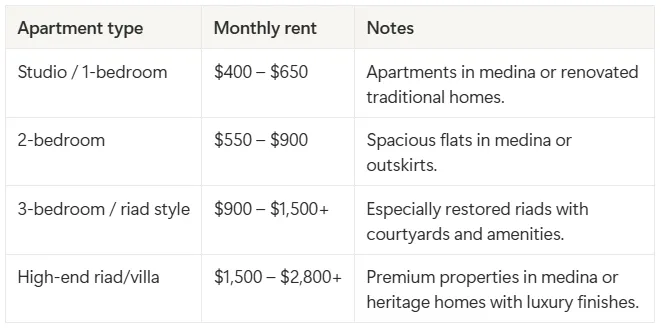
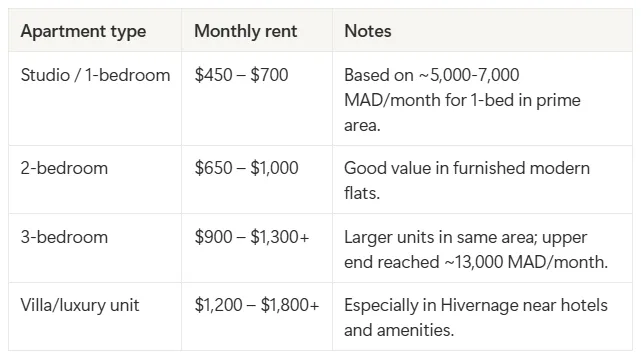
A one-bedroom flat averages about 4,995 MAD a month in the city centre and 3,526 MAD further out, according to Numbeo. Rents swing with the district, with whether the flat is furnished and with whether bills are included, so the ranges matter as much as the averages.

FlatAverage (MAD/month)Typical range (MAD/month)Average (approx. US$/month)
1 bedroom, city centre4,9954,000 to 7,270505
1 bedroom, outside the centre3,5262,300 to 5,510355
3 bedrooms, city centre6,9896,000 to 10,000705
3 bedrooms, outside the centre4,3853,000 to 9,000445

Checked 25 November 2026. Source: Numbeo, Marrakech (updated 20 November 2026); US dollar figures at 9.89 MAD per US$1 (OFX, 18 November 2026).

Sale prices are a fair guide to which districts cost the most. ReaConsult's 2026 price barometer (indicative ranges) puts apartments in Hivernage at 12,700 to 19,100 MAD per square metre, Gueliz at 9,900 to 15,300, the Medina and its riads at 8,000 to 13,600, and Targa at 8,000 to 12,000.

Gueliz and Hivernage

This is Marrakech's modern face, where European-style cafés, boutiques and coworking spaces meet Moroccan flair. Gueliz is lively and central, while Hivernage feels more upscale, with tree-lined streets and luxury hotels. Both are expat favourites for their walkability and nightlife, and both sit at the top of the price range.

__wf_reserved_inherit

Medina and traditional riads

The Medina is the beating heart of the city: maze-like alleys, busy souks, rooftop terraces and historic riads full of tilework. It isn't the quietest place to live, and parking is hard to find, but nothing else matches it for atmosphere.

Tip: Riad prices vary hugely, from simple rooms to restored houses with plunge pools. Compare several listings and ask whether water and electricity are included before you sign.

__wf_reserved_inherit

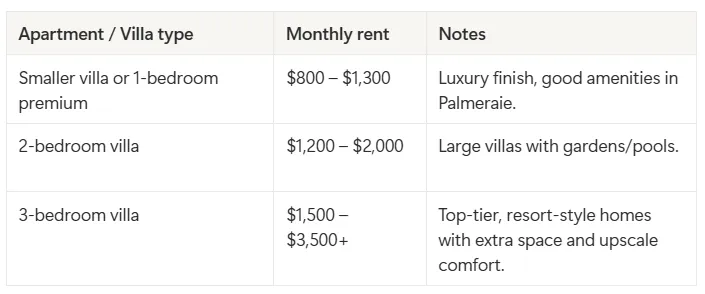
Palmeraie

The Palmeraie (the Palm Grove) is an oasis of calm on the city's outskirts, known for villas, gardens, gated communities and golf resorts. It suits people who value privacy and space, but you'll depend on a car or taxis for almost everything.

__wf_reserved_inherit

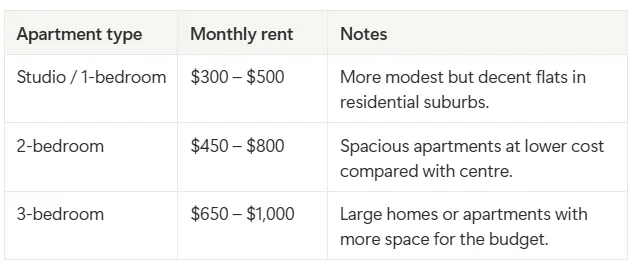
Targa and quieter residential districts

Peaceful and family-friendly, these districts sit away from the tourist buzz. Expect newer apartment blocks, local markets and easy access to schools and supermarkets, and in Targa, lower prices per square metre than in Gueliz. They suit remote workers and families who want a slower pace.

__wf_reserved_inherit

How much does a house cost in Marrakech?

Buying works out at about 19,100 MAD per square metre for an apartment in the centre and 10,900 MAD outside it, based on Numbeo's averages. A 70 square metre flat in the centre would cost roughly 1.34 million MAD (about US$135,000) before fees and taxes.

Food prices in Marrakech

Food is where Marrakech feels cheapest: an inexpensive restaurant meal averages 40 MAD (about US$4), and a three-course dinner for two at a mid-range restaurant about 300 MAD. Whether you're grabbing a tagine from a street stall or dining under lanterns in Gueliz, there's something for every budget.

ItemAverage price (MAD)Approx. price (US$)
Inexpensive restaurant meal404.00
Three-course dinner for two, mid-range restaurant30030.30
Fast-food combo meal606.10
Cappuccino23.302.35
Milk (1 litre)8.200.83
Eggs (12)191.90
Chicken fillets (1 kg)49.405.00
Beef (1 kg)111.9011.30
Tomatoes (1 kg)7.400.75
Potatoes (1 kg)6.800.70
Oranges (1 kg)8.900.90
Bottled water (1.5 litres)5.700.60
Mid-range bottle of wine757.60

Checked 25 November 2026. Source: Numbeo, Marrakech (updated 20 November 2026); per-kilo prices converted from Numbeo's per-pound figures; US dollar figures at 9.89 MAD per US$1 (OFX, 18 November 2026).

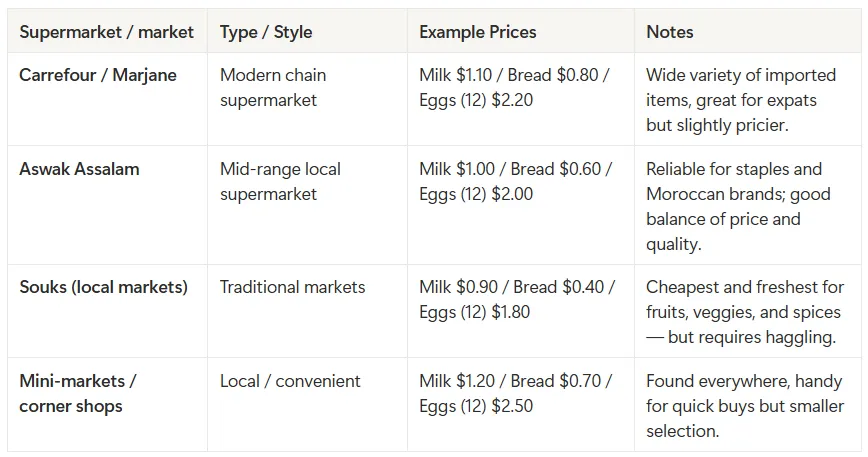
Most expats mix both worlds. They buy fresh produce and bread at the souks and neighbourhood shops, then pick up pantry staples and imported items such as cheese, cereal or wine at Carrefour or Marjane.

__wf_reserved_inherit

Tip: Haggling is normal at market stalls and in the souks, not in supermarkets. Learn the going rate for staples in your first week and you'll spot a tourist price straight away.

Utilities, internet and phone costs

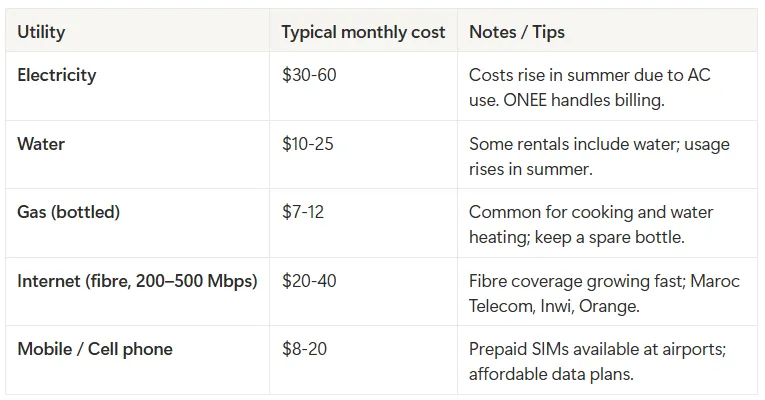
Basic utilities (electricity, heating, cooling, water and rubbish collection) average about 346 MAD a month for an 85 square metre flat, according to Numbeo. Bills climb in summer, when air conditioning runs most of the day.

BillAverage (MAD/month)Typical range (MAD/month)Average (approx. US$/month)
Basic utilities, 85 m² flat346283 to 53135
Home internet, 60 Mbps or faster346200 to 50035
Mobile plan with 10 GB or more data9650 to 2009.70

Checked 25 November 2026. Source: Numbeo, Marrakech (updated 20 November 2026); US dollar figures at 9.89 MAD per US$1 (OFX, 18 November 2026).

Since 1 November 2024, water, electricity and sanitation in Marrakech have been run by the SRM Marrakech-Safi, which replaced the city's former distributor, RADEEMA (Le Matin, November 2024). Some rentals, especially furnished ones, include water, so check what your lease covers before you budget for it.

Many homes cook with bottled butane. The 12 kg bottle rose from 40 to 50 MAD in 2024, and a further rise planned for 2025 was not applied (EcoActu, October 2025), so check the current price at your local shop.

Maroc Telecom, Orange and Inwi are the main internet and mobile providers. SIM cards are easy to buy at the airport or at kiosks, and prepaid plans suit short stays.

__wf_reserved_inherit

Transport costs in Marrakech

Getting around is cheap: a bus ride costs about 4 MAD, and a petit taxi starts at around 8 MAD on the meter plus roughly 6 MAD per kilometre (Numbeo, November 2026). Most residents mix walking, taxis and apps.

Petit and grand taxis

Petit taxis are small, metered and only run within the city, while grand taxis cover longer routes and intercity trips, often shared. Always ask the driver to switch on the meter (compteur), and if it stays off, agree the price before you set off. A few Darija phrases go a long way here.

Uber and ride-hailing apps

Uber returned to Morocco on 27 November 2025, launching in Marrakech and Casablanca with UberX and UberXL and using licensed vehicles only (Uber newsroom). Apps show the price before you ride, which many newcomers prefer to negotiating.

Buses

City buses are the cheapest option, at about 4 MAD a ride or 300 MAD for a monthly pass (Numbeo). They connect most districts, but they get crowded at rush hour.

Driving and scooters

Petrol costs about 14.67 MAD a litre (roughly US$1.50), according to Numbeo. A car makes sense in the Palmeraie or for weekends in the Atlas Mountains, but in the Medina parking is the hard part. Scooters are everywhere, even inside the Medina, so wear a helmet and expect traffic rules to be followed loosely.

Tip: In Gueliz or Hivernage you can walk to most cafés and shops, ideally early in the morning or in the evening when the heat eases. In the Palmeraie you'll rely on a car or taxis.

Healthcare costs in Marrakech

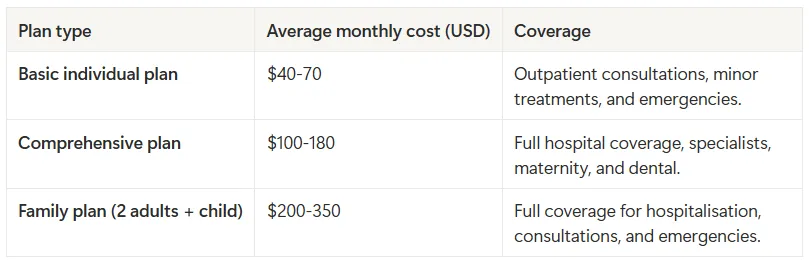
Private clinics in Morocco set their own consultation fees, so there is no single price to quote. Ask for the fee when you book, and budget for private health insurance if you're staying more than a few months.

Public hospitals offer low-cost consultations, emergency care and hospital treatment, but they can be crowded, waits are often long and few staff speak English. Many expats use private clinics for faster appointments and doctors who speak French or English.

__wf_reserved_inherit

Tip: Pharmacies are well stocked and many common medicines are sold over the counter, so a pharmacist is a good first stop for minor problems.

Other monthly costs: gym, childcare and school

Leisure is cheap by Western standards, but schooling is not. Here's what Numbeo's contributors report for everyday extras.

ItemAverage (MAD)Approx. (US$)
Gym membership, per month48249
Cinema ticket636.30
Men's haircut13013
Household cleaner, per hour808
Private preschool, per child per month96798
International primary school, per child per year123,58712,500

Checked 25 November 2026. Source: Numbeo, Marrakech (updated 20 November 2026); US dollar figures at 9.89 MAD per US$1 (OFX, 18 November 2026).

For families, school fees can outweigh rent. A year at an international primary school averages about 123,600 MAD per child, more than two years of the average local net salary.

Can you stay in Marrakech longer than 90 days?

US and UK passport holders can visit Morocco without a visa for up to 90 days (US State Department; GOV.UK). To stay longer, request an extension at a Moroccan police station before the 90 days run out, because overstaying can mean appearing before a judge and paying a fine when you leave.

Rules differ by nationality, so read our guides for US citizens and EU citizens before you sign a long lease.

Earning abroad, living well in Marrakech

Marrakech is an inspiring base for freelancers, remote workers and retirees who earn abroad and spend in dirhams. The weak spot is turning that income into MAD, because card fees, ATM charges and poor exchange rates can eat into a budget that looked generous on paper.

Grey is a financial technology company, not a bank. With Grey you can receive payments into international accounts, convert with a 1% fee capped at US$6 and no margin added to the exchange rate, and send dirhams to a Moroccan bank account for a US$2 fee. MAD payouts are processed Monday to Friday and arrive the next business day.

Before you move money, check today's USD to MAD rate or EUR to MAD rate, and read how to avoid ATM fees on your first trip.

Moving soon? Open a Grey account before you go, and keep more of every payment for the city itself.

Every number in this guide points the same way. In Marrakech, what counts as cheap depends on the currency you earn in.

Frequently asked questions

How much money do you need to live comfortably in Marrakech?

One person needs roughly 8,700 to 10,200 MAD a month (about US$880 to US$1,030), based on Numbeo's November 2026 averages for rent plus day-to-day costs. Budget more for a furnished flat in Gueliz or Hivernage, frequent restaurant meals or imported groceries.

How much is rent in Marrakech?

A one-bedroom flat averages about 4,995 MAD a month in the city centre and 3,526 MAD outside it, according to Numbeo. Three-bedroom flats average about 6,989 MAD in the centre and 4,385 MAD further out.

Is food expensive in Marrakech?

Local food is cheap: an inexpensive restaurant meal averages 40 MAD (about US$4) and tomatoes about 7 MAD a kilo. Imported products cost much more, so a diet built on supermarket imports will push your budget up quickly.

Best countries to work in Africa: pay, permits and job sites

•

•

2 min read

The best countries to work in Africa for most skilled professionals are South Africa, Kenya, Nigeria, Egypt, Morocco, Senegal and Namibia. Each has a big-city job market, international employers and a defined route to a work permit.

Choosing between them comes down to three questions: will an employer sponsor you, what will the job pay, and how will you move that money? The answers have shifted fast. All seven countries have raised their minimum wage since mid-2023, and South Africa, Nigeria and Egypt have reworked their rules for foreign workers since 2024.

Below you'll find each country's current minimum wage and permit route, taken from government notices, official immigration pages and named news reports, all checked on 25 November 2026. You'll also get the main job sites and a plan for getting paid across currencies.

Best countries to work in Africa compared

Start with this table, then read the country sections for the detail. Remember that a minimum wage is a legal floor, not what a skilled professional earns.

CountryStatutory minimum wage (local currency)Work permit route for foreignersMain job sites
South AfricaZAR 30.23 an hour, from 1 March 2026General or critical skills work visa, scored under a points systemPNet, Careers24, LinkedIn
KenyaKES 18,047.40 a month for a general labourer in the main cities, from 1 May 2026Class D employment permit, applied for online through eFNSBrighterMonday, MyJobMag, LinkedIn
NigeriaNGN 70,000 a month, set in 2024Employment visa under your employer's expatriate quota, then an e-CERPAC residence cardJobberman, MyJobMag, LinkedIn
EgyptEGP 7,000 a month in the private sector, rising to EGP 8,500 on 1 January 2027Annual work permit from the Ministry of LabourWuzzuf, Bayt, LinkedIn
SenegalXOF 370.52 an hour outside agriculture, since 1 July 2023Work permit approved by the Directorate of Labour before you startEmploi Dakar, LinkedIn
NamibiaNAD 18 an hour, from 1 January 2025Employment permit from the Ministry of Home AffairsLinkedIn, local newspapers
MoroccoMAD 17.92 an hour in industry, commerce and services, from 1 January 2026Employment contract approved by the Ministry of Employment, with an ANAPEC certificateRekrute, Emploi.ma, LinkedIn

Checked 25 November 2026. Sources: South Africa Department of Employment and Labour; Kenya Legal Notice 108 of 2026 (reported by The Star); Nigeria State House; Egypt National Wages Council (reported by The National); WageIndicator for Senegal; The Namibian; Bladi for Morocco; and the immigration pages linked in each section below.

The wider backdrop is steady growth. The African Development Bank's 2026 African Economic Outlook (May 2026) estimates that Africa grew 4.4% in 2025 and projects 4.2% growth for 2026 and 4.4% for 2027.

The rule that decides most moves

In most of these countries, the employer has to prove that a local can't do your job before you get a permit. That single rule shapes how you should job hunt.

  • Kenya: the Class D application must name a Kenyan understudy who will learn your role.
  • Nigeria: since April 2025, each expatriate quota position needs at least two Nigerian understudies.
  • Namibia: the employer must advertise the vacancy in a local newspaper and share the CVs of Namibians who applied and were turned down.
  • Morocco: the employer needs a certificate from ANAPEC, the national employment agency, showing your profile is scarce.

South Africa is the exception worth knowing. If your occupation is on its critical skills list, that alone scores the full 100 points you need for a visa. Everywhere else, the lesson is the same: find the job first, target roles where local talent is thin, and let your employer start the paperwork.

The seven best countries to work in Africa

South Africa: the clearest route for in-demand skills

South Africa's jobs for foreign professionals cluster in finance, mining, engineering and technology, mainly in Johannesburg and Cape Town. It is also the only country here that scores work visas on points.

__wf_reserved_inherit

The national minimum wage rose to R30.23 an hour on 1 March 2026, according to the Department of Employment and Labour. Skilled roles pay well above that, and the visa rules themselves tell you what counts as a strong salary.

Under the points-based system gazetted in October 2024, you need 100 points for a general or critical skills work visa. An occupation on the critical skills list scores all 100; otherwise a job offer is compulsory and scores 50 points above R976,194 a year or 20 points from R650,976, with more points for qualifications, experience, a trusted employer and language. Check the Department of Home Affairs for any updated thresholds before you apply.

Key considerations:

  • Job sites: LinkedIn, PNet and Careers24.
  • Cost of living: Cape Town and Johannesburg cost the most; Durban, Gqeberha and Kimberley are cheaper.
  • Comparing offers: convert a rand salary with our USD to ZAR converter so you can compare it with offers elsewhere.

Kenya: East Africa's tech and NGO hub

Nairobi, nicknamed the Silicon Savannah, draws professionals in tech, finance, agribusiness and international development. Demand is rising for IT professionals, engineers and digital marketers.

__wf_reserved_inherit

Kenya raised its general minimum wages by 12% from 1 May 2026. A general labourer in Nairobi, Mombasa, Kisumu, Nakuru and Eldoret must now earn at least KES 18,047.40 a month, under Legal Notice 108 of 2026 as reported by The Star.

Foreign employees need a Class D permit, which is issued for a specific job with a specific employer when the skills aren't available in Kenya. You apply online through the eFNS portal, pay a non-refundable KES 20,000 processing fee and submit your employer's documents, your certificates and the details of your Kenyan understudy.

Key considerations:

Nigeria: scale, if your employer holds a quota

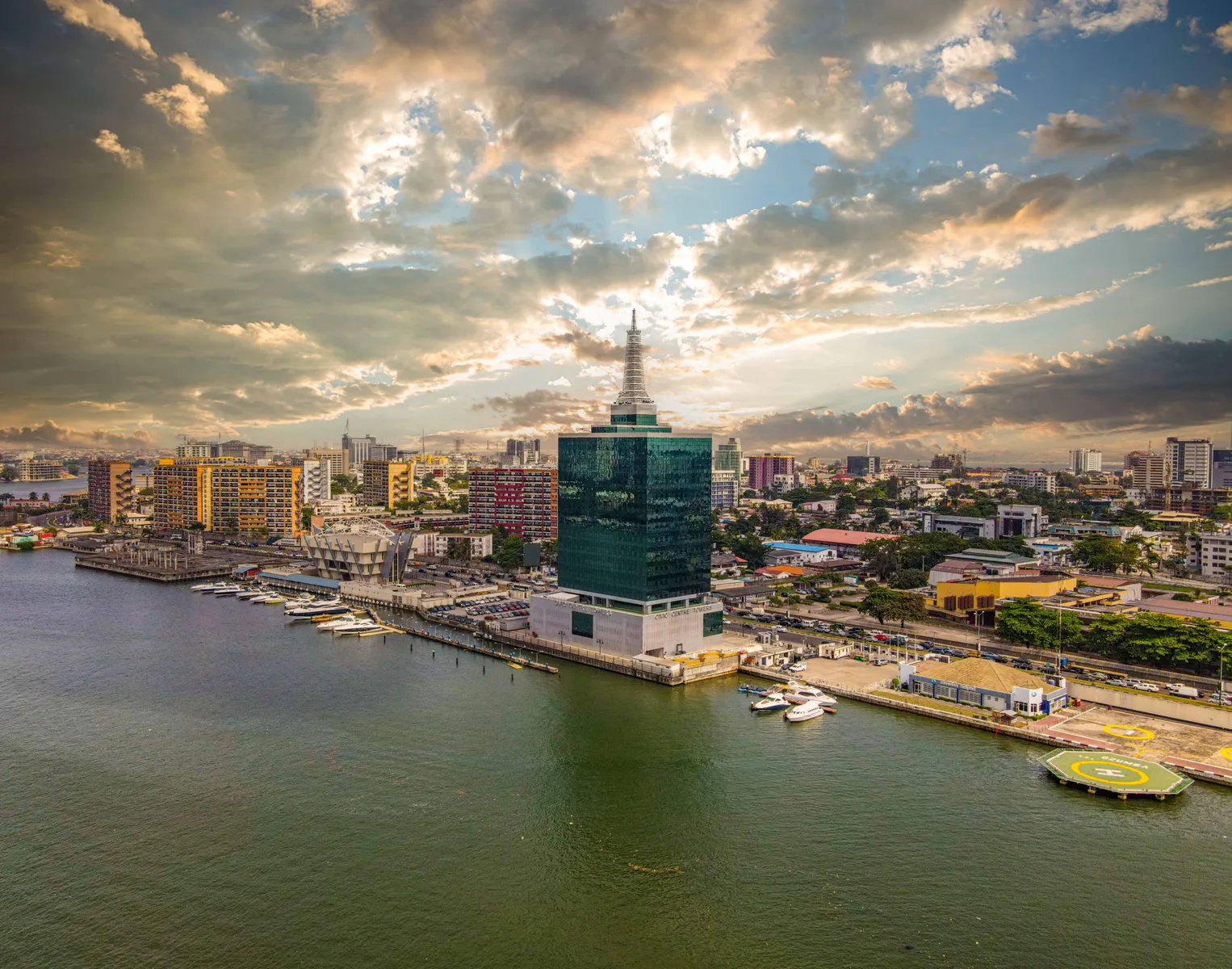
Lagos, Abuja and Port Harcourt offer roles in oil and gas, finance, telecoms and tech. The market is huge, but foreign hiring runs through a quota system that is getting stricter.

__wf_reserved_inherit

The national minimum wage is NGN 70,000 a month, approved in July 2024, and the government has committed to reviewing it every three years, according to State House. If your package is paid in naira, budget for exchange-rate swings before you sign.

The standard route is an R2A employment visa, which is subject to your employer's expatriate quota, and the Nigeria Immigration Service now issues the e-CERPAC residence card before you travel. Reforms announced by the Ministry of Interior in April 2025 require two Nigerian understudies per quota position and set Temporary Work Permit visa fees at $600 for three months and $1,100 for six, according to KPMG Nigeria.

Key considerations:

  • Job sites: LinkedIn, Jobberman and MyJobMag.
  • Where to live: rent and daily costs vary sharply between Lagos, Abuja and smaller cities; our cost of living breakdown compares them.
  • Work culture: trust and personal connections carry weight, and respect for seniority matters.

Egypt: multinational jobs with a rising pay floor

Cairo is the hub for banking, tech, telecoms and engineering, with Alexandria and New Cairo growing as business centres. Arabic helps a great deal outside multinational offices.

__wf_reserved_inherit

Egypt's private-sector minimum wage has been EGP 7,000 a month since March 2025, and the National Wages Council approved a rise to EGP 8,500 from 1 January 2027, as reported by The National on 18 November 2026.

Foreign employees need a work permit from the Ministry of Labour, issued for a year at a time. Enforcement is tighter under the new labour law that took effect in September 2025: the ministry recorded more than 7,000 work permit violations in 17 days, according to the Cairo Governorate.

Key considerations:

  • Job sites: LinkedIn, Wuzzuf and Bayt.
  • Cost of living: daily costs are moderate, but imported goods, private schools and upscale housing are expensive.
  • Comparing offers: track the pound with our USD to EGP converter.

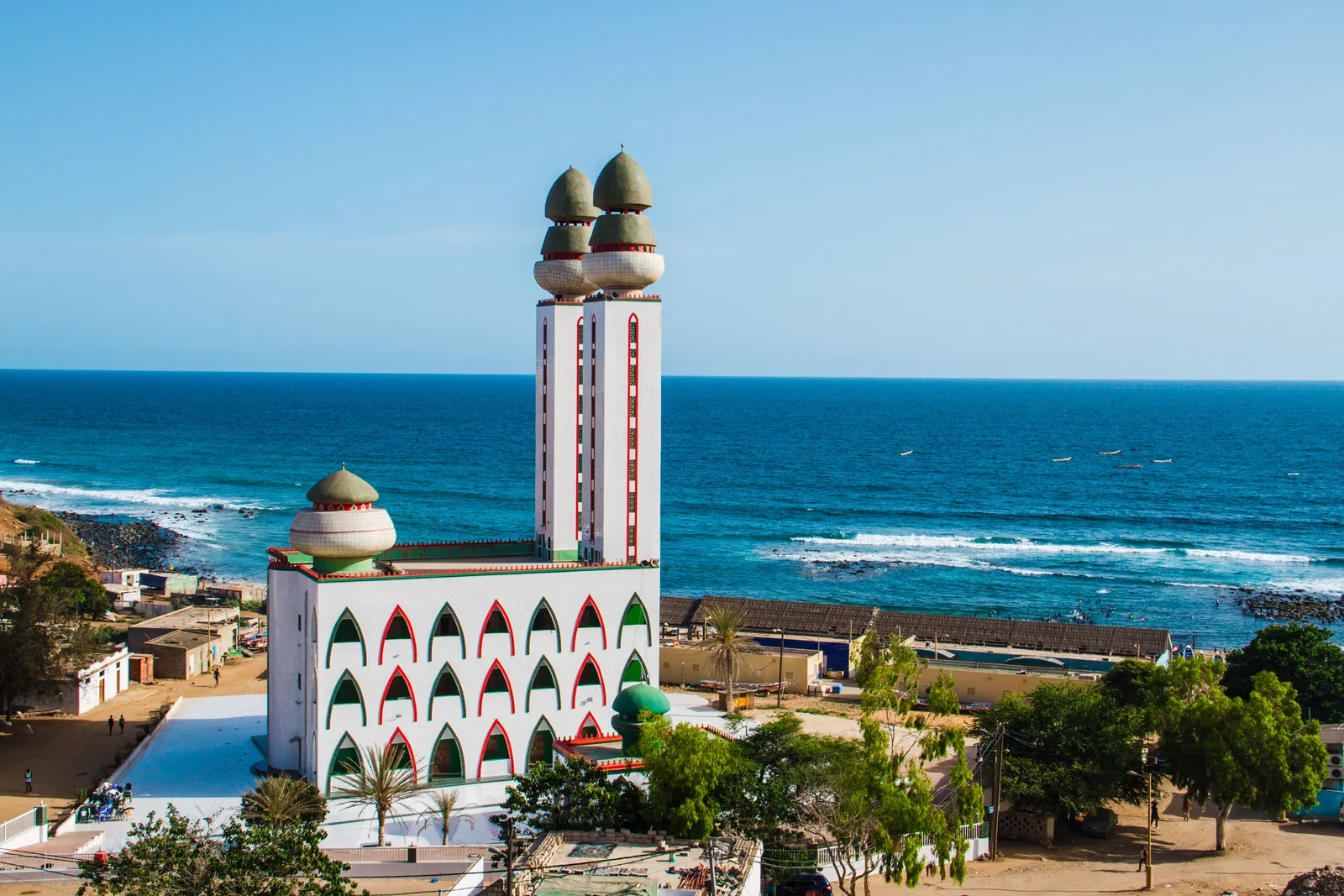
Senegal: a French-speaking base in West Africa

Dakar is Senegal's business centre, with jobs in banking, telecoms, agriculture, international trade and international organisations. French is the language of business, so fluency is usually expected.

__wf_reserved_inherit

The minimum wage outside agriculture has been XOF 370.52 an hour since 1 July 2023, set by Decree 2023-1710 and tracked by WageIndicator. Salaries at multinationals and NGOs sit well above this floor.

Your employer applies for your work permit through the Directorate of Labour, and you can't start work until it is issued. A 2018 directive ended the practice of starting before approval, and the wait can run to four weeks, according to Fragomen.

Key considerations:

  • Job sites: LinkedIn and Emploi Dakar.
  • Cost of living: everyday spending is affordable, but housing and imported goods in Dakar are costly.
  • Work culture: relationships are built on trust, and networking drives career growth.

Namibia: stable, English-speaking and selective

Namibia's economy runs on mining (diamonds and uranium), tourism, agriculture and a growing renewable energy sector. Windhoek is the business centre, and English is the official language, which makes settling in easier.

__wf_reserved_inherit

A national minimum wage of NAD 18 an hour has applied since 1 January 2025. Domestic and agricultural workers are phasing in, at NAD 15 and NAD 14 an hour in 2026, and both reach NAD 18 in 2027, according to The Namibian.

You need an employment permit, which costs NAD 2,600 a year. Alongside your police clearance and medical reports, your employer must prove it advertised the job locally and list the Namibian candidates it turned down.

Key considerations:

  • Job sites: LinkedIn and the job pages of local newspapers, where employers must advertise anyway.
  • Cost of living: Windhoek is pricier than other Namibian towns, and imported goods add up.
  • Work culture: fairly formal, with respect for hierarchy and protocol.

Morocco: a North African hub for industry and services

Casablanca is the financial centre, with jobs in banking, IT and logistics, while Marrakech and Agadir run on tourism. Automotive manufacturing and renewable energy are growing sectors. French and Arabic are the working languages in most offices.

__wf_reserved_inherit

The minimum wage in industry, commerce and services rose to MAD 17.92 an hour on 1 January 2026, according to Bladi. Skilled roles at multinationals pay far more.

Your employer must ask the Ministry of Employment for permission to hire you, backed by an ANAPEC certificate, and then have your contract stamped; the first approval usually lasts a year. Senegalese, Tunisian and Algerian nationals don't need a work permit at all, according to the Spanish Embassy in Rabat.

Key considerations:

  • Job sites: LinkedIn, Rekrute and Emploi.ma.
  • Where to live: Casablanca and Rabat cost more than other cities; our Moroccan city guide compares the main options.
  • Work culture: a mix of formal and relationship-based, with networking playing a big part.

What to check before you accept an offer

The permit and the salary get the attention, but these details decide how the move feels after six months.

  • Salary currency: a local-currency salary can lose value quickly when exchange rates move, so ask whether part of your package can be paid in US dollars, pounds or euros.
  • Health cover: public healthcare is limited in many areas, so check whether private medical insurance is part of the package.
  • Housing: rents near business districts climb fast; ask colleagues which neighbourhoods they live in before you sign a lease.
  • Safety: read your own government's travel advice for the city, not just the country.
  • Relationships: networking and introductions carry weight in all seven markets, an idea Southern Africans sum up as Ubuntu: a person is a person through other people.

How to get paid and move money across borders

A local bank will usually want to see your permit and proof of address, so your first salary can arrive before your local account is ready. A Grey account fills that gap: it is free to open, has no maintenance fees and gives you US, UK and European account details for receiving money from abroad.

You can hold your money, convert it at real-time rates when the timing suits you, withdraw to a local account and pay online with a virtual card. If your salary arrives in US dollars, euros or pounds, Grey Paycheck splits it automatically into spending, savings and an emergency fund.

If your employer pays by bank transfer from Europe, our guide to getting a virtual IBAN for salary payments walks through the setup. Grey is a financial technology company, not a bank, and availability depends on the country you live in, so check eligibility in the app.

No work permit? Work for a foreign company from home

If you are African and your main goal is a stronger salary rather than a new country, you don't need a permit at all. Many of the same employers hire remotely, and our list of remote jobs that pay in foreign currency is a good place to start.

Frequently asked questions

Which country in Africa has the most job opportunities?

No official ranking measures job openings across Africa. For foreign professionals, the best country is the one with the clearest permit route for your skills: South Africa if your occupation is on its critical skills list, Kenya or Nigeria if an employer will sponsor you, and Morocco or Senegal if you work in French.

Can foreigners work in South Africa?

Yes, with a work visa. Under the points-based system gazetted in October 2024, you need 100 points; an occupation on the critical skills list scores 100 on its own, and otherwise a job offer is compulsory, with extra points for salary, qualifications and experience.

How do I get a job in Africa as a foreigner?

Apply from abroad through LinkedIn and each country's main job sites, and focus on multinationals and roles with clear skills shortages. In Kenya, Nigeria, Namibia and Morocco the employer must justify hiring a foreigner, so secure the offer before you plan the move.

Choosing where to work in Africa

All seven countries offer real careers, but they reward different people: South Africa favours scarce skills, Kenya and Nigeria favour candidates whose employer will sponsor them and train a local understudy, and Morocco and Senegal favour French speakers. Shortlist two countries where your skills are hard to find, then approach employers there directly.

When the offer comes, open a free Grey account so your first pay cheque lands somewhere you can hold, convert and spend it. In Africa, your work permit starts with your employer, so find the job first and let the country follow.

Wells Fargo virtual card: How to create one

•

•

2 min read

Personally, virtual cards win over physical cards for me because I keep losing the card, and sometimes it’s a chore bringing the card out each time I want to shop online or pay for a subscription. Virtual cards offer another way to pay without repeatedly entering your physical card information. If you already bank with Wells Fargo, here's how  you can create one and how to get started.

To create a Wells Fargo virtual card, sign in to the Wells Fargo Mobile app or online banking and check the digital payment options available for your eligible card. If virtual card details are supported, follow the prompts to generate or access them. You may also be able to add your eligible card to a digital wallet for contactless payments.

However, availability depends on your card type and the features supported by Wells Fargo. Not every customer can generate a separate virtual card number on demand, so check your account's available options before proceeding.

What is a Wells Fargo virtual card?

A Wells Fargo virtual card is a temporary, digitally generated 16-digit number linked to an existing account. It allows users to make online payments without directly exposing their actual card details, adding another layer of protection against fraud and unauthorised charges.

For businesses, Wells Fargo provides virtual card solutions through its WellsOne commercial card programme. Companies can generate single-use card numbers with custom spending limits, expiration dates, and merchant category restrictions. This makes paying approved suppliers more secure while giving businesses better control over their spending.

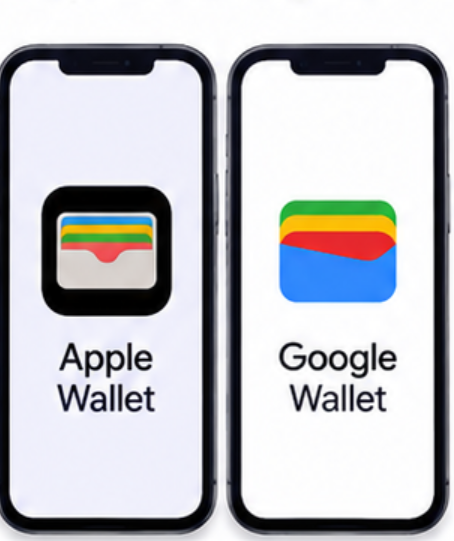
For everyday consumers, however, Wells Fargo does not offer standalone virtual card numbers for individual accounts. Instead, personal debit and credit cardholders can use digital payment services such as Apple Pay, Google Pay, Samsung Pay, PayPal, and Paze. These services use encrypted digital tokens to help protect actual card information during transactions.

Of course, Wells Fargo isn't the only option for managing online payments. Services offering online debit cards provide another way to pay online without relying on your everyday banking card. Similarly, prepaid Visa cards can help users set aside money for specific purchases and keep their spending under control.

How to set up a virtual card with Wells Fargo

If you're a Wells Fargo personal account holder, you can connect an eligible debit or credit card to a digital wallet through the Wells Fargo Mobile app.

Getting started is fairly simple. Here's how to do it.

  1. Sign in: Download the Wells Fargo Mobile app and log in using your online banking details.
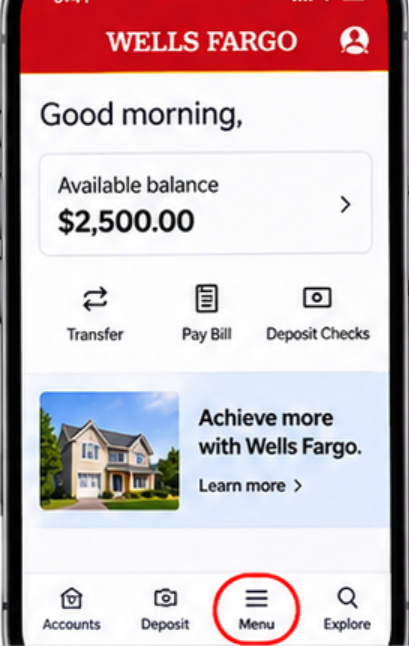
  2. Open the menu: Tap Menu at the bottom of your screen.
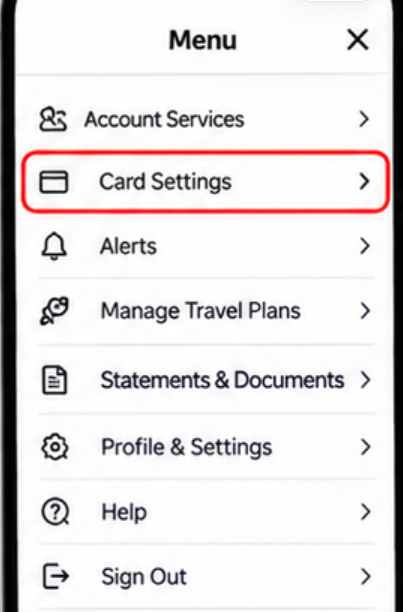
  3. Find card settings: Select Card Settings from the available options.
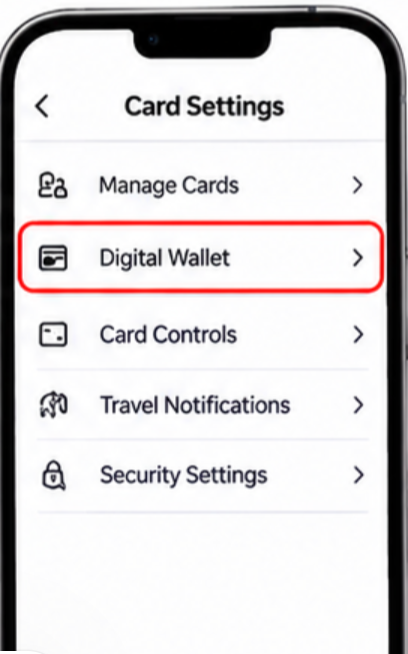
  4. Choose Digital Wallet: Tap this option to see the supported payment services.
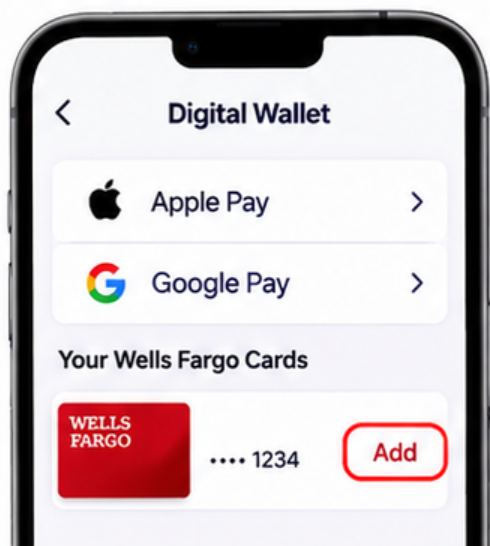
  5. Select a wallet: Choose Apple Pay, Google Pay, or Samsung Pay, depending on your device.
  6. Add your card: Select your eligible Wells Fargo debit or credit card and tap Add.
  7. Verify your identity: Follow the instructions on your screen. You may receive a verification code through text, email, or a phone call.

Once verification is complete, your card should be ready to use with the selected digital wallet.

The best part? You can make contactless and online payments without repeatedly entering your physical card details. The digital wallet uses a secure token to help protect your actual card information.

How to find your Wells Fargo virtual card number

Wells Fargo doesn't display a complete, standalone virtual card number in its mobile banking app. Instead, when you add an eligible card to a digital wallet, the wallet generates a hidden digital token linked to your actual card.

Step 1: Sign in
Open the Wells Fargo Mobile app and sign in using your username and password (or biometric sign-in).

Step 2: Tap menu
Once signed in to your account dashboard, tap Menu in the bottom navigation bar.

Step 3: Select card settings
‍
From the main menu list, scroll down and select Card Settings.

Step 4: Choose digital wallet
‍
In the Card Settings menu, choose digital wallet.

Step 5: Add your card
‍
Select Apple Pay or Google Pay, then tap Add beside your eligible Wells Fargo card and follow the on-screen prompts to complete the setup.

Step 6: Open your mobile wallet
‍
Once your card is linked, open Apple Wallet or Google Wallet on your phone and select your newly added Wells Fargo card.

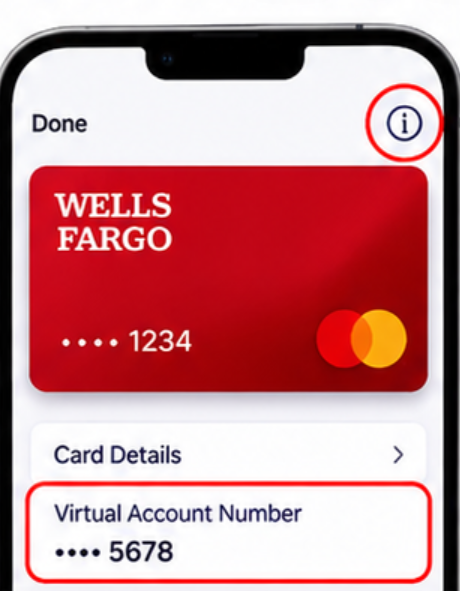
Step 7: View virtual account number
‍
Tap card details (or the info icon) to view the last four digits of your virtual account number.

Remember, these four digits identify the digital wallet's virtual account number, not your complete physical card number. The full tokenised card details are generally not displayed for security reasons.

If you're living outside the United States and wondering whether you can access Wells Fargo banking services, this guide to opening a Wells Fargo account outside the US provides additional information.

How to use your Wells Fargo virtual card safely online

To get the most out of your Wells Fargo virtual card, it's important to know how to use it safely. A few simple precautions can help protect your money and personal information when shopping online.

  • Limits: Personal digital wallet tokens share the spending limits or available credit of the original card. However, WellsOne business users can set custom spending limits for individual transactions, making it easier to manage supplier payments.
  • Freezing: Lost your phone or suspect someone has accessed your card? Open the Wells Fargo Mobile app, go to Card Settings, and turn off your card. This helps prevent new transactions without necessarily closing your account.
  • Good habits: Enable real-time purchase alerts to monitor transactions as they happen. Always use secure HTTPS websites when making payments, and avoid saving card details on public or shared devices.

These precautions are particularly useful if you regularly make international online purchases. If you're a non-resident looking into US banking options, understanding whether non-residents can open a US bank account online in 2026 can also help you make informed decisions about managing your money.

A flexible alternative for online and cross-border spending

If you're using Wells Fargo but need more flexibility for international payments, Grey is  worth considering. Perhaps you want to pay for a subscription in dollars, shop on a US website, or send money to someone back home. You don't necessarily want to depend on your regular bank card for everything.

With the Grey virtual card, you can make online payments, including international purchases and subscriptions. And if you need to send money from the US to family, friends, or business partners abroad, Grey also offers international money transfers.

What if you regularly receive money in different currencies? Grey's multi-currency accounts allow you to hold and manage multiple currencies, making it easier to keep your international finances organised and one less app on your phone.

So, whether you're paying online, receiving money from abroad, or sending dollars to another country, Grey gives you more ways to manage your money beyond everyday banking.

Frequently asked questions about Wells Fargo virtual cards

1. Does Wells Fargo offer virtual cards?

Yes, Wells Fargo supports digital card numbers through digital wallets such as Apple Pay, Google Pay and Samsung Pay. However, personal customers cannot generate standalone virtual card numbers like those offered by some other providers. Businesses may also have access to commercial virtual card payment solutions.

2. How do I create a Wells Fargo virtual card?

Open the Wells Fargo Mobile app and sign in. Go to Menu, select Card Settings, then Digital Wallet. Choose an available wallet, such as Apple Pay or Google Pay, and add your eligible debit or credit card. Follow the verification instructions to complete the setup.

3. Where is my Wells Fargo virtual card number?

Once your card is added to a digital wallet, it receives a unique digital card number that replaces your actual card number during supported transactions. You may find its last four digits in your wallet's card details. The complete token number may not be displayed.

4. Can I use my Wells Fargo virtual card abroad?

Yes. Eligible Wells Fargo debit cards can be used internationally through supported digital wallets at participating merchants. However, international usage settings, merchant acceptance and transaction fees may affect your experience. Check your card settings and account terms before travelling.

5. Is a Wells Fargo virtual card safe for online payments?

Yes. Digital wallets replace your actual card number with a unique digital card number, helping prevent merchants from accessing your full card details. Wells Fargo also provides fraud monitoring and Zero Liability protection for qualifying transactions reported promptly, subject to applicable conditions.

6. What is a good alternative to Wells Fargo virtual cards?

If you need more flexibility for international payments, Grey is worth considering. Its virtual card supports online spending, while its multicurrency accounts help you hold and manage different currencies. You can also use Grey to send money across borders, including transfers from the US.

USDC wallet: Best options for storing and sending

•

•

2 min read

Picking a USDC wallet may seem like a relatively small decision, but once you need to send money in a hurry, cash out to a bank account, or find a password you’re struggling to remember, the quality of that “small decision” begins to tell. So let's make it simple. This guide walks through the main options, so you can choose the one that fits how you actually use your dollars.

A USDC wallet is either custodial, where a provider holds the keys, or self-custody, where you hold them. Custodial wallets suit people who send often and want to convert to local currency. Self-custody suits long-term holding. Check which networks each supports before you move funds.

What is a USDC wallet?

A USDC wallet is an app or device that holds the keys to your USDC, the digital dollar issued by Circle, and lets you send and receive it.

Interestingly, your USDC isn't actually inside the wallet. It’s on a blockchain, which is a shared public ledger that anyone can check. The wallet holds the private key that proves the balance is yours and signs each transaction that moves it. Think of your public address as a mailbox that anyone can drop money into, and the private key as the only key that opens it.

As for the coin itself, Circle says USDC is backed by cash and cash-equivalent assets and can be redeemed one-for-one for US dollars. That's why it tends to hover around $1. The wallet question is a different one: who holds the key? That split matters more than any brand name.

Custodial wallets
A provider, such as an exchange or a fintech app, holds the keys for you. It works a lot like a bank login. If you forget your password, you can usually get back in by proving who you are. The trade-off is that you're trusting the company to stay solvent and let you withdraw.

Self-custody wallets
You hold the keys, normally through a seed phrase of 12 or 24 words. Nobody can freeze your balance. Nobody can reset it either. If you lose the seed phrase, the money is gone for good.

So, what’s the best USDC wallet? Honestly, there isn't one winner. It depends on how often you send, how much you’re holding, and whether you need to turn USDC into local currency. And if you’re still choosing between stablecoins too, here's how USDC compares with USDT.

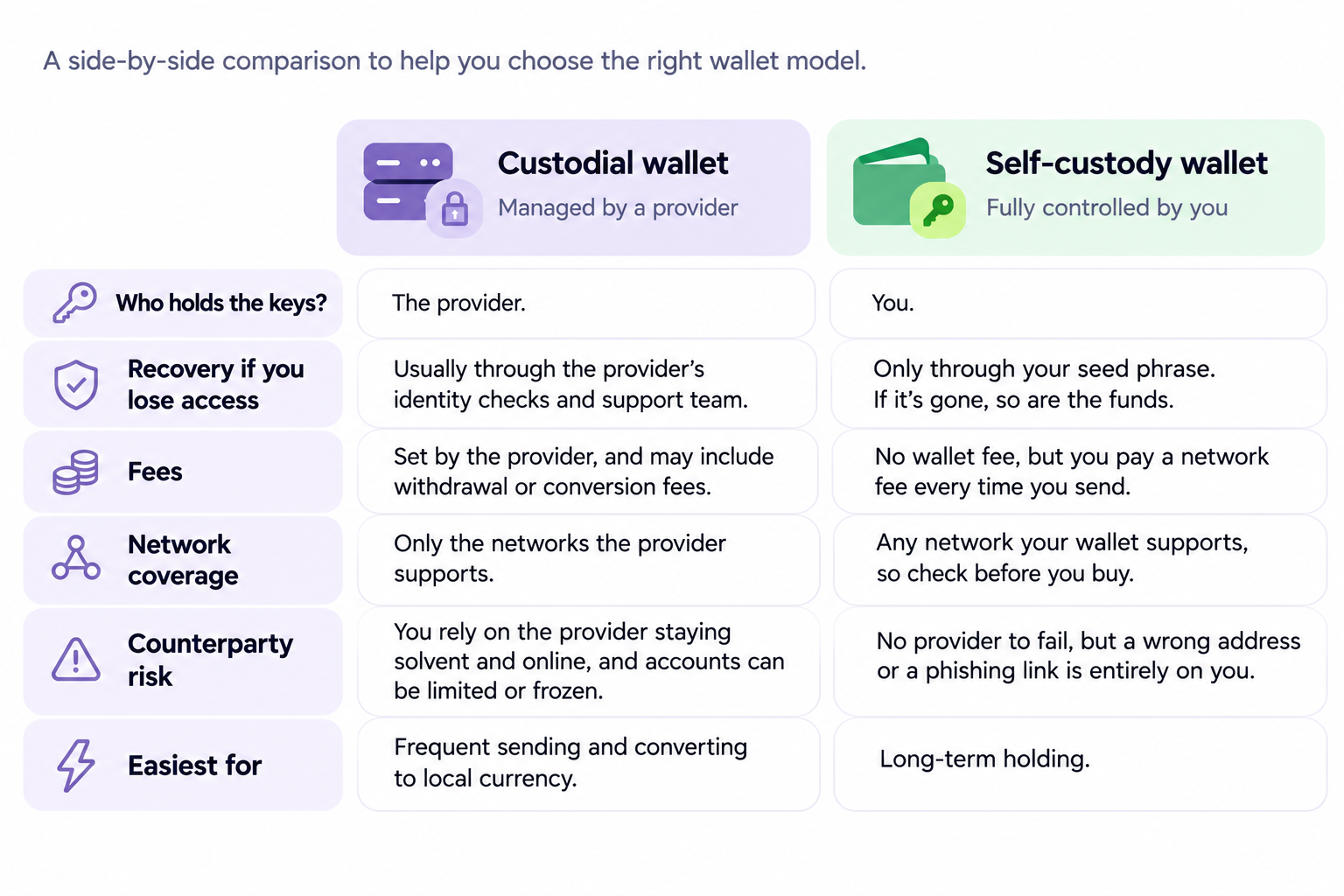
Custodial versus self-custody wallets

Custodial wallets trade a bit of control for convenience, and self-custody wallets trade convenience for control.

Graphic comparing custodial and self-custody wallet models.

A good rule of thumb: if you send money every week or need to transfer it to a bank account, a custodial wallet is probably the better option. If you're setting money aside and rarely touching it, self-custody gives you full control. Many people end up using both, with a custodial wallet for everyday transactions and a self-custody wallet for their nest egg.

Hardware wallets for larger balances

A hardware wallet is a small device that keeps your private keys offline, which is what people mean by USDC cold storage. When you send, the device signs the transaction itself, so the keys never touch your phone or laptop and malware on your computer can't simply lift them.

The catch is that it’s slower and fiddlier. You plug it in, confirm on the device, and pay network fees as with any other self-custody send. It’s great for savings.

Your seed phrase is the whole game. When you set up the device, it shows you 12 or 24 words that can rebuild your wallet on any compatible device. Anyone who gets those words gets your funds. So:

  • Write them on paper or, better, stamp them into metal, and keep them offline.
  • Never photograph them, save them in a notes app, or email them to yourself.
  • Never type them into a website. No genuine support agent will ever ask for them.
  • Keep a second copy somewhere separate, so one flood or break-in doesn't wipe you out.
  • Practise a recovery with a small amount before you trust it with a large one.
  • Buy the device directly from the manufacturer, sealed, never second-hand.

So is it worth the money? Hardware wallets usually cost somewhere between tens and low hundreds of dollars, so check current prices.

If losing the balance would hurt more than the price of the device, then you can buy one. For savings you'd miss, yes. Also check that the wallet and its app support the network you want to hold USDC on before you hand over any cash.

Which wallet is cheapest to send from?

The cheapest wallet is whichever one lets you send on a low-fee network, because the network, not the wallet, sets most of the cost. The same USDC can move across many blockchains, and what a simple send costs varies a lot between them.

Here's roughly how it looks for a basic transfer as of November 2026. Treat it as a guide, not a quote, because fees rise and fall with network traffic.

Network Typical fee for a simple send Worth knowing
Ethereum Can reach several dollars when busy Widely supported, but fees swing the most
Solana A cent or less Addresses look nothing like Ethereum ones, so double-check
Base Cents A common low-fee option, so confirm the receiver supports it
Arbitrum Cents A common low-fee option, so confirm the receiver supports it
Polygon PoS Cents A common low-fee option, so confirm the receiver supports it

To send USDC cheaply, there are two things you must look out for.

First, the receiving end has to support the same network you send on. An address that works on one blockchain isn't automatically valid on another, and a confirmed send to the wrong place usually can't be reversed.

Second, custodial providers may add their own withdrawal fee on top of the network fee, so read the fee screen before you confirm.

A good habit is to send a tiny test amount first. If it lands where it should, send the rest.

Open a Grey account and hold USDC alongside USD, GBP and EUR.

Moving USDC into a bank account

There's no button that sends USDC straight to a bank. Moving USDC to a bank account means converting it to cash first, then withdrawing that cash to an account in your name. The question is who does the converting.

An exchange: You sell USDC for dollars or local currency and withdraw to your bank. Compare the fees, the exchange rate you actually get, withdrawal limits, and whether your country is supported.

Peer-to-peer: You trade with another person, sometimes at better rates. It also carries a higher risk of scams, so it’s advisable to stick to platforms that hold funds in escrow until both sides confirm.

A provider that holds fiat and USDC in one place: Instead of hopping between platforms, you keep USDC beside your regular balances and convert when you need to. Circle's own minting and redemption service is built for institutions, so individuals usually go through an exchange or a provider like this.

Whichever route you pick, expect some paperwork. Providers typically ask for a government-issued ID, proof of address, a selfie check, and bank details in your own name. For larger amounts, or for a business, you may also be asked where the money came from or for company documents. It varies by provider and country, and verification usually has to be finished before your first withdrawal.

Grey is a great option. Eligible users can hold and send USDC with Grey, with USDC sitting alongside their fiat balances, and convert it for withdrawal to a local bank account where that's supported. If you're moving money from the US to Nigeria, you can send money from the US to Nigeria, and you can open a multi-currency account to keep several currencies in one place. Availability depends on your account and location, so check the supported networks, rates, and fees in the app before you transfer.

One last thing: in many countries, selling crypto can be a taxable event. This is general guidance, not professional tax advice. Consult a certified tax professional for your specific situation.

Grey is a financial technology company, not a bank. Exchange rates, fees, limits, and transfer times vary by destination and are subject to change.

Frequently asked questions

What is the best wallet for USDC?

There isn't one best wallet, because it depends on how you use your money. A custodial wallet usually suits frequent sending and cashing out, while a self-custody or hardware wallet suits long-term holding. Check the networks each one supports before you commit.

Is a custodial USDC wallet safe?

It can be, but it's only as safe as the company behind it. Look at whether the provider is regulated, how it protects customer funds, and what security it offers, such as two-factor authentication. Switch that on, and never share your login codes.

Can a single wallet hold USDC across multiple networks?

Yes, many wallets can, but USDC on each network is held separately. You need to pick the right network when you send or receive, and addresses for different networks can look completely different. Always confirm before you hit send.

Do USDC wallets charge fees?

Many don't charge just for holding USDC, but sending usually costs a network fee. Custodial providers may add withdrawal or conversion fees on top. The cost of a send depends heavily on the network you pick.

How do I move USDC to my bank?

Convert it to cash through an exchange or a provider that supports your country, then withdraw to a bank account in your name. Expect to verify your identity first, and check the rate and fees before you confirm.

What happens if I lose my seed phrase?

If you lose your seed phrase and the device or app that holds your wallet, you will almost certainly lose access to your funds for good, because no one can reset a self-custody wallet. If you still have access to the wallet, move your funds to a new wallet right away and store the new seed phrase safely. With a custodial wallet, you recover your account through the provider instead.

Open a Grey account and hold USDC alongside USD, GBP and EUR.

Sending money from Europe to Nigeria? Try these 7 apps

•

•

2 min read

Somewhere out there, there is someone trying to pay for a family brunch in Wuse 2 or send euros to a friend in Lagos as a birthday gift. You'd think sending €500 from Paris to Nigeria would be pretty simple. Pick an app, enter the amount, and send.

If you are living in Germany, France, Ireland, the Netherlands, or elsewhere in Europe, try comparing a few services before deciding. Depending on the exchange rates and fees each provider offers, your recipient will receive different amounts in naira when sending euros.

We’ve compared seven of the best apps to send money from Europe to Nigeria. You'll find a breakdown of their fees, transfer times and payout options. We will also show you how much naira €500 can get you, so you can compare before sending.

Want to see Grey's rate first? Send money from Europe to Nigeria with Grey and check the fee and naira amount before you confirm.

How to choose an app to send money from Europe to Nigeria

Before downloading another money transfer app, there are a few things worth checking.

  • Exchange rate: How many naira will your recipient get for each euro?
  • Fees: Are there transfer fees, conversion charges, or hidden exchange rate markups?
  • Speed: How long does it take for the money to arrive?
  • Payout options: Can you send directly to a Nigerian bank account, or does the recipient need to collect cash?
  • Availability: Does the app support transfers from your country in Europe?

Here’s something people often overlook: zero transfer fees don’t always mean a cheaper transfer. An app might charge nothing upfront but give you fewer naira per euro.

The easiest way to compare services is to enter the same amount in different apps and check how much your recipient will actually receive.

The 7 best apps to send money from Europe to Nigeria

There are plenty of ways to send money from Europe to Nigeria, but not every app works the same way.

Here’s a quick comparison before we get into the details.

App Fees Delivery time Best for
Grey 1% (capped at $6) EUR to NGN conversion + flat payout fee Typically minutes after funding Receiving, holding and sending money across currencies
LemFi Zero transfer fees on supported routes Usually minutes Regular family transfers
Wise Variable upfront fee, mid-market exchange rate Minutes to working days Transparent exchange rates
Remitly Variable fees; promotional rates available Minutes to several days Flexible payout options
WorldRemit Variable; some zero-fee transfers Minutes to working days International remittances
Western Union Variable fees and exchange rate margin Minutes to several days Cash pickup
MoneyGram Variable fees and exchange rate margin Minutes to working days Bank transfers and cash services
International payment cards +1.5% on base rate +1.5% on base rate +1.5% on base rate
Cash or cheque Free ($0) Free ($0) Free ($0)

Fees and delivery times depend on your country, payment method and transfer amount. Check the final quote before sending.

1. Grey: Best for receiving, holding and sending money across currencies

Getting paid in euros is great. But when you’re living and working in a European city and still handling financial responsibilities in Nigeria, things can get a little complicated.

Grey is built for exactly this kind of situation. Instead of moving money between different apps, you can receive payments in EUR, GBP, or USD, hold your balance in those currencies, and convert to naira whenever you need to send money to Nigeria.

If you receive €1,500 from a client in France, for instance. You don't have to convert everything into naira right away. You can leave €1,000 in your EUR balance for expenses or savings and convert the remaining €500 to send home. Your recipient gets the money directly into their Nigerian bank account, without needing a Grey account.

What are Grey's fees for sending money to Nigeria?

For EUR-to-NGN transfers, Grey charges a 1% conversion fee plus a flat NGN withdrawal fee. If you convert €500, that’s €5 in conversion fees. The conversion fee is capped at $6 per transaction. The withdrawal fee is charged separately.

Receiving money through SEPA also comes with a 0.8% fee, with a €2 minimum and €10 maximum. So, receiving €500 would cost €4.

Before you send, Grey shows you the exchange rate, applicable fees and the final amount your recipient will receive. Once the funds are available in your balance, transfers to Nigerian bank accounts typically arrive within minutes.

Best for: Nigerians in Europe who get paid internationally and want to manage multiple currencies and send money home without constantly switching between platforms.

If you're in Germany, you can send money from Germany to Nigeria using Grey.

2. LemFi: Best for regular transfers to family in Nigeria

If you send money to Nigeria every month, you probably have a familiar routine. Maybe it's money for your parents, school fees for a sibling or a contribution towards household expenses. Whatever the reason, you want an app that makes repeat transfers easy.

LemFi focuses on international money transfers and is particularly popular among Africans living abroad. It supports transfers from several European countries to Nigeria, with recipients receiving naira directly in their bank accounts.

Say you live in the UK and send money to your family in Lagos every month. With LemFi, you can save your recipient's bank details, check the exchange rate and send another transfer without entering everything again.

What are LemFi's fees for sending money to Nigeria?

LemFi offers zero transfer fees on many supported routes, including Nigeria. However, that doesn't automatically mean you’ll receive the best exchange rate.

The amount your recipient gets depends on LemFi's quoted rate at the time of the transaction. For example, if you're sending €500, the app will show how much that converts to in naira before you confirm.

Transfers can arrive within minutes, although processing times depend on the payment method, bank and any additional checks. Availability also varies by European country.

Best for: People in Europe who regularly send money to family or friends in Nigeria and want international transfers.

3. Wise: Best for transparent exchange rates and fees

Ever sent money abroad and wondered why the amount that arrived was lower than you expected? Sometimes the transfer fee looks small, but the exchange rate tells a different story.

Wise makes comparing costs easier by showing its fees separately and using the mid-market exchange rate, the rate you typically see when searching for a currency pair online.

It's particularly useful if you're sending money from Europe and want to understand exactly how much you're paying for the conversion.

For example, if you're sending €500 from Germany to a Nigerian bank account, Wise shows the transfer fee, exchange rate and estimated amount in naira before you pay.

What are Wise’s fees for sending money to Nigeria?

Wise doesn’t charge one fixed fee for every international transfer. Its fees depend on the currencies, amount and payment method.

Bank transfers are often cheaper than using a debit or credit card. The app calculates the total cost before confirmation, so you can compare payment options.

Best for: People who prioritise exchange-rate transparency and want to compare the full cost of international transfers before sending.

4. Remitly: Best for flexible delivery options

Sometimes sending money home isn’t just about finding a good exchange rate. You also want to know when the money will arrive.

Remitly offers different payment and delivery options depending on where you're sending from. It also lets you track the transfer. When sending euros to Nigeria, payouts can be made to local bank accounts and other supported payout methods.

Imagine you're living in France and need to send €300 to your mum in Nigeria. You can enter the amount, choose an available delivery method and see the estimated arrival time before paying. Remitly also lets you track the transfer.

What are Remitly's fees for sending money to Nigeria?

Remitly's fees depend on your sending country, payment method and transfer amount. New customers may qualify for a promotional exchange rate or a fee-free first transfer, but these offers have limits and don't necessarily apply to future payments.

For example, a €500 transfer from France may have a different fee and exchange rate from the same transfer sent from Germany. Paying by card can also affect the total cost.

Before confirming, check the fee, exchange rate and final NGN amount. Some transfers can arrive within minutes, while others take longer depending on the payment and delivery methods.

Best for: Nigerians in Europe who want flexible ways to pay for transfers, track their money and choose from available delivery options.

5. WorldRemit: Best for sending money and mobile airtime

Sometimes your family needs money for groceries or bills. Other times, they just need their phone topped up so they can stay connected. WorldRemit is useful because it offers both international money transfers and mobile airtime top-ups.

You can send money to supported Nigerian bank accounts from several European countries, using the website or mobile app. Depending on the route, you can pay by bank transfer or card.

Say you're living in the Netherlands and want to send €200 to your brother in Nigeria. You can choose a bank deposit, enter his details and check how much he'll receive in naira. If he only needs mobile credit, you can purchase an airtime top-up instead.

What are WorldRemit's fees for sending money to Nigeria?

WorldRemit currently advertises fee-free transfers when sending naira to Nigeria, although the offer and available payout methods should be checked for your particular route.

The exchange rate still matters. Even without a separate transfer fee, the rate offered determines how much naira your recipient receives.

For example, if you're sending €500, compare the NGN amount shown by WorldRemit with the amount offered by other apps for the same €500 payment.

WorldRemit says bank transfers to Nigeria can arrive within an hour, although verification, payment processing and local banking conditions may affect delivery.

Best for: Nigerians in Europe who want to send money to bank accounts and occasionally top up a family member's mobile phone.

6. Western Union: Best for sending money online or in person

Not everyone wants to manage international transfers entirely through an app. Maybe you prefer paying in cash, or you're helping a relative who is more comfortable collecting money in person.

Western Union has been around for generations, and its biggest advantage is flexibility. You can send money to Nigeria online, through its app or at participating agent locations across Europe.

For example, if you're living in Italy and want to send €300 to a relative in Nigeria, you can compare the available payment and delivery methods before choosing one. Depending on the route, you may be able to fund the transfer using a bank account, card or cash.

What are Western Union's fees for sending money to Nigeria?

Western Union doesn't have one standard fee for transfers from Europe to Nigeria. Costs depend on the sending country, amount, payment method and how your recipient receives the money.

For example, sending €500 online from Germany may cost something different from paying €500 in cash at an agent in Italy.

Western Union also earns money through currency conversion, so it's important to check both the transfer fee and the exchange rate. The app shows the estimated amount your recipient will receive before you confirm.

Delivery can take minutes for eligible transfers, but bank deposits and other payment methods may take longer.

Best for: Nigerians in Europe who want the option to send money online or in person, particularly when cash payments or collection options are important.

7. MoneyGram: Best for cash transfers and a large international network

Like Western Union, MoneyGram combines a large international network of physical locations with digital transfers through its website and app.

You can send money from supported European countries to Nigeria, with delivery options that may include bank deposits, cash pickup and mobile wallets, depending on the route.

You can check the available delivery options between both currencies, enter the recipient's details and compare the cost of sending online with the options available at a local MoneyGram location.

What are MoneyGram's fees for sending money to Nigeria?

MoneyGram's fees vary depending on where you're sending from, how much you're transferring, how you pay and how the recipient collects the money.

There's no single fixed fee that applies to every Europe-to-Nigeria transfer.

For example, a €500 bank deposit funded by debit card may have a different total cost from a cash-funded transfer at an agent location. MoneyGram also earns money through currency exchange, so the quoted rate matters.

Before paying, you'll see the transfer fee, exchange rate, estimated delivery time and final amount your recipient should receive.

Some transfers can be available within minutes, while others take longer depending on the delivery method and processing requirements.

Best for: Nigerians in Europe who prefer cash-based transfers or want access to both physical agent locations and digital money transfer services.

Which money transfer app should you choose?

One way to decide is how frequently you would have to send money. If this is a one-time payment, comparing the final payout might be enough. But if you’re regularly receiving euros, holding different currencies, and sending money to Nigeria, other features matter as well.

These options vary as exchange rates fluctuate and are priced by location.

If you want to Consider
Receive euros, hold foreign currency and send NGN Grey
Send money home regularly Grey or LemFi
Compare fees against the mid-market rate Wise
Use a first-transfer promotional rate Remitly
Send money for cash pickup Western Union or MoneyGram

How to send money from Europe to Nigeria with Grey

Sending money from Europe to Nigeria usually takes just a few steps. Here's how to do it with Grey.

  1. Create your Grey account. Sign up and verify your identity.
  2. Set up your EUR account. Users can open a euro account to receive and manage euros.
  3. Add money. Fund your account using a supported method, such as a SEPA transfer.
  4. Choose your recipient. Select an existing beneficiary or add someone new.
  5. Enter the amount. Choose NGN and enter how much you want to send.
  6. Review and confirm. Check the exchange rate, fees and the final amount your recipient will receive.

Once you've confirmed the transfer, you can follow its progress in the app.

If you're in the Netherlands, you can also check how to send money from the Netherlands to Nigeria.

How to get more naira for your euros

Nobody wants to send €500 only to discover they could have got a better deal elsewhere.

Check rates before sending

Exchange rates change, sometimes several times a day. If your transfer isn't urgent, compare a few apps before confirming.

You don't necessarily need to wait for the perfect rate. Just make sure you're comfortable with the amount your recipient will receive.

You can also check official exchange rate information from the Central Bank of Nigeria, although the rate offered by your transfer app may differ.

Watch out for promotional rates

Some apps offer special rates or reduced fees for your first transfer.

That's useful, but if you send money every month, also compare their regular prices. A good first-transfer deal doesn't always mean the best long-term option.

Pay attention to how you fund your transfer

Bank transfers and card payments can have different fees. If you're not in a hurry, check which funding method gives you the best overall price.

And if you send money regularly, even small differences add up. A 1% difference on €500 every month works out to €60 over a year.

Other ways to send money from Europe to Nigeria

Apps are convenient, but they're not your only option.

International bank transfers: You can send money through a European bank using SWIFT, provided the receiving Nigerian account supports the transfer. This can be useful for larger payments or sending foreign currency to a domiciliary account. However, intermediary fees and longer processing times may apply.

Cash pickup: Services such as Western Union and MoneyGram let recipients collect money at eligible locations. This can help when someone doesn't have a suitable bank account, although you'll need to check the available payout currency and identification requirements.

Transfers from the UK: If you're sending from the UK, you'll usually be converting GBP rather than EUR. Fees and rates may be different, so compare the specific corridor. Here's how to send money from the UK to Nigeria.

Send money from Europe to Nigeria with Grey

If you're regularly sending money home, having an app that lets you manage foreign currencies and make transfers can make life easier.

With Grey, you can hold supported foreign currencies, convert funds and send NGN directly to Nigerian bank accounts. You'll see the applicable rate and fees before confirming, so you know what your recipient is expected to receive.

Ready to send? Send money from Europe to Nigeria with Grey.

Frequently asked questions about sending money from Europe to Nigeria

What is the best app to send money from Europe to Nigeria?

Grey is a good choice if you want to manage foreign currencies and send money to Nigerian bank accounts. LemFi, Wise and Remitly are also worth considering. Compare the final NGN amount, fees and transfer speed to find the best option for you.

How long does a transfer from Europe to Nigeria take?

Some transfers arrive within minutes, while others take several working days. The exact time depends on the provider, payment method, verification requirements and receiving bank.

Which app gives the best euro to naira rate?

No single app always offers the best rate. Compare the amount your recipient will receive after fees using the same euro amount across different providers.

Can I send euros to a Nigerian domiciliary account?

Yes, some Nigerian domiciliary accounts accept EUR transfers through supported international banking channels. Check the receiving bank's requirements, SWIFT details and fees before sending.

How much can I send from Europe to Nigeria?

Limits depend on the app, sending country and verification level. Some providers support large transfers, but additional documentation may be required. Check your available limit before sending.

Do I need a European bank account to send money?

Not always. Some apps accept card payments, while services such as Western Union and MoneyGram may support cash-funded transfers at eligible locations. Grey users can fund their accounts through supported payment methods.

Arrow (up)

Back to top