Senegal is the country where the Atlantic Ocean meets the Sahel. It is situated on the western edge of Africa. This unique position means the country experiences a wide range of weather. The coastal areas might get really sunny, while the inland areas can be dry and hot. The seasons are divided into wet and dry seasons, and your experience in Senegal is largely tied to the season you visit.
The best time to visit Senegal is the dry season, from November to May, with warm, sunny days, low humidity and little rain. This is ideal for Dakar, the coast and wildlife on the Sine-Saloum delta. The wet season, from June to October, is hot and humid with short, heavy downpours.
Whether you are visiting Senegal for Dakar’s vibrant arts and music scene or for the beaches along the Petite Côte, getting the timing right makes a real difference to what you experience and how much you pay. This guide breaks down Senegal’s weather month by month, explains regional differences, and shares practical money tips so you can plan both the timing and the budget for your trip.
Senegal's seasons at a glance
Senegal has two seasons
- The dry season (saison sèche): From November to May, usually a great time to visit the beach, sightsee, and experience the wildlife.
- The wet season (hivernage): From June to October, usually best for budget trips.
The northern parts of Senegal are usually hotter and drier than the south. The South generally experiences more rainfall.
Here is what Senegal’s seasons look like at a glance and what you should expect during each month.
| Month |
Season |
Conditions |
Good for |
| January |
Dry |
Warm, sunny, low humidity |
Best overall |
| February |
Dry |
Warm, clear |
Dakar, coast, wildlife |
| March |
Dry |
Warm, slight increase in heat |
All regions |
| April |
Dry |
Hot and sunny |
Coast, Sine-Saloum |
| May |
Dry, transitional |
Hot, humidity building |
Shoulder value |
| June |
Wet season begins |
Hot, storms building |
Budget travel |
| July |
Wet |
Hot, heavy downpours |
Budget travel |
| August |
Wet |
Wettest month, flooding possible |
Budget travel |
| September |
Wet |
Still wet, heat easing |
Budget travel |
| October |
Wet, transitional |
Rain easing, getting cooler |
Transitional |
| November |
Dry season returns |
Pleasant, warm, clear |
Wildlife, coast |
| December |
Dry |
Warm, busy with visitors |
All regions |
Temperature: Dakar is on the Cap-Vert peninsula, at the far end of West Africa. Breezes from the Atlantic Ocean regulate the temperatures throughout the year. However, daytime temperatures are still often between 26 and 30°C in the dry season. During the wet season, temperatures rise to 32–35°C with higher humidity. Inland cities such as Saint-Louis and Tambacounda are much hotter, especially from March to June.
The Harmattan: Between December and February, the Harmattan wind blows in from the Sahara, carrying fine dust that can reduce visibility. The air often becomes dry and hazy, especially in northern and eastern Senegal. Dakar is less affected but may still experience hazy days.
Best time for Dakar and the coast
Most people visiting Senegal go to Dakar, and the city can be enjoyed year-round, even though November to February is the most comfortable period. During these months, temperatures are warm but not too bad, the humidity is low, the air is clear, and there is almost no rain. These conditions bring the city's outdoor experience to life with its local markets, seaside restaurants, and evening terraces.
Senegal is still dry from March to May, but these months are hotter and more humid. However, you might still be able to enjoy the beaches in the Petite Côte (like Saly and Mbour) during this period, even though the beach conditions will not be as optimal as in November to February.
See the official Senegal tourism guidance for more recommendations
What to avoid for the coast: August is the wettest and most humid month, and is generally not recommended for beach visits. Heavy rains can make some road surfaces difficult, and sea conditions are rougher than in the dry season.
Best time for wildlife and inland travel
If you're visiting Senegal for wildlife, the dry season from November to April is the best time to go. Animals are easier to spot, roads are easier to use, and the weather is more comfortable.
- Djoudj National Bird Sanctuary: Djoudj is located near Saint-Louis in the north and remains one of the most prominent bird sanctuaries in Africa. It is even listed as a UNESCO World Heritage Site. The best time to visit the sanctuary is from November to April. During this period, the migratory birds arrive from Europe and Northern Africa in vast numbers. Pelicans, flamingos, herons, and over 400 other species can be seen here in peak season.
- Sine-Saloum Delta: This is a magnificent network of mangroves and islands. It is located in the south-central region of Senegal and best explored by pirogue (traditional canoe) during the dry season. You should enjoy the calm waters, plenty of birdlife, and pleasant weather from November to April. The Sine-Saloum is particularly beautiful early in the morning. You can stay overnight in one of the small eco-lodges in the delta for an even more optimal experience.
- Niokolo-Koba National Park: This is Senegal's largest national park, and is located in the south-east. The park is home to hippos, crocodiles, warthogs, and various ape species. The dry season is by far the best time to spot wildlife in the wild because they concentrate around water sources. Also, the vegetation is significantly thinner during the dry season, improving visibility. You can access the park from December to June. During the wet season, some roads may be impassable, and the park may be partially closed.
Cheapest time to visit and festivals
The wet season (June to October) is the cheapest time to visit Senegal. Hotels in Dakar and along the Petite Côte often reduce their prices by 30% to 50%, and flights are usually more affordable outside the December to February peak season.
The trade-off is hotter weather, higher humidity, and occasional heavy afternoon rain. If you're mainly interested in exploring Dakar's culture rather than beaches or wildlife, this can be a great time to save money.
Cultural highlights worth planning around
Dakar has one of the most vibrant contemporary arts scenes in Africa. Planning your trip around these festivals means you can kill multiple birds with one stone. Here are some worth considering :
- Dak'Art Biennale (May or June, even-numbered years): One of Africa's biggest contemporary art festivals, held in Dakar.
- Eid al-Fitr and Eid al-Adha: These important Muslim festivals are celebrated across the country with family gatherings, colourful clothing, and community celebrations. Dates change each year because they follow the Islamic calendar.
- Saint-Louis Jazz Festival: A world-famous annual music event held in the historic colonial city of Saint-Louis. Dates change, but it usually takes place between late April and early June.
- Abéné Festival: A cultural music and dance festival held in Abene from December 26th to January 2nd. It also features arts and crafts, sports, and traditional cuisine.
Money tips for Senegal
Senegal uses the West African CFA franc (XOF), which is pegged to the euro. This means the exchange rate between euros and XOF is fixed. This also makes it easier to budget if you spend euros in your home country. For other currency users, the XOF fluctuates slightly against the dollar and pounds, but it remains relatively stable.
Here are some notes on the money context in Senegal you should understand before you visit.
- You must carry cash: Cash is still the preferred payment method for markets, local restaurants, transport, and many small businesses. You cannot rely on card payment alone.
- You can use ATMs in major cities: ATMs are easy to find in Dakar, Saint-Louis, Ziguinchor, and Tambacounda, but are much less common in rural areas. Withdraw enough cash before travelling outside the cities. Most ATMs accept international Visa and Mastercard cards.
- Cards are not always accepted: Visa and Mastercard cards work in most large hotels, supermarkets, and some restaurants in Dakar, but many businesses only accept cash.
- Avoid airport exchange: Exchange at the airport is convenient but typically comes with worse rates than bank branches or in-town exchange offices in Dakar. If possible, exchange only enough for immediate needs on arrival and exchange the rest in the city. Read our guide on how to avoid airport exchange rip-offs before you fly.
- Use a Grey Card when spending abroad: For card-accepted payments in Senegal, using a card linked to a foreign currency balance avoids the foreign transaction fees that many home-bank cards charge on every international purchase. Read our guide on how to avoid foreign transaction fees. You can spend abroad with a Grey Card wherever Visa is accepted in Senegal.
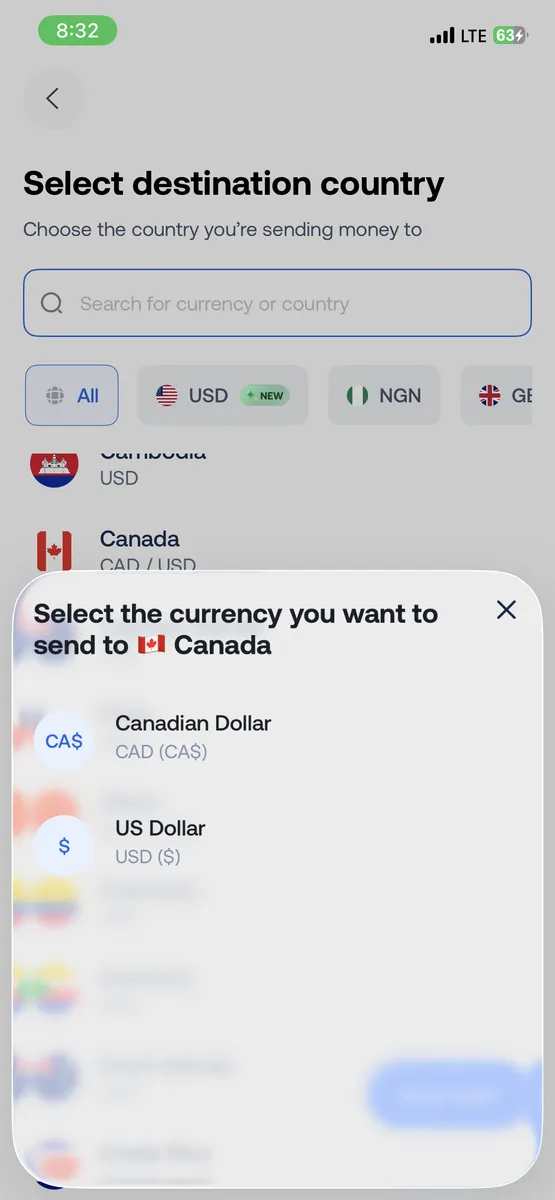
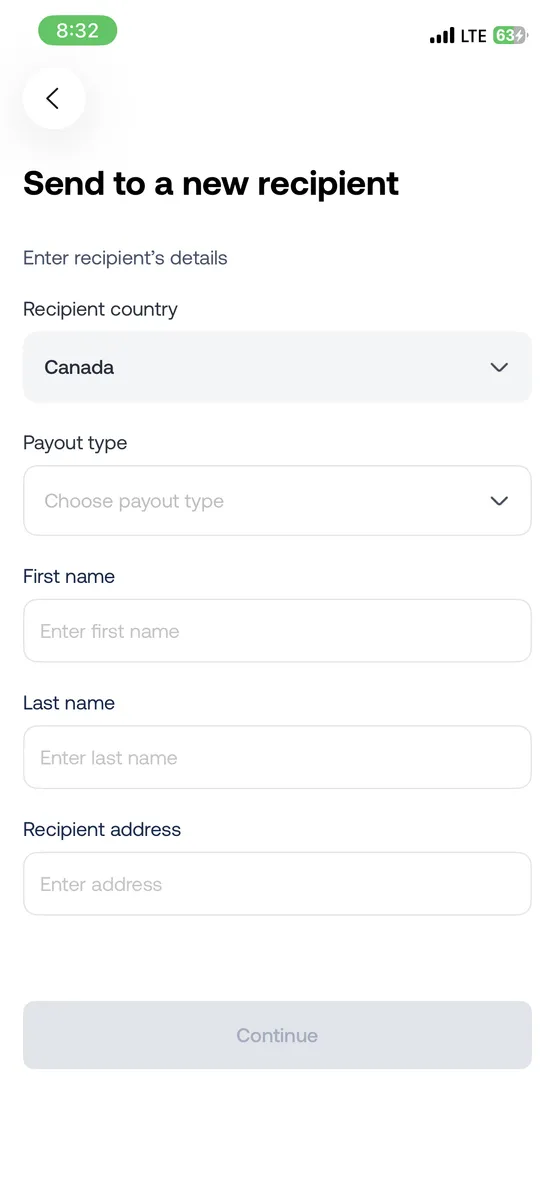
- Sending money to Senegal: Senegal has a significant diaspora in the United States, and remittances are an important part of the country's economy. Whether you're supporting your loved ones or paying a local bill in Senegal before your trip, Grey lets you send money from the US to Senegal at transparent exchange rates, with all fees shown before you confirm. You can send money from the US to Senegal with Grey at transparent rates, with 1% conversion fee shown before you confirm.
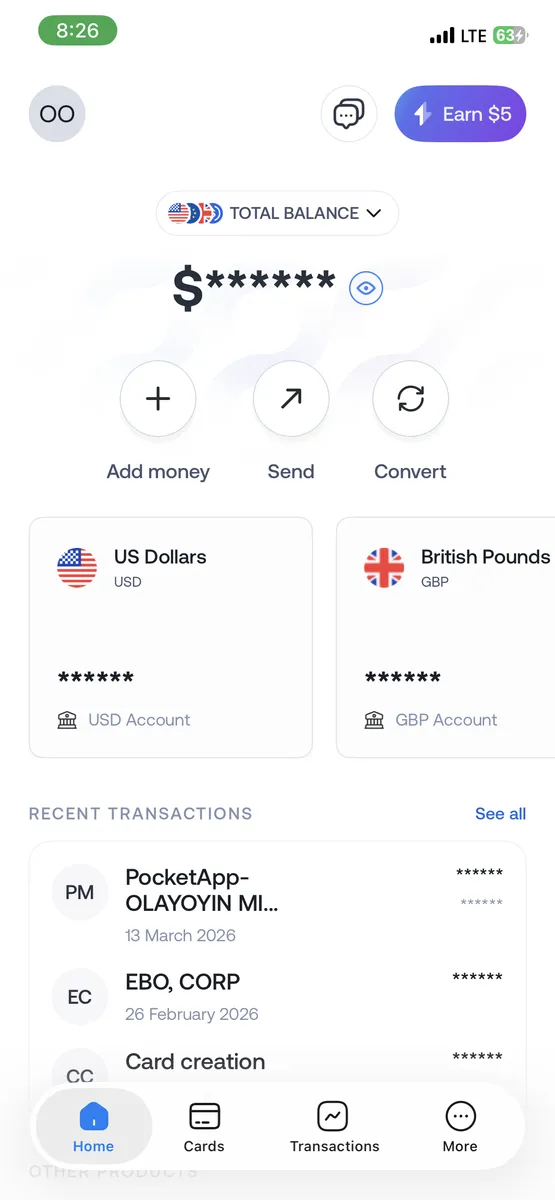
Whether you’re visiting Senegal for the beaches, the birdlife in Djoudj, or Dakar’s culture, a multicurrency account with a virtual card makes spending in Senegal much easier. Send money to Senegal with Grey without the usual international bank fees and poor exchange rates.
Frequently asked questions about visiting Senegal
When is the best time to visit Dakar?
November to February is the most comfortable period for Dakar. Temperatures are warm but manageable, humidity is low, and there is almost no rain. March and April are still dry but hotter. January is often cited as the single best month, combining excellent weather with a relatively manageable crowd level compared to the Christmas and New Year peak.
What is the rainy season in Senegal?
The rainy season runs from June to October, with August being the wettest month. Rain typically comes in heavy afternoon and evening downpours rather than all-day drizzle. Dakar and the north receive less rain than the south. The wet season brings high humidity and heat and is generally not recommended for first-time visitors or those focused on wildlife or beach trips.
What currency does Senegal use?
Senegal uses the West African CFA franc (XOF), which is used across eight West African countries, including Senegal, Mali, Côte d'Ivoire, and Burkina Faso. The CFA franc is pegged to the euro at a fixed rate, making budgeting straightforward for European visitors. US dollars must be converted to XOF.
Is Senegal expensive to visit?
Senegal is relatively affordable compared to many other travel destinations, particularly outside the peak tourist season. Accommodation ranges from budget guesthouses to luxury beach resorts. Local food at markets and neighbourhood restaurants is very cheap. Tourist-facing activities and upscale hotels, particularly in Saly and parts of Dakar, are priced more in line with European standards.
Do I need a visa to visit Senegal?
Most Western passport holders, including US citizens, UK citizens, and EU nationals, can enter Senegal without a visa for stays of up to 90 days. Requirements can change, so always verify the current entry requirements through official sources or the Senegalese embassy website before travelling.
Can I pay by card in Senegal?
In upscale hotels, certain restaurants in central Dakar, and some larger supermarkets, international Visa and Mastercard cards are accepted. Across most of the country, including local markets, transport, street food, guesthouses, and smaller restaurants, cash is expected. Carry enough CFA francs for your daily needs, regardless of where you are staying.