<script type="application/ld+json" data-schema-version="grey-blog-v4">
[{"@context":"https://schema.org","@type":"BlogPosting","@id":"https://grey.co/blog/best-day-trips-from-paris#article","headline":"9 best day trips from Paris: Where to go and what to spend","description":"The 9 best day trips from Paris by train, with travel times, what to see, and costs. Plus the smartest way to pay once you arrive. Compare now.","inLanguage":"en","url":"https://grey.co/blog/best-day-trips-from-paris","mainEntityOfPage":{"@id":"https://grey.co/blog/best-day-trips-from-paris#webpage"},"datePublished":"2026-09-29T16:16:06.876Z","dateModified":"2026-09-29T22:42:29.921Z","author":{"@type":"Person","@id":"https://grey.co/authors/priscila-marotti#person","name":"Priscila Marotti","url":"https://grey.co/authors/priscila-marotti","jobTitle":"Content Writer","sameAs":["https://www.linkedin.com/in/priscila-marotti/"]},"publisher":{"@type":"Organization","@id":"https://grey.co/#organization","name":"Grey","url":"https://grey.co","logo":{"@type":"ImageObject","url":"https://cdn.prod.website-files.com/6360022338a81bd6fdbb1145/6564ae1077a67e39d3c491a6_Grey%20Logo%20Lockup%20Black.svg"}},"image":{"@type":"ImageObject","@id":"https://grey.co/blog/best-day-trips-from-paris#primaryimage","url":"https://cdn.prod.website-files.com/636a85d290ee58e70c17e1c0/6abbe42db278045d96ef41fc_Best%20Day%20Trips%20From%20Paris-compressed.jpg","contentUrl":"https://cdn.prod.website-files.com/636a85d290ee58e70c17e1c0/6abbe42db278045d96ef41fc_Best%20Day%20Trips%20From%20Paris-compressed.jpg","width":1200,"height":675}},{"@context":"https://schema.org","@type":"WebPage","@id":"https://grey.co/blog/best-day-trips-from-paris#webpage","url":"https://grey.co/blog/best-day-trips-from-paris","name":"9 Best Day Trips From Paris and What They Cost | Grey","description":"The 9 best day trips from Paris by train, with travel times, what to see, and costs. Plus the smartest way to pay once you arrive. Compare now.","inLanguage":"en","primaryImageOfPage":{"@id":"https://grey.co/blog/best-day-trips-from-paris#primaryimage"},"breadcrumb":{"@id":"https://grey.co/blog/best-day-trips-from-paris#breadcrumb"}},{"@context":"https://schema.org","@type":"BreadcrumbList","@id":"https://grey.co/blog/best-day-trips-from-paris#breadcrumb","itemListElement":[{"@type":"ListItem","position":1,"name":"Home","item":"https://grey.co/"},{"@type":"ListItem","position":2,"name":"Blog","item":"https://grey.co/blog"},{"@type":"ListItem","position":3,"name":"9 best day trips from Paris: Where to go and what to spend","item":"https://grey.co/blog/best-day-trips-from-paris"}]},{"@context":"https://schema.org","@type":"FAQPage","@id":"https://grey.co/blog/best-day-trips-from-paris#faq","mainEntity":[{"@type":"Question","name":"What is the best day trip from Paris?","acceptedAnswer":{"@type":"Answer","text":"Giverny, if you want beauty and tranquillity. Versailles if you want grandeur and history. Champagne (Reims) if you want wine and architecture. The best choice comes down to what kind of day you want: peaceful and artistic, grand and busy, or indulgent and cultural. For first-timers, Giverny is the most universally delightful."}},{"@type":"Question","name":"How much do day trips from Paris cost?","acceptedAnswer":{"@type":"Answer","text":"Budget EUR 35 to 110 per person, depending on the destination. The cheapest day trip is Chartres (EUR 30 to 50). The most expensive is the D-Day beaches (EUR 110 to 160, including a guided tour). Train fares drop significantly when booked a few days in advance through SNCF or Trainline."}},{"@type":"Question","name":"Can I do a day trip from Paris to London?","acceptedAnswer":{"@type":"Answer","text":"Yes, via Eurostar (2 hours 15 minutes to St Pancras). Return fares start from about EUR 78 booked well in advance. You'll get 5 to 6 hours in London if you catch an early morning train. It's a long day but a brilliant one. Book at least 2 weeks ahead for the best fares."}},{"@type":"Question","name":"Is it worth visiting Versailles?","acceptedAnswer":{"@type":"Answer","text":"Yes, but book a timed entry ticket online and go early (the palace opens at 9 am). By 11 am, the Hall of Mirrors is shoulder-to-shoulder. The gardens are free except on musical fountain show days (EUR 10 extra, worth it). Allow a full day."}},{"@type":"Question","name":"Do I need to speak French for day trips?","acceptedAnswer":{"@type":"Answer","text":"Not really. Train staff, museum employees, and restaurant servers in tourist areas generally speak enough English. Having a few French phrases goes a long way. Google Translate with a downloaded French language pack works offline for signs and menus."}}]},{"@context":"https://schema.org","@type":"ItemList","@id":"https://grey.co/blog/best-day-trips-from-paris#list","name":"9 best day trips from Paris: Where to go and what to spend","numberOfItems":9,"itemListElement":[{"@type":"ListItem","position":1,"name":"Versailles"},{"@type":"ListItem","position":2,"name":"Giverny"},{"@type":"ListItem","position":3,"name":"Champagne (Reims)"},{"@type":"ListItem","position":4,"name":"Mont Saint-Michel"},{"@type":"ListItem","position":5,"name":"Loire Valley"},{"@type":"ListItem","position":6,"name":"Bruges"},{"@type":"ListItem","position":7,"name":"D-Day Beaches (Normandy)"},{"@type":"ListItem","position":8,"name":"Fontainebleau"},{"@type":"ListItem","position":9,"name":"Chartres"}]}]
</script>
Travel
•
September 29, 2026
•
8 min read
9 best day trips from Paris: Where to go and what to spend
Priscila Marotti
TABLE OF CONTENT
SHARE THIS POST
When you start looking at day trips from Paris, Versailles seems to be everywhere. And it makes sense: it’s famous, easy to reach, and absolutely worth seeing. But it’s also one of the busiest and most tiring options you can choose. If you’d rather start somewhere a little quieter, I’d go with Giverny instead. Monet’s garden is smaller and much more relaxed, and you can be back in Paris by mid-afternoon with plenty of energy left to enjoy the evening.
The best day trips from Paris include Versailles, Giverny, Champagne (Reims or Epernay), Mont Saint-Michel, Loire Valley castles, Bruges, Normandy's D-Day beaches, Fontainebleau, and Chartres. Most are 1 to 2.5 hours by train, with return fares from EUR 15 to EUR 80.
In this guide, we'll walk you through all nine destinations with train times, return fares, what to see, and a realistic daily budget. Skip Mont Saint-Michel if you only have a short trip and hate early mornings. Skip Bruges if you want to stay in France. Skip Versailles if crowds make you miserable and you haven't booked timed entry. If you're also visiting London, see the best day trips from London.
Best day trips from Paris: Quick comparison
Here's every destination at a glance.
Versailles: Around 40 minutes by RER C, with a 2026 Metro-Train-RER fare of EUR 2.55 each way. A full-estate Passport costs EUR 25 in low season or EUR 35 in high season. Best for the palace, Hall of Mirrors and gardens.
Giverny: Around 45 to 60 minutes by train from Paris Saint-Lazare to Vernon-Giverny, followed by a shuttle, bus, taxi or bike ride to Giverny. SNCF currently shows Paris-Vernon fares from around EUR 10 each way, although prices vary. Best for Monet's house and gardens and art lovers.
Champagne (Reims): As little as 45 minutes by direct TGV from Paris. SNCF currently lists one-way fares from EUR 15, with prices varying by departure and booking date. Best for Champagne-house tours and Reims Cathedral.
Mont Saint-Michel: Roughly 3 to 4 hours from Paris depending on the train and connection, followed by the local transfer to Mont Saint-Michel. The abbey costs EUR 16 during the 2026 high season (1 April to 30 September) and EUR 13 from 1 October 2026 to 31 March 2027. Best for the medieval island and abbey, but it makes for a very long day trip.
Loire Valley: Travel time depends heavily on which castle you visit. Paris to Blois, a useful base for Chambord, takes as little as 1 hour 23 minutes, with SNCF currently showing fares from EUR 10 one way on selected departures. Reaching Chambord itself takes longer, so allow roughly 2 to 3 hours from Paris when connections are included. Best for castles, gardens and cycling.
Bruges: Allow roughly 2.5 to 3 hours each way from Paris, normally with a connection in Brussels. Also, I would remove “Thalys” from the original: Thalys was absorbed into the Eurostar brand in 2023. Best for canals, medieval architecture and chocolate.
D-Day Beaches: Paris to Bayeux takes around 2 hours 15 to 30 minutes by train, and you'll then need a tour, rental car or other transport to reach the landing beaches. Best for Second World War history.
Fontainebleau: Around 40 minutes by train from Paris Gare de Lyon to Fontainebleau-Avon, followed by a local bus to the château. Best for a quieter alternative to Versailles, with both the palace and Fontainebleau forest to explore.
Chartres: Around 1 hour to 1 hour 20 minutes by direct train from Paris Montparnasse, with fares currently available from EUR 10 one way on selected services. Entry to Chartres Cathedral is free. Best for its Gothic cathedral and stained glass.
All fares are estimates for return tickets booked a few days in advance. SNCF and Trainline typically offer the best prices. Walk-up fares can be 2 to 3 times higher on TGV and Thalys routes.
1. Versailles
Versailles is the most famous day trip from Paris for good reason. The Hall of Mirrors, the gardens (which are genuinely vast, not a courtyard with a fountain), and Marie Antoinette's estate are all extraordinary. But it draws 10 million visitors a year, so timing matters more here than at any other destination on this list.
Getting there: RER C from central Paris to Versailles Château Rive Gauche, about 40 minutes. Trains run every 15 to 20 minutes. Return fare: EUR 5.10 (EUR 2.55 each way).
Palace entry: EUR 25 in low season or EUR 35 in high season for the Passport ticket (book timed entry online to skip the worst of the queue, which can stretch to 90 minutes on summer mornings).
Don't miss: the Grand Trianon. Most visitors never leave the main palace, but the Trianon estate is where the royal family actually lived day-to-day, and it's far less crowded. The gardens are free to enter on most days, but on musical fountain show days (weekends, April to October), there's an additional EUR 10 charge. The fountain shows are worth it.
Budget: EUR 45 to 75 per person, including transport, entry, and lunch at one of the on-site cafes.
2. Giverny
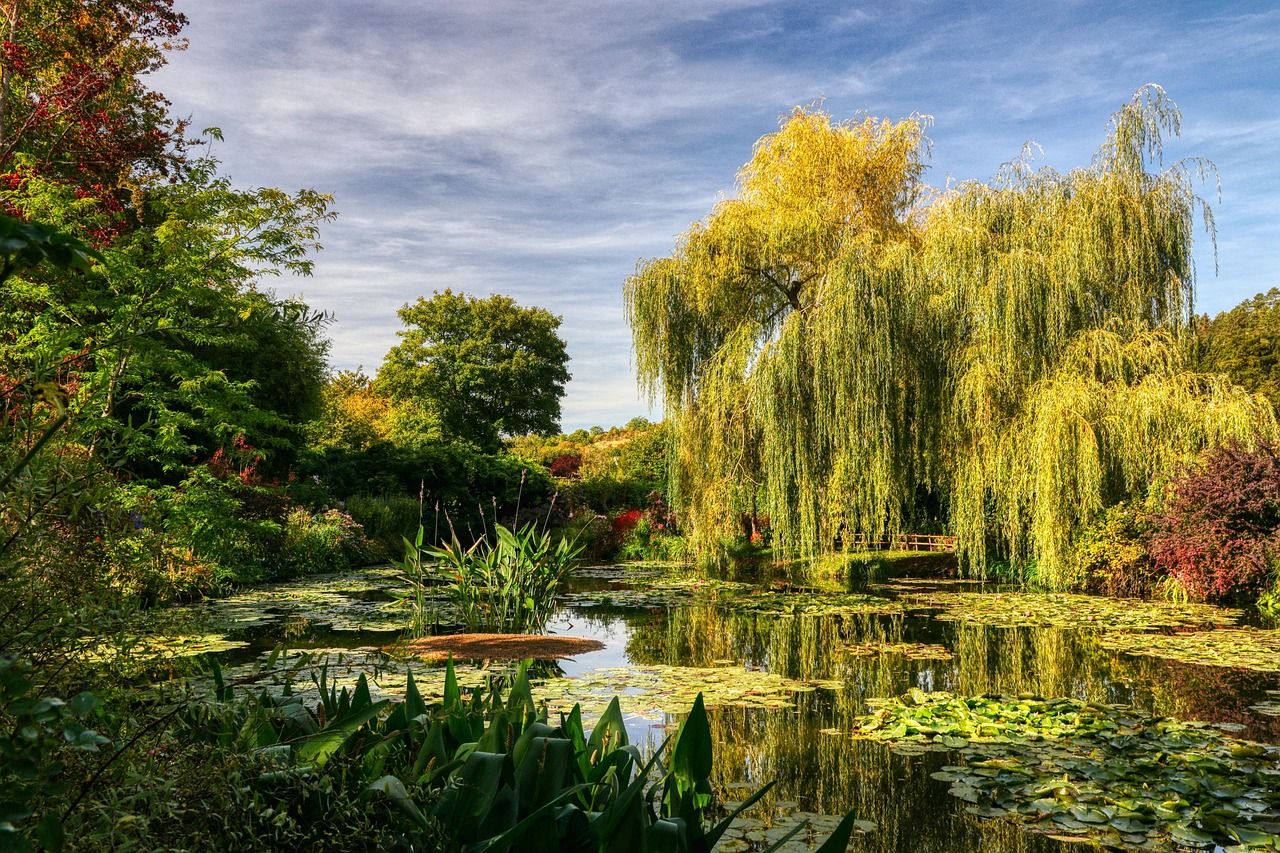
Giverny is Claude Monet's house and garden, and it looks exactly like his paintings. The water lily pond, the Japanese bridge, the flower gardens bursting with colour. It's small enough to see in 2 to 3 hours and peaceful enough to make you forget you're 45 minutes from a city of 12 million.
Getting there: Train from Paris Saint-Lazare to Vernon (45 minutes), then shuttle bus to Giverny (15 minutes, EUR 10 return). Entry: EUR 13.
Don't miss: go in the morning. The garden opens at 9:30 am and the first hour is magical before the tour groups arrive. The house interior is worth seeing too: Monet's kitchen is painted bright yellow, and the dining room is bright blue. Both rooms feel like paintings themselves.
Season matters: the garden is open from April to November only. Peak bloom for water lilies is late June through August. May and September are less crowded, and the garden is still beautiful.
Budget: EUR 45-60 per person.
3. Champagne (Reims)
Reims is the capital of the Champagne region and home to most of the famous houses: Veuve Clicquot, Taittinger, Pommery, and Ruinart. A cellar tour with tasting costs EUR 30 to 60 per person. The Reims Cathedral, where French kings were crowned for 800 years, is free to enter and its Gothic facade is one of the finest in France.
Getting there: TGV from Paris Gare de l'Est to Reims, 45 minutes. Return fare: EUR 20 to 50 (book early for the best prices).
Don't miss: Taittinger's cellars are carved into 4th-century Roman chalk pits. The history is as impressive as the champagne. Ruinart (the oldest champagne house, founded in 1729) offers a more exclusive tour at a higher price (EUR 90+), but the cellars are UNESCO-listed, and the experience is exceptional.
Budget: EUR 70 to 130 per person (train, tour, and lunch). Book cellar tours in advance, especially for Veuve Clicquot and Taittinger, which sell out weeks ahead in summer.
4. Mont Saint-Michel
Mont Saint-Michel is the longest day trip on this list, but also the most unforgettable. A medieval abbey perched on a tidal island off the Normandy coast. It looks like a fantasy illustration, and the approach across the causeway is genuinely breathtaking. The abbey has been a pilgrimage site for over 1,000 years.
Getting there: TGV from Paris Montparnasse to Rennes (1h 30m) or Dol-de-Bretagne (2h 40m), then shuttle bus (1 hour). Return fare: From around EUR 50 return, depending on the train and connection. Abbey entry: EUR 16 in high season (April to September) or EUR 13 in low season.
Don't miss: arrive early or stay late. The island empties by 5 pm, and the evening light on the abbey is the view you'll remember. Walking the ramparts after the crowds leave is an entirely different experience from the midday crush.
Budget: EUR 80 to 120 per person. This is a full-day commitment: leave Paris by 7 am, return by 9 pm. Skip this if you only have 4 to 5 days in Paris. If you do go, it's worth every hour.
5. Loire Valley
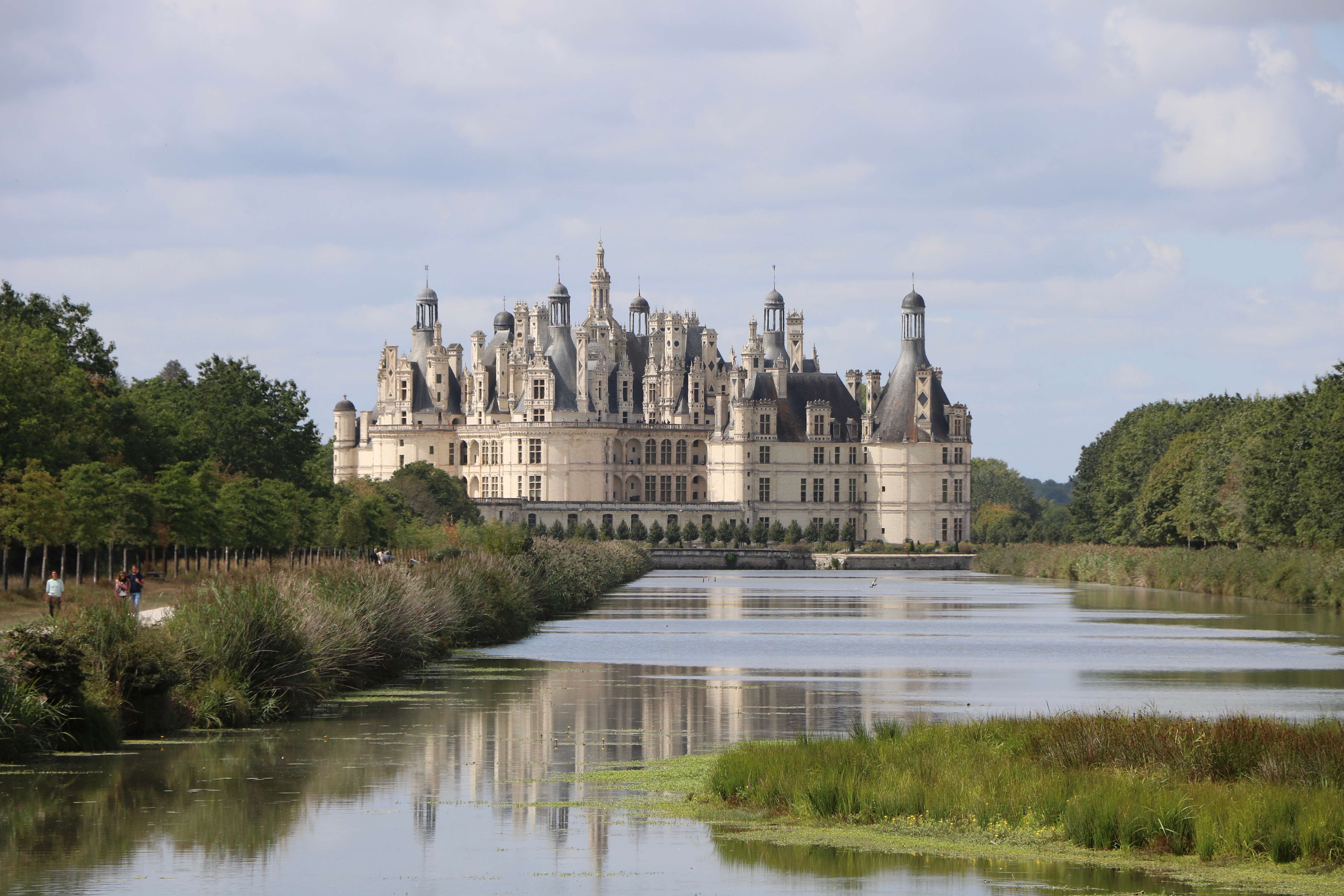
The Loire Valley has over 300 castles. You can't see them all in a day, so pick two: Chambord (the largest and most dramatic, designed as a hunting lodge for Francis I) and Chenonceau (the most elegant, built across a river, run by women for most of its history). Both are accessible by train and local bus from Tours.
Getting there: TGV from Paris Montparnasse to Tours, 1 hour 15 minutes. Then, take the local bus or hire a bike. Return fare: EUR 25 to 50. Castle entry: Chenonceau EUR 19; Chambord EUR 31.
Don't miss: cycling between castles. The Loire à Velo route is flat, well-signposted, and passes through vineyards. Bike hire from about EUR 15 per day from shops near Tours station.
Budget: EUR 75 to 120 per person. If you're choosing just one castle, make it Chenonceau: it's more intimate, less crowded, and the river setting is unlike any other castle in France.
6. Bruges
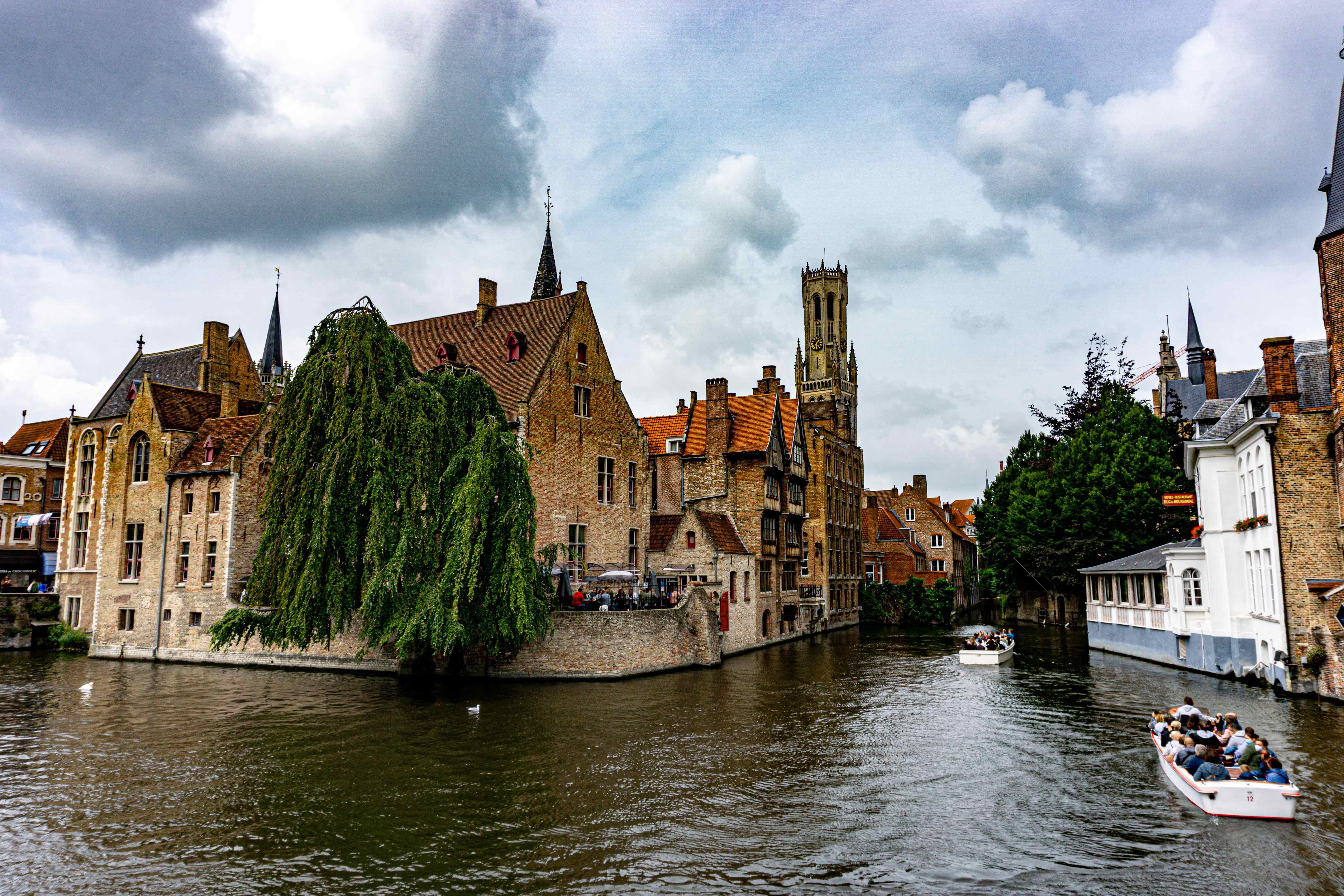
Bruges is in Belgium, not France, but it's only 2.5 hours from Paris by Thalys train, and it's the most photogenic small city in northern Europe. Canals, cobblestones, chocolate shops, and medieval architecture. The entire old town is a UNESCO World Heritage Site.
Getting there: Thalys from Paris Gare du Nord to Bruges, about 2 hours and 30 minutes. Return fare: From around EUR 58 return for the Eurostar portion to Brussels, plus the connecting SNCB fare to Bruges. Book early for the lowest fares.
Don't miss: the Belfry tower (366 steps, EUR 14) for a panoramic view of the city. Then a canal boat tour (EUR 12) to see the buildings from the water. The chocolate shops along Katelijnestraat are better than the ones near the Markt.
Budget: EUR 90 to 140 per person. Belgium uses the euro, so no currency change needed from France. Belgian waffles (the real ones, not the tourist traps) cost EUR 2 to 4 from street vendors.
7. D-Day Beaches (Normandy)
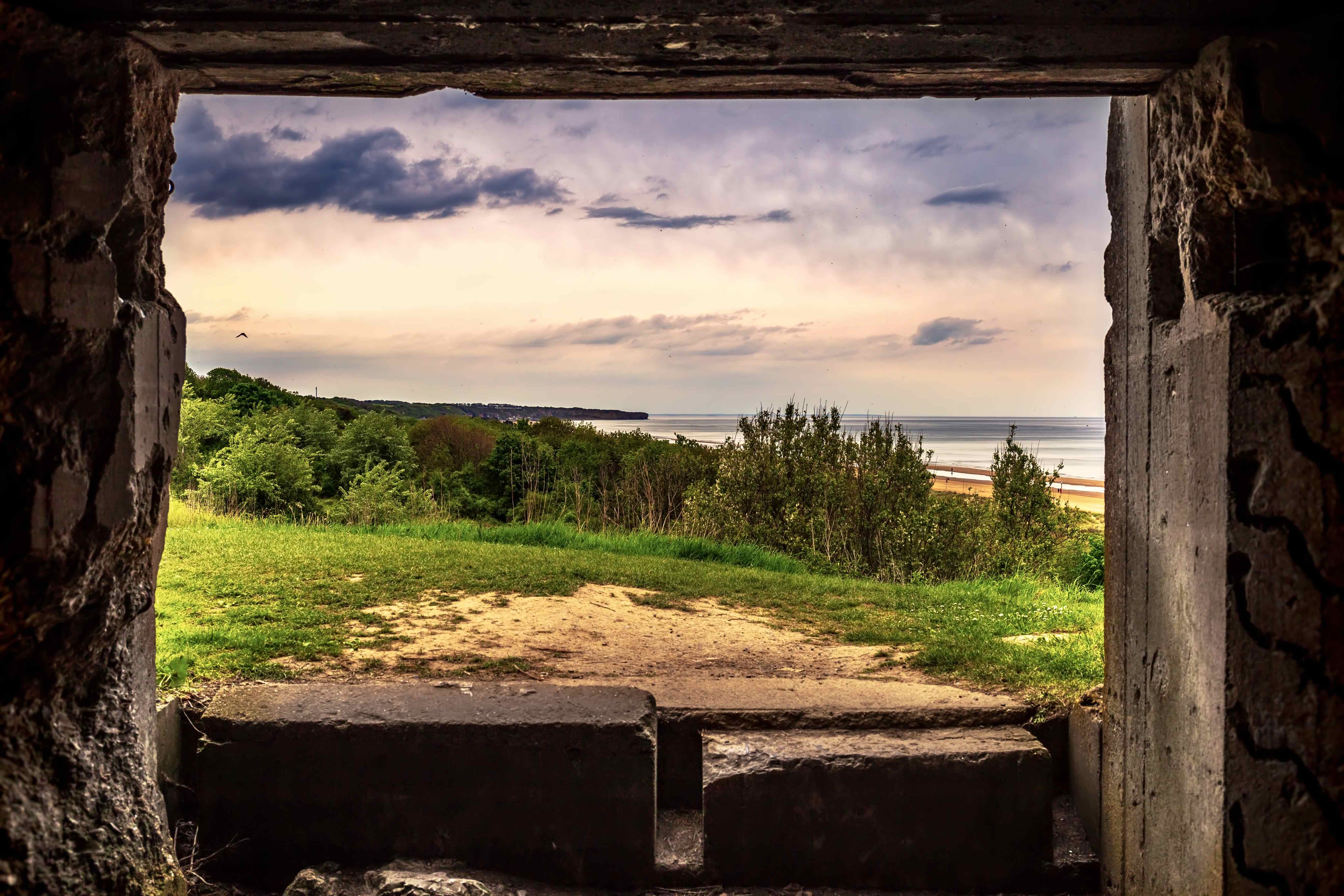
The D-Day beaches are spread across 50 miles of the Normandy coastline. Without a car, the most practical approach is a guided tour from Bayeux (2 hours from Paris by train). Tours typically cover Omaha Beach, Pointe du Hoc, and the American Cemetery at Colleville-sur-Mer.
Getting there: Train from Paris Saint-Lazare to Bayeux, about 2 hours 15 minutes. Then join a guided tour (EUR 60 to 90 per person, half-day). Don't miss: the American Cemetery. 9,387 white crosses overlooking Omaha Beach. It's the most emotionally powerful war memorial in Western Europe, and the audio guide is excellent.
Budget: EUR 130 to 180 per person (train, tour, and meals). Book the tour in advance through Bayeux Shuttle or Overlord Tour. This is another full-day trip: 7 am departure, 9 pm return.
8. Fontainebleau
Fontainebleau is Versailles without the crowds. A royal palace surrounded by 60,000 acres of forest, 40 minutes from Paris. Napoleon called it "the true home of kings." The palace apartments are spectacular, and the forest is one of the best outdoor spaces near Paris for hiking, trail running, and renowned bouldering.
Getting there: Train from Gare de Lyon to Fontainebleau-Avon, 40 minutes. Then bus to the palace (10 minutes).
Return fare: EUR 5.10 by train (EUR 2.55 each way), plus local bus fares. Palace entry: EUR 14.
Don't miss: the forest. Bring walking shoes and spend the afternoon on the trails. The bouldering circuit at Gorge aux Chats is world-famous among climbers.
Budget: EUR 35 to 55 per person. Best combined with a picnic lunch in the forest: pick up bread, cheese, and wine from a Fontainebleau boulangerie before heading into the woods.
9. Chartres
Chartres is worth the trip for one thing: the cathedral. Chartres Cathedral is a UNESCO World Heritage Site with the finest medieval stained glass windows in the world. The blue glass ("Chartres blue") is a colour that hasn't been replicated since the 12th century. The old town around the cathedral is charming and quiet, with half-timbered houses along the Eure River.
Getting there: Train from Paris Montparnasse to Chartres, 1 hour 10 minutes.
Return fare: From EUR 20 return on selected trains. Cathedral entry: free (tower climb EUR 10).
Don't miss: the crypt tour (EUR 5.50). It's the largest crypt in France and includes sections from the 9th century. The labyrinth on the cathedral floor is usually uncovered on Fridays from Lent to October.
Budget: EUR 35 to 55 per person. This is the quickest and cheapest day trip on the list, ideal for a half-day if you want to spend the afternoon back in Paris.
Paying for your day trips from Paris
If you're visiting Paris from outside the eurozone, every card payment at a cafe, train station, or museum entrance carries a foreign transaction fee of 1.5 to 3%. On a EUR 100 day trip, that's EUR 1.50 to 3 in fees you didn't budget for. Across a week of day trips, it adds up to EUR 20 or more.
A Grey virtual Mastercard lets you spend on a Grey virtual card from your euro balance with no conversion markup. You can also hold euros in your Grey account before you travel, so you're not converting on every tap. For mobile data on the go, buy a travel eSIM for France and skip the roaming charges. Google Maps offline is essential for navigating small towns like Giverny and Bayeux, where cell coverage can be patchy.
Frequently asked questions about the best day trips from Paris
What is the best day trip from Paris?
Giverny, if you want beauty and tranquillity. Versailles if you want grandeur and history. Champagne (Reims) if you want wine and architecture. The best choice comes down to what kind of day you want: peaceful and artistic, grand and busy, or indulgent and cultural. For first-timers, Giverny is the most universally delightful.
How much do day trips from Paris cost?
Budget EUR 35 to 110 per person, depending on the destination. The cheapest day trip is Chartres (EUR 30 to 50). The most expensive is the D-Day beaches (EUR 110 to 160, including a guided tour). Train fares drop significantly when booked a few days in advance through SNCF or Trainline.
Can I do a day trip from Paris to London?
Yes, via Eurostar (2 hours 15 minutes to St Pancras). Return fares start from about EUR 78 booked well in advance. You'll get 5 to 6 hours in London if you catch an early morning train. It's a long day but a brilliant one. Book at least 2 weeks ahead for the best fares.
Is it worth visiting Versailles?
Yes, but book a timed entry ticket online and go early (the palace opens at 9 am). By 11 am, the Hall of Mirrors is shoulder-to-shoulder. The gardens are free except on musical fountain show days (EUR 10 extra, worth it). Allow a full day.
Do I need to speak French for day trips?
Not really. Train staff, museum employees, and restaurant servers in tourist areas generally speak enough English. Having a few French phrases goes a long way. Google Translate with a downloaded French language pack works offline for signs and menus.
Exploring France? Spend on a Grey virtual card with no markup, and grab a travel eSIM for maps and tickets on the go.
Disclaimer: This article is for informational purposes only. All costs and details are estimates based on mid-2026 data. Verify current information before making decisions. Grey isn't a bank. We're a licensed financial services provider offering multi-currency accounts.
Choosing a long-stay destination is really different from short visits. If you just need to go out and touch grass or escape from work briefly, you might not have to plan too much. But if you are going to be staying for months, you need to think beyond waking up on a beach or watching the sunset hitting the horizon. A lot more factors come into play with long-stay destinations, and if you don’t carefully pick your destination, you might get frustrated and have to leave sooner than planned
This guide covers some of the best places for remote workers to stay long-term. Before we get into the list, let’s look at what you should think about when picking your next spot.
What should you consider before choosing a long-stay destination?
Travelling as a remote worker is different from a regular vacation. You need to balance work and fun, so it’s important to think about what will help you stay productive and comfortable during your stay.
Internet: Fast, reliable internet is a must for remote workers. It helps you stay connected with your team, work smoothly, and join meetings without issues.
Legal requirements: Make sure to check visa rules, taxes, and travel insurance before you go.
Cost of living: Look up the average prices for housing, food, and transport to be sure you can afford to live there on your budget.
Infrastructure: Check if there are coworking spaces, cafes, good public transport, and other things that will help you work comfortably.
Safety: Choose safe neighbourhoods that are close to good medical care. It’s also smart to check your country’s travel advice before you go**.**
Lifestyle: Think about the weather, time zone differences with your job, fun things to do, and whether there’s a community for networking.
Accommodation: Try to find places with a kitchen to save money on food and enough space for a good work setup.
The best long-stay destinations for remote workers
With all these factors in mind, here are some of the top long-stay destinations for remote workers.
Lisbon, Portugal
Lisbon has long been a favorite in Europe for long-term stays. The D8 visa lets you stay for up to two years, and the city offers rich culture and a lower cost of living than many other European cities. You’ll find fast fiber internet (100+ Mbps) and coworking spaces like Second Home and Lisbon WorkHub. With a Schengen visa, it’s easy to visit other European countries too. Lisbon is a great choice if you want a European base that’s affordable.
If you want a city with a Mediterranean vibe and strong digital infrastructure, Valencia is a great pick. Earning about $3,500 per month lets you apply for Spain’s Digital Nomad Visa. You can live well for under $1,500 a month, or up to $2,000 if you want more comfort. Valencia has fast fiber internet (often 100+ Mbps) and plenty of coworking spaces like Vortex Centro and ExpressHub. There’s lots to do, from exploring modern architecture to enjoying the historic sites and relaxing by the coast.
Marrakech, Morocco
Morocco is a crossroads between the Arab world, Africa, and Europe, making Marrakech a unique place for remote workers. The city’s cultural mix is welcoming, and it’s easy to meet people from different backgrounds. While Morocco doesn’t have a specific digital nomad visa, visitors are generally welcomed. The city has strong digital infrastructure and coworking spaces like L’BLASSA, Targa, and Goworking. You can live comfortably in Marrakech on $1,200 to $2,000 per month, and find accommodation in the medina for as little as $400 a month.
Many Southeast Asian cities stand out to remote workers for their affordable living costs, warm residents, and peaceful natural environments. Chiang Mai's the OG nomad hub in Southeast Asia, and with Thailand's DTV visa now valid for 5 years for remote workers, it's even better for long stays. The Internet's solid at 200+ Mbps in coworking cafes like Punspace, and you can live well on $1,000-1,500 monthly. Temples, night markets, and mountain hikes keep things exciting, plus a huge expat scene for meetups. It's great for budget-conscious folks who want culture without chaos.
LDMAG1
Mexico City, Mexico
If you want a lively city, Mexico City is a great choice. The temporary resident visa lets many people stay for up to four years if they can show an income of about $2,600 per month. The city has reliable internet and growing coworking spaces. You can get by on $1,000 to $1,600 a month. Enjoy the tacos, museums, and nice weather. It can get busy at times, but there’s always something to do.
Managing your finances on the go
If you want an easy way to manage your money while traveling, try using multicurrency accounts. Grey lets you hold USD, GBP, or EUR, switch between them easily, and make low-fee transfers. You can also withdraw in local currencies at fair rates and use a USD debit card for online payments wherever you are.
Is it possible to receive foreign income in Morocco without a domiciliary account? The simple answer is yes. However, it is not always straightforward, especially with the wrong payment services.
Domiciliary (foreign currency) accounts were once the standard for Moroccans earning in USD, EUR, or GBP, but they are becoming less popular. Opening one often involves extensive paperwork, multiple bank visits, minimum balance requirements, and strict compliance with local regulations. Beyond these, SWIFT fees, intermediary charges, and poor conversion rates when converting to MAD make them too expensive for the average person.
The good thing is that you don’t need a traditional domiciliary account at banks such as Attijariwafa Bank or Banque Centrale Populaire to manage international payments efficiently. Freelancers, remote workers, and expats earning from abroad can not find alternatives that suit their needs.
This article explains how Moroccans can receive foreign income without a domiciliary account and describes the pros and cons of each option.
Why do many Moroccans avoid domiciliary accounts?
A domiciliary account allows you to receive foreign currencies without immediate conversion to MAD. On paper, this sounds ideal. In practice, these accounts come with significant problems. A domiciliary (or foreign currency) account allows you to receive USD, EUR, or GBP without automatically converting to MAD. However, these accounts have considerable limitations, including:
You have to visit the banking hall.
It might require cumbersome paperwork.
It takes a while to open an account.
SWIFT fees and other bank charges can eat into earnings.
There is limited flexibility when trying to make online payments and subscriptions.
Transactions may take a few days to complete.
How Moroccans receive foreign income without a domiciliary account
There are three main alternatives: online payment platforms, fintech multi-currency accounts, and cash pickup services. Each serves a different purpose, depending on how often you get paid and how much control you want over your money.
LDMAG1
PayPal
PayPal is one of the most widely recognised international payment platforms. Many foreign clients already trust and use PayPal, which makes it easy to request payments without lengthy explanations or setup.
PayPal allows Moroccans to receive payments in foreign currency and withdraw funds to a local bank account or card. Transactions are usually instant, and the platform is easy to use. However, PayPal is designed more for convenience than cost efficiency. Withdrawal requires automatic conversion to MAD, often at exchange rates that include hidden mark-ups. Fees can be substantial, especially for regular income, and users have little control over when or how conversion happens. There are also frequent reports of account restrictions and suspensions that can interrupt your cash flow or lead to losses.
PayPal works best for occasional payments or short-term use, but it becomes expensive and restrictive for consistent freelance or remote income.
Fintech platforms and multi-currency accounts
This is easily a top recommendation for managing international payments in Morocco. Most of these platforms are designed to address the challenges posed by the rigid traditional domiciliary account payment system. They let you complete cross-border transactions like it is local payments and convert to MAD whenever you like.
Grey offers Moroccans USD, EUR, and GBP account details that you can share directly with international clients or employers. You can hold your income in foreign currency, convert it to MAD when exchange rates are favourable, and withdraw it to your Moroccan bank account.
Grey also supports automated invoicing, integrates with freelance platforms, and provides virtual cards for paying subscriptions, tools, and services directly in foreign currency. This setup gives freelancers and remote workers far more control over exchange timing, fees, and spending, making it well-suited for regular international income.
Payoneer is widely used by freelancers working with global marketplaces and companies. It offers foreign accounts and allows withdrawals to Moroccan bank accounts. Payoneer is reliable and well-integrated with major freelance platforms, but its fee structure can be cumbersome. Currency conversion and withdrawal fees can be relatively high, and customer support is often slow. It remains a practical option for platform-based freelancers, though it offers less flexibility than newer fintech solutions.
Wise
Wise is known for transparent pricing and mid-market exchange rates. While it offers strong multi-currency functionality globally, features for Moroccan residents are limited, especially regarding local withdrawals and employer payments. Wise is effective for individuals with international banking needs, but may not be the most seamless solution for Moroccan-based freelancers who rely on frequent payouts.
Cash pickup services are another way to receive foreign income without a domiciliary account, but you should treat them more like a fallback than as your main payment solution.
MoneyGram and Western Union allow senders abroad to transfer money for cash pickup in Morocco without a bank account. These services provide fast access to cash and nationwide availability. However, they come with high fees, unfavourable exchange rates, and low transaction limits. They are also not recommended for freelancers and remote workers with regular foreign income, invoicing, and financial planning.
Managing international payments with Grey
You don’t need a domiciliary account to receive foreign income in Morocco. Freelancers, remote workers, and expats who regularly earn in USD, EUR, or GBP need an alternative that suits their needs. Grey offers you control over exchange rates, lower fees, faster payment processing, and the flexibility required to manage a global income. With the newly improved Grey cards, you now manage your payments globally by creating multiple cards, spend directly from your balance without top ups, and link with Apple Pay and Google Pay. Grey bypasses the paperwork and restrictions of domiciliary accounts, allowing you maximise you income without hassles.
The digital nomad scene has evolved over the years, and 2026 feels like the year of maturity. Today, entire countries are rolling out red carpets for remote workers, and honestly, some of these programmes are incredible.
What’s in it for these countries? A remote worker earning a London or San Francisco salary but spending it in Lisbon or Mexico City. That's pure economic gold, as that’s money that will be pumped directly into the economy through the said freelancers’ spending.
I’ve spent some time researching which countries are genuinely attracting remote workers in 2026, not just talking about it, but actually making it happen. Here’s what I’ve found.
Portugal
Let me start with the obvious one. Portugal has been the poster child for remote work migration since 2020, and in 2026, it remains at the forefront.
Entire neighbourhoods in Príncipe Real and Santos are now essentially expat hubs. You’ll hear more English than Portuguese in some co-working spaces, and the average rent has tripled in five years. Some locals aren’t always thrilled about that, but the government certainly is.
What makes Portugal attractive to remote workers?
The D7 visa (passive income visa) and the newer Digital Nomad Visa make it absurdly easy for remote workers to settle here legally. You need proof of income, which is around €3,040 per month for a single person, and you’re basically in. Processing times are reasonable, and you get access to Europe’s Schengen zone.
Portugal offers a lifestyle that’s hard to beat. It’s affordable, at least compared to London or Paris, has a stunning coastline, incredible food, and a time zone that works for both European and US East Coast clients.
Are there any drawbacks to working remotely in Portugal?
Rent in Lisbon and Porto has become genuinely expensive. A one-bedroom flat in a decent neighbourhood will set you back €1,200 - €1,800 per month now. And if you’re not earning in EUR or USD, the cost of living might surprise you.
Still, for most remote workers, especially those in tech, design, or marketing, Portugal remains one of the safest, easiest, and most attractive options in Europe.
Spain
Some say Spain spent years watching Portugal steal its thunder, but in 2023, it launched a proper Digital Nomad Visa, and by 2026, the results are showing.
I’ve got friends who moved to Valencia and Barcelona in the last year, and the quality of life they describe is impressive. Spain’s visa requires proof of a monthly income of at least € 2,000, a clean criminal record, and health insurance. The visa is valid for 12 months (renewable for up to five years) and you get to live and work remotely in one of Europe’s most liveable countries.
What makes Spain attractive to remote workers?
The weather, obviously. But also the infrastructure. Spain’s internet speeds are excellent, co-working spaces are everywhere, and cities like Madrid, Barcelona, and Valencia offer that perfect mix of metropolitan energy and Mediterranean ease.
Spain's tax regime for new residents can be favourable. The Beckham Law (yes, named after that Beckham) allows qualifying remote workers to pay a flat 24% tax on Spanish-sourced income for up to six years. If you structure things correctly and most of your income is foreign-sourced, Spain can be surprisingly tax-efficient.
Are there any drawbacks to working remotely in Spain?
A minor downside is that obtaining your TIE (residence card) can take several months, and navigating local government offices often requires considerable patience. But if you can navigate the admin, you’ll absolutely love your stay.
Mexico
I’ll be honest, I didn’t expect Mexico to dominate the remote work conversation the way it has, but here we are. In 2026, Mexico City, Playa del Carmen, and Tulum are absolutely crawling with remote workers, particularly from the U.S. and Canada.
Mexico’s Temporary Resident Visa is designed for remote workers who earn at least $3,500 per month or hold at least $60,000 in savings. Once approved, you can live in Mexico for up to four years.
What makes Mexico attractive to remote workers?
The timezone compatibility with the U.S. is a plus if you're working for American clients or companies. Mexico’s Central or Eastern time zones mean you're not taking calls at 2 a.m. The cost of living is significantly lower than in the U.S. You can live comfortably in Mexico City on $2,000–$3,000 per month, including rent, food, and entertainment.
The lifestyle is vibrant. Mexico City boasts world-class restaurants, an incredible cultural scene, and a creative energy that rivals any major global city. The variety is there, and it's affordable.
Are there any drawbacks to working remotely in Mexico?
It’s essential to acknowledge that safety concerns are real in certain areas. Mexico City is generally safe in expat-friendly neighbourhoods like Roma, Condesa, and Polanco, but it’s essential to stay vigilant. Internet reliability can vary significantly, being fine in major cities but patchy in beach towns. And whilst Mexico is affordable, the influx of high-earning remote workers has driven up rents in popular neighbourhoods. A flat in Roma Norte that cost $800 per month in 2021 now costs $ 1,500 or more.
Still, for North American remote workers, Mexico remains the most convenient, accessible, and practical option.
UAE
Dubai and Abu Dhabi have always attracted expats, but the UAE’s remote work visa (launched in 2020 and refined since) has turned it into a genuine hub for high-earning digital professionals.
The UAE’s remote work visa requires proof of a monthly income of $5,000 or more (or an annual income of $50,000 or more), valid employment, and health insurance. The visa grants you one year of residency (renewable), exempts you from income tax, offers world-class infrastructure, and provides a lifestyle that's... well, very Dubai.
What makes Mexico attractive to remote workers?
No income tax is the headline. If you’re earning six figures (a term that I’ve now come to dislike) and paying 40% tax in the UK or EU, moving to Dubai can mean keeping significantly more of your income. The infrastructure is phenomenal and everything runs on time. The UAE is one of the safest countries in the world, and for remote workers with families, that's a huge draw.
Are there any drawbacks to working remotely in Mexico?
It’s expensive. Rent in Dubai is high (think $2,000-$4,000 per month for a decent one-bedroom), and while there's no income tax, the cost of living offsets some of those savings. The culture also isn’t for everyone. There are many strict laws, conservative social norms, and a car-dependent lifestyle that can feel restrictive if you’re used to European walkability.
But for high earners prioritising tax efficiency and luxury, the UAE is hard to beat.
LDMAG1
Estonia
Estonia doesn't get enough credit, but that’s why I’m here. This tiny Baltic nation launched the world's first Digital Nomad Visa in 2020, and whilst it's not as sunny as Portugal or as buzzy as Mexico, it’s carved out its own loyal following.
Estonia's visa requires proof of a monthly income of € 4,500 or more and allows you to live and work remotely for up to 12 months. Extensions are possible, and the entire application process is digital.
What makes Estonia attractive to remote workers?
Everything happens online, from company registration to tax filing. For tech workers and entrepreneurs, Estonia feels like home.
Estonia also offers the e-Residency programme, which allows you to run a business remotely from an EU-based location without needing to reside there. Pair that with the Digital Nomad Visa, and you've got a powerful setup for location-independent entrepreneurs.
Are there any drawbacks to working remotely in Estonia?
It's cold. Proper cold. If you’re chasing sunshine, Estonia isn't it. The expat community is relatively small, which can make it feel isolating. And whilst Tallinn is lovely, the rest of Estonia is quite rural; if you need urban energy, options are limited.
But for a certain type of remote worker, tech-focused, digitally savvy, unbothered by winter, Estonia is brilliant.
Bali has perhaps been the most popular digital nomad hotspot in Indonesia. For over a decade, it's always existed in a legal grey area. Most people worked on tourist visas and did "visa runs" every few months. In 2024, Indonesia finally launched a proper remote work visa.
The visa costs around $130, requires proof of a monthly income of $2,000 or more, and grants you 12 months (renewable for up to five years) to live and work remotely.
What makes Indonesia attractive to remote workers?
It’s cheap. You can live well in Bali on $1,500 per month. The lifestyle is unbeatable: surf, yoga, co-working spaces overlooking rice paddies, and a massive community of like-minded remote workers. Canggu, Ubud, and Sanur are now essentially purpose-built for this crowd.
Are there any drawbacks to working remotely in Indonesia?
Infrastructure is hit-or-miss. The internet can be unreliable during the rainy season, power cuts happen, and healthcare isn’t comparable to that in developed countries. The visa process, whilst improved, still involves typical Indonesian bureaucracy.
But if you’re earning in USD or GBP and want a low-cost, high-lifestyle base in Southeast Asia, Bali remains hard to beat.
The countries attracting remote workers in 2026 aren’t just the ones with the nicest beaches or the coolest co-working spaces. They’re the ones that understand the economics, make visas accessible, and offer a genuine quality of life improvement over wherever you’re leaving.
Portugal, Spain, Mexico, the UAE, Estonia, and Indonesia are leading the pack, and they’re leading for different reasons. Portugal offers European ease and Schengen access. Spain brings scale and variety. Mexico offers affordability and time zone alignment for Americans. The UAE is the tax-free luxury option. Estonia is the digital pioneer. Bali is the lifestyle escape.
Your ideal destination depends on what you value most: tax efficiency, cost of living, weather, community, or infrastructure. However, wherever you land, ensure that you have the necessary financial infrastructure in place. Because the visa might get you in the door, but a proper payment setup is what lets you actually enjoy it.
Getting paid across borders
I’ve watched friends move to Portugal or Mexico, land great clients, then lose 3 - 5% of every payment to terrible exchange rates and international transfer fees. Over a year, that adds up to thousands of pounds, dollars, or euros just... gone.
If you’re working remotely and getting paid in USD, EUR, or GBP whilst living abroad, you need a proper payment setup. Many traditional banks are often problematic in this regard, as they have slow transfers, hidden foreign exchange markups, and fees that make little sense.
Personally, I’d recommend Grey come in. You receive virtual USD, EUR, and GBP accounts, allowing clients to pay you directly without the headaches of international transfers. You convert currency at real rates, and you can withdraw to your local account quickly. It’s the kind of setup that saves you actual money every month.
If you’re planning to move to the UK, study there, or work remotely for UK clients, you almost certainly will need a UK bank account. For most people, they’ll quickly contact a few UK banks to open an account, and almost immediately, they hit the same wall: “Do you have proof of UK address?”
Most people don’t.
This could be because you’re not living in the UK yet, or you’re based abroad but need UK banking access. After explaining this, the conversation usually ends there. The bank says they can’t help without proof of address. You’ve failed before you’ve even started. Okay, maybe saying you’ve failed is a bit of an exaggeration, but you get my point.
So, can foreigners open a UK bank account without proof of address? Yes, but only if you know what to do.
Let's explain why UK banks require proof of address, your realistic options, and how to navigate UK banking as a foreigner without the usual documentation.
Why do UK banks ask for proof of address?
UK banks aren’t asking for proof of address to be difficult. I know, I know it can be a bit annoying. They’re in fact required by law to verify customer identities and addresses as part of KYC (Know Your Customer) and AML (Anti-Money Laundering) regulations.
These regulations exist to prevent financial crime, especially across borders. Banks must confirm you are who you say you are and that you have a verifiable connection to the address you’ve provided. This helps prevent fraud, money laundering, and identity theft.
For people already living in the UK, this is straightforward. You can provide a utility bill, council tax statement, or rental agreement showing your name and UK address. For foreigners who don’t live in the UK yet, or who live abroad permanently but need UK banking, these requirements pose a barrier.
LDMAG1
Can foreigners open a UK bank account without proof of address?
Technically, yes, but it depends entirely on which type of account you’re trying to open and with whom.
Traditional high-street banks almost always require proof of address in the UK. Their systems and compliance processes are built around this expectation. Applying to these banks without a UK address usually results in automatic rejection.
Some traditional banks offer international or expat banking services for high-net-worth individuals or specific professional categories (students, employees of multinational companies). These accounts sometimes accept foreign proof of address, but they often come with high minimum balance requirements, monthly fees, or qualifying restrictions.
Digital banks and fintech companies operate differently. Many were built specifically to serve people who don’t meet traditional banking criteria, including foreigners without UK addresses. These companies use technology to verify identity without always requiring physical UK residency.
Digital banks and fintech companies built their businesses around serving people that traditional banks aren't capable of serving.
These services typically verify your identity using your passport or national ID card, along with proof of address from your home country. They don’t require you to live in the UK. Once verified, you receive UK banking details that function as traditional UK bank accounts for receiving and sending payments.
However, they don’t offer full high-street bank services like mortgages, loans, or overdrafts (though some are expanding into these areas) and physical branch access (because they’re fully digital)
For foreigners who need UK banking access but do not live in Britain, these alternatives are often the only realistic options.
If you live and work outside the UK but earn money from UK clients, or run a business that needs UK banking, or simply need UK account details without moving to the UK, Grey provides a practical solution.
You don’t need UK proof of address to open a Grey account. Verification is done using your existing identity documents and proof of address from where you currently live. Once verified, you receive UK banking details (sort code and account number) that your clients, employers, or customers can pay into as if you had a traditional UK bank account.
Grey also offers GBP, EUR, and USD accounts, meaning you can receive payments in multiple currencies without forced conversion. You control when to convert money and at what rates. For freelancers, remote workers, and businesses operating internationally, this flexibility matters.
Grey isn’t trying to replace your local bank. It’s a layer that sits alongside your existing banking, giving you access to UK (and other) banking infrastructure without needing to physically live in those countries.
Can foreigners open a UK bank account without proof of address?
If you need UK banking to receive payments, hold pounds, and manage money digitally, fintech alternatives work well.
Grey gives you GBP, EUR, and USD accounts with UK banking details, no UK address required. Verify your identity using documents from your home country, receive your UK sort code and account number, and start enjoying truly inclusive global banking
Budgeting used to be simple. You earned money, spent money, and tracked what was left. At that time, you had only one account with one currency, which required just one mental model.
Then remote work happened.
Now you might earn in EUR, pay for tools in USD, and travel in between. Discipline isn’t enough for budgeting anymore; you need structure. Without the right structure, even the most careful spender can lose track of where their money is going.
The Grey card comes in as a practical budgeting tool for people who live and spend across borders. I’ll explain.
Why budgeting in multiple currencies breaks down so easily
Most people don’t overspend because they’re irresponsible. Rather, they overspend because their money isn’t organised in a way that reflects how they live.
Here’s what usually goes wrong.
You’re spending across platforms, clients, and countries, but everything is tied to one card. Subscriptions, ads, one-off purchases, and travel expenses all blur together. When something goes wrong, such as a spike in ad spend or an unexpected renewal, it’s challenging to pinpoint the cause quickly.
Add foreign currencies to the mix, and it gets worse. The charges don’t always settle immediately, and these small amounts seem harmless until they quietly add up.
What should budgeting look like when you earn and spend globally?
Clarity, separation, and control are the most crucial factors when budgeting across multiple currencies. You should be able to:
See exactly what each type of spending is costing you.
Stop or pause spending instantly when needed.
Protect one part of your budget from another.
Make changes without disrupting everything else.
The Grey card is designed around solving these exact needs.
How does the Grey card help with budgeting?
Use multiple cards to separate your spending
One of the most effective budgeting habits is separation. Instead of using a single card for everything, you can create multiple cards with clear purposes.
For example, you can create:
One card for subscriptions and recurring tools
One card for ads and growth experiments
One card for travel or everyday spending
One card per client or project
Each card acts like its own budget lane. You don’t need to guess where the money went; you already know.
This is especially useful if you freelance, manage ads, or run multiple income streams. When spending is separated, budgeting becomes more straightforward.
Freeze cards instantly when spending goes off-track
Budgets fail when you can’t act fast enough.
With the Grey card, you can instantly freeze or unfreeze any card in the app. If an ad campaign starts burning cash, freeze the card. If a subscription you forgot about renews unexpectedly, freeze the card. If you’re travelling and want to lock down non-essential spending, freeze the card.
Freezing a card doesn’t affect your other cards or balances. It simply stops that specific spending lane, which is precisely how budgeting should work.
Set limits that protect your budget
Budgets can fail when they’re too rigid. Grey’s spending limits work more like guardrails.
You can set daily or monthly limits per card, receive alerts when you’re approaching your limit, and still stay flexible. The goal isn’t to punish spending. I mean, who wants that? It’s to keep you aware before things drift too far.
For shared cards or subscriptions, limits are especially useful. You know exactly how much can be spent, and nothing sneaks past unnoticed.
Track spending clearly in one place
When you’re budgeting across currencies, visibility matters more than perfection. Every Grey card transaction appears clearly in your app, linked to the card you used. That means you’re not just seeing how much you spent, but why you spent it.
When budgeting time comes around, you’re no longer reconstructing your month from memory. The structure is already there.
Spend confidently across borders
Trust helps with budgeting too. When you’re shopping internationally, paying for ads, or travelling, declined payments and unexpected charges can throw everything off. The Grey Card works across global merchants and even supports Apple Pay and Google Pay, so everyday spending feels normal, even when you’re far from home.
LDMAG1
A quick note on protection when spending abroad
An often-overlooked aspect of budgeting is preparing for contingencies in case things go wrong.
When you pay with your Grey card, you have access to Visa benefits, including purchase protection, extended warranties, and price protection, depending on the transaction and your activation status. It’s not something you think about daily, but it adds a layer of reassurance when you’re buying electronics, booking travel, or shopping internationally.
It’s one less thing to worry about while managing money across borders.
What budgeting in foreign currencies is like with the Grey card
When your card and your accounts are aligned, budgeting stops being guesswork. You know what you’re spending, which currency it’s coming from and more importantly, when something changes.
Instead of constantly reacting to your balance, you’re now making decisions with clarity. And that’s what good budgeting should be like, whether you’re at home, travelling, or working remotely.
If you’re ready to make your budget work wherever you are, create or update your Grey card and start spending and budgeting in the ways that matter to you.
If you've ever shopped abroad and wondered why you pay more than the people who live there, put the blame on taxes you shouldn’t be paying because you are a foreigner. Sometimes, you are asked if you want a tax-free receipt, which is a legal way to help you reclaim the Value Added Tax (VAT) or sales tax on goods you take out of the country. As a foreigner, tax-free shopping while travelling can help you spend less if you understand how the system works. This article explains how tax-free shopping works for international travellers and how you can cut down on your shopping expenses.
What is tax-free shopping for international travellers?
Tax-free shopping is also called a VAT refund or a tourist refund. It's a provision that allows international travellers to reclaim the local sales tax (VAT) they paid on goods they take home. In most countries, this can save you 5–25% on major purchases, such as fashion items and electronics.
VAT is usually included in the displayed prices in most countries. Tax-free shopping removes tax on certain items after you’ve purchased them, depending on the country. Usually, you must be a short-term visitor (staying less than six months) to qualify for tax-free shopping. You would also be required to prove you're not a resident of the country you're shopping in. For example, a non-EU passport is all you need in Europe. Tax-free shopping only applies to personal items not intended for resale in your country. The item must also be leaving the country with you.
How do you shop tax-free as an international traveller?
Here is how you can benefit from tax-free shopping as an international traveller:
1. Visit participating stores
Not all stores offer tax refunds for tourists. Look for stores with stickers that say “Tax Free”, “VAT Refund”, or “Global Blue”/“Premier Tax Free” on their window or at checkout. Many big department stores and designer boutiques offer tax-free shopping. Many times, these stores have a minimum amount you can spend per visit.
2. Request for a tax refund form at the till
Show your passport (some stores will permit a clear photo on your phone). The shop will issue a tax refund form or an electronic receipt. In some systems, you pay the full price, including tax, while others deduct the tax at checkout. Keep the items unused and with their tags, as customs may require them.
LDMAG1
3. Validate at customs validation
Before you check in your bags (or after security in some airports), go to the customs desk. Show them your form, passport, and the goods. They stamp or electronically validate it to confirm you're exporting the items. This step is important because you won’t get a refund without the custom validation.
4. Get your money back
Once stamped, go to the refund counter (often run by Global Blue or Planet). You can usually choose cash (in local currency or sometimes USD/EUR), credit to your card, or bank transfer. Many now offer instant refunds on their app. There might be a service fee of around 10–20%. You may not be receiving the full tax refund.
Managing your international shopping with Grey
Every traveller will take the slightest opportunity to maximise their budget. Tax-free shopping is an effective way to reduce your expenses while travelling. If you're wondering whether there is an easier way to pay for your international travel and shopping, Grey makes it simple with multi-currency accounts that support USD, EUR, and GBP. With low transaction costs, versatile virtual cards, and competitive exchange rates, you save more on your international spending. Grey now allows you to manage multiple cards for different purposes, helping you track your international spending more effectively. You can also spend directly from your balance without waiting to top up your card, reducing delays. You can also receive your tax refund seamlessly by providing your account details to the service provider.






.svg)