Send Money from Thailand to Ghana
Ghanaians living in Bangkok, Chiang Mai and Phuket carry most of this route, turning US dollars they already hold into cedis for people at home. Freelancers invoicing overseas clients and Thailand-based companies paying Ghanaian contractors send along the same path. The cedis arrive in an MTN Mobile Money, Vodafone Cash or AirtelTigo wallet, or in a Ghanaian bank account.
THB
GHS


-

Trusted by 3M+ people around the world

GOOGLE PLAY •22K REVIEWS

APP STORE • 12K REVIEWS
From dollars in Thailand to cedis in a wallet or a Ghanaian account
Ghanaians on dollar income in Thailand are the people this route was built around. Postgraduate students in Bangkok, graduates who stayed on to work, hospitality and engineering staff in Phuket and Chiang Mai: most are supporting a parent, paying school fees for a younger sibling, or putting money into a building plot or a family trade in Accra, Kumasi or Takoradi.
The dollars come first and the cedis come second. Your Grey USD account is provided by Lead Bank and carries US routing and account numbers, so a client, an employer or a platform abroad can pay you straight into it. That dollar balance is what you convert when you decide to send, and the cedi amount, the rate and the fee are all shown before you confirm.
Mobile money is how most households on this route are paid. MTN Mobile Money, Vodafone Cash and AirtelTigo all receive, addressed by the recipient's registered mobile number, and the cedis typically reach the wallet within minutes, ready to spend or to cash out with an agent. Grey also pays major Ghanaian banks, where the account number is what you enter and the cedis post as a standard credit, the way a domestic Ghanaian transfer does.
How to send money to Ghana from Thailand

Sign up
Install Grey, create an account from your phone and confirm who you are with a passport or another accepted photo document. Grey Inc is registered with FinCEN, registered address 651 N Broad St, Suite 206, Middletown, DE 19709, United States.

Fund
The Grey USD account provided by Lead Bank comes with US routing and account numbers. Give them to whoever pays your invoices or your salary, or wire dollars in from a dollar account you hold at another bank. Cedis are bought from that dollar balance.

Send
Pick Ghana, then choose a mobile money wallet or a bank account. Enter the registered mobile number or the account number, read the cedi total, the rate and the fee, and confirm. The cedi figure is set from that point.
What it costs to send cedis home from Thailand
Only one of the two charges on a transfer is ever labelled a fee. The other is the gap between the rate you are offered and the rate the market is trading at, and a service advertising free transfers can still hand over fewer cedis because that gap collects its charge quietly.
Judge the cedi total instead. Run the same dollar amount through Grey and through whichever of Wise, Remitly, Sendwave or LemFi you were considering, then read what each one undertakes to deliver into the wallet or the account. That one figure holds the fee and the rate margin together.
On a route made of repeating payments the difference stacks up quickly. Monthly upkeep for a parent, fees at the start of each term, a fixed contribution to a family business: the same transfer goes out over and over, and an unseen margin is charged on every one of them.

Setting the dollar to cedi rate before the money goes

The dollar to cedi rate changes through the trading day, so Grey fixes yours at the point of confirmation. The cedi amount you saw is the cedi amount that reaches the wallet or the account, regardless of where the market moves afterwards.
Only one conversion sits in the transfer. Because you are already holding dollars, there is no earlier exchange to pay for, so a single rate and a single margin apply instead of two in sequence.
You also decide when to convert. Dollars in Grey stay as dollars until you turn them into cedis, so a sender who watches the rate can choose the moment rather than the market choosing it for them.


Grey compared with an ordinary bank wire to Ghana
A conventional wire to Ghana travels through correspondent banks, which brings cut-off times, working days and deductions that can show up only after the instruction has gone. Grey pays the cedis into the wallet or the bank account at the Ghanaian end directly, and the cedi figure fixed at confirmation is the figure that arrives.
It also fits how people at home actually hold money. A wire needs a bank account, a branch and a set of codes, while a mobile money wallet needs a registered mobile number and nothing more. For a parent or a sibling without a bank account nearby, the wallet is the account, and the cedis typically reach it within minutes.
What your recipient in Ghana sees
Your recipient is paid in cedis in the wallet or the bank account they already use. They do not register with Grey, install an app or queue at a counter.
Where the cedis land
MTN Mobile Money, Vodafone Cash and AirtelTigo are reached on the registered mobile number. Major Ghanaian banks are reached on the account number, and the cedis post as an ordinary credit.

How quickly it lands
Cedis sent to a mobile money wallet typically arrive within minutes from a funded dollar balance, ready to spend or to cash out with an agent.

GreyTag
If the person receiving the money also uses Grey, their GreyTag is the quicker route. Transfers between Grey users are instant and cost nothing, in any currency.
How to fund a transfer to Ghana
Funding comes before sending, since the cedis are bought with dollars already held in Grey. How those dollars arrive therefore decides how soon anyone in Ghana is paid.
Client and employer payments
Shared once, the Grey USD account details keep working, and each later payment arrives without you doing anything further.
Dollar wire
Dollars can be wired into Grey from another bank where you hold a dollar account, using the numbers the app shows you.
Existing Grey balance
Dollars already in the account are ready to convert, which is the route most senders use when something at home cannot wait.

Most people on this route hold a working balance rather than funding every payment separately. A hospital bill in Kumasi or a fee deadline in Accra rarely falls on the day an invoice is settled, and dollars already in Grey mean the cedis go when they are needed.

Who sends money from Thailand to Ghana
Ghanaians living in Thailand
Students, graduates and working professionals across Bangkok, Chiang Mai and Phuket covering parents' upkeep, school fees and family costs from dollar income.
Freelancers and remote workers
Developers, designers, writers and consultants resident in Thailand who invoice clients overseas in dollars and send part of each payment on to Ghana.
Professionals on a foreign payroll
People based in Thailand but employed by a company elsewhere and paid in US dollars, passing a share of that salary to family in Ghana.
Businesses paying Ghanaian contractors
Companies and agencies in Thailand settling Ghanaian developers, agents and suppliers, frequently as a batch of payouts on the same day each month.
The route is carried by people and companies in Thailand earning US dollars. Ghanaians living in Thailand lead it, with freelancers and remote workers, professionals on foreign payroll and Thailand-based businesses paying Ghanaian contractors behind them.
The best way to send money from Thailand to Ghana
A global money app you can actually trust
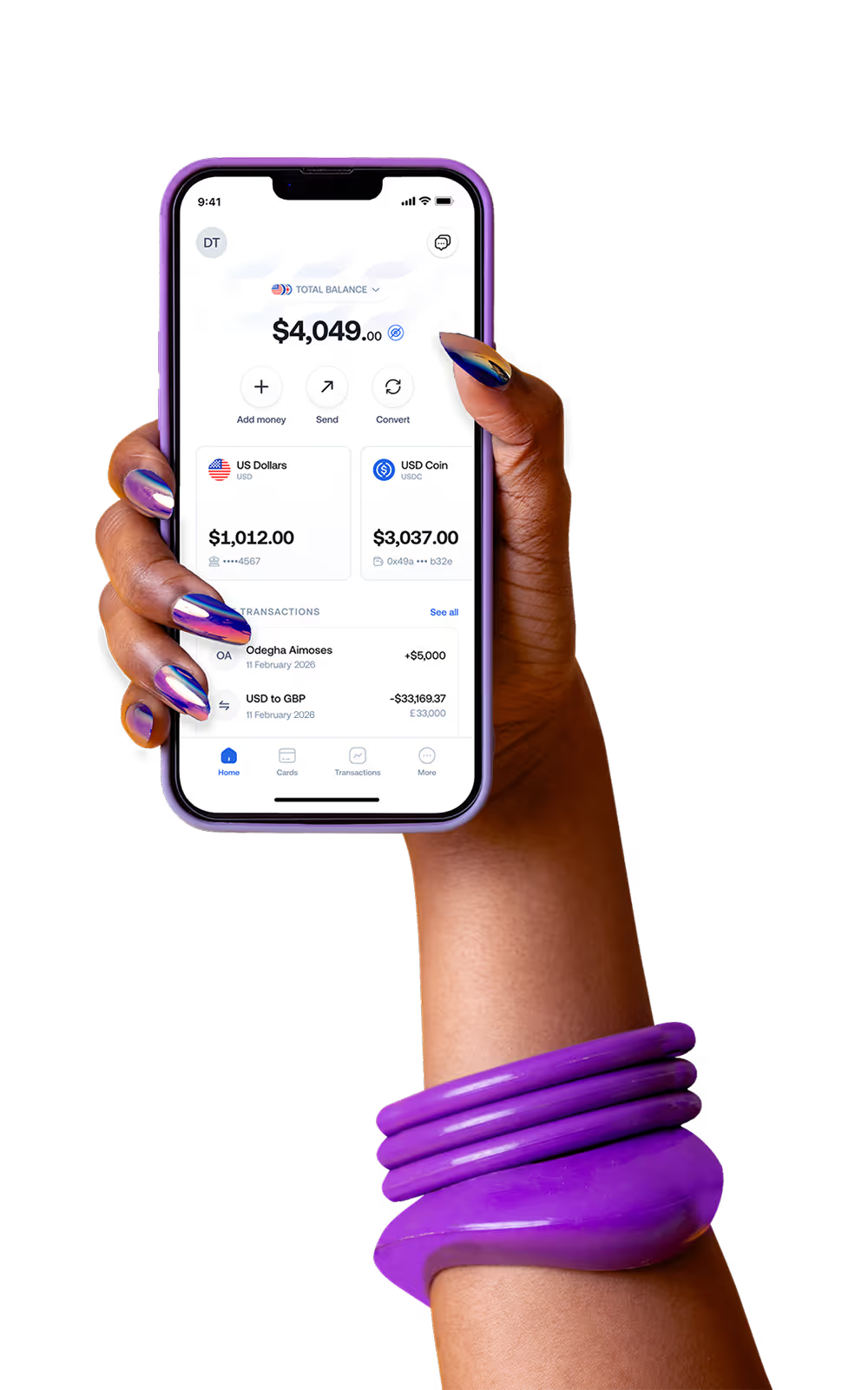
Support answers inside the app, in the same place the payment was made, so a query about a cedi payout starts from the record of that payout. Every transfer keeps its rate, its fee and its cedi total in your history, which matters when a family budget or a contractor invoice has to be reconciled months later.



FAQs
How much does it cost to send money from Thailand to Ghana?

Both the rate and the fee are visible before you confirm. Compare the cedi total you are promised rather than the advertised fee on its own.
How long does the money take to reach Ghana?
Cedis sent to a mobile money wallet typically arrive within minutes from a funded dollar balance. Bank payouts post as a standard Ghanaian credit.
What details do I need to send money to Ghana?
For mobile money, the recipient's registered mobile number. For a bank payout, their account number and the Ghanaian bank holding it.
Which wallets and banks can Grey pay?
MTN Mobile Money, Vodafone Cash and AirtelTigo all receive cedis, and Grey also pays into major Ghanaian banks by account number.
Is there a limit on how much I can send?
Any limit on your account is shown in the app before you confirm the transfer, so you meet it at the point of sending.
Can I track the transfer?
Yes. The transfer carries a status in the Grey app from the moment you confirm it until the cedis reach the wallet or account.
Is Grey safe for sending money to Ghana?
Grey Inc holds a FinCEN registration in the United States, transfers are encrypted, and every payout can be watched in the app until settlement.
How do I fund a transfer from Thailand?
With US dollars only: invoice or salary payments into your Grey USD account, a wire from another bank, or a balance already held.
Does my recipient need a Grey account?
No. A registered mobile money number or a Ghanaian bank account is enough. They never sign up to Grey to be paid.
Will I have a record of what I sent?
Every transfer stays in the app with its rate, fee and cedi total, ready to match against fees or family budgets. Grey does not give tax advice.
What if I enter the wrong mobile number?
Check the number and the name shown on the confirmation screen before sending. If a payment has already gone wrongly addressed, report it in the app immediately.
Get digital banking
at your fingertips