

Free trip itinerary template with a built-in budget planner

Priscila Marotti

TABLE OF CONTENT

SHARE THIS POST

Planning a trip without an itinerary is like cooking without a recipe. You might end up with something great, or you might end up at the airport without a hotel booking, $500 over budget, and an argument about whose fault it is. A good itinerary doesn't constrain you. It frees you to enjoy the trip because the logistics are already handled.

Skip the detailed itinerary if you're taking a 3-day beach holiday with no flights to catch and no bookings to keep. Not every trip needs a spreadsheet. A note with your hotel address and flight times is enough for a short, simple getaway. But anything longer than 4 days, with multiple destinations, or involving international travel, benefits from a proper plan.

A trip itinerary template organises your flights, accommodation, activities, and daily budget in one document. The best templates include a day-by-day schedule, a cost tracker, a packing checklist, and a section for booking confirmations. You fill it in once before the trip and reference it every morning.

We've built a template below that works for any destination, any length of trip, and any budget.

What a good trip itinerary includes

Most free templates online are either too simple (just a list of dates) or too complex (30 fields per day that nobody fills in). A useful template balances structure with flexibility. Here's what it should contain:

1. Trip overview. Destination, travel dates, number of travellers, total budget, and emergency contacts (embassy phone number, travel insurance policy number and claims line, local emergency number). This goes on page one, so it's accessible instantly, even without internet. If your phone dies in a foreign country, this page is the one you need printed.

2. Day-by-day schedule. Each day gets a date, location (if you're moving between cities), morning activity, afternoon activity, evening plans, accommodation name and address, and check-in/check-out times. Leave gaps. Over-scheduling kills the spontaneity that makes trips memorable. Two planned activities per day is the sweet spot. Three is pushing it. Four means you'll see everything and enjoy nothing.

3. Budget tracker. Daily budget (set a target per day), actual spend (update each evening), running total, and category breakdown (accommodation, food, transport, activities, miscellaneous). The gap between your daily budget and actual spend tells you whether you're on track or need to adjust before it's too late. Most overspending happens because people don't track until it's too late.

4. Booking confirmations. A section with confirmation numbers, booking references, and links for flights, hotels, car rentals, and pre-booked activities. Having these in one place saves you from searching your email at the airport check-in counter while the queue builds behind you. It also means anyone travelling with you can find the information without asking you.

5. Packing checklist. A simple checkbox list. Clothes, toiletries, documents, electronics, chargers, medications. Check each item as you pack it. Uncheck when you repack for the return journey so you don't leave anything in the hotel.

6. Transport details. For multi-city trips, note how you're getting between locations: flight number and terminal, train time and station, car rental pickup/dropoff address. This prevents the panic of arriving at a train station and not knowing which platform, or discovering your car rental is at a different terminal.

Also read: What to pack for a Europe trip (plus how to handle your money)

How to fill in your itinerary: Step by step

Step 1: Start with the fixed elements. Flights, accommodation, and any pre-booked activities go in first. These are the non-negotiable time slots that everything else fits around. Note departure times, check-in times, and anything with a timed entry (museums, tours, restaurants with reservations).

Step 2: Add your must-do activities. The 3 to 5 things you'd be disappointed to miss. Place them on specific days, accounting for travel time and opening hours. Don't schedule more than 2 major activities per day. You'll be more tired than you think, especially with jet lag on the first and second days.

Step 3: Fill in meals. You don't need to book every restaurant, but noting "lunch near the museum" or "dinner in the old town" gives each day a loose structure without over-planning. Research one must-try restaurant per city in advance and make a reservation if it's popular. Leave the rest to spontaneity and local recommendations.

Step 4: Leave a blank space. At least one "free afternoon" for every three planned days. This is where the best travel moments happen: a cafe you stumble into, a market you didn't know about, a local's recommendation that changes your whole day. Resist the urge to fill every gap. The blank space isn't wasted time. It's the time that makes the trip feel like yours rather than a checklist.

Step 5: Set your daily budget. Divide your total trip budget by the number of days. This gives you a target per day. Some days will be over (a museum plus a nice dinner), others under (a beach day plus street food). As long as the running average stays near your target, you're fine. Track it every evening. Two minutes on your phone, not twenty minutes with a spreadsheet.

Step 6: Share with everyone. Send the finished itinerary to every person on the trip. Use a Google Doc (free, editable, works offline if downloaded) or print one copy as backup. If your phone dies or you get separated, everyone needs access to the day's plan, the hotel address, and the emergency contacts.

If you are looking for romantic trips getaways, check our list of 15 romantic trips for couples: Ideas and budgets.

Trip itinerary template

Here's a sample structure for a 7-day trip. Copy this format for any destination:

‍

TRIP OVERVIEW

Destination: [City/Country].

Dates: [Departure date] to [Return date].

Travellers: [Number and names].

Total budget: $[amount] / Daily target: $[amount/days].

Emergency: Embassy [number], Insurance [policy number + phone], Local emergency [number].

‍

BOOKING CONFIRMATIONS

Flight out: [Airline, flight #, confirmation #, departure time, terminal].

Flight return: [Same details]. Hotels: [Name, confirmation #, check-in/out, address] for each property.

Activities: [Name, confirmation #, date/time] for each pre-booked experience.

Car rental: [Company, confirmation #, pickup/dropoff location and time].

‍

PACKING CHECKLIST

Passport (valid 6+ months)
Travel insurance documents
Phone charger
Universal power adaptor
Medications (in original packaging)
Comfortable walking shoes
Layers for weather changes
Toiletries
Reusable water bottle
Day bag/backpack
Copies of booking confirmations (printed)
Cash in local currency for arrival day
Add destination-specific items (swimwear, hiking boots, formal wear for restaurants) as needed.

‍

DAY 1: [Date] [City]

Accommodation: [Hotel/Airbnb name, address, check-in time, confirmation #].

Morning: [Activity or arrival details].

Afternoon: [Activity].

Evening: [Dinner plans or free time].

Budget target: $[amount] | Actual: $[fill in evening].

[Repeat this structure for each day of your trip.]

‍

How to budget your trip

The budget section is the most underused part of any itinerary. Most people fill in the fun stuff (activities, restaurants) and ignore the numbers until they check their bank balance on day five and panic. Don't be that person.

Here's a simple framework. Set a daily budget based on the destination's cost level. Budget destinations (Southeast Asia, Eastern Europe, Central America, Morocco): $50 to $100/day per person. Mid-range (Western Europe, Japan, major US cities, Australia): $120 to $250/day. Premium (Scandinavia, Switzerland, Maldives, Iceland): $250 to $500+/day. These include accommodation, food, transport, and activities.

Track actual spend every evening. It takes 2 minutes. Open your banking app, add up the day's transactions, and write the number next to the day's budget target. If you're over budget by day three, you have four days to adjust: eat local instead of restaurants, skip one paid activity, or switch to free attractions. If you don't track, you won't know until you're home and the credit card bill arrives.

Before you leave, save for the trip in a Grey Pouch so the money is set aside and visible. On the trip, spend on a Grey card with no foreign transaction fees, and your spending is automatically logged in the app. For data and maps, grab a travel eSIM and skip roaming charges that can add $10 to $15 per day.

Common itinerary mistakes

Over-scheduling. Three museums, two tours, and a cooking class in one day isn't ambitious. It's exhausting. You'll rush through each one, remember none of them properly, and spend the evening too tired to enjoy dinner. Two activities per day is the maximum for enjoying a trip, not just completing it. One morning activity and one afternoon experience, with meals and walking in between, is a full and satisfying day.

No buffer between activities. Travel time between locations is real. Google Maps says 30 minutes, but finding the entrance, queuing, getting lost, and dealing with unexpected closures adds 15 to 30 minutes. Build in 30- to 60-minute buffers between each scheduled activity. These buffers become coffee stops, photo opportunities, and the unplanned discoveries that make trips memorable.

Ignoring time zones and jet lag. If you land at 7 am after an overnight flight, don't schedule a museum visit for 9 am. You'll be a zombie. Plan day one as a recovery day: check in, walk the neighbourhood, eat well, sleep early. Your trip starts properly on day two. Most itineraries assume you'll hit the ground running. You won't.

Not sharing the itinerary. Everyone on the trip should have access. Share it as a Google Doc, a shared note, or print a copy. If your phone dies, someone else can navigate. If you get separated, everyone knows the day's plan and where to meet. A shared itinerary also prevents the "what are we doing today?" conversation that starts every morning of a poorly planned trip.

Booking everything in advance. Book flights, first and last night accommodation, and any activity that sells out (popular museum time slots, well-known restaurants, national park entries). Leave mid-trip accommodation flexible if you can. You might want to stay an extra night somewhere you love or leave early from a place that disappoints.

Plan your trip, set your budget, and pay for it all with Grey. Save in a Pouch, spend on a virtual card, stay connected with an eSIM.

Frequently asked questions about trip itineraries

What is the best app for trip itineraries?

Google Docs or Google Sheets for simplicity: free, shared in real-time, and editable from any device. TripIt for automatic itinerary building from forwarded confirmation emails. Notion for customisable templates with linked databases. Wanderlog for map-based visual itineraries. For most travellers, a simple shared Google Doc with the template structure above works better than a specialised app.

How detailed should my itinerary be?

Detailed enough to avoid logistical stress, flexible enough to allow spontaneity. Fix the non-negotiables (flights, hotels, timed-entry activities). Plan 1 to 2 activities per day. Leave at least one free afternoon for every 3 planned days. The best trips have structure in the morning and freedom in the afternoon.

Should I book everything in advance?

Book flights, first and last night accommodation, and activities that sell out (popular museums, tours, national park entries). Leave mid-trip accommodation flexible if you can. You might want to stay an extra night somewhere you love or leave a place that disappoints you. Over-booking removes the flexibility that makes travel enjoyable.

How do I share my itinerary with travel companions?

Google Docs with edit access so everyone can add restaurant finds and updated costs. Print one physical copy as backup. Take a screenshot of each day's plan so it's accessible without internet. The shared document becomes the single source of truth. No more group chats asking "what time is check-in?"

‍

Disclaimer: This article is for informational purposes only. All costs and details are estimates based on mid-2026 data. Verify current information before making decisions. Grey isn't a bank. We're a licensed financial services provider offering multi-currency accounts.

Last updated:

October 5, 2026

Open a free Grey account to get startedJoin 1 million digital nomads
IF YOU ENJOYED THIS, CHECK THESE OUT

How much does an all-inclusive Caribbean trip cost?

•

•

2 min read

The average all-inclusive Caribbean trip for two people runs $3,000 to $8,000 for a week, and that's before flights, tips, off-resort excursions, and the spa treatments that aren't actually included. "All-inclusive" covers a lot, but it doesn't cover everything.

An all-inclusive Caribbean trip typically costs $150 to $400 per person per night at the resort, plus $300 to $800 per person for flights from the US. The total cost for a 7-night trip for two ranges from $3,000 to $8,000, depending on the island, resort tier, and time of year. Punta Cana and Cancun are the most affordable. Turks and Caicos and St. Barts are the most expensive.

Skip all-inclusive entirely if you love exploring local restaurants, markets, and street food. The resort model keeps you on-site, and that's the point. If discovering a country through its food is half your trip, go hotel-only and eat locally. You'll spend less and see more.

This guide breaks down costs by island, shows you what's actually included (and what isn't), and helps you set a realistic budget.

What does "all-inclusive" actually include?

Before comparing prices, understand what the package covers. A standard all-inclusive includes: accommodation, all meals (buffet plus 2 to 4 a la carte restaurants with reservations), drinks (alcoholic and non-alcoholic, usually house brands), pool and beach access, basic water sports (kayaking, snorkelling gear, paddleboarding), and entertainment (live music, evening shows, kids' clubs at family resorts).

What's usually NOT included: flights, airport transfers (some resorts include these, most charge $30 to $80 per car each way), spa treatments ($100 to $300 per treatment), premium excursions (catamaran tours $80 to $150, zip-lining $60 to $120, scuba diving $100 to $200), premium alcohol brands (top-shelf spirits and imported wine), room service at some resorts, Wi-Fi at older properties, tips for staff (varies by resort and country), and travel insurance.

The "not included" list is where the real cost hides. A couple spending $300 on a spa day, $200 on a catamaran tour, and $100 on premium drinks adds $600 to a trip they thought was already paid for. Budget an extra 15 to 25% above the resort rate for these extras. If you're strict about staying on-site and sticking to included drinks, you can avoid most of this. But most people don't.

One thing most comparison sites don't tell you: the quality gap between a $150/night resort and a $250/night resort is enormous. The extra $100/night buys you edible a la carte restaurants instead of repetitive buffet food, drinkable house wine instead of headache-inducing cheap spirits, and a beach that isn't shared with 500 other guests. The mid-range tier is where all-inclusive actually delivers on its promise.

All-inclusive costs by island

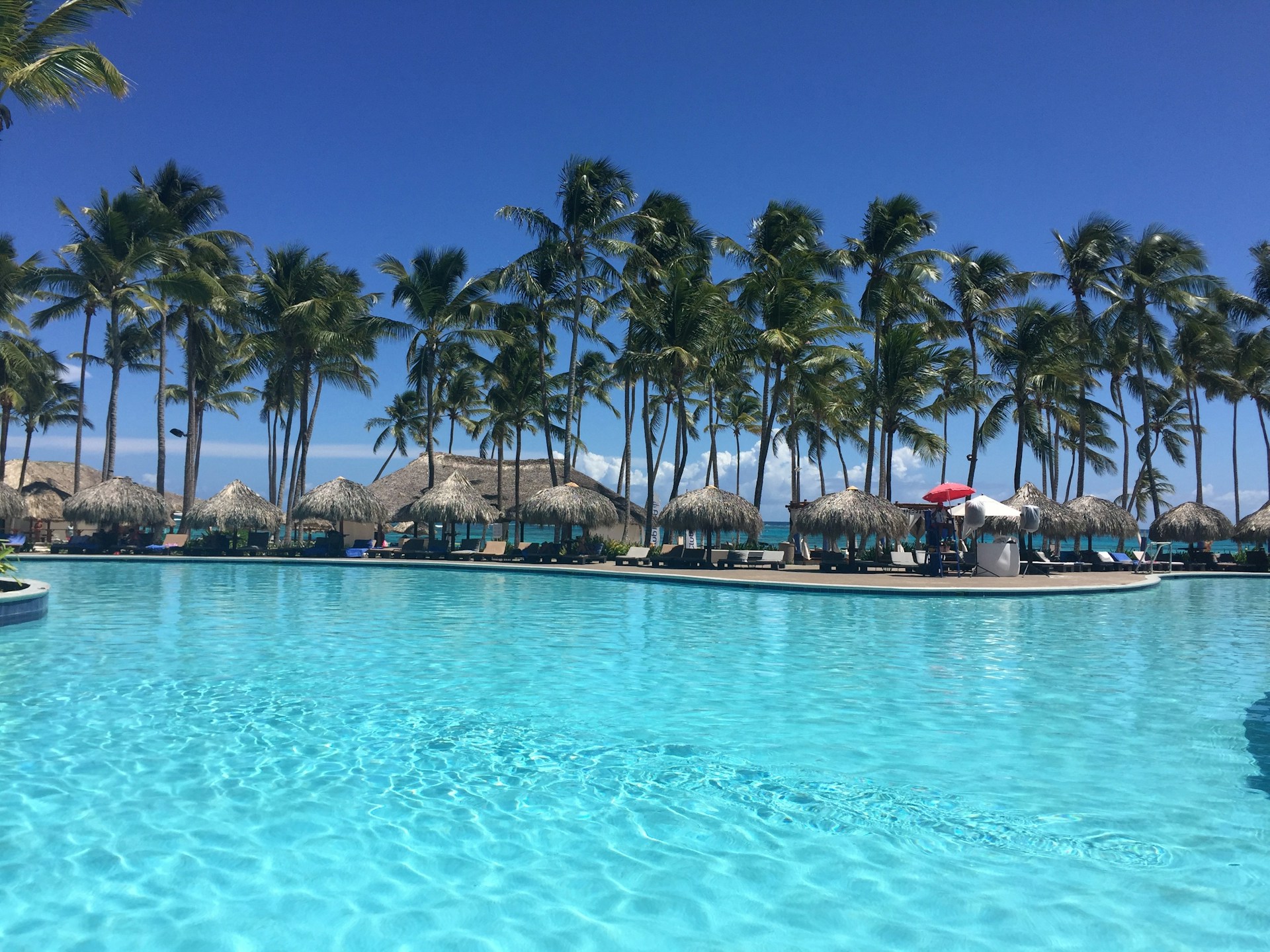
Punta Cana (Dominican Republic). The most popular and affordable all-inclusive destination in the Caribbean. Budget resorts: $120 to $180/night per person per night. Mid-range: $180-$280/night. Luxury: $280 to $500+/night. Flights from the US East Coast: $250 to $450 return. The DR has more all-inclusive resorts than any other Caribbean island, which keeps prices competitive.

The Bavaro Beach strip has the highest concentration of resorts, which means easy comparison shopping but also the most crowded beaches. Hard Rock and Hyatt Ziva are solid mid-range options. Secrets and Excellence are the best adults-only properties.

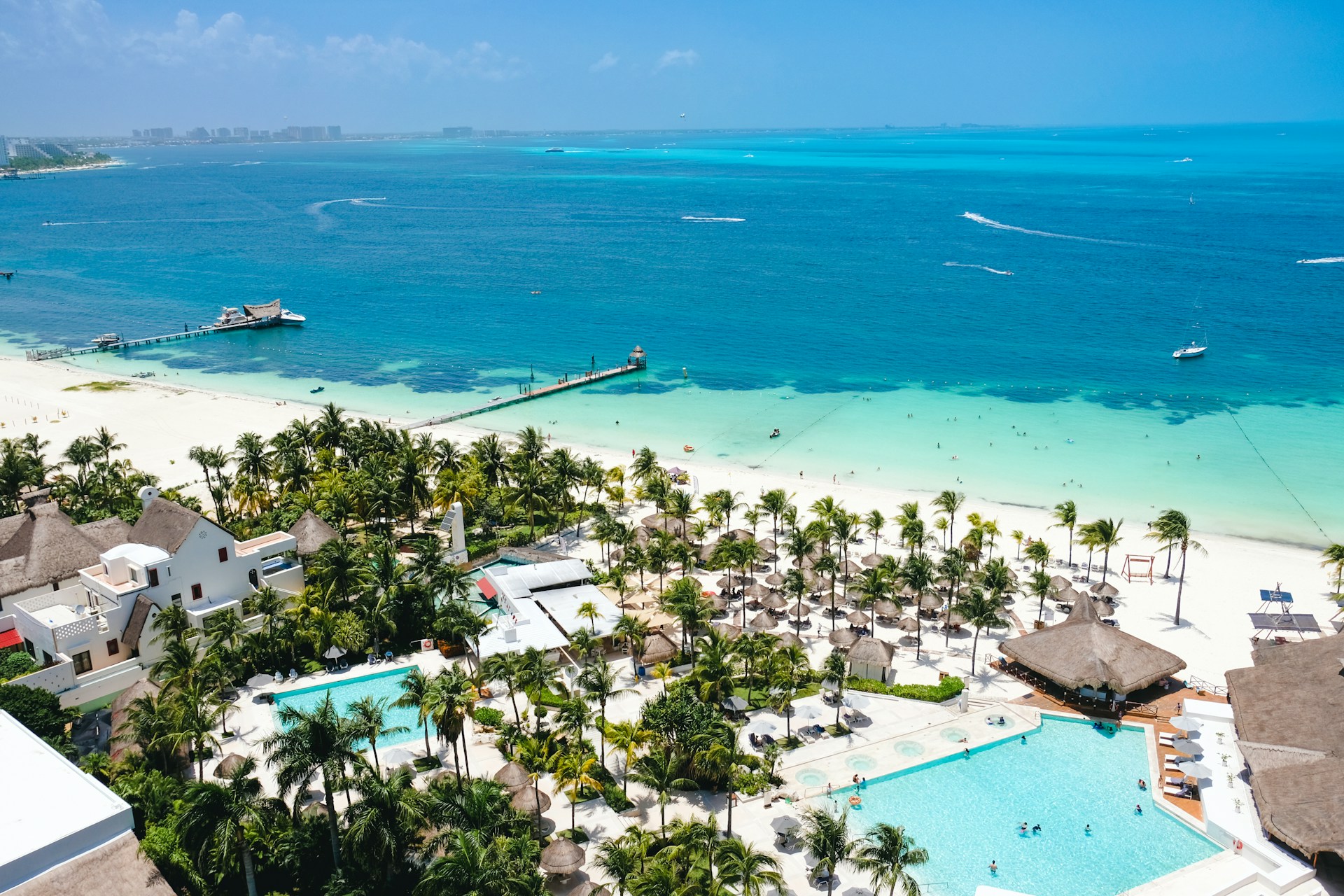
Cancun/Riviera Maya (Mexico). Close second to Punta Cana on value. Budget: $120 to $200/night. Mid-range: $200-$350/night. Luxury: $350 to $600+/night. Flights from the US: $200 to $400 round-trip. The Riviera Maya (Playa del Carmen, Tulum) is slightly pricier than Cancun's hotel zone but quieter and with better snorkelling at cenotes and nearby reefs.

Cancun has more nightlife options, which matters if you want to explore beyond the property. The domestic flight connections from Cancun are also cheaper if you want to add Mexico City or Oaxaca to your trip.

Jamaica. Montego Bay and Negril are the main all-inclusive hubs. Budget: $150 to $220/night. Mid-range: $220 to $350/night. Luxury (Sandals, Secrets): $350 to $600+/night. Flights: $300 to $500 return. Jamaica's all-inclusives tend to include more in the base package than the cheapest DR options: better drink selections, more included restaurants, and more activities.

Sandals properties are couples-only and include premium spirits and top-shelf wine that would cost extra at most other chains. The trade-off is that Jamaica's resorts are more spread out, and getting between them (or to town) requires taxis or organised transport.

Aruba. Fewer true all-inclusives than DR or Jamaica, and generally pricier. Mid-range: $250 to $400/night. Luxury: $400 to $700+/night. Flights: $300 to $550 return. Aruba's appeal is the guaranteed weather.

It sits outside the hurricane belt, so you can book August to October without weather anxiety and get low-season pricing without the storm risk. The European-influenced dining scene and the island's compact size (you can drive end to end in 45 minutes) make it easy to explore off-resort too.

Turks and Caicos. Premium destination. Very few budget options exist. Mid-range: $350 to $550/night. Luxury: $600 to $1,200+/night. Flights: $350 to $600 return. Grace Bay Beach consistently ranks among the world's best beaches, and the price reflects it.

This is where you go for a special occasion or once-in-a-lifetime trip, not a budget beach break. The water clarity and turquoise colour are genuinely in a different league from most Caribbean islands.

St. Lucia. Romantic favourite. Budget options are rare. Mid-range: $300 to $500/night. Luxury (Sandals, Jade Mountain): $500 to $1,500+/night. Flights: $350 to $650 return. The Pitons (twin volcanic peaks) make every sunset photo look professional.

St. Lucia is the Caribbean's top honeymoon destination for a reason: dramatic scenery, boutique resorts, and a lush, mountainous interior that feels more like Hawaii than a flat coral island.

All prices are estimates based on mid-2026 data for 7-night stays. Prices fluctuate significantly by season, with December to April (high season) commanding 30 to 50% premiums over May to November (low season, which overlaps with hurricane season). If you're planning a trip for two, you can find more inspiration in our guide to 15 romantic destinations for couples.

When to book for the best price

Timing matters more than haggling. Three rules:

1. Book 2 to 4 months in advance for the best combination of availability and price. Last-minute deals exist but they're unpredictable, and you lose the ability to choose your room type or preferred resort. The sweet spot is 8 to 16 weeks before departure. Earlier bookings (6+ months) lock in availability but rarely offer the lowest price.

2. Travel in shoulder season (late April to May, or November). Prices drop 20 to 40% from peak, the weather is still good (warm, occasional rain, fewer tourists), and resorts are less crowded. Avoid hurricane peak (August to October) unless you're comfortable with the risk and want the absolute lowest prices. If you do book during hurricane season, travel insurance that covers weather-related cancellations is non-negotiable. A cancelled trip without insurance means you lose the full resort cost.

3. Compare the package, not just the nightly rate. A resort at $250/night that includes airport transfers, premium drinks, and a la carte dining may cost less overall than a $180/night resort where transfers are $80 round trip, good drinks are extra, and you end up eating off-resort twice because the buffet disappoints. The per-night rate is the starting point, not the final answer.

Sample budget: 7-night Punta Cana trip for two

Here's what a realistic mid-range all-inclusive week looks like for two people:

Flights (US East Coast): $600 to $900 total (two return tickets booked 2 to 3 months ahead).

Resort (mid-range, 7 nights): $2,500 to $3,900 total (based on $180 to $280/night per person). This gets you a Hyatt Ziva, Hard Rock, or Secrets-tier property with multiple restaurants, pool bars, and beach service.

Airport transfers: $60 to $100 total (shared shuttle is cheapest, private car is $80 to $100).

Excursions (2 activities): $150 to $300 total (catamaran tour with snorkelling plus a zip-line or ATV adventure).

Tips and extras: $100 to $200 total (staff tips throughout the week, one spa treatment, premium drinks upgrade).

Travel insurance: $80 to $150 total (covers cancellation, medical, and evacuation).

TOTAL: $3,490 to $5,550 for two people, 7 nights.

If you're saving up before the trip, set aside money in a Grey Pouch so the funds are earmarked and visible. You can track your savings growing toward the target and know exactly where you stand before booking.

How to pay at Caribbean resorts

Most Caribbean resorts accept Visa and Mastercard for extras, excursions, and tips. If you're paying in USD (most Caribbean destinations price in USD for tourists), your home bank card may charge 1.5 to 3% in foreign transaction fees on every tap. On a $500 extras bill across the week, that's $7.50 to $15 in hidden fees you wouldn't notice until the statement arrives.

A Grey virtual card lets you spend from your dollar balance with no conversion markup. You can also hold USD before you travel, so every payment at the resort comes from your pre-loaded balance rather than triggering a live conversion. For data and maps at the resort, grab a travel eSIM and skip the international roaming charges that add up when you're googling snorkelling spots and restaurant reviews.

Bring $50 to $100 in small USD bills for tipping housekeeping, bartenders, and tour guides. Cash tips are preferred over adding them to the room bill, and many staff members don't see room-bill tips until weeks later.

Frequently asked questions

How much does an all-inclusive Caribbean trip cost for two?

$3,000 to $8,000 for a 7-night trip, including flights, depending on the island and resort tier. Punta Cana (DR) and Cancun (Mexico) are the most affordable at $3,000 to $5,500. Turks and Caicos starts at $6,000+. These figures include flights, resort, transfers, excursions, tips, and insurance. The resort rate alone is only part of the total.

Is Punta Cana or Cancun cheaper?

They're close, but Punta Cana edges ahead slightly on resort prices due to higher competition among properties. Cancun has cheaper flights from the US West Coast and Midwest. For the US East Coast, Punta Cana is usually the better overall deal because flights are shorter (3 to 4 hours vs 4 to 5) and cheaper.

Are all-inclusive resorts worth it?

For beach holidays where you plan to spend most of your time at the resort, yes. The value is strongest at mid-range resorts ($200 to $350/night) where meals, drinks, and activities are genuinely included and genuinely good. Skip all-inclusive if you love exploring local restaurants and markets. The resort model is designed to keep you on-site.

When is hurricane season in the Caribbean?

June to November, with August to October being the highest-risk months. Resorts offer their lowest prices during this period (20 to 40% below peak). Travel insurance that covers weather-related cancellations is essential if you book during hurricane season. Aruba, Bonaire, and Curacao sit outside the hurricane belt and are safer bets.

Do I need a passport for the Caribbean?

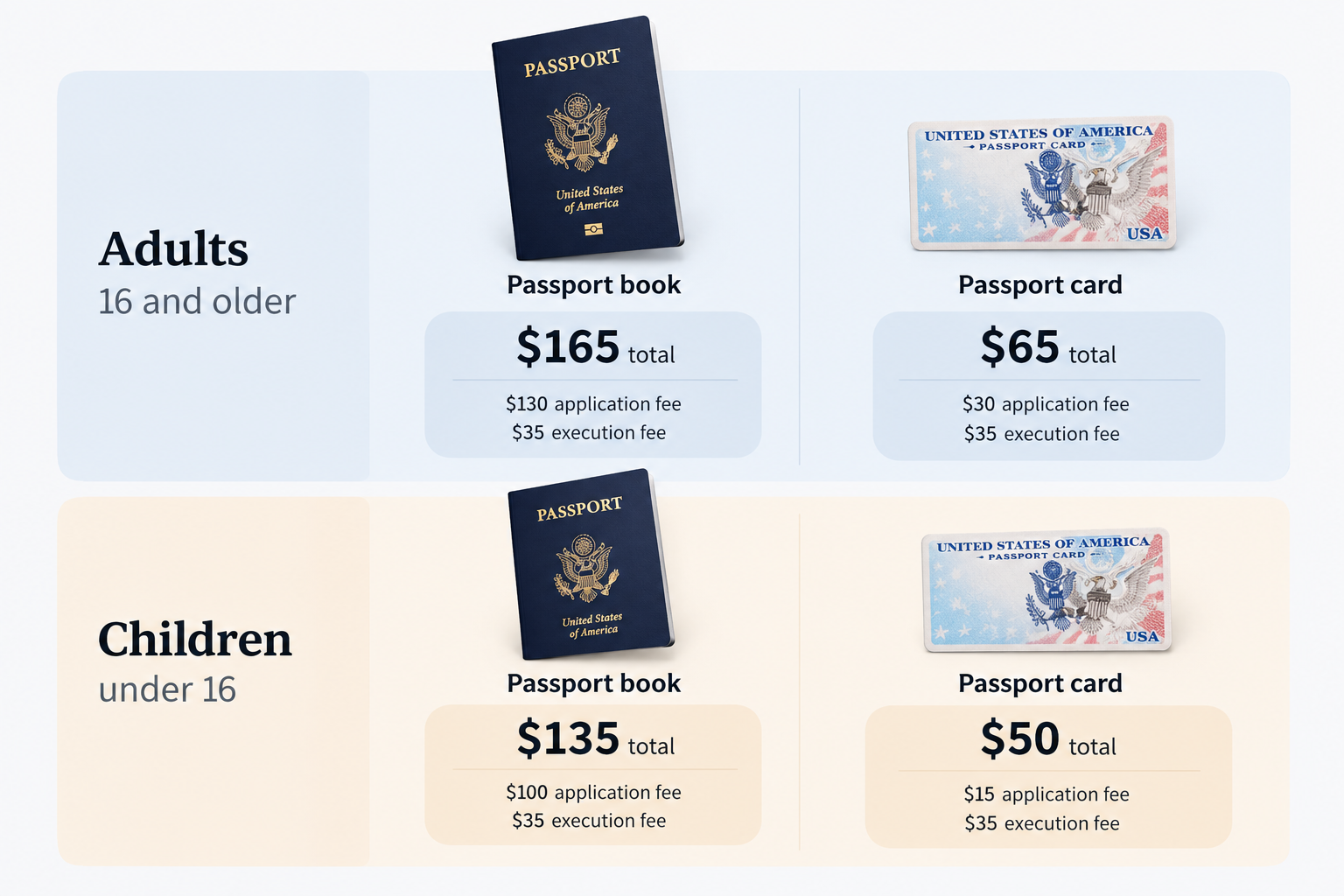
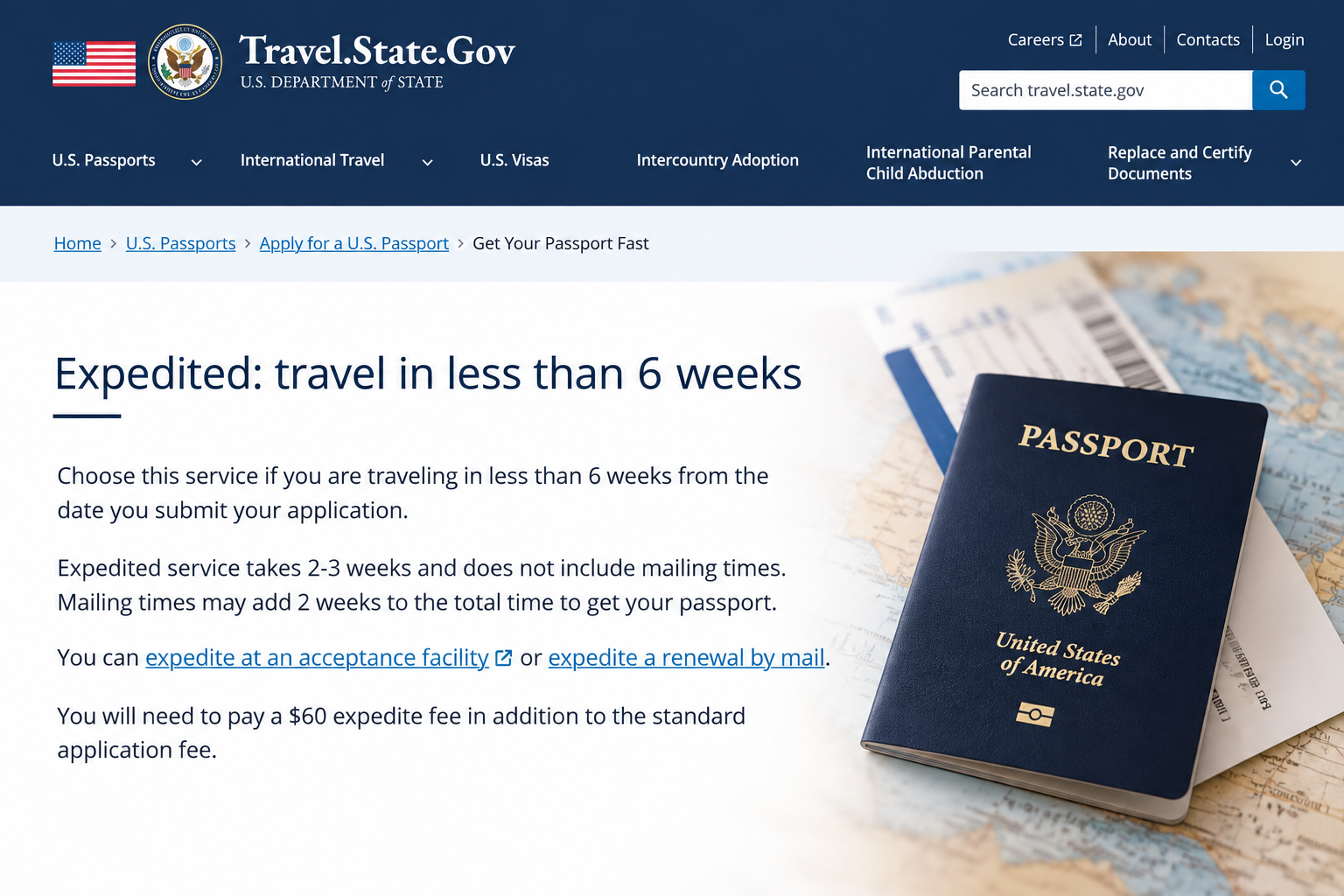
US citizens need a valid passport for all Caribbean destinations except US territories (US Virgin Islands, Puerto Rico). Your passport must be valid for at least 6 months beyond your travel dates for most islands. Apply or renew at least 3 months before your trip; processing times can stretch to 8 to 10 weeks.

Should I tip at an all-inclusive resort?

Not required, but it's customary and appreciated. $1 to $5 per interaction for bartenders, housekeeping, and restaurant servers. $5 to $20 for tour guides and excursion leaders. Some resorts add a service charge automatically to your bill. Check before doubling up. Bring small USD bills since cash is strongly preferred.

Planning a Caribbean getaway? Save for the trip in a Grey Pouch and pay for extras on a virtual card with no conversion fees.

Disclaimer: This article is for informational purposes only. All costs and details are estimates based on mid-2026 data. Verify current information before making decisions. Grey isn't a bank. We're a licensed financial services provider offering multi-currency accounts.

How much does a trip to Japan from the US cost? A full budget breakdown

•

•

2 min read

You pull up flights to Tokyo. $1,200 round trip from New York. You check hotels. $150 a night in Shinjuku. You start doing the maths and the number climbs past $3,000 before you've added food or a single bullet train ticket. Then you land and discover that a bowl of tonkotsu ramen costs $7, a metro ride across Tokyo is $2, and a Shinto shrine charges $3 to enter. The flights and hotels are expensive. Everything else is cheaper than a week in most European or American cities.

A one-week trip to Japan costs roughly $1,500 to $4,000 per person, depending on where you fly from and your travel style. Budget travellers can manage around $1,500 to $2,200, mid-range around $2,500 to $4,000, and luxury $6,000 or more. Flights are the biggest variable by region.

This guide breaks down costs from five origin regions so you can budget accurately regardless of where you're flying from. For help building your itinerary, use the free trip itinerary template.

How much does a trip to Japan cost? Budget range overview

How much is a trip to Japan? The answer depends on three things: where you fly from, how you sleep, and how fast you move between cities. Here's the range for a solo traveller spending 7 nights:

Travel Style 7-Night Total (Solo) Daily Spend (Excl. Flight)
Budget (hostels, konbini meals, local trains) $1,500 to $2,200 $80 to $120
Mid-range (business hotels, restaurants, JR Pass) $2,500 to $4,000 $150 to $250
Luxury (ryokans, kaiseki, taxis) $5,000 to $8,000+ $400 to $700+

‍

The highest single cost is always the flight. After that, accommodation and intercity transport (especially bullet trains) determine which tier you're in. Food, attractions, and local transport are comparatively cheap. A budget traveller eating at convenience stores, taking local trains, and sleeping in hostels can see most of what Japan offers for under $100 a day.

How much does a trip to Japan cost from the USA?

Round-trip flights from major US cities to Tokyo (Narita or Haneda) typically cost $800 to $1,400 in economy. Direct flights from the West Coast (LA, San Francisco, Seattle) are cheaper and shorter (10 to 11 hours). East Coast departures (New York, Chicago) are more expensive and add connection time or a longer direct route (13 to 14 hours).

Low season (January to early March, excluding holidays) drops fares to the $700 to $900 range. Cherry blossom season (late March to mid-April) and Golden Week (late April to early May) push fares past $1,200. Summer (July to August) and autumn foliage (October to November) sit in the middle.

Expense Budget Mid-Range
Round-trip flight $700 to $1,000 $1,000 to $1,400
Accommodation (7 nights) $280 to $490 $560 to $1,050
Food (7 days) $175 to $280 $280 to $490
Transport (7 days) $100 to $180 $250 to $400
Activities (7 days) $50 to $100 $100 to $250
Total per person $1,500 to $2,200 $2,500 to $4,000

‍

How much does a trip to Japan cost from North America (Canada and Mexico)?

From Canada, round-trip flights from Vancouver are the cheapest, ranging from $800 to $1,200 (direct flights available). Toronto adds $200 to $400 to those ranges because most routes connect through Vancouver, Seattle, or a Pacific hub. From Mexico City, flights typically route through the US or via a transpacific airline and cost $1,000 to $1,700.

Once in Japan, daily costs are identical to those for US travellers. The only difference is the flight. Budget total for 7 nights from Canada: $1,600 to $2,400. From Mexico: $1,800 to $2,800.

How much does a trip to Japan cost from Europe?

Flights from London, Paris, and Frankfurt to Tokyo run $700 to $1,300 (roughly EUR 650 to EUR 1,200). Airlines like Finnair (via Helsinki), Turkish Airlines (via Istanbul), and ANA (direct from London or Paris) compete on this route, keeping prices reasonable despite the distance. Low-season fares dip below $700.

The yen's weakness against the euro and pound in recent years has made Japan's daily costs cheaper for European travellers than they look in dollar terms. A meal that costs 1,500 yen ($10) feels like a bargain against London or Paris restaurant prices. Budget total for 7 nights from Europe: $1,500 to $2,200. Mid-range: $2,300 to $3,800.

How much does a trip to japan cost from Africa?

There are no direct flights from any African city to Japan. The most common routes connect through Dubai (Emirates), Doha (Qatar Airways), or Istanbul (Turkish Airlines). From Lagos, Nairobi, or Johannesburg, round-trip fares range from $900 to $1,800, depending on the season and layover time. Two-stop itineraries are cheaper but add 20+ hours of travel.

Once in Japan, costs are the same as for any other origin. The flight premium is the main budget difference. Budget total for 7 nights from Africa: $1,700 to $2,600. Mid-range: $2,700 to $4,200. Currency conversion is a factor: if you're earning in naira, rand, or shillings, holding USD or yen before travel avoids unfavourable airport exchange rates.

How much does a trip to Japan cost from South America?

Flights from Sao Paulo or Buenos Aires to Tokyo are among the longest and most expensive: $1,300 to $2,200 round trip. Most routes connect through the US (Dallas, Houston, LA) or the Middle East. Timing matters: January and February fares are lowest. No direct flights exist from South America to Japan as of 2026.

Budget total for 7 nights from South America: $2,000 to $3,000. Mid-range: $3,000 to $4,500. The flight is the single largest expense. Once on the ground, Japan's daily costs are manageable, but the airfare takes a bigger bite of the total budget than from any other region.

Trip to Japan cost breakdown: Flights, hotels, food and activities

Here's every line item for a 7-day Japan trip, regardless of origin:

Expense Budget Range Notes
Round-trip flight (US origin) $700 to $1,400 West Coast cheaper; book 2 to 3 months ahead
Accommodation per night $40 to $200 Hostels $40 to $70, business hotels $80 to $150, ryokans $150 to $400+
JR Pass (7-day) $335 Covers bullet trains; only worth it if you take 3+ long-distance trips
Local transport per day $5 to $15 Metro, buses; buy a Suica or Pasmo IC card
Food per day $25 to $70 Konbini breakfast $3 to $5, ramen $7 to $12, sit-down dinner $15 to $40
Activities per day $10 to $35 Temples $3 to $5, museums $7 to $15, theme parks $55 to $75
eSIM data (7 days) $4 to $10 Prepaid data plan; essential for maps and translation
Travel insurance (7 days) $15 to $50 Basic medical + trip cancellation coverage

‍

On the JR Pass: at $335 for 7 days, the Japan Rail Pass is only worth buying if you plan at least 2 to 3 long-distance bullet train trips (Tokyo to Kyoto is $100 each way). If you're staying in one city, local trains and metro passes are much cheaper. If you're buying JR tickets individually, hold Japanese yen in advance and pay at station kiosks to avoid airport exchange markups.

How to Budget and Pay for Your Trip to Japan

Japan is still heavily cash-dependent in smaller shops, izakayas, and rural areas. Major chains and department stores accept cards, but you'll need cash for temple admission, street food, local buses, and smaller restaurants. Here's how to handle the money side:

Carry some yen in cash. Withdraw from 7-Eleven ATMs (available nationwide, 24/7) or exchange before departure. Airport exchange desks give the worst rates.

Use a card with no foreign transaction fee. Japan's card acceptance has improved, but foreign transaction fees of 1.5 to 3% eat into your budget on every tap. Grey's virtual card charges a 1% conversion fee capped at $6. That's cheaper than most bank cards on any purchase over $600. The Grey card works everywhere Visa is accepted, including convenience stores, department stores, and train stations.

Get a travel eSIM before you fly. Japan has free Wi-Fi in stations and convenience stores, but it's patchy and slow. A prepaid eSIM plan gives you data for Google Maps, Google Translate, and train schedules without hunting for hotspots. Buy a travel eSIM for Japan through Grey's Lifestyle tab before departure.

Move money before you travel. Sending money ahead to a Japanese bank account for tuition, a rent deposit, or a ryokan booking? Move money before you travel through Grey. The fee is 1% capped at $6. Far cheaper than a bank wire.

Frequently asked questions about the cost of a trip to Japan from the US

How much does a trip to Japan cost for 7 days?

A 7-day trip to Japan costs $1,500 to $4,000 per person from the US, depending on travel style. Budget travellers staying in hostels and eating at convenience stores spend $1,500 to $2,200. Mid-range travellers using business hotels, JR Pass, and restaurants spend $2,500 to $4,000. Flights are the biggest variable: West Coast departures are $200 to $400 cheaper than East Coast.

Is Japan expensive for tourists?

Japan's reputation for being expensive is outdated. Daily spending (food, transport, activities) is lower than in London, Paris, or New York. A bowl of ramen costs $7 to $12. A metro ride is $2 to $4. Temple admission is $3 to $5. The expensive parts are flights (especially from Africa and South America) and bullet trains ($100+ per trip). The weak yen has also made Japan cheaper for visitors holding dollars, euros, or pounds.

How much spending money do I need per day in Japan?

Budget travellers need $80 to $120 per day for accommodation, food, transport, and activities. Mid-range travellers need $150 to $250 per day. This excludes flights. Carry some cash (yen) for smaller shops and rural areas. Use a card with no foreign transaction fee for larger purchases to avoid 1.5 to 3% markups on every tap.

Is the JR Pass worth it?

Only if you take 3 or more long-distance bullet train trips in 7 days. At $335, the JR Pass breaks even if you ride from Tokyo to Kyoto round-trip ($200) plus one more Shinkansen trip. If you're staying in one city or only making one intercity trip, buying individual tickets is cheaper. The JR Pass also covers some local JR lines, which adds value if you're moving between cities daily.

What is the cheapest month to visit Japan?

January and February are the cheapest months. Flights drop to $700 to $900 from the US, and hotels offer low-season rates. The weather is cold but dry. Avoid the last week of December (New Year) and the first week of January (holiday crowds). Late May (after Golden Week) and September are also good values with better weather.

How much would a trip to Japan cost from Africa?

A 7-day trip to Japan from Lagos, Nairobi, or Johannesburg costs $1,700 to $4,200, depending on travel style. Flights are the biggest expense: $900 to $1,800 round trip via Dubai, Doha, or Istanbul. Daily costs in Japan are the same regardless of origin. Consider holding USD or yen before departure to avoid poor exchange rates at African airports.

Travelling to Japan? Open a Grey account, spend in yen on a virtual card, and buy a travel eSIM before you fly.

‍

Disclaimer: All prices are estimates based on publicly available data and may change. Flight prices vary by season, airline, and booking date. Hotel prices vary by location and demand. Grey isn't a bank. We're a licensed financial services provider offering multi-currency accounts and virtual cards.

Free trip itinerary template with a built-in budget planner

•

•

2 min read

Planning a trip without an itinerary is like cooking without a recipe. You might end up with something great, or you might end up at the airport without a hotel booking, $500 over budget, and an argument about whose fault it is. A good itinerary doesn't constrain you. It frees you to enjoy the trip because the logistics are already handled.

Skip the detailed itinerary if you're taking a 3-day beach holiday with no flights to catch and no bookings to keep. Not every trip needs a spreadsheet. A note with your hotel address and flight times is enough for a short, simple getaway. But anything longer than 4 days, with multiple destinations, or involving international travel, benefits from a proper plan.

A trip itinerary template organises your flights, accommodation, activities, and daily budget in one document. The best templates include a day-by-day schedule, a cost tracker, a packing checklist, and a section for booking confirmations. You fill it in once before the trip and reference it every morning.

We've built a template below that works for any destination, any length of trip, and any budget.

What a good trip itinerary includes

Most free templates online are either too simple (just a list of dates) or too complex (30 fields per day that nobody fills in). A useful template balances structure with flexibility. Here's what it should contain:

1. Trip overview. Destination, travel dates, number of travellers, total budget, and emergency contacts (embassy phone number, travel insurance policy number and claims line, local emergency number). This goes on page one, so it's accessible instantly, even without internet. If your phone dies in a foreign country, this page is the one you need printed.

2. Day-by-day schedule. Each day gets a date, location (if you're moving between cities), morning activity, afternoon activity, evening plans, accommodation name and address, and check-in/check-out times. Leave gaps. Over-scheduling kills the spontaneity that makes trips memorable. Two planned activities per day is the sweet spot. Three is pushing it. Four means you'll see everything and enjoy nothing.

3. Budget tracker. Daily budget (set a target per day), actual spend (update each evening), running total, and category breakdown (accommodation, food, transport, activities, miscellaneous). The gap between your daily budget and actual spend tells you whether you're on track or need to adjust before it's too late. Most overspending happens because people don't track until it's too late.

4. Booking confirmations. A section with confirmation numbers, booking references, and links for flights, hotels, car rentals, and pre-booked activities. Having these in one place saves you from searching your email at the airport check-in counter while the queue builds behind you. It also means anyone travelling with you can find the information without asking you.

5. Packing checklist. A simple checkbox list. Clothes, toiletries, documents, electronics, chargers, medications. Check each item as you pack it. Uncheck when you repack for the return journey so you don't leave anything in the hotel.

6. Transport details. For multi-city trips, note how you're getting between locations: flight number and terminal, train time and station, car rental pickup/dropoff address. This prevents the panic of arriving at a train station and not knowing which platform, or discovering your car rental is at a different terminal.

Also read: What to pack for a Europe trip (plus how to handle your money)

How to fill in your itinerary: Step by step

Step 1: Start with the fixed elements. Flights, accommodation, and any pre-booked activities go in first. These are the non-negotiable time slots that everything else fits around. Note departure times, check-in times, and anything with a timed entry (museums, tours, restaurants with reservations).

Step 2: Add your must-do activities. The 3 to 5 things you'd be disappointed to miss. Place them on specific days, accounting for travel time and opening hours. Don't schedule more than 2 major activities per day. You'll be more tired than you think, especially with jet lag on the first and second days.

Step 3: Fill in meals. You don't need to book every restaurant, but noting "lunch near the museum" or "dinner in the old town" gives each day a loose structure without over-planning. Research one must-try restaurant per city in advance and make a reservation if it's popular. Leave the rest to spontaneity and local recommendations.

Step 4: Leave a blank space. At least one "free afternoon" for every three planned days. This is where the best travel moments happen: a cafe you stumble into, a market you didn't know about, a local's recommendation that changes your whole day. Resist the urge to fill every gap. The blank space isn't wasted time. It's the time that makes the trip feel like yours rather than a checklist.

Step 5: Set your daily budget. Divide your total trip budget by the number of days. This gives you a target per day. Some days will be over (a museum plus a nice dinner), others under (a beach day plus street food). As long as the running average stays near your target, you're fine. Track it every evening. Two minutes on your phone, not twenty minutes with a spreadsheet.

Step 6: Share with everyone. Send the finished itinerary to every person on the trip. Use a Google Doc (free, editable, works offline if downloaded) or print one copy as backup. If your phone dies or you get separated, everyone needs access to the day's plan, the hotel address, and the emergency contacts.

If you are looking for romantic trips getaways, check our list of 15 romantic trips for couples: Ideas and budgets.

Trip itinerary template

Here's a sample structure for a 7-day trip. Copy this format for any destination:

‍

TRIP OVERVIEW

Destination: [City/Country].

Dates: [Departure date] to [Return date].

Travellers: [Number and names].

Total budget: $[amount] / Daily target: $[amount/days].

Emergency: Embassy [number], Insurance [policy number + phone], Local emergency [number].

‍

BOOKING CONFIRMATIONS

Flight out: [Airline, flight #, confirmation #, departure time, terminal].

Flight return: [Same details]. Hotels: [Name, confirmation #, check-in/out, address] for each property.

Activities: [Name, confirmation #, date/time] for each pre-booked experience.

Car rental: [Company, confirmation #, pickup/dropoff location and time].

‍

PACKING CHECKLIST

Passport (valid 6+ months)
Travel insurance documents
Phone charger
Universal power adaptor
Medications (in original packaging)
Comfortable walking shoes
Layers for weather changes
Toiletries
Reusable water bottle
Day bag/backpack
Copies of booking confirmations (printed)
Cash in local currency for arrival day
Add destination-specific items (swimwear, hiking boots, formal wear for restaurants) as needed.

‍

DAY 1: [Date] [City]

Accommodation: [Hotel/Airbnb name, address, check-in time, confirmation #].

Morning: [Activity or arrival details].

Afternoon: [Activity].

Evening: [Dinner plans or free time].

Budget target: $[amount] | Actual: $[fill in evening].

[Repeat this structure for each day of your trip.]

‍

How to budget your trip

The budget section is the most underused part of any itinerary. Most people fill in the fun stuff (activities, restaurants) and ignore the numbers until they check their bank balance on day five and panic. Don't be that person.

Here's a simple framework. Set a daily budget based on the destination's cost level. Budget destinations (Southeast Asia, Eastern Europe, Central America, Morocco): $50 to $100/day per person. Mid-range (Western Europe, Japan, major US cities, Australia): $120 to $250/day. Premium (Scandinavia, Switzerland, Maldives, Iceland): $250 to $500+/day. These include accommodation, food, transport, and activities.

Track actual spend every evening. It takes 2 minutes. Open your banking app, add up the day's transactions, and write the number next to the day's budget target. If you're over budget by day three, you have four days to adjust: eat local instead of restaurants, skip one paid activity, or switch to free attractions. If you don't track, you won't know until you're home and the credit card bill arrives.

Before you leave, save for the trip in a Grey Pouch so the money is set aside and visible. On the trip, spend on a Grey card with no foreign transaction fees, and your spending is automatically logged in the app. For data and maps, grab a travel eSIM and skip roaming charges that can add $10 to $15 per day.

Common itinerary mistakes

Over-scheduling. Three museums, two tours, and a cooking class in one day isn't ambitious. It's exhausting. You'll rush through each one, remember none of them properly, and spend the evening too tired to enjoy dinner. Two activities per day is the maximum for enjoying a trip, not just completing it. One morning activity and one afternoon experience, with meals and walking in between, is a full and satisfying day.

No buffer between activities. Travel time between locations is real. Google Maps says 30 minutes, but finding the entrance, queuing, getting lost, and dealing with unexpected closures adds 15 to 30 minutes. Build in 30- to 60-minute buffers between each scheduled activity. These buffers become coffee stops, photo opportunities, and the unplanned discoveries that make trips memorable.

Ignoring time zones and jet lag. If you land at 7 am after an overnight flight, don't schedule a museum visit for 9 am. You'll be a zombie. Plan day one as a recovery day: check in, walk the neighbourhood, eat well, sleep early. Your trip starts properly on day two. Most itineraries assume you'll hit the ground running. You won't.

Not sharing the itinerary. Everyone on the trip should have access. Share it as a Google Doc, a shared note, or print a copy. If your phone dies, someone else can navigate. If you get separated, everyone knows the day's plan and where to meet. A shared itinerary also prevents the "what are we doing today?" conversation that starts every morning of a poorly planned trip.

Booking everything in advance. Book flights, first and last night accommodation, and any activity that sells out (popular museum time slots, well-known restaurants, national park entries). Leave mid-trip accommodation flexible if you can. You might want to stay an extra night somewhere you love or leave early from a place that disappoints.

Plan your trip, set your budget, and pay for it all with Grey. Save in a Pouch, spend on a virtual card, stay connected with an eSIM.

Frequently asked questions about trip itineraries

What is the best app for trip itineraries?

Google Docs or Google Sheets for simplicity: free, shared in real-time, and editable from any device. TripIt for automatic itinerary building from forwarded confirmation emails. Notion for customisable templates with linked databases. Wanderlog for map-based visual itineraries. For most travellers, a simple shared Google Doc with the template structure above works better than a specialised app.

How detailed should my itinerary be?

Detailed enough to avoid logistical stress, flexible enough to allow spontaneity. Fix the non-negotiables (flights, hotels, timed-entry activities). Plan 1 to 2 activities per day. Leave at least one free afternoon for every 3 planned days. The best trips have structure in the morning and freedom in the afternoon.

Should I book everything in advance?

Book flights, first and last night accommodation, and activities that sell out (popular museums, tours, national park entries). Leave mid-trip accommodation flexible if you can. You might want to stay an extra night somewhere you love or leave a place that disappoints you. Over-booking removes the flexibility that makes travel enjoyable.

How do I share my itinerary with travel companions?

Google Docs with edit access so everyone can add restaurant finds and updated costs. Print one physical copy as backup. Take a screenshot of each day's plan so it's accessible without internet. The shared document becomes the single source of truth. No more group chats asking "what time is check-in?"

‍

Disclaimer: This article is for informational purposes only. All costs and details are estimates based on mid-2026 data. Verify current information before making decisions. Grey isn't a bank. We're a licensed financial services provider offering multi-currency accounts.

What to pack for a Europe trip (plus how to handle your money)

•

•

2 min read

The internet has convinced people they need a 47-item packing list, a compression cube system, and a capsule wardrobe colour-coordinated to their destination’s architecture. You need a carry-on bag, 5 days of clothes, and a plan for handling money across 2 to 4 currencies. That's it.

Pack for 5 days regardless of trip length. You'll do laundry. Every European city has laundromats, and most hotels and Airbnbs have washing machines. Packing for 14 days means lugging a checked bag through cobblestone streets, up narrow hotel staircases, and onto trains where overhead racks are sized for Europeans who pack lighter than you.

Skip packing cubes unless you genuinely find them useful. They're a gear-industry solution to a problem caused by overpacking. If you pack 5 days of clothes in a 40L backpack, everything fits without elaborate organisational systems.

This guide covers what to pack, what to leave behind, and how to handle money in euros, pounds, Swiss francs, and other currencies you'll encounter. For day trip planning, once you arrive, see the best day trips from Paris.

What clothes to pack for a Europe trip

3 t-shirts or tops. Neutral colours (black, grey, navy, white) that mix and match. Cotton blends dry faster than pure cotton. Merino wool is worth the investment for travel: it doesn't smell after multiple wears, dries quickly, and regulates temperature. One merino t-shirt and two cotton tops cover most situations.

2 pairs of trousers/bottoms. One pair of comfortable jeans or chinos for evenings and nicer restaurants. One pair of quick-dry hiking/travel trousers for active days. Skip the "zip-off" travel trousers unless you're actually hiking. They look terrible in cities, and most European restaurants enforce a "no shorts that look like you just came from a trek" dress code.

5 pairs of underwear and socks. This is the one category where matching your trip length makes sense. Underwear and socks are small, and not having enough is genuinely unpleasant. Quick-dry travel underwear (ExOfficio, Uniqlo Airism) dries overnight after hand-washing.

1 light jacket or fleece. Even Mediterranean summers get cool in the evening. A packable down jacket (Uniqlo Ultra Light Down or similar) weighs almost nothing and compresses to the size of a water bottle. It saves you from buying a jacket at a European price when the temperature drops unexpectedly.

1 rain layer. A lightweight waterproof shell. Not an umbrella. Umbrellas are awkward on crowded European streets, break in the wind, and get forgotten in cafes. A packable rain jacket (Patagonia Torrentshell, North Face Venture) works in rain, doubles as a windbreaker, and stuffs into your day bag.

1 "nice" outfit. One slightly dressier shirt or blouse and your better trousers. Some European restaurants (especially in Italy and France) expect a minimum level of dress. You don't need formal wear, but a step above hiking gear shows respect for the culture and gets you into places that turn away obvious tourists.

Comfortable walking shoes. This is the single most important packing decision. You'll walk 8 to 15 miles per day in European cities. Cobblestones destroy unsupported shoes. Pack one pair of comfortable, broken-in walking shoes with good arch support. White trainers (Nike, Adidas, New Balance) work for both walking and casual dining. Leave the flip-flops for the beach.

Tech essentials for travelling in Europe

Phone + charger + power bank. Your phone replaces maps, guidebooks, translators, cameras, boarding passes, and booking confirmations. Keep it charged. A 10,000mAh power bank adds one full charge and weighs about 200g. Charge both every night.

Universal power adaptor. Europe uses Type C (two round pins) in most countries, Type G (three rectangular pins) in the UK and Ireland. One universal adaptor covers both plus Switzerland's Type J. Don't pack country-specific adaptors for each destination. One universal unit is smaller and more versatile.

Travel eSIM. A travel eSIM gives you data across Europe without swapping SIM cards or paying roaming charges. You download it before you leave, activate on arrival, and have data for maps, messaging, and translations. This is the single biggest quality-of-life improvement in modern travel. Not having reliable data in a foreign city means you can't navigate, translate, or look up anything.

Noise-cancelling earbuds or headphones. For flights, trains, and noisy hostels. Also useful for audio guides at museums (better than renting the museum's clunky device).

Key travel documents for Europe

Passport. Valid for at least 6 months beyond your travel dates. Check now, not 2 weeks before departure. Passport renewal takes 6 to 10 weeks in the US and 3 to 6 weeks in the UK.

Travel insurance. Non-negotiable. A European hospital visit without insurance can cost $5,000 to $50,000. Annual multi-trip policies ($100 to $200/year) are cheaper than single-trip policies if you travel more than once. Check that your policy covers medical evacuation, trip cancellation, and baggage loss.

Copies of important documents. Passport photo page, travel insurance policy number, credit/debit card emergency numbers, and hotel confirmations. Keep digital copies in your email and physical copies separate from the originals. If your passport is stolen, a photocopy dramatically speeds up the replacement process at your embassy.

Toiletries to pack for Europe

The TSA 3-1-1 rule applies to EU flights too. Liquids in containers of 100ml (3.4oz) or less, in one clear zip-lock bag per person. Pack travel-size versions of essentials only: toothpaste, deodorant, sunscreen, any prescription medications. Buy shampoo, conditioner, and body wash at a European pharmacy or supermarket after arrival. They cost the same or less than travel sizes at home, and you're not carrying them through airport security.

Prescription medications. Keep in original packaging with your name on the label. Carry a copy of the prescription for controlled substances. Pack in carry-on, never checked luggage (if your checked bag is lost, you can't replace prescription medication easily in a foreign country).

Sunscreen. Even in Northern Europe. The sun in June to August is strong enough to burn, and European pharmacies charge premium prices for sunscreen (EUR 15 to 25 for a decent bottle). Pack one travel-size bottle and buy more locally if needed.

What NOT to pack

A checked bag. Carry-on only. European budget airlines (Ryanair, easyJet, Wizz Air) charge $25 to $60 for checked bags each way. European hotel staircases are narrow. Cobblestone streets destroy rolling suitcase wheels. A 40L backpack or carry-on suitcase forces you to pack efficiently and move easily on any surface.

A hair dryer. Every European hotel provides one. Even most Airbnbs have one. Packing your own waste space and weight.

"Just in case" clothes. If you haven't worn it in the last 2 weeks at home, you won't wear it in Europe. Every extra item takes space from the things you'll actually use. The "what if we go somewhere nice?" outfit is the one dressier option listed above, not three additional outfits.

A full-size towel. Hotels provide them. If you're staying in hostels, a microfiber travel towel (PackTowl or similar) dries fast, packs small, and weighs almost nothing.

Excessive electronics. A laptop, tablet, and e-reader are too many screens. Pick one. Most travellers find their phone handles everything a tablet does, and a Kindle weighs far less than a laptop.

How to handle money across Europe

This is where most packing guides stop. They tell you what clothes to bring, but not how to handle the financial side of visiting 3 countries with 2 different currencies in 10 days.

The problem: Western Europe uses the euro (most countries), the British pound (UK), the Swiss franc (Switzerland), the Swedish krona (Sweden), and several others. Every card payment in a non-home currency carries a foreign transaction fee of 1.5 to 3% from your bank. On a $3,000 trip, that's $45 to $90 in hidden fees.

The solution: hold euros and pounds in a Grey account before you leave. Spend on a Grey virtual card from your pre-loaded balance. No conversion markup on each tap. Your spending is tracked in the Grey app automatically, which doubles as your trip budget tracker.

Cash: carry EUR 50 to 100 in cash for arrival (taxi, first meal, tips if needed). ATMs at European airports and train stations accept international cards. Avoid currency exchange booths at airports. Their rates include a 5 to 10% markup. ATM withdrawals are almost always better, even with a per-withdrawal fee.

Contactless payments: Europe is more contactless-friendly than the US. Tap-to-pay works at virtually all retailers, restaurants, transport, and vending machines. Apple Pay and Google Pay are widely accepted. Some small markets and rural businesses are cash-only, but these are the exception in Western Europe.

Tipping: not expected in most of Europe the way it is in the US. Rounding up the bill (EUR 47 → EUR 50) or leaving 5 to 10% at a sit-down restaurant is normal. Don't tip 20%. No one expects it, and some servers find it awkward.

Travelling Europe? Hold euros and pounds in Grey, spend on a virtual card with no conversion fees, and stay connected with a travel eSIM.

Frequently asked questions about what to pack for a Europe trip

What size bag should I take to Europe?

40L backpack or carry-on suitcase (55x40x20cm or smaller for budget airlines). Pack for 5 days and do laundry. A carry-on avoids checked bag fees ($25 to $60 per flight on European budget airlines), fits in overhead bins and narrow hotel staircases, and moves easily on cobblestones. Avoid rolling suitcases for backpacking-style trips.

Do I need a power adaptor for Europe?

Yes. Europe uses Type C plugs (most countries) and Type G (UK, Ireland). One universal adaptor covers all European countries plus Switzerland. Don't buy country-specific adaptors. Budget EUR 10 to 15 for a good universal adaptor from Amazon before you leave. European pharmacies and electronics stores charge double.

How much cash should I bring to Europe?

EUR 50 to 100 for arrival day (taxi, first meal, small purchases). After that, use ATMs for cash withdrawals as needed. Contactless card payments work almost everywhere in Western Europe. Avoid airport currency exchange booths (5 to 10% markup). ATM withdrawals give better rates. Carry a small cash reserve for markets and rural businesses.

Do I need travel insurance for Europe?

Yes. A European hospital visit without insurance costs $5,000 to $50,000, depending on the treatment. Annual multi-trip policies cost $100 to $200/year and cover medical, cancellation, and baggage. Single-trip policies cost $50 to $150. Some credit cards include travel insurance. Check your card benefits before buying a separate policy.

What shoes should I pack for Europe?

One pair of comfortable, broken-in walking shoes with good arch support. You'll walk 8 to 15 miles per day on cobblestones. White trainers (Nike, Adidas, New Balance) work for both walking and casual dining in most European cities. Leave flip-flops for beach destinations only. Leave dress shoes at home unless you have a specific formal event.

‍

Disclaimer: This article is for informational purposes only. All costs and details are estimates based on mid-2026 data. Verify current information before making decisions. Grey isn't a bank. We're a licensed financial services provider offering multi-currency accounts.

15 romantic trips for couples: Ideas and budgets

•

•

2 min read

The internet is full of "romantic trip" lists that recommend the Maldives and Santorini as if everyone has $10,000 to spend on a week away. Great romantic trips exist at every price point. A $300 weekend in a cabin can be more memorable than a $5,000 resort stay if you pick the right destination and plan around what you both actually enjoy, not what looks good on Instagram.

The best romantic trips for couples range from budget weekends ($300 to $800 for two) to splurge-worthy escapes ($3,000 to $8,000+). Budget picks: Lisbon, Marrakech, and Bali. Mid-range: Amalfi Coast, Kyoto, and Cape Town. Luxury: Maldives, Santorini, and the Swiss Alps. Each destination suits different types of couples and travel styles.

Skip any destination where one of you will be bored. A beach resort is only romantic if both of you like beaches. If one partner wants culture and museums while the other wants poolside cocktails, pick a city with both. Paris, Barcelona, and Cape Town all deliver romance with enough variety to keep both people engaged.

This guide covers 15 destinations organised by budget, with realistic costs for flights, accommodation, food, and activities.

Budget romantic trips ($300 to $800 for two)

1. Lisbon, Portugal. Flights from the US: $400 to $600 return for two. From the UK: $60 to $150. Accommodation: boutique hotel in Alfama or Bairro Alto for $60 to $120/night. Lisbon is hilly, colourful, and built for wandering. Tram 28 through the old town costs EUR 3.30 and is more scenic than most guided tours.

Pasteis de nata at Pasteis de Belem (EUR 1.30 each) and sunset drinks at a rooftop bar in Bairro Alto cost almost nothing. The Miradouro da Graca viewpoint is free, uncrowded, and overlooks the entire city. Budget for 4 nights: $600 to $1,200 total including flights.

2. Marrakech, Morocco. Flights from Europe: $100 to $300 return for two. Accommodation: a traditional riad (courtyard hotel) in the Medina for $50 to $100/night, including breakfast. Marrakech is sensory overload in the best way: the souks, the food stalls at Jemaa el-Fna square, the call to prayer echoing over the rooftops. A couples' hammam and massage at a mid-range spa costs $30 to $60 per person.

The Jardin Majorelle (EUR 15 entry) is the most romantic garden in North Africa. Budget for 4 nights: $400 to $800 total.

3. Bali, Indonesia. Flights from Australia: $300 to $500 return for two. From the US/Europe: $800 to $1,400. Accommodation: a private pool villa in Ubud or Seminyak for $50 to $150/night. Bali is the budget romantic destination that feels like a splurge. A couples' spa treatment costs $30 to $60. A private sunset dinner at a rice terrace restaurant costs $50 to $80 for two, including wine.

The Tegallalang rice terraces, Uluwatu Temple at sunset, and the Campuhan Ridge Walk in Ubud are all free or nearly free. Budget for 7 nights: $1,000 to $2,500, including flights. For coworking options, if you're combining work and romance, see coworking spaces in Bali.

4. Budapest, Hungary. Flights from Europe: $50 to $150 return for two. From the US: $500 to $800. Accommodation: $60 to $120/night for a boutique hotel along the Danube. Budapest's thermal baths (Szechenyi, Gellert) are built for couples: warm mineral water, ornate architecture, and a pace that forces you to slow down. Entry: $20 to $30 per person.

The ruin bars in the Jewish Quarter are unlike anything else in Europe: crumbling courtyards converted into eccentric bars with mismatched furniture and art installations. Budget for 4 nights: $500 to $1,000 total.

5. San Juan, Puerto Rico. No passport needed for US citizens. Flights from the US East Coast: $150 to $350 return for two. Accommodation: $80 to $150/night in Old San Juan.

Walking the colourful streets of Viejo San Juan, exploring El Morro fortress (free with National Parks Pass, $10 without), and eating mofongo at a local restaurant ($15 to $25 per plate) make a romantic long weekend without the hassle of international travel. Budget for 3 nights: $400 to $800 total.

Mid-range romantic trips ($1,000 to $3,000 for Two)

6. Amalfi Coast, Italy. Fly into Naples, train to Sorrento, ferry to Positano or Amalfi. Flights from the US: $600 to $1,000 return for two. Accommodation: $150 to $300/night (book 3+ months ahead in summer). The Amalfi Coast is the most reliably romantic landscape in Europe: pastel villages clinging to sea cliffs, lemon groves, and blue water.

The Path of the Gods hike (Sentiero degli Dei) from Agerola to Positano is free, takes 3 to 4 hours, and has views that justify the entire trip. Budget for 5 nights: $2,000 to $3,500 total.

7. Kyoto, Japan. Flights from the US: $700 to $1,200 return for two. Accommodation: a traditional ryokan (Japanese inn) with tatami rooms and private onsen for $150 to $350/night. Kyoto has 2,000 temples and shrines, and the best are free or nearly free: Fushimi Inari (free, go at 6 am for empty torii gates), Arashiyama Bamboo Grove (free), and Kinkaku-ji Golden Pavilion (JPY 400).

A private tea ceremony costs $30 to $50 per person and is one of the most meditative couple experiences you can book anywhere. Budget for 5 nights: $2,000 to $3,500 total.

8. Cape Town, South Africa. Flights from the US: $700 to $1,100 return for two. From the UK: $500 to $800. Accommodation: $80 to $200/night in the Cape Winelands or Camps Bay. Table Mountain at sunset (cable car ZAR 360 return), wine tasting in Stellenbosch and Franschhoek (ZAR 50 to 150 per tasting), and a penguin colony at Boulders Beach (ZAR 176 entry).

The exchange rate makes Cape Town exceptionally valuable: a tasting menu at a top restaurant costs $40 to $70 per person, roughly a third of the equivalent quality in London or New York. Budget for 7 nights: $2,000 to $3,500 total.

9. Costa Rica. See our full cost breakdown: how much does a trip to Costa Rica cost. Highlights for couples: Arenal volcano hot springs ($20 to $60 per person), Manuel Antonio National Park ($18 entry), and a private sunset catamaran tour ($80 to $120 per person).

Budget for 7 nights: $2,500 to $4,000 total.

10. Greek Islands (Crete or Naxos). Skip Santorini if you're on a mid-range budget. Crete and Naxos deliver the same blue water and white buildings at half the price. Flights from Europe: $100 to $300 return for two.

Accommodation: $80 to $150/night. Renting a car (EUR 30 to 50/day) opens up hidden beaches and mountain villages. Budget for 7 nights: $1,500 to $2,500 total.

Luxury romantic trips ($3,000+)

11. Santorini, Greece. The caldera view from Oia at sunset is one of the most photographed scenes on earth, and it delivers even when you've seen it a thousand times in photos.

Accommodation: $250 to $600+/night for a cave hotel with a private plunge pool overlooking the caldera. Flights from the US: $800 to $1,200 return for two. Budget for 5 nights: $3,500 to $6,000 total.

12. Maldives. Overwater bungalows, private beaches, and water so clear you can see fish from your deck. Flights from the US: $1,000 to $1,800 return for two. Accommodation: $300 to $1,500+/night all-inclusive.

The Maldives is the ultimate splurge romantic trip: expensive, remote, and worth every penny if snorkelling, diving, and doing absolutely nothing is your idea of paradise. Budget for 5 nights: $4,000 to $10,000+ total.

13. Swiss Alps (Zermatt or Grindelwald). Mountain romance: snowy peaks, alpine villages, fondue, and train rides through scenery that looks computer-generated. Accommodation: $200 to $500/night.

The Glacier Express or Bernina Express train rides ($100 to $300 per person) are the highlight. Budget for 5 nights: $3,000 to $6,000 total.

14. Patagonia (Argentina/Chile). For adventurous couples. Torres del Paine National Park, glacier hikes, and empty landscapes. Flights from the US: $800 to $1,500 return for two.

Accommodation: $100 to $300/night (lodges near the park). The W Trek (4 to 5 days) is a bucket-list hike. Budget for 7 nights: $3,000 to $5,500 total.

15. Paris, France. The classic. Flights from the US: $600 to $1,000 return for two. Accommodation: $150 to $350/night in the Marais or Saint-Germain. Seine river cruise ($15 to $20), a picnic under the Eiffel Tower with wine and cheese from a local market ($20 for two), and a patisserie crawl through the 6th arrondissement.

Paris earns its romantic reputation through accumulation: every meal, every walk, every candlelit bistro adds to the atmosphere. For day trips, see best day trips from Paris (grey.co/blog/best-day-trips-from-paris). Budget for 5 nights: $2,500 to $4,500 total.

Paying for romance abroad

Foreign transaction fees add 1.5 to 3% to every card payment outside your home currency zone. On a $3,000 trip, that's $45 to $90 in hidden fees. A Grey virtual card lets you spend from your pre-loaded EUR, GBP, or USD balance with no conversion markup. Hold the destination currency before you travel, and every payment comes from your own funds, not a live conversion.

Save for the trip in a Grey Pouch so the money is set aside and growing toward your target. For mobile data abroad, grab a travel eSIM and skip roaming charges that can run $10 to $15 per day on some carriers.

Planning a romantic getaway? Save in a Grey Pouch, spend on a virtual card, and keep more of your travel budget for the trip itself.

Frequently asked questions about romantic trips for couples

What is the most romantic trip for couples?

Depends on what romance means to you. Beach and relaxation: Maldives or Bali. Culture and food: Paris or Kyoto. Adventure: Patagonia or Costa Rica. Budget romantic: Lisbon, Budapest, or Marrakech. The best romantic trip is one where both partners are excited about the destination, not one that just looks good online.

How much should a romantic trip cost?

Budget: $300 to $800 for a long weekend in a nearby destination (Lisbon, Budapest, San Juan). Mid-range: $1,000 to $3,000 for a week in a destination with moderate costs (Amalfi Coast, Kyoto, Cape Town). Luxury: $3,000 to $10,000+ for a once-in-a-lifetime trip (Maldives, Santorini, Swiss Alps). Set a budget both partners are comfortable with before researching destinations.

When is the best time for a romantic trip?

Shoulder seasons (April to May, September to October) offer the best combination of good weather, lower prices, and fewer crowds at most destinations. Avoid peak holiday weeks (Christmas, New Year, Valentine's Day week) when prices spike 30 to 50%. The exception: if a specific season defines the destination (Swiss Alps in winter, cherry blossoms in Kyoto in April), time it to the season.

Should we book all-inclusive or independent?

All-inclusive for pure relaxation trips where you want to stay at the resort (Maldives, Caribbean). Independent for destination exploration trips where eating local, walking the streets, and discovering hidden spots is the point (Paris, Lisbon, Kyoto). An all-inclusive in a culturally rich destination wastes the destination.

‍

Disclaimer: This article is for informational purposes only. All costs and details are estimates based on mid-2026 data. Verify current information before making decisions. Grey isn't a bank. We're a licensed financial services provider offering multi-currency accounts.

How much does a trip to Costa Rica cost? A full budget breakdown

•

•

2 min read

Costa Rica can catch you off guard when it comes to cost. You might picture an affordable Central American trip, then start checking hotels, rental cars and tours and realise your budget needs a rethink. Prices have changed a lot over the years, and in 2026, you’ll need considerably more than the $30-a-day budgets you might still find in older travel guides.

A good starting point is around $100 to $200 per person per day for a mid-range trip, covering a comfortable hotel, restaurant meals, transport and activities. If you’re happy with hostels, buses and local food, $50 to $80 a day is possible. At the other end, boutique stays, private tours and fine dining can push your daily spend to $300 to $600 or more.

Does that make Costa Rica too expensive? I don’t think that’s really the question. You come here for experiences that are difficult to squeeze into one trip elsewhere: waking up near a volcano, hiking through a cloud forest, spotting sloths in the trees and ending the day by the Pacific. If that’s the kind of trip you’re after, it’s easier to understand where the money goes.

This guide breaks down every major cost category with real prices.

Flights to Costa Rica: prices and booking tips

From the US: $250 to $600 return per person, depending on origin city and booking timing. Miami, Houston, and LA have the cheapest fares. JFK, Chicago, and Seattle run higher. Direct flights are available from most major US cities to San Jose (SJO) or Liberia (LIR). Liberia is closer to the Pacific coast beaches (Guanacaste, Tamarindo, Nosara). San Jose is better for the central valley, Arenal, and the Caribbean coast.

From Canada: $350 to $700 return per person. Toronto and Montreal have direct options. Vancouver routes often connect through the US.

From Europe: $500 to $900 return per person. Madrid and Amsterdam have direct routes. London connects through the US or Panama City. European fares fluctuate more than US fares, so booking 3 to 4 months ahead is important.

Booking tip: flights to Costa Rica are cheapest in May to June (early rainy season, lowest demand) and September to November (deep rainy season). December to April (dry season) is peak pricing, especially around Christmas and Easter. The difference between peak and off-peak can be $150 to $300 per ticket.

Accommodation costs in Costa Rica

Budget ($20 to $50/night): hostels, basic cabinas (Costa Rican guesthouses), and budget eco-lodges. Dorm beds in popular backpacker towns (Santa Teresa, Puerto Viejo, La Fortuna) run $12 to $25. Private rooms at basic hotels or Airbnbs run $30 to $50. Quality varies dramatically. Read recent reviews. A "basic but clean" cabina in Costa Rica can mean anything from a charming family-run guesthouse to a bare concrete room with a cold shower.

Mid-range ($80 to $200/night): boutique hotels, mid-range eco-lodges, and well-reviewed Airbnbs. This is the sweet spot for Costa Rica. At $100 to $150/night, you get air conditioning (essential in coastal areas), a pool, decent breakfast, and often stunning natural settings. Nayara in Arenal, Pacuare Lodge on the Pacuare River, and Lapa Rios in the Osa Peninsula are standout mid-range lodges where the setting is the experience.

Luxury ($250 to $800+/night): high-end eco-resorts, private villas, and all-inclusive lodges. Four Seasons Peninsula Papagayo, Andaz Costa Rica, and Kura Design Villas are at this tier. The premium buys you privacy, exclusive wildlife encounters, personal guides, and settings that feel like a private national park.

Food and drink prices in Costa Rica

Budget eating ($15 to $25/day per person): sodas (local eateries serving casados, the traditional rice-beans-meat-plantain-salad plate) cost $5 to $8 for a filling lunch. Street food, bakeries, and supermarket groceries keep costs down. Cooking in your Airbnb is the cheapest option. Rice, beans, eggs, and tropical fruit from a local market cost $3 to $5 per meal.

Mid-range eating ($30 to $60/day per person): restaurant breakfast ($8 to $15), a soda lunch ($5 to $8), and a restaurant dinner ($15 to $30). A beer at a restaurant costs $3 to $5. A cocktail costs $6 to $10. Costa Rican coffee is excellent and cheap: $2 to $3 at most cafes.

Luxury eating ($60 to $150+/day per person): resort restaurants, tasting menus, and premium dining. Fine dining exists in San Jose, Tamarindo, and resort areas. A tasting menu at a top restaurant runs $60 to $100 per person before drinks. Wine is expensive because it's all imported. Expect $30 to $60 for a decent bottle.

Costa Rica activities and tour costs

Activities are where Costa Rica costs add up fastest. Most adventure and wildlife experiences require a guide, transport to the site, and an entry or tour fee. The flip side: the experiences are extraordinary and often unavailable elsewhere.

Budget-friendly and free: hiking in national parks (entry $12 to $18 per person at most parks), swimming at waterfalls (many are free or $3 to $5 entry), beach days (free), bird watching from your lodge terrace (free and surprisingly rewarding).

Mid-range ($40 to $120 per person): zip-lining in Monteverde ($50 to $80), white-water rafting on the Pacuare River ($80 to $110 for a full day), Arenal hot springs ($20 to $60 depending on the facility), snorkelling tours ($40 to $60), guided night walks in cloud forests ($25 to $40), coffee plantation tours ($30 to $50).

Premium ($120 to $400 per person): multi-day treks in Corcovado National Park ($200 to $400 including guide, transport, and food), private catamaran sunset cruises ($100 to $200), helicopter tours over volcanoes ($250 to $400), exclusive wildlife photography tours ($150 to $300).

The honest advice: budget 2 to 3 paid activities per week and fill the rest with free or low-cost options. Four paid activities in one week at $80 each is $320 per person, which can blow a mid-range budget quickly.

Getting around Costa Rica: transport costs

Rental car ($40 to $80/day): the best way to explore Costa Rica if you're comfortable with challenging roads. Many destinations require gravel or dirt roads, especially during the rainy season (May to November). Rent a 4x4 (not optional for Monteverde, Osa Peninsula, or mountain roads). Insurance adds $15 to $30/day and is highly recommended. Gas is about $1.10 to $1.30 per litre.

Public buses ($2 to $15 per route): Costa Rica's bus network connects major towns. San Jose to La Fortuna: $5, about 4 hours. San Jose to Manuel Antonio: $8, about 3.5 hours. Buses are cheap but slow, and schedules are limited. Great for budget travellers with flexible timelines. Not great for tight itineraries or remote destinations.

Shared shuttles ($30 to $60 per person): tourist shuttle services (Interbus, Caribe Shuttle) run between popular destinations. More comfortable than buses, with hotel pickup. Good middle ground between renting a car and taking the bus.

Domestic flights ($80 to $200 one way): Sansa and local charter operators connect San Jose to Liberia, Quepos (Manuel Antonio), Tortuguero, Drake Bay, and Tambor. Saves 4 to 8 hours of driving on some routes. Worth it for Tortuguero (the alternative is a 4-hour boat ride) and Drake Bay (the alternative is a bumpy 5-hour drive).

How much does a 10-day trip to Costa Rica cost?

Budget ($2,000 to $3,000 total): flights $600, hostels/cabinas $400, food $500, buses $150, 4 activities $350. Tight but doable. Cook some meals, take buses, prioritise free activities (national parks, beaches, waterfalls), and splurge on one or two paid experiences.

Mid-range ($3,500 to $5,500 total): flights $800, mid-range hotels $1,200, food $800, rental car $600, 6 activities $600, miscellaneous $300. The most rewarding balance of comfort and experience. You see everything, eat well, and sleep comfortably without feeling extravagant.

Luxury ($6,000 to $12,000+ total): flights $1,200, boutique lodges $3,000, food $1,200, private transfers $800, premium activities $1,500, spa/extras $500. The full Costa Rica experience with no compromises on comfort or access.

Paying in Costa Rica: cash, cards and currency

Costa Rica uses the Costa Rican colon (CRC), but USD is widely accepted in tourist areas. Most hotels, tours, and upscale restaurants price in USD. Local sodas, buses, and markets use colones. ATMs are available in all towns (Banco Nacional and BAC have the widest ATM networks). Withdraw colones in larger amounts to minimise per-withdrawal fees of $3 to $5.

A Grey virtual card works at Visa terminals across Costa Rica. Hold USD in your Grey account before you travel. For mobile data, grab a travel eSIM for Costa Rica instead of buying a local SIM on arrival.

Planning a Costa Rica trip? Save in a Grey Pouch and spend on a virtual card with no conversion fees.

Frequently asked questions about trips to Costa Rica

How much does a trip to Costa Rica cost?

$2,500 to $5,500 for a 10-day trip for two at a mid-range budget, including flights, accommodation, food, transport, and activities. Budget travellers can do it for $2,000 to $3,000. Luxury: $6,000 to $12,000+. The biggest variable is how many paid activities you do (zip-lining, rafting, tours add up fast).

Is Costa Rica expensive?

More expensive than other Central American countries (Nicaragua, Guatemala, Honduras) but cheaper than the US or Europe. Expect mid-range daily costs of $100 to $200 per person. Budget travellers can manage $50 to $80/day. Costa Rica's costs are justified by the quality of wildlife, adventure activities, and natural settings.

When is the best time to visit Costa Rica?

December to April (dry season) for guaranteed sunshine, especially on the Pacific coast. May to November (rainy season) for lower prices and fewer tourists. Rain typically falls in the afternoon, leaving mornings clear. September and October are the wettest months. The Caribbean coast has its own weather pattern: driest in September and October.

Do I need a rental car in Costa Rica?

Recommended for flexibility, especially for Monteverde, Osa Peninsula, and remote beaches. Rent a 4x4 (essential for gravel roads). If you're sticking to popular routes (San Jose, La Fortuna, Manuel Antonio), shared shuttles and buses work fine. Driving in Costa Rica requires comfort with narrow mountain roads and river crossings in the rainy season.

Is Costa Rica safe?

Generally safe for tourists. Petty theft (car break-ins, bag snatching) is the main risk, especially in San Jose and crowded beach areas. Use hotel safes, don't leave valuables in parked cars, and avoid walking alone at night in San Jose. Rural and tourist areas are very safe. Costa Rica has no army and one of the highest literacy rates in the Americas.

Planning Costa Rica? Save in a Grey Pouch and spend on a virtual card.

Disclaimer: This article is for informational purposes only. All costs and details are estimates based on mid-2026 data. Verify current information before making decisions. Grey isn't a bank. We're a licensed financial services provider offering multi-currency accounts.

Arrow (up)

Back to top