7 best day trips from Rome and Florence

Priscila Marotti

TABLE OF CONTENT

SHARE THIS POST

When you're planning a trip to Italy, it's very easy to look at Rome and Florence and think, “What else can I fit in?” I get it. With places like Pompeii, Siena and Cinque Terre only a train ride away, adding a day trip is tempting. The mistake most visitors make, though, is trying to cram a day trip from Rome or Florence into an already packed itinerary. Give it a full day instead. Leave early, come back late, and actually have time to enjoy where you're going.

The best day trips from Rome include Pompeii (2.5 hours, ancient ruins), Orvieto (1 hour, hilltop cathedral), and Tivoli (45 minutes, Villa d'Este gardens). From Florence: Siena (1.5 hours, medieval piazza), Cinque Terre (2.5 hours, coastal villages), and Pisa (1 hour, and yes, the tower). Most are reachable by Trenitalia regional or high-speed trains.

Skip Pompeii from Rome if you only have 4 to 5 hours. The site needs at least 3 hours on the ground, and the 2.5-hour each-way travel time makes it a marathon, not a day trip. Go if you have 10+ hours. Otherwise, Tivoli or Orvieto gives you a richer experience with less travel stress.

This guide covers 7 destinations: 4 in Rome and 3 in Florence, with realistic budgets and timelines.

Day trips from Rome

1. Pompeii and Herculaneum. 2.5 hours from Roma Termini via Frecciarossa to Napoli Centrale, then Circumvesuviana local train to Pompeii Scavi. Return fare: EUR 50-80 (high-speed) or EUR 25-40 (regional; takes 3.5 hours). Entry: EUR 18 for Pompeii, EUR 13 for Herculaneum, EUR 22 combined.

Pompeii is enormous. The excavated area covers 170 acres and you'll walk 3 to 5 miles without trying. Hire an audio guide (EUR 8) or book a guided tour (EUR 30 to 50) to make sense of the layout. Without guidance, most visitors see the forum, wander aimlessly, and miss the best parts: the Villa of the Mysteries, the Garden of the Fugitives, and the amphitheatre.

Herculaneum (Ercolano) is smaller, better preserved, and less crowded. Where Pompeii was buried in ash, Herculaneum was encased in volcanic mud that preserved wooden furniture, food, and even fabric. If you can only visit one, Herculaneum offers more per hour. If you have a full day, do both: Herculaneum in the morning (2 hours), then train one stop to Pompeii for the afternoon (3 hours). Budget: EUR 80 to 130 per person for the day.

2. Orvieto. 1 hour from Roma Termini via regional train. Return fare: EUR 15 to 25. A medieval hilltop town perched on a volcanic rock plateau. The Duomo (cathedral) is one of Italy's finest Gothic buildings: the gold mosaic facade stops you in the street. Entry to the cathedral is free. The underground caves (Orvieto Underground, EUR 7) are former Etruscan tunnels and medieval wells carved into the volcanic rock beneath the town.

Orvieto is also one of Umbria's best wine towns. Orvieto Classico (a dry white wine) is the local speciality, and several enotecas in the old town offer tastings with local cheese and salumi for EUR 15 to 25 per person. The funicular from the train station to the old town (included in the train ticket) adds drama to the arrival. This is the most underrated day trip from Rome: beautiful, uncrowded, and easy to reach. Budget: EUR 40 to 65 per person.

3. Tivoli. 45 minutes from Roma Tiburtina via regional train. Return fare: EUR 6 to 10. Two UNESCO sites in one small town. Villa d'Este has the most spectacular Renaissance gardens in Italy: hundreds of fountains, waterfalls, and pools cascading down a hillside. Entry: EUR 13. Villa Adriana (Hadrian's Villa) is a vast 2nd-century Roman emperor's retreat with pools, temples, and underground passages. Entry: EUR 10.

Do both if you have a full day. Start with Villa Adriana (morning, 2 hours), then bus or taxi to Villa d'Este (afternoon, 1.5 hours). Villa d'Este is best in the afternoon light when the fountains catch the sun. Tivoli is the cheapest and most accessible day trip from Rome: under an hour, under EUR 50 total, and two World Heritage Sites. Budget: EUR 30 to 50 per person.

4. Ostia Antica. 45 minutes from the Roma Piramide via the Roma-Lido train. Return fare: EUR 3 (it's on the metro system). Entry: EUR 12. Rome's ancient port city, excavated like a smaller, quieter version of Pompeii, is only 30 km from central Rome. Preserved streets, mosaics, an amphitheatre, taverns, and apartment blocks give a vivid picture of everyday Roman life. Unlike Pompeii, it's rarely crowded. On a weekday morning, you might have entire streets to yourself.

Ostia Antica is the day trip for visitors who want to see Roman ruins without the Pompeii commitment. The site is compact enough to cover in 2 to 3 hours, and the train ride is essentially free by Italian standards. Combine it with a lunch at the beach town of Ostia Lido (15 minutes further on the same train line) for a ruins-and-beach day. Budget: EUR 20 to 35 per person.

Day trips from Florence

5. Siena. 1.5 hours from Firenze SMN via Trenitalia regional train or SITA bus (bus is slightly faster, EUR 8 each way). Return fare: EUR 16 to 20. Siena's Piazza del Campo is the most beautiful public square in Italy, a shell-shaped slope of red brick surrounded by medieval palaces. The Palio horse race runs here twice a year (July and August), but the square is magnetic even without the horses.

The Duomo (EUR 15 combined ticket for cathedral, library, crypt, and museum) rivals Florence's for artistry. The Piccolomini Library inside has frescoes so vivid they look freshly painted despite being 500+ years old. Siena's hilly streets, 17 medieval contrade (neighbourhood districts, each with its own flag, fountain, and fierce Palio rivalry), and gelato shops make it a full day without trying. Budget: EUR 40 to 65 per person.

6. Cinque Terre. 2.5 hours from Firenze SMN via train to La Spezia, then Cinque Terre Express to the five villages. Return fare: EUR 30 to 50 (depending on booking time and train type). Cinque Terre Card (EUR 16 for 1 day) covers unlimited village-to-village trains and trail access.

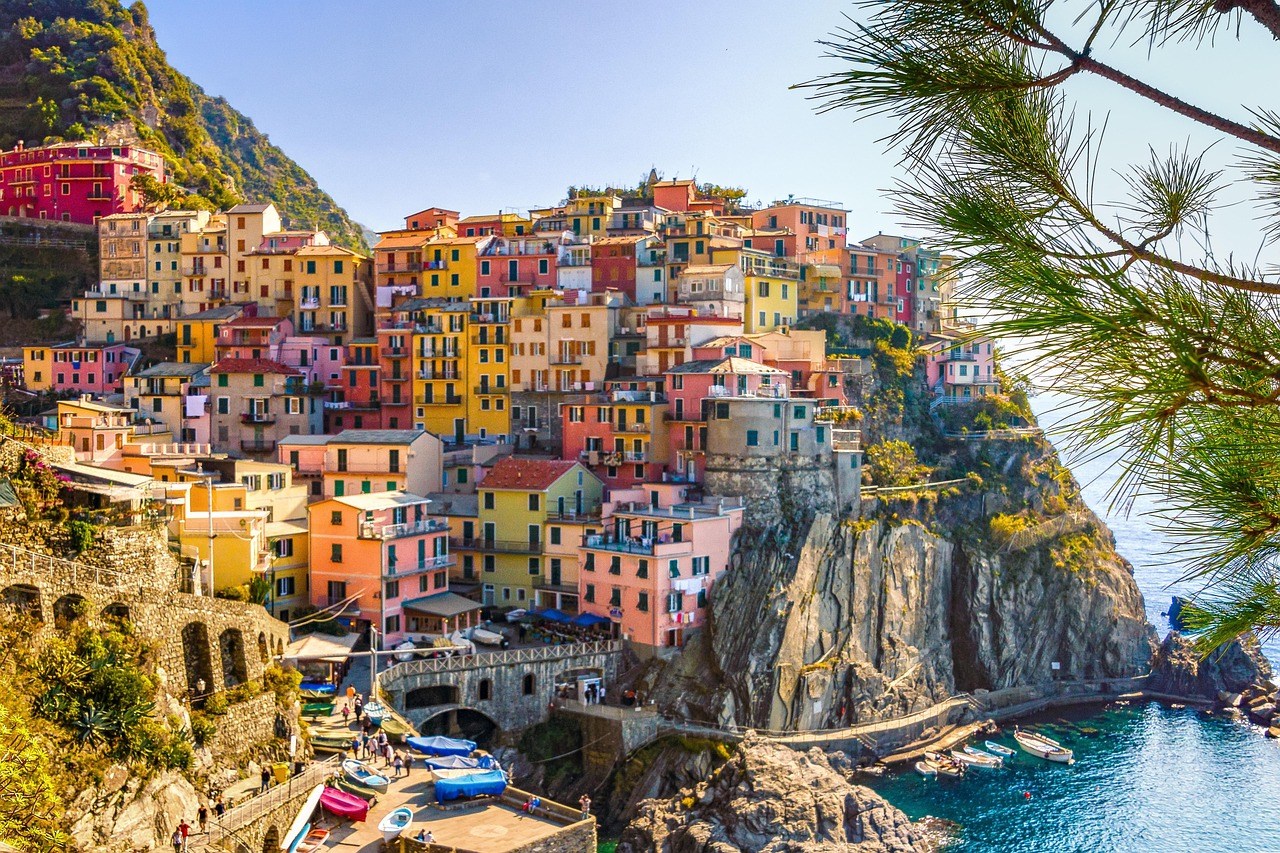
Five fishing villages (Monterosso, Vernazza, Corniglia, Manarola, Riomaggiore) cling to cliffs above the Mediterranean. Vernazza is the most photogenic. Monterosso has the best beach. Manarola has the most famous viewpoint. Take the train between villages (5 to 10 minutes each) and walk the coastal trail between at least two (Vernazza to Monterosso is the classic 2-hour hike, moderate difficulty, spectacular views).

This is a long day trip from Florence, but worth it for the scenery. Leave on the earliest train (6:30 am to 7:00 am) and return on the last (8:00 pm to 9:00 pm). Cinque Terre gets extremely crowded in summer, especially in July and August. Visit in May, June, September, or October for better weather and fewer crowds. Budget: EUR 60 to 90 per person.

7. Pisa. 1 hour from Firenze SMN via Trenitalia. Return fare: EUR 18 to 25. Yes, the Leaning Tower. No, it's not a scam: the tower genuinely leans at 3.97 degrees and genuinely impresses in person in a way that photos don't capture. Climbing it (EUR 20, timed entry, book online) is worthwhile for the views and the disorienting sensation of walking on tilted marble floors.

The Piazza dei Miracoli complex (tower, cathedral, baptistery, and Camposanto cemetery) is the main draw. The cathedral is free and often overlooked because everyone photographs the tower and then leaves. The baptistery's acoustics are famous: every 30 minutes, a guard demonstrates the echo by singing a few notes. The Camposanto (EUR 7) has Roman sarcophagi and medieval frescoes.

Pisa doesn't need a full day. 3 to 4 hours covers the piazza comfortably. Combine with a morning in Lucca (30 minutes from Pisa, a walled town with Renaissance ramparts you can walk or cycle on) for a full day. Budget: EUR 40 to 60 per person for Pisa alone; EUR 55 to 80 with Lucca.

Paying for day trips in Italy

Italy is more cash-dependent than northern Europe. Small restaurants, cafes, and gelaterias often prefer cash. Train ticket machines accept cards, but some regional buses are cash-only. ATMs (bancomat) are everywhere in towns but have withdrawal fees of EUR 2 to 5 for foreign cards.

If you're visiting Italy from outside the eurozone, every card payment carries a foreign transaction fee from your bank (1.5 to 3%). Grey's virtual card lets you spend from your euro balance with no conversion markup. Hold euros in your Grey account before you travel so every tap comes from your pre-loaded balance. For data on the go, a travel eSIM for Italy keeps you connected for maps, Trenitalia schedules, and restaurant reviews without roaming charges.

Trenitalia tip: regional trains (Regionale, Regionale Veloce) don't require seat reservations and are significantly cheaper than high-speed Frecciarossa/Frecciargento trains. For day trips under 2 hours, regional trains are fine. From Rome to Naples (Pompeii), the Frecciarossa is worth the extra cost because it cuts travel time in half.

Exploring Italy? Spend on a Grey virtual card with no conversion markup and grab a travel eSIM for maps and tickets.

Frequently asked questions about day trips from Rome and Florence

What is the best day trip from Rome?

Orvieto for an easy, beautiful day (1 hour, hilltop town, cathedral, wine). Tivoli for two UNESCO sites in 45 minutes. Pompeii for ancient history, but only if you have 10+ hours for the full trip, including 5 hours of travel. Ostia Antica if you want Roman ruins without leaving the metro system.

What is the best day trip from Florence?

Siena for medieval charm and the most beautiful piazza in Italy (1.5 hours). Pisa for the tower and cathedral complex (1 hour, half-day). Cinque Terre for coastal scenery and hiking (2.5 hours, full day). Siena is the most rewarding for a full day. Pisa is the easiest for a half-day side trip.

Can I do Cinque Terre as a day trip from Florence?

Yes, but it's a long day: 2.5 hours each way, plus 5 to 6 hours in the villages. Leave Florence on the earliest train (around 6:30 am) and return on one of the last (around 8 to 9 pm). It's doable and worth it, but tiring. An overnight in one of the villages is more relaxed if your schedule allows.

Is the Leaning Tower of Pisa worth visiting?

Yes. Photos don't capture the scale or the lean as well as seeing it in person. Climbing the tower (EUR 20, timed entry) is worthwhile for the views and the disorienting walk up tilted marble stairs. The adjacent cathedral (free) is often overlooked and equally impressive. Allow 3 to 4 hours for the full piazza.

Do trains in Italy accept credit cards?

Ticket machines at major stations accept cards (Visa, Mastercard). Trenitalia and Italo websites accept cards for online booking. Regional buses and some smaller stations may be cash-only. ATMs are widely available. Carry EUR 50 to 100 in cash as backup for each day trip.

Exploring Italy? Spend on a Grey virtual card with no markup and grab a travel eSIM for maps and schedules.

Disclaimer: This article is for informational purposes only. All costs and details are estimates based on mid-2026 data. Verify current information before making decisions. Grey isn't a bank. We're a licensed financial services provider offering multi-currency accounts.

Last updated:

September 29, 2026

Open a free Grey account to get startedJoin 1 million digital nomads
IF YOU ENJOYED THIS, CHECK THESE OUT

7 best day trips from Rome and Florence

•

•

2 min read

When you're planning a trip to Italy, it's very easy to look at Rome and Florence and think, “What else can I fit in?” I get it. With places like Pompeii, Siena and Cinque Terre only a train ride away, adding a day trip is tempting. The mistake most visitors make, though, is trying to cram a day trip from Rome or Florence into an already packed itinerary. Give it a full day instead. Leave early, come back late, and actually have time to enjoy where you're going.

The best day trips from Rome include Pompeii (2.5 hours, ancient ruins), Orvieto (1 hour, hilltop cathedral), and Tivoli (45 minutes, Villa d'Este gardens). From Florence: Siena (1.5 hours, medieval piazza), Cinque Terre (2.5 hours, coastal villages), and Pisa (1 hour, and yes, the tower). Most are reachable by Trenitalia regional or high-speed trains.

Skip Pompeii from Rome if you only have 4 to 5 hours. The site needs at least 3 hours on the ground, and the 2.5-hour each-way travel time makes it a marathon, not a day trip. Go if you have 10+ hours. Otherwise, Tivoli or Orvieto gives you a richer experience with less travel stress.

This guide covers 7 destinations: 4 in Rome and 3 in Florence, with realistic budgets and timelines.

Day trips from Rome

1. Pompeii and Herculaneum. 2.5 hours from Roma Termini via Frecciarossa to Napoli Centrale, then Circumvesuviana local train to Pompeii Scavi. Return fare: EUR 50-80 (high-speed) or EUR 25-40 (regional; takes 3.5 hours). Entry: EUR 18 for Pompeii, EUR 13 for Herculaneum, EUR 22 combined.

Pompeii is enormous. The excavated area covers 170 acres and you'll walk 3 to 5 miles without trying. Hire an audio guide (EUR 8) or book a guided tour (EUR 30 to 50) to make sense of the layout. Without guidance, most visitors see the forum, wander aimlessly, and miss the best parts: the Villa of the Mysteries, the Garden of the Fugitives, and the amphitheatre.

Herculaneum (Ercolano) is smaller, better preserved, and less crowded. Where Pompeii was buried in ash, Herculaneum was encased in volcanic mud that preserved wooden furniture, food, and even fabric. If you can only visit one, Herculaneum offers more per hour. If you have a full day, do both: Herculaneum in the morning (2 hours), then train one stop to Pompeii for the afternoon (3 hours). Budget: EUR 80 to 130 per person for the day.

2. Orvieto. 1 hour from Roma Termini via regional train. Return fare: EUR 15 to 25. A medieval hilltop town perched on a volcanic rock plateau. The Duomo (cathedral) is one of Italy's finest Gothic buildings: the gold mosaic facade stops you in the street. Entry to the cathedral is free. The underground caves (Orvieto Underground, EUR 7) are former Etruscan tunnels and medieval wells carved into the volcanic rock beneath the town.

Orvieto is also one of Umbria's best wine towns. Orvieto Classico (a dry white wine) is the local speciality, and several enotecas in the old town offer tastings with local cheese and salumi for EUR 15 to 25 per person. The funicular from the train station to the old town (included in the train ticket) adds drama to the arrival. This is the most underrated day trip from Rome: beautiful, uncrowded, and easy to reach. Budget: EUR 40 to 65 per person.

3. Tivoli. 45 minutes from Roma Tiburtina via regional train. Return fare: EUR 6 to 10. Two UNESCO sites in one small town. Villa d'Este has the most spectacular Renaissance gardens in Italy: hundreds of fountains, waterfalls, and pools cascading down a hillside. Entry: EUR 13. Villa Adriana (Hadrian's Villa) is a vast 2nd-century Roman emperor's retreat with pools, temples, and underground passages. Entry: EUR 10.

Do both if you have a full day. Start with Villa Adriana (morning, 2 hours), then bus or taxi to Villa d'Este (afternoon, 1.5 hours). Villa d'Este is best in the afternoon light when the fountains catch the sun. Tivoli is the cheapest and most accessible day trip from Rome: under an hour, under EUR 50 total, and two World Heritage Sites. Budget: EUR 30 to 50 per person.

4. Ostia Antica. 45 minutes from the Roma Piramide via the Roma-Lido train. Return fare: EUR 3 (it's on the metro system). Entry: EUR 12. Rome's ancient port city, excavated like a smaller, quieter version of Pompeii, is only 30 km from central Rome. Preserved streets, mosaics, an amphitheatre, taverns, and apartment blocks give a vivid picture of everyday Roman life. Unlike Pompeii, it's rarely crowded. On a weekday morning, you might have entire streets to yourself.

Ostia Antica is the day trip for visitors who want to see Roman ruins without the Pompeii commitment. The site is compact enough to cover in 2 to 3 hours, and the train ride is essentially free by Italian standards. Combine it with a lunch at the beach town of Ostia Lido (15 minutes further on the same train line) for a ruins-and-beach day. Budget: EUR 20 to 35 per person.

Day trips from Florence

5. Siena. 1.5 hours from Firenze SMN via Trenitalia regional train or SITA bus (bus is slightly faster, EUR 8 each way). Return fare: EUR 16 to 20. Siena's Piazza del Campo is the most beautiful public square in Italy, a shell-shaped slope of red brick surrounded by medieval palaces. The Palio horse race runs here twice a year (July and August), but the square is magnetic even without the horses.

The Duomo (EUR 15 combined ticket for cathedral, library, crypt, and museum) rivals Florence's for artistry. The Piccolomini Library inside has frescoes so vivid they look freshly painted despite being 500+ years old. Siena's hilly streets, 17 medieval contrade (neighbourhood districts, each with its own flag, fountain, and fierce Palio rivalry), and gelato shops make it a full day without trying. Budget: EUR 40 to 65 per person.

6. Cinque Terre. 2.5 hours from Firenze SMN via train to La Spezia, then Cinque Terre Express to the five villages. Return fare: EUR 30 to 50 (depending on booking time and train type). Cinque Terre Card (EUR 16 for 1 day) covers unlimited village-to-village trains and trail access.

Five fishing villages (Monterosso, Vernazza, Corniglia, Manarola, Riomaggiore) cling to cliffs above the Mediterranean. Vernazza is the most photogenic. Monterosso has the best beach. Manarola has the most famous viewpoint. Take the train between villages (5 to 10 minutes each) and walk the coastal trail between at least two (Vernazza to Monterosso is the classic 2-hour hike, moderate difficulty, spectacular views).

This is a long day trip from Florence, but worth it for the scenery. Leave on the earliest train (6:30 am to 7:00 am) and return on the last (8:00 pm to 9:00 pm). Cinque Terre gets extremely crowded in summer, especially in July and August. Visit in May, June, September, or October for better weather and fewer crowds. Budget: EUR 60 to 90 per person.

7. Pisa. 1 hour from Firenze SMN via Trenitalia. Return fare: EUR 18 to 25. Yes, the Leaning Tower. No, it's not a scam: the tower genuinely leans at 3.97 degrees and genuinely impresses in person in a way that photos don't capture. Climbing it (EUR 20, timed entry, book online) is worthwhile for the views and the disorienting sensation of walking on tilted marble floors.

The Piazza dei Miracoli complex (tower, cathedral, baptistery, and Camposanto cemetery) is the main draw. The cathedral is free and often overlooked because everyone photographs the tower and then leaves. The baptistery's acoustics are famous: every 30 minutes, a guard demonstrates the echo by singing a few notes. The Camposanto (EUR 7) has Roman sarcophagi and medieval frescoes.

Pisa doesn't need a full day. 3 to 4 hours covers the piazza comfortably. Combine with a morning in Lucca (30 minutes from Pisa, a walled town with Renaissance ramparts you can walk or cycle on) for a full day. Budget: EUR 40 to 60 per person for Pisa alone; EUR 55 to 80 with Lucca.

Paying for day trips in Italy

Italy is more cash-dependent than northern Europe. Small restaurants, cafes, and gelaterias often prefer cash. Train ticket machines accept cards, but some regional buses are cash-only. ATMs (bancomat) are everywhere in towns but have withdrawal fees of EUR 2 to 5 for foreign cards.

If you're visiting Italy from outside the eurozone, every card payment carries a foreign transaction fee from your bank (1.5 to 3%). Grey's virtual card lets you spend from your euro balance with no conversion markup. Hold euros in your Grey account before you travel so every tap comes from your pre-loaded balance. For data on the go, a travel eSIM for Italy keeps you connected for maps, Trenitalia schedules, and restaurant reviews without roaming charges.

Trenitalia tip: regional trains (Regionale, Regionale Veloce) don't require seat reservations and are significantly cheaper than high-speed Frecciarossa/Frecciargento trains. For day trips under 2 hours, regional trains are fine. From Rome to Naples (Pompeii), the Frecciarossa is worth the extra cost because it cuts travel time in half.

Exploring Italy? Spend on a Grey virtual card with no conversion markup and grab a travel eSIM for maps and tickets.

Frequently asked questions about day trips from Rome and Florence

What is the best day trip from Rome?

Orvieto for an easy, beautiful day (1 hour, hilltop town, cathedral, wine). Tivoli for two UNESCO sites in 45 minutes. Pompeii for ancient history, but only if you have 10+ hours for the full trip, including 5 hours of travel. Ostia Antica if you want Roman ruins without leaving the metro system.

What is the best day trip from Florence?

Siena for medieval charm and the most beautiful piazza in Italy (1.5 hours). Pisa for the tower and cathedral complex (1 hour, half-day). Cinque Terre for coastal scenery and hiking (2.5 hours, full day). Siena is the most rewarding for a full day. Pisa is the easiest for a half-day side trip.

Can I do Cinque Terre as a day trip from Florence?

Yes, but it's a long day: 2.5 hours each way, plus 5 to 6 hours in the villages. Leave Florence on the earliest train (around 6:30 am) and return on one of the last (around 8 to 9 pm). It's doable and worth it, but tiring. An overnight in one of the villages is more relaxed if your schedule allows.

Is the Leaning Tower of Pisa worth visiting?

Yes. Photos don't capture the scale or the lean as well as seeing it in person. Climbing the tower (EUR 20, timed entry) is worthwhile for the views and the disorienting walk up tilted marble stairs. The adjacent cathedral (free) is often overlooked and equally impressive. Allow 3 to 4 hours for the full piazza.

Do trains in Italy accept credit cards?

Ticket machines at major stations accept cards (Visa, Mastercard). Trenitalia and Italo websites accept cards for online booking. Regional buses and some smaller stations may be cash-only. ATMs are widely available. Carry EUR 50 to 100 in cash as backup for each day trip.

Exploring Italy? Spend on a Grey virtual card with no markup and grab a travel eSIM for maps and schedules.

Disclaimer: This article is for informational purposes only. All costs and details are estimates based on mid-2026 data. Verify current information before making decisions. Grey isn't a bank. We're a licensed financial services provider offering multi-currency accounts.

Canadian passport renewal: Steps, fees and timelines

•

•

2 min read

Realising your Canadian passport is about to expire while planning for a trip can be a bit distressing, especially if you had an unpleasant experience when applying for the passport the first time. However, renewing your Canadian passport is not much simpler than when you first applied, whether you are in Canada or living abroad.

To renew a Canadian passport, most adults can use the simplified renewal process if their previous passport was issued in the last 15 years, is undamaged, and is in their current name. You submit a renewal form, two photos, your old passport and the fee. An adult 10-year passport costs CAD 163, while the 5-year adult passport costs CAD 122.50 if you live in Canada. It is more expensive for adults living outside Canada.

This guide covers who can renew, the exact steps to take, current fees, realistic processing times, and how to handle a renewal when you’re outside the country. Note that the process might change from time to time or might depend on your situation. Always confirm the updated process and requirements. But here is a general guide.

Who can renew a Canadian passport?

Most adults can renew their Canadian passport using the simplified renewal process, which requires fewer documents than applying for a new passport. You no longer need a guarantor or proof of Canadian citizenship.

You can renew your passport if:

  • Your previous adult passport was issued within the last 15 years
  • The passport is undamaged and not reported lost or stolen
  • The passport was valid for 5 or 10 years
  • Your name matches your previous passport, or you have legal documentation of a name change
  • The new passport will bear the same date of birth, birthplace, and the same gender identifier
  • You were 16 or older when your previous passport was issued

If you don’t meet the criteria for renewing your passport, then you must apply for a new one if:

  • Your previous passport was issued more than 15 years ago
  • Your previous passport was damaged, lost, or stolen
  • You were under 16 when your previous passport was issued
  • This is your first adult passport
  • You need to change your details (name, birthplace, date of birth, or gender identifier)

Children's passports cannot be renewed. They are required to submit a new application.

How to renew a Canadian passport step by step

Here is a stepwise guide to renew your Canadian passport:

Step 1: Complete the renewal application form

Download and fill in the simplified renewal application form (Form PPTC 054) from the Government of Canada's official website. Forms from unofficial websites might not be up to date.

Step 2: Get two passport photos

Photos must meet the current stipulated specifications, including the correct size, quality requirements, neutral facial expression, background, etc. The photographer should write or stamp the studio name, address, and date on the back of one of the photos. Most photographers (especially in Canada) are already conversant with these compliance requirements.

Step 3: Gather your documents

You will generally need your most recent passport, completed application form, two passport photos, and any legal documents needed to support a name change.

Step 4: Pay the applicable fee

Fees are paid at the time of application and are non-refundable regardless of the outcome.

Step 5: Submit your application

You can submit in person at a Service Canada location or a passport office, or by mail. In-person submission at a passport office is generally faster for processing.

Step 6: Wait for processing and collect or receive your new passport

Processing times vary depending on submission method, as discussed in detail below.

Canadian passport renewal fees

The Canadian government reviews passport fees from time to time, so prices can change. It’s best to check the latest fees on the official Government of Canada website before applying. Here are the current fees, which vary depending on the passport’s validity period, whether you’re applying from inside or outside Canada, and whether the applicant is an adult or a child.

‍

All passport fees are non-refundable once an application has been submitted, regardless of whether the application is approved. So, ensure your documents and eligibility are correct before submitting.

If you are replacing a stolen or lost passport while still valid, you need to pay an additional CAD 45. There might be additional charges if you request other services.

How long does a Canadian passport renewal take?

Processing timelines typically depend on where and how you submit your application. However, online processing generally takes about 20 business days, including mailing time.

‍

If you have upcoming travel plans, apply as early as possible. Urgent and express services may be available for an additional fee, but availability depends on the location and your circumstances. Verify that the service is available at your nearest passport office. This might cost an additional CAD 383.50.

Since the processing times for a Canadian passport can vary significantly depending on your situation and during peak travel seasons, apply well in advance of any planned travel date. Since you can apply within 6 months of the passport expiring, you should apply as soon as possible to avoid the stress and cost of expedited services.

Renewing your Canadian passport from outside Canada

If you are living or travelling outside Canada when your passport needs renewal, you can apply through the nearest Canadian embassy, high commission, or consulate.

The process is similar, but there are a few differences:

  • You may need to apply in person or by mail, depending on the Canadian mission.
  • Applications are typically submitted directly to the Canadian mission serving your country of residence, either in person or by mail, depending on the mission's specific procedures
  • Processing times from abroad are generally longer than within Canada, often extending to several weeks or months, since applications must sometimes be forwarded to Canada for processing
  • Fees may include additional charges specific to processing through a foreign mission, on top of the standard passport fee
  • Some countries do not have a full Canadian embassy but are served by a consulate or through a neighbouring country's mission, which can add complexity

Paying fees while abroad

Paying the new passport fee from outside Canada often requires payment in a specific accepted currency, depending on the mission. So, they might not use Canadian dollars directly. If you live abroad and regularly need to pay expenses in Canada, a multi-currency account can make it easier to hold foreign currencies and send CAD while avoiding unnecessary conversions.

If you live abroad and need to send money to Canada to help cover fees or other costs while you are processing your renewal, Grey shows the exchange rate and fee before the transfer is confirmed. Grey charges a flat fee of $2.50 for bank transfers and $3 for INTERAC.

For everyday spending while abroad, paying with a Grey card connected to a foreign currency balance avoids repeated foreign transaction fees. You can also use a Grey card to pay for your passport renewal fees and other travel expenses.

Learn more about sending money to Canada with Grey

Renewing a child's Canadian passport

Children under 16 cannot use the adult simplified renewal process. If your child's passport is expiring, you need to submit a new child passport application.

Here are the main things to know:

  • Parental consent: Both parents or legal guardians generally need to sign the application. If only one parent can provide consent, you may need additional documents.
  • Guarantor: A guarantor may be required to confirm the child's identity and support the application.
  • Validity: A child's passport is generally valid for five years. Check the current requirements on the Government of Canada's website before applying.
  • Photos: You need two new, identical passport photos that meet Canada's current requirements. Getting a suitable photo of a baby or young child may take a few attempts.

Because you need to apply for a new child passport rather than use the simplified adult renewal process, ensure there is enough time to gather the required documents and photos.

Manage your money abroad with Grey while handling passport renewal and other Canada-related costs from wherever you live.

Frequently asked questions about renewing Canadian passports

Can I renew my Canadian passport online?

Canada does not currently offer a fully online passport renewal application as some other countries do. You can complete and print the application form electronically in some cases, but submission requires either an in-person visit to a Service Canada location or a passport office, or submission by mail, along with your physical documents and photos.

Do I need new photos for the new passport?

Yes. Every passport application, including a simplified renewal, requires two new, identical, current photos meeting Government of Canada specifications. Photos from your previous passport application cannot be reused, even if they are relatively recent, since passport photo requirements specify the photo must be taken within a defined recent period before submission.

What if my name has changed?

If your legal name has changed since your previous passport was issued, whether through marriage, divorce, or a legal name change process, you can still generally use the simplified renewal process, but you will need to provide official legal documentation supporting the name change (such as a marriage certificate or court order) alongside your application.

Can I keep my old Canadian passport?

Your previous passport is typically returned to you after renewal, though it will usually have a corner clipped or be marked as cancelled to prevent it from being used for travel or identification purposes going forward. Many people keep their old passport for personal records or because it contains visa stamps and travel history they want to retain, even though it is no longer valid for travel.

How early should I renew my Canadian passport before travel?

Apply well in advance of any planned travel, ideally several months in advance, given that processing times can vary with seasonal demand and unexpected delays. Many countries also require your passport to be valid for a minimum period beyond your travel dates (commonly at least 6 months), so factor this requirement into your timing alongside the renewal processing time.

How do I renew my passport if I live abroad?

Renewal from outside Canada is handled through the nearest Canadian embassy, high commission, or consulate serving your country of residence. Processing generally takes longer than renewing within Canada, and additional fees may apply depending on the specific mission. Contact your nearest Canadian mission directly for their specific submission process and current processing timelines before applying.

Where to buy Egyptian pound as a non-citizen

•

•

2 min read

Egypt is a popular African destination for tourists, digital nomads, expatriates and entrepreneurs. The country’s rich history, tourist attractions, robust infrastructure and booming economy attracted over 15 million foreigners in 2024.

However, many non-citizens visiting Egypt face hassles when buying Egyptian pounds. Traditional options like banks and currency exchange bureaus remain popular. Unfortunately, they might experience transaction delays, tedious paperwork and unfriendly exchange rates. Fintech solutions such as Grey provide a more seamless and cost-effective approach to buying Egyptian pounds as a non-citizen.

With rising cross-border travel, remote work income, and international spending needs, more people now prefer digital platforms that offer faster access and clearer pricing without relying on physical exchange counters or bank queues.

This article breaks down your options when buying Egyptian pounds as a non-citizen.

Read also: Secure ways to receive international payments in Egypt

What are the challenges of buying Egyptian pounds?

Buying Egyptian pounds can be difficult for non-citizens due to rates, limits, and limited availability.

Exorbitant rates at hotels and airports

Hotels, airports, and tourist exchange points in Egypt often charge significantly higher rates than market prices. These locations prioritise convenience over value, leading to poor exchange rates and hidden margins. Travellers lose more money per transaction, especially when exchanging large amounts. Even small conversions can result in noticeably reduced purchasing power.

Limitations on cash limits

Cash exchange in Egypt is often restricted by regulatory limits, especially for large foreign currency amounts. Non-citizens may face caps of around $5,000 per transaction, requiring multiple exchanges or declarations. These limits can slow down access to funds and create inconvenience for travellers or business visitors needing larger sums in local currency.

Poor availability outside Egypt

Outside Egypt, Egyptian pounds are not widely available in banks or exchange bureaus. This forces travellers to rely on converting foreign currencies only upon arrival, often at airports or limited exchange points. The lack of global availability reduces flexibility and can lead to unfavourable rates when urgent conversion is required.

Also read: Best currency for Egyptians to save in: USD or EGP?

Where to buy Egyptian pounds as a non-citizen

Non-citizens can access Egyptian pounds through ATMs, banks, exchange bureaus, and fintech platforms.

ATMs

ATMs across Egypt, including airports and major cities, let you withdraw Egyptian pounds directly using international debit or credit cards. The conversion rate is set by your home bank or card network, often adding a 2%–5% foreign transaction markup. Convenience is high, but exchange rates are usually less competitive than those of digital platforms or local services.

Local banks

Banks like the National Bank of Egypt and Banque Misr offer regulated currency exchange with official rates. These rates are generally safer and more transparent than hotels or airports, but still include a small margin over mid-market pricing. Documentation may be required, and processing can be slower depending on transaction size and compliance checks.

Exchange bureaus

Exchange bureaus in tourist areas, malls, and hotels provide quick access to Egyptian pounds. However, conversion rates vary widely and often include higher spreads, especially in airport locations. While convenient, they typically offer less favourable rates than banks or fintech options, so comparing before exchanging larger amounts helps reduce unnecessary loss.

Fintech platforms

Fintech platforms like Wise and Grey let you send USD or GBP directly to recipients in Egypt without carrying cash or using physical exchange points. They offer transparent transfer fees, competitive exchange rates, and more control over international payments compared to traditional exchange services.

Also read: Planning a summer trip to Egypt? Avoid currency exchange traps

Frequently asked questions

Can non-citizens buy Egyptian pounds before arriving in Egypt?

Yes, but availability is very limited outside Egypt. Most banks and exchange bureaus do not stock Egyptian pounds internationally, so travellers often arrive with USD or EUR instead. Many visitors also rely on international cards, local ATMs, or fintech platforms like Wise and Grey to send money, manage foreign currency, and make payments more conveniently while in Egypt.

What is the safest way to exchange money in Egypt?

The safest way is through fintech platforms because they reduce cash handling risks and offer more transparency on transfer fees. Services like Wise and Grey let travellers send money securely, manage foreign currency digitally, and make payments more conveniently while abroad, compared to carrying large amounts of cash or relying on airport exchange services.

Are ATMs a good option for getting Egyptian pounds?

ATMs are convenient and widely available in airports and cities. They allow instant withdrawals in Egyptian pounds using international cards. However, foreign transaction fees and bank exchange rate markups apply, often making them more expensive than fintech platforms or local bank exchanges for larger withdrawals.

Why do exchange rates vary so much in Egypt?

Exchange rates vary due to differences between official bank rates, tourist pricing, and digital platform rates. Airports and hotels apply higher margins for convenience, while banks follow regulated pricing. Fintech platforms often offer closer-to-market rates, creating noticeable differences in how much value you actually receive.

Buying Egyptian pounds seamlessly

For non-citizens looking to buy Egyptian pounds, traditional options like banks and exchange bureaus remain viable but often come with higher costs.

Grey offers a modern, cost-effective, and convenient alternative. This makes them an excellent choice for digital nomads, expatriates, and travellers needing access to EGP. By leveraging Grey’s platform, users can enjoy seamless currency conversion with competitive rates and minimal fees.

Sign up on Grey or download the mobile app to buy EGP seamlessly.

Grey charges fees on deposits, conversions, and withdrawals. Deposits via ACH, SEPA, or FPS incur a 0.8% fee (minimum $2/€2/£2, maximum $10/€10/£10). Currency conversions are charged at 1%, capped at $6. Withdrawal fees vary by currency: ₦35 for NGN, 0.5% for EUR/GBP (minimum €2/£2, maximum €10/£10), and $2 for Egypt. Cross-border card transactions (non-USD purchases on a USD card) incur a 2% fee plus $0.50. Exchange rates are variable and include a margin over the mid-market rate. Always review fees and the rate before confirming a transaction. Visit grey.co/pricing for current rates.

Best summer destinations in India for international travellers

•

•

2 min read

You’ll always find cool places to visit in India. The country has a blend of history, adventure, and wellness experiences, making it a well-rounded destination for all travellers. Moreover, India remains one of the most affordable travel destinations, allowing you to experience luxury and adventure without stretching your budget. It’s a tourist’s delight.

The top summer destinations for international travellers

With so many incredible locations, choosing where to go can be overwhelming. I’ll be taking some of that burden off you now. Here are some of the best summer destinations in India that should be on your itinerary.

Ladakh – A high-altitude desert with stunning landscapes

__wf_reserved_inherit

Ladakh, with its breathtaking mountain views and unique Tibetan-influenced culture, is a dream destination for nature lovers and adventure seekers. The cool temperatures make it perfect for escaping the summer heat.

Things you must experience in Ladakh:

  • Drive through the world’s highest motorable pass, Khardung La.
  • Visit Pangong Lake, famous for its ever-changing blue waters.
  • Explore the monasteries of Hemis, Thiksey, and Diskit.
  • Experience the charm of Leh’s old town and bustling markets.
  • Go on a trek through the scenic Zanskar Valley.

Also read: Top travel destinations in Indonesia for summer vacation

Manali & Shimla – Classic hill stations with adventure and charm

__wf_reserved_inherit

Nestled in the Himalayas, Manali and Shimla have long been favourites for summer travellers. These destinations offer everything from colonial-era architecture to thrilling adventure sports.

Things you must experience in Manali & Shimla:

  • Paraglide over Solang Valley for breathtaking aerial views.
  • Walk along Shimla’s historic Mall Road and visit Christ Church.
  • Take a scenic toy train ride through the hills.
  • Hike to Jogini Falls or explore the Great Himalayan National Park.
  • Relax at Vashisht hot springs, surrounded by stunning landscapes.

Darjeeling & Sikkim – Tea gardens and Himalayan views

__wf_reserved_inherit

For those seeking lush greenery and a peaceful retreat, Darjeeling and Sikkim offer breathtaking mountain views and a unique cultural experience.

Things you must experience in Darjeeling & Sikkim:

  • Watch the sunrise at Tiger Hill, revealing a panoramic view of Mount Kanchenjunga.
  • Ride the iconic Darjeeling Himalayan Railway.
  • Visit the tea estates and taste authentic Darjeeling tea.
  • Explore the monasteries and valleys of Sikkim, such as Rumtek and Tsomgo Lake.
  • Take a nature walk through the Neora Valley National Park.

Also read: The best summer holiday destinations in the Philippines

Goa – The ultimate beach escape

__wf_reserved_inherit

Goa is known for its sun-kissed beaches, Portuguese heritage, and laid-back vibe. While it’s often associated with winter tourism, the monsoon season, beginning in late summer, brings lush greenery and fewer crowds, making it an ideal time to visit.

Things you must experience in Goa:

  • Relax on the beaches of Palolem, Vagator, and Morjim.
  • Explore the churches and colonial architecture of Old Goa.
  • Go dolphin-watching or take a boat ride along the backwaters.
  • Enjoy fresh seafood at a beachside shack.
  • Take a yoga retreat or wellness escape in South Goa.

Kerala – Serene backwaters and lush landscapes

__wf_reserved_inherit

Kerala is a paradise for nature lovers. With its picturesque backwaters, hill stations, and Ayurvedic retreats, it’s the perfect balance of relaxation and cultural exploration.

Things you must experience in Kerala:

  • Cruise through the backwaters of Alleppey on a traditional houseboat.
  • Explore the tea plantations of Munnar and visit Eravikulam National Park.
  • Experience a rejuvenating Ayurvedic spa treatment.
  • Visit the Periyar Wildlife Sanctuary to see elephants and tigers.
  • Watch a Kathakali dance performance in Kochi.

Rishikesh – Spirituality and adventure

__wf_reserved_inherit

Rishikesh is known as the Yoga Capital of the World and is a must-visit for those looking for a blend of spiritual experiences and adventure sports.

Things you must experience in Rishikesh & Uttarakhand:

  • Attend a yoga retreat on the banks of the Ganges.
  • Experience the famous Ganga Aarti at Triveni Ghat.
  • Go white-water rafting on the Ganges.
  • Trek to the Valley of Flowers, a UNESCO World Heritage site.
  • Visit the ancient temples of Haridwar.

Also read: How to get an instant USD debit card in India

Managing your finances while travelling in India

Travelling in a foreign country can sometimes be challenging, from currency exchange issues to high transaction fees. Traditional banking methods can be expensive and slow when converting and accessing funds abroad. Having a seamless financial solution is key to avoiding unnecessary costs and delays.

Also read: How to receive payments from Toptal in India in 2025

Why Grey is the ideal financial solution for international travellers

Grey is a smart way for travellers to manage their money while exploring India. With Grey, you can:

  • Hold and transact in multiple currencies: Keep and exchange USD, EUR, and GBP effortlessly.
  • Get competitive exchange rates: Avoid the high fees of traditional banks and get fair currency conversion rates.
  • Make fast and secure transactions: Withdraw money conveniently or pay for services without delays.
  • Enjoy seamless online payments: Book hotels, tours, and flights easily.
  • Track your spending: Keep an eye on your expenses while travelling, helping you stick to your budget.

With Grey, you can explore India without worrying about money and conversions. Sign up today or download the app to get started.

‍

How to exchange currency safely when visiting Indonesia

•

•

2 min read

Indonesia is a dream destination for travellers. Bali’s serene landscapes, Jakarta’s vibrant nightlife and Yogyakarta’s historical wonders — it doesn’t get better than that. To enjoy all of these things, though, having local currency on hand is important.

Fret not. I’ll teach you how to convert your currency into Indonesian Rupiah (IDR), ensuring you get the best value for your money.

Understanding the Indonesian Rupiah (IDR)

Before you exchange money, it’s important to understand Indonesia’s currency. The Indonesian Rupiah (IDR) comes in various denominations, with common banknotes being 1,000, 5,000, 10,000, 50,000, and 100,000 IDR. Due to the large numbers on the bills, be mindful when handling cash to avoid confusion or overpayment. Exchange rates fluctuate, so it’s a good idea to check the current rate before exchanging money.

Also read: How to open US and UK bank accounts in Indonesia

Best ways to exchange money in Indonesia

There are several options for exchanging currency, but not all are equally safe or cost-effective. Here are the most reliable methods:

1. Banks and authorised money changers

One of the safest ways to convert your money into IDR is through banks or licensed exchange offices. Look for authorised money changers approved by Bank Indonesia, as they follow strict regulations to ensure fair transactions. Reputable options include VIP Money Changer, Dirgahayu Valuta Prima, and Central Kuta Money Exchange.

Tips for safe currency exchange:

  • Always count your money before leaving the counter.
  • Ensure it’s an authorised exchange office — look for official signage and licensing.
  • Avoid exchanging large sums at the airport, where rates are usually less favourable.

2. Withdrawing cash from ATMs

If you prefer convenience, using an ATM is a safe and easy way to withdraw IDR at competitive exchange rates. Major banks like Mandiri, BCA, BNI, and CIMB Niaga have ATMs across the country.

Things to keep in mind:

  • Use ATMs in well-lit, secure areas like malls or banks.
  • Withdraw larger amounts at once to minimise transaction fees.
  • Cover the keypad when entering your PIN to protect against skimming devices.

3. Using multi-currency accounts like Grey

A multi-currency account like Grey is an excellent option for seamless international transactions. With Grey, you can receive, hold, and convert currencies like USD, EUR, and GBP at competitive rates, eliminating the need for physical cash exchanges.

Why choose Grey for currency exchange?

  • Lower fees than traditional banks and exchange bureaus.
  • Instant conversions between multiple currencies.
  • Secure transactions without worrying about counterfeit bills or scams.
  • Ease of use. You can manage your money digitally from anywhere.

Tips to avoid currency exchange scams

Currency exchange scams are common in tourist-heavy areas. Here’s how to stay safe:

  • Avoid unauthorised money changers. If a rate seems too good to be true, it probably is.
  • Double-check your bills. Some scammers use sleight of hand to shortchange tourists.
  • Ask for a receipt. A legitimate money changer will provide one.
  • Be cautious with street exchangers. Stick to banks and reputable exchange offices.

Also read: How to send money to Indonesia

Should you use cash or card?

Cash is still widely used in Indonesia, especially in smaller shops, local markets, and rural areas. However, credit and debit cards (Visa and Mastercard) are accepted in hotels, restaurants, and shopping malls.

Also read: How to get an instant USD debit card in Indonesia

Making transactions seamless with Grey

For a hassle-free way to manage your money while travelling, Grey offers a secure and cost-effective multi-currency solution. Instead of worrying about cash exchange or high bank fees, you can:

  • Convert USD, EUR, and GBP to IDR instantly at competitive rates.
  • Receive and hold multiple currencies in one account.
  • Transfer funds internationally without the high fees of traditional banks.

Travel smart with secure currency exchange

Navigating currency exchange in Indonesia isn’t nearly as stressful as it sounds. You can ensure safe, hassle-free transactions throughout your trip by using authorised money changers, trusted ATMs, or a multi-currency account like Grey.

Planning a visit to Indonesia? Create your Grey account today or download the app to enjoy inclusive global banking, designed to carry your dreams across borders.

‍

Best way to transfer money from Egypt to Europe

•

•

2 min read

Sending money from  Egypt  to Europe has become easier thanks to digital banking and fintech innovations. However, challenges like high exchange rates, hidden fees, and slow processing times still make international transfers tricky. Whether you're a freelancer, business owner, or sending money to loved ones, choosing the right payment method is essential.

In this guide, we’ll explore the best ways to send money from Egypt to Europe and why Grey is the most secure and cost-effective option.

Also read: How to open US bank accounts in Egypt.

Top ways to send money from Algeria to Europe

1. Grey

Grey allows you to send, receive, and convert foreign currencies instantly. With multi-currency accounts (EUR, USD, GBP) and no hidden fees, it’s the best way to send money from Egypt.

2. Bank wire transfers

Traditional bank wire transfers via the SWIFT network allow money to be sent from Egyptian banks to European accounts. However, they come with high fees and slow processing times.

3. Western Union & MoneyGram

Money transfer services like Western Union and MoneyGram offer cash pick-up options and direct bank transfers. While they are widely available, they can be expensive due to high transfer fees based on the amount sent.

4.PayPal and Wise

Digital platforms offer international transfers with competitive exchange rates, though PayPal can have high fees for sending money from Egypt.

Also read: Secure ways to receive international payments in Egypt.

Why use Grey to send money from Egypt to Europe?

  • Fair exchange rates – Enjoy competitive rates with zero hidden fees, ensuring you get full value for your money. Use our currency converter to track live rates.
  • Fast transfers – Say goodbye to delays. Send money swiftly and ensure timely delivery to your recipient.
  • Multi-currency accounts – Hold and send EUR, USD, and GBP with ease, all in one place.
  • User-friendly experience – Whether on the app or website, Grey ensures smooth and hassle-free transactions.

Also read: How freelancers in Egypt can withdraw USD payments easily.

How to send money from Egypt to Europe using Grey

1. Sign up for a Grey account

The first step is to create a free Grey account on the website or download the app. The process is straightforward:

  • Fill in your details.
  • Verify your identity by uploading the necessary documents.
  • Request your free bank accounts, including USD, EUR, and GBP.

2. Deposit EUR into your Grey EU bank account

Fund your Grey account using any of these methods:

  • Bank transfers: Link your EU bank account for convenient deposits.
  • Freelance earnings: Receive payments directly from platforms like Upwork or Fiverr.
  • International transfers: Accept foreign payments from global businesses or individuals.

3. Transfer EUR to your recipient

With Euros ready in your account, sending them to a recipient is simple:

  1. Click on “Send money” in your dashboard.
  2. Input the recipient’s details, such as their Euro bank account.
  3. Specify the amount to transfer in EUR.
  4. Double-check the transfer details and confirm.
  5. Your recipient will receive the funds.

Also read: Best virtual Mastercards for online payments in Egypt.

Seamless transfer with Grey

Grey makes sending money from Egypt to Europe simple, fast, and cost-effective. With competitive exchange rates and no hidden fees, Grey ensures seamless transactions for personal and business payments. Sign up today for a hassle-free international transfer experience.

‍

Arrow (up)

Back to top