


There are few things as exciting as landing an overseas client. The email arrives, you sign the contract, deliver the work, and wait for the reassuring “Payment received” notification.
That’s at least how it should be. In reality, the transfer can take ages, the fees may be outrageous, and by the time the money finally lands, it’s a lot less than you envisaged.
That’s why it’s so important to understand your options. Let’s break down the best ways to receive international payments in the UK and explore how different platforms facilitate this process.
Getting paid from overseas isn’t the same as receiving a local bank transfer. Most clients outside the UK pay in their own currency, with USD, EUR and AUD being the most common. When those funds move through traditional banking systems, they’re routed via SWIFT transfers. That process can take anywhere from one to five business days, and each bank along the chain charges its own fee.
Then there’s the issue of exchange rates and hidden fees. Let’s say your client sends $1,000; by the time it’s converted into pounds, you may only receive $950.
This is why many freelancers are always seeking the best payment methods to receive payments faster, more cost-effectively, and with less friction.
Also read: How Grey differs from a UK bank
Let’s go through the most popular options freelancers in the UK rely on and what you should know before picking one.
Traditional, reliable, but often frustrating.
If your client’s paying directly from their bank account, it’ll most likely go through the SWIFT network, which connects over 11,000 financial institutions worldwide. You’ll need to share your IBAN, BIC, and other banking details.
Pros:
Cons:
If you’re working with multiple overseas clients, these fees can add up quickly. It’s worth using international transfers only for large payments or recurring clients whose invoices can shoulder the cost.
PayPal has long been the go-to for freelancers, mainly because it’s convenient and globally recognised. Setting up an account is simple, and clients can pay instantly using just your email address.
The downside is that the fees can sting a bit. You’ll lose around 4- 5% per transaction once you factor in service charges and currency conversion fees. For example, if a client sends you $1,000, you could easily end up with around $950 — or less — by the time it reaches your account.
Pros:
Cons:
For small or one-off projects, PayPal’s convenience might outweigh the fees. But if you’re earning consistently from abroad, there are cheaper, faster options.
If you’re using platforms like Upwork, Fiverr, or Toptal, the payment process is mainly automated. Clients pay through the platform, which holds the funds in escrow until the work is approved. Once released, you can withdraw to your local bank, PayPal, or another linked account.
Pros:
Cons:
While these platforms simplify the process, they also limit how much control you have over your money. Once you build trust with your clients, you may want to move payments off-platform to reduce fees. However, Upwork has strict rules on how to move clients outside the platform to avoid suspension.
Wise has become a freelancer favourite for its transparency. You can open a multi-currency account, receive USD or EUR, and convert them to GBP at decent rates.
Pros:
Cons:
Wise is ideal if you work with clients in multiple countries and want control over when to convert your earnings.
Revolut offers similar perks, although it’s more akin to a hybrid between a digital bank and a budgeting app. You can receive money in various currencies, hold it, and convert when rates are most favourable.
Pros:
Cons:
It’s handy for managing personal and freelance income in one place, but Revolut’s business accounts may still have limitations for larger, recurring international payments.
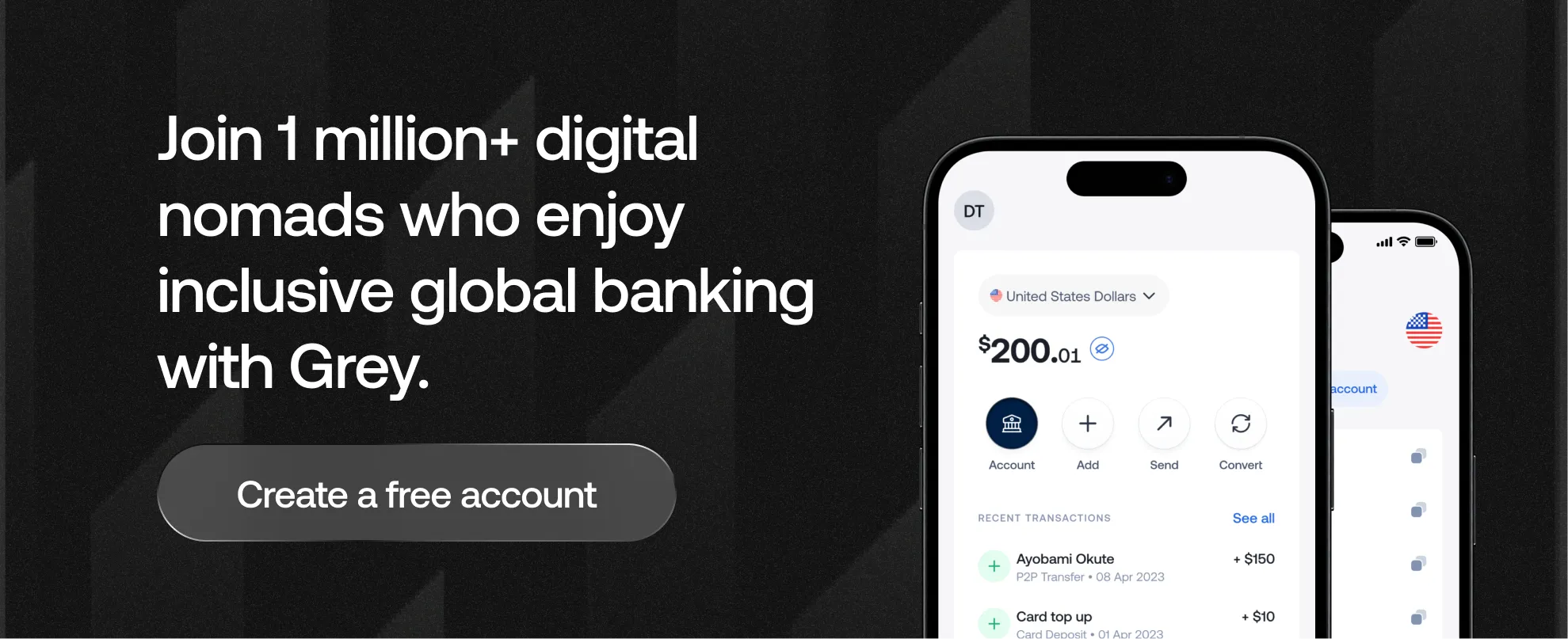
If you're looking for an all-in-one solution, specifically designed for freelancers who work internationally, Grey is your best bet.
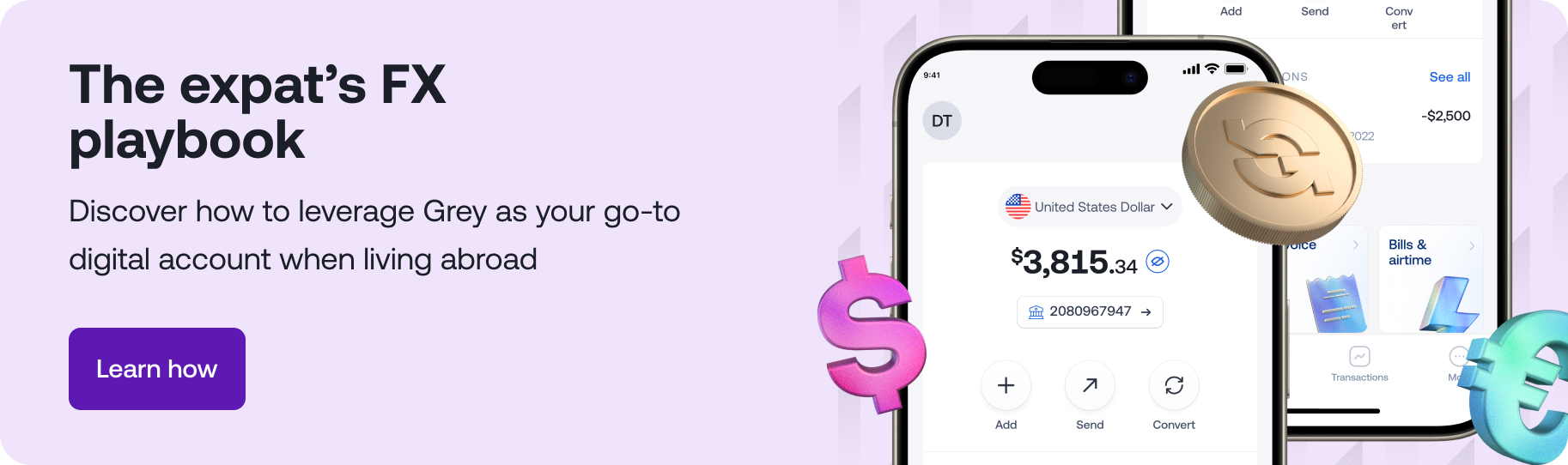
With Grey, you can open USD, EUR, and GBP foreign accounts in your name without needing to register a company or go through endless paperwork. You can receive money directly from clients abroad, hold it in foreign currency, convert when rates are best, and withdraw instantly to your UK account.
Here’s why I love it:
You no longer have to worry about conversion losses, delayed wires, or complicated SWIFT forms. With Grey, your money moves globally but feels local.
Open your free Grey account today and start receiving payments like a pro.
Also read: How to send and receive euros in the UK
LDMAG1
Even with the right platform, a few habits make life as a freelancer much easier:
Also read: Why multi-currency bank accounts get frozen and how to choose a reliable platform
Freelancers in the UK must declare foreign income to HMRC as part of their self-assessment tax return. The great thing is that tools like Grey make tracking your income simple with downloadable statements and currency summaries.
Always keep a record of:
These make filing taxes easier and help you stay compliant with UK tax laws.
Getting paid as a freelancer is now simpler. With tools like Grey, you can say goodbye to hidden fees, slow transfers, and poor conversion rates.
Instead of juggling multiple platforms, you can receive USD or EUR, hold it in your account, convert at the best time, and spend freely, all in one place.
Global work deserves a global solution.
Open your Grey account today or download the app and take control of your freelance income.


.svg)
Back to top
