


I’ll never forget the first time I invoiced an overseas client. The project had gone brilliantly. Weeks of work went into it, I delivered on time, the client was delighted, and I happily sent the invoice. I waited for the payment, expecting it to arrive smoothly within a few days. When the money finally appeared in my bank account, it was significantly less than I’d invoiced. Nearly 6% had vanished to fees I didn’t know existed, and an exchange rate that bore no resemblance to what Google told me USD/MAD should be.
Running a successful international business in Morocco is hard. You can build a brilliant product, land clients in Paris or London or Dubai, deliver exceptional work, but if you don’t understand how cross-border payments work, you’ll lose money you’ve already earned. Quietly and consistently, to systems designed to be “opaque”.
If you’re a Moroccan business owner receiving payments from abroad or planning to this is what I wish someone had explained to me from the start.
Morocco’s business landscape has shifted dramatically over the past decade. What used to be primarily export-focused industries — agriculture, textiles, and manufacturing — have expanded into digital services, software development, creative agencies, consulting, and e-commerce.
I’ve watched Moroccan developers build SaaS products for European markets. Design agencies in Casablanca are working with clients in the Gulf. Marketing consultants in Marrakech serving American startups. The internet removed geographic barriers to finding customers, and Moroccan businesses capitalised on that opportunity.
The appeal is obvious. International clients often pay in stronger currencies, usually EUR, GBP and the global standard USD, which translates to better margins when converted to dirhams. Time zone proximity to Europe also makes collaboration easier.
But while finding international customers has become easier, receiving payment from them remains complicated. Morocco’s currency regulations, banking infrastructure, and the nature of cross-border transactions create friction that catches many business owners off guard.
Also read: Meet Grey Business: the growth engine for global finances
Morocco operates under foreign exchange controls managed by the Office des Changes. Its regulatory infrastructure is designed to manage currency flow and maintain economic stability.
When you receive payment from overseas, Moroccan banks must verify the transaction’s legitimacy. You’ll need to provide invoices, contracts, or other documentation proving the payment relates to legitimate business activity. This is standard practice, but it creates administrative overhead that purely domestic transactions don’t require.
Moroccan businesses also can’t easily maintain foreign currency accounts with local banks, unlike businesses in the UK or the UAE. Most foreign payments are converted to dirhams upon arrival, and you have limited control over the timing or rate of that conversion.
I’m not saying the system is broken, as it functions as it’s designed to. But understanding these realities upfront helps you structure your payment processes to comply with regulations, not work against them.
Over the years, I’ve learned nearly every method available to Moroccan businesses, and each has taught me something different about what works and what doesn’t.
SWIFT
SWIFT bank transfers are the traditional approach. Your client sends USD via international wire transfer to your Moroccan bank account. The money passes through intermediary banks, arrives in Morocco, and gets converted to dirhams. In theory, it’s straightforward. In practice, it’s slow, often taking five to ten business days, and expensive. Your client’s bank charges a sending fee, intermediary banks take their cut, your Moroccan bank applies a receiving fee and converts the currency at a rate typically 2 - 4% worse than the mid-market rate. On a €10,000 payment, you can lose €300-500 to fees and poor exchange rates.
PayPal
PayPal is popular for smaller transactions and international freelance work. It’s fast and familiar to overseas clients. The problem for Moroccan businesses is that PayPal Morocco has limitations. You can receive payments, but withdrawing to a Moroccan bank account involves fees and unfavourable conversion rates.
Stripe
Stripe and similar payment gateways work well for e-commerce or subscription services. Overseas customers pay by card, Stripe processes the payment, and you receive funds in your connected account. However, Stripe’s availability and payout options in Morocco are limited compared to Europe or North America. Many Moroccan businesses use Stripe through offshore company structures, which adds complexity and compliance considerations.
Fintechs and payment platforms
The newer approach involves fintech services that provide virtual foreign currency accounts. These give Moroccan businesses foreign account details that clients can pay into directly, without the funds immediately passing through Moroccan banking infrastructure or being forced converted. You hold the funds in the original currency, convert when you choose, and withdraw to your Moroccan account as needed.
Also read: How to budget in foreign currencies using the Grey card
After years of losing money to inefficient payment structures, I’ve learned a few things that make a genuine difference.
First, invoice in the currency you want to receive. If your client is European and paying in EUR, invoice in EUR. If they’re American and paying in USD, invoice in USD. Don’t invoice in MAD and expect them to convert, as you will lose control over the exchange rate, and they’ll often use unfavourable rates that cost you money.
Second, match your receiving account to your invoice currency. If you’re invoicing in EUR, having a EUR receiving account means the client’s payment arrives without unnecessary currency conversion steps. The money stays in EUR until you decide to convert it to MAD, giving you control over timing and rates.
Third, consolidate payments where possible. Instead of receiving five small payments monthly with fees on each, negotiate with clients to pay less frequently but in larger amounts. Fewer transactions mean fewer fees.
Fourth, build currency conversion timing into your financial planning. If you don’t need the money immediately, hold it in the foreign currency and convert when exchange rates are favourable.
Fifth, work with service providers who understand cross-border payments. Not all banks or fintech platforms operate the same way in Morocco. Choose partners who specialise in international transactions and offer transparent pricing.
Also read: Freelancing legally in Morocco: licences, taxes and foreign income rules
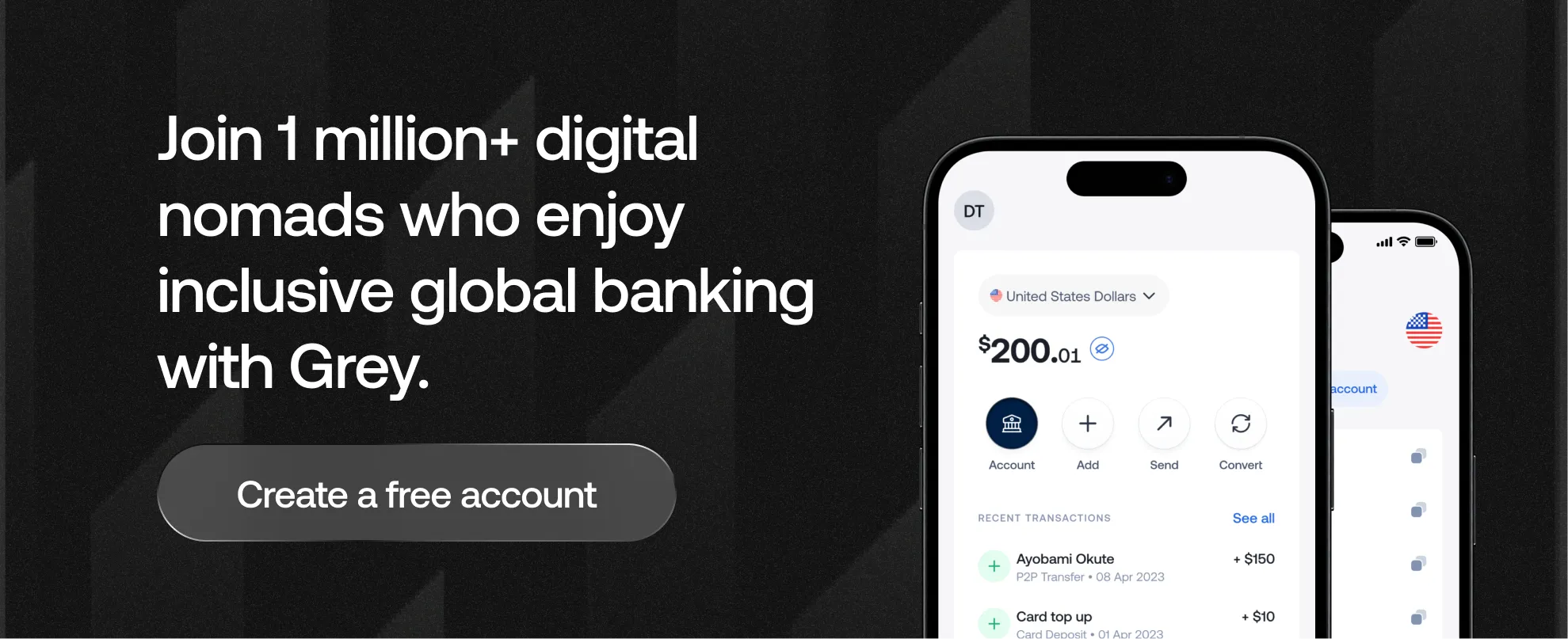
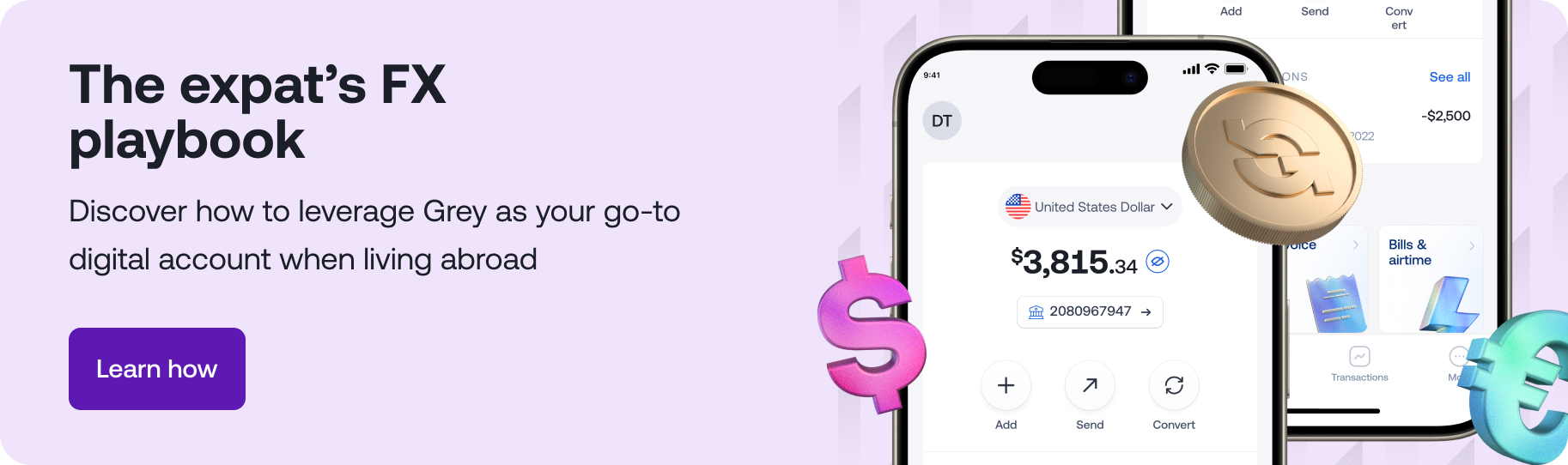
Grey changed how I think about receiving international payments. Instead of forcing every payment through traditional banking infrastructure with all its fees and delays, Personal Grey provides virtual EUR, GBP, and USD accounts with proper banking details that clients can pay into directly. And if you want the perks of a business account with bulk payouts, you can also create that.
Here’s how it works in practice: when a client needs to pay me in USD, I give them my Grey USD account details. From their perspective, they’re making a simple USD bank transfer to a European account.
I hold the EUR in my Grey account until I’m ready to convert it, so when rates are good, I convert.
For Moroccan businesses that receive regular payments from overseas clients, this structure makes a significant difference. You’re not losing 4-6% to fees and poor exchange rates on every transaction. You control the timing of currency conversion. Payments arrive faster, predictably, and with full transparency about costs.
Grey isn’t replacing your Moroccan bank account; rather, it’s a layer that sits alongside it, handling the complexity of international payments so your local bank can focus on local operations.
LDMAG1
I’ve watched Moroccan businesses build incredible products and services for international markets. They compete globally and win clients against companies worldwide. But too many still lose significant money simply because their payment infrastructure wasn’t designed for the global reality of their business.
Efficiently receiving overseas payments directly affects your profitability.
The good news is you don’t have to accept this as inevitable. Better infrastructure exists. Services designed specifically for cross-border payments can save you significant money whilst reducing administrative headaches.
If you’re running a Moroccan business with overseas customers, treat your payment infrastructure as seriously as you do your product, marketing, or client relationships. Because getting paid properly is part of running a successful global business.
Open your Grey business account today and start receiving overseas payments the way they should work, without losing the money you’ve already earned.


.svg)
Back to top
