<script type="application/ld+json" data-schema-version="grey-blog-v4"> [{"@context":"https://schema.org","@type":"BlogPosting","@id":"https://grey.co/blog/top-paypal-and-payoneer-alternatives-for-freelancers-in--mexico#article","headline":"Top PayPal and Payoneer alternatives for freelancers in Mexico","description":"Discover the top PayPal and Payoneer alternatives for freelancers in Mexico","inLanguage":"en","url":"https://grey.co/blog/top-paypal-and-payoneer-alternatives-for-freelancers-in--mexico","mainEntityOfPage":{"@id":"https://grey.co/blog/top-paypal-and-payoneer-alternatives-for-freelancers-in--mexico#webpage"},"datePublished":"2025-02-28T22:55:00.428Z","dateModified":"2026-06-15T15:06:22.273Z","author":{"@type":"Person","@id":"https://grey.co/authors/adeolu-titus-adekunle#person","name":"Adeolu Titus Adekunle","url":"https://grey.co/authors/adeolu-titus-adekunle","jobTitle":"Content Writer","sameAs":["https://www.linkedin.com/in/titusadeoluadekunle/"]},"publisher":{"@type":"Organization","@id":"https://grey.co/#organization","name":"Grey","url":"https://grey.co","logo":{"@type":"ImageObject","url":"https://cdn.prod.website-files.com/6360022338a81bd6fdbb1145/6564ae1077a67e39d3c491a6_Grey%20Logo%20Lockup%20Black.svg"}},"image":{"@type":"ImageObject","@id":"https://grey.co/blog/top-paypal-and-payoneer-alternatives-for-freelancers-in--mexico#primaryimage","url":"https://cdn.prod.website-files.com/636a85d290ee58e70c17e1c0/6a3014ee888da5e750d28f7b_6a3014ede0b7db6d54d3176d_top-paypal-and-payoneer-alternatives-for-freelancers-in--mexico__header-image.webp","contentUrl":"https://cdn.prod.website-files.com/636a85d290ee58e70c17e1c0/6a3014ee888da5e750d28f7b_6a3014ede0b7db6d54d3176d_top-paypal-and-payoneer-alternatives-for-freelancers-in--mexico__header-image.webp","width":1200,"height":675}},{"@context":"https://schema.org","@type":"WebPage","@id":"https://grey.co/blog/top-paypal-and-payoneer-alternatives-for-freelancers-in--mexico#webpage","url":"https://grey.co/blog/top-paypal-and-payoneer-alternatives-for-freelancers-in--mexico","name":"Top PayPal and Payoneer alternatives for freelancers in Mexico","description":"Discover the top PayPal and Payoneer alternatives for freelancers in Mexico","inLanguage":"en","primaryImageOfPage":{"@id":"https://grey.co/blog/top-paypal-and-payoneer-alternatives-for-freelancers-in--mexico#primaryimage"},"breadcrumb":{"@id":"https://grey.co/blog/top-paypal-and-payoneer-alternatives-for-freelancers-in--mexico#breadcrumb"}},{"@context":"https://schema.org","@type":"BreadcrumbList","@id":"https://grey.co/blog/top-paypal-and-payoneer-alternatives-for-freelancers-in--mexico#breadcrumb","itemListElement":[{"@type":"ListItem","position":1,"name":"Home","item":"https://grey.co/"},{"@type":"ListItem","position":2,"name":"Blog","item":"https://grey.co/blog"},{"@type":"ListItem","position":3,"name":"Top PayPal and Payoneer alternatives for freelancers in Mexico","item":"https://grey.co/blog/top-paypal-and-payoneer-alternatives-for-freelancers-in--mexico"}]},{"@context":"https://schema.org","@type":"ItemList","@id":"https://grey.co/blog/top-paypal-and-payoneer-alternatives-for-freelancers-in--mexico#list","name":"Top PayPal and Payoneer alternatives for freelancers in Mexico","numberOfItems":5,"itemListElement":[{"@type":"ListItem","position":1,"name":"Grey","url":"http://grey.co"},{"@type":"ListItem","position":2,"name":"Wise"},{"@type":"ListItem","position":3,"name":"Revolut"},{"@type":"ListItem","position":4,"name":"Skrill"},{"@type":"ListItem","position":5,"name":"Western Union"}]}] </script>

Top PayPal and Payoneer alternatives for freelancers in Mexico

Adeolu Titus Adekunle

TABLE OF CONTENT

SHARE THIS POST

Mexico’s thriving freelance ecosystem has seen a significant surge in recent years. Many freelancers are doing well in software development, content creation, graphic design, and digital marketing. The shift towards remote work in Mexico has improved collaboration with international clients. This has broadened opportunities and access to the global market.

However, managing cross-border payments remains a challenge. While PayPal and Payoneer are popular choices, they are not always the most cost-effective or efficient solutions for receiving international payments. High fees, unfavourable exchange rates, and processing delays can impact freelancers’ earnings and cash flow.

This article explores the top PayPal and Payoneer alternatives for freelancers in Mexico, offering secure, fast, and affordable international money transfer solutions.

Challenges of cross-border payments for Mexican freelancers

Freelancers in Mexico often face several hurdles when handling international transactions, including:

  • High transfer fees – Many traditional banks and payment platforms charge substantial fees for cross-border transfers.
  • Currency exchange fluctuations – Shifts in exchange rates can reduce earnings when converting foreign payments into pesos.
  • Delayed processing times – Some transactions take days to process, affecting cash flow, especially during emergencies.
  • Limited access to payment platforms – Not all services support the Mexican peso, complicating payment processes with global clients.

Best PayPal and Payoneer alternatives for freelancers in Mexico

1. Grey (Recommended)

Grey offers virtual accounts in USD, GBP, and EUR, allowing freelancers to receive international payments directly. It provides competitive exchange rates and fast, secure transactions, ensuring access to earnings without excessive fees. Grey also supports instant virtual USD cards for online payments and integrates seamlessly with popular freelancing platforms like Upwork, Fiverr, and Toptal.

2. Wise

Wise is a strong contender, providing multi-currency accounts with local bank details in various countries. It offers transparent fees, real-time exchange rates, and quick processing times, making it an ideal choice for freelancers dealing with international clients.

3. Revolut

Revolut is widely used by digital nomads and freelancers globally. It features competitive exchange rates, multi-currency accounts, and secure transactions. Freelancers can also benefit from its virtual card services for online payments.

4. Skrill

Skrill facilitates fast money transfers and currency conversions. It offers lower fees compared to PayPal and provides a prepaid Mastercard for easy spending, which is particularly useful for freelancers managing international payments.

5. Western Union

Western Union remains a viable option for freelancers who prefer direct cash withdrawals. Though it offers widespread accessibility and cash pickup services, its fees tend to be higher than those of digital alternatives.

Read also: How to manage multiple currencies as an expatriate in Mexico using Grey

Why Grey is the best choice for Mexican freelancers

Grey stands out among the alternatives due to its:

  • Multi-currency accounts – Manage earnings in USD, GBP, and EUR without conversion fees.
  • Competitive exchange rates – Convert currencies at favourable rates.
  • Integration with freelancing platforms – It is compatible with Upwork, Fiverr, Toptal, and more.
  • Instant virtual USD cards – Make online payments securely.
  • Fast and reliable transfers – Avoid long delays when receiving payments.

How to get started with Grey

Enter your details and choose Mexico as your country of residence.

  • Verify your identity

Submit a valid passport or national ID along with proof of address.

  • Request foreign currency accounts

Choose USD, GBP, or EUR to set up your virtual accounts.

  • Use your Grey account for freelancing payments

Receive payments, convert currencies at competitive rates, and withdraw funds easily.

Seamless international transactions with Grey

For freelancers in Mexico, choosing the right money transfer platform is essential for efficient financial management. Grey offers a comprehensive solution with multi-currency support, low fees, and seamless international transactions. Sign up on Grey today to optimise your freelancing payments and boost your earnings.

Last updated:

October 13, 2026

Open a free Grey account to get startedJoin 1 million digital nomads
IF YOU ENJOYED THIS, CHECK THESE OUT

How to send USD to a Nigerian domiciliary account

•

•

2 min read

Most of the information you’ll find online on sending money to Nigeria will most likely focus on naira delivery. But that’s not what you need if the recipient has a domiciliary account and wants to receive USD without converting to naira.

A Nigerian domiciliary account holds foreign currency, typically US dollars, without forcing an immediate conversion. Sending USD to one keeps that option in the recipient’s hands. It’s a decent choice for freelancers holding dollar savings, importers managing USD expenses, or anyone who wants to preserve dollar value rather than convert at a potentially unfavourable rate.

The mechanics of getting USD from a US bank account into a Nigerian domiciliary account are specific. You need to understand the required details, the fees you’ll encounter, and the mistakes that cause transfers to fail or arrive short before you send. For a broader overview of receiving dollar income in Nigeria, see our guide on how to receive US dollars in Nigeria and the options available for opening a Nigerian dollar account.

What is a domiciliary account?

A domiciliary account, also commonly called a dom account, is a bank account held at a Nigerian commercial bank that stores foreign currency without converting it to naira. The Central Bank of Nigeria (CBN) permits individuals and businesses to hold certain foreign currencies in domiciliary accounts at licensed Nigerian banks.

The key distinction from a standard naira savings account is that funds credited to a domiciliary account remain in the foreign currency in which they were credited. The account holder decides when and whether to convert, and at what rate. This matters because the naira has historically depreciated against major currencies, and holding USD can protect against the value erosion of naira conversions.

Domiciliary accounts are the primary mechanism by which Nigerians receive international SWIFT wire transfers in USD. CBN’s foreign exchange regulations require that inbound USD transfers be credited to a domiciliary account or converted to naira at the official rate. If a sender directs a USD wire to a standard naira account, the bank will convert it on arrival. If the recipient wants the money to remain in USD, the wire must be sent to the domiciliary account number, not the naira account number.

Both the naira and domiciliary accounts exist at the same bank for the same person and may look similar. They are different accounts with different account numbers. Confirm the domiciliary account number explicitly with the recipient before initiating the wire.

How to send USD via SWIFT wire: step by step

A SWIFT wire from a US bank to a Nigerian domiciliary account requires specific information, and if you miss any, it can cause delays, returns, or the transfer landing in the wrong account.

Step one: Collect the recipient’s domiciliary account details.

You need all of the following:

  • Recipient’s full legal name, exactly as registered with the Nigerian bank
  • The domiciliary account number (not the naira account number)
  • The bank name and branch address
  • The bank’s SWIFT code

The SWIFT codes for some major Nigerian banks are as follows: Access Bank: ABNGNGLA, GTBank (Guaranty Trust Bank): GTBINGLA, Zenith Bank: ZEIBNGLA, First Bank of Nigeria: FBNINGLA, United Bank for Africa (UBA): UNAFNGLA, Stanbic IBTC Bank: SBICNGLX, Ecobank Nigeria: ECOCNGLA, Fidelity Bank: FBNKNGLA, FCMB (First City Monument Bank): FCMBNGLA.

Always verify the SWIFT code directly with the recipient’s bank before initiating a high-value transfer, as branch-specific codes sometimes differ from the head office code.

Step two: Initiate the wire transfer at your US bank.

Log in to your online banking or visit a branch. Navigate to international wire transfers. Enter the recipient’s details: full name, domiciliary account number, bank name, branch address, and SWIFT code. Specify USD as the transfer currency. Nigeria is a USD-only wire destination at Bank of America; Bank of America requires international wires to Nigeria to be sent in US dollars due to local regulations, and foreign currency transfers are not available to this destination.

Step three: Select your charge instruction.

Depending on your bank, you may be asked whether to use SHA (shared charges) or OUR (sender pays all). Under SHA, correspondent bank fees are deducted from the transfer amount in transit, meaning the recipient receives less than what you send. Under OUR, you pay all correspondent fees upfront, and the recipient receives the full amount. For transfers where the recipient needs a specific USD amount, OUR is the right choice. For transfers where the fee deductions are acceptable, SHA is the standard default.

Step four: The wire routes through the SWIFT network.

Not all US banks have direct correspondent relationships with Nigerian banks. A US-to-Nigeria wire might involve two or three correspondent bank hops due to limited direct banking relationships. Each correspondent bank in the chain processes and forwards the payment, and under SHA, each one can deduct a fee from the transfer amount before forwarding the remainder.

Step five: The money arrives in the domiciliary account.

SWIFT transfers to Nigeria typically take one to three business days. Large transfers may be held for CBN compliance review, which can extend the timeline. Once that is cleared, the USD is credited to the domiciliary account and remains in dollars until the account holder decides to convert or withdraw.

What a SWIFT wire really costs

The posted fee at your US bank is not the full cost of a SWIFT wire to Nigeria. Three fee layers stack on every transfer.

Layer one: Your US bank’s outgoing wire fee
A 2026 NerdWallet survey reported a median outgoing international wire transfer fee of $45, with major US banks charging $35 to $50 per send. Chase charges $40 online for USD wires. Bank of America charges $35 for online transfers. Wells Fargo charges $25 to $45, depending on account type.

Layer two: Correspondent bank deductions in transit
Correspondent banks that relay the payment along the SWIFT chain can each deduct $10 to $30 in fees from the transferred amount before it reaches its destination. On a US-to-Nigeria wire routed through two correspondent banks, that’s $20 to $60 deducted from the transfer amount. Neither you nor the recipient is notified of these deductions in advance.

Layer three: The Nigerian receiving bank’s incoming wire fee
Nigerian banks charge an inbound wire fee on SWIFT receipts. This is typically deducted from the funds upon arrival before they are credited to the domiciliary account.

Here’s what this looks like on real transfers:

$500 transfer $5,000 transfer
US bank outgoing wire fee $40 $40
Correspondent bank deductions (estimated) $30–$50 $30–$50
Nigerian receiving bank fee $10–$15 $10–$15
Total fees $80–$105 $80–$105
As a percentage of transfer 16–21% 1.6–2.1%
USD received in domiciliary account $395–$420 $4,895–$4,920

‍

Also read: Sending USD from Nigeria to the USA: Step-by-step guide

Cheaper alternatives to a SWIFT wire transfer

For smaller or regular payments, the SWIFT route is difficult to justify. Here are the practical alternatives and when each one makes sense.

Multi-currency accounts (the recommended alternative for most senders)

Platforms like Grey provide USD accounts with US routing numbers and account numbers that senders can use to pay as a standard domestic US transfer, with no SWIFT correspondent chain involved.

The sender pays via ACH from their US bank account to a US account number. The money arrives in the recipient’s Grey USD balance without correspondent bank deductions. The recipient then controls when to convert or hold the USD. Multi-currency fintech accounts route payments through their own infrastructure rather than the SWIFT correspondent chain.

Grey’s deposit fee via ACH is 0.8%, capped at $10. On a $500 transfer, the fee is $4. On a $5,000 transfer, the fee is $10. Currency conversion is charged at 1% capped at $6 when the recipient converts to naira.

Stablecoin route

Some senders use USDC to move dollar value to Nigeria. The sender buys USDC on a US-licensed exchange, transfers to the recipient’s wallet address, and the recipient converts to USD or naira via a licensed Nigerian platform. This route avoids SWIFT entirely and can be faster, but requires both parties to be comfortable with crypto infrastructure and introduces volatility risk if either party converts at an unfavourable moment.

When SWIFT is still the right choice

If the recipient holds a domiciliary account and wants to receive funds in dollars without naira conversion, a bank wire is one of the most practical routes. SWIFT confirmations from US banks carry institutional credibility that other receipts may not in certain legal contexts. Nigerian property lawyers, courts, and some financial institutions require a bank-generated wire confirmation to authenticate a large transfer.

For transfers above $5,000 where the fixed fees are a small percentage, for institutional or legal documentation requirements, and for recipients who specifically need a SWIFT credit advice from a Nigerian bank, the traditional wire remains appropriate.

Sending USD to Nigeria with Grey

Grey provides a USD account with real US banking details, including a routing number and an account number issued by Grey's partner bank. Senders in the US use these details to pay as if they were paying any domestic US account. The payment goes out as a standard ACH transfer, bypasses the SWIFT correspondent chain entirely, and arrives in the recipient’s Grey USD balance within one to two business days.

For the recipient, the USD sits in their Grey account and can be held, converted to naira at a rate shown before confirmation, or used directly for USD-denominated expenses via the Grey virtual card.

The practical comparison on a $500 transfer: SWIFT costs $80 to $105 in stacked fees, leaving the recipient with $395 to $420. Grey costs $4 on the deposit, leaving the recipient with $496. On a monthly transfer of $500, that’s a difference of approximately $900 per year.

For senders who regularly send money to Nigeria with Grey, providing the Grey USD account details to the sender once removes all SWIFT complexity.

For those evaluating their full range of options, see our guide on sending money from the US for a broader comparison of methods and costs on the US-to-Nigeria corridor.

Send USD to Nigeria with Grey

Frequently asked questions on how to send USD from the USA to a Nigerian domiciliary account

Can I send USD to a Nigerian domiciliary account from the US?

Yes. A USD SWIFT wire from any US bank to a Nigerian domiciliary account is the standard method for sending dollars that land in Nigeria and remain there as dollars. You need the recipient’s domiciliary account number (not their naira account number), their bank’s SWIFT code, and the bank’s branch address. Alternatively, if the recipient holds a Grey USD account, you can send via ACH as a domestic US transfer, which avoids the SWIFT fee chain entirely.

How much does a SWIFT wire to a Nigerian domiciliary account cost?

Sending USD to a Nigerian domiciliary account via SWIFT can cost up to $60 to $100 in stacked fees across the three layers: the US bank’s outgoing wire fee ($35 to $50), correspondent bank deductions in transit ($10 to $30 per bank), and the Nigerian receiving bank’s incoming wire fee. These fees apply regardless of the transfer amount, which is why SWIFT wires only make financial sense on larger transfers where the fixed cost is a small percentage of the total.

How long does a SWIFT wire to Nigeria take?

SWIFT transfers to Nigeria typically take one to three business days after the US bank initiates the transfer. Large transfers may be held for CBN compliance review, which can extend the timeline. Transfers initiated late in the US banking day or on Fridays may not begin processing until the following business day. Grey ACH transfers to a US account number typically arrive in one to two business days.

Is there a cheaper way to get USD into Nigeria without using SWIFT?

Yes. A USD account through a multi-currency platform like Grey receives ACH transfers from US senders at a fraction of the cost of SWIFT transfers. Grey’s deposit fee is 0.8%, capped at $10, compared to $60-$100 in SWIFT fees for the same transfer. The tradeoff is that the USD lands in a Grey account rather than a Nigerian bank domiciliary account. For recipients who need SWIFT credit advice from a Nigerian bank for legal or institutional purposes, traditional wire transfers remain necessary. For everyday dollar receipts, the ACH route through Grey is significantly cheaper.

Grey charges fees on deposits, conversions, and withdrawals. Deposits via ACH incur a 0.8% fee (minimum $2, maximum $10). Currency conversions are charged at 1%, capped at $6. Withdrawal fees vary by currency: ₦35 for NGN. Exchange rates are variable and include a margin over the mid-market rate. Always review fees and the rate before confirming a transaction.
How to send money to Canada as a freelancer

•

•

2 min read

I recently had a reason to send money to Canada.

A close friend of mine in Canada just had a baby, and like most people living far away from the loved ones, I wanted to show up in the way I could. In my case, that meant sending money as a gift.

I’m a freelancer earning in US dollars, so I assumed it would be a simple process. Convert USD to CAD, send the amount I wanted (in my case, CAD 500), done.

But once I started looking into it, I realised it wasn’t so simple. Between different transfer methods, exchange rates, fees, and how money actually moves within Canada, what I thought would take a few minutes turned into actual research.

So if you’re trying to send money to Canada, here’s what I learned and how to do it without losing more than you should.

Why some transfers to Canada cost more than others

If you earn in USD, GBP, or EUR, sending money to Canada involves two key decisions at once: how you convert your money and how you deliver it.

That’s where costs start to build.

For a CAD 500 transfer, the main variables are:

  • Exchange rate markup (often around 2–4%)
  • Transfer fees (flat or percentage-based)
  • Delivery route (local vs international)

Even small differences matter. A 3% markup on the exchange rate already means about CAD 15 lost before any visible fee is applied.

How money actually gets to Canada

When you send money internationally, it moves through different systems before reaching the recipient.

Traditional transfers rely on global banking networks, which can involve multiple intermediaries. Each step can affect speed and cost.

Canada also has a local system, Interac e-Transfer, which allows funds to move directly between bank accounts, often within minutes.

Transfers that connect to local systems tend to be faster and more efficient. Others rely on longer routes that take more time and may involve additional costs.

Top methods to send CAD to Canada (compared)

There are several ways to send money to Canada, but they don’t all work the same way. The differences come down to pricing, exchange rates, and how the money is delivered.

Here’s how the main options compare.

PayPal

PayPal is often the first option freelancers try, especially if they already use it to receive payments.

It’s widely available and quick to set up, but international transfers follow a different cost structure.

When sending money to Canada, PayPal typically applies:

  • A currency conversion markup (around 3–4%)
  • Additional fees depending on how the payment is funded

Part of the cost is built into the exchange rate, which makes the total less visible upfront.

Typical cost (CAD 500):

Around CAD 15–30

How it compares to alternatives:

Compared to platforms like Wise or Remitly, PayPal tends to have higher overall costs for currency conversion.

It’s familiar and easy to use, but not the most cost-efficient option for sending money to Canada.

Wise and similar transfer platforms

Wise is one of the most widely used alternatives for international transfers, particularly because of its pricing transparency and exchange rates that are closer to the market rate.

Other platforms in this category include Remitly, WorldRemit, and OFX.

These services generally follow the same structure:

  • You fund the transfer in USD, GBP, or EUR
  • The platform converts it to CAD
  • The money is delivered to the recipient in Canada

Typical cost (CAD 500):

Around CAD 3–10 depending on provider and speed

What stands out in this category:

  • Clearer pricing compared to PayPal
  • Lower exchange rate markups
  • Faster delivery than traditional bank transfers

What to keep in mind:

  • Fees can vary depending on payment method
  • Some platforms charge more for faster delivery options

It’s a reliable category for international transfers, especially if you want visibility into costs before sending.

Multi-currency platforms for freelancers

Platforms like Payoneer are designed for freelancers and businesses managing income across different currencies.

They allow you to:

  • Receive payments in USD, GBP, or EUR
  • Hold balances without immediate conversion
  • Convert and send funds when needed

Other platforms in this category include Revolut and Skrill.

Typical cost (CAD 500):

Around CAD 5–15 depending on how funds are converted and sent

What stands out in this category:

  • Useful for managing international income
  • Reduces the need for constant currency conversions
  • Combines multiple financial actions in one platform

What to keep in mind:

  • Exchange rates and fees vary depending on usage
  • Sending to Canada may still rely on international transfer routes

This is well-suited for managing earnings, but not always the most efficient option for sending money to Canada.

Grey (built for sending to Canada)

With Grey, the process is structured around people who already operate across currencies and need to move money internationally.

You can:

The main difference is how the funds are delivered:

  • Interac transfer - usually completed within minutes, CAD 3 fee
  • Bank transfer - typically completed within 1 business day, CAD 2.50 fee

Typical cost (CAD 500):

Around CAD 2.50–3 plus exchange rate

What stands out in this category:

  • Flat, predictable fees
  • Access to local Canadian transfer methods
  • Faster delivery compared to international routes

What to keep in mind:

  • Delivery method affects timing (instant vs next business day)

Grey is a strong option for freelancers who want to control both cost and delivery speed when sending money to Canada.

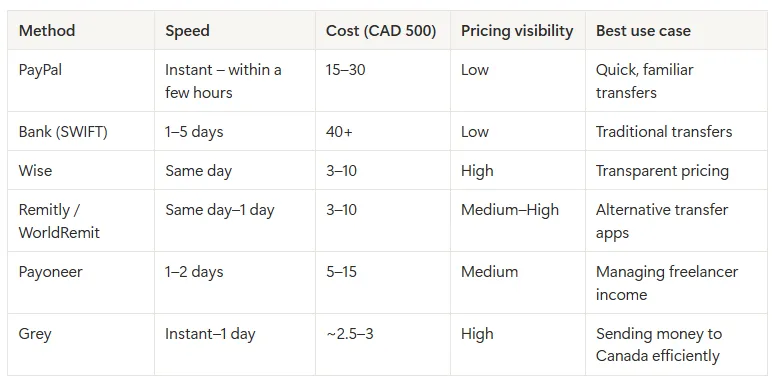
Side-by-side comparison: fees and speed

Table comparing payment methods to send money to Canada

What actually changes the total cost of your transfer

Looking across all methods, three factors consistently determine how much you spend:

  • The exchange rate applied
  • The type of fee (flat vs percentage)
  • The route the money takes into Canada

Reducing unnecessary conversions and avoiding percentage-based fees tends to lower the overall cost.

Why use Grey to send money to Canada?

For freelancers earning in foreign currencies, Grey brings the key elements together in one place.

It allows you to manage multiple currencies, convert when needed, and send money to Canada using delivery methods that prioritise speed or cost depending on your preference.

Grey is also registered with FINTRAC, which means it operates under Canadian financial regulations.

This combination of multi-currency access, clear pricing, and local delivery options makes it particularly relevant for this type of transfer.

How to send money to Canada using Grey

If you’re sending money to Canada through Grey, there are two main ways the funds can be delivered, and each affects speed and cost.

Grey allows you to send CAD to Canada in two ways:

  • Bank transfer: Send directly to any Canadian bank account (personal or business)
  • Interac transfer: Send via Interac, a real-time bank-to-bank system widely used across Canada

The main difference comes down to speed and preference. Interac transfers are typically completed almost instantly, while bank transfers are usually processed within one business day.

What you need before sending

To complete a transfer, you’ll need your recipient’s details. These may vary slightly depending on the method, but generally include:

  • Full name (first and last name)
  • Address
  • Bank details (institution number, transit number, and account number)
  • City and postal code

How the process works

Once your balance is funded, sending money follows a simple flow:

  1. Log in to your account
  2. Select the balance you want to send from (USD, EUR, GBP, or NGN)
  3. Click “Send” and choose your method (bank transfer or Interac)
  4. Add a new recipient or select an existing one
  5. Enter the amount in CAD
  6. Confirm the transfer using your authentication method

After confirmation, the delivery time depends on the method you selected.

This flexibility allows you to prioritise either speed or slightly lower cost depending on the situation.

What I learned trying to send money to Canada

When you break the process down, the differences between transfer methods become easier to evaluate.

For a CAD transfer, most of the variation comes from exchange rates, fee structures, and how the money is delivered in Canada. Once those factors are clear, it becomes easier to choose a method that fits your priorities, whether that is speed, cost, or simplicity.

If you’re already working across currencies and need a reliable way to send money to Canada, opening a free Grey account can help you manage both conversion and transfers in one place.

FAQs about sending money to Canada

What is the best way to send CAD to Canada?

The best option is usually a platform with low exchange rate markup and flat fees, especially one that connects to local Canadian systems like Interac. This helps reduce both conversion costs and transfer fees.

What details do I need to send money to Canada?

To send money to Canada, you’ll usually need the recipient’s full name and either their bank details (institution number, transit number, and account number) or basic contact information if the transfer is sent through local systems like Interac.

How long does it take to send money to Canada?

It depends on the method used:

  • SWIFT transfers: 1–5 business days
  • Online transfer platforms: same day or within 24 hours
  • Interac transfers: often within minutes

Why do I lose money when converting currencies?

Most providers apply a markup to the exchange rate. Even a small difference from the real rate can increase the total cost of your transfer, especially if multiple conversions are involved.

How much does it cost to send CAD 500 to Canada?

Costs vary by provider:

  • PayPal: around CAD 15–30
  • Banks: CAD 40 or more
  • Wise and similar platforms: CAD 3–10
  • Grey:  $2.50 per transfer via bank transfer, and $3 CAD per transfer via Interac.

Is Grey safe to use?

Yes. Grey is registered with FINTRAC, Canada’s financial intelligence agency responsible for monitoring transactions and ensuring compliance with anti-money laundering regulations.

‍

How to convert and send USD to Ugandan Shillings (UGX) online

•

•

2 min read

Managing cross-border payments doesn’t have to be complicated. Whether you’re a freelancer, remote worker, or supporting family in Uganda, converting USD to Ugandan Shilling (UGX) can be quick, secure, and hassle-free with Grey.

This guide shows you how to easily convert and send USD to UGX online, highlighting key benefits, costs, and tips for seamless transactions.

Why use Grey to convert and send USD to UGX?

Grey is a digital banking platform designed for global citizens who want to manage multiple currencies easily. Here’s why Grey is an excellent choice for converting and sending USD to UGX:

  • Competitive exchange rates: Grey offers real-time rates to ensure you get the most value when converting USD to UGX.
  • Low fees: Avoid the high conversion and transfer fees associated with traditional banks.
  • Quick transfers: Funds are processed quickly, ensuring your recipients get the money without delays.
  • User-friendly platform: Grey’s app and website are designed to make international transactions simple and accessible for everyone.

Exchange rates fluctuate for various reasons, so we’ve designed a handy, real time currency converter for you.

Also read: How to convert and send USD with Grey

How to convert and send USD to UGX with Grey

1. Create your Grey account

First, sign up for a free Grey account via the website or app, available on iOS and Android. Registration is straightforward and requires you to:

  • Provide basic personal information.
  • Verify your identity by uploading the required documents.
  • Set up your virtual wallet for multiple currencies, including USD.

2. Add USD to your Grey account

Once your account is active, deposit USD into your Grey wallet. You can do this in several ways:

  • Bank transfer: Link your USD bank account and transfer funds directly.
  • Freelance platforms: Receive payments from platforms like Upwork or Fiverr directly into your Grey USD wallet.
  • Wire transfers: Accept payments from international clients or businesses.

With USD in your account, you can convert it into UGX.

3. Convert USD to Ugandan Shilling with Grey

Follow these steps to convert your USD to UGX:

  1. Log into your account: Open the Grey app or website and sign in.
  2. Navigate to currency exchange: Select the “Convert” option from the dashboard.
  3. Choose currencies: Select USD as the source currency and UGX as the destination currency.
  4. Enter the amount: Specify the amount of USD you want to convert.
  5. Confirm the transaction: Review the exchange rate, fees, and total amount in UGX, then click “Convert.” The converted funds will appear in your UGX wallet instantly.

4. Send UGX to your recipient

Once your USD is converted to UGX, it’s time to transfer the funds to your recipient in Uganda. Here’s how:

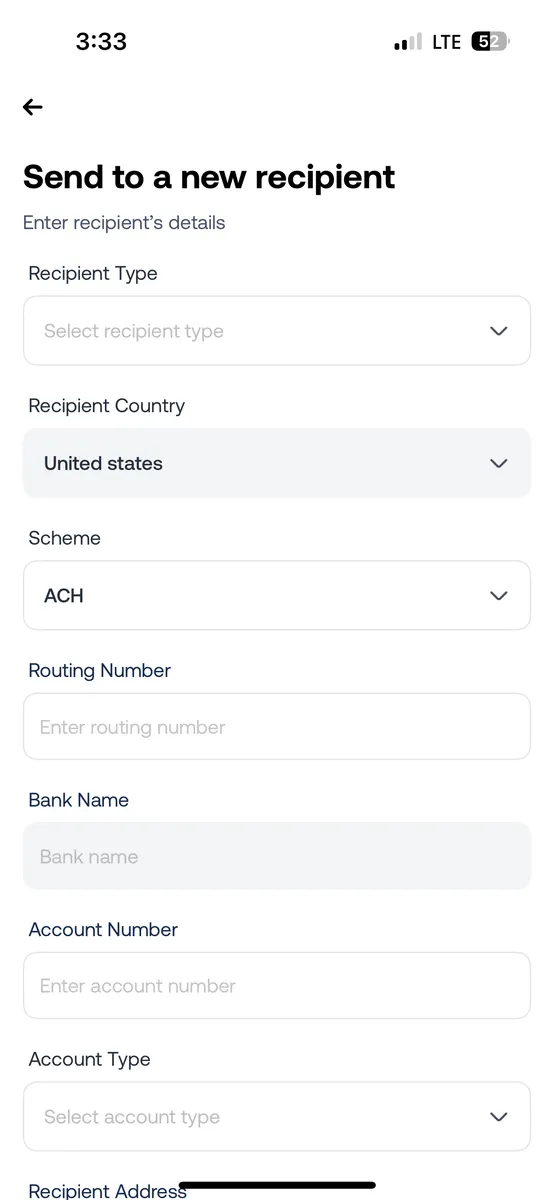
1. Navigate to the Send Money section: Choose the “Send” option in the Grey app.

676ec441190ed0b08ba00d26 676ebd9e62b40f1197672db7 send us dollars grey 6

2. Enter the recipient’s details: Add the recipient’s bank account or wallet information. You can also send funds to another Grey user.

676ec442190ed0b08ba00d42 676ebd4d245072006253a99c send us dollars grey 4

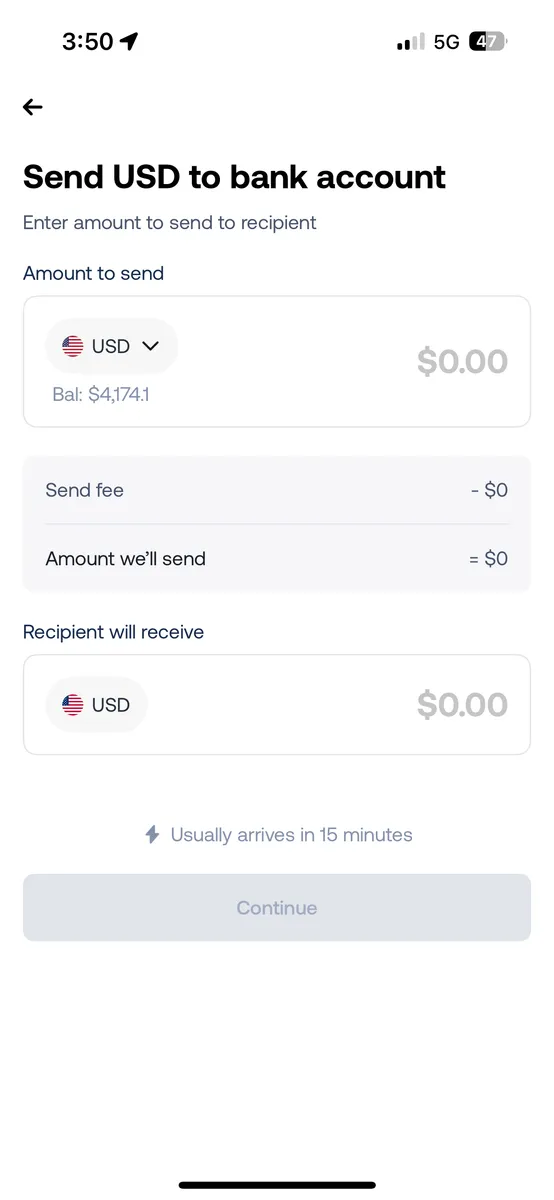
3. Choose the amount to send: Enter the amount in USD or your currency (e.g., EUR).

676ec442190ed0b08ba00d3f 676ec3b94c9821344d4d5d63 IMG 0368

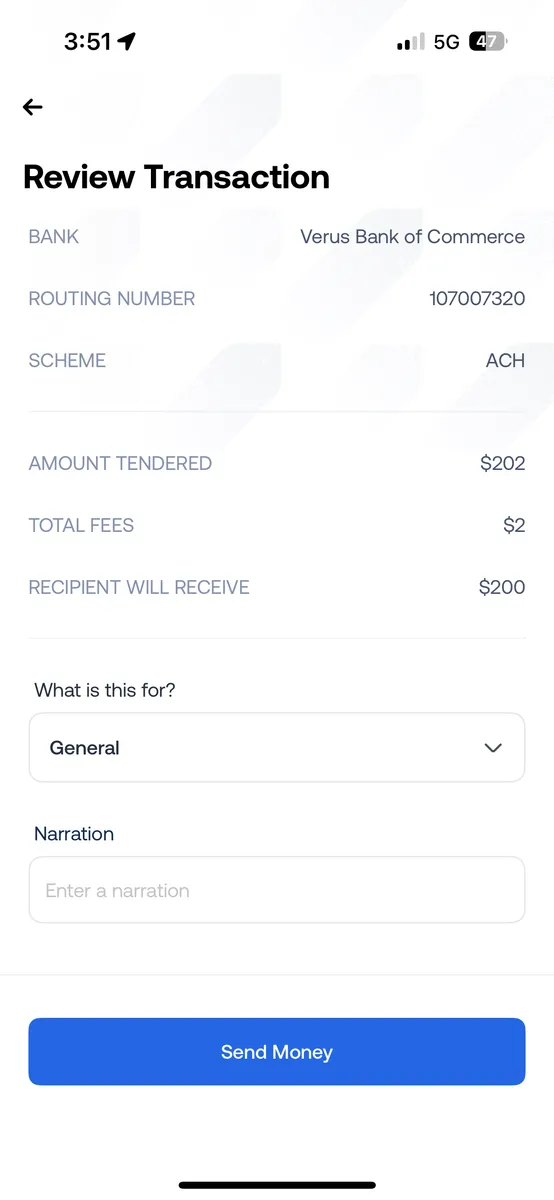
4. Review fees and exchange rates: Grey will estimate the fees and exchange rates so you know exactly how much the recipient will receive.

676ec442190ed0b08ba00d79 676ec3c426d44aa2a43d7fc8 IMG 0370

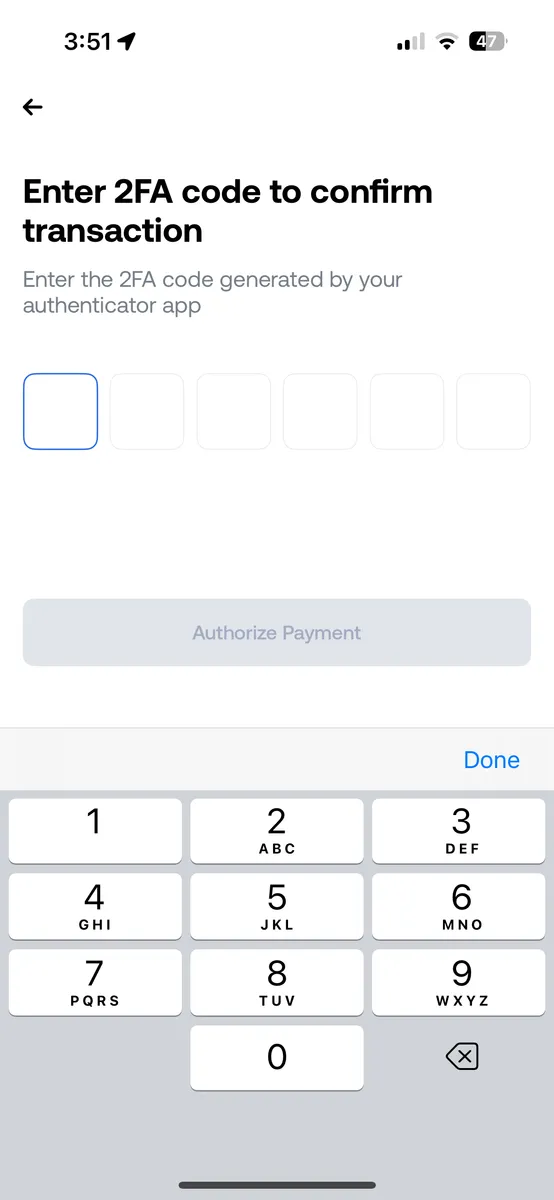
5. Complete the transaction: Confirm the details and authorise the payment. The recipient typically receives the funds in minutes to a few hours, depending on the payment method.

676ec442190ed0b08ba00d45 676ec3d1138ab1eb14571c89 IMG 0371

‍

‍You may also like: How to convert and send USD to TZS online

Key tips for converting and sending USD to UGX

  1. Monitor exchange rates: Keep an eye on the exchange rate to convert your funds at the best possible time.
  2. Double-check recipient details: Ensure the accuracy of bank account or mobile wallet information to avoid delays.
  3. Use Grey’s multi-currency wallets: Store USD and UGX in your Grey account to avoid frequent conversions and save on fees.
  4. Track your transactions: Grey offers a transaction history feature to easily track conversions and transfers.

Why Grey is the best option for USD to UGX transfers

Grey stands out as a reliable and cost-effective platform for handling international payments. Here’s why it’s a top choice:

  • Speed: Transfers are processed faster than most traditional banks, so your recipients get their money quickly.
  • Savings: With low fees and competitive exchange rates, you keep more of your hard-earned money.
  • Flexibility: Manage multiple currencies from one account and send funds anytime, anywhere.
  • Security: Grey prioritises secure transactions, giving you peace of mind.

Take control of your cross-border payments with Grey

Converting and sending USD to Ugandan Shilling has never been easier. Whether supporting family, paying vendors, or managing personal finances, Grey’s seamless platform saves you time, money, and effort.

Ready to simplify your financial transactions? Sign up with Grey today and enjoy a hassle-free way to convert and send USD to UGX online.

‍

How to convert and send US dollars (USD) with Grey

•

•

2 min read

As a digital nomad your finances should work as flexibly as you do. With Grey, converting and sending USD becomes effortless, no matter where you are. From managing payments with US clients to handling multiple income streams, Grey makes accessing and transferring your funds quick, affordable, and hassle-free.

In this guide, we’ll walk you through effortlessly converting and sending US dollars with Grey, revealing how to maximise savings, cut through complexity, and make global financial management a breeze.

Why Grey is perfect for sending and converting US dollars

Managing your finances can be challenging, especially when working with clients or employers in different currencies. Whether you’re based in Asia, Europe, or anywhere else, having a platform that supports multi-currency accounts and provides transparent exchange rates is essential.

Grey offers several advantages for digital nomads and remote workers:

  • Multi-currency accounts: Grey lets you hold and manage funds in multiple currencies, including USD, EUR, GBP, and more, making it easy to convert and send money.
  • Low fees and competitive rates: Grey provides low conversion fees and competitive exchange rates, ensuring that more of your earnings stay with you.
  • Global accessibility: Whether in Bali, Mexico, or Spain, Grey’s mobile app allows you to manage your finances anywhere with an internet connection.
  • Seamless transfers: Sending USD or any other currency is fast and simple. Grey allows instant transfers to various bank accounts and wallets globally.
  • Easy account integration: You can link your Grey account to platforms like Amazon, freelance job sites, and other payment systems, simplifying the process of receiving and sending payments.

Exchange rates often fluctuate for several reasons, so we’ve created a special currency converter for you.

The benefits of converting and sending USD with Grey

Before diving into the conversion and sending process, let’s take a moment to explore why Grey is a great option for converting USD into local currencies or sending it to other accounts.

  1. Competitive exchange rates

Grey offers competitive exchange rates compared to traditional banks and other payment platforms. While rates vary based on market conditions, Grey provides real-time rates with a transparent view of conversion fees.

  1. Low conversion fees

Grey’s conversion fees are designed to be transparent and affordable.

  1. Efficient cross-border transfers

Fast and secure transfers are key when working internationally. Grey enables you to send USD to international accounts almost instantly. This feature is particularly useful for remote workers who must pay international invoices or send money to family members in other countries.

Grey also allows for quick transfers between different currency accounts, so if you need to convert USD into GBP, EUR, or any other supported currency, you can do so easily.

  1. Global accessibility

Since Grey is a fully digital platform, you can access it from anywhere in the world. This is particularly advantageous for digital nomads who frequently travel or live abroad, as it provides a consistent and reliable way to manage your finances regardless of location.

Step-by-step guide: How to convert and send USD with Grey

Now that you understand the benefits of using Grey, let’s walk through the detailed process of converting USD to another currency and sending it to a recipient, whether for personal or business reasons.

Step 1: Sign up for a Grey account

If you haven’t already, the first step is to create an account with Grey. Visit Grey’s website or download the app from the App Store or Google Play. The sign-up process is straightforward and typically takes just a few minutes.

To start, you’ll need to provide personal details, verify your identity, and set up your account.

Step 2: Deposit USD into your Grey account

Once you’ve created your account, you can deposit USD into your Grey account. You can do this through several methods:

  • Bank transfer: Link your bank account to Grey and deposit funds directly into your USD account.
  • Payment platforms: If you receive payments from platforms like PayPal, Stripe, or other freelance networks, you can transfer your earnings directly to your Grey account.
  • Wire transfer: If you’re working with clients or employers who prefer wire transfers, you can provide them with your Grey account details so they can receive USD payments.

You can begin the conversion process after depositing USD into your Grey account.

Step 3: Convert USD to another currency

To convert USD into another currency, follow these steps:

  1. Open the Grey app: Log into your Grey account and navigate to the currency conversion section.
  2. Select the currencies: Choose USD as the source currency and select the destination currency (e.g., EUR, GBP, ZAR).
  3. Check the exchange rate: Grey will display the current exchange rate for the conversion, along with the conversion fees.
  4. Confirm the conversion: Once you’re satisfied with the rate and fees, confirm the transaction. Your funds will be converted and reflected in your Grey account in the new currency.

Step 4: Send USD or converted funds to a recipient

To send funds to another individual or account, you’ll need to:

1. Navigate to the Send Money section: Choose the “Send” option in the Grey app.

__wf_reserved_inherit

2. Enter the recipient’s details: Add the recipient’s bank account or wallet information. You can also send funds to another Grey user.

__wf_reserved_inherit

3. Choose the amount to send: Enter the amount in USD or your currency (e.g., EUR).

__wf_reserved_inherit

4. Review fees and exchange rates: Grey will estimate the fees and exchange rates so you know exactly how much the recipient will receive.

__wf_reserved_inherit

5. Complete the transaction: Confirm the details and authorise the payment. The recipient typically receives the funds in minutes to a few hours, depending on the payment method.

__wf_reserved_inherit

Convert and send USD: Key tips for remote workers

  1. Minimise fees: Always review Grey’s exchange rates and conversion fees before confirming any transaction. While Grey offers competitive rates, you may still want to plan your conversions to avoid unnecessary fees, especially if you’re sending large sums.
  2. Use local currency accounts: If you’re working in a country with a stable currency, consider holding a local currency account to avoid frequent conversions and fees.
  3. Monitor exchange rates: Grey updates its exchange rates in real time. If you’re converting large sums, it may be worth monitoring rates for a few days to ensure you get the best deal.
  4. Use Grey’s app for convenience: Grey’s mobile app allows you to convert and send USD or other currencies from anywhere in the world, which is a huge advantage for digital nomads who need to manage their finances on the go. Download Grey now and get started.

Simplify converting and sending USD with Grey

Converting and sending USD with Grey is an efficient and cost-effective way for remote workers and digital nomads to manage their finances. With competitive exchange rates, low fees, and the convenience of a fully digital platform, Grey provides a seamless solution for handling cross-border transactions.

Ready to start using Grey? Sign up today and take control of your global finances.

‍

How South African freelancers can receive payments from the US, UK & EU clients

•

•

2 min read

South Africa is home to a growing community of freelancers, remote workers, and digital entrepreneurs offering services to clients across the US, UK, and Europe.

However, while working with international clients can be highly rewarding, receiving payments remains a major challenge. High transfer fees, poor exchange rates, and long processing times often reduce earnings and cause unnecessary delays.

With a Grey account, freelancers in South Africa can receive payments in USD, GBP, and EUR, convert at competitive rates, and withdraw directly to their South African bank accounts.

Also read: How freelancers in Morocco can receive payments from US, UK & EU clients

How to open a USD, GBP or EUR account with Grey

1. Sign up for Grey

Creating an account with Grey is simple, requiring only a few personal details. Here’s what you need to do.

How South African freelancers can receive payments from the US, UK & EU clients
  • Choose your country: Select your current country of residence. This helps Grey tailor the setup to your location. In this case, it’s South Africa.
How South African freelancers can receive payments from the US, UK & EU clients
  • Enter your details: You’ll be prompted to provide your full name, email address, and phone number, then create a secure password.
How South African freelancers can receive payments from the US, UK & EU clients
  • Verify your email: Grey will send a one-time password (OTP) to your email address. Simply enter the code on the site to complete this step.
How South African freelancers can receive payments from the US, UK & EU clients
  • Once you’re set up, you’re ready for identity verification.

2. Verify your identity for secure access

Here’s what you’ll need to provide:

  • Government-issued ID: A valid passport or national ID card is required. Make sure it’s clear and up-to-date.
  • Proof of address: A recent utility bill or bank statement will verify your location. Grey uses this document to confirm your residency.
  • Submit your documents for review: Once uploaded, Grey will review your documents, a process that typically takes a few business days. Clear and accurate documentation speeds up approval.

3. Access your global bank accounts

Once your identity is verified, log in to your Grey account.

  • Navigate to the “Accounts” section and select “Create Account.”
  • Choose the currency (USD, GBP or EUR).
  • Your global bank account details, including your account number and routing number, will be generated instantly.

Also read: How to receive payments from Guru in South Africa in 2025

How to receive payments from US, UK & EU clients

Once you’ve created your Grey account, receiving payments is easy. Here’s how:

  • Log in to your Grey account via the app or website to securely access your currency balances.
  • Navigate to "Home" and select your preferred currency account (e.g., USD, EUR, GBP).
  • Share your account details (IBAN, sort code, or account number) with international clients, employers, or payment platforms like PayPal and Upwork.
  • The funds will be deposited into the Grey account.

Also read: How to receive Amazon payments in South Africa

Why Grey is the best online global bank for South African freelancers

Here are major reasons Grey stands out as the best online bank for freelancers in South Africa:

  • No hidden fees – Transparent pricing so you keep more of your earnings.
  • Hold multiple currencies – Manage your finances in USD, GBP, or EUR without forced conversions.
  • Fast international transfers – Receive and send money globally without delays.
  • Global access – Manage your money anytime, anywhere with Grey.
  • Direct withdrawals – Transfer funds seamlessly to your South African bank account.

Simplify banking across borders with Grey

Receiving international payments in South Africa doesn’t have to be complicated. With Grey, you can open a foreign bank account and accept payments seamlessly.

Create your Grey account today or download the app to enjoy inclusive global banking, designed for you to carry your dreams across borders.

‍

Why is international payment so complex for migrant workers?

•

•

2 min read

Migrant workers play a vital role in the global economy, working for companies worldwide and supporting their families across borders. But the simple act of transferring money across borders is anything but straightforward. Outdated financial systems, hidden fees, and frustrating delays turn a lifeline into a source of stress. This article uncovers the challenges migrant workers face with international payments and introduces Grey — a game-changing solution that makes sending money home faster, easier, and more affordable.

The challenges of international payments for migrant workers

For migrant workers, navigating international payments is crucial, whether it’s sending money home or getting paid by companies abroad. Here’s a look at the key challenges they face.

  • High costs eat into earnings: Traditional banks and many transfer services charge multiple fees, including transaction fees, intermediary charges, and currency conversion markups.
  • Unpredictable delays: Traditional systems often involve lengthy processing times. Transfers can take days or weeks to reach their destination, causing stress and uncertainty, especially during emergencies.
  • Lack of transparency: Hidden fees and unclear exchange rates are common issues. Workers are often surprised by the final amount received or sent, as traditional systems rarely offer upfront transparency about costs.
  • Complex banking requirements: Not all workers have access to traditional bank accounts, and even when they do, opening and maintaining one in a foreign country can be daunting. Regulations, documentation requirements, and language barriers add to the complexity.

Why Grey is the ideal solution for migrant workers

Grey helps migrants and digital nomads navigate cross-border more easily. Grey is:

  • Accessible: Open an account from anywhere without the hassle of traditional banks.
  • Affordable: Keep more of your money with low fees and competitive exchange rates.
  • Reliable: Ensure your payments arrive on time, every time.

Also read: How can I sign up on Grey?

International payments: Key benefits of using Grey as a migrant worker

1. Free and quick account creation

With Grey, users can open a free account online in minutes. Grey provides   USD, GBP, and EUR bank accounts to enable migrants to easily get paid or send money globally.

2. Affordable cross-border transfers

Grey offers highly competitive fees for international transactions. Unlike traditional banks, which add layers of hidden costs, Grey ensures you know exactly how much you’re paying upfront. This transparency allows you to plan your finances without surprises.

3. Fast and reliable transfers

Say goodbye to long waits. Grey processes transactions quickly. For workers who depend on timely payments, Grey’s reliability is invaluable.

4. Multi-currency wallets

Grey’s platform supports multi-currency wallets, allowing users to hold and manage funds in USD, GBP, and EUR. This feature is particularly useful for remote workers with clients in different countries, enabling them to receive payments in various currencies without worrying about poor exchange rates.

You can also send money using USD Coin (USDC) to over 40 countries. Designed for freelancers, digital nomads, and remote professionals, this feature simplifies international payments, ensuring secure and seamless transactions.

5. Seamless currency conversion

Currency conversion is often a costly challenge for migrant workers sending money home. Grey offers fair exchange rates, allowing users to convert money at competitive rates directly within the app.

Check out Grey’s live currency converter tool.

6. User-friendly platform

Grey’s app is intuitive and straightforward, catering to users of all skill levels. From checking balances to initiating transfers, every feature is designed with simplicity in mind, ensuring workers can confidently manage their finances.

With Grey, migrants, travellers, and digital nomads can stop worrying about high costs, delays, and hidden fees and instead focus on what truly matters — supporting their families, growing their businesses, and enjoying  peace of mind.

International payments can be easy for migrant workers

As the global workforce continues to expand, the need for accessible and efficient payment solutions has never been more pressing. Grey leads the way in empowering migrant workers with the tools they need to thrive in a connected world.

By simplifying international payments, offering competitive rates, and ensuring transparency, Grey is more than a financial platform — it’s a trusted partner for anyone navigating the complexities of cross-border work and remittances.

Sign up with Grey today and take control of your international payments. Your hard-earned money deserves to travel as far as you do.

‍

Arrow (up)

Back to top