






The internet is full of "romantic trip" lists that recommend the Maldives and Santorini as if everyone has $10,000 to spend on a week away. Great romantic trips exist at every price point. A $300 weekend in a cabin can be more memorable than a $5,000 resort stay if you pick the right destination and plan around what you both actually enjoy, not what looks good on Instagram.
The best romantic trips for couples range from budget weekends ($300 to $800 for two) to splurge-worthy escapes ($3,000 to $8,000+). Budget picks: Lisbon, Marrakech, and Bali. Mid-range: Amalfi Coast, Kyoto, and Cape Town. Luxury: Maldives, Santorini, and the Swiss Alps. Each destination suits different types of couples and travel styles.
Skip any destination where one of you will be bored. A beach resort is only romantic if both of you like beaches. If one partner wants culture and museums while the other wants poolside cocktails, pick a city with both. Paris, Barcelona, and Cape Town all deliver romance with enough variety to keep both people engaged.
This guide covers 15 destinations organised by budget, with realistic costs for flights, accommodation, food, and activities.
Budget romantic trips ($300 to $800 for two)
1. Lisbon, Portugal. Flights from the US: $400 to $600 return for two. From the UK: $60 to $150. Accommodation: boutique hotel in Alfama or Bairro Alto for $60 to $120/night. Lisbon is hilly, colourful, and built for wandering. Tram 28 through the old town costs EUR 3.30 and is more scenic than most guided tours.
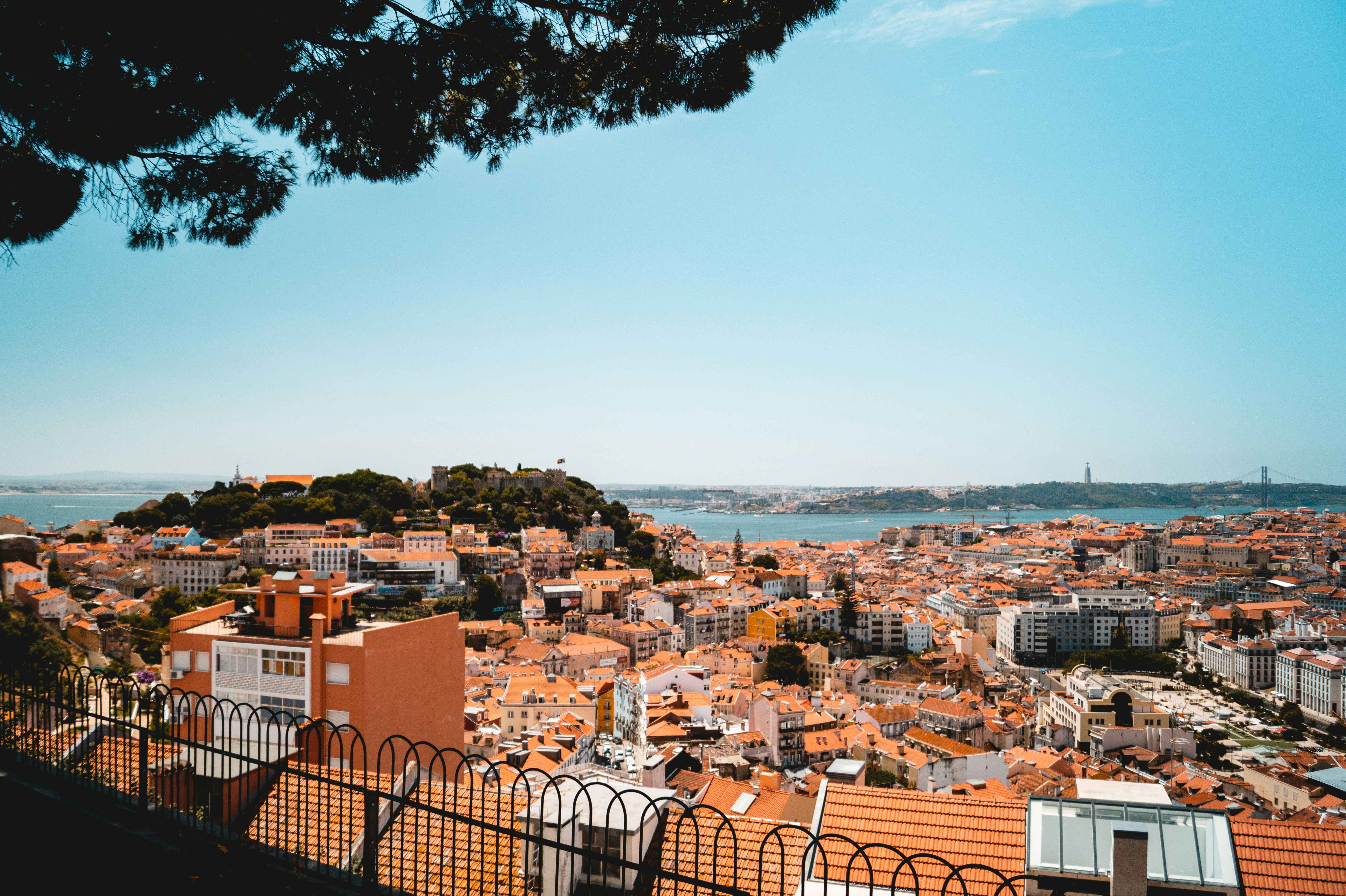
Pasteis de nata at Pasteis de Belem (EUR 1.30 each) and sunset drinks at a rooftop bar in Bairro Alto cost almost nothing. The Miradouro da Graca viewpoint is free, uncrowded, and overlooks the entire city. Budget for 4 nights: $600 to $1,200 total including flights.
2. Marrakech, Morocco. Flights from Europe: $100 to $300 return for two. Accommodation: a traditional riad (courtyard hotel) in the Medina for $50 to $100/night, including breakfast. Marrakech is sensory overload in the best way: the souks, the food stalls at Jemaa el-Fna square, the call to prayer echoing over the rooftops. A couples' hammam and massage at a mid-range spa costs $30 to $60 per person.
-compressed.jpg)
The Jardin Majorelle (EUR 15 entry) is the most romantic garden in North Africa. Budget for 4 nights: $400 to $800 total.
3. Bali, Indonesia. Flights from Australia: $300 to $500 return for two. From the US/Europe: $800 to $1,400. Accommodation: a private pool villa in Ubud or Seminyak for $50 to $150/night. Bali is the budget romantic destination that feels like a splurge. A couples' spa treatment costs $30 to $60. A private sunset dinner at a rice terrace restaurant costs $50 to $80 for two, including wine.
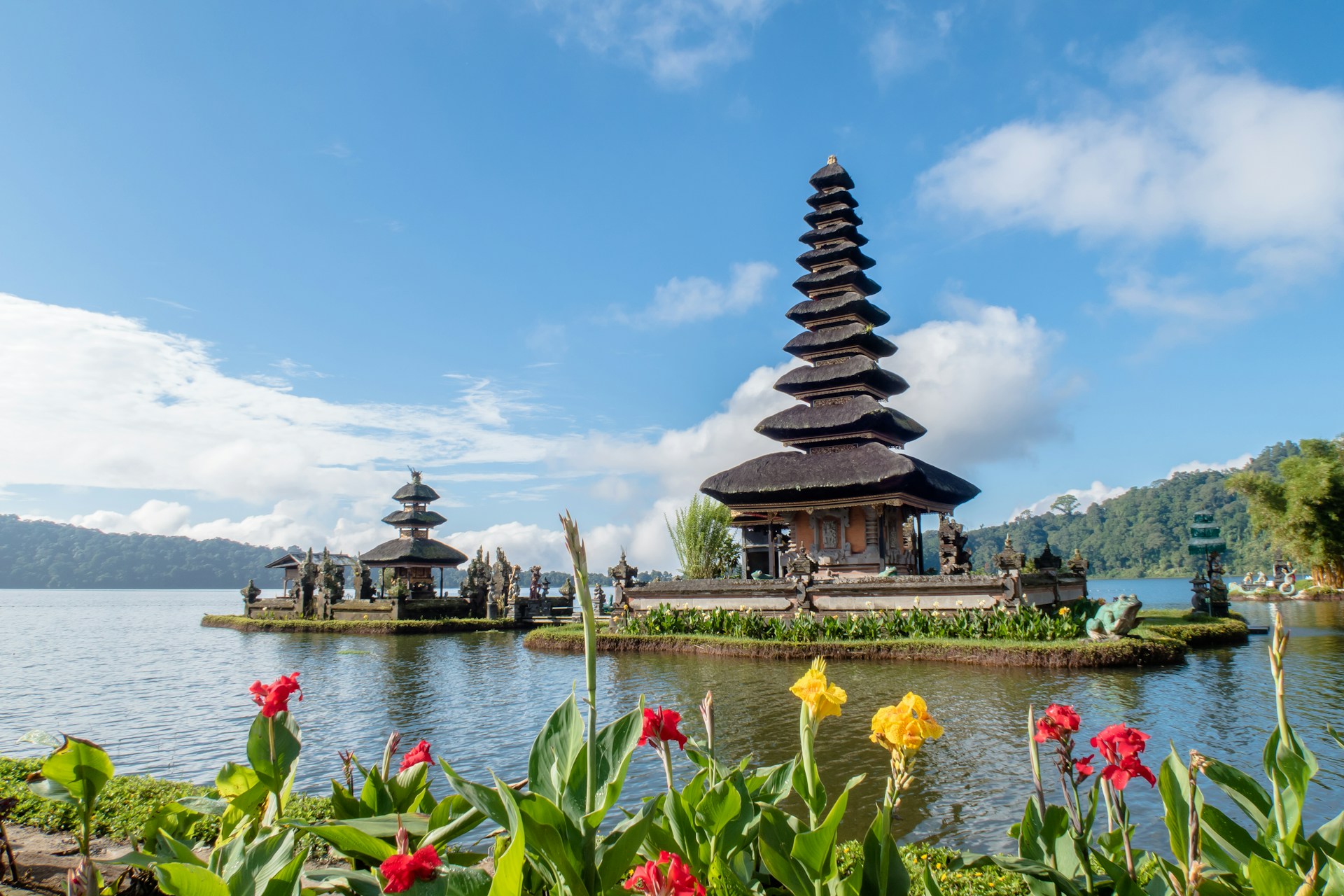
The Tegallalang rice terraces, Uluwatu Temple at sunset, and the Campuhan Ridge Walk in Ubud are all free or nearly free. Budget for 7 nights: $1,000 to $2,500, including flights. For coworking options, if you're combining work and romance, see coworking spaces in Bali.
4. Budapest, Hungary. Flights from Europe: $50 to $150 return for two. From the US: $500 to $800. Accommodation: $60 to $120/night for a boutique hotel along the Danube. Budapest's thermal baths (Szechenyi, Gellert) are built for couples: warm mineral water, ornate architecture, and a pace that forces you to slow down. Entry: $20 to $30 per person.

The ruin bars in the Jewish Quarter are unlike anything else in Europe: crumbling courtyards converted into eccentric bars with mismatched furniture and art installations. Budget for 4 nights: $500 to $1,000 total.
5. San Juan, Puerto Rico. No passport needed for US citizens. Flights from the US East Coast: $150 to $350 return for two. Accommodation: $80 to $150/night in Old San Juan.
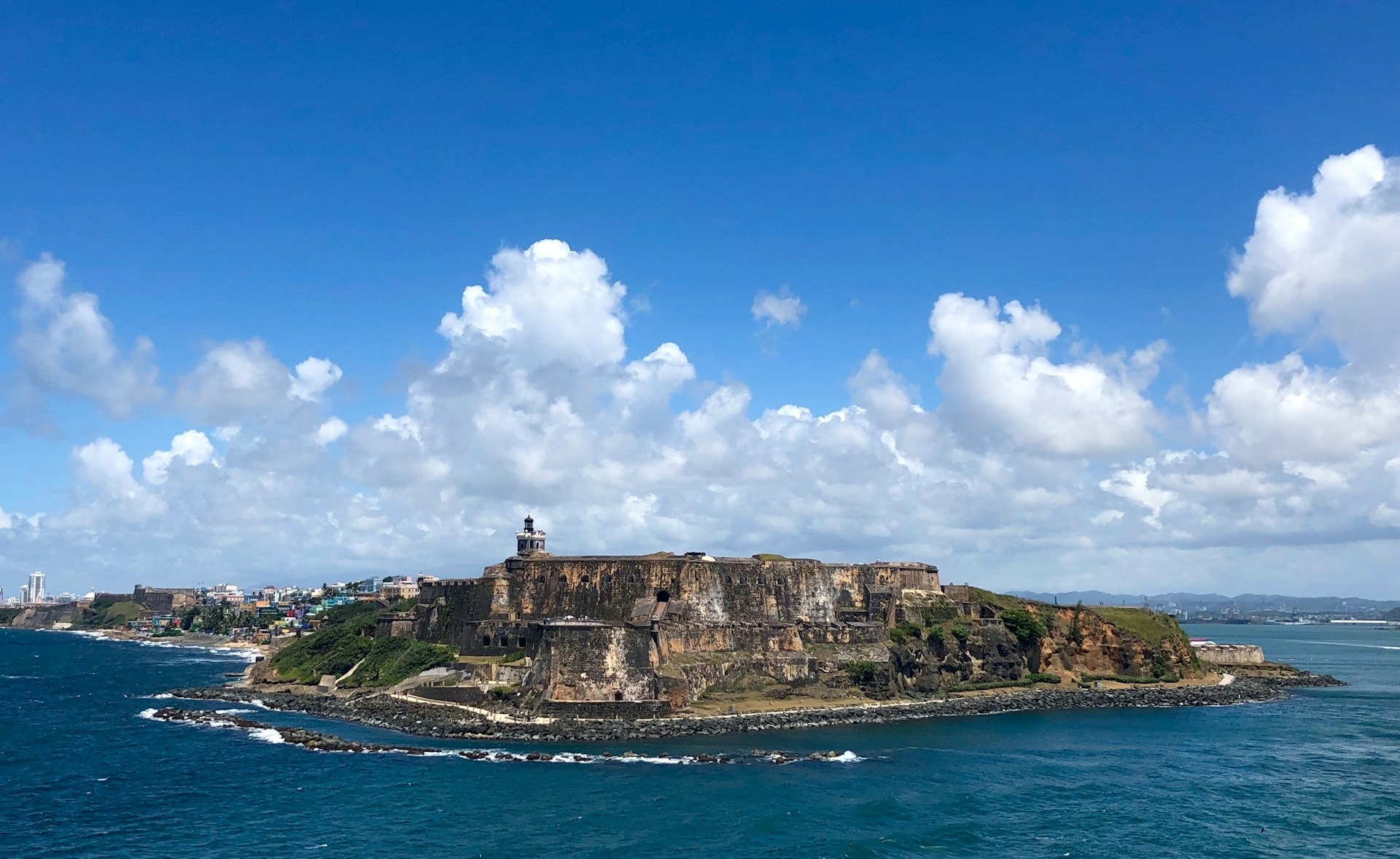
Walking the colourful streets of Viejo San Juan, exploring El Morro fortress (free with National Parks Pass, $10 without), and eating mofongo at a local restaurant ($15 to $25 per plate) make a romantic long weekend without the hassle of international travel. Budget for 3 nights: $400 to $800 total.
Mid-range romantic trips ($1,000 to $3,000 for Two)
6. Amalfi Coast, Italy. Fly into Naples, train to Sorrento, ferry to Positano or Amalfi. Flights from the US: $600 to $1,000 return for two. Accommodation: $150 to $300/night (book 3+ months ahead in summer). The Amalfi Coast is the most reliably romantic landscape in Europe: pastel villages clinging to sea cliffs, lemon groves, and blue water.
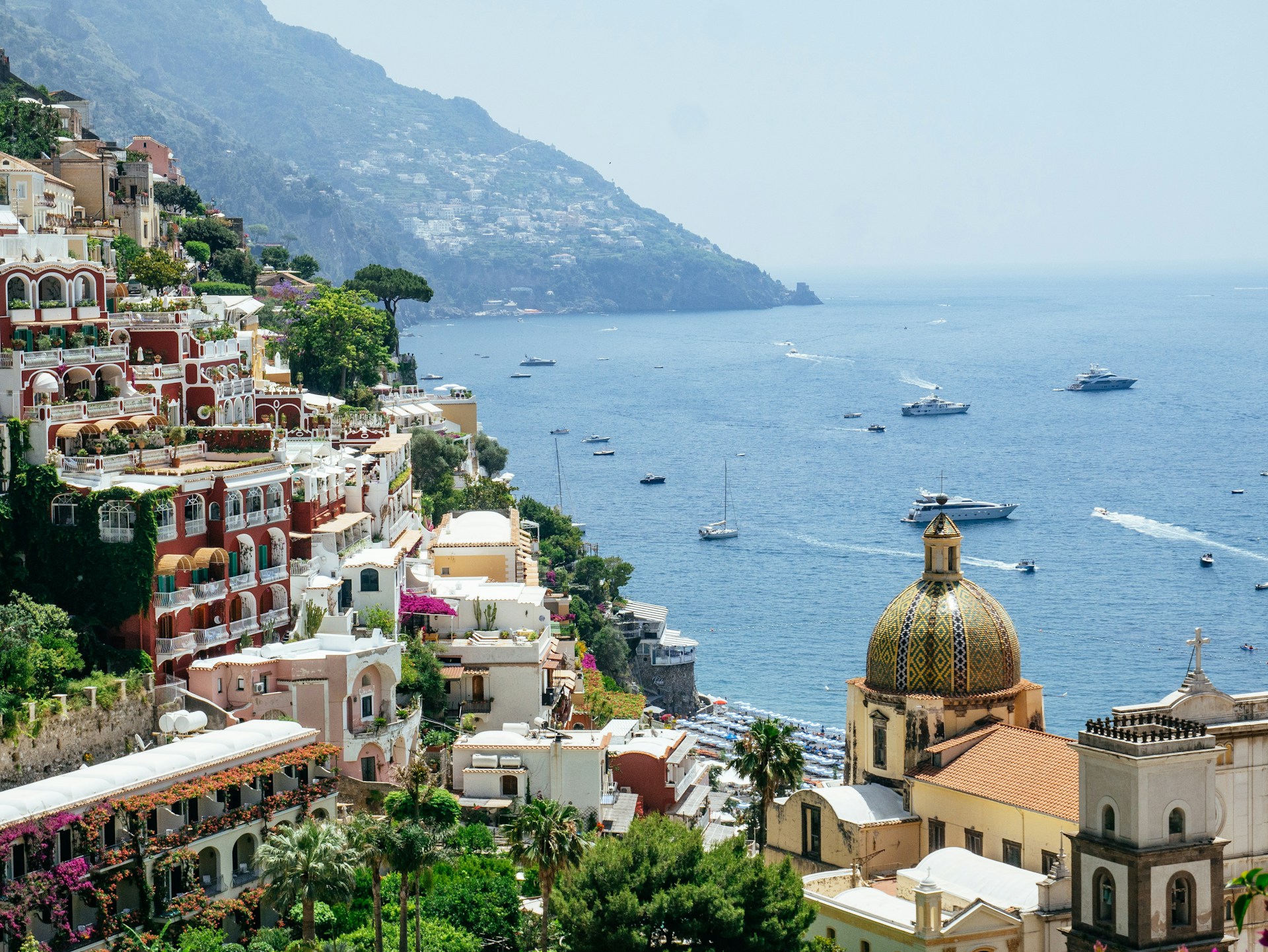
The Path of the Gods hike (Sentiero degli Dei) from Agerola to Positano is free, takes 3 to 4 hours, and has views that justify the entire trip. Budget for 5 nights: $2,000 to $3,500 total.
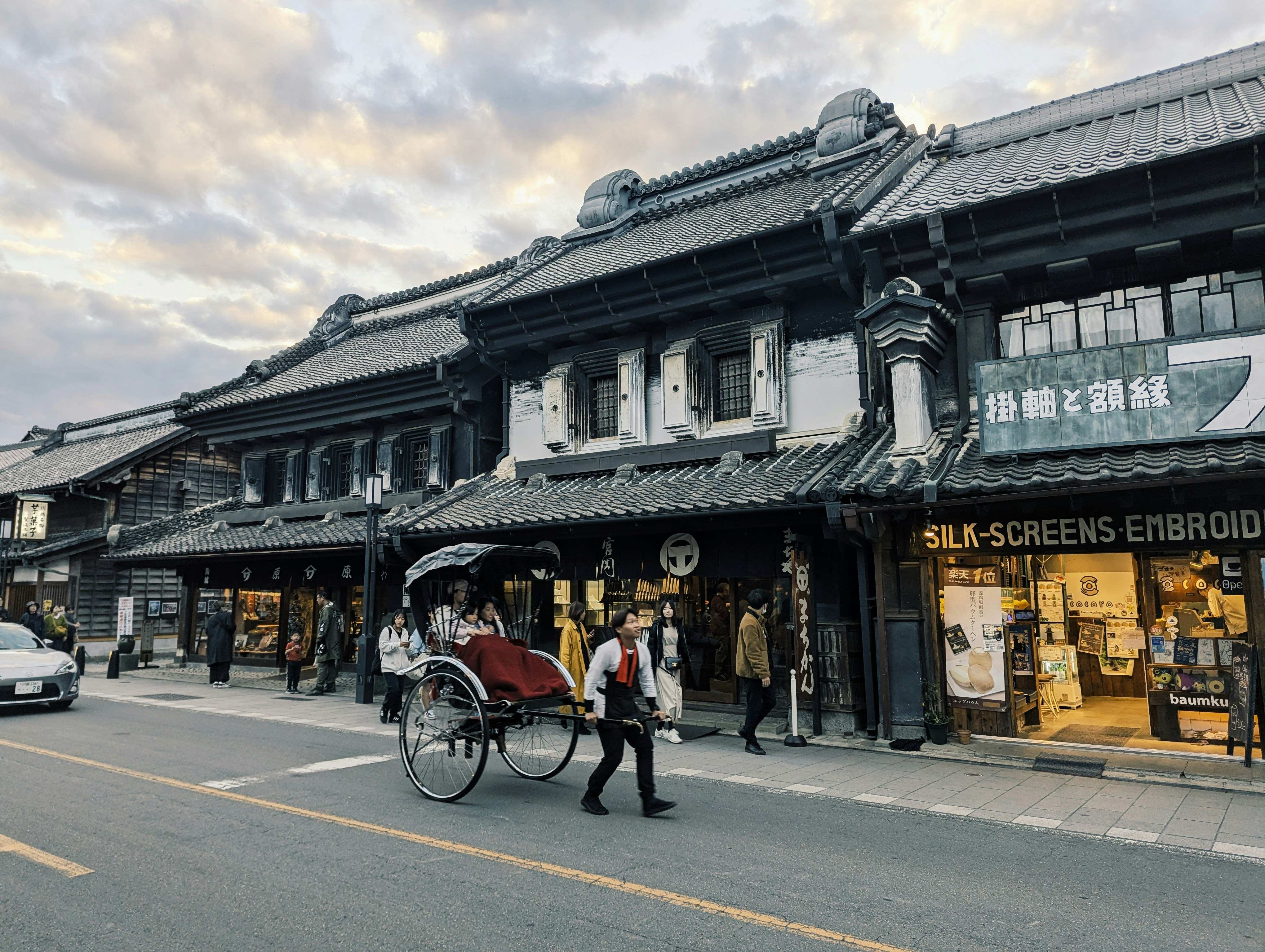
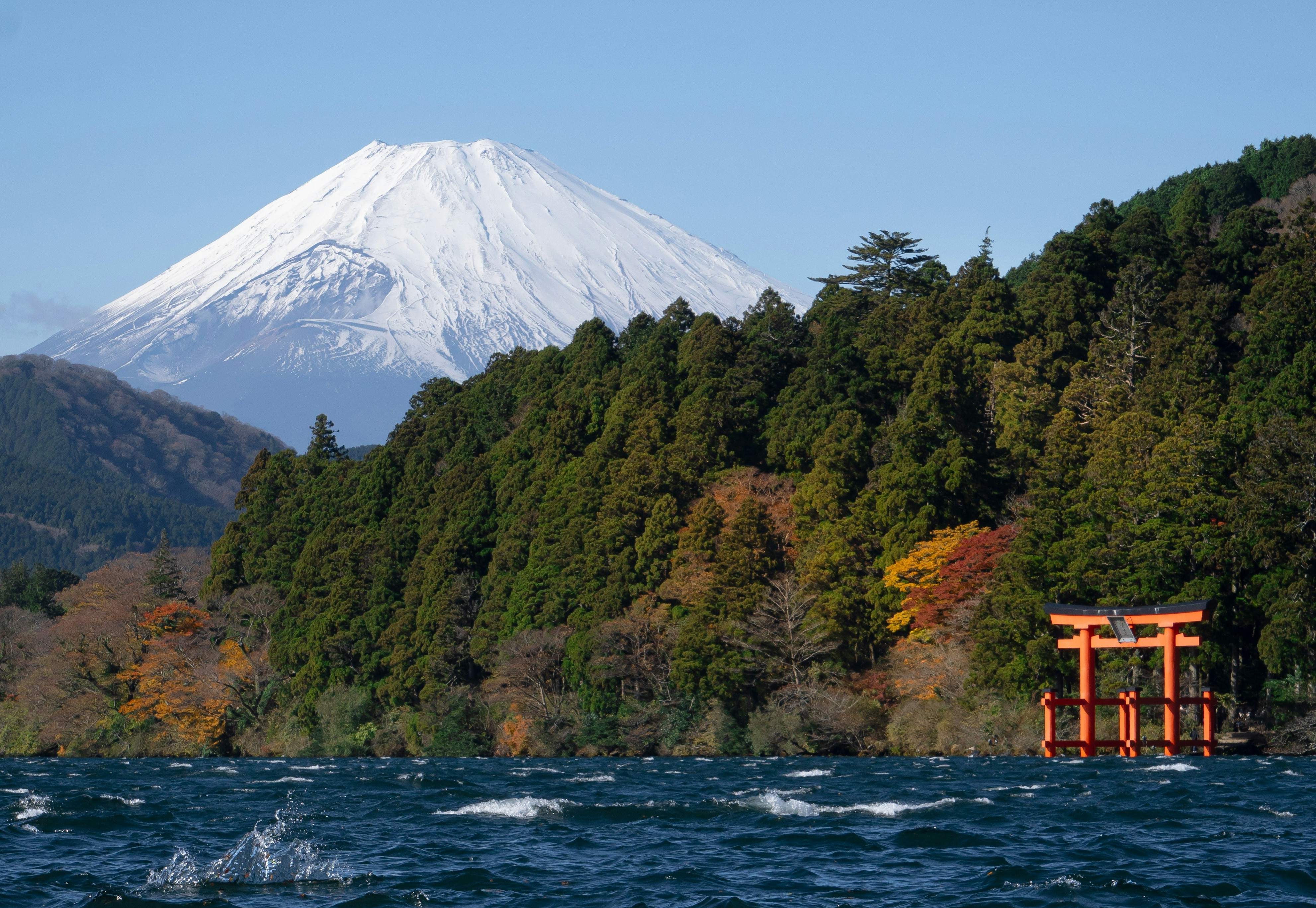
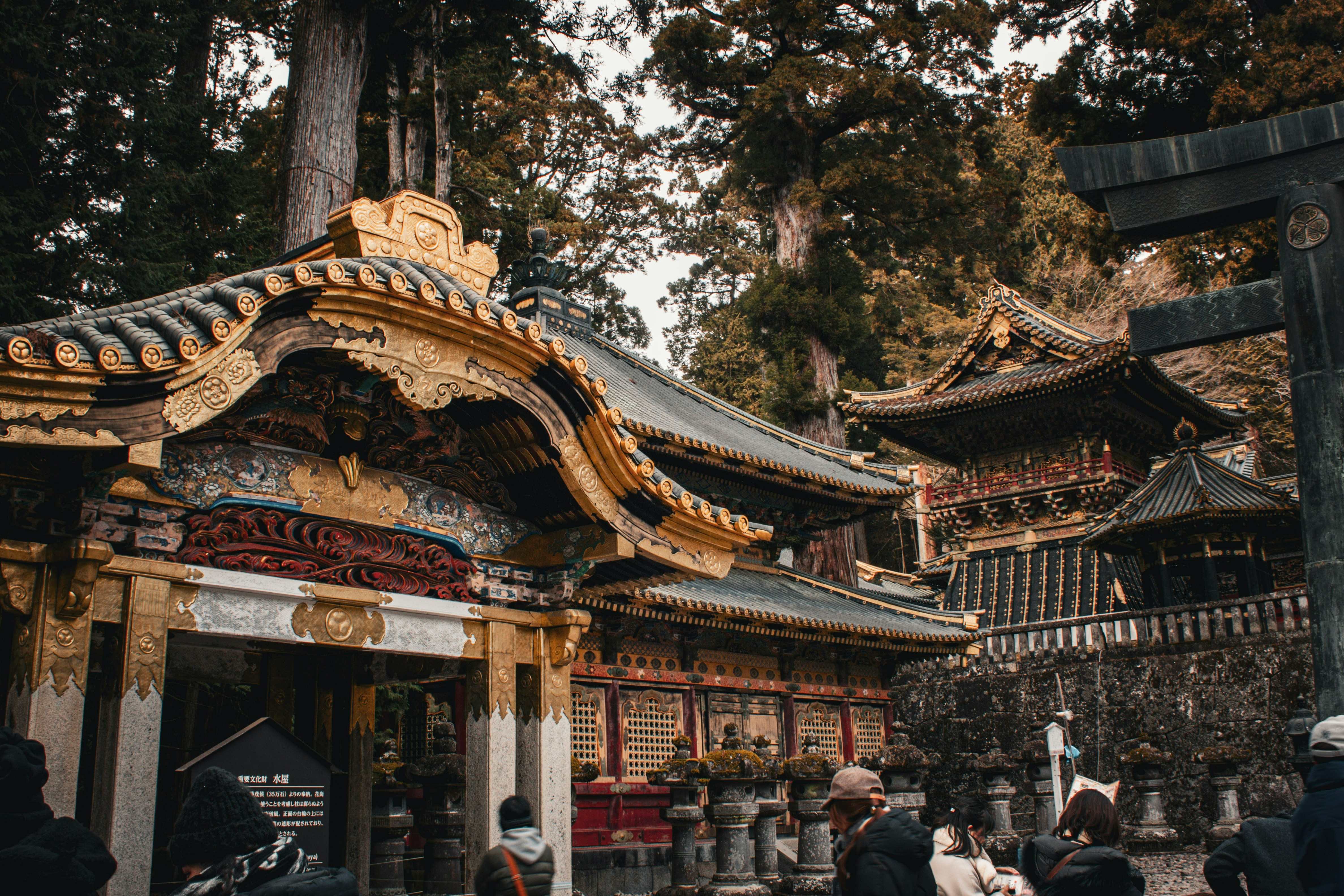
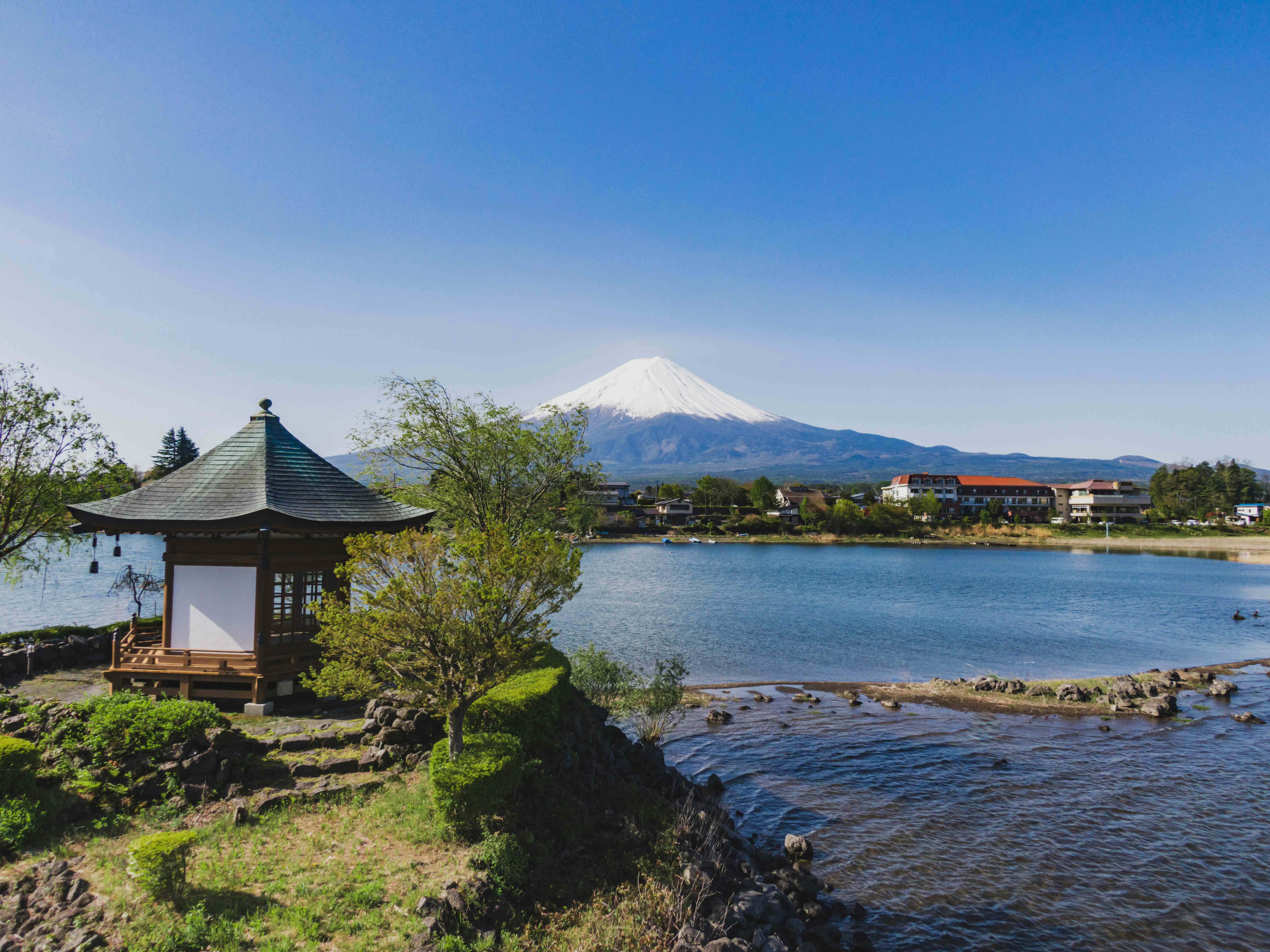
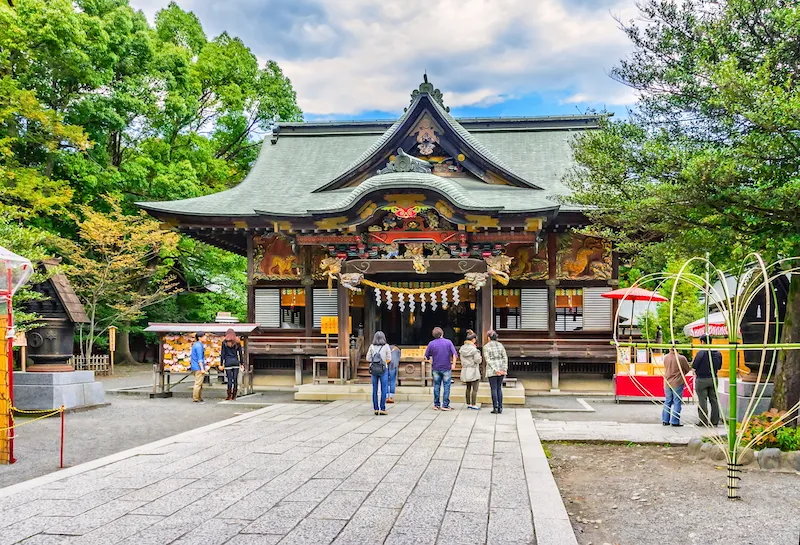
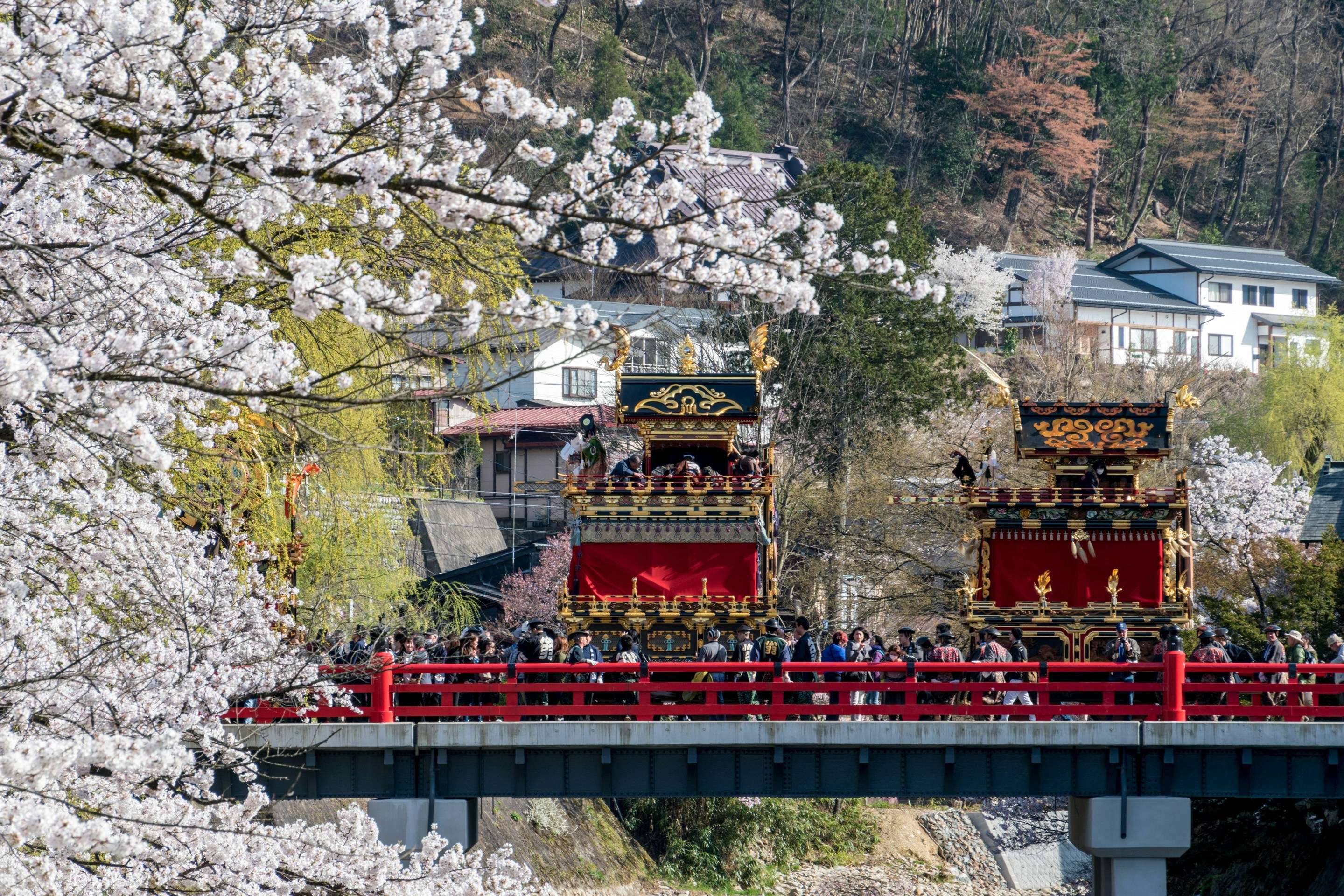
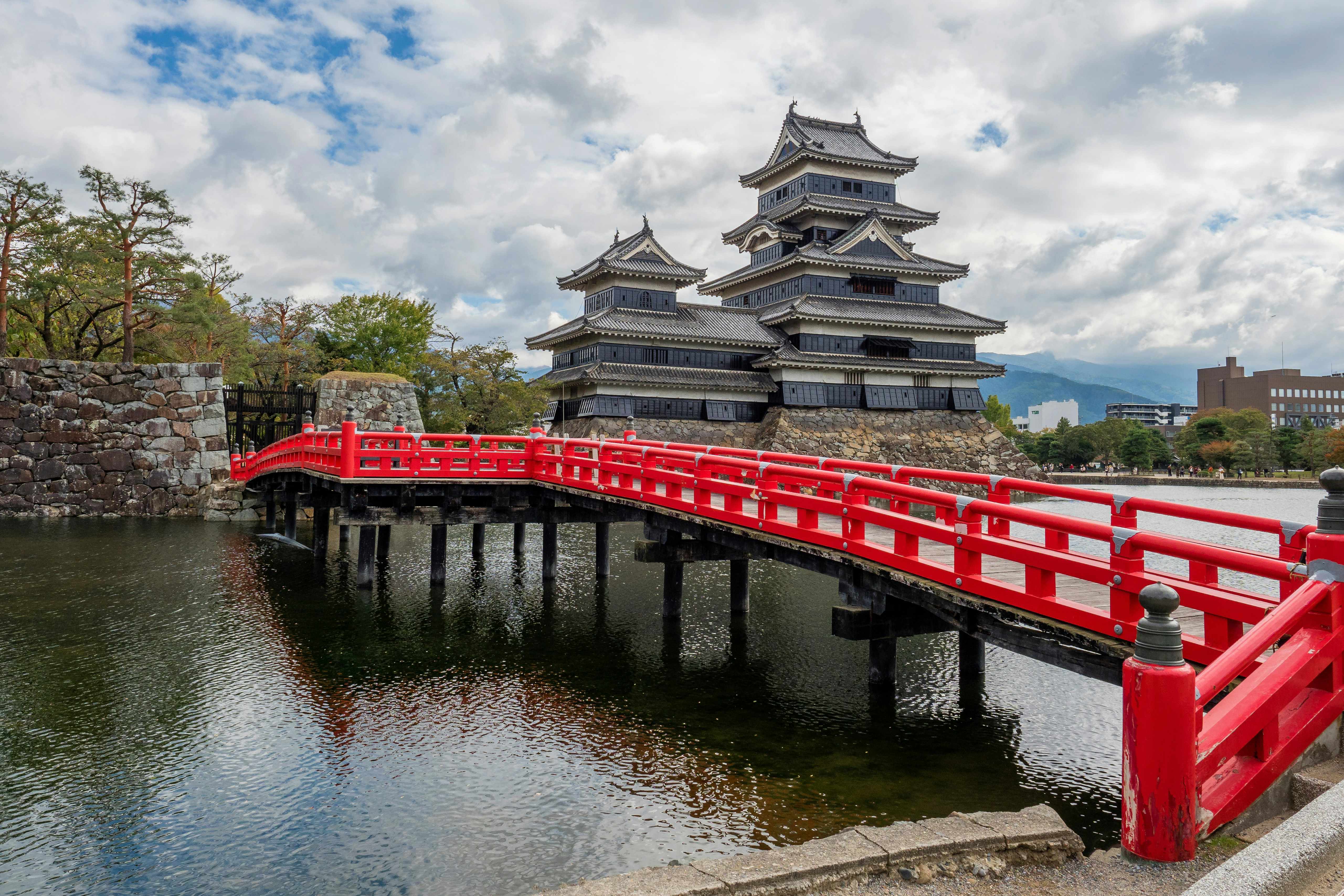
7. Kyoto, Japan. Flights from the US: $700 to $1,200 return for two. Accommodation: a traditional ryokan (Japanese inn) with tatami rooms and private onsen for $150 to $350/night. Kyoto has 2,000 temples and shrines, and the best are free or nearly free: Fushimi Inari (free, go at 6 am for empty torii gates), Arashiyama Bamboo Grove (free), and Kinkaku-ji Golden Pavilion (JPY 400).

A private tea ceremony costs $30 to $50 per person and is one of the most meditative couple experiences you can book anywhere. Budget for 5 nights: $2,000 to $3,500 total.
8. Cape Town, South Africa. Flights from the US: $700 to $1,100 return for two. From the UK: $500 to $800. Accommodation: $80 to $200/night in the Cape Winelands or Camps Bay. Table Mountain at sunset (cable car ZAR 360 return), wine tasting in Stellenbosch and Franschhoek (ZAR 50 to 150 per tasting), and a penguin colony at Boulders Beach (ZAR 176 entry).
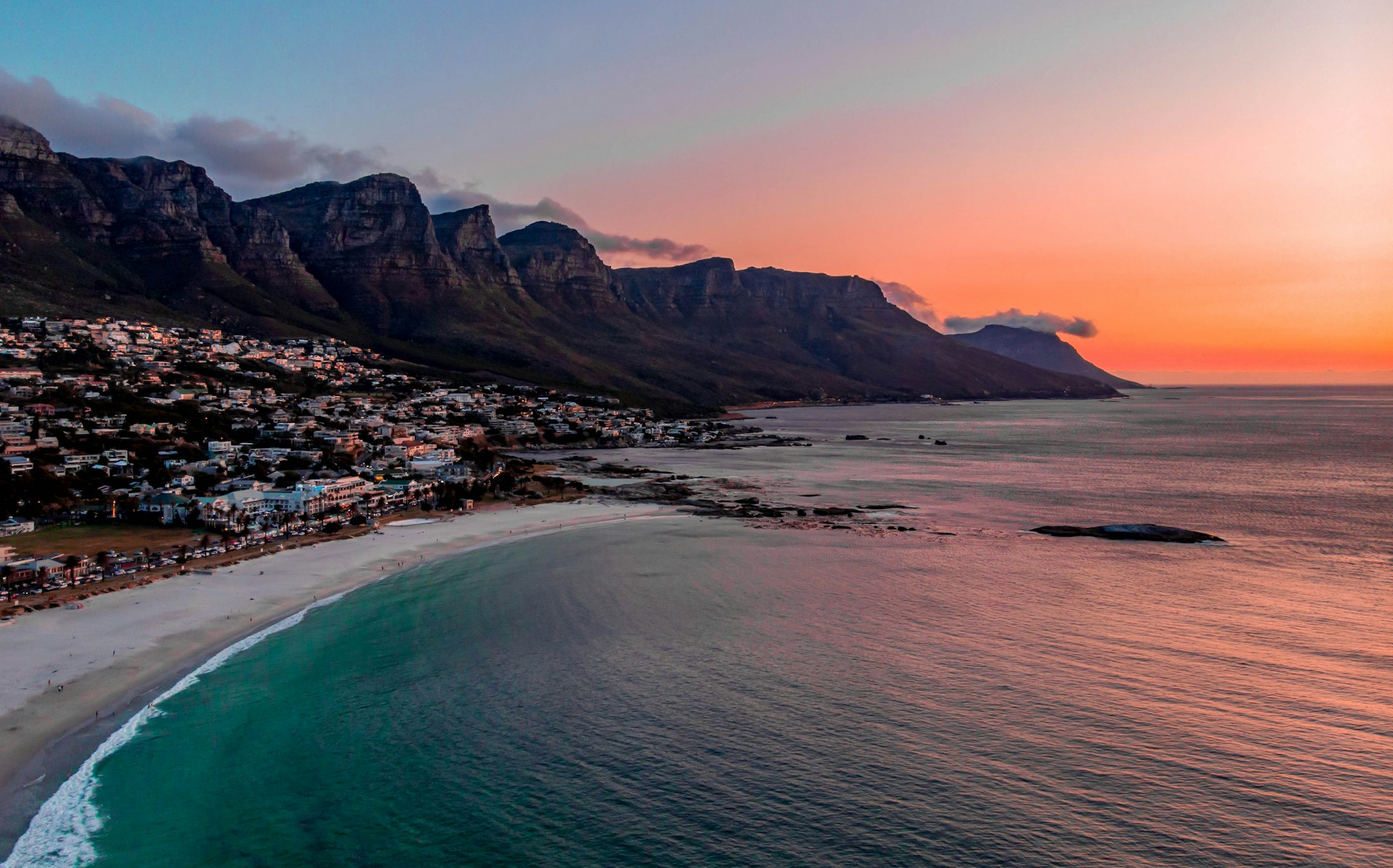
The exchange rate makes Cape Town exceptionally valuable: a tasting menu at a top restaurant costs $40 to $70 per person, roughly a third of the equivalent quality in London or New York. Budget for 7 nights: $2,000 to $3,500 total.
9. Costa Rica. See our full cost breakdown: how much does a trip to Costa Rica cost. Highlights for couples: Arenal volcano hot springs ($20 to $60 per person), Manuel Antonio National Park ($18 entry), and a private sunset catamaran tour ($80 to $120 per person).
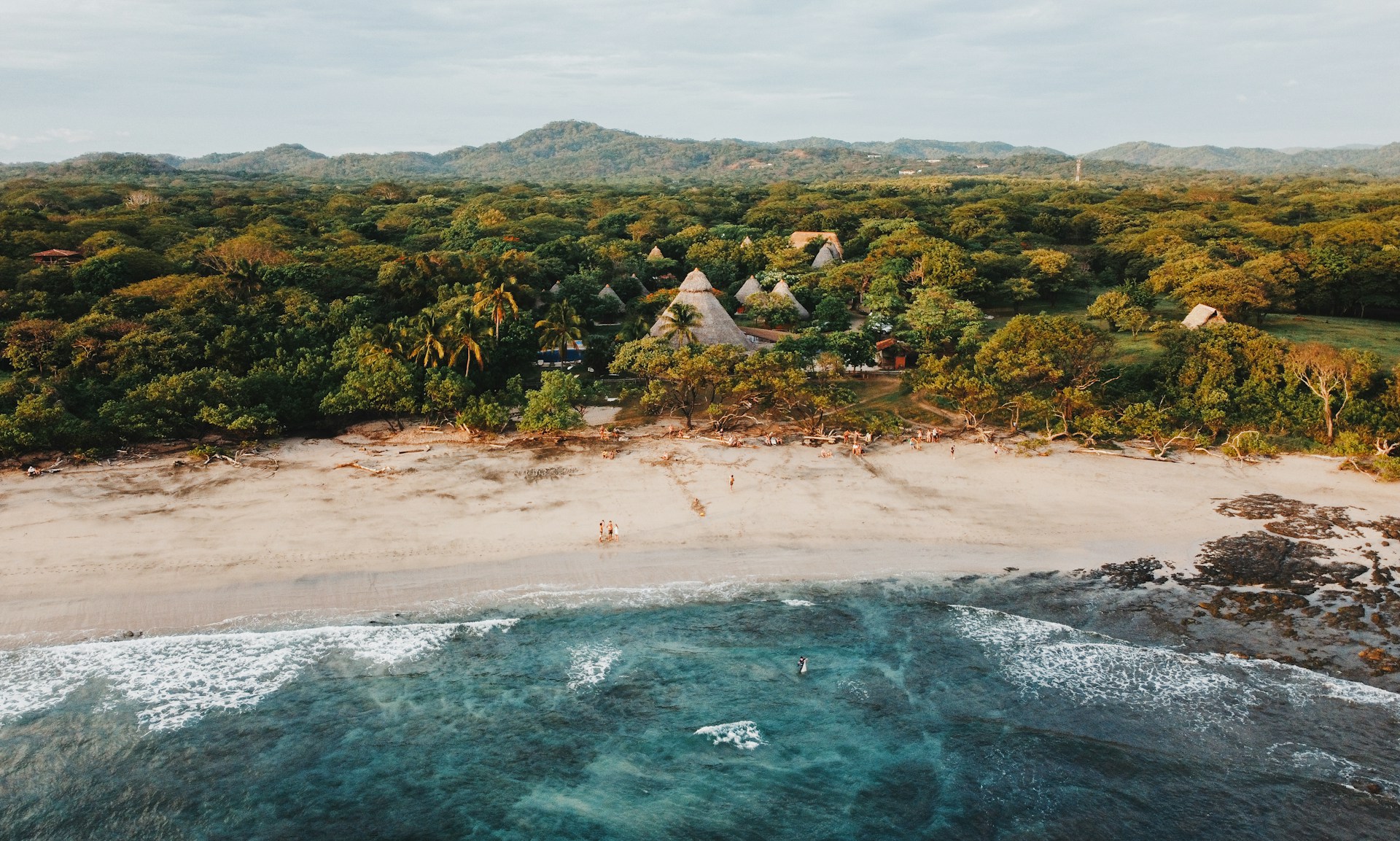
Budget for 7 nights: $2,500 to $4,000 total.
10. Greek Islands (Crete or Naxos). Skip Santorini if you're on a mid-range budget. Crete and Naxos deliver the same blue water and white buildings at half the price. Flights from Europe: $100 to $300 return for two.
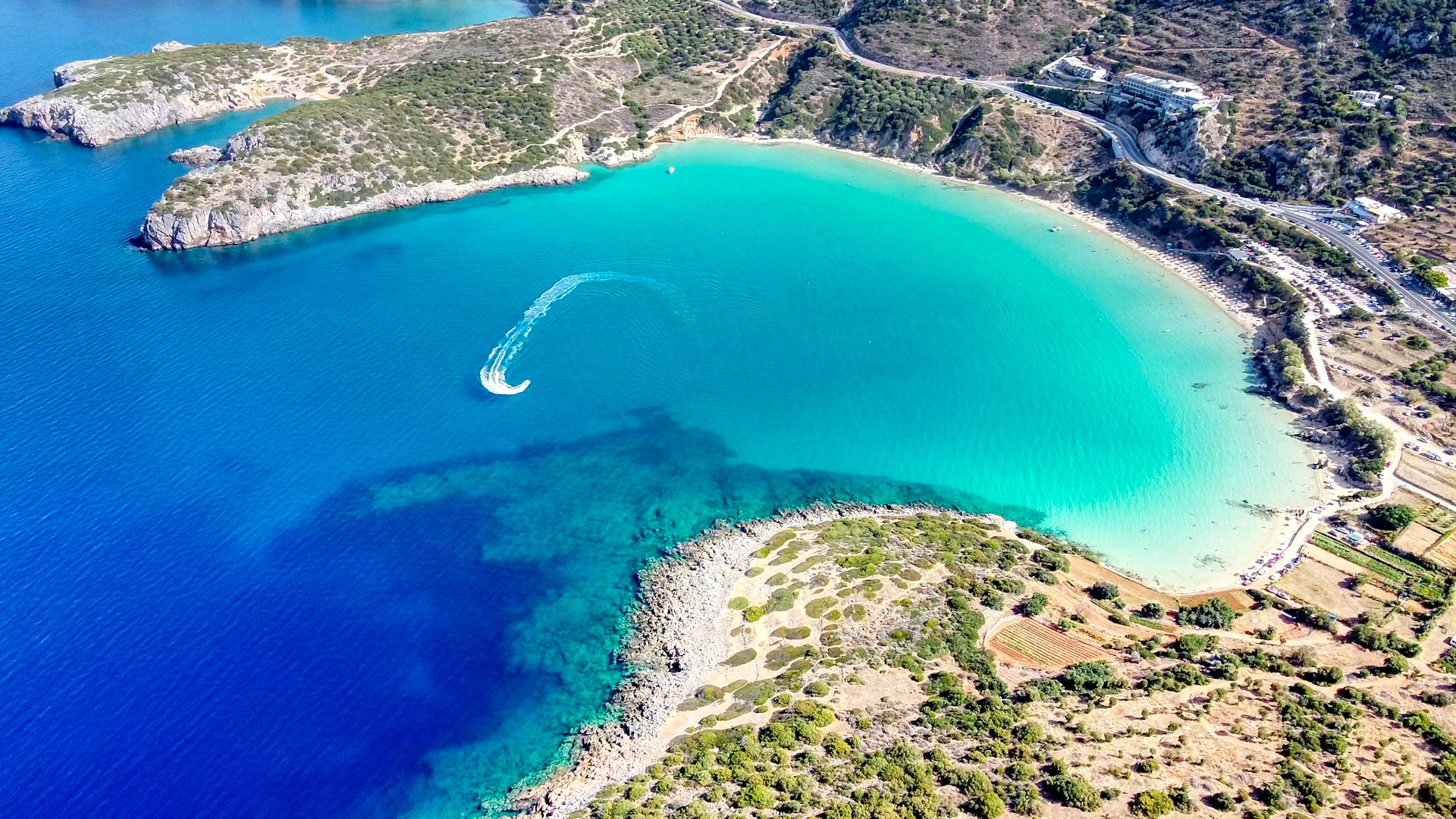
Accommodation: $80 to $150/night. Renting a car (EUR 30 to 50/day) opens up hidden beaches and mountain villages. Budget for 7 nights: $1,500 to $2,500 total.
Luxury romantic trips ($3,000+)
11. Santorini, Greece. The caldera view from Oia at sunset is one of the most photographed scenes on earth, and it delivers even when you've seen it a thousand times in photos.
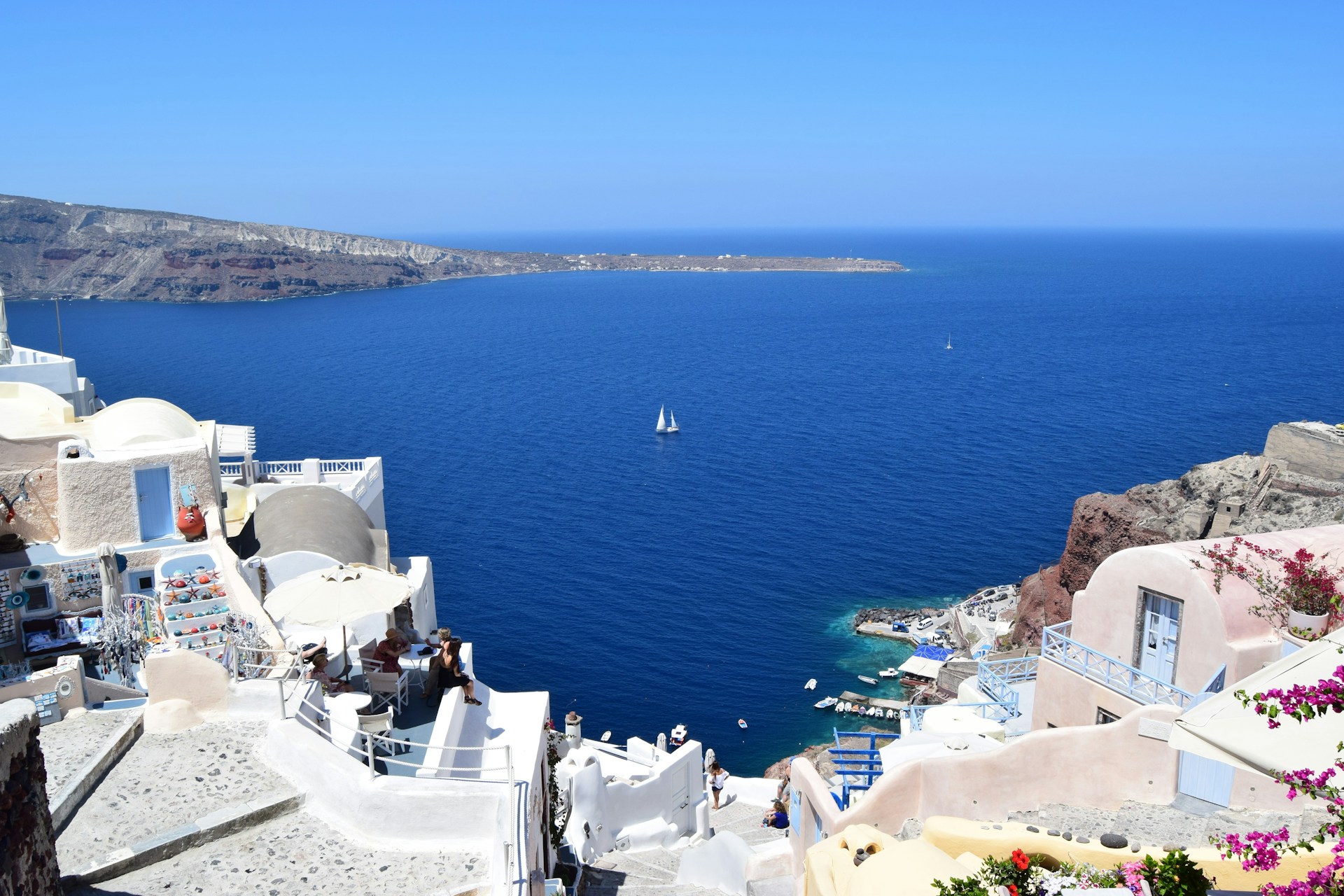
Accommodation: $250 to $600+/night for a cave hotel with a private plunge pool overlooking the caldera. Flights from the US: $800 to $1,200 return for two. Budget for 5 nights: $3,500 to $6,000 total.
12. Maldives. Overwater bungalows, private beaches, and water so clear you can see fish from your deck. Flights from the US: $1,000 to $1,800 return for two. Accommodation: $300 to $1,500+/night all-inclusive.
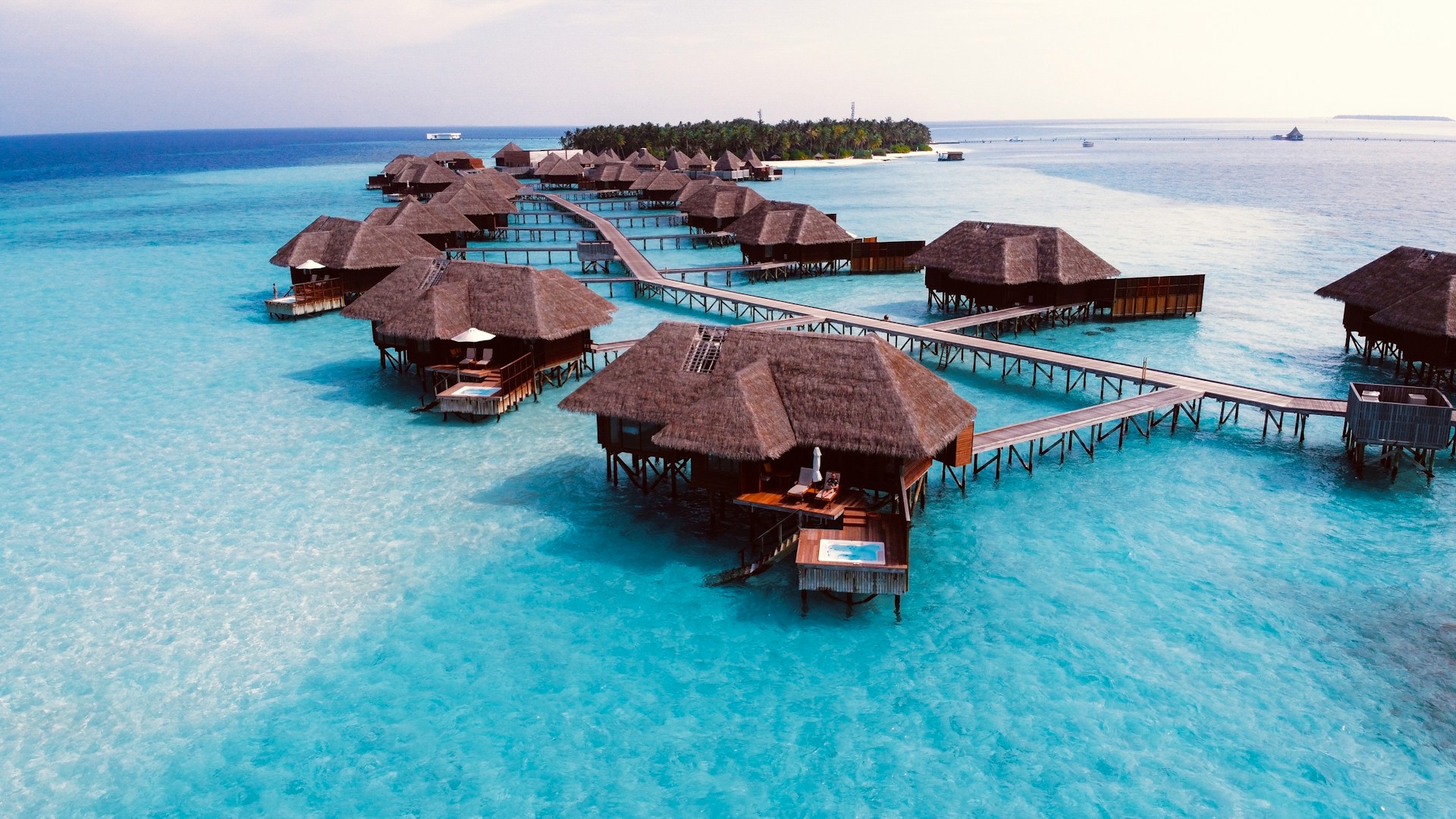
The Maldives is the ultimate splurge romantic trip: expensive, remote, and worth every penny if snorkelling, diving, and doing absolutely nothing is your idea of paradise. Budget for 5 nights: $4,000 to $10,000+ total.
13. Swiss Alps (Zermatt or Grindelwald). Mountain romance: snowy peaks, alpine villages, fondue, and train rides through scenery that looks computer-generated. Accommodation: $200 to $500/night.
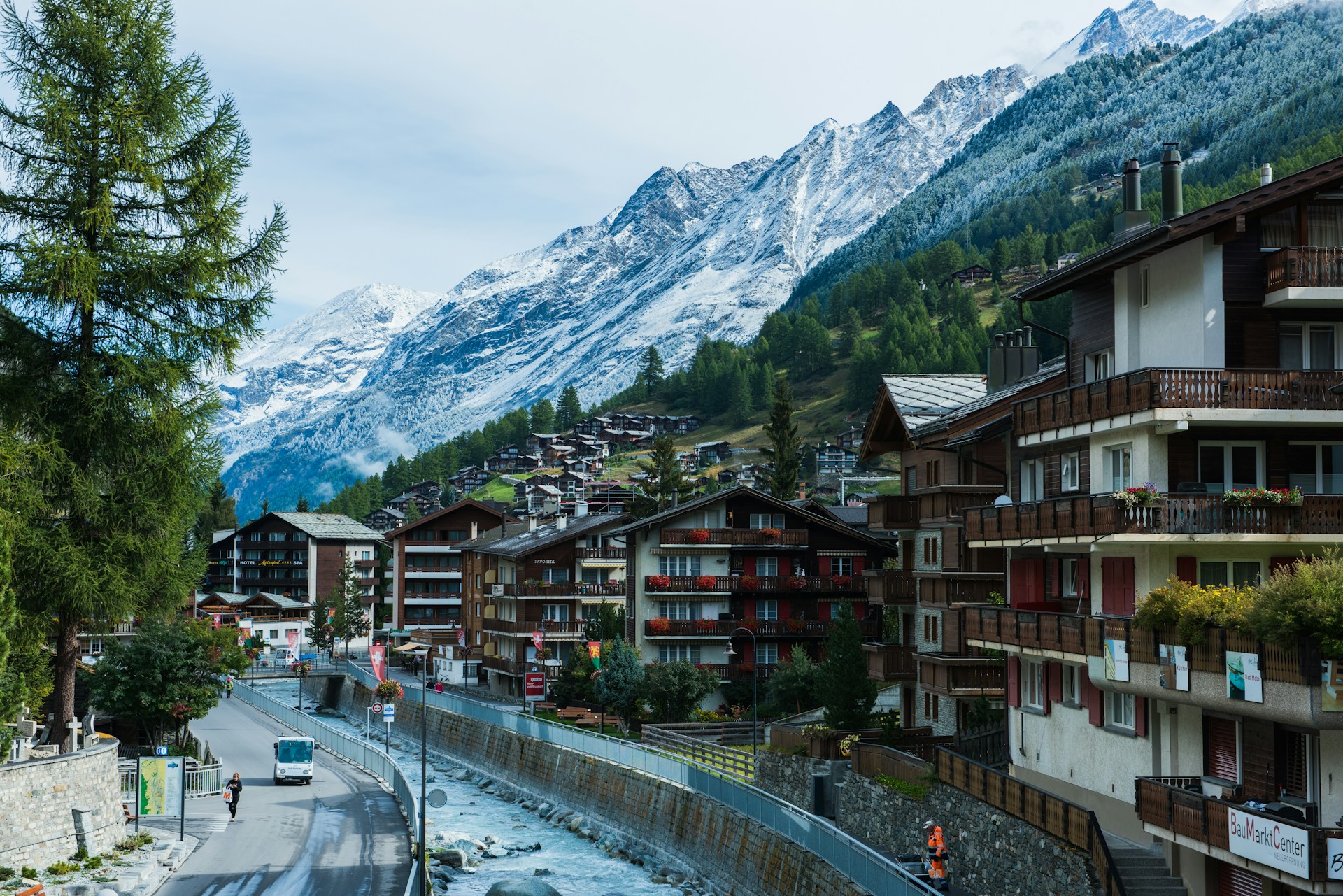
The Glacier Express or Bernina Express train rides ($100 to $300 per person) are the highlight. Budget for 5 nights: $3,000 to $6,000 total.
14. Patagonia (Argentina/Chile). For adventurous couples. Torres del Paine National Park, glacier hikes, and empty landscapes. Flights from the US: $800 to $1,500 return for two.
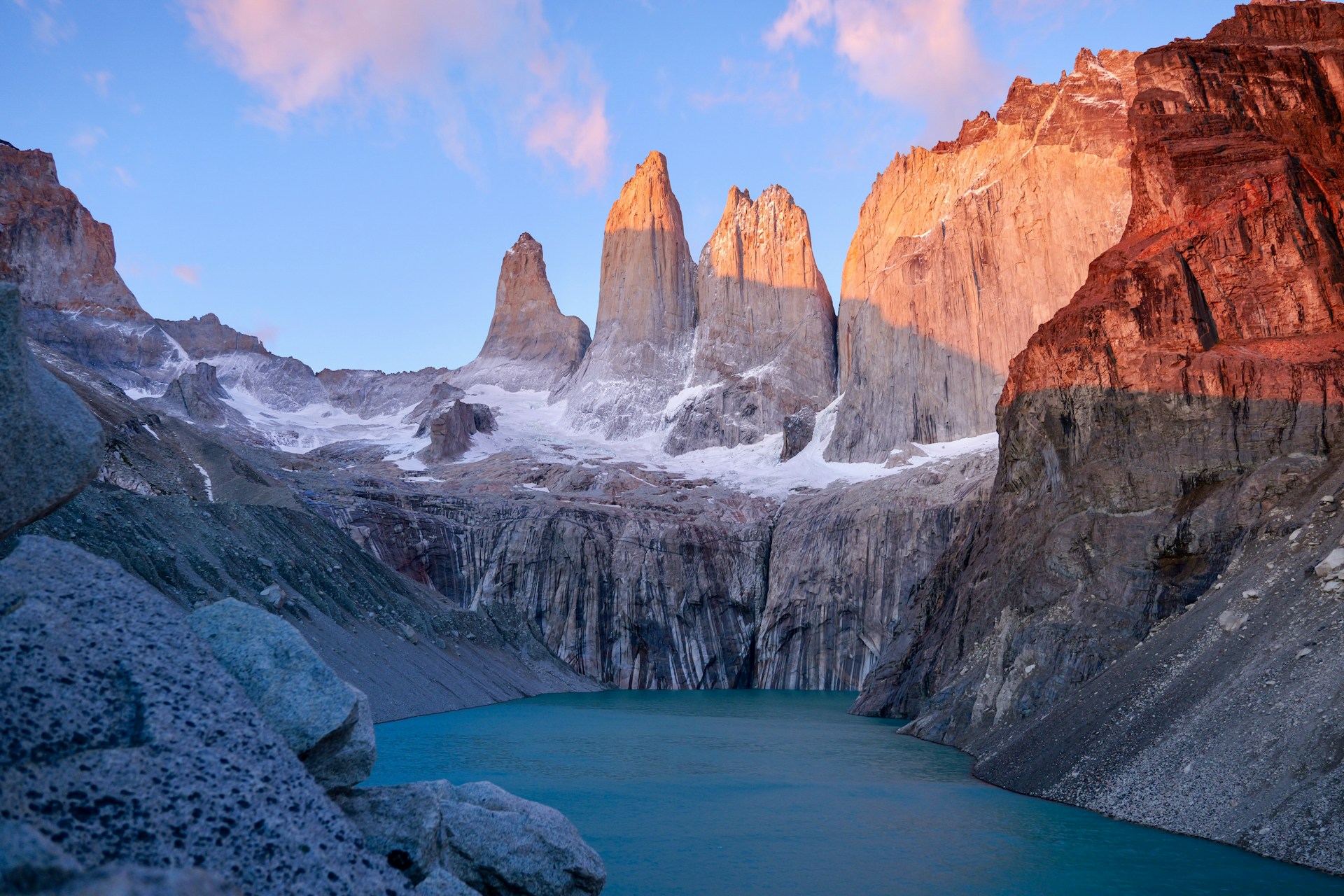
Accommodation: $100 to $300/night (lodges near the park). The W Trek (4 to 5 days) is a bucket-list hike. Budget for 7 nights: $3,000 to $5,500 total.
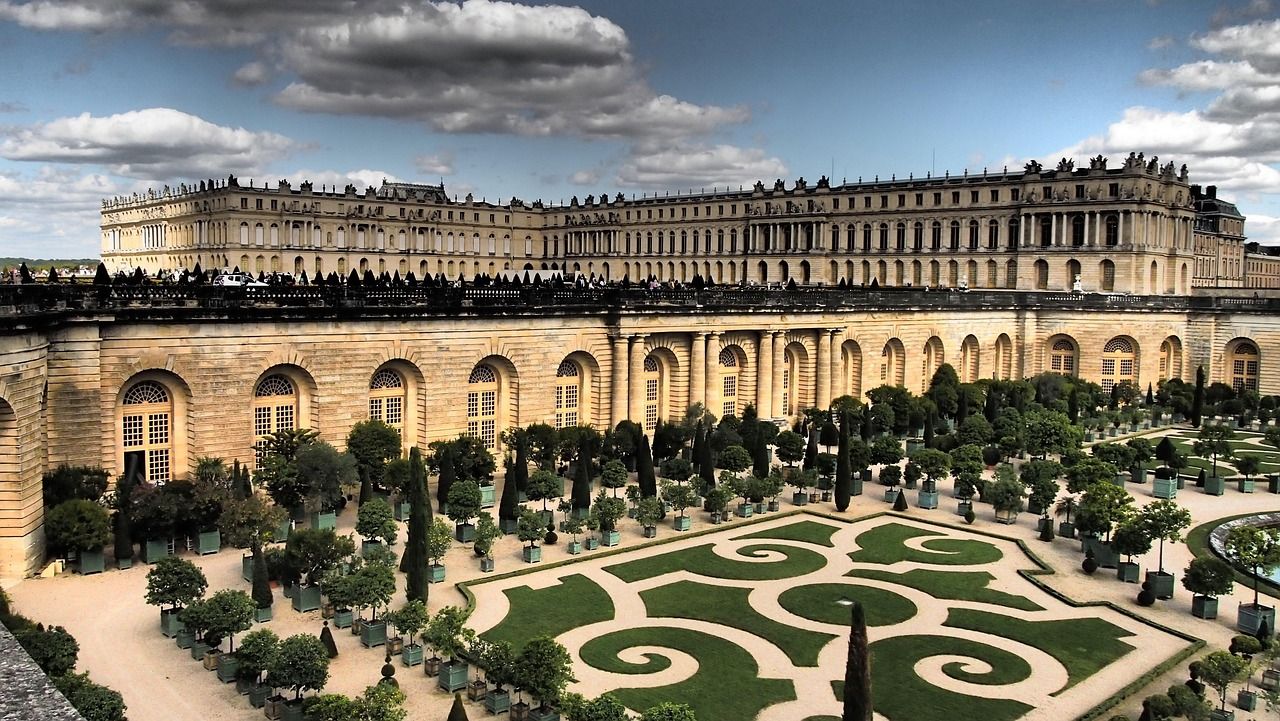
15. Paris, France. The classic. Flights from the US: $600 to $1,000 return for two. Accommodation: $150 to $350/night in the Marais or Saint-Germain. Seine river cruise ($15 to $20), a picnic under the Eiffel Tower with wine and cheese from a local market ($20 for two), and a patisserie crawl through the 6th arrondissement.
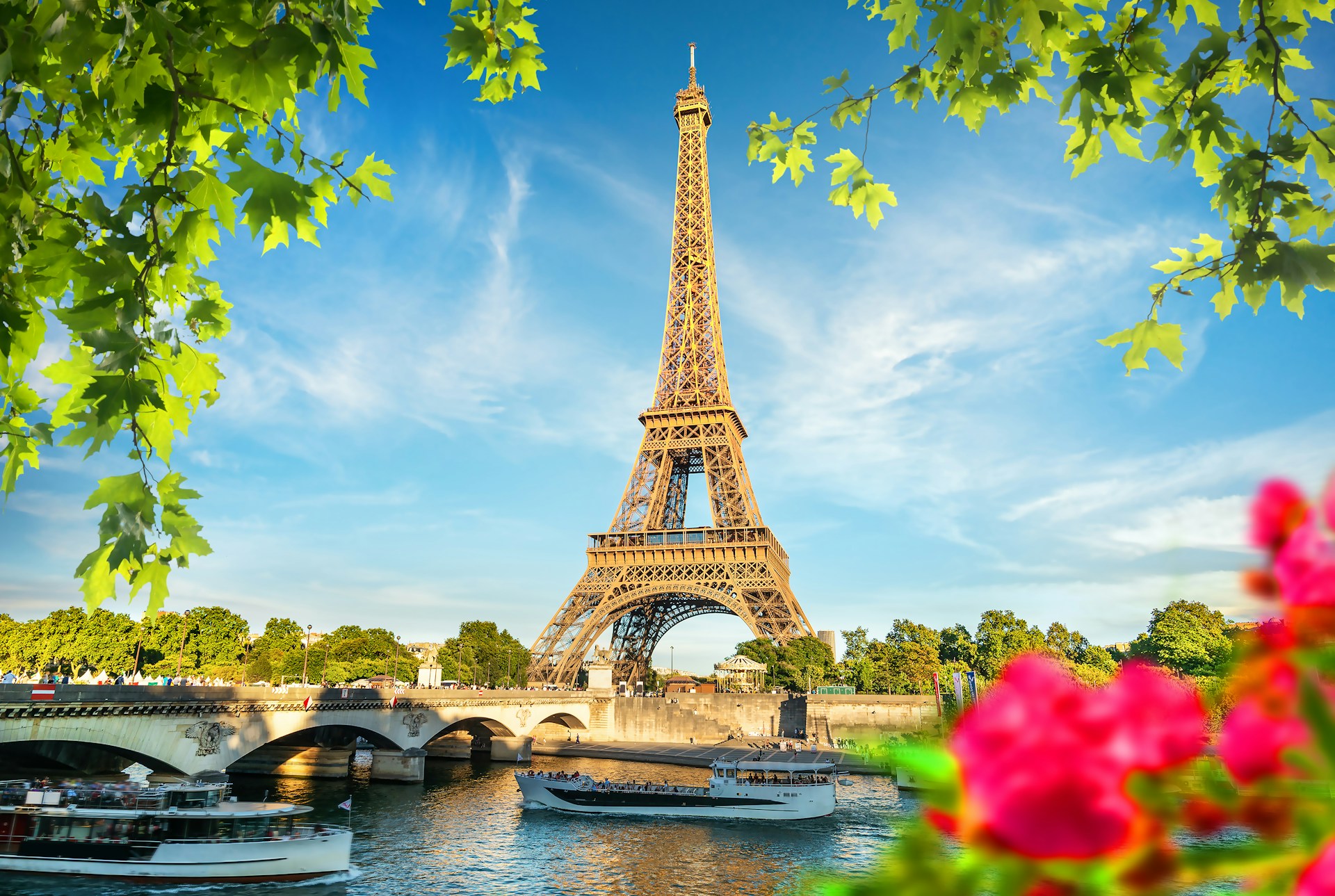
Paris earns its romantic reputation through accumulation: every meal, every walk, every candlelit bistro adds to the atmosphere. For day trips, see best day trips from Paris (grey.co/blog/best-day-trips-from-paris). Budget for 5 nights: $2,500 to $4,500 total.
Paying for romance abroad
Foreign transaction fees add 1.5 to 3% to every card payment outside your home currency zone. On a $3,000 trip, that's $45 to $90 in hidden fees. A Grey virtual card lets you spend from your pre-loaded EUR, GBP, or USD balance with no conversion markup. Hold the destination currency before you travel, and every payment comes from your own funds, not a live conversion.
Save for the trip in a Grey Pouch so the money is set aside and growing toward your target. For mobile data abroad, grab a travel eSIM and skip roaming charges that can run $10 to $15 per day on some carriers.
Planning a romantic getaway? Save in a Grey Pouch, spend on a virtual card, and keep more of your travel budget for the trip itself.
Frequently asked questions about romantic trips for couples
What is the most romantic trip for couples?
Depends on what romance means to you. Beach and relaxation: Maldives or Bali. Culture and food: Paris or Kyoto. Adventure: Patagonia or Costa Rica. Budget romantic: Lisbon, Budapest, or Marrakech. The best romantic trip is one where both partners are excited about the destination, not one that just looks good online.
How much should a romantic trip cost?
Budget: $300 to $800 for a long weekend in a nearby destination (Lisbon, Budapest, San Juan). Mid-range: $1,000 to $3,000 for a week in a destination with moderate costs (Amalfi Coast, Kyoto, Cape Town). Luxury: $3,000 to $10,000+ for a once-in-a-lifetime trip (Maldives, Santorini, Swiss Alps). Set a budget both partners are comfortable with before researching destinations.
When is the best time for a romantic trip?
Shoulder seasons (April to May, September to October) offer the best combination of good weather, lower prices, and fewer crowds at most destinations. Avoid peak holiday weeks (Christmas, New Year, Valentine's Day week) when prices spike 30 to 50%. The exception: if a specific season defines the destination (Swiss Alps in winter, cherry blossoms in Kyoto in April), time it to the season.
Should we book all-inclusive or independent?
All-inclusive for pure relaxation trips where you want to stay at the resort (Maldives, Caribbean). Independent for destination exploration trips where eating local, walking the streets, and discovering hidden spots is the point (Paris, Lisbon, Kyoto). An all-inclusive in a culturally rich destination wastes the destination.
Disclaimer: This article is for informational purposes only. All costs and details are estimates based on mid-2026 data. Verify current information before making decisions. Grey isn't a bank. We're a licensed financial services provider offering multi-currency accounts.



.svg)