
<script type="application/ld+json" data-schema-version="grey-blog-v4"> [{"@context":"https://schema.org","@type":"BlogPosting","@id":"https://grey.co/blog/how-to-open-a-usd-or-gbp-account-as-an-international-student-in-the-uk#article","headline":"How to open a USD or GBP account as an international student in the UK ","description":"Here is how to open a USD or GBP account as an international student in the UK with ease. ","inLanguage":"en","url":"https://grey.co/blog/how-to-open-a-usd-or-gbp-account-as-an-international-student-in-the-uk","mainEntityOfPage":{"@id":"https://grey.co/blog/how-to-open-a-usd-or-gbp-account-as-an-international-student-in-the-uk#webpage"},"datePublished":"2025-09-10T08:34:06.567Z","dateModified":"2026-06-15T14:44:17.167Z","author":{"@type":"Person","@id":"https://grey.co/authors/adeolu-titus-adekunle#person","name":"Adeolu Titus Adekunle","url":"https://grey.co/authors/adeolu-titus-adekunle","jobTitle":"Content Writer","sameAs":["https://www.linkedin.com/in/titusadeoluadekunle/"]},"publisher":{"@type":"Organization","@id":"https://grey.co/#organization","name":"Grey","url":"https://grey.co","logo":{"@type":"ImageObject","url":"https://cdn.prod.website-files.com/6360022338a81bd6fdbb1145/6564ae1077a67e39d3c491a6_Grey%20Logo%20Lockup%20Black.svg"}},"image":{"@type":"ImageObject","@id":"https://grey.co/blog/how-to-open-a-usd-or-gbp-account-as-an-international-student-in-the-uk#primaryimage","url":"https://cdn.prod.website-files.com/636a85d290ee58e70c17e1c0/68c137e4303cf8213ec7e1d0_How%20to%20open%20a%20USD%20or%20GBP%20account%20as%20an%20international%20student%20in%20the%20UK.webp","contentUrl":"https://cdn.prod.website-files.com/636a85d290ee58e70c17e1c0/68c137e4303cf8213ec7e1d0_How%20to%20open%20a%20USD%20or%20GBP%20account%20as%20an%20international%20student%20in%20the%20UK.webp","width":1200,"height":675}},{"@context":"https://schema.org","@type":"WebPage","@id":"https://grey.co/blog/how-to-open-a-usd-or-gbp-account-as-an-international-student-in-the-uk#webpage","url":"https://grey.co/blog/how-to-open-a-usd-or-gbp-account-as-an-international-student-in-the-uk","name":"How to open a USD or GBP account as an international student in the UK ","description":"Here is how to open a USD or GBP account as an international student in the UK with ease. ","inLanguage":"en","primaryImageOfPage":{"@id":"https://grey.co/blog/how-to-open-a-usd-or-gbp-account-as-an-international-student-in-the-uk#primaryimage"},"breadcrumb":{"@id":"https://grey.co/blog/how-to-open-a-usd-or-gbp-account-as-an-international-student-in-the-uk#breadcrumb"}},{"@context":"https://schema.org","@type":"BreadcrumbList","@id":"https://grey.co/blog/how-to-open-a-usd-or-gbp-account-as-an-international-student-in-the-uk#breadcrumb","itemListElement":[{"@type":"ListItem","position":1,"name":"Home","item":"https://grey.co/"},{"@type":"ListItem","position":2,"name":"Blog","item":"https://grey.co/blog"},{"@type":"ListItem","position":3,"name":"How to open a USD or GBP account as an international student in the UK ","item":"https://grey.co/blog/how-to-open-a-usd-or-gbp-account-as-an-international-student-in-the-uk"}]}] </script>

How to open a USD or GBP account as an international student in the UK

Adeolu Titus Adekunle

TABLE OF CONTENT

SHARE THIS POST

Studying in the UK as an international student is an opportunity to receive a world-class education and improve your prospects. However, you could be easily distracted from your academic goals if you constantly have to worry about managing your finances. Tuition, accommodation, transportation, and daily expenses all require financial resources. It is essential to have a bank account that supports your needs in British pounds (GBP) or US dollars (USD).

Owning a USD or GBP account as an international student in the UK significantly improves your quality of life. You can easily receive money and make payments without worrying about transaction charges and conversion rates. This article provides a guide on how to open a USD or GBP account as an international student in the UK.

Also read: International student money hacks: Budgeting in multiple currencies

Why do you need a USD or GBP account as an international student?

There are reasons why a USD or GBP account will be relevant to you as an international student in the UK.

  • Daily expenses in the UK: Most of your spending will be in pounds, from rent to groceries. So, you need a GBP account.
  • Receiving international payments: If your family or sponsor sends money in US dollars, holding a USD account can help you avoid unnecessary exchange rate losses.
  • Avoiding double conversions: Having a USD or GBP account helps you avoid frequent conversions and saves money on fees.
  • Proof of funds: A lot is tied to you owning a bank account in the UK. A UK bank account is often required when you’re paying rent, mobile phone contracts, or part-time job payments.
  • Financial flexibility: Holding funds in multiple currencies helps protect you from exchange rate fluctuations, especially if your local currency has less value.
  • Building a credit history: Regular use of a UK bank account can help establish a financial footprint, potentially aiding future loan or mortgage applications.

Also read: Affordable UK universities with the lowest tuition fees for international students

How to open a USD or GBP account as an international student in the UK

International students are generally eligible to open bank accounts in the UK, but requirements vary by bank and currency. Here are the general steps and requirements:

1. Choose a bank

You can choose between a traditional bank and fintech solutions. Consider the transaction costs, requirements, and banking restrictions before choosing an option.

  • Traditional banks: Many major banks, including HSBC, Barclays, Lloyds, NatWest, and Santander, offer accounts specifically for international students. Having a traditional bank account gives you access to credit facilities, which is great for official purposes, such as providing proof of address. However, transactions may be more expensive, and the exchange rates are usually less favourable.
  • Digital banks: Consider options like Grey, which allows you to open accounts in GBP and USD from anywhere. Fintech solutions require less paperwork, transactions are swifter and cheaper. However, you might not have access to credit facilities.

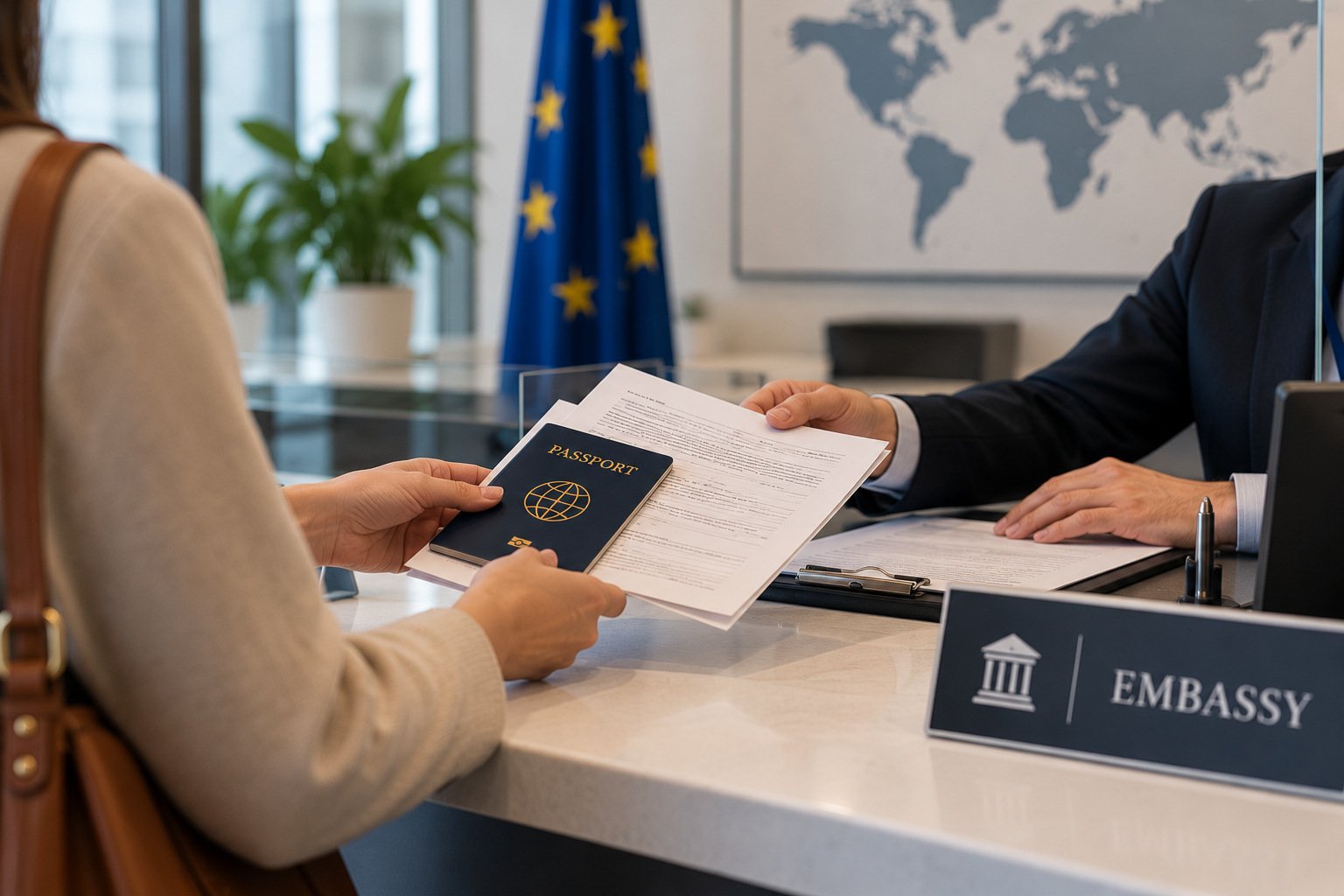
2. Gather your documents

The documents you require vary from bank to bank. Review the requirements on their website or speak with their support staff. Generally, the documents required are:

  • A valid passport.
  • Valid student visa or biometric residence permit.
  • Proof of address in the UK (e.g., tenancy agreement, letter from university).
  • Proof of enrollment from your university (e.g., acceptance letter, student ID, or a letter of introduction for UK banking facilities).
  • Proof of address from your home country (in some cases).
  • A UK mobile phone number
  • Initial deposit money (may be required).
  • A bank statement from your bank account in your home country (required by some banks).

Digital banks would mostly require a valid means of identification, a photograph, and proof of address.

3. Application process

Many traditional banks allow you to start the application online. But you may need to visit a branch to complete the process and verify your identity. Fill out the application form with your personal details, UK address, home country address, course details, and expected graduation date. Opening an account may take a few days to a week.

Opening an account on digital payment solutions is usually fully online. It requires verifying your identity by uploading certain documents and your photo. Your banking details should be ready within hours.

Also read: Living abroad on a student visa: managing rent and bills in foreign currency

Multi-currency accounts with Grey

International students in the UK require a GBP account for everyday spending, and a USD account can be very useful if your funding comes in dollars. Traditional banks can provide these services, but often with strict conditions. For greater flexibility, Grey offers multicurrency accounts that enable you to open USD, EUR, and GBP accounts more easily, allowing you to receive, hold, and convert money at better rates. Transaction fees are low and transparent. You can also obtain a virtual USD debit card for managing your online purchases and subscriptions.

Also read: How Grey differs from a UK bank

Follow these simple steps to create an account:

  1. Sign up online
  1. Verify your identity (KYC)
  • Upload a valid government ID (passport recommended for international students) and a proof of address (utility bill, statement of account)
  • Provide a selfie for verification.
  • Input your personal details (name, date of birth, nationality).
  1. Create your accounts
  • Once verified, you can generate USD and GBP accounts.
  • You will receive your banking details to share with your family or sponsors for direct transfers.
  1. Manage your money
  • Receive USD or GBP directly into your account.
  • Convert between currencies at competitive rates.
  • Use your GBP balance to pay rent, bills, and other local expenses.

Get started with Grey today to simplify your finances.

‍

Last updated:

October 6, 2026

Open a free Grey account to get startedJoin 1 million digital nomads
IF YOU ENJOYED THIS, CHECK THESE OUT

Cost of living in Bali in 2026

•

•

2 min read

It is interesting how Bali has transitioned from just a choice vacation destination to one of the best Southeast Asian cities for digital nomads. The cost of living in Bali might not matter much to tourists exploring for a few days. But it is important for digital nomads who might stick around for a few months or years.

A digital nomad in Bali typically spends between $900 and $2,500 per month, depending on lifestyle and area. Canggu and Seminyak are the most expensive at $1,800 to $2,500 per month. Ubud is mid-range at $1,200 to $1,800. Uluwatu and Sanur are cheaper at $900 to $1,400. Co-working spaces, scooter rental, and eating out are major budget items beyond rent.

Beyond the fancy social media pictures and videos, it is easy to see why Bali is appealing to digital nomads. The cost of living is low, the food is excellent, and the internet in most nomad hubs is solid. But before you plan your move, it is worth knowing what it actually costs to live here. This guide gives you a breakdown of the living costs in Bali depending on the area and your lifestyle.

For the visa situation, see our Bali digital nomad visa guide.

How much does it cost to live in Bali?

The cost of living in Bali mostly depends on where you live and how you live.

If you’re on a tight budget, you can live comfortably on $900 to $1,200 per month in areas like Sanur or Uluwatu. These are quiet neighbourhoods where you can get a simple private room or small villa, eat mostly at local warungs, ride a scooter, and work from a coworking space a few days a week.

If you take it up a notch, a mid-range lifestyle should cost you around $1,400 to $1,800 per month in Ubud or the more affordable parts of Canggu. You get a proper private villa with air conditioning, a mix of local and Western food, gym or yoga classes, and a decent coworking membership.

At the upscale end of things, Seminyak and central Canggu can cost up to $2,000 to $2,500 per month. This gets you a larger villa with a pool, dining out more frequently, fitness classes, and more flexibility on your day-to-day expenses.

Rent in Bali for foreigners

As in most cities, rent is your biggest expense in Bali, and it varies significantly by area and type of property.

Area Character Monthly rent (basic) Monthly rent (private villa)
Canggu Nomad hub, surf, cafes, busy $600 to $900 $900 to $1,800
Seminyak Upscale, beach clubs, restaurants $700 to $1,000 $1,000 to $2,000
Ubud Jungle, yoga, quieter culture $350 to $600 $550 to $1,100
Uluwatu Surf, cliffs, more remote $300 to $500 $450 to $900
Sanur Calm, local, family-friendly $300 to $500 $450 to $850

Before moving to Bali, here are a few things to know about renting an accommodation:

  • The longer the rent, the cheaper it is: Many landlords offer significant discounts if you pay for a year upfront. For example, a villa that rents for $800 per month on a short-term basis may cost only $500 per month on a yearly lease. So, if you plan to stay six months or longer, negotiating an annual deal almost always saves money.
  • "Villa" means different things: The term can describe anything from a small private room with a garden to a luxury home with multiple bedrooms and a swimming pool. Always check what is included before signing a lease.
  • Co-living spaces are becoming more popular: If you are open to bunking with other digital nomads and tourists, spaces like Dojo Bali and others in Canggu offer a room, fast internet, coworking access, and a community. They typically cost $700 to $1,200 per month and are a good option if you're staying for a few months and want to meet other remote workers.

Food, groceries, and eating out in Bali

Food is one of the biggest reasons Bali remains affordable for many expats and digital nomads, especially if they stick with local food.

Local warungs

These are popular small family-run restaurants that serve local Indonesian food, such as nasi goreng, mie goreng, nasi campur, satay, and fresh juices. A full meal typically costs $1.50 to $3.00. Eating two meals a day at warungs costs around $80 to $180 per month.

Western-style cafes

These are more common in urban centres like Canggu, Seminyak, and Ubud. Food here is more expensive, but you have more Western menu options, including avocado toast, smoothie bowls, specialty coffee, and brunch meals usually $5 to $15 per meal. If you eat at these spots daily, budget $300 to $500 per month on food.

Grocery shopping

Bali has both local markets and Western supermarkets (like Pepito or Bintang). Local markets are very cheap for fresh produce. Imported goods (cheese, wine, specific Western brands) are expensive relative to local alternatives. A monthly grocery shop mixing local and imported products typically costs $100 to $200.

If you cook some meals and eat out three to five times a week, a monthly food budget of $150 to $300 is realistic.

Transport, scooter rental, and getting around Bali

Most expats and digital nomads use a scooter because it's the cheapest and easiest way to get around Bali.

Typical monthly transport costs include:

  • Scooter rental: $60 to $100 per month
  • Petrol: $15 to $25 per month
  • Grab and Gojek (rideshare apps): $2 to $8 per trip, useful for nights out or when carrying luggage
  • Hiring a driver for the day: $30 to $50 for airport runs or long trips

Taxis are available but usually more expensive than ride-hailing services.  Grab and Gojek are the most convenient and affordable options for airport trips and outings when you don’t want to ride a scooter, because they have metered prices.

If you are uncomfortable on a scooter, you can get by entirely on Grab and Gojek, but your transport budget rises to $100 to $200 per month, depending on how often you move around.

Sample monthly budget for nomads in Bali

The table below shows what you can expect to spend each month based on your lifestyle.

Expense Budget lifestyle Mid-range lifestyle Comfortable lifestyle
Rent $350 to $500 $600 to $900 $900 to $1,500
Food and eating out $120 to $200 $250 to $400 $400 to $600
Scooter rental and fuel $75 to $100 $75 to $100 $100 to $150
Co-working membership $80 to $120 $120 to $200 $150 to $250
Utilities (electric, water, wifi) $50 to $80 $80 to $130 $130 to $200
Gym, yoga, fitness $30 to $60 $60 to $120 $120 to $200
Entertainment and socialising $50 to $100 $100 to $200 $200 to $400
Travel and day trips $30 to $50 $50 to $100 $100 to $200
Health insurance $50 to $80 $80 to $120 $120 to $200
Miscellaneous $50 to $80 $80 to $120 $100 to $200
Total $885 to $1,370 $1,495 to $2,290 $2,320 to $3,900

Most digital nomads will fall within the mid-range category as they try to balance living on a budget while experiencing the island. If you rent a larger villa in Canggu or Seminyak, eat out often, and enjoy an active social life, your monthly costs will be closer to the comfortable range.

Bali vs other nomad destinations

Bali is not the only affordable nomad destination in Asia or the world. It offers a good balance between affordability and lifestyle. While Chiang Mai is often slightly cheaper, many remote workers choose Bali for its beaches, surfing, wellness culture, and strong international community. Lisbon offers a European lifestyle but at a much higher cost, while Tbilisi remains one of the most budget-friendly options for long-term nomads.

Here is a quick comparison to help put the costs in context.

Destination Budget
monthly total
Mid-range
monthly total
Internet Nomad
community
Bali, Indonesia $900 to $1,400 $1,500 to $2,300 Good in hubs Very strong
Chiang Mai, Thailand $900 to $1,200 $1,300 to $1,800 Excellent Very strong
Lisbon, Portugal $1,800 to $2,200 $2,200 to $3,000 Excellent Strong`
Tbilisi, Georgia $700 to $1,000 $1,000 to $1,500 Good Growing

How to manage money as a nomad in Bali

To spend more freely in Bali, you are better off holding some cash. Although Cards are accepted at larger restaurants, supermarkets, and hotels, warungs, local markets, scooter rental shops, and many smaller businesses mostly accept only cash. You will need Indonesian rupiah (IDR) regularly.

ATMs are easy to find in areas like Canggu, Ubud, Seminyak, and Sanur. Most accept Visa and Mastercard, but many charge withdrawal fees of around IDR 50,000 to IDR 75,000 ($3 to $5), in addition to any fees from your home bank. Making fewer, larger withdrawals can help reduce these costs.

Receiving income in Bali

Most nomads in Bali earn in USD, GBP, or EUR, and have to convert to IDR to spend locally. If those earnings are sent via SWIFT wire to an Indonesian bank account, the transfer goes through one or more correspondent banks, and each of them will charge a handling fee, usually around $15 to $30. The Indonesian bank will also convert the remaining amount to IDR at their own internal rate. This rate typically includes an undisclosed 1%-3% hidden margin. The total loss on a $2,000 transfer can easily reach $60 to $100.

A better way is to receive your earnings into a foreign currency account that accepts domestic transfers from the client's country, hold the money in that, and convert to IDR when you need cash.

Opening a multi-currency account with Grey gives you USD, GBP, and EUR accounts with the relevant account details. US clients pay via ACH. UK clients pay via Faster Payments. EU clients pay via SEPA. There are no intermediary bank charges since the money is coming in via local rails. Deposit fees are capped at 10USD/GBP/EUR.

You convert to IDR at a rate shown before you confirm, then withdraw to your Indonesian account or use the Grey Plus Card for card-accepted purchases. You can also send money internationally with Grey if you are supporting family back home while living in Bali.

Open a multi-currency account with Grey and manage your income in Bali without losing money to hidden bank fees.

Frequently asked questions

Is Bali safe for digital nomads?

Yes. Bali is generally safe for expats and digital nomads. Petty theft and tourist scams can happen, but the biggest risk is road safety. If you plan to ride a scooter, always wear a helmet and drive carefully. The areas most popular with nomads (Canggu, Seminyak, Ubud) are well-lit, well-patrolled, and have active expat communities

How long can I stay in Bali on a visa?

The Tourist Visa on Arrival allows 30 days, extendable to 60 days. The social visa allows up to 180 days total. Indonesia's E33G Remote Worker Visa allows 12 months for those who qualify. For more details on each option and what is legally permitted, see our Bali digital nomad visa guide.

Is the internet good in Bali?

In the main nomad areas, yes. Coworking spaces in Canggu, Seminyak, and Ubud offer reliable high-speed connections, often 50 to 100 Mbps. Villa and home internet is more variable. Many nomads use coworking spaces for focused work and rely on mobile data (Telkomsel or XL Axiata) as a backup. Remote areas like northern Bali or some parts of Uluwatu have weaker connectivity.

What is the cheapest area to live in Bali?

Sanur and Uluwatu are generally the most affordable areas popular with long-term expats. They offer lower rents than Canggu and Seminyak while still providing good amenities. Sanur has a calm, local feel with lower rents than Canggu or Seminyak, decent internet, and a growing expat community.

Can I pay by card everywhere in Bali?

Not everywhere. Larger restaurants, supermarkets, hotels, and cafés usually accept cards, but many local businesses only accept cash. It's a good idea to carry some Indonesian rupiah with you.

How do I receive income while living in Bali?

If you earn in USD, GBP, or EUR, using a multi-currency account lets clients pay you through local payment methods instead of expensive international wire transfers. Grey provides local account details for the US, UK, and Europe, helping you receive payments with fewer fees and convert your money when needed.

Portugal NHR tax regime: The expat tax break explained

•

•

2 min read

You are probably here because you are moving to Portugal and might have heard about the country’s tax-relief programme for foreigners that lasts up to 10 years. The Non-Habitual Resident (NHR) programme was introduced in 2009 to attract foreign investors and professionals to Portugal.

However, Portugal's original Non-Habitual Resident (NHR) regime closed to new applicants in 2024. Transitional provisions allow some new arrivals who met specific criteria by certain deadlines to still benefit, though. A replacement regime, the Tax Incentive for Scientific Research and Innovation (NHR 2.0), launched in 2024 and is still accepting applicants who work in qualifying fields.

This article explores Portugal’s NHR tax regime, how it has changed over time, the rules, eligibility, and how to plan your move to Portugal.

What is the Portugal NHR tax regime?

Portugal introduced the Non-Habitual Resident tax regime in 2009. The plan was to attract skilled professionals, retirees, and investors to Portugal by offering a favourable tax structure for a period.

The tax regime offered:

  • A flat 20% tax rate on money made from working locally in Portugal instead of the standard progressive rates that reach up to 48%.
  • Exemptions or reduced withholding tax on many categories of foreign income. This included incomes from pensions, dividends, royalties, and rental income from abroad
  • The benefits for 10 consecutive years with no option to renew

The scheme became very popular, especially among people moving from the UK, the US, Brazil, and France. Interest grew even more after the COVID-19 pandemic as remote work became more common.

So far, here is the timeline of events relevant to the NHR tax regime:

  • 2009: NHR regime introduced
  • 2020 to 2023: Peak uptake, particularly from UK nationals post-Brexit and US retirees
  • October 2023: Portuguese government announces the closure of NHR to new applicants from 2024
  • January 2024: NHR formally closed to new registrations
  • 2024: NHR 2.0 (Tax Incentive for Scientific Research and Innovation) launched as the replacement

Non-habitual resident status in Portugal: who qualifies?

Let’s say you are a US retiree moving to Portugal. The original NHR tax regime meant you could receive Social Security payments, pension income, and investment dividends largely free of Portuguese tax for 10 years. If you are a UK professional working remotely for a British company, you could pay 20% flat tax on your Portuguese-source income rather than the standard progressive rate.

Under the original NHR programme, you could qualify if you**:**

  • Had not been a tax resident in Portugal in the previous five years
  • Became a Portuguese tax resident by spending more than 183 days in Portugal each year or by making Portugal your habitual residence.
  • Applied for NHR status with the Portuguese Tax Authority within the required deadline.

The 10-year period was fixed and non-renewable. After it expired, the individual fell back to the standard Portuguese income tax rates.

Portugal's flat tax for expats in 2026

The original NHR has since closed. If you did not register before it closed, you cannot apply for it anymore. There were transitional rules for two groups who could still register:

  1. People who became tax residents in Portugal in 2024 and met the transitional eligibility requirements. This includes having a qualifying connection to Portugal before the scheme closed (for example, if you had an eligible employment contract, property agreement, or a residence visa application in progress). They also had to apply within the permitted timeframe (31st March, 2025).
  2. People who had already registered under NHR before it closed. They continue to receive the tax benefits until the end of their 10-year period.

For people just moving to Portugal now or in the future, it is unlikely that they can still benefit from the NHR tax regime. The NHR 2.0 is what is in place now.

Learn about Portugal’s receiving limit from US Banks

What replaced the NHR regime?

Portugal replaced the original NHR scheme with the Tax Incentive for Scientific Research and Innovation, commonly known as NHR 2.0.

Let’s run through the differences between the original NHR and NHR 2.0:

Feature Original NHR NHR 2.0
Open to Most professionals and retirees Qualifying researchers, scientists, and highly skilled workers
Tax rate 20% flat on Portuguese-source qualifying income 20% flat on qualifying Portuguese-source income
Duration 10 years 10 years
Foreign income treatment Broad exemptions More limited; depends on income type
Application status Closed (since January 2024) Open
Qualifying activities Broad range Scientific research, technology, innovation, specific high-value-added roles

Who qualifies for NHR 2.0:

  • Researchers working for universities, scientific institutions, or R&D departments
  • Professionals in qualifying technology, data science, and AI roles
  • Academics and postdoctoral researchers
  • Workers in Portugal's "contractual tax benefits" investment programme
  • Certain professionals in innovation-focused industries

Unlike the original NHR, NHR 2.0 is much more restrictive. Most retirees, freelancers, and remote workers will not qualify unless their work falls within one of the approved categories.

How to apply for the new regime

If you believe you qualify for NHR 2.0, here is what the general process looks like. Always verify current requirements at the Portuguese Tax Authority portal before applying.

Step 1: Become a Portuguese tax resident

You generally need to spend more than 183 days in Portugal in a year or have a permanent home there.

Step 2: Get your NIF

The NIF (Número de Identificação Fiscal) is Portugal’s tax identification number. You need it for almost everything, from banking to renting a property, signing contracts, and registering with the tax authority. Non-residents can obtain a NIF at a tax office (Finanças) with a passport and a fiscal representative, before they even move.

Step 3: Register as a tax resident

Once you've moved, update your tax status with the Portuguese Tax Authority.

Step 4: Demonstrate your qualifying activity

You'll need documents showing that your work qualifies for NHR 2.0, such as an employment contract, research agreement, or confirmation from a Portuguese institution.

Step 5: Submit your NHR 2.0 application

Apply through the Portuguese Tax Authority's online portal using your NIF, proof of tax residency, and supporting documents.

Step 6: Await confirmation

The Tax Authority processes the application and confirms your status. Once approved, the 10-year period begins.

Common mistakes to avoid

  • Missing the application deadline after becoming a tax resident
  • Not keeping documents that prove your qualifying role
  • Assuming remote work automatically qualifies
  • Applying without getting professional tax advice

Other tax considerations for expats in Portugal

If you don't qualify for NHR or NHR 2.0, you'll be required to pay Portugal's standard income tax rates. These are progressive, starting at 13% on lower incomes (up to approximately €7,700 per year) and rising to 48% on incomes above €80,000.  High-income earners may also pay an additional solidarity surcharge of 2.5% to 5%.

Here are a few other taxes to keep in mind.

  • Property tax (IMI): Homeowners pay an annual property tax, usually between 0.3% and 0.8% of the property's taxable value. There is also a wealth surcharge (AIMI) on real estate assets above €600,000.
  • Inheritance tax: Portugal does not charge inheritance tax between close family members, such as spouses, parents, and children. Transfers to other beneficiaries are generally subject to 10% stamp duty.
  • US citizens: Moving to Portugal does not stop your US tax obligations. US citizens must still report their worldwide income to the IRS. You may be able to reduce double taxation through the Foreign Tax Credit or tax treaty provisions, but it's best to speak to a cross-border tax adviser.

Managing income from abroad in Portugal

Many expats in Portugal receive income in USD, GBP, or EUR. If that income is sent via an international wire transfer (SWIFT) to a Portuguese bank account, correspondent bank fees and the bank's conversion markup reduce what actually arrives.

For a detailed breakdown of what daily life costs, see our cost of living in Lisbon guide.

Opening a multi-currency account with Grey gives you USD, GBP, and EUR accounts to receive payments from the US, UK, or Europe. Once you provide the corresponding account details, the payment goes through ACH, Faster Payments, or SEPA, depending on the currency. It looks like the sender is making a local transfer.

You can hold the USD or GBP or convert to EUR at a disclosed rate when you need it, and withdraw to your Portuguese bank account. For expats also supporting family back home, you can send money to Portugal with Grey from abroad at transparent rates.

Open a multi-currency account with Grey and receive your international income in Portugal at disclosed fees, convert and withdraw to your Portuguese account whenever you want.

Frequently asked questions

Is the NHR still available in 2026?

The original NHR scheme is closed to new applicants. Some people who qualified under the transitional rules may still receive their benefits. Most new arrivals must apply under NHR 2.0, provided they work in an eligible profession.

Who qualifies for NHR 2.0?

NHR 2.0 is designed for researchers, scientists, academics, and professionals in qualifying high-value technology and innovation roles. Remote workers, retirees, and general freelancers do not qualify under the new scheme unless their work specifically falls within a recognised research or innovation category. Check with the Portuguese Tax Authority or a tax adviser to confirm whether your role qualifies.

How much tax do expats pay in Portugal without NHR?

Without NHR or NHR 2.0, expats are subject to Portugal's standard progressive income tax rates, which range from 14.5% at the bottom to 48% at the top. A solidarity surcharge of 2.5% to 5% also applies to higher earners.

Can I get NHR if I move to Portugal now?

The original NHR is no longer available. If you move to Portugal today, you'll generally pay the standard tax rates unless you qualify for NHR 2.0 or are covered by the transitional rules.

Does Portugal tax US Social Security?

Without NHR, US Social Security benefits may be taxable in Portugal. The exact treatment depends on Portuguese tax rules and the US-Portugal tax treaty, so it's worth getting advice from a tax specialist.

Can I receive USD or GBP income via Grey in Portugal?

Yes. Grey provides USD, GBP, and EUR accounts with real foreign banking details. US clients or pension providers can pay to your US routing number via ACH. UK payers can use your UK sort code via Faster Payments. European payers use your IBAN for SEPA. All payments arrive in full without correspondent bank deductions. You convert to EUR when you need it, at a rate shown before you confirm.

Luxembourg work permit: How to apply and what to expect

•

•

2 min read

Luxembourg may be one of Europe's smallest countries, but it has one of the continent's best economies and highest average incomes. It is home to several European Union institutions and attracts skilled professionals from around the world. If you're planning to move from countries like Nigeria, Ghana, Kenya, South Africa, or India, the first step is finding an employer willing to hire and sponsor you.

To work in Luxembourg as a non-EU national, you need a residence permit for salaried workers, sponsored by a Luxembourg employer who has demonstrated that the role cannot be filled locally. Applications go through the Ministry of Foreign and European Affairs. The process typically takes 2 to 4 months. EU Blue Card holders enjoy a faster route with a salary threshold of around €75,000 per year.

This article provides an overview of Luxembourg’s work permit, the requirements, getting a sponsoring employer, eligibility, and timeline.

Who needs a Luxembourg work permit?

Whether or not you need a work permit in Luxembourg depends on your nationality.

  • EU and EEA citizens do not need a work permit. Freedom of movement applies across EU member states. So if you are an Italian, German, or French national, you can work in Luxembourg without requiring a work permit.
  • Swiss and EFTA nationals have bilateral agreements with Luxembourg that, in most cases, allow them to work without a separate permit.  They only need a valid ID card or passport and must complete local registration formalities after arrival
  • UK citizens now need a work permit since Brexit. The UK's departure from the EU means its citizens now have to follow the same process as other non-EU applicants.
  • Non-EU nationals, including applicants from Nigeria, Ghana, Kenya, South Africa, India, and other countries, require a residence permit for salaried workers before they can legally work in Luxembourg. There is no route to work in Luxembourg without a sponsoring employer.

Luxembourg work permit requirements

Although your employer handles much of the application process, you'll still need to meet several requirements.

Basic requirements

Luxembourg work permit requirements include:

  • A job offer from a Luxembourg employer
  • Qualifications or work experience that match the role
  • An employer who has tried to recruit within the EU before hiring you (known as the labour market test)
  • A salary that meets the legal requirements for your position
  • A clean criminal record

Documentation checklist

Here is a checklist of the documents you might need. There nig

  • Valid passport (minimum 12 months validity beyond the planned stay)
  • Certified copy of qualifications and transcripts, apostilled if required
  • Curriculum vitae in English or French
  • Motivation letter
  • Criminal background check from your home country, apostilled
  • Medical certificate (required for some applications)
  • Passport photographs
  • Proof of accommodation in Luxembourg (rental agreement or letter of hosting)
  • Completed application form from the Ministry of Foreign and European Affairs

Documentation your employer must provide

Your employer will usually submit:

  • Your employment contract or job offer
  • Company registration documents
  • Evidence that the position was advertised to EU candidates
  • An explanation of why a non-EU worker is needed

Documents not in French, German, Luxembourgish, or English typically require a certified translation.

How to get a work permit in Luxembourg

Getting a Luxembourg work permit is straightforward, but it starts with finding a job. Your employer handles much of the application process, while you just provide the required documents. Here's a breakdown of how to get a work permit in Luxembourg:

Step 1: Get a job offer

You cannot apply for a work permit without a job. So, you start from there. The employer must be registered and operating legally in Luxembourg.

Step 2: Your employer applies for approval

Before hiring a non-EU national, the employer must advertise the position through the ADEM (Agence pour le développement de l'emploi), Luxembourg's employment agency. If no suitable EU candidate is found within a set period, they can proceed with the non-EU hire.

In most cases, the employer must first advertise the role locally to show they could not find a suitable candidate within Luxembourg or the EU. They then submit the work permit application on your behalf.

Step 3: Apply for temporary authorisation to stay

Once the labour market test is complete, the employer submits the work permit application to the Ministry of Foreign and European Affairs on your behalf. You can track the process on the Luxembourg government services portal.

Step 4: Apply for a long-stay visa

Once your application is approved, apply for a long-stay (D) visa at the Luxembourg embassy or consulate responsible for your country.

Step 5: Travel to Luxembourg

Enter Luxembourg using your D visa and begin the next registration steps.

Step 6: Register your address

Within three days of arriving, register your address at your local commune (municipal office).

Step 7: Collect your residence permit

After registering, apply for your residence permit. This document allows you to live and work legally in Luxembourg.

The full process from job offer to arriving in Luxembourg takes approximately 2 to 4 months, depending on how quickly the labour market test is completed and how long the visa consulate takes to process your D visa.

Also read: How to open US, UK and Euro bank accounts in Luxembourg

Luxembourg work visa for Africans

If you are an applicant from Nigeria, Ghana, Kenya, South Africa, or another African country, the process is the same as for any other non-EU national. However, here are some additional things to keep in mind when applying for a Luxembourg visa as an African.

Where to apply for the D visa

Luxembourg does not have embassies in every African country. Many Africans apply through the Belgian embassy or consulate, which handles Luxembourg visa applications in countries where Luxembourg has no direct representation. Check the Luxembourg Ministry of Foreign Affairs website for the correct application point for your country.

Additional documentation requirements

  • Most African nationals, including Nigerian, Ghanaian, and Kenyan applicants, often need to have their university degrees and certificates apostilled by the relevant national authority before submission.
  • Police clearance certificates must be recent (usually within three months) and certified.
  • French translations are commonly required for documents not already in French, English, German, or Luxembourgish.
  • Some applicants from countries without a bilateral agreement with Luxembourg face more scrutiny on the labour market test stage.

Some African countries may have longer processing times due to additional verification steps. You should estimate an additional 4 to 8 weeks on top of the standard 2 to 4 month timeline.

EU Blue Card route for highly qualified workers

The EU Blue Card is a work and residence permit for highly qualified non-EU nationals that allows them to live and work in 25 European Union countries, including Luxembourg. The Blue Card works well for professionals in tech, engineering, finance, healthcare, and other sectors with recognised qualifications and competitive salaries. If your job offer meets the salary threshold, the Blue Card is almost always the better route.

The requirements for securing an EU Blue Card include:

  • A valid passport and eligibility to enter the Schengen area
  • Job contract: Minimum duration of 6 months in a matching professional field.
  • Salary threshold: Must meet the gross yearly salary threshold which was increased to €65,652 from March 2026.
  • Qualifications: Higher education diploma (at least 3 years of study) or 5 years of equivalent high-level professional experience.
  • Application fee: €80 government processing fee

If you qualify, the EU Blue Card is faster and more straightforward than the standard work permit route. In addition

  • Blue Card holders can bring family members more easily.
  • After 18 months in Luxembourg on a Blue Card, you can move to another EU member state without starting the process from scratch.
  • After five years of legal residence in Luxembourg (not all of which needs to be on the Blue Card), you can apply for long-term EU residence status.

What to do after you arrive in Luxembourg

Once you arrive, several administrative steps need to happen within specific timeframes.

  • Register your address: Register at your local commune within three days of arrival. You will receive a registration certificate, which you will need for almost every other thing.
  • Apply for a residence permit: Complete your residence permit application at the Immigration Directorate. This will require your registration certificate, passport, job contract, and proof of accommodation.
  • Get your Social Security: Your employer handles Social Security registration in most cases. Luxembourg's social security system covers health insurance, pension, and unemployment insurance.
  • Enrol in to the healthcare system: Once registered with social security, you are entitled to use Luxembourg's healthcare system. Register through the Centre Commun de la Sécurité Sociale.
  • Set up a bank account: Opening a local bank account requires your residence permit or temporary registration certificate, passport, proof of address, and employment contract. Banks, including BGL BNP Paribas, Spuerkeess, and ING Luxembourg, are commonly used by expats.

Managing money in Luxembourg

Many people who move to Luxembourg continue receiving money from family back home, or manage USD or GBP income. While you are setting up your local account, or if you want to hold foreign currency separately from your Luxembourg account, you need to have a foreign currency account. This allows you to avoid international wire fees and control when you want to convert currencies.

Opening a multi-currency account with Grey gives you USD, GBP, and EUR accounts with real foreign banking details. You can receive and send money internationally with Grey without correspondent bank deductions, and you convert at a disclosed rate whenever you want. Deposit fees are 0.8% (at least 2 USD/EUR/GBP and capped at 10 USD/EUR/GBP). Conversion fees depend on the currencies involved, but usually 0.5% to 1%, and sometimes are capped at $6.

Open a multi-currency account with Grey and manage your international finances while settling into a new life in Luxembourg.

Frequently asked questions

How long does it take to get a Luxembourg work permit?

The full process from receiving a job offer to being able to legally arrive in Luxembourg typically takes 2 to 4 months. This includes the labour market test, ministry approval, D visa processing, and residence permit application on arrival. Applications from certain countries may take longer due to document apostilling and additional verification checks.

What is the minimum salary for a work permit in Luxembourg?

The minimum salary for a work permit in Luxembourg depends on the type of permit: €3,325.59 per month for a standard qualified salaried worker, or €65,652 per year for an EU Blue Card.

Can my family come with me on a Luxembourg work permit?

Yes. Spouses and dependent children can apply for family reunification once you are legally resident in Luxembourg. The process requires evidence of your residence permit, proof of relationship, and adequate housing and financial resources to support the family. EU Blue Card holders have access to faster family reunification procedures.

Can I switch employers on a Luxembourg work permit?

Changing employers requires a new work permit application tied to the new employer. You cannot simply transfer the permit from one company to another. Your new employer must go through the labour market test again. It is advisable to start the process before leaving your current role.

Is Luxembourg good for African expats?

Luxembourg has a highly international population, with over 47% of residents being non-Luxembourgish. The expat community is well-established, and English is widely spoken in professional settings alongside French, German, and Luxembourgish. Cost of living is high compared to most African countries, but salaries are correspondingly high. Healthcare is excellent, public transport is free nationwide, and the country's central location in Europe makes travel easy.

How do I receive money from Nigeria in Luxembourg?

Grey provides a multi-currency account that lets you receive USD, GBP, or EUR from abroad. If family in Nigeria sends money, it can be converted from naira and received in your Grey balance without the correspondent bank deductions that affect standard wire transfers. You can then convert to EUR at a disclosed rate and withdraw to your Luxembourg bank account.

How to find a job and validate your degree abroad

•

•

2 min read

Job hunting has become a worldwide competition thanks to digital technology. This shift has opened up more opportunities for people in remote areas, but unemployment gaps still exist. Moving abroad for work can change your life, giving you the chance to grow professionally, experience new cultures, and develop personally. Many people choose to work overseas for better career prospects, higher pay, or simply a new environment.

But moving abroad takes more than just packing your bags. You need to plan carefully, find the right job, and make sure your qualifications are accepted in your new country. This guide will walk you through these steps and share useful strategies and resources to help you succeed.

Also read: Best financial apps for remote workers on the move

Understanding degree validation

One of the most critical steps in pursuing work abroad is validating your academic credentials, also known as credential evaluation or recognition. This process confirms that your degree meets the standards of the host country, which is vital for job applications, professional licensing, or further studies. Without validation, your qualifications may not be accepted, which can limit your opportunities. You should bear in mind that this may come at a cost and

The procedure varies by country.

  • European Union (EU): the ENIC-NARIC network serves as a gateway for recognising foreign qualifications across 56 countries, including non-EU nations. To start, visit the ENIC-NARIC website, select your target country, and access its national information centre for details on higher education systems and recognition procedures. Europass is another valuable resource for comparing qualifications within Europe.
  • United States: Recognition is handled by private organisations under the National Association of Credential Evaluation Services (NACES) and the Association of International Credentials Evaluators (AICE), like World Education Services (WES).
  • Canada – Immigration, Refugees and Citizenship Canada (IRCC) requires an Educational Credential Assessment (ECA) from approved agencies.
  • Australia – Skills assessments are conducted by professional bodies such as Engineers Australia or the Australian Medical Council.
  • Middle East – Gulf countries often require attestation through your home country’s Ministry of Education and Foreign Affairs, followed by authentication from the local embassy.

You may also like: Moving abroad checklist: 6 Essential considerations for a smooth transition

How to find a job and validate your degree abroad

As the job market becomes more global, it’s important to validate your degree because employers abroad might not know your country’s education system. Job hunting overseas also means using different strategies, like searching on international job boards and learning about visa rules. With good preparation, you can overcome these challenges and start a rewarding career abroad.

1. Research and plan

Before you start applying, take time to research which countries and industries are the best fit for you. Look at your skills, experience, and what you want in a job, then see where those match up with global opportunities. Check which countries need your skills most, and think about things like economic stability, cost of living, work-life balance, and what’s required to validate your qualifications.

2. Compile all necessary documents

Have your diplomas, transcripts, and a detailed list of courses readily available. If you have a higher education degree from a European country, request a Europass Diploma Supplement from your university. It explains your qualifications in detail. You will often need to provide official, certified translations of your documents into the local language. It is usually better to get testimonials from past employers and referees early to ensure you don’t experience delays when you need them.

3. Validate your degree

Once you have a shortlist of countries you can work in, follow the recommended procedure for credential validation. You'll need to submit transcripts, diplomas, and, in some cases, syllabi.

4. Update your application materials

Your CV or resume is often the first thing recruiters see, so it’s important to make it count. Avoid sending the same CV everywhere. Instead, customise it for each job to catch employers’ attention. Highlight your passion, experience, and goals in your online profiles, like LinkedIn.

5. Start your job search

You can look for jobs abroad in several ways, and trying different methods will boost your chances of finding the right position.

  • Use international job boards: Search on websites like LinkedIn, Indeed, Glassdoor, Go Overseas, and GoAbroad.com.
  • Check company career pages: Look for jobs directly on company websites and set up job alerts for new opportunities.
  • Consider recruitment agencies: Agencies can help place people in international roles, especially in fields like healthcare and IT, for a fee. However, be wary of fraudsters.

6. Network effectively

Reach out to professionals and alumni from your university to get advice and learn about job openings. Use LinkedIn and other platforms to connect with people in your field in your target countries. Joining groups for international job seekers or your profession can also help you make contacts and find opportunities.

7. Leverage university resources

Meet with career services professionals for advice and guidance on finding international jobs. Look for part-time jobs, research assistant positions, or tutoring roles on your university's official pages.

Also read: Currency conversion traps to avoid when relocating

Managing your finances as you move abroad

Finding a job abroad can take time and effort, but it’s worth it if you want to work in your dream country. You’ll need to research, prepare carefully, and keep going even when it gets tough. Don’t forget to validate your degree, as this step is key to making sure your qualifications are accepted.

You’ll also need a reliable way to manage your money while moving abroad. For example, paying for degree validation often means using foreign currencies like USD, GBP, or EUR. Grey makes this easier by offering multi-currency accounts, low fees, and good exchange rates. Most banks abroad won’t let you open an account before you arrive, but with Grey, you can set up your finances ahead of time and avoid any problems when you get there.

Get started with Grey today to make managing your finances easier as you move abroad.

‍

Getting health insurance and saving in foreign currencies

•

•

2 min read

Imagine you pick up a bug on a work trip to Spain or get stung by a jellyfish while swimming in Thailand. How would you cover the medical bills, especially when you haven't budgeted for such medical emergencies? Quality healthcare costs money. If you are a digital nomad, frequent traveller, or expat managing foreign currency, you’d understand that getting health insurance across borders and saving in foreign currencies can be challenging. Global health insurance ensures access to affordable, quality healthcare in foreign currencies.

In this article, we will discuss how to obtain health insurance and save in foreign currencies.

Also read: Expat banking 101: Opening an account before relocation

Why health insurance matters

Healthcare costs are rising globally, and emergencies are often unpredictable. Health insurance protects you from sudden, significant expenses that could lead to a financial mess. For those living abroad or working internationally, insurance becomes even more vital because:

  • Cross-border medical care: Many local policies may not cover you outside your country of residence.
  • Access to private healthcare: In regions where public healthcare is inadequate, private cover ensures you receive timely and quality treatment.
  • Visa and residency requirements: Certain countries, such as those in the EU, require proof of health insurance for residency permits.
  • Peace of mind: Knowing you’re financially shielded against unexpected illness or accidents helps you focus on work, personal growth, and enjoying the country.

Types of health insurance to consider

When choosing health insurance, it is essential to evaluate the level of coverage, portability (the ability to switch to a different insurance plan), and costs. The common types include:

  • Local health insurance: Affordable, but often limited to a specific country and healthcare network.
  • International health insurance: Offers cross-border coverage and flexibility, ideal for expatriates and frequent travelers. They include benefits such as outpatient care, maternity care, and dental care. Premiums vary based on age, location, and the level of coverage.
  • Travel medical insurance: This is typically best suited for short trips or temporary stays, especially those lasting less than six months. It focuses on emergencies rather than routine care. It's cheaper but less comprehensive and recommended for holidays or initial relocations pending a more comprehensive medical insurance.
  • Employer-sponsored insurance: This is usually part of an employment benefit package and is most commonly available to expatriates. It is often comprehensive, but may end once you leave the job.
  • Supplementary insurance: Provides additional benefits, such as dental, maternity, or mental health coverage.

How to choose the right plan

Before selecting an insurance package, there are certain questions you must ask.

  1. Stay duration: Are you looking for long-term or short-term medical insurance?
  2. Assess need: What healthcare services are you likely to require during your stay?
  3. Coverage area: Does it cover multiple countries or just one?
  4. Network of hospitals: Are reputable facilities included?
  5. Exclusions: Does it exclude pre-existing conditions or certain treatment plans?.
  6. Cost effectiveness: Does it balance cost with value?
  7. Claim process: How swift and seamless is the claim process?

Also read: How to manage international payments while living abroad

Why saving in foreign currencies is essential

Just as health insurance secures your physical well-being, saving in foreign currencies safeguards your financial health. For people living in countries with volatile economies or inflation-prone currencies, holding assets in stronger currencies like USD, EUR, or GBP can provide:

  • Value protection: Foreign currencies are often more stable and resistant to devaluation.
  • Easier international transactions: Paying for online services, tuition fees, or subscriptions becomes simpler when you save in foreign currencies.
  • Travel convenience: Holding strong currencies means less exposure to poor exchange rates when abroad.
  • Diversification of assets: Holding a mix of assets in different currencies spreads risk across global markets. If your domestic economy faces a crisis, your foreign currency savings can provide a financial buffer.
  • Global investment access: Saving in a foreign currency gives you the flexibility to invest directly in international stocks, bonds, or real estate that are often priced in major global currencies.

Challenges with saving in foreign currencies

Before we proceed, we should give you a heads up that saving in foreign currencies also has its risks, even though you can mitigate them with Grey.

  • Currency exchange risk: Fluctuations in exchange rates are the most significant risk. An unfavorable conversion could reduce the value of your savings when converting them back to your local currency. This is why you should monitor the exchange rate in real time on Grey to note when the rates are most favourable.
  • Higher fees: Foreign currency accounts may come with higher transaction and maintenance fees compared to local currency accounts. Converting money to and from a foreign currency account can also incur exchange rate costs. Grey offers low and transparent charges on international transactions and a competitive exchange rate. Planning your transactions and conversions can help you avoid multiple transactions and multiple charges.
  • Tax implications: Saving in foreign currencies may have tax consequences and reporting requirements depending on the country and currency. You may need to consult with a tax specialist to know what applies in your situation. However, with Grey, users can easily monitor cash flow, access accounts, and track USD debit card expense insights in no time to file their taxes.

Also read: How to manage multiple currencies as an expatriate with Grey

Saving in foreign currencies

You can save in foreign currencies by opening a multi-currency or foreign savings account through some international banks. Some banks even offer fixed-term savings accounts in foreign currencies, often with higher interest rates than local savings accounts. However, most conventional banks are plagued by delayed transactions, exorbitant transfer charges, lengthy paperwork, regional restrictions, and unfavourable currency conversion fees.

These challenges have tilted more people to favour fintechs such as Grey, Wise, or Revolut, which support multiple currencies. Requirements include a valid ID, proof of address, and your personal details. Online payment platforms make setup straightforward, often with apps for real-time rate tracking.

Grey offers accounts that allow you to hold, save, and transact in multiple currencies in one place. You can protect your health and secure your finances with multi-currency accounts and global payment solution. Whether you are a digital nomad, an expatriate, or a professional managing international payments, this process makes it effortless.

Get started with Grey today to start saving in foreign currencies.

‍

Managing money across two countries as an expat

•

•

2 min read

Many expats who live and work in foreign countries still have some financial responsibilities in their home countries. They send money to support their families with expenses like daily needs, education, and healthcare. Sometimes, it is for business transactions, international travel, foreign investments, online purchases, or managing overseas commitments, such as mortgages or other financial obligations.

Irrespective of the reason, managing money across two countries as an expat comes with its challenges. From payment delays to high exchange rates, expensive transaction fees, and local financial regulations, cross-border transactions can be a hassle. However, there are easier ways to manage money across two countries as an expat, and we know those ways.

Also read: Expat banking 101: Opening an account before relocation

Challenges of managing finances across borders

Expats typically face several hurdles when managing money across two countries:

  • Currency fluctuations: Exchange rate volatility can affect the value of your earnings and disrupt your financial plans.
  • High transaction fees: Traditional banks often charge high fees for international transfers.
  • Taxation hassles: You may risk being taxed twice on the same money if you are not mindful.
  • Payment delays: Delays in international transfers may affect how quickly you can use your money, which can be frustrating during emergencies

Choosing the right banking option

International transfers are usually not one-size-fits-all. You have various options available to choose from, with each having its merits and demerits. The key is to find an option that is most suitable for you.

  • Managing accounts in both countries: Retaining your bank account in your home country with some funds makes it easy to send and receive money in that country. This way, you completely avoid currency conversion and international transaction fees, as well as the associated delays. However, this option only works for expats with a steady financial inflow in their home country.
  • International bank accounts: International banks offer global accounts that allow you to send, receive, and hold funds in different currencies. This option is ideal for sending large sums of money and official transactions. Transaction fees can, however, be high, and there are markups on the exchange rates. It might also be difficult. These banks also have strict requirements, and transactions might be slow.
  • Fintech solutions: Emerging fintech solutions, such as Grey, are helping expats manage their finances across multiple countries by facilitating seamless international transactions with multicurrency accounts.

Also read: Managing money across countries as an expat: A complete guide

Managing money across countries as an expat

Now that you know your options, here are some strategies you can use.

  • Bank accounts: Open international or multi-currency accounts with digital payment platforms like Grey for lower fees and better exchange rates. Keep your home country accounts open, if possible, as they may be useful in the future.
  • Currency exchange: Avoid poor exchange services with markups, and monitor exchange rates before converting funds.
  • Budgeting: Create a realistic budget that accounts for costs in both your home country and the host country. Track expenses in local currencies. Consider using budgeting apps or spreadsheets.
  • Tax planning: Tax rules differ, so clarify your situation to avoid double taxation. Get professional help if needed.
  • Emergency Fund: Build an emergency fund that covers three to six months of expenses. This can be particularly helpful during emergencies.

Also read: How to manage multiple currencies as an expatriate with Grey

Managing international transactions with Grey

Managing money across two countries as an expat requires more than just opening a local bank account. It involves planning for exchange rates, taxes, savings, and emergencies while using the right tools to keep costs low. Grey helps expat streamline their finances by offering multicurrency accounts in USD, GBP, and EUR. Users enjoy low transaction fees, swift payment processing, and competitive exchange rates.

Sign up on Grey today to move money across countries easily.

‍

Arrow (up)

Back to top