

<script type="application/ld+json">[{"@context": "https://schema.org", "@type": "BlogPosting", "@id": "https://grey.co/blog/how-grey-makes-sending-money-home-easier-for-migrants#article", "headline": "How Grey makes sending money home easier for migrants", "description": "Sending money home as a migrant? Discover how Grey makes international transfers easier with low fees, fast processing, and competitive exchange rates.", "inLanguage": "en", "url": "https://grey.co/blog/how-grey-makes-sending-money-home-easier-for-migrants", "mainEntityOfPage": {"@id": "https://grey.co/blog/how-grey-makes-sending-money-home-easier-for-migrants#webpage"}, "datePublished": "2025-01-31T22:04:04.798Z", "dateModified": "2026-06-15T16:33:32.117Z", "publisher": {"@type": "Organization", "@id": "https://grey.co/#organization", "name": "Grey", "url": "https://grey.co"}, "author": {"@type": "Person", "name": "Adeolu Titus Adekunle"}, "image": "https://cdn.prod.website-files.com/636a85d290ee58e70c17e1c0/6a3015c8b988008f82e13a82_6a3015c7b646e0377ebf37ea_how-grey-makes-sending-money-home-easier-for-migrants__header-image.webp"}, {"@context": "https://schema.org", "@type": "BreadcrumbList", "@id": "https://grey.co/blog/how-grey-makes-sending-money-home-easier-for-migrants#breadcrumb", "itemListElement": [{"@type": "ListItem", "position": 1, "name": "Home", "item": "https://grey.co/"}, {"@type": "ListItem", "position": 2, "name": "Blog", "item": "https://grey.co/blog"}, {"@type": "ListItem", "position": 3, "name": "How Grey makes sending money home easier for migrants", "item": "https://grey.co/blog/how-grey-makes-sending-money-home-easier-for-migrants"}]}]</script>

How Grey makes sending money home easier for migrants

Adeolu Titus Adekunle

TABLE OF CONTENT

SHARE THIS POST

For migrants working abroad, sending money home is crucial to supporting their families and loved ones. However, international money transfers often come with hurdles. Migrants face high fees, poor exchange rates, and slow processing times. Also, traditional banks and remittance services can be expensive and complicated, making it difficult to manage finances effectively.

Grey provides a seamless solution, offering fast, secure, cost-effective international transfers. This article explores how Grey makes sending money home easier for migrants.

Common challenges of sending money home

Migrants often face obstacles when transferring money internationally, including:

  • High transaction fees: Many traditional banks charge expensive transfer fees. This reduces the amount received by loved ones.
  • Unfavourable exchange rates: Currency conversion can lead to significant losses when providers offer poor exchange rates.
  • Slow processing times: Transfers can take several days, causing delays in urgent situations.
  • Complex procedures: Some financial institutions require excessive paperwork and bureaucratic processes.

Read also: Why is international payment so complex for migrant workers?

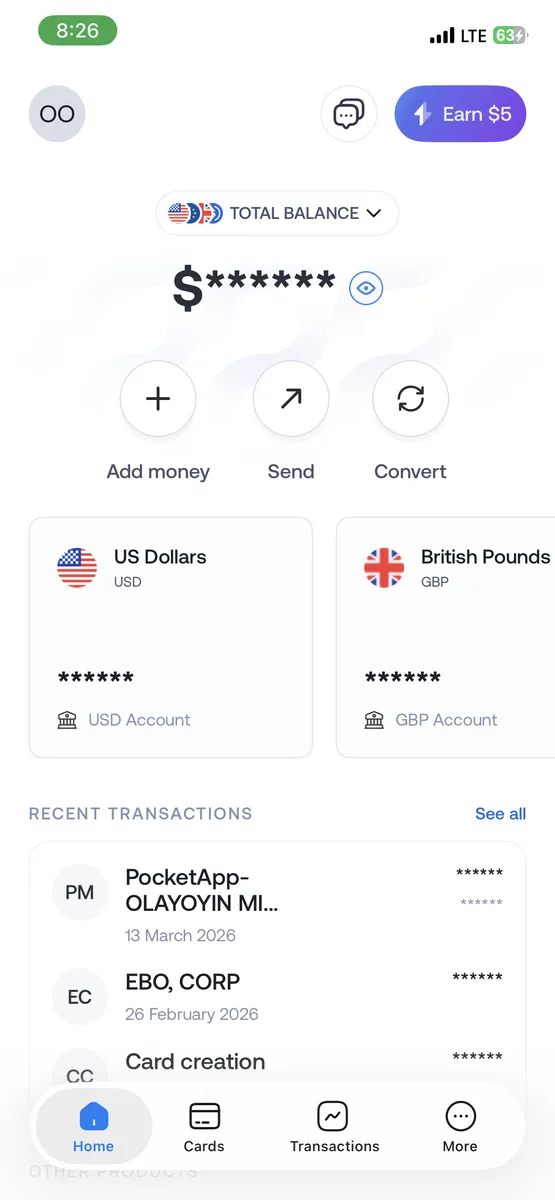
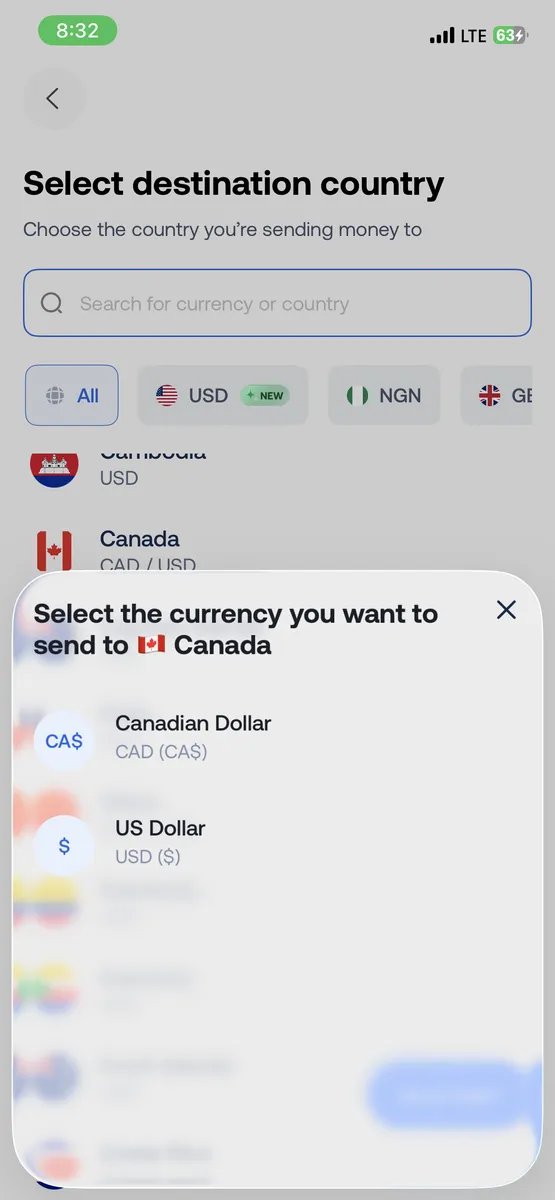
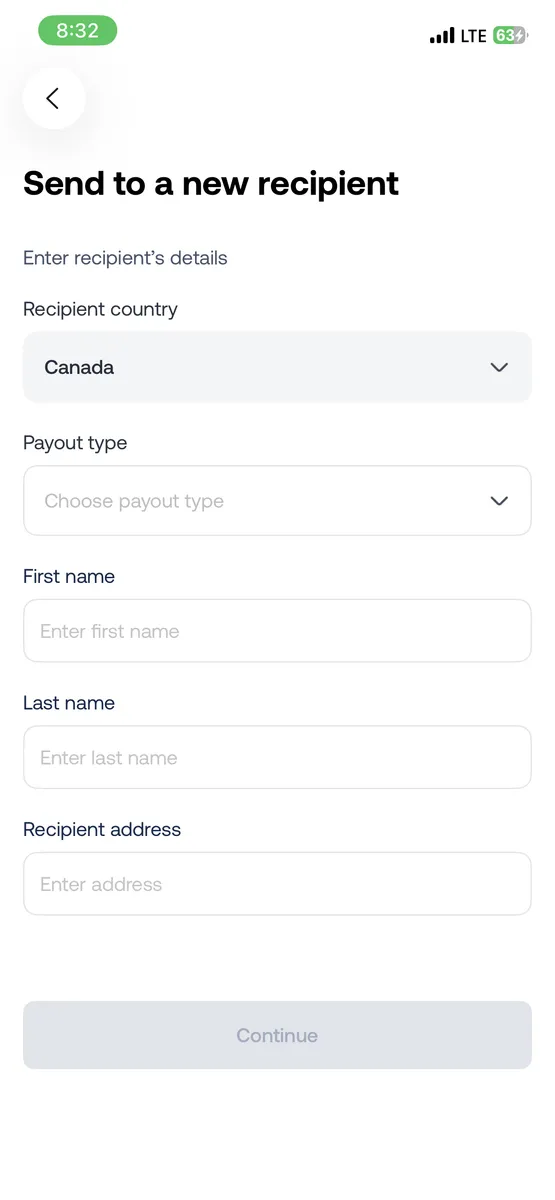
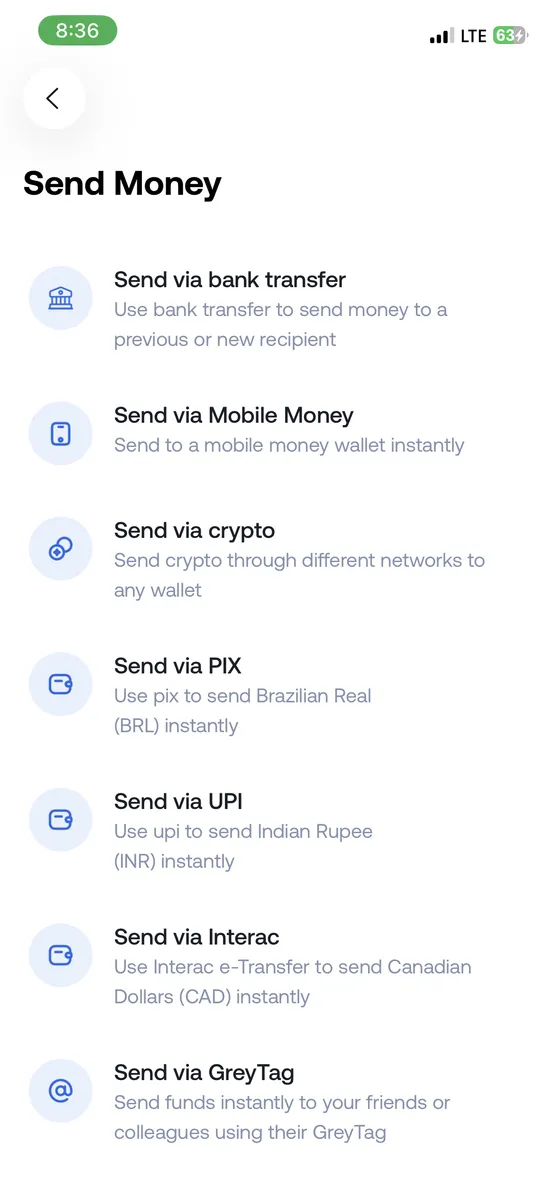
How Grey makes sending money home easier for migrants.

Grey solves these problems by offering a fast, affordable, and user-friendly alternative.

1. Multi-currency accounts for seamless transactions

Grey allows users to create virtual accounts in USD, EUR, and GBP**.** Thus making it easier to receive foreign payments. Migrants can hold multiple currencies in one account and convert them at the best rates.

2. Competitive exchange rates

Grey ensures users get more value for their money. By offering real-time, competitive exchange rates, migrants can convert at favourable rates.

3. Low transaction fees

With Grey, international transfers come with low and transparent fees. There are no hidden charges. Migrants can send more money home without extra costs.

4. Instant money transfers

Grey enables quick and reliable international transfers. Funds reach their destination without long delays. This is particularly beneficial for migrants who need to send urgent financial support.

5. Easy registration and use

Opening a Grey account is simple. Signing up takes only a few minutes to start enjoying international transactions.

Read also: Getting your foreign currency account.

6. Virtual USD card for international transactions

Grey offers an instant virtual USD card for payments, online shopping, and subscriptions. This financial flexibility allows migrants to pay for items for their loved ones back home.

Read also: How to get an instant USD debit card online in 2025

How to get started with Grey

You can create an account on Grey with these quick steps.

  • Sign up online via the Grey website or mobile app.
  • Complete the Know Your Customer (KYC) verification
  • Start sending and receiving money seamlessly.

Read more: How to create US and UK bank accounts for migrant workers and expatriates.

Conclusion

Many migrants experience challenges when sending money to their loved ones back home. Grey offers low fees, fast transactions, and competitive exchange rates. By simplifying international payments, Grey helps migrants support their families without unnecessary costs or delays.

Create a Grey account today and experience stress-free money transfers.

‍

Last updated:

September 25, 2026

Open a free Grey account to get startedJoin 1 million digital nomads
IF YOU ENJOYED THIS, CHECK THESE OUT

How to save for a trip when you get paid in different currencies

•

•

2 min read

Let’s start with a question. If you earn in one currency and spend in another, which currency do you save in, when do you convert, and how do you make sure the money you set aside today is worth what you expect when you arrive?

For example, there’s a freelancer billing clients in USD and euros, another remote worker paid in GBP while living abroad, and an NRI receiving income from multiple countries: for all of these people, the standard advice of “open a savings account and set up a standing order” doesn’t quite fit. The currency question comes first. You can do everything else correctly, save consistently, hit your target number, and still arrive with less purchasing power than you planned because conversion happened at the wrong time, through the wrong provider, or in the wrong direction.

In this guide, I cover how to save money for a trip when your income comes in more than one currency: how to set a realistic target, which currency to save in, why the timing of conversion matters, and the simplest method to automate savings so the money builds without friction every month.

How much should you save for a trip?

Before the currency question, you need a number. While a rough estimate or a figure borrowed from someone on a different budget can be a good starting point, a number based on the actual costs of your specific trip will be more helpful.

A useful working framework has four components: flights, accommodation, daily spending, and a buffer.

Flights and accommodation are fixed costs you can price out before you commit to saving. Try to use real quotes for your travel dates and destination, not averages. Daily spending varies more, but most destinations have reliable benchmark figures: what a meal costs at a local restaurant, what transport between sites runs to, and what attractions charge for entry. For a detailed look at what a specific trip actually costs, see our guide on how much a trip really costs, which breaks down real expenses by category.

Once you have the total, here’s a simple calculation you can use.

Target ÷ months to go = monthly savings target

If you want to spend €3,000 on a three-week trip to Europe and you have 10 months until you leave, you need to set aside €300 per month. If you can only manage €200 per month, you either leave in 15 months or reduce the budget. The formula is the same regardless of how many currencies you earn in.

Add a 10-15% buffer to your estimated total. Prices change, exchange rates move, and unexpected costs appear on almost every trip. A buffer ensures that a surprise doesn’t derail the plan.

Once you have your target and your monthly contribution figure, the next question is which currency to save in.

For help building out the rest of your trip plan, see our guide on how to plan a trip.

Why converting your money too early costs you

For someone paid in different currencies, the temptation is to consolidate everything into one home currency and then save in that. It’s tidier for sure, but it can cost you if you convert at the wrong moment.

When you convert currency, you don’t receive the mid-market rate (the rate you see on Google) instead, you receive a rate that includes the provider’s margin, typically 2 to 4% at a traditional bank. On a €3,000 travel budget converted at a 3% margin, that’s €90 that never reaches your travel fund. If you make that conversion nine months before you travel, you’ve locked in today’s rate and paid the margin, with no ability to benefit from any movement in the exchange rate between now and your departure.

For multi-currency earners, the risk has an additional layer: converting from currency A to your home currency, and then converting again from your home currency to the destination currency. Every hop carries a margin. The fewer the conversions between your income and your travel spending, the more you keep.

The practical approach is to save directly in the currency you will spend, or in a stable currency closely tied to it, and convert only what you need closer to travel. If you earn in USD and you're travelling to Japan, saving in USD and converting to JPY shortly before departure is more efficient than converting USD to your home currency on receipt and then converting again before the trip. If you earn in EUR and you’re travelling to Europe, saving in EUR eliminates the conversion problem entirely. The balance in your travel fund represents exactly what you’ll have to spend.

For people with multi-currency income, this means using a multi-currency account where different currency earnings can sit in their original currency until they’re ready to convert. Spending abroad with the Grey card, directly from your travel currency balance, means the money you saved arrives at your destination as spending power, not as a smaller amount after a last-minute kiosk conversion.

How to save when you are paid in different currencies

For people with income across more than one currency, here is a method that accounts for the specific challenge.

  1. Pick the currency your trip is denominated in. If your destination uses a major currency (EUR, USD, GBP, JPY), saving in that currency from the start removes a conversion step and protects you from exchange-rate movements during the savings period. If your destination uses a less widely held currency, saving in a major currency and converting shortly before travel is more practical.
  2. Decide which income stream funds the trip. If you earn in multiple currencies, allocate the contribution to the stream that's already in the right currency or to the stream where conversion will cost the least. If you bill US clients in USD and you’re saving for a trip to the US, contributions from USD income go directly to the travel fund without any conversion cost.
  3. Set a specific numerical target. Not “roughly €3,000” but exactly €3,000, or whatever your trip budget requires. A specific target lets you track progress clearly and know exactly when you’ve reached the goal.
  4. Automate a fixed contribution each month. Automation is the most effective saving habit available to anyone with irregular or multi-currency income, precisely because it removes the month-by-month decision. Set a recurring transfer or allocation from whichever account or currency balance you’re funding the trip from, on the same date each month, and don’t adjust it unless your income changes significantly.
  5. Direct windfalls straight to the trip fund. Any bonus, unexpected client payment in a currency that would otherwise sit idle, or a tax refund should go directly to the travel fund before it can be absorbed into general spending. Even one or two windfall contributions per year can meaningfully shorten the time to your target.
  6. Review the target if plans or exchange rates change significantly. If flights get more expensive, if your travel dates shift, or if the exchange rate between your earning and spending currencies changes substantially, update your target and contribution to reflect the new reality. A savings plan that reflects the current version of your trip is more useful than one built on early estimates.

The easiest way to save for a trip: automate it

The most reliable saving method is the one that requires the least ongoing willpower. The problem of deciding which currency to contribute, in what amount, and to which account, is enough to delay or derail contributions that a single-currency saver would complete quickly.

Automation removes that friction. Just set it up so the contribution is made on payday, in the right currency, to the right balance, before the money can be spent elsewhere or consumed by general living costs.

Goal-based savings tools, where you name a goal, set a target amount, and track progress toward it, add a practical layer beyond simple automation. When your travel fund is clearly labelled, has a target number attached to it, and is separate from your everyday spending balance, you’re less likely to dip into it for non-trip expenses.

For multi-currency earners, the most useful version of this is a goal-based balance in the currency required for the trip, rather than a generic savings account in the home currency that must be converted before departure. Saving €3,000 in a euro-denominated travel fund that you contribute to directly from euro client income means the balance represents exactly what you have to spend, without a conversion step at the end.

How to create a Travel Pouch in Grey

With Grey, you can create a travel Pouch to set money aside, set a target amount in the currency of your choice, and contribute toward it from your Grey balance. For a multi-currency earner, this means you can create a travel fund in EUR, GBP, or USD, whichever currency your trip requires, labelled with the trip it’s for, and tracking progress visually toward the target.

Here’s how to set one up:

Step one:
Open the Grey app, go to “Grow” and select the option to “Create a Pouch”.

Step two:
Select “Start saving” and choose the currency you want to save in.

Step three:
Give your pouch a name, for example, “Paris summer,” and select what it’s for, in this case, “Travel”. You can also enable round-ups, so extra change from every card spend goes to the pouch.

Step four:
Make your first contribution. Transfer a minimum initial amount of $10, €10, or £10 from your Grey balance in the relevant currency.

Open a Travel Pouch, and set money aside today.

Frequently asked questions on how to save for a trip when you get paid in different currencies

How much should I save for a trip?

Set your total budget by pricing out flights and accommodation as fixed costs, then estimating daily spending based on your destination. Add 10 to 15% as a buffer. Divide the total by the number of months until you travel to get your monthly savings target. A two-week trip to Southeast Asia on a mid-range budget might require $2,000 to $3,000 total; a similar trip to Western Europe or Japan typically costs $3,500 to $5,000 or more. For multi-currency earners, budget in the currency you'll spend, not the currency you earn, to avoid exchange rate surprises at the end.

How far in advance should I start saving?

Six to twelve months is a reasonable window for most trips. The earlier you start, the smaller each monthly contribution needs to be. For multi-currency earners, starting earlier also gives you more flexibility on when to convert: if you're saving in a different currency from your income, a longer saving period means more opportunities to convert at a favourable rate rather than being forced to convert at whatever rate exists the week before departure.

Should I save in my home currency or the destination currency?

For multi-currency earners, the best answer is to save in the currency you'll spend, or in the currency you earn that requires the fewest conversions to get there. If you earn in EUR and you're travelling to Europe, save in EUR and skip the conversion entirely. If you earn in USD and you're travelling to Japan, save in USD and convert to JPY shortly before you travel. Every unnecessary currency conversion costs a margin. The fewer conversions between your income and your travel spending, the more you keep.

How do I avoid losing money to conversion when I earn in multiple currencies?

Use a multi-currency account to hold earnings in their original currency rather than converting everything to a home currency on receipt. When you do convert, use a provider with a transparent, low margin rather than a traditional bank rate. Grey's conversion fee is 1%, capped at $6, with the rate shown before you confirm. Choose a travel fund denominated in the currency you'll spend so you only convert once, at the right time, rather than converting repeatedly throughout the saving period.

What is the easiest way to save for a trip automatically when I earn in different currencies?

If you can, set up a recurring transfer to a dedicated travel fund in the currency your trip requires, timed to run on the same date each month. For multi-currency earners, the key is choosing which currency balances the contribution before you set up the automation, so the transfer happens cleanly without a monthly decision. Grey's Pouches feature lets you create a named travel fund in a specific currency and contribute from your Grey balance, separating your travel savings from everyday spending and preventing accidental dipping.

How to obtain a South Africa business visa

•

•

2 min read

South Africa is known for its thriving economy and huge business market. Many people turn to South Africa to establish companies, expand existing businesses, or explore trade prospects. To do this, obtaining a South Africa business visa is the first step.

This guide walks you through the eligibility criteria, the application process, and how Grey can simplify financial transactions for business owners.

Who needs a South Africa business visa?

A South Africa business visa is required for foreign nationals looking to start or invest in a business. This visa allows individuals to reside in South Africa while actively participating in business operations. It is typically valid for up to three years and can be renewed.

Also read: How to get an instant USD debit card in South Africa

Eligibility requirements for a South Africa business visa

To qualify for a South Africa business visa, applicants must meet specific requirements set by the Department of Home Affairs:

  • Minimum investment requirement: A capital investment of at least ZAR 5 million into the business.
  • Business plan: A detailed business plan outlining the viability and sustainability of the venture.
  • Job creation: The business must create employment opportunities for South African citizens or permanent residents.
  • Company registration: Proof of registration with the Companies and Intellectual Property Commission (CIPC).
  • Tax clearance certificate: A valid tax clearance certificate from the South African Revenue Service (SARS).
  • Medical and radiological reports: Applicants must submit a medical certificate and radiological report.
  • Police clearance certificate: A police clearance certificate from each country the applicant has resided in for more than 12 months over the past five years.
  • Letter from the Department of Trade, Industry and Competition (DTIC): This letter confirms that the business aligns with South Africa’s national interest.

Also read: How to receive payments from Guru in South Africa in 2025

Step-by-step application process

1. Gather required documents

Ensure you have all the necessary documentation. This includes:

  • Passport (valid for at least 30 days after intended departure)
  • Completed DHA-1738 application form
  • Business plan
  • Proof of investment
  • Tax clearance certificate
  • Proof of company registration
  • Medical and police clearance reports
  • Letter from the DTIC

2. Submit your application

Applications must be submitted at your home country’s nearest South African embassy or consulate. Applications may also be processed through Visa Facilitation Centres (VFS).

3. Pay the application fee

Fees vary based on nationality and processing centre. Ensure you confirm the latest fee structure before submitting your application.

4. Attend an interview (if required)

Some applicants may be required to attend an interview at the South African consulate.

5. Wait for processing

The processing time for a business visa can take between 8 to 12 weeks, depending on the completeness of the application and additional requirements.

6. Receive your visa and start your business

Once approved, you will receive your visa and can travel to South Africa to begin business operations.

Also read: Grey vs. local banks: The best currency exchange option in South Africa

How Grey simplifies business transactions in South Africa

Expanding a business in a foreign country can be challenging financially. Managing international transactions, currency exchange, and cross-border payments is a lot. Grey, however, provides seamless financial solutions for business owners in South Africa.

Why should you use Grey as a business owner in South Africa?

  • Multi-currency accounts: Receive payments in USD, GBP, EUR, and ZAR without restrictions.
  • Low fees: Save money with transparent and affordable transaction fees.
  • Seamless integration: Connect Grey with your business accounts for easy transfers.
  • Competitive exchange rates: Convert currencies at the best market rates.

How to get started with Grey

1. Sign up for a Grey account

Visit the Grey website or download the mobile app to create an account.

2. Complete verification

Submit your ID, proof of address, and a selfie for security verification.

Also read: Top reasons your KYC verification is failing and how to fix them

3. Open your multi-currency account

Once verified, access your USD, GBP, and EUR accounts for business transactions.

Also read: Step-by-step guide to applying for an Egypt visit visa

Starting a business in South Africa sounds exciting. Navigating the visa application process is the first step. What truly makes it fulfilling is financial flexibility. Create your Grey account today or download the app to enjoy inclusive global banking, designed to help you carry your dreams across borders.

‍

South Africa visa requirements for EU citizens

•

•

2 min read

South Africa is an increasingly popular destination for European travellers. It offers stunning landscapes, diverse wildlife, and a rich cultural heritage. Whether you’re planning a safari adventure, a business trip, or a more extended stay, it’s essential to understand the visa requirements for EU citizens before you go. With Grey, managing your finances while travelling becomes seamless, ensuring a stress-free experience.

In this article, we explore all you need to know about South Africa’s visa requirements for EU citizens.

Do EU citizens need a visa for South Africa?

Citizens of most EU countries can visit South Africa visa-free for up to 90 days for tourism or business purposes. However, this exemption does not apply to all EU nations. Spain  So, travellers should verify their specific country’s status before departure.

Entry requirements for EU citizens

Here are the conditions for entering South Africa without a visa as an EU citizen.

  • A valid passport with at least 30 days of validity beyond the intended departure date.
  • At least two blank pages in the passport for immigration stamps.
  • A return or onward ticket as proof of departure from South Africa.
  • Proof of sufficient funds to cover the stay.

Failure to meet these requirements may result in denial of entry.

Extending your stay beyond 90 days

If you wish to extend your stay beyond 90 days, you must apply for a visa extension. You can do this through the Department of Home Affairs. It’s advisable to start this process before your initial 90-day period expires because processing times can vary.

Travellers can simplify financial transactions during their stay by using Grey's multi-currency account. It allows easy currency conversion and spending in South Africa.

Read also: How to get an instant USD debit card in South Africa

Work, study, and long-term visas

For EU citizens planning to work, study, or stay longer than the permitted visa-free period, the appropriate visa must be obtained before arrival. Applications should be submitted through the South African embassy or consulate in your home country.

Work visas

South Africa offers different types of work visas, including:

  • General work visa – Requires a job offer and proof that no suitable South African candidate is available.
  • Critical skills visa – For individuals with qualifications in high-demand fields.
  • Intra-company transfer visa – For employees being transferred within multinational companies.

Study visas

If you’re planning to study in South Africa, you’ll need a study visa, which requires:

  • Proof of admission from a registered institution.
  • Financial statements showing you can support yourself.
  • A medical report and radiological examination.
  • Proof of medical insurance.

Study visas are granted for the duration of the course and allow part-time work for up to 20 hours per week.

Travelling with minors

South Africa has strict regulations regarding minors to prevent child trafficking. If travelling with children under 18, you may need:

  • An unabridged birth certificate for each child.
  • A notarised consent letter from the non-travelling parent (if applicable).
  • Additional documentation for guardians or non-parental travellers.

Read also: Grey vs. local banks: The best currency exchange option in South Africa

Managing finances in South Africa with Grey

EU citizens often face challenges managing money while abroad. To avoid high exchange fees and ensure easy transactions, consider using Grey's international payment solution. With Grey's multi-currency account, you can receive payments, convert your funds to South African Rand (ZAR) at competitive rates, and make seamless transactions without worrying about traditional banking restrictions.

Grey also offers virtual USD debit cards, allowing you to pay for services, subscriptions, and other essentials while in South Africa—no more high conversion fees or transaction delays—just smooth and efficient financial management.

By understanding the visa regulations and preparing in advance, EU travellers can ensure a smooth and hassle-free visit to South Africa. For any uncertainties, consult your country's South African embassy or consulate. With Grey by your side, you can focus on enjoying your trip without financial worries. Sign up for a Grey account today or download the app to get started.

‍

South Africa visa requirements for US citizens

•

•

2 min read

The Republic of South Africa (RSA) is one of Africa's most attractive destinations for US citizens. Between its 35 languages, 12 official languages and three capitals, there is a lot to discover in the rainbow nation. Understanding the visa requirements is crucial when visiting for tourism, business, or a more extended stay. Proper financial planning can also enhance your experience, making transactions smoother and more efficient.

This article will show you all you need to know about South Africa visa requirements for US citizens and how to manage your finances without breaking a sweat.

Do US citizens need a visa for South Africa?

US passport holders can travel to South Africa without a visa for up to 90 days for business and tourism. However, those intending to stay beyond this period or for other reasons such as employment or education must obtain the appropriate visa before departure.

Entry requirements for US citizens

To enter South Africa without a visa, US travellers must meet the following conditions:

  • A passport valid for at least 30 days beyond the planned departure date.
  • At least two blank pages available for immigration stamps.
  • A return or onward travel ticket as proof of planned departure.
  • Proof of sufficient financial means for the duration of the stay.
  • Yellow fever vaccination ten days before arrival for travellers from or transiting through yellow fever countries.

Non-compliance with these requirements may result in denied entry.

Extending your stay beyond 90 days

Travellers who need to extend their stay beyond 90 days must apply for an extension through the South African Department of Home Affairs. It is recommended to start the application process well before the initial period expires, as processing times vary.

Long-term visas: work, study, and residency

If you plan on staying for longer than 90 days, you must apply for the appropriate visa in advance. You can apply via a South African embassy or consulate in the United States.

Work visas

If you plan on working in South Africa, you can apply for any of these work visa types.

  • General work visa: A general work visa requires a job offer. You should have proof that a South African citizen or permanent resident could not fill the position.
  • Critical skills visa: This is Issued to individuals with skills considered essential for South Africa's economy.
  • Intra-company transfer visa: If you are being relocated within a multinational corporation, you can apply for an intra-company transfer visa.

Study visas

Individuals planning to study in South Africa must apply for a study visa, which requires:

  • An admission letter from a recognised educational institution.
  • Financial proof demonstrating the ability to cover tuition and living expenses.
  • A medical report and radiological examination results.
  • Proof of medical insurance.

Study visa holders may engage in part-time work for up to 20 hours per week.

Read also: Grey vs. local banks: The best currency exchange option in South Africa

Travelling with minors

South Africa enforces strict regulations to prevent child trafficking. US travellers entering with minors may need:

  • An unabridged birth certificate for each child.
  • A notarised consent letter from any non-travelling parent.
  • Additional documentation if the child is travelling with someone other than a parent or legal guardian.

Managing finances while in South Africa

By preparing for visa requirements in advance and managing finances wisely, US travellers can enjoy a seamless experience in South Africa. Always refer to the nearest South African embassy or consulate for official information.

Handling finances abroad can be challenging, but digital solutions like Grey simplify transactions. With Grey's multi-currency account, US travellers can exchange USD for South African Rand (ZAR) at competitive rates, receive payments, and manage expenses effortlessly.

Grey also offers virtual USD debit cards, enabling secure payments for services and online subscriptions, reducing foreign transaction fees and eliminating unnecessary delays.

Sign up for a Grey account today, or download the app to get started.

‍

Mexico visa requirements for UK citizens

•

•

2 min read

Mexico continues to attract millions of tourists yearly. Its beaches are a major reason it has so many people visit. Whether you’re a UK citizen planning a short vacation, a remote worker looking for an extended stay, or someone considering long-term residency, understanding Mexico’s visa requirements is crucial.

In this guide, we’ll break down everything you need to know about entry rules, long-term visa options, and how Grey can help you manage your finances effortlessly while in Mexico.

Visa-free entry for UK citizens

UK citizens enjoy visa-free entry into Mexico for tourism purposes. Key things to note include:

Duration of stay: Up to 180 days.

Basic requirements:

  • Valid passport: Ensure your passport is valid for the entire duration of your stay.
  • Proof of onward travel: Possession of a return ticket or evidence of onward travel is often required.
  • Sufficient funds: Demonstrating adequate financial means to support your stay may be necessary.

It's important to note that visa-free entry is strictly for tourism. Tourists cannot do any type of voluntary or paid work. To work or volunteer, you must get the correct visa from the Mexican Embassy before you travel.

‍Also read: How to pay for online courses from Mexico with Grey

Long-term visa options for UK citizens

For UK citizens considering longer stays or specific activities in Mexico, several visa options are available:

Temporary resident visa

This visa is suitable for individuals planning to stay in Mexico for more than 180 days but less than four years.

Eligibility:

  • Economic solvency: Proof of sufficient monthly income or substantial savings.
  • Employment: A job offer from a Mexican company.
  • Family connections: Having close family ties in Mexico.

Financial requirements:

  • Monthly income: Approximately €1,500 to €2,000 over the past six months.
  • Savings: Averaging €25,000 to €30,000 over the past year.

Permanent resident visa

This visa is for individuals intending to reside in Mexico indefinitely.

Eligibility:

  • Extended temporary residency: After four years on a Temporary Resident Visa.
  • Family connections: Close family ties with Mexican citizens or permanent residents.
  • Retirement: Demonstrating sufficient monthly income or savings.

Financial requirements:

  • Monthly income: Approximately €2,500 to €3,000 over the past six months.
  • Savings: Averaging €100,000 over the past year.

Student visa

This visa is for individuals enrolled in educational programs in Mexico.

Requirements:

  • Enrollment proof: Acceptance letter from a recognized Mexican school or university.
  • Financial means: Evidence of sufficient funds to cover tuition and living expenses.
  • Validity: Typically valid for the duration of the academic program.

Work visa

This visa depends on getting a job offer from a Mexican employer who must initiate the visa process.

Application process for long-term visas

To apply for a long-term visa:

  1. Determine eligibility: Identify the visa type that aligns with your purpose and ensure you meet the requirements.
  2. Gather required documents:
    • Completed application form: Available from the Mexican consulate or embassy.
    • Valid passport: With at least one year of validity remaining.
    • Photographs: Passport-sized, meeting specific guidelines.
    • Proof of financial means: Bank statements, pension receipts, or investment records.
    • Additional documents: Depending on the visa type (e.g., employment contract, enrollment letter).
  3. Apply: Schedule an appointment with the nearest Mexican consulate or embassy in the UK.
  4. Attend interview: Be prepared to discuss your application and provide any additional information.
  5. Await decision: Processing times can vary; it’s advisable to apply well in advance of your intended travel date.

Also read: How to receive USD payments on Etsy as a seller in the UK

Financial management in Mexico with Grey

Managing finances effectively while in Mexico is crucial for a seamless experience. Grey offers a tailored solution for UK citizens:

  • Multi-currency accounts: Hold and manage funds in GBP, USD, EUR, and MXN, facilitating easy transactions.
  • Currency conversion: Benefit from competitive exchange rates when converting currencies.
  • International transfers: Send and receive money globally with minimal fees.
  • Expense management: Track spending through an intuitive app interface.

Also read: South Africa visa requirements for UK citizens

How to start using Grey as a UK citizen in Mexico

  1. Create an account: Register on the Grey website or download the mobile app.
  2. Complete identity verification: This process involves submitting a valid ID, proof of address, and a selfie for security verification.
  3. Request your foreign bank accounts: Once verified, navigate to the “Accounts” section to generate your USD, GBP, EUR, or MXN bank account for receiving international payments. Your account details will be available immediately.

Also read: How to receive and convert foreign currencies to USDC in the United Kingdom

Embarking on a journey to Mexico is always an enriching experience. With proper planning and the right financial tools like Grey, you can ensure a smooth and enjoyable stay. Create your Grey account today or download the app to enjoy inclusive global banking, designed to carry your dreams across borders.

‍

Mexico visa requirements for US citizens

•

•

2 min read

Mexico is the sixth most visited country in the world, and for good reason. With over 39 million tourists annually, its preserved history, unique culture, and modern comfort always leave visitors spellbound. Americans aren’t immune either. They continue to flock south of the border for vacations, remote work, and even permanent residence.

Before you pack your bags because you’ve caught the fever, you must understand Mexico’s visa requirements. We’ll walk you through everything you need to know about entering and staying in Mexico as a US citizen.

Also read: Mexico visa requirements for UK citizens

Visa-free entry for US citizens

First, some good news. US citizens do not need a visa for short stays in Mexico.

  • Duration: US passport holders can stay visa-free for up to 180 days for tourism, business, or short-term visits.
  • Requirements:
    • A valid passport (must be valid for the duration of your stay)
    • Proof of onward or return travel
    • Sufficient funds to cover expenses during your stay

Upon arrival, travellers receive a Forma Migratoria Múltiple (FMM) or Tourist Card, which must be kept safe and returned upon departure.

It’s important to note that overstaying the 180-day limit can result in fines or complications when leaving the country.

Also read: How to pay for online courses from Mexico with Grey

Long-term visa options for US citizens

If you’re planning to stay in Mexico for more than 180 days, you’ll need a long-term visa. Here are your main options:

1. Temporary resident visa

This is great for those who wish to live in Mexico for more than six months but less than four years.

Eligibility:

  • Financial solvency: This involves providing proof of bank account balances and consistent income. The specific financial thresholds fluctuate, so checking with the Mexican consulate is essential.
  • Employment: Must be employed by a Mexican company or own a business in Mexico
  • Family ties: Having Mexican relatives will help your application

2. Permanent resident visa

This is for those who plan to live in Mexico indefinitely.

Eligibility:

  • Extended temporary residency: People who have held a temporary resident visa for four years are eligible.
  • Financial independence: The financial threshold for proving solvency is subject to change, as it’s linked to the Mexican minimum wage. It’s important to always confirm the current figures with the Mexican consulate.
  • Family connections: Spouse or children who are Mexican citizens or permanent residents.

3. Work visa

This visa requires a job offer from a Mexican employer, who will begin the application process on your behalf.

4. Student visa

For those enrolling in a Mexican university or educational program.

Requirements:

  • Enrollment proof: An acceptance letter from a recognized institution
  • Financial solvency: Proof that you can cover tuition and living expenses
  • Validity: Typically covers the duration of the academic program

Also read: South Africa visa requirements for US citizens

How to apply for a long-term visa

To apply for a long-term visa as a US Citizen:

  1. Choose the right visa:  Select the most suitable visa type based on your intended stay.
  2. Prepare required documents:
    • Completed visa application form
    • Valid passport (at least one year of validity remaining)
    • Passport-sized photos
    • Proof of financial means (bank statements, pension receipts, or investment records)
    • Any additional documents based on your visa type (job contract, school enrollment letter, etc.)
  3. Apply at a Mexican consulate: Schedule an appointment at the nearest Mexican consulate or embassy in the US.
  4. Attend an interview: Discuss your application and provide supporting documents.
  5. Await approval: Processing times vary but can take a few weeks or months.

Also read: How freelancers in Mexico can receive payments from the US, UK & EU clients

Financial management in Mexico with Grey

Once you’ve secured your visa, managing your finances in Mexico becomes the next priority. Grey offers the perfect solution for US citizens by providing:

  • Multi-currency accounts: Hold and manage funds in USD, MXN, EUR, and GBP.
  • Competitive exchange rates: Convert USD to Mexican pesos at the best rates.
  • Fast international transfers: Send and receive payments effortlessly.
  • Secure and easy transactions: Manage your funds directly from the Grey app.

Also read: Morocco visa requirements for US citizens

How to start using Grey as a US citizen in Mexico

1. Create a Grey account

Register on the Grey website or download the app.

2. Complete identity verification

Submit a valid ID, proof of address, and a selfie for quick approval.

3. Request your foreign bank accounts

Navigate to “Accounts” to generate your USD, GBP, or EUR account for international payments.

Also read: How to obtain a South Africa business visa

The US is often called the land of the free. That freedom shouldn’t even when you leave the land. Open your Grey account today or download the app to enjoy true financial freedom and enjoy inclusive global banking, designed to help you carry your dreams across borders.

‍

Arrow (up)

Back to top