Best places to visit in Thailand during summer

Priscila Marotti

TABLE OF CONTENT

SHARE THIS POST

Thailand always lands in the top three of every traveller’s bucket list. Just ask anyone who’s ever dreamed of turquoise seas, golden temples, and spicy street food. But is it really as magical as everyone says? Does it live up to the hype, or is it just another over-photographed holiday spot?

Spoiler alert: it’s every bit as incredible as you’ve heard. From island-hopping in the Andaman Sea to midnight feasts in Bangkok’s bustling markets, Thailand is a sensory overload in the best possible way. And with a little insider knowledge, you will find that the Land of Smiles is not only unforgettable but also surprisingly easy to explore. Let us dive into the best places to visit in Thailand during summer and discover how to spend smartly with Grey.

The places to visit in Thailand

Bangkok: The heart of Thailand

__wf_reserved_inherit

No trip to Thailand is complete without experiencing the energy of Bangkok. Explore the Grand Palace, marvel at Wat Arun, and wander through the bustling Chatuchak Weekend Market. Don’t miss the city’s legendary street food. Try pad thai or mango sticky rice from a roadside vendor for a true local experience.

Tip: Beat the crowds and heat by arriving early at the Grand Palace, and take a scenic riverboat from Saphan Taksin BTS station to Tha Chang Pier for a refreshing start to your day.

Chiang Mai: Culture and cool mountain air

__wf_reserved_inherit

Head north to Chiang Mai for a blend of history, culture, and nature. Visit the Wat Mahawan or the sacred Doi Suthep Temple for panoramic views, stroll the Old City’s ancient walls, or join a traditional cooking class. If you’re visiting in November, the Yi Peng Lantern Festival is pure magic.

Curiosity: Chiang Mai’s Old City is surrounded by a moat and remnants of ancient walls, giving it a charming, fortress-like atmosphere that’s perfect for exploring by bicycle.

Phuket: Tropical paradise for beach lovers

__wf_reserved_inherit

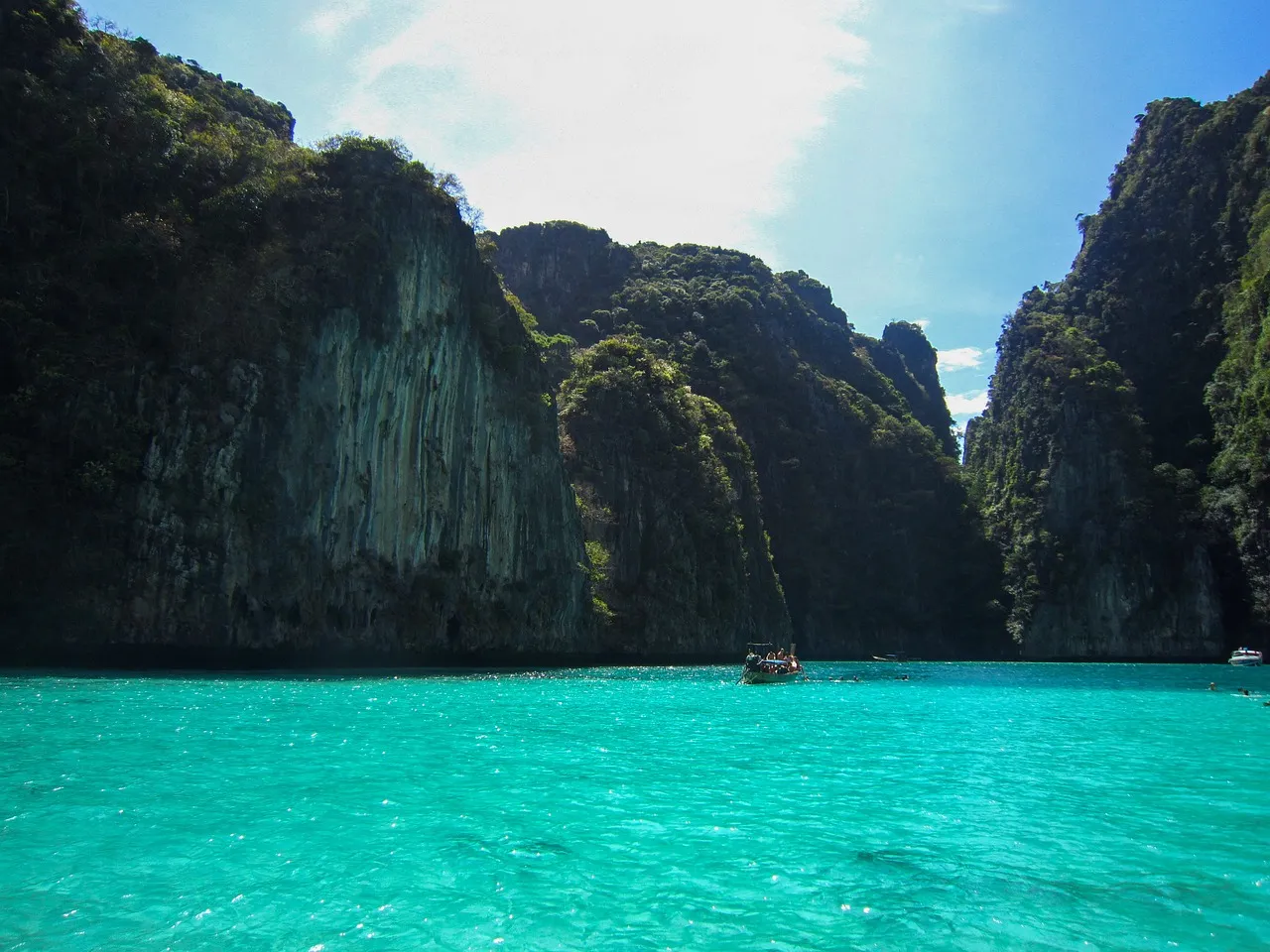
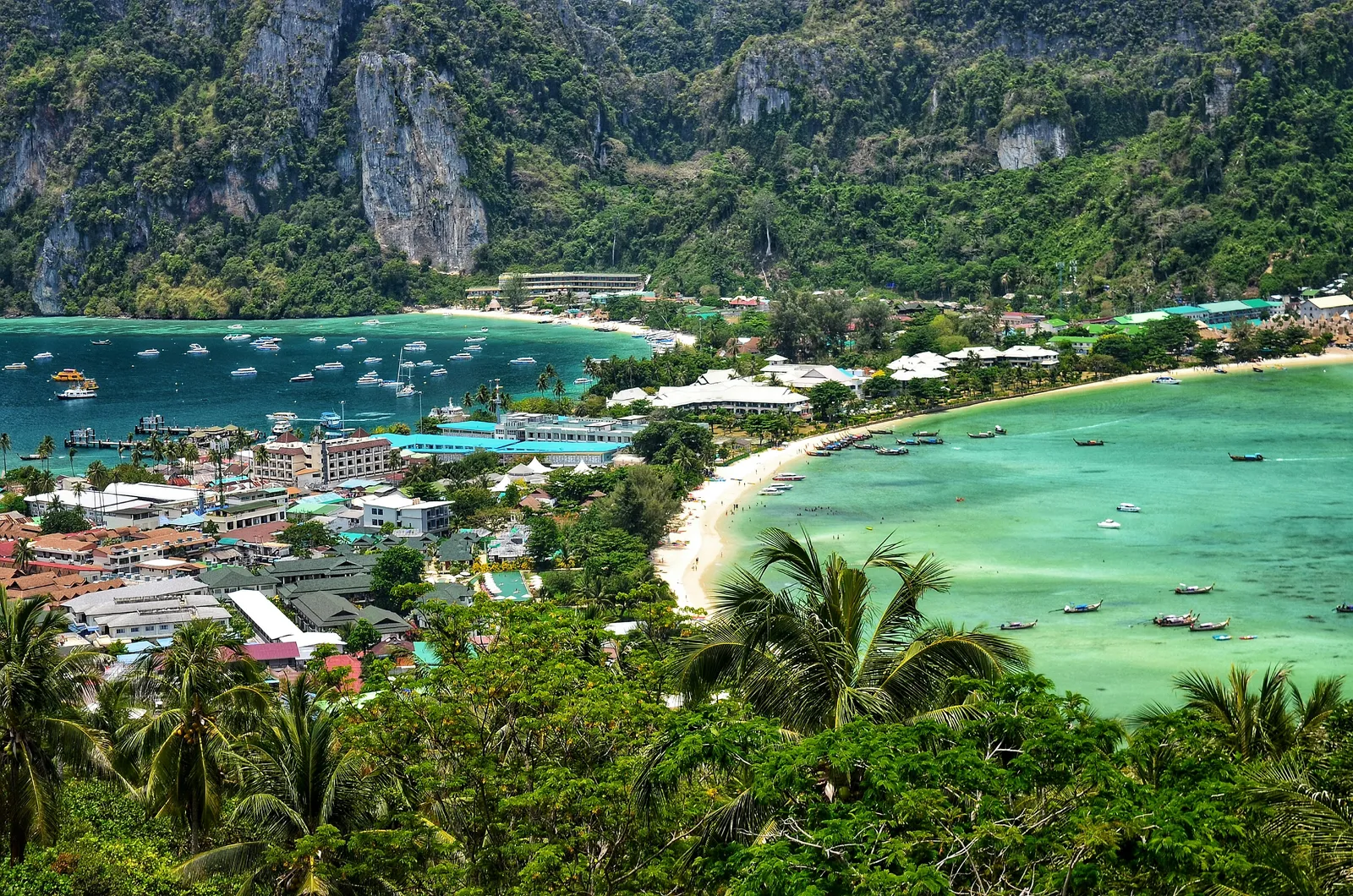
Phuket is Thailand’s most famous island, loved for its white-sand beaches and turquoise waters. Relax on Patong Beach, explore the colourful Old Phuket Town, or take a boat trip to Phang Nga Bay and the iconic James Bond Island. Water sports, nightlife, and luxury resorts await.

Tip: For a break from the crowds, visit the Phuket Weekend Market in Phuket Town, where you can sample local delicacies and shop for unique souvenirs.

Krabi: Adventure and natural beauty

__wf_reserved_inherit

Krabi’s dramatic limestone cliffs and crystal-clear waters make it a haven for adventurers. Try rock climbing at Railay Beach, kayak through mangroves, or snorkel in Ao Nang. The scenery here is next-level, and the pace is laid-back.

Curiosity: Railay Beach is only accessible by boat due to the surrounding cliffs, giving it a secluded feel despite its popularity.

Koh Samui and the islands: Ultimate relaxation

__wf_reserved_inherit

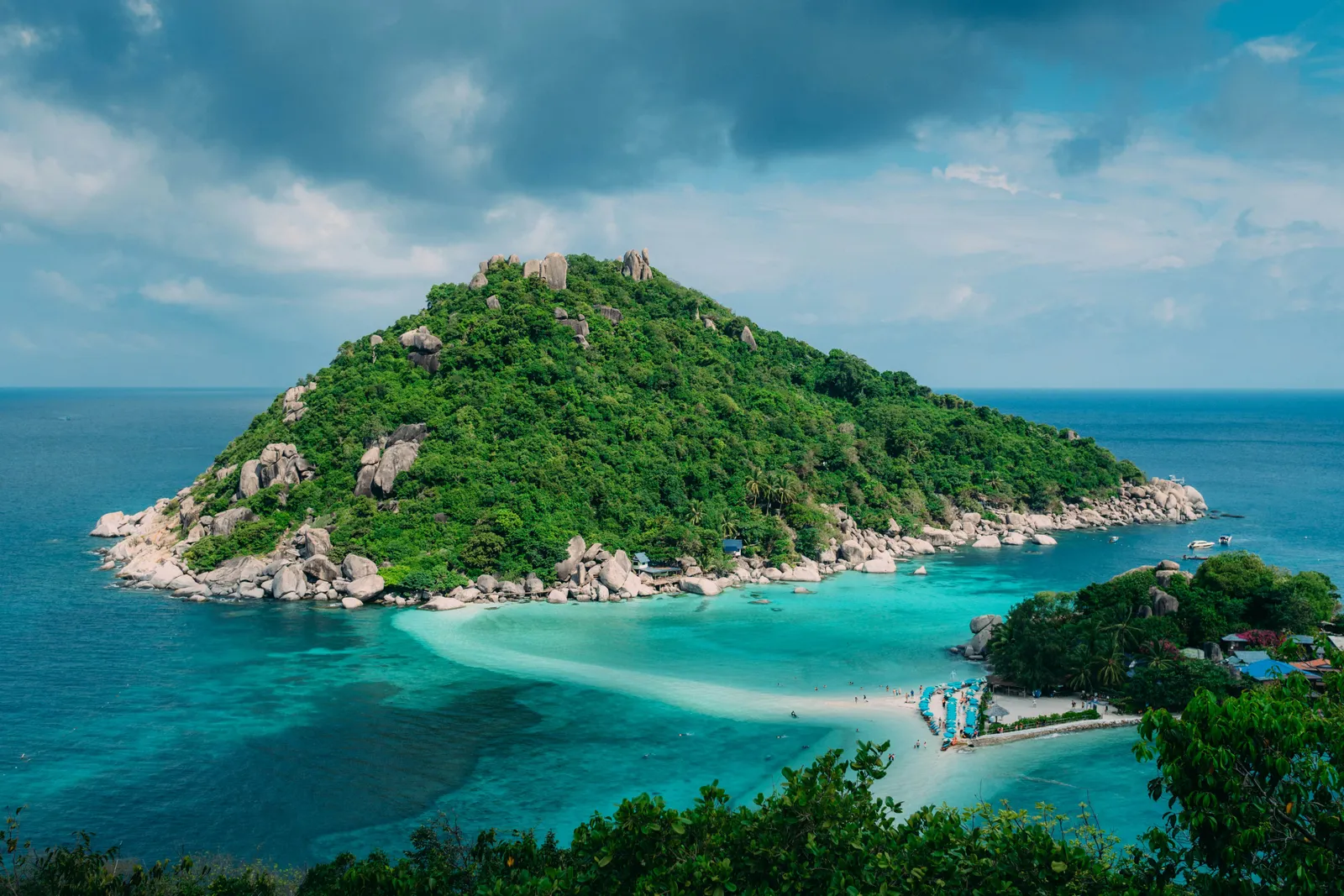
For pure relaxation, head to Koh Samui’s Chaweng Beach or the untouched beauty of Koh Lipe’s Sunrise Beach. These islands offer everything from luxury resorts and beach yoga to incredible snorkelling and sunset cruises.

Tip: Don’t miss the Big Buddha Temple on Koh Samui, a 12-metre golden statue that’s a peaceful spot with panoramic views.

Ayutthaya: Step back in time

__wf_reserved_inherit

History buffs will love Ayutthaya, a UNESCO World Heritage site filled with ancient temples and palace ruins. It’s a great day trip from Bangkok and gives a fascinating glimpse into Thailand’s royal past.

Curiosity: Many of Ayutthaya’s temple ruins are surrounded by water, as the city was once an island at the confluence of three rivers, earning it the nickname “Venice of the East.”

Hidden gems for travellers with more time

If you have extra days to explore beyond the usual hotspots, Thailand has plenty of hidden gems waiting to be discovered. Visit Pai, a laid-back town in the mountains of northern Thailand, known for its chilled vibe, waterfalls, and hot springs. The island of Koh Yao Noi offers a peaceful retreat away from the crowds, with stunning beaches and authentic village life.

For nature lovers, Khao Sok National Park boasts one of the oldest rainforests in the world, with opportunities for jungle trekking, canoeing, and staying in floating bungalows on Cheow Lan Lake. The ancient city of Sukhothai, Thailand’s first capital, is another treasure trove of history with beautifully preserved ruins and fewer tourists than Ayutthaya.

Also read: How to apply for the Destination Thailand Visa (Thai digital nomad visa)

Some curiosities about Thailand

Thailand is a country full of fascinating traditions, unique cultural practices, and surprising facts that add to its charm.

  • The traditional Thai greeting, the “wai,” involves pressing your palms together and bowing slightly. It’s a sign of respect and is used in many social situations.
  • It is the only Southeast Asian country never colonised by a European power, which has helped preserve its unique culture and traditions.
  • The country is home to more than 40,000 Buddhist temples, each with its own history and architectural style.
  • Pad Thai, the world-famous national noodle dish, was invented in the 1930s to promote Thai identity and reduce rice consumption during World War II.
  • Thailand celebrates the Songkran Festival every April, marking the traditional Thai New Year with nationwide water fights and cultural ceremonies.

How to pay for things like a local in Thailand

Thailand is rapidly embracing cashless payments, but knowing your options will help you avoid hassle and sometimes even get better deals.

Cash

Cash remains king for small purchases, street food, and local markets. ATMs are widely available, but be mindful of foreign card fees and always withdraw in Thai Baht.

Debit and credit cards

Major cards such as Visa and Mastercard are accepted at hotels, malls, and many restaurants. However, small shops and rural areas may not take cards, and you might face foreign transaction fees.

Thai QR payments and e-wallets

Locals love using QR codes through PromptPay and e-wallets like TrueMoney Wallet and Line Pay for everything from taxis to bubble tea. Many vendors display QR codes for quick, secure payments.

Grey: The smart way for travellers to pay

If you want to avoid currency exchange hassles and pay smoothly while travelling, Grey is an excellent travel companion. With Grey, you can:

  • Open a multi-currency account with balances in USD, GBP, or EUR before you travel.
  • Get a virtual USD debit card that works anywhere Visa or Mastercard is accepted worldwide, including Thailand.
  • Top up your Grey account in your home currency and fund your USD balance at competitive rates with no hidden fees.
  • Use your virtual USD card to pay for flights, accommodation, online shopping, subscriptions, and many services while in Thailand.

Related article: How to get an instant USD debit card in Thailand

Grey is ideal for cashless transactions on international platforms and merchants accepting USD payments. This makes it perfect for digital nomads, frequent travellers, and anyone who wants to avoid fluctuating exchange rates and foreign transaction fees.

Open a free account today to manage your spending easily and stay in control of your travel budget without carrying large amounts of cash.

‍

Last updated:

June 15, 2026

Open a free Grey account to get startedJoin 1 million digital nomads
IF YOU ENJOYED THIS, CHECK THESE OUT

Bank transfers vs. crypto transfers: which is safer for international payments?

•

•

2 min read

Bank transfers or wire transfers have been around for a while. For many years, they were the go-to for local and international transactions. However, the advent of cryptocurrency has created a worthy contender. The innovation behind digital currency involves decentralised organisations backed by blockchain technology.

We are here to settle an age-long argument by comparing the safety of transacting with bank transfers versus crypto transfers. Both methods have their pros and cons regarding security for international payments. The safety of either method depends on factors like fraud protection, regulatory oversight, and transaction reversibility.

This article will explore bank transfers vs. crypto transfers and show you which is safer for international payments.

Are bank transfers safe for international payments?

Bank transfers are generally considered a safe way to transfer money. However, taking precautions is crucial to avoid risks like fraud and human error.

What are the safety features of bank transfers?

Here’s a breakdown of the safety aspects of bank transfers.

1. Robust security

Banks employ strong security measures to protect their customers. These measures include encryption and two-factor authentication to protect transactions and prevent unauthorised access.

2. Regulation and consumer protection

Banks are heavily regulated, offering legal protections such as chargebacks and fraud investigations.

3. Reversibility

A bank transfer can sometimes be reversed if an error occurs or fraud is detected.

4. Direct transfers

Bank transfers are direct transfers between two banks with minimal intermediaries. Compared to other payment methods, they reduce the risk of fraud and data theft.

5. Real-time monitoring

Banks monitor transactions in real time to detect and prevent fraudulent activity.

What are the potential risks and safety concerns with bank transfers?

A 2024 report on financial fraud for banks and transfer services noted that 35% of banking services reported over 1,000 fraud attempts. Here are the most common risks of bank transfers.

1. Human error

The most significant risk is transferring money to the wrong recipient, as mistakes can be challenging to reverse.

2. Lack of consumer protection

Unlike some other payment methods, bank transfers may lack the same level of consumer protection. This makes it harder to recover funds if a mistake is made.

3. Fraud

Scammers may try to trick individuals into making bank transfers. It’s important to be vigilant and verify the recipient's identity before sending money.

How to reduce the potential risks with bank transfers

  • Be mindful of urgent requests – Scammers often create a sense of urgency to prompt quick action without verification. Whenever you pick up a whiff of urgency, be suspicious.
  • Verify recipient details – Always double-check the recipient’s details before initiating a transfer and verify them verbally with the recipient if possible.
  • Research the recipient – Research the individual or company requesting the payment to ensure they are legitimate.
  • Monitor bank statements – Regularly check your bank statements for any suspicious transactions.
  • Use strong passwords – Use strong passwords and security questions for your bank and other accounts.
  • Be aware of scams – Scammers may use fake names or information. Be cautious and verify all details before sending money.

Read also: Top five money transfer scams and how to avoid them

Are cryptocurrency transfers safe for international payments?

Cryptocurrency transfers offer an alternative to bank transfers, with unique security advantages and risks. The decentralised nature of blockchain technology makes transactions tamper-proof, but this also means there is little room for reversibility in case of mistakes or fraud.

What are the safety features of crypto transfers?

Crypto transactions have some security features. These include:

1. Blockchain security

Cryptocurrencies operate on blockchain technology, which records transactions in an immutable ledger. This prevents tampering and fraud.

2. No intermediaries

Unlike bank transfers, crypto transactions do not rely on banks or payment processors, reducing the risk of third-party fraud.

3. Encryption and anonymity

Crypto transactions use strong encryption, and users can transact pseudonymously, reducing identity theft risks.‍

4. Fast international transfers

Crypto transfers often take minutes compared to the days required for international bank transfers.

What are the potential risks and safety concerns with crypto transfers?

Stolen funds and illicit crypto transactions have been on a steady rise. There was a 21% YoY  ($2.2 billion) in stolen crypto funds in 2024 according to a Chainalysis report.‍

1. Irreversibility

Once a cryptocurrency transaction is confirmed, it cannot be reversed. This makes mistakes costly and increases the risk of scams.

2. Lack of regulation and consumer protection

Unlike bank transfers, most cryptocurrencies are not regulated by financial authorities. This means there is no legal recourse if funds are lost or stolen.

3. Hacking and theft

Crypto exchanges and wallets are frequent targets for hackers. If security measures are inadequate, funds can be lost permanently.

4. Volatility

Cryptocurrency values fluctuate significantly, which can impact the value of transfers.

How to reduce the potential risks with crypto transfers

Here are some tips on how to protect your data and funds when transacting with crypto.

  • Use secure wallets – Store cryptocurrency in a secure hardware or software wallet instead of leaving it on an exchange.
  • Double-check recipient addresses – Crypto addresses are long and complex; a single error can result in lost funds. Use QR codes or copy-paste addresses carefully.
  • Enable two-factor authentication (2FA) – Secure accounts with 2FA to prevent unauthorised access.
  • Avoid public Wi-Fi when transacting – Public networks can expose transactions to hacking attempts.
  • Use reputable exchanges – Conduct transactions on well-known and regulated platforms to reduce the risk of fraud.

Read also: How to receive USDC on Grey

Which is safer: bank transfers or crypto transfers?

The safety of international payments depends on individual needs and risk tolerance. Here is a final comparison:

  • Bank transfers are safer for those prioritising regulation, fraud protection, and reversibility. They are ideal for businesses and individuals who need strong consumer protection and legal recourse.
  • Crypto transfers are safer for those prioritising decentralisation, speed, and lower costs. However, they require careful handling of security measures to avoid loss.

Ultimately, the choice depends on the user’s needs, experience, and willingness to manage the risks. Understanding both options will help you make informed decisions about international payments.

Read also: How to manage international payments while living abroad

Managing international payments with ease

Opting for a reliable and secure payment solution for your international transactions will protect you from incurring financial losses. There are pros and cons to using bank transfers or crypto transfers for international payments. Hence, choosing a digital banking solution like Grey helps you maximise the benefits of both options.

**Find out how Grey ensures optimal security.**

With Grey, you can now transact with USDC without hidden fees or delays. The multi-currency feature allows you to hold, send and receive international payments in US dollars (USD), British pounds (GBP) and Euros (EUR). You can also convert to local currencies within minutes.

Grey’s robust layers of security ensure that your data and funds are well-protected. Sign up today or download the app to enjoy safe international transactions.

‍

How to avoid scams when sending money to India

•

•

2 min read

Sending money to India is common for expatriates, digital nomads, and businesses supporting loved ones or making business transactions. However, with the rise of digital transactions, fraudsters have found new ways to exploit unsuspecting individuals and businesses.

In the first nine months of 2024, India experienced approximately ₹11,333 crore (roughly $1.3 billion) in losses due to cyber scams. There was a significant increase in digital payment fraud and OTP scams.

In light of these overwhelming statistics, one must be careful when sending money to India. Understanding the common scams and how to prevent them can help ensure that your hard-earned money reaches its intended recipient safely.

In this article, we highlight common scams and how to avoid scams when sending money to India

Common scams and how to avoid scams when sending money to India

When sending money to India, these are the common scams, and how we can avoid them.

1. Phishing scams

Phishing scams involve fraudsters impersonating banks, money transfer services, or government officials. They trick individuals into revealing sensitive information such as passwords, OTPs (One-Time Passwords), or bank details. They often send emails or messages with fake links, leading to fraudulent websites.

How to avoid it: Never click on unsolicited links. Verify the sender before sharing personal information. Ensure you always log in to your financial accounts directly through official websites or apps.

2. Fake money transfer services

Scammers set up fraudulent websites or social media accounts claiming to offer fast and cheap money transfers. They lure victims with extremely low exchange rates and no fees but disappear once the money is sent.

How to avoid it: Use well-known and trusted remittance services. Grey offers a secure money transfer platform that protects your data and funds. Always check online reviews and verify the company’s legitimacy before making a transaction.

3. Advance fee scams

In this scam, fraudsters claim that you need to pay a processing fee, tax, or customs duty before your funds can be transferred. Once the fee is paid, the scammer disappears. Of course, no money is ever transferred.

How to avoid it: Legitimate money transfer services do not require additional upfront fees beyond standard transfer costs. Always check with your service provider before making any payment.

Read also: How to open US, UK and Euro bank accounts in India

4. Identity theft and account takeover

Hackers may gain access to your bank or money transfer accounts and initiate unauthorised transactions. They do this through malware, weak passwords, or leaked credentials.

How to avoid it: Use strong passwords, enable two-factor authentication (2FA), and regularly monitor your bank statements for suspicious transactions. Opting for a reliable payment platform with robust security features like Grey helps to avoid this scam.

5. Investment and lottery scams

Fraudsters often pose as financial advisers or lottery officials, claiming you have won a prize. They might have an investment opportunity requiring an initial payment before you can receive your funds.

How to avoid it: Be cautious of unsolicited investment opportunities and lottery winnings. If something sounds too good to be true, it probably is. Verify any claims with relevant authorities before making payments.

Best practices to protect your money when sending funds to India

Here are some more tips to protect your money when sending funds to India.

  1. Use reputable money transfer services – Stick to well-established services with secure payment methods and customer support.
  2. Verify recipient details – Double-check the recipient’s name, bank details, and contact information before sending money.
  3. Avoid public Wi-Fi – When making transactions, use a secure network to prevent cybercriminals from intercepting your data.
  4. Monitor transactions – Keep records of your transfers and check your statements for unauthorised activities.
  5. Stay informed – Follow news on emerging scams and educate family members on safe money transfer practices.

Read also: Grey vs. local banks: The best way to exchange currency in India

Avoiding scams when sending money to India with Grey

Opting for a reliable payment solution with robust security features will protect your data and funds. Here is how Grey ensures your safety.

  • Advanced encryption: Grey utilises advanced encryption technology to safeguard user data from unauthorised access. It prevents being accessed or shared by third parties.
  • Strong password requirements: Users are required to set strong passwords to enhance account security.
  • Two-factor authentication (2FA): Grey implements 2FA to add an extra layer of security to user accounts.
  • Constant system monitoring: Grey’s experts continuously monitor the system to detect and prevent suspicious activities that could compromise user accounts.
  • PIN on the mobile app: Users are required to set a four-digit PIN with their email and password after signing in on the mobile app.
  • Tracking devices and sessions: Grey allows users to track their logged-in devices and sessions to ensure account security and prevent unauthorised access.

Pro tip: Read this to learn how to track devices and sessions on your Grey account

  • Information Security Management System (ISMS): Grey has implemented an ISMS aligned with ISO/IEC 27001 standards to ensure information confidentiality, integrity, and availability.

Read more about Grey’s information security policy

  • Compliance with regulations: Grey is committed to safeguarding sensitive information in compliance with all relevant laws and regulations, including ISO 27001:2022.
  • Proactive risk management: Grey uses a proactive risk management framework to identify and mitigate information security risks.
  • Employee training: Grey provides robust security training to all employees to foster awareness and compliance.

Secure transactions with Grey

While sending money to India can be convenient, it is essential to remain vigilant against scams. By recognising common fraud tactics and following best practices, you can safely ensure your funds reach their intended destination. Always prioritise security and use trusted channels for international money transfers.

Sign up with Grey today or download the mobile app to enjoy secure international payments to India.

‍

How to get an Algeria tourist visa

•

•

2 min read

The world's largest Arab country has no shortage of tourists. In 2023 alone, Algeria welcomed over 2.5 million tourists, highlighting its appeal to the global population.

If you’re looking to also visit Algeria as a tourist, then you’re in luck. This guide breaks down everything you need to know, including visa types, application steps, and essential travel tips.

Plus, we’ll show you how Grey can help manage your finances efficiently while travelling in Algeria.

Do you need a visa to visit Algeria?

Yes, most travellers need a visa to enter Algeria for tourism purposes. However, citizens of a few countries, including Libya, Mali, Mauritania, Morocco, Seychelles, and Tunisia, can enter visa-free for up to 90 days.

For travellers from the UK, US, EU, and most other countries, a tourist visa is required before departure.

Also read: Egypt visa requirements for EU citizens

Types of Algeria tourist visas

There are two main types of visas for tourism in Algeria:

  1. Single-entry tourist visa: Valid for 30 to 90 days, allowing one-time entry into the country.
  2. Multiple-entry tourist visa: Allows several visits within a designated period, typically granted for travellers who frequently visit Algeria.

Also read: How to avoid scams when sending money to Algeria

Algeria tourist visa requirements

To apply for an Algeria tourist visa, you will need the following:

  • A valid passport: Must be valid for at least six months beyond your travel date.
  • Completed visa application form: This is available online from the Algerian consulate/embassy.
  • Recent passport-sized photos: Usually, two photos with a white background.
  • Travel itinerary: Proof of round-trip flight reservations.
  • Hotel booking or invitation letter: If staying with family or friends, a notarized invitation letter from an Algerian resident is required.
  • Proof of funds: Recent bank statements to demonstrate financial stability during your stay.
  • Travel insurance: Proof of medical insurance coverage for the duration of your trip.
  • Visa fee payment: Fees range from $85 to $160 USD, depending on nationality and visa type.

Additional documents may be required depending on the embassy’s request.

Also read: Egypt visa requirements for UK citizens

How to apply for an Algeria tourist visa

Determine your visa type

Based on your travel plans, decide whether you need a single-entry or multiple-entry visa.

Gather your documents

Ensure all required documents, including passport copies, travel itineraries, and financial proof, are correctly prepared.

Submit your application

Visit the nearest Algerian embassy or consulate in your country. Some embassies may require you to schedule an appointment in advance.

Pay the visa fee

Visa fees vary by nationality and processing speed. Payment is usually made via cash or money order.

Attend an interview (if required)

Some applicants may be asked to attend a short visa interview at the embassy.

Wait for processing

Visa processing takes 10 to 20 business days, depending on the consulate and time of year.

‍

Also read: Algeria visa requirements for UK citizens

Can you extend an Algeria tourist visa?

Yes, visa extensions are possible but require approval from the Algerian authorities. You must apply at the local police station or immigration office before your visa expires, providing a valid reason for the extension.

Tips for travelling to Algeria

  • Currency exchange: The official currency is the Algerian Dinar (DZD). Grey can help with currency exchange.
  • Language: Arabic and Berber are the official languages, but French is widely spoken.
  • Safety: Algeria is generally safe, but always respect local laws and customs.

Managing finances in Algeria with Grey

Travelling in Algeria requires efficient financial management. Grey simplifies international transactions for tourists:

Multi-currency accounts: Hold and manage USD, EUR, GBP, and DZD funds.

Competitive exchange rates: Convert currencies at low fees and real-time rates.

Fast international transfers: Send and receive money seamlessly.

Secure mobile banking: Manage your travel expenses through the Grey app.

How to open a Grey account before travelling to Algeria

  1. Sign up: Register on the Grey website or download the app.
  2. Verify your identity: Submit a valid passport, proof of address, and a selfie for verification.
  3. Access global bank accounts: Instantly receive USD, EUR, and GBP accounts for seamless transactions.

Grey makes financial management in Algeria seamless. Create your Grey account today or download the app to enjoy inclusive global banking, designed to carry your dreams across borders.

‍

The best summer holiday destinations in the Philippines

•

•

2 min read

Have you ever dreamed of escaping to a place where turquoise waters meet powdery white sand, where lush mountains rise in the distance, and every sunset looks like it was painted just for you? That’s the Philippines, a country made up of more than 7,600 islands, each with its own charm. Every time I visit, I find something new to fall in love with.

Whether you’re craving adventure, a quiet beach retreat, or a deep dive into rich cultural experiences, the Philippines has something for you. And let’s not forget the warm hospitality — Filipinos are known for their friendliness, making visitors feel right at home from the moment they arrive.

If you’re thinking about a summer holiday in the Philippines, here are some of the best places to visit that will make your trip unforgettable.

Best places to visit in the Philippines for summer holidays

From world-famous beaches to hidden gems, here are some of my top must-visit places for an unforgettable summer escape:

1. Boracay – The island of white sand beaches

__wf_reserved_inherit

Boracay is one of those places that feels like a postcard come to life. The powdery white sand is so soft it almost feels unreal, and the sunsets? Absolutely breathtaking. White Beach is where most of the action happens, but depending on what you’re in the mood for, you can pick your vibe:

  • Station 1 – Home to upscale resorts and the widest stretch of fine white sand, ideal for a quieter and more luxurious experience.
  • Station 2 – The heart of Boracay’s action, where shopping, restaurants, and nightlife come to life.
  • Station 3 – A more peaceful area with budget-friendly accommodations and a laid-back vibe.

Beyond White Beach, you will love spending time at Puka Shell Beach for a quieter escape, Bulabog Beach for kitesurfing, and Diniwid Beach for a cosy sunset spot away from the crowds.

Must-do experiences in Boracay:

  • Try parasailing, snorkelling, or paddleboarding in the turquoise waters.
  • Take a sunset paraw (local sailboat) ride — it’s pure magic.
  • If you’re feeling adventurous, go cliff diving at Ariel’s Point.
  • Experience Boracay’s nightlife, where fire dancers and beachside cocktails set the mood.

Also read: How to apply for a digital nomad visa in the Philippines

2. Palawan – A paradise of lagoons and limestone cliffs

__wf_reserved_inherit

If you ask me about my happy place, it’s Palawan. It’s where you find those impossibly blue lagoons, towering limestone cliffs, and hidden beaches straight out of a travel magazine. Every corner of Palawan feels untouched and breathtaking.

Here’s where you should go:

  • El Nido – Stunning lagoons, dramatic cliffs, and secret beaches. Island hopping here is a must.
  • Coron – A diver’s paradise with crystal-clear lakes and World War II shipwrecks.
  • Puerto Princesa – Home to the Puerto Princesa Underground River, one of the New Seven Wonders of Nature.
  • Port Barton – A quieter, more relaxed alternative to El Nido, with incredible island-hopping adventures.

What makes Palawan special?

  • Snorkelling in coral-filled waters and swimming alongside sea turtles.
  • Kayaking through hidden lagoons and mangroves.
  • Exploring remote islands where you’ll feel like the only person in the world.
  • Watching the sunset from a secluded beach, surrounded by nothing but nature.

3. Cebu – A mix of history and adventure

__wf_reserved_inherit

Cebu has it all — history, adventure, and some of the best beaches in the Philippines. One day, you could be exploring Spanish-era churches, and the next, swimming with whale sharks or chasing waterfalls.

Places you can’t miss in Cebu:

  • Cebu City – Visit Magellan’s Cross, the Basilica Minore del Santo Niño, and the Taoist Temple.
  • Oslob – Swim with the gentle giants — whale sharks (don’t worry, it’s safe).
  • Moalboal – Witness the incredible sardine run and dive into a world of colourful corals.
  • Kawasan Falls – Go canyoneering through turquoise waterfalls and jungle trails.
  • Bantayan & Malapascua Islands – Tranquil, beautiful, and perfect for escaping the crowds.

If you love food, don’t leave Cebu without trying lechon (roast pig) and the famous dried mangoes.

You may also like: How to open US and UK bank accounts in the Philippines

4. Siargao – The laid-back island escape

__wf_reserved_inherit

Siargao is my ultimate chill-out spot. It’s known as the surfing capital of the Philippines, but even if you don’t surf, you’ll fall in love with its island vibes. Palm trees line the roads, fresh coconut stalls are everywhere, and life moves at a slow, blissful pace.

Siargao highlights:

  • Cloud 9 – The world-famous surf break, even if you’re just there to watch.
  • Sugba Lagoon – Perfect for paddleboarding and kayaking in emerald-green waters.
  • Magpupungko Rock Pools – Crystal-clear tidal pools that appear during low tide.
  • Island hopping – Naked Island, Daku Island, and Guyam Island are must-visits.
  • Sohoton Cove – Swim with stingless jellyfish in a magical lagoon.

Why Siargao stole my heart:

  • The sunrises and sunsets here are something else.
  • The food scene is incredible — smoothie bowls, fresh seafood, and local delicacies.
  • Riding a motorbike around the island is the best way to explore hidden beaches.
  • The island’s laid-back energy makes it impossible to leave.

5. Bohol – Home to the Chocolate Hills

__wf_reserved_inherit

Bohol is one of those destinations that surprises you. It has one of the most unique landscapes in the world — the Chocolate Hills — but that’s just the beginning.

Must-see places in Bohol:

  • Chocolate Hills – Over 1,200 perfectly rounded hills that turn brown in the dry season.
  • Tarsier Conservation Area – Get up close (but not too close!) to the adorable, wide-eyed tarsiers.
  • Loboc River Cruise – Enjoy a peaceful lunch while floating down a jungle river.
  • Panglao Island – White-sand beaches, world-class diving, and snorkelling with sea turtles.
  • Hinagdanan Cave – An underground lagoon where sunlight creates a magical glow.

Bohol is for you if:

  • You love nature and wildlife.
  • You want a mix of adventure, culture, and relaxation.
  • You enjoy exploring places that feel untouched by mass tourism.

Also read: Top 8 digital nomad cities for remote workers in Southeast Asia

The best way to manage payments while travelling to the Philippines

One thing I’ve learned while travelling is that managing money can be tricky, especially when dealing with currency exchange and international transactions. That’s where Grey makes life easier — you can send, receive, and exchange money in multiple currencies without the crazy fees traditional banks charge. It’s a game-changer when you’re travelling.

Make your summer travel to the Philippines stress-free with Grey

So, if the Philippines is on your summer bucket list (which it absolutely should be!), get ready for the adventure of a lifetime. Pack your bags, explore these incredible destinations, and let Grey handle your international payments seamlessly.

Sign up for a Grey account today, or download the app to get started.

‍

Everything you need to know about an Algeria holiday visa

•

•

2 min read

Spanning over 2.38 million square kilometres, Algeria is the largest country in Africa. This means travellers will rarely run out of places to explore.

However, the dream of exploring this fascinating country can be hindered by the often complex visa application process. To help you avoid unnecessary stress and delays, we’ve created a comprehensive guide to the Algeria holiday visa. Let’s break down the requirements and steps, ensuring your adventure starts on the right foot.

Do you need a visa to visit Algeria?

Yes, most travellers need a visa to enter Algeria for tourism purposes. However, visa exemptions apply to citizens of a few select countries, including:

  • Libya, Mali, Mauritania, Morocco, Seychelles, and Tunisia – Visa-free access for up to 90 days.
  • Diplomatic and official passport holders from certain countries – Check with the Algerian embassy for eligibility.

Also read: Egypt visa requirements for EU citizens

Types of Algeria holiday visas

There are two main types of visas for tourism in Algeria:

  1. Single-entry tourist visa: Valid for 30 to 90 days, allowing one-time entry into the country.
  2. Multiple-entry tourist visa: Allows several visits within a designated period, typically granted for travellers who frequently visit Algeria.

Also read: How to avoid scams when sending money to Algeria

Algeria holiday visa requirements

To apply for an Algeria tourist visa, you will need the following:

  • A valid passport: Must be valid for at least six months beyond your travel dates.
  • Completed visa application form: This is available on the website of the Algerian consulate or embassy.
  • Recent passport-sized photos: Usually, two photos with a white background.
  • Travel itinerary: Proof of round-trip flight reservations.
  • Hotel booking or invitation letter: Confirmed accommodation or a letter of invitation from an Algerian resident.
  • Proof of funds: Recent bank statements to demonstrate financial stability during your stay.
  • Travel insurance: Proof of medical insurance coverage for the duration of your trip.
  • Visa fee payment: Fees vary depending on nationality and visa type (typically $85-$160 USD).

Additional documents may be required depending on the embassy’s request.

Also read: Egypt visa requirements for UK citizens

How to apply for an Algeria holiday visa

Determine your visa type

Decide whether you need a single-entry or multiple-entry visa based on your travel plans.

Gather your documents

Ensure all required documents, including passport copies, travel itineraries, and financial proof, are correctly prepared.

Submit your application

Visit the nearest Algerian embassy or consulate in your country. Some embassies may require you to schedule an appointment in advance.

Pay the visa fee

Visa fees vary by nationality and processing speed. Payment is usually made via cash or money order.

Attend an interview (if required)

Some applicants may be asked to attend a short visa interview at the embassy.

Wait for processing

Visa processing takes 10 to 20 business days, depending on the consulate and time of year.

Also read: Algeria visa requirements for UK citizens

Can you extend an Algeria tourist visa?

Yes, visa extensions are possible but require approval from the Algerian authorities. You must apply at the local police station or immigration office before your visa expires, providing a valid reason for the extension.

Tips for travelling to Algeria

  • Currency exchange: The official currency is the Algerian Dinar (DZD). Grey can help with currency exchange.
  • Language: Arabic and Berber are the official languages, but French is widely spoken.
  • Safety: While Algeria is generally safe, travellers should remain aware of local customs and avoid restricted areas.

Managing finances in Algeria with Grey

Travelling in Algeria requires efficient financial management. Grey simplifies international transactions for holidaymakers:

Multi-currency accounts: Hold and manage USD, EUR, GBP, and DZD funds.

Competitive exchange rates: Convert currencies at low fees and real-time rates.

Fast international transfers: Send and receive money seamlessly.

Secure mobile banking: Manage your travel expenses through the Grey app.

How to open a Grey account before travelling to Algeria

  1. Sign up: Register on the Grey website or download the app.
  2. Verify your identity: Submit a valid passport, proof of address, and a selfie for verification.
  3. Access global bank accounts: Instantly receive USD, EUR, and GBP accounts for seamless transactions.

Grey makes financial management in Algeria seamless. Create your Grey account today or download the app to enjoy inclusive global banking, designed to carry your dreams across borders.

‍

Best travel destinations in Brazil for summer vacation

•

•

2 min read

Brazil is a country of vibrant culture, stunning landscapes, and diverse ecosystems. Imagine a place where the Amazon Rainforest breathes life into the planet, producing 20% of the world’s oxygen, while samba rhythms pulse through the streets of Rio. From golden beaches and lush rainforests to lively cities and historic towns, the nation offers something for every traveller. Brazil is the perfect summer getaway if you’re looking for adventure, relaxation, or cultural experiences.

Must-visit destinations in Brazil for summer vacation

With so much to explore, narrowing down my must-visit destinations in Brazil was no easy task. But if you’re planning a trip, these are the places that left me in awe.

1. Rio de Janeiro – A city of breathtaking views and beaches

__wf_reserved_inherit

Rio de Janeiro is pure magic. It’s one of those places that just takes your breath away, whether you’re gazing up at Christ the Redeemer or sinking your toes into the golden sands of Copacabana. The city is vibrant, energetic, and full of contrasts—one moment, you’re hiking through a rainforest, and the next, you’re sipping a caipirinha by the beach.

Must-do experiences in Rio:

  • Take the cable car up to Sugarloaf Mountain for panoramic coastline views.
  • Stroll along Ipanema Beach, where the scenery is as beautiful as the people.
  • Explore the historic streets of Santa Teresa, filled with colourful street art and lively samba bars.
  • Hike through Tijuca National Park, the largest urban rainforest in the world.
  • Experience the electric energy of Lapa, where music and dancing never stop.

Also read: How to open US and UK bank accounts in Brazil

2. The Amazon Rainforest – A journey into the wild

__wf_reserved_inherit

Stepping into the Amazon felt like entering another world. The sheer scale of it is overwhelming—lush greenery stretching endlessly, rivers teeming with life, and the sounds of nature creating an orchestra all around you. It’s a place where adventure is guaranteed.

Unmissable experiences in the Amazon:

  • Visit Manaus, the gateway to the rainforest, and explore its bustling markets.
  • Witness the “Meeting of the Waters”, where two rivers flow side by side without mixing.
  • Go on a wildlife-spotting tour to see pink river dolphins, macaws, and even jaguars.
  • Stay in a jungle lodge and wake up to the calls of exotic birds.
  • Learn about indigenous cultures and their deep connection to the forest.

3. Salvador – The heart of Afro-Brazilian culture

__wf_reserved_inherit

Salvador is a city that dances to its own rhythm. Every street bursts with history, from the colonial architecture of Pelourinho to the powerful beats of drum circles in the squares. The mix of African, Portuguese, and indigenous influences creates a culture unlike any other.

Why I love Salvador:

  • Wandering through Pelourinho, a UNESCO-listed district with colourful buildings and cobbled streets.
  • Watching the sunset from Elevador Lacerda, overlooking the stunning bay.
  • Tasting Bahian delicacies like acarajé and moqueca — absolute flavour explosions.
  • Relaxing at Praia do Forte, a gorgeous beach town with sea turtle conservation projects.
  • Experiencing Carnival in Salvador, where the energy is unmatched.

4. Florianópolis – Island paradise for beach lovers

__wf_reserved_inherit

Florianópolis, or “Floripa” as the locals call it, is a slice of heaven. It’s a place where you can find a beach for every mood—whether you want to surf, relax, or go on an adventure. The island has a laid-back charm that makes it easy to lose track of time.

Floripa highlights:

  • Surfing at Joaquina Beach, one of Brazil’s top surf spots.
  • Kayaking and dining by the water at Lagoa da Conceição.
  • Taking a boat trip to Campeche Island, home to crystal-clear waters and ancient rock carvings.
  • Hiking to hidden beaches with breathtaking views.
  • Indulging in the freshest oysters and seafood—you won’t find better.

You may also like: Best multi-currency accounts for remote workers in Latin America

5. Pantanal – The world’s largest tropical wetland

__wf_reserved_inherit

For wildlife lovers, the Pantanal is paradise. It’s one of the best places on Earth to see animals in their natural habitat, from jaguars prowling the banks to flocks of vibrant birds soaring overhead. Unlike the dense Amazon, the open landscapes here make spotting wildlife an unforgettable experience.

Why I would highly recommend you to visit the Pantanal:

  • Going on a jaguar safari, where you have a high chance of spotting these elusive big cats.
  • Birdwatching and spotting the iconic hyacinth macaw.
  • Exploring the wetlands on horseback, just like the pantaneiros (local cowboys).
  • Embarking on a night safari to see nocturnal creatures like anteaters and tapirs.
  • Trying your hand at piranha fishing — yes, really!

Managing your money while travelling in Brazil

If there’s one travel lesson I’ve learned, it’s that managing money abroad can be trickier than expected — especially when juggling different currencies. With Grey, you can easily send, receive, and exchange money internationally without the high fees of traditional banks. Whether you’re booking a tour, paying for a beachside meal, or splitting costs with friends, Grey keeps it simple.

Also read: Top countries for Latin America digital nomad visas

Plan your Brazilian adventure with Grey

Brazil is a country that stays with you long after you’ve left. The landscapes, the people, the culture — everything about it makes you want to return. If you’re dreaming of an unforgettable summer trip, start planning now.  Make the most of your trip by planning ahead and managing your finances efficiently with Grey.

Sign up for a Grey account today, or download the app to enjoy hassle-free international payments while exploring Brazil.

‍

Arrow (up)

Back to top