
Morocco is one of the few countries with both a beach and a desert, offering diverse adventures, and it has now become a favourite among digital nomads. The weather and people are mostly warm, the culture is rich, and the cost of living is affordable. However, digital nomads unfamiliar with Morocco may have difficulty entering or enjoying the country.
This article explores your expectations and requirements for digital nomads coming into Morocco to help you set up successfully.
Read more on why Morocco is becoming a strategic base for remote work
Morocco doesn’t currently offer a digital nomad visa. Most remote workers enter on a tourist visa or visa-free entry, depending on nationality. If you are from the UK, the EU, US, and many other countries, you can enter Morocco without a visa for up to 90 days. You can extend your stay, but an extension isn’t guaranteed.
If you need an eVisa or a traditional visa, you’ll need to apply through the official portal with your passport, photos, proof of funds, and accommodation/flight details. Always check the rules for your nationality on the Visit Morocco website or at your local Moroccan consulate before travelling.
You can work remotely in Morocco if:
For longer stays, some nomads leave the country briefly and re-enter, while others explore residency options through investment or family ties. Legal advice is recommended if you plan to stay long-term.
Also read: Freelancing legally in Morocco: licences, taxes and foreign income rules
Internet quality in Morocco is generally good in cities and popular nomad hubs. Fibre connections are common in modern apartments, and 4G mobile data is widely available and affordable.
Coworking spaces are growing, especially in Marrakech, Casablanca, Rabat, Tangier, and Essaouira. Many digital nomads also work from cafés, riads, and rented apartments. Power cuts are rare in cities, but can happen in smaller towns.
Morocco offers strong value for money compared to Europe. Rent, food and transport are relatively affordable, especially outside peak tourist seasons. The lifestyle in most cities is somewhat relaxed. This makes Morocco a good escape from buzzing and high-pressure environments. The people are friendly, culturally diverse, and often multilingual.
Arabic and French are the dominant languages, with English increasingly spoken in tourist and business areas. While you can get by with English, basic French or Moroccan Arabic goes a long way in daily interactions.
The Moroccan dirham is a closed currency. This means you cannot freely get large amounts outside Morocco. Hence, most digital nomads receive their income abroad and withdraw or exchange it locally. It is more convenient to use cash for daily needs, but hotels, coworking spaces, major stores, and large restaurants accept cards. For taxis, markets, and small cafés, you need to carry cash. ATMs are widely available and offer good exchange rates when you withdraw in MAD. Always decline dynamic currency conversion and choose to be charged in local currency.
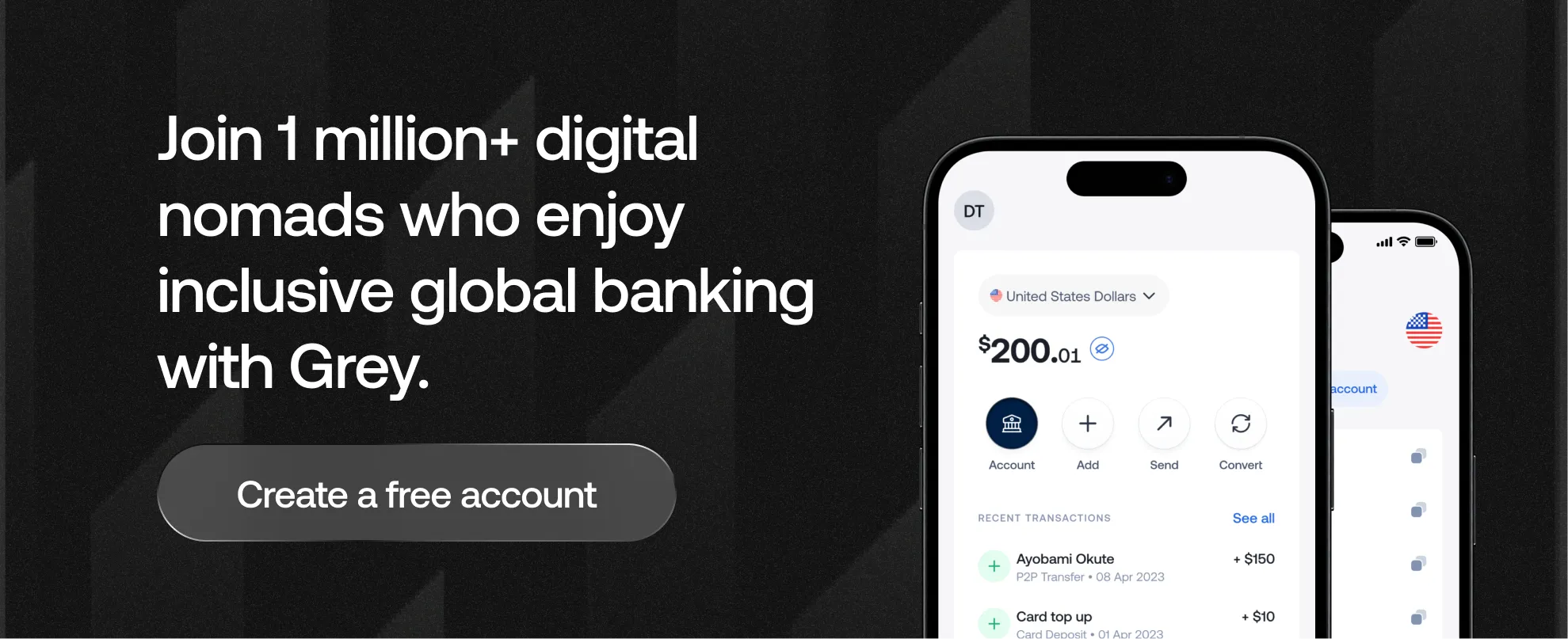
Many nomads rely on multi-currency accounts like Grey to receive their income in USD, EUR, or GBP, then convert only what they need while in Morocco. This approach reduces losses from repeated conversions, offers competitive exchange rates, and gives better control over timing. Avoid exchanging money on the streets, at the airport, or at the hotel. Use bank ATMs or official bureaux de change if you need cash.
Also read: How to exchange currency safely when visiting Morocco
Short-term rentals are common and relatively easy to find. Riads, serviced apartments, and Airbnb-style listings are widely available to digital nomads in Morocco. Popular areas for digital nomads include Marrakech, Casablanca, Tangier, and Essaouira, if you love the coastal life. Opting for a longer stay often gives better rental rates, especially outside tourist hotspots.
Morocco is generally safe for digital nomads. Petty theft can occur in busy areas, but violent crime is rare. It doesn’t hurt to be security-conscious. Keep only small amounts of cash on you at a time and carefully manage your valuables.
Digital nomads generally love Morocco for its balance of affordability, culture, and accessibility, even without a digital nomad visa. While travelling, having a solid plan for managing your finances is essential to avoid losing money due to unfair exchange rates, declined payments, and high fees.
Managing your finances in Morocco as a digital nomad with Grey offers you a multi-currency account to receive international payments in USD, EUR, and GBP, convert to Dirhams (MAD) at competitive rates, and withdraw to your local Moroccan bank at low costs. You also receive a virtual USD debit card for online payments, and you can track your multi-currency income and expenses on a single platform.
Get started with Grey or download the app to manage your finances in Morocco.

.svg)
Back to top
