<script type="application/ld+json" data-schema-version="grey-blog-v4"> [{"@context":"https://schema.org","@type":"BlogPosting","@id":"https://grey.co/blog/top-5-underrated-digital-nomad-visa-destinations#article","headline":"Top 5 underrated digital nomad visa destinations","description":"Tired of tourist hotspots? Discover these hidden gems for digital nomads. Enjoy affordable living, reliable internet, and a vibrant community. Find your perfect remote work destination today!","inLanguage":"en","url":"https://grey.co/blog/top-5-underrated-digital-nomad-visa-destinations","mainEntityOfPage":{"@id":"https://grey.co/blog/top-5-underrated-digital-nomad-visa-destinations#webpage"},"datePublished":"2024-10-07T23:24:26.831Z","dateModified":"2026-06-15T19:24:27.820Z","author":{"@type":"Person","@id":"https://grey.co/authors/toluwani-omotesho#person","name":"Toluwani Omotesho","url":"https://grey.co/authors/toluwani-omotesho"},"publisher":{"@type":"Organization","@id":"https://grey.co/#organization","name":"Grey","url":"https://grey.co","logo":{"@type":"ImageObject","url":"https://cdn.prod.website-files.com/6360022338a81bd6fdbb1145/6564ae1077a67e39d3c491a6_Grey%20Logo%20Lockup%20Black.svg"}},"image":{"@type":"ImageObject","@id":"https://grey.co/blog/top-5-underrated-digital-nomad-visa-destinations#primaryimage","url":"https://cdn.prod.website-files.com/636a85d290ee58e70c17e1c0/6a301a2351e9fcfea6c9c6e1_6a301a21f225af38d55986e1_top-5-underrated-digital-nomad-visa-destinations__header-image.webp","contentUrl":"https://cdn.prod.website-files.com/636a85d290ee58e70c17e1c0/6a301a2351e9fcfea6c9c6e1_6a301a21f225af38d55986e1_top-5-underrated-digital-nomad-visa-destinations__header-image.webp","width":1200,"height":675}},{"@context":"https://schema.org","@type":"WebPage","@id":"https://grey.co/blog/top-5-underrated-digital-nomad-visa-destinations#webpage","url":"https://grey.co/blog/top-5-underrated-digital-nomad-visa-destinations","name":"Top 5 underrated digital nomad visa destinations","description":"Tired of tourist hotspots? Discover these hidden gems for digital nomads. Enjoy affordable living, reliable internet, and a vibrant community. Find your perfect remote work destination today!","inLanguage":"en","primaryImageOfPage":{"@id":"https://grey.co/blog/top-5-underrated-digital-nomad-visa-destinations#primaryimage"},"breadcrumb":{"@id":"https://grey.co/blog/top-5-underrated-digital-nomad-visa-destinations#breadcrumb"}},{"@context":"https://schema.org","@type":"BreadcrumbList","@id":"https://grey.co/blog/top-5-underrated-digital-nomad-visa-destinations#breadcrumb","itemListElement":[{"@type":"ListItem","position":1,"name":"Home","item":"https://grey.co/"},{"@type":"ListItem","position":2,"name":"Blog","item":"https://grey.co/blog"},{"@type":"ListItem","position":3,"name":"Top 5 underrated digital nomad visa destinations","item":"https://grey.co/blog/top-5-underrated-digital-nomad-visa-destinations"}]},{"@context":"https://schema.org","@type":"ItemList","@id":"https://grey.co/blog/top-5-underrated-digital-nomad-visa-destinations#list","name":"Top 5 underrated digital nomad visa destinations","numberOfItems":5,"itemListElement":[{"@type":"ListItem","position":1,"name":"Dahab, Egypt"},{"@type":"ListItem","position":2,"name":"Tbilisi, Georgia"},{"@type":"ListItem","position":3,"name":"Santa Teresa, Costa Rica"},{"@type":"ListItem","position":4,"name":"Mérida, Mexico"},{"@type":"ListItem","position":5,"name":"Valencia, Spain"}]}] </script>

Top 5 underrated digital nomad visa destinations

Toluwani Omotesho

TABLE OF CONTENT

SHARE THIS POST

As the digital nomad lifestyle becomes more popular, nomads flock to destinations like Bali and Berlin. While such migration is a big win for the locals as it helps boost their economies, it can lead to higher living costs, overcrowding and potentially cultural dilution.

In this article, we’ll explore some hidden gems for digital nomads. These places offer a more authentic experience and allow you to work comfortably without the usual drawbacks of tourist traps.

First, factors to consider when choosing your next destination

  • Visa requirements: Find out the visa policies for digital nomads in your chosen destination to confirm they offer visa options for long-term stays and to avoid legal issues. We have written a comprehensive guide to visa policies and it’s worth checking out.
  • Safety: The safety of your next destination should always be a top priority. The Global Peace Index provides information on countries’ safety scores and local crime rates.
  • Internet: As a digital nomad, you need reliable internet to work anywhere. Before choosing your destination, ensure good internet connectivity to help you work comfortably.
  • Healthcare: Check the availability and quality of healthcare services in your chosen destination to ensure medical care is easily accessible. It’s also advisable to have travel and health insurance to cover any unexpected health issues. With Grey, you can enjoy a 10% discount on health-insured plans through Insured Nomads.

Now that we’ve covered the key factors, let’s explore the most underrated and yet miraculous destinations where digital nomads can live and work. We’ll cover everything you need to know, from visa requirements to cost of living, as well as choosing coworking spaces.

Best underrated destinations for digital nomads

Dahab, Egypt for divers and snorkelers

Dahab, a small town in East Egypt is an excellent fit for nomads looking to escape the hustle and bustle of cities.

Though Egypt lacks a digital nomad visa, visitors can apply for a 30-day single-entry tourist visa. Some nationalities can opt for an e-visa or visa on arrival, allowing stays of up to 90 days. Visa fees range from $15 to $160, depending on nationality and type.

Some of the documents you’ll need to apply for Egypt’s visa include:

  • Two copies of the visa application form
  • Two passport photographs on a white background
  • A passport valid for at least six months
  • Proof of accommodation in Egypt
  • Receipt of visa fee payment
  • Two photocopies of your passport’s information page

Why choose Dahab, Egypt?

  1. Living costs: Dahab is a budget-friendly spot for digital nomads, with accommodation from $200 to $800 monthly and meals between $1 and $10. You can live comfortably for under $1000 a month if you budget wisely.
  2. Community: Dahab has a budding digital nomad community, with routine events for nomads to connect and network.
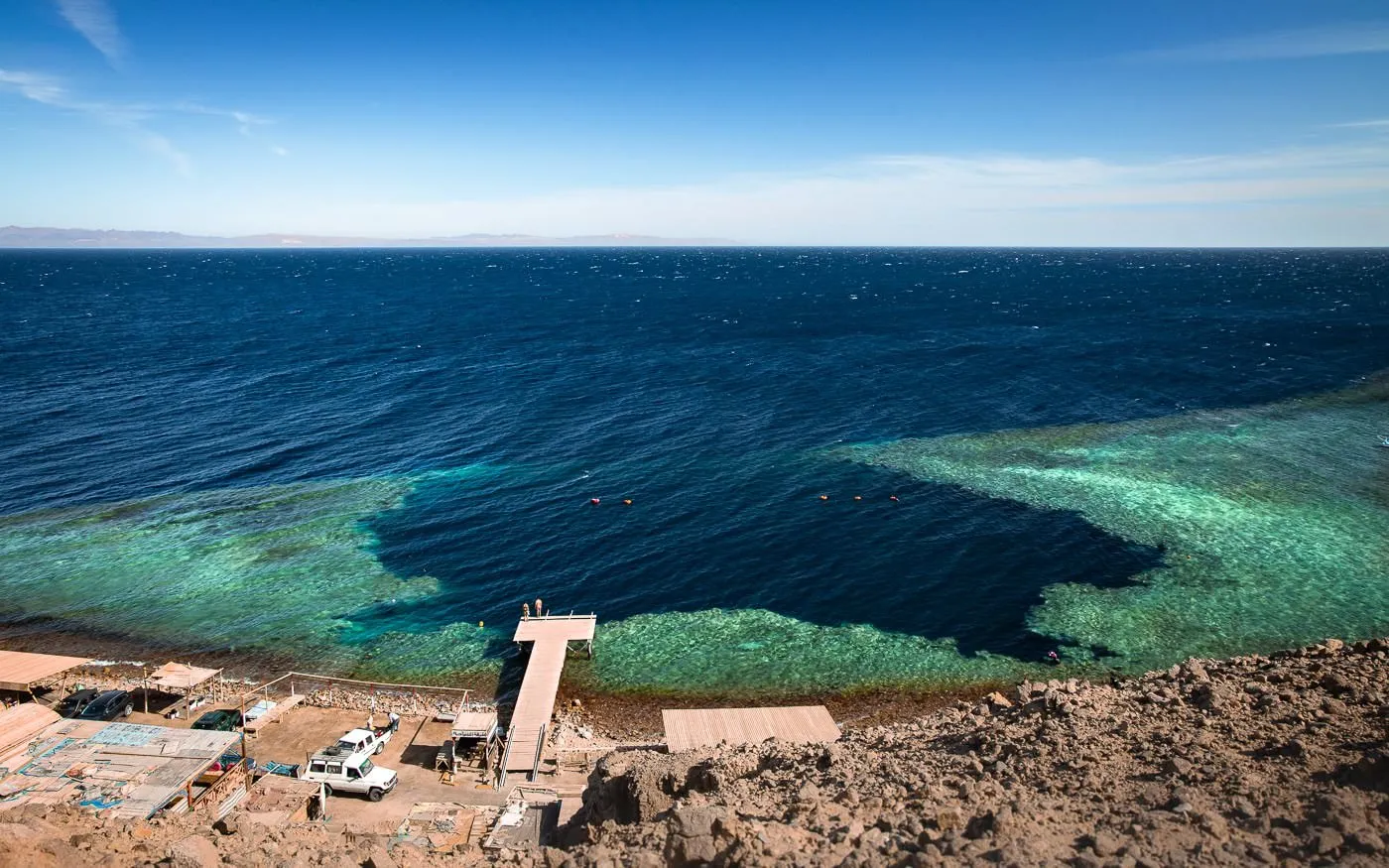
  3. Activities: Dahab is perfect for nature lovers, known for its snorkelling and diving. It has over 30 dive sites, including the famous Blue Hole.
Blue Hole Dahab Egypt, digital nomad destination
Blue Hole, Dahab, Egypt

You may struggle with internet connection while in Dahab due to lack of proper internet infrastructure, but there are several coworking spaces and cafes from which you can work comfortably. Some of them include: Mojo Cowork Cafe, Coffee Wheel and Cafe de Hunza

Also read: Best cities for digital nomads in Africa.

Tbilisi, Georgia for architecture lovers

Tbilisi is the capital and largest city of Georgia and is one of the safest digital nomad destinations in 2024. The city is known for its rich history, and unique blend of modern and ancient architecture.

But what really makes Tbilisi stand out is that its digital nomad visa is one of the easiest visas to get in the world.

Launched in 2020, the Georgia digital nomad visa is completely free with a seamless application process. It lets you and your family live in the country, making it even more accessible for nomads.

However, you must meet some requirements to be eligible for a Georgia digital nomad visa. Some of these requirements include:

  • A passport valid for at least three months
  • Proof of funds: you must be able to show you earn at least $2000 a month
  • Medical insurance
  • Proof of business or employment

Why choose Tbilisi, Georgia?

  1. Living costs: Tbilisi is an affordable city, with rent from $300 and $500 per month, and meals starting at $15. It also has reliable and cheap public transport, with trips costing as little as $0.38.
  2. Internet: Tbilisi's internet speed is 36.17mbps, making it easy to work remotely. Several coworking spaces, cafes, and even bars offer free Wi-Fi. Some of the best coworking spots in the city include KD4US Coworking Space, Vake Co-work, and Terminal.
  3. Tax system: As a digital nomad in Georgia, you're tax-exempt for 182 days. On the 183rd day, you become a tax resident, but if you earn under $155,000 annually, you'll only pay 1% tax under the individual entrepreneur scheme.

Santa Teresa, Costa Rica for nature lovers

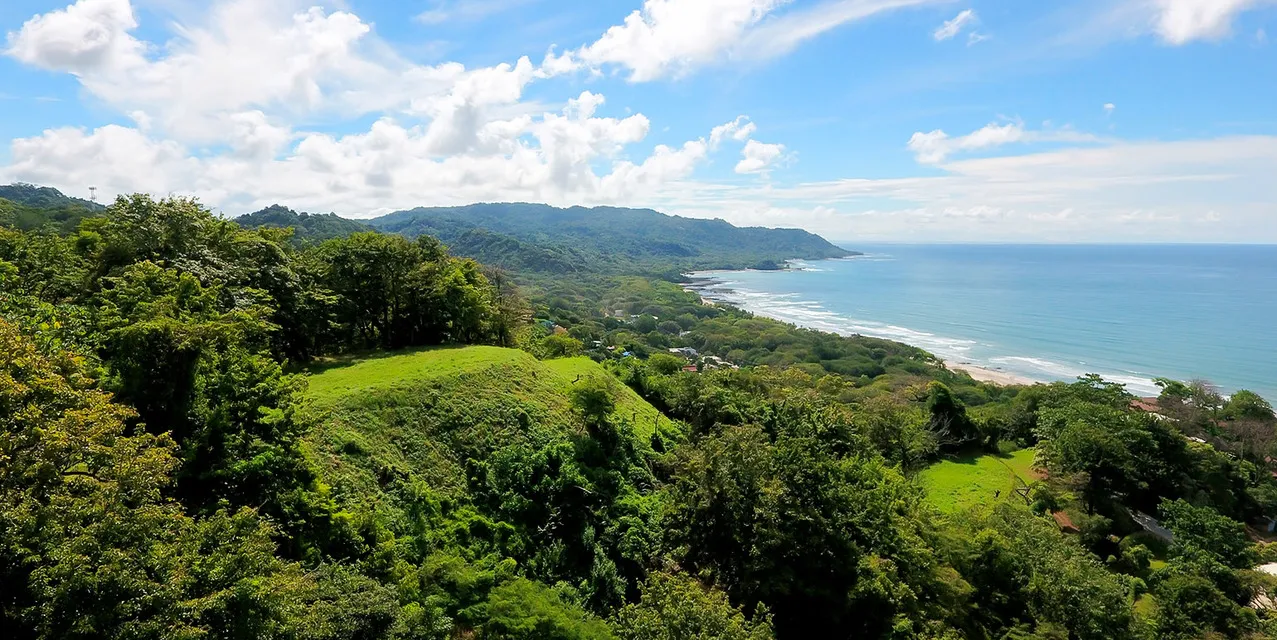
Santa Teresa, Costa Rica, is another destination for digital nomads looking to escape the city. Known for its stunning beaches, relaxed vibe, and natural beauty.

Santa Teresa, Costa Rica, digital nomad destination

The Costa Rica digital nomad visa was launched in July 2022, and to qualify, you must earn at least $3,000 monthly or $4,000 if you come with your family. Other eligibility criteria for the Costa Rica digital nomad visa include the following:

  • Proof of health insurance
  • A valid passport
  • Proof of payment of $100 application fee
  • Bank statements
  • Visa application form
  • Marriage and birth certificate, if accompanied by your spouse and children

Why choose Santa Teresa, Costa Rica?

  1. Coworking spaces: Many coworking spaces offer reliable, high-speed internet and flexible workspaces for comfortable working. Some are in scenic locations for a pleasant environment. Top options in Santa Teresa include Selina Santa Teresa, Skyloft, and Outsite.
  2. Culture: Costa Rica blends indigenous and Spanish cultures in its cuisine, festivals, music, art, and lifestyle, making it a welcoming destination for nomads seeking adventure and genuine connections.
  3. Outdoor activities: Santa Teresa is known for surfing, perfect for both pros and beginners. You can also hike, zipline, sunbathe, kayak, or scuba dive—there’s something for everyone.

Mérida, Mexico for history geeks

Mérida is not only one of the safest cities in Mexico but also one of the most affordable. Although not a coastal city, it’s rich in history and home to many archaeological sites like the Chichén Itzá Mayan ruins.

While Mexico doesn’t have a digital nomad visa, you can apply for a Temporary Resident Visa. This visa allows freelancers, digital nomads and remote workers to stay for up to a year, with the option to extend.

To apply for the Temporary Resident Visa, you’ll need:

  • Proof of funds showing you earn at least $1620 monthly
  • Proof of visa application fee ($36)
  • Visa application form
  • A valid passport
  • Recent passport photographs taken within the last six months

Why choose Mérida, Mexico?

  1. Affordable cost of living: Mérida is relatively cheap compared to other major cities. The monthly rent for a one-bedroom apartment is around $400, and you can live comfortably for about $800 per month (excluding rent). There are plenty of housing options, making it easy for nomads to find their perfect spot.
  2. Coworking spaces: Mérida has a variety of coworking spaces and cafes for you to work comfortably. Some popular coworking spots include Cluster, C60, Avanti, Manifesto, and Estacion 72.
  3. Gastronomy: Mérida’s cuisine is richly flavoured and influenced by Spanish, Mayan, and Caribbean cultures. Some of the city’s famous dishes include cochinita pibil, papules, panuchos, and sopa de Lima.
__wf_reserved_inherit
Cochinita pibil

Valencia, Spain for beachgoers

Valencia is Spain’s third-largest city and is quickly becoming a favourite destination for digital nomads. This city has excellent weather, with 300 days of sunshine, beautiful beaches, and a fun cultural scene that will make your stay unforgettable.

Spain introduced its digital nomad visa in 2023, allowing all non-EU/EEA remote workers, freelancers and digital nomads to live and work in Spain for up to a year, with the option to extend up to five years.

To apply for the digital nomad visa, you’ll need:

  • Proof of employment with a company outside of Spain
  • Proof of income showing at least €2,400 monthly
  • Health insurance
  • Proof of educational or professional qualifications
  • Payment of the visa fee (between $88 and $190, depending on your nationality)

Why choose Valencia, Spain?

  1. High quality of life: In 2022.), Valencia topped InterNations’ Quality of Life Index, and it’s easy to see why. The city is eco-friendly, with many lush gardens and green parks like Turia Garden, perfect for relaxing or outdoor activities.
  2. Tax benefits: Digital nomads in Spain don’t pay taxes for the first six months of their stay. After 183 days, you’ll become a tax resident, and if you’re earning more than $664,920 annually, you’ll pay a flat tax rate of 24%.
  3. Affordable cost of living: Compared to other Spanish cities like Barcelona or Madrid, Valencia offers a high quality of life at a lower cost. Depending on your lifestyle, monthly expenses for a single person are around $762, excluding rent.

Also read: Affordable European cities for digital nomads in 2024

Wrapping up

Finding the right digital nomad destination is about choosing a place that fits your lifestyle and needs. These five destinations could be your perfect fresh start, whether after adventure, flexible visa options, or a peaceful escape.  And no matter where you go, you can rest assured that managing your funds with Grey is safe and seamless. Open an account today to get started.

‍

Last updated:

October 2, 2026

Open a free Grey account to get startedJoin 1 million digital nomads
IF YOU ENJOYED THIS, CHECK THESE OUT

Romantic destinations for remote-working couples

•

•

2 min read

Seeing my own romantic life is dead, I have committed myself to the noble cause of helping people with amazing romantic lives live their fantasies. Living vicariously through others, I have imagined romantic trips with my non-existent lover. So until I get to experience love the way you do, let me at least put my travel experience to good use. How about I treat you to some of the most romantic destinations for remote-working couples? And for the love of everything that is good and pure, please let’s leave Paris out of this list. Thanks.

Madeira, Portugal
__wf_reserved_inherit

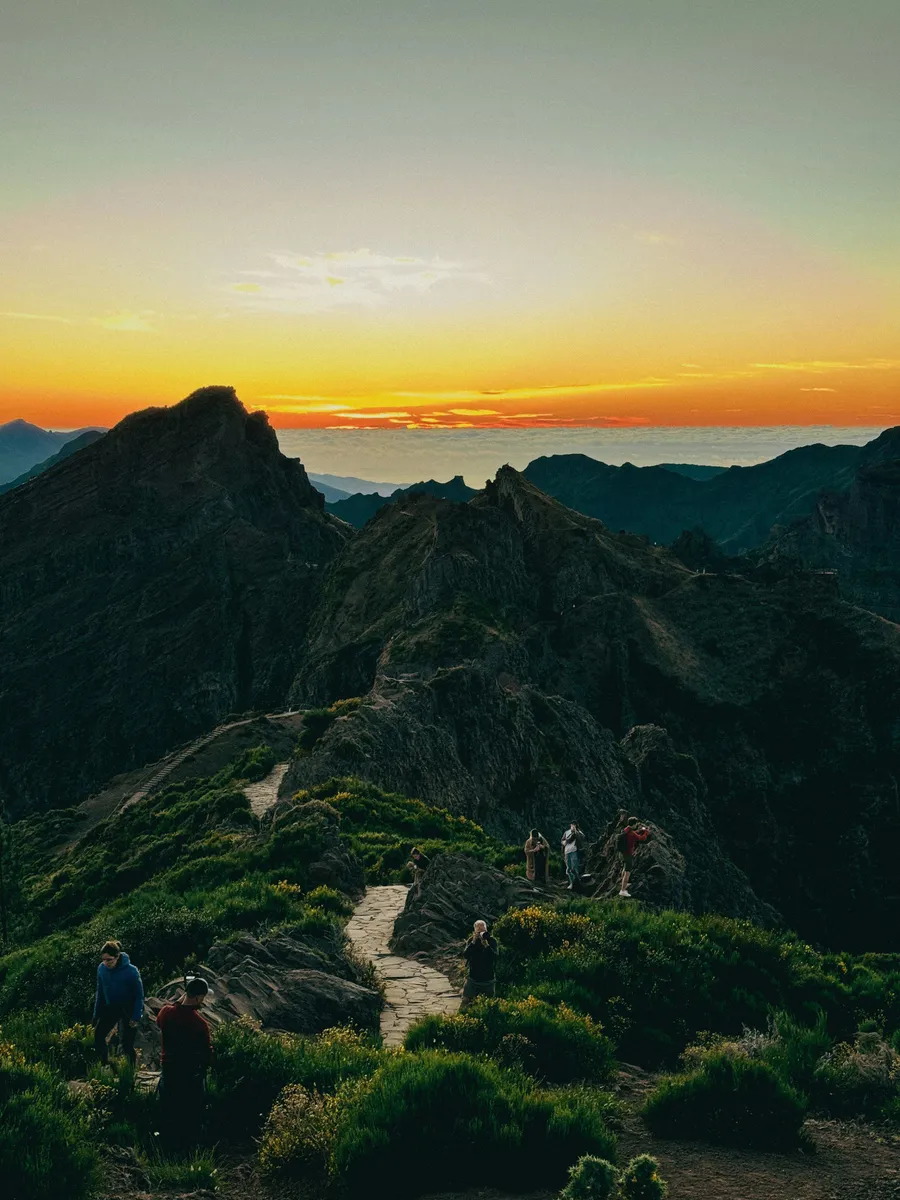
Just imagine watching the romantic sunsets 283 metres above sea level at Mairadouro das Neves (also known as the Pináculo Viewpoint), one of the most iconic natural balconies in Funchal, Madeira. Madeira is often called the Hawaii of Europe for its nearly constant spring-like weather and dramatic volcanic landscapes. The city offers many couple-friendly adventures, from lush botanical gardens to infinity pools and mountains to hike. Fortunately, Madeira is also a remote work-friendly destination. There is a Digital Nomad Village in Ponta do Sol that provides an ideal community for remote workers, including co-working spaces.

Also read: How to apply for a digital nomad visa in Portugal

Bali, Indonesia

__wf_reserved_inherit

My laptop in one hand and my babe's hand in the other, my imagination sometimes takes me to Bali after I stumbled on an Instagram reel about this paradise some years ago. For couples who value nature, wellness, and a slower pace, Bali should top your list. It is surrounded by rice fields and jungle and offers a peaceful environment that promotes a balanced work-life balance. Many villas are designed for remote workers, offering private workspaces, strong Wi-Fi, and tranquil settings. Places like Ubud or Canggu are packed with co-working spaces and cafés where you can work.

After work, couples can unwind with yoga, spa treatments, evening walks through town, or shared meals overlooking the forest. The strong digital nomad community makes it easy to stay productive while enjoying a deeply romantic environment.

Also read: How digital nomads in Bali manage USD, EUR, and IDR

Tulum, Mexico

__wf_reserved_inherit

I am not usually a fan of a bohemian vibe, but Tulum comes with a side of ancient history, which sets it apart. The beaches are stunning, and many eco-resorts offer reliable internet and quiet corners for focused work. Nothing inspires productivity like the view of the Caribbean Sea from a hammock. Co-working spaces are popping up to support digital nomads. Tulum’s laid-back vibe makes it a premium destination for relaxation, yoga, or a swim after work. And when it comes to romance, exploring Mayan ruins together, visiting hidden cenotes, or dining under the stars at beachside spots are some activities to add to your bucket list.

Also read: Top travel destinations in Mexico for summer vacation

Santorini, Greece

Santorini makes this list for many obvious reasons. But for me, it is about all the Afrobeats songs that have made me picture it as a must-visit romantic destination. Santorini's cliffside villages and caldera views are the stuff of postcards. There is something about Santorini’s backdrop that just screams “romance!”. You can stay in a cave hotel or villa in Oia or Fira, where Wi-Fi is generally good, and you can work from a terrace overlooking the Aegean. There are a few co-working options, but many opt for the peace of their accommodation. The romance ramps up with sunset cruises, wine tastings in local vineyards, or hikes along the volcanic paths. It's pricier in peak season, but off-peak visits mean fewer crowds and more intimate moments.

The Maldives

__wf_reserved_inherit

People often say there is no picture you take from the Maldives that doesn’t look romantic, even if you are the only person in the picture. Nobody actually says that, but I do think people should say that often. The Maldives is the ultimate destination for a luxurious, romantic escape for remote workers. The views of the evening sun kissing the tranquil seas should make love course through your veins. From joining a work meeting in an overwater bungalow or a dedicated workspace to a private beach dinner with your partner, taking romance off the charts. While visiting the Maldives may not be the cheapest option, it will be a memorable trip that lasts a lifetime.

Prague, Czech Republic

Prague’s historic centre feels like something out of a fairytale. The city is compact, walkable, and visually striking, making everyday life feel special. For remote-working couples, it offers solid internet, affordable living costs compared to Western Europe, and a calm pace. Evenings in Prague are often spent walking across bridges, exploring old streets, or enjoying quiet dinners. The city suits couples who want a romantic atmosphere without constant crowds or high living costs.

Biarritz, France

Since I said Paris won’t be on this list, it is only fair to tell you about Biarritz. It is a premier romantic destination. While it is still in the high-end romantic destination group chat, I will take it over Paris. The town is a known hotspot for digital nomads, with excellent coworking spaces such as Outsite, which offers private rooms, dedicated workspaces, and a community lounge. Couples can take romantic strolls along the Plateau de l'Atalaye and the Rock of the Virgin (Rocher de la Vierge). The Plage du Port Vieux offers a quiet, intimate beach experience. Biarritz to Paris is about five hours by train, so you might consider taking a flight if you insist on taking a picture at the Eiffel Tower or visiting the Louvre. It might just be easier to commute through Paris, so you can see for yourself that there are many other places in the world you can explore.

Kyoto, Japan

Kyoto offers a quieter, more contemplative form of romance. The traditional architecture, temples, natural beauty, and a sense of calmness make it ideal for couples for a quiet getaway. Japan’s internet infrastructure is among the best in the world, making remote work seamless.

Life in Kyoto encourages simplicity. After work, couples can explore historic streets, enjoy shared meals in small local restaurants, or take evening walks through temple districts. It is particularly appealing to couples who value respect for routine, order and cultural depth.

Florence, Italy

This is the type of place you want to take your partner as an apology. Everything about the birthplace of the Renaissance supports peace, introspection, and love. There is a lot to see, feel, and experience. Visit the Duomo (Cathedral of Santa Maria del Fiore) and climb the 463 steps to the top of Brunelleschi's dome for panoramic views. You can also experience masterpieces at the art museums, experience the intimate piazzas, and shop for jewellery at Ponte Vecchio’s iconic medieval bridge. It is easy to get lost in activities and forget you actually have to do some work. The Internet quality is strong, and many apartments are well-suited to remote work.

Cape Town, South Africa
__wf_reserved_inherit

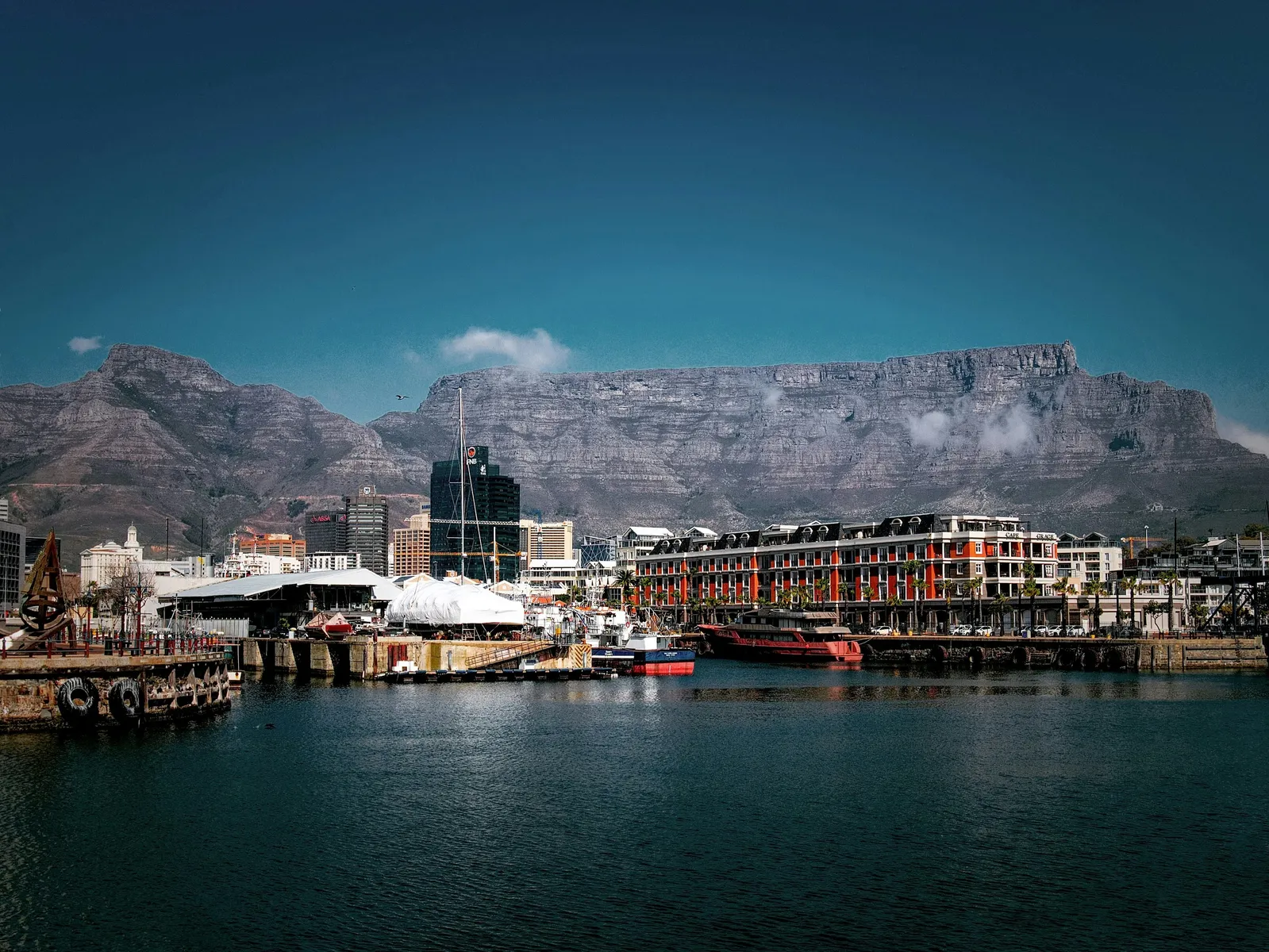
If you are looking for a more upbeat, dramatic destination, Cape Town offers a flexible lifestyle that many remote-working couples love. The city has a vibrant, diverse nightlife scene, with top party spots around Bree Street, the V&A Waterfront, and Camps Bay beach. You also get mountains, beaches, and vineyards nearby, so you can easily switch from work to leisure mode while staying in one place. The city has reliable internet in most residential areas and a growing remote-work community. The diversity of experiences makes it ideal for couples who enjoy both adventure and comfort.

Also read: Hidden travel gems to explore in South Africa this summer

Managing your finances while you explore

Being able to explore the world with a lover is a privilege remote workers cannot afford to miss. Whether you're after serene beaches or upbeat city vibes, these romantic destinations prove you can keep your career on track while nurturing your relationship. And as you plan the finances for your next adventure (from booking flights to managing various currencies), think Grey. A multi-currency account makes it easy to receive USD, EUR, and GBP payments and withdraw locally at favourable exchange rates while exploring the world. Grey offers a virtual USD debit card for online payments, making it the best third wheel for any romantic getaway.

Sign up on Grey and download the app to manage your finances while you explore the world.

‍

The best long-stay destinations for remote workers

•

•

2 min read

Choosing a long-stay destination is really different from short visits. If you just need to go out and touch grass or escape from work briefly, you might not have to plan too much. But if you are going to be staying for months, you need to think beyond waking up on a beach or watching the sunset hitting the horizon. A lot more factors come into play with long-stay destinations, and if you don’t carefully pick your destination, you might get frustrated and have to leave sooner than planned

This guide covers some of the best places for remote workers to stay long-term. Before we get into the list, let’s look at what you should think about when picking your next spot.

Also read: Best countries to move to on a digital nomad visa in 2026

What should you consider before choosing a long-stay destination?

Travelling as a remote worker is different from a regular vacation. You need to balance work and fun, so it’s important to think about what will help you stay productive and comfortable during your stay.

  • Internet: Fast, reliable internet is a must for remote workers. It helps you stay connected with your team, work smoothly, and join meetings without issues.
  • Legal requirements: Make sure to check visa rules, taxes, and travel insurance before you go.
  • Cost of living: Look up the average prices for housing, food, and transport to be sure you can afford to live there on your budget.
  • Infrastructure: Check if there are coworking spaces, cafes, good public transport, and other things that will help you work comfortably.
  • Safety: Choose safe neighbourhoods that are close to good medical care. It’s also smart to check your country’s travel advice before you go**.**
  • Lifestyle: Think about the weather, time zone differences with your job, fun things to do, and whether there’s a community for networking.
  • Accommodation: Try to find places with a kitchen to save money on food and enough space for a good work setup.

Also read: How global workers plan income, location, and lifestyle together

The best long-stay destinations for remote workers

With all these factors in mind, here are some of the top long-stay destinations for remote workers.

Lisbon, Portugal

Lisbon has long been a favorite in Europe for long-term stays. The D8 visa lets you stay for up to two years, and the city offers rich culture and a lower cost of living than many other European cities. You’ll find fast fiber internet (100+ Mbps) and coworking spaces like Second Home and Lisbon WorkHub. With a Schengen visa, it’s easy to visit other European countries too. Lisbon is a great choice if you want a European base that’s affordable.

Here’s what the average budget of a digital nomad living in Lisbon looks like.

Valencia, Spain

If you want a city with a Mediterranean vibe and strong digital infrastructure, Valencia is a great pick. Earning about $3,500 per month lets you apply for Spain’s Digital Nomad Visa. You can live well for under $1,500 a month, or up to $2,000 if you want more comfort. Valencia has fast fiber internet (often 100+ Mbps) and plenty of coworking spaces like Vortex Centro and ExpressHub. There’s lots to do, from exploring modern architecture to enjoying the historic sites and relaxing by the coast.

Marrakech, Morocco

Morocco is a crossroads between the Arab world, Africa, and Europe, making Marrakech a unique place for remote workers. The city’s cultural mix is welcoming, and it’s easy to meet people from different backgrounds. While Morocco doesn’t have a specific digital nomad visa, visitors are generally welcomed. The city has strong digital infrastructure and coworking spaces like L’BLASSA, Targa, and Goworking. You can live comfortably in Marrakech on $1,200 to $2,000 per month, and find accommodation in the medina for as little as $400 a month.

Also read: Remote-work friendly cities in Morocco: Rabat, Casablanca or Marrakech?

Chiang Mai, Thailand

Many Southeast Asian cities stand out to remote workers for their affordable living costs, warm residents, and peaceful natural environments. Chiang Mai's the OG nomad hub in Southeast Asia, and with Thailand's DTV visa now valid for 5 years for remote workers, it's even better for long stays. The Internet's solid at 200+ Mbps in coworking cafes like Punspace, and you can live well on $1,000-1,500 monthly. Temples, night markets, and mountain hikes keep things exciting, plus a huge expat scene for meetups. It's great for budget-conscious folks who want culture without chaos.

LDMAG1

Mexico City, Mexico

If you want a lively city, Mexico City is a great choice. The temporary resident visa lets many people stay for up to four years if they can show an income of about $2,600 per month. The city has reliable internet and growing coworking spaces. You can get by on $1,000 to $1,600 a month. Enjoy the tacos, museums, and nice weather. It can get busy at times, but there’s always something to do.

Managing your finances on the go

If you want an easy way to manage your money while traveling, try using multicurrency accounts. Grey lets you hold USD, GBP, or EUR, switch between them easily, and make low-fee transfers. You can also withdraw in local currencies at fair rates and use a USD debit card for online payments wherever you are.

Get started on Grey today and download the app to seamlessly manage your finances on the go.

‍

Receiving foreign income in Morocco without a domiciliary account

•

•

2 min read

Is it possible to receive foreign income in Morocco without a domiciliary account? The simple answer is yes. However, it is not always straightforward, especially with the wrong payment services.

Domiciliary (foreign currency) accounts were once the standard for Moroccans earning in USD, EUR, or GBP, but they are becoming less popular. Opening one often involves extensive paperwork, multiple bank visits, minimum balance requirements, and strict compliance with local regulations. Beyond these,  SWIFT fees, intermediary charges, and poor conversion rates when converting to MAD make them too expensive for the average person.

The good thing is that you don’t need a traditional domiciliary account at banks such as Attijariwafa Bank or Banque Centrale Populaire to manage international payments efficiently. Freelancers, remote workers, and expats earning from abroad can not find alternatives that suit their needs.

This article explains how Moroccans can receive foreign income without a domiciliary account and describes the pros and cons of each option.

Why do many Moroccans avoid domiciliary accounts?

A domiciliary account allows you to receive foreign currencies without immediate conversion to MAD. On paper, this sounds ideal. In practice, these accounts come with significant problems. A domiciliary (or foreign currency) account allows you to receive USD, EUR, or GBP without automatically converting to MAD. However, these accounts have considerable limitations, including:

  • You have to visit the banking hall.
  • It might require cumbersome paperwork.
  • It takes a while to open an account.
  • SWIFT fees and other bank charges can eat into earnings.
  • There is limited flexibility when trying to make online payments and subscriptions.
  • Transactions may take a few days to complete.

How Moroccans receive foreign income without a domiciliary account

There are three main alternatives: online payment platforms, fintech multi-currency accounts, and cash pickup services. Each serves a different purpose, depending on how often you get paid and how much control you want over your money.

LDMAG1

PayPal

PayPal is one of the most widely recognised international payment platforms. Many foreign clients already trust and use PayPal, which makes it easy to request payments without lengthy explanations or setup.

PayPal allows Moroccans to receive payments in foreign currency and withdraw funds to a local bank account or card. Transactions are usually instant, and the platform is easy to use. However, PayPal is designed more for convenience than cost efficiency. Withdrawal requires automatic conversion to MAD, often at exchange rates that include hidden mark-ups. Fees can be substantial, especially for regular income, and users have little control over when or how conversion happens. There are also frequent reports of account restrictions and suspensions that can interrupt your cash flow or lead to losses.

PayPal works best for occasional payments or short-term use, but it becomes expensive and restrictive for consistent freelance or remote income.

Fintech platforms and multi-currency accounts

This is easily a top recommendation for managing international payments in Morocco. Most of these platforms are designed to address the challenges posed by the rigid traditional domiciliary account payment system. They let you complete cross-border transactions like it is local payments and convert to MAD whenever you like.

Also read: Top digital nomad hotspots in Morocco for remote workers

Grey

Grey offers Moroccans USD, EUR, and GBP account details that you can share directly with international clients or employers.  You can hold your income in foreign currency, convert it to MAD when exchange rates are favourable, and withdraw it to your Moroccan bank account.

Grey also supports automated invoicing, integrates with freelance platforms, and provides virtual cards for paying subscriptions, tools, and services directly in foreign currency. This setup gives freelancers and remote workers far more control over exchange timing, fees, and spending, making it well-suited for regular international income.

Also read: How freelancers in Morocco can switch from traditional banks to Grey

Payoneer

Payoneer is widely used by freelancers working with global marketplaces and companies. It offers foreign accounts and allows withdrawals to Moroccan bank accounts. Payoneer is reliable and well-integrated with major freelance platforms, but its fee structure can be cumbersome. Currency conversion and withdrawal fees can be relatively high, and customer support is often slow. It remains a practical option for platform-based freelancers, though it offers less flexibility than newer fintech solutions.

Wise

Wise is known for transparent pricing and mid-market exchange rates. While it offers strong multi-currency functionality globally, features for Moroccan residents are limited, especially regarding local withdrawals and employer payments. Wise is effective for individuals with international banking needs, but may not be the most seamless solution for Moroccan-based freelancers who rely on frequent payouts.

Also read: Freelancing legally in Morocco: licences, taxes and foreign income rules

Cash pickup services

Cash pickup services are another way to receive foreign income without a domiciliary account, but you should treat them more like a fallback than as your main payment solution.

MoneyGram and Western Union allow senders abroad to transfer money for cash pickup in Morocco without a bank account. These services provide fast access to cash and nationwide availability. However, they come with high fees, unfavourable exchange rates, and low transaction limits. They are also not recommended for freelancers and remote workers with regular foreign income, invoicing, and financial  planning.

Managing international payments with Grey

You don’t need a domiciliary account to receive foreign income in Morocco. Freelancers, remote workers, and expats who regularly earn in USD, EUR, or GBP need an alternative that suits their needs. Grey offers you control over exchange rates, lower fees, faster payment processing, and the flexibility required to manage a global income. With the newly improved Grey cards, you now manage your payments globally by creating multiple cards, spend directly from your balance without top ups, and link with Apple Pay and Google Pay. Grey bypasses the paperwork and restrictions of domiciliary accounts, allowing you maximise you income without hassles.

Sign up for a Grey account by downloading the app to manage your foreign income with ease.

‍

Countries attracting remote workers the most in 2026

•

•

2 min read

The digital nomad scene has evolved over the years, and 2026 feels like the year of maturity. Today, entire countries are rolling out red carpets for remote workers, and honestly, some of these programmes are incredible.

What’s in it for these countries? A remote worker earning a London or San Francisco salary but spending it in Lisbon or Mexico City. That's pure economic gold, as that’s money that will be pumped directly into the economy through the said freelancers’ spending.

I’ve spent some time researching which countries are genuinely attracting remote workers in 2026, not just talking about it, but actually making it happen. Here’s what I’ve found.

Portugal

Let me start with the obvious one. Portugal has been the poster child for remote work migration since 2020, and in 2026, it remains at the forefront.

Entire neighbourhoods in Príncipe Real and Santos are now essentially expat hubs. You’ll hear more English than Portuguese in some co-working spaces, and the average rent has tripled in five years. Some locals aren’t always thrilled about that, but the government certainly is.

What makes Portugal attractive to remote workers?

The D7 visa (passive income visa) and the newer Digital Nomad Visa make it absurdly easy for remote workers to settle here legally. You need proof of income, which is around €3,040 per month for a single person, and you’re basically in. Processing times are reasonable, and you get access to Europe’s Schengen zone.

Portugal offers a lifestyle that’s hard to beat. It’s affordable, at least compared to London or Paris, has a stunning coastline, incredible food, and a time zone that works for both European and US East Coast clients.

Are there any drawbacks to working remotely in Portugal?

Rent in Lisbon and Porto has become genuinely expensive. A one-bedroom flat in a decent neighbourhood will set you back €1,200 - €1,800 per month now. And if you’re not earning in EUR or USD, the cost of living might surprise you.

Still, for most remote workers, especially those in tech, design, or marketing, Portugal remains one of the safest, easiest, and most attractive options in Europe.

Spain

Some say Spain spent years watching Portugal steal its thunder, but in 2023, it launched a proper Digital Nomad Visa, and by 2026, the results are showing.

I’ve got friends who moved to Valencia and Barcelona in the last year, and the quality of life they describe is impressive. Spain’s visa requires proof of a monthly income of at least € 2,000, a clean criminal record, and health insurance. The visa is valid for 12 months (renewable for up to five years) and you get to live and work remotely in one of Europe’s most liveable countries.

What makes Spain attractive to remote workers?

The weather, obviously. But also the infrastructure. Spain’s internet speeds are excellent, co-working spaces are everywhere, and cities like Madrid, Barcelona, and Valencia offer that perfect mix of metropolitan energy and Mediterranean ease.

Spain's tax regime for new residents can be favourable. The Beckham Law (yes, named after that Beckham) allows qualifying remote workers to pay a flat 24% tax on Spanish-sourced income for up to six years. If you structure things correctly and most of your income is foreign-sourced, Spain can be surprisingly tax-efficient.

Are there any drawbacks to working remotely in Spain?

A minor downside is that obtaining your TIE (residence card) can take several months, and navigating local government offices often requires considerable patience. But if you can navigate the admin, you’ll absolutely love your stay.

Mexico

I’ll be honest, I didn’t expect Mexico to dominate the remote work conversation the way it has, but here we are. In 2026, Mexico City, Playa del Carmen, and Tulum are absolutely crawling with remote workers, particularly from the U.S. and Canada.

Mexico’s Temporary Resident Visa is designed for remote workers who earn at least $3,500 per month or hold at least $60,000 in savings. Once approved, you can live in Mexico for up to four years.

What makes Mexico attractive to remote workers?

The timezone compatibility with the U.S. is a plus if you're working for American clients or companies. Mexico’s Central or Eastern time zones mean you're not taking calls at 2 a.m. The cost of living is significantly lower than in the U.S. You can live comfortably in Mexico City on $2,000–$3,000 per month, including rent, food, and entertainment.

The lifestyle is vibrant. Mexico City boasts world-class restaurants, an incredible cultural scene, and a creative energy that rivals any major global city. The variety is there, and it's affordable.

Are there any drawbacks to working remotely in Mexico?

It’s essential to acknowledge that safety concerns are real in certain areas. Mexico City is generally safe in expat-friendly neighbourhoods like Roma, Condesa, and Polanco, but it’s essential to stay vigilant. Internet reliability can vary significantly, being fine in major cities but patchy in beach towns. And whilst Mexico is affordable, the influx of high-earning remote workers has driven up rents in popular neighbourhoods. A flat in Roma Norte that cost $800 per month in 2021 now costs $ 1,500 or more.

Still, for North American remote workers, Mexico remains the most convenient, accessible, and practical option.

UAE

Dubai and Abu Dhabi have always attracted expats, but the UAE’s remote work visa (launched in 2020 and refined since) has turned it into a genuine hub for high-earning digital professionals.

The UAE’s remote work visa requires proof of a monthly income of $5,000 or more (or an annual income of $50,000 or more), valid employment, and health insurance. The visa grants you one year of residency (renewable), exempts you from income tax, offers world-class infrastructure, and provides a lifestyle that's... well, very Dubai.

What makes Mexico attractive to remote workers?

No income tax is the headline. If you’re earning six figures (a term that I’ve now come to dislike) and paying 40% tax in the UK or EU, moving to Dubai can mean keeping significantly more of your income. The infrastructure is phenomenal and everything runs on time. The UAE is one of the safest countries in the world, and for remote workers with families, that's a huge draw.

Are there any drawbacks to working remotely in Mexico?

It’s expensive. Rent in Dubai is high (think $2,000-$4,000 per month for a decent one-bedroom), and while there's no income tax, the cost of living offsets some of those savings. The culture also isn’t for everyone. There are many strict laws, conservative social norms, and a car-dependent lifestyle that can feel restrictive if you’re used to European walkability.

But for high earners prioritising tax efficiency and luxury, the UAE is hard to beat.

LDMAG1

Estonia

Estonia doesn't get enough credit, but that’s why I’m here. This tiny Baltic nation launched the world's first Digital Nomad Visa in 2020, and whilst it's not as sunny as Portugal or as buzzy as Mexico, it’s carved out its own loyal following.

Estonia's visa requires proof of a monthly income of € 4,500 or more and allows you to live and work remotely for up to 12 months. Extensions are possible, and the entire application process is digital.

What makes Estonia attractive to remote workers?

Everything happens online, from company registration to tax filing. For tech workers and entrepreneurs, Estonia feels like home.

Estonia also offers the e-Residency programme, which allows you to run a business remotely from an EU-based location without needing to reside there. Pair that with the Digital Nomad Visa, and you've got a powerful setup for location-independent entrepreneurs.

Are there any drawbacks to working remotely in Estonia?

It's cold. Proper cold. If you’re chasing sunshine, Estonia isn't it. The expat community is relatively small, which can make it feel isolating. And whilst Tallinn is lovely, the rest of Estonia is quite rural; if you need urban energy, options are limited.

But for a certain type of remote worker, tech-focused, digitally savvy, unbothered by winter, Estonia is brilliant.

Also read: The best countries in Europe to land a remote job

Indonesia

Bali has perhaps been the most popular digital nomad hotspot in Indonesia. For over a decade, it's always existed in a legal grey area. Most people worked on tourist visas and did "visa runs" every few months. In 2024, Indonesia finally launched a proper remote work visa.

The visa costs around $130, requires proof of a monthly income of $2,000 or more, and grants you 12 months (renewable for up to five years) to live and work remotely.

Also read: Real budgeting tips for nomads living in Bali

What makes Indonesia attractive to remote workers?

It’s cheap. You can live well in Bali on $1,500 per month. The lifestyle is unbeatable: surf, yoga, co-working spaces overlooking rice paddies, and a massive community of like-minded remote workers. Canggu, Ubud, and Sanur are now essentially purpose-built for this crowd.

Are there any drawbacks to working remotely in Indonesia?

Infrastructure is hit-or-miss. The internet can be unreliable during the rainy season, power cuts happen, and healthcare isn’t comparable to that in developed countries. The visa process, whilst improved, still involves typical Indonesian bureaucracy.

But if you’re earning in USD or GBP and want a low-cost, high-lifestyle base in Southeast Asia, Bali remains hard to beat.

Also read: Everything you need to know about the Indonesian digital nomad visa

So what country is best for you?

The countries attracting remote workers in 2026 aren’t just the ones with the nicest beaches or the coolest co-working spaces. They’re the ones that understand the economics, make visas accessible, and offer a genuine quality of life improvement over wherever you’re leaving.

Portugal, Spain, Mexico, the UAE, Estonia, and Indonesia are leading the pack, and they’re leading for different reasons. Portugal offers European ease and Schengen access. Spain brings scale and variety. Mexico offers affordability and time zone alignment for Americans. The UAE is the tax-free luxury option. Estonia is the digital pioneer. Bali is the lifestyle escape.

Your ideal destination depends on what you value most: tax efficiency, cost of living, weather, community, or infrastructure. However, wherever you land, ensure that you have the necessary financial infrastructure in place. Because the visa might get you in the door, but a proper payment setup is what lets you actually enjoy it.

Getting paid across borders

I’ve watched friends move to Portugal or Mexico, land great clients, then lose 3 - 5% of every payment to terrible exchange rates and international transfer fees. Over a year, that adds up to thousands of pounds, dollars, or euros just... gone.

If you’re working remotely and getting paid in USD, EUR, or GBP whilst living abroad, you need a proper payment setup. Many traditional banks are often problematic in this regard, as they have slow transfers, hidden foreign exchange markups, and fees that make little sense.

Personally, I’d recommend Grey come in. You receive virtual USD, EUR, and GBP accounts, allowing clients to pay you directly without the headaches of international transfers. You convert currency at real rates, and you can withdraw to your local account quickly. It’s the kind of setup that saves you actual money every month.

Create your free Grey account today or download the app and start receiving international payments with better rates, faster transfers, and zero hassle.

‍

Can foreigners open a UK bank account without proof of address?

•

•

2 min read

If you’re planning to move to the UK, study there, or work remotely for UK clients, you almost certainly will need a UK bank account. For most people, they’ll quickly contact a few UK banks to open an account, and almost immediately, they hit the same wall: “Do you have proof of UK address?”

Most people don’t.

This could be because you’re not living in the UK yet, or you’re based abroad but need UK banking access. After explaining this, the conversation usually ends there. The bank says they can’t help without proof of address. You’ve failed before you’ve even started. Okay, maybe saying you’ve failed is a bit of an exaggeration, but you get my point.

So, can foreigners open a UK bank account without proof of address? Yes, but only if you know what to do.

Let's explain why UK banks require proof of address, your realistic options, and how to navigate UK banking as a foreigner without the usual documentation.

Why do UK banks ask for proof of address?

UK banks aren’t asking for proof of address to be difficult. I know, I know it can be a bit annoying. They’re in fact required by law to verify customer identities and addresses as part of KYC (Know Your Customer) and AML (Anti-Money Laundering) regulations.

These regulations exist to prevent financial crime, especially across borders. Banks must confirm you are who you say you are and that you have a verifiable connection to the address you’ve provided. This helps prevent fraud, money laundering, and identity theft.

For people already living in the UK, this is straightforward. You can provide a utility bill, council tax statement, or rental agreement showing your name and UK address. For foreigners who don’t live in the UK yet, or who live abroad permanently but need UK banking, these requirements pose a barrier.

LDMAG1

Can foreigners open a UK bank account without proof of address?

Technically, yes, but it depends entirely on which type of account you’re trying to open and with whom.

Traditional high-street banks almost always require proof of address in the UK. Their systems and compliance processes are built around this expectation. Applying to these banks without a UK address usually results in automatic rejection.

Some traditional banks offer international or expat banking services for high-net-worth individuals or specific professional categories (students, employees of multinational companies). These accounts sometimes accept foreign proof of address, but they often come with high minimum balance requirements, monthly fees, or qualifying restrictions.

Digital banks and fintech companies operate differently. Many were built specifically to serve people who don’t meet traditional banking criteria, including foreigners without UK addresses. These companies use technology to verify identity without always requiring physical UK residency.

Also read: Choosing the right payment setup for UK freelancers

Digital banks and fintech alternatives

Digital banks and fintech companies built their businesses around serving people that traditional banks aren't capable of serving.

These services typically verify your identity using your passport or national ID card, along with proof of address from your home country. They don’t require you to live in the UK. Once verified, you receive UK banking details that function as traditional UK bank accounts for receiving and sending payments.

However, they don’t offer full high-street bank services like mortgages, loans, or overdrafts (though some are expanding into these areas) and physical branch access (because they’re fully digital)

For foreigners who need UK banking access but do not live in Britain, these alternatives are often the only realistic options.

Also read: How to create US and UK bank accounts as a migrant worker in the UK

How does Grey help you open UK accounts?

If you live and work outside the UK but earn money from UK clients, or run a business that needs UK banking, or simply need UK account details without moving to the UK, Grey provides a practical solution.

You don’t need UK proof of address to open a Grey account. Verification is done using your existing identity documents and proof of address from where you currently live. Once verified, you receive UK banking details (sort code and account number) that your clients, employers, or customers can pay into as if you had a traditional UK bank account.

Grey also offers GBP, EUR, and USD accounts, meaning you can receive payments in multiple currencies without forced conversion. You control when to convert money and at what rates. For freelancers, remote workers, and businesses operating internationally, this flexibility matters.

Grey isn’t trying to replace your local bank. It’s a layer that sits alongside your existing banking, giving you access to UK (and other) banking infrastructure without needing to physically live in those countries.

Also read: How Grey differs from a UK bank

Can foreigners open a UK bank account without proof of address?

If you need UK banking to receive payments, hold pounds, and manage money digitally, fintech alternatives work well.

Grey gives you GBP, EUR, and USD accounts with UK banking details, no UK address required. Verify your identity using documents from your home country, receive your UK sort code and account number, and start enjoying truly inclusive global banking

Open your free Grey account today or download the app and access the UK banking infrastructure you need, without the residency requirements you don’t have.

‍

How to budget in foreign currencies using the Grey card

•

•

2 min read

Budgeting used to be simple. You earned money, spent money, and tracked what was left. At that time, you had only one account with one currency, which required just one mental model.

Then remote work happened.

Now you might earn in EUR, pay for tools in USD, and travel in between. Discipline isn’t enough for budgeting anymore; you need structure. Without the right structure, even the most careful spender can lose track of where their money is going.

The Grey card comes in as a practical budgeting tool for people who live and spend across borders. I’ll explain.

Why budgeting in multiple currencies breaks down so easily

Most people don’t overspend because they’re irresponsible. Rather, they overspend because their money isn’t organised in a way that reflects how they live.

Here’s what usually goes wrong.

You’re spending across platforms, clients, and countries, but everything is tied to one card. Subscriptions, ads, one-off purchases, and travel expenses all blur together. When something goes wrong, such as a spike in ad spend or an unexpected renewal, it’s challenging to pinpoint the cause quickly.

Add foreign currencies to the mix, and it gets worse. The charges don’t always settle immediately, and these small amounts seem harmless until they quietly add up.

At that point, your budget is broken.

Also read: How to use your Grey card to manage all your subscriptions

What should budgeting look like when you earn and spend globally?

Clarity, separation, and control are the most crucial factors when budgeting across multiple currencies. You should be able to:

  • See exactly what each type of spending is costing you.
  • Stop or pause spending instantly when needed.
  • Protect one part of your budget from another.
  • Make changes without disrupting everything else.

The Grey card is designed around solving these exact needs.

How does the Grey card help with budgeting?

Use multiple cards to separate your spending

One of the most effective budgeting habits is separation. Instead of using a single card for everything, you can create multiple cards with clear purposes.

For example, you can create:

  • One card for subscriptions and recurring tools
  • One card for ads and growth experiments
  • One card for travel or everyday spending
  • One card per client or project

Each card acts like its own budget lane. You don’t need to guess where the money went; you already know.

This is especially useful if you freelance, manage ads, or run multiple income streams. When spending is separated, budgeting becomes more straightforward.

Also read: How to pay for ads easily with your Grey card

Freeze cards instantly when spending goes off-track

Budgets fail when you can’t act fast enough.

With the Grey card, you can instantly freeze or unfreeze any card in the app. If an ad campaign starts burning cash, freeze the card. If a subscription you forgot about renews unexpectedly, freeze the card. If you’re travelling and want to lock down non-essential spending, freeze the card.

Freezing a card doesn’t affect your other cards or balances. It simply stops that specific spending lane, which is precisely how budgeting should work.

Set limits that protect your budget

Budgets can fail when they’re too rigid. Grey’s spending limits work more like guardrails.

You can set daily or monthly limits per card, receive alerts when you’re approaching your limit, and still stay flexible. The goal isn’t to punish spending. I mean, who wants that? It’s to keep you aware before things drift too far.

For shared cards or subscriptions, limits are especially useful. You know exactly how much can be spent, and nothing sneaks past unnoticed.

Track spending clearly in one place

When you’re budgeting across currencies, visibility matters more than perfection. Every Grey card transaction appears clearly in your app, linked to the card you used. That means you’re not just seeing how much you spent, but why you spent it.

When budgeting time comes around, you’re no longer reconstructing your month from memory. The structure is already there.

Spend confidently across borders

Trust helps with budgeting too. When you’re shopping internationally, paying for ads, or travelling, declined payments and unexpected charges can throw everything off. The Grey Card works across global merchants and even supports Apple Pay and Google Pay, so everyday spending feels normal, even when you’re far from home.

LDMAG1

A quick note on protection when spending abroad

An often-overlooked aspect of budgeting is preparing for contingencies in case things go wrong.

When you pay with your Grey card, you have access to Visa benefits, including purchase protection, extended warranties, and price protection, depending on the transaction and your activation status. It’s not something you think about daily, but it adds a layer of reassurance when you’re buying electronics, booking travel, or shopping internationally.

It’s one less thing to worry about while managing money across borders.

Also read: How to claim your Visa card benefits

What budgeting in foreign currencies is like with the Grey card

When your card and your accounts are aligned, budgeting stops being guesswork. You know what you’re spending, which currency it’s coming from and more importantly, when something changes.

Instead of constantly reacting to your balance, you’re now making decisions with clarity. And that’s what good budgeting should be like, whether you’re at home, travelling, or working remotely.

If you’re ready to make your budget work wherever you are, create or update your Grey card and start spending and budgeting in the ways that matter to you.

‍

Arrow (up)

Back to top