

One of the biggest challenges after getting international clients is protecting your income from exchange rate swings. The ideal sequence is that after you complete a project, you send your invoice, and then receive payment in dollars or pounds. It feels rewarding, but living in Nigeria means constantly thinking about the naira. Should you convert immediately or wait? In a market where FX rates change quickly, even a short delay can significantly affect how much ends up in your account.
From Lagos to Abuja to Port Harcourt, freelancers and tech professionals manage foreign income strategically. Some use domiciliary accounts, while others rely on fintech platforms to hold foreign currency. The goal is to avoid unnecessary conversions and reduce exposure to sudden drops.
This article explains practical methods Nigerians use to manage FX risk and protect the true value of their remote earnings.
How FX swings impact your remote earnings
Foreign exchange (FX) swings happen when the value of the naira rises or falls against currencies like the dollar or pound. In Nigeria, rates can change quickly because of inflation, demand for dollars, government policies, and market pressure. One week, the rate is stable; the next week it shifts sharply. For anyone earning in foreign currency, that movement is never just news, it directly affects your money.
First, FX swings can change how much your income is worth overnight. You might receive $1,000 feeling confident, only to see the rate drop before you convert. That difference can affect rent, family support, or savings plans.
Second, it affects planning. School fees, subscriptions, and travel costs become harder to budget when rates move unpredictably.
Finally, sudden swings create pressure to convert quickly, which can lead to rushed financial decisions and lost value.
Also read: How Nigerian freelancers maximise their foreign earnings
Smart ways to protect your remote income from FX changes
In Nigeria, currency rates can change quickly, and protecting your foreign income takes planning and smart choices.
Earn in foreign currency
One of the easiest ways to avoid losing money to FX swings is to earn in foreign currency. Getting paid in dollars or pounds protects your income from the naira’s ups and downs.
Many Nigerian remote workers now look for international clients so their payments hold value before converting. This way, you keep more of what you earn. And once you start earning in foreign currency, the next step is knowing the best ways to receive your money safely and without losing value to unnecessary fees.
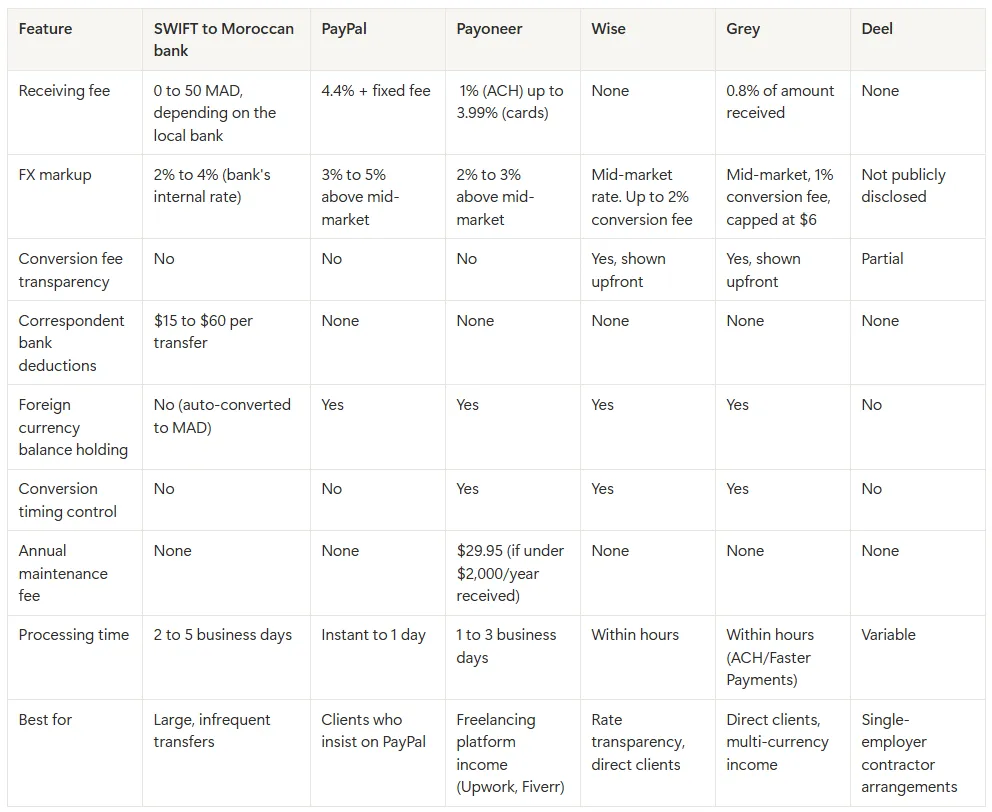
- Grey: Grey lets Nigerians receive payments in USD, GBP, and EUR. You get foreign account details, hold funds safely, and convert when rates are favourable.
- Payoneer: Payoneer allows freelancers to receive international payments from global clients and marketplaces. You can hold foreign currency and withdraw when exchange rates suit you.
- Wise: Wise provides multi-currency accounts with local bank details abroad. Nigerian remote workers can receive, hold, and convert foreign income with transparent fees.
Monitor market rates
Exchange rates in Nigeria can move fast, and small changes affect your income. Checking the rates regularly, like people watch dollar or gold prices, helps you know when to convert. Converting straight away isn’t always best. Waiting for a better rate can mean keeping thousands of extra naira, especially when receiving bigger payments from overseas clients. Here’s how you can keep an eye on exchange rates.
- Check both official and parallel market rates regularly to know the true value before converting.
- Track trends over days or weeks instead of converting immediately for small fluctuations.
- Set a target rate based on your expenses, like school fees, rent, or household bills, so you convert at the most useful time.
Also read: Managing foreign currency earnings as a remote worker in Nigeria
Invest in foreign markets
Another smart move is to save or invest some of your earnings in foreign assets, like dollars, stocks, or online savings accounts. By keeping part of your money in a stronger currency, you protect it from the naira losing value. This gives you more control, helps cover future expenses, and makes your income safer over the long term.
- Open a trusted platform that allows Nigerians to buy foreign stocks, ETFs, or hold dollar-based investments.
- Start small and invest a portion of your income, not everything at once.
- Focus on stable, long-term options instead of risky**,** quick-profit schemes.
- Keep records of your investments and review them regularly to ensure they still align with your financial goals.
Myths about FX swings for remote earners
You can always predict the rates: Many Nigerian remote workers think they can time the market perfectly, but FX rates are influenced by government policies, oil prices, and market demand. Even experts struggle to predict sudden changes. Relying on guesses can lead to converting at the wrong time and losing a significant portion of your hard-earned income.
Converting immediately is always best: It’s a common belief that you should convert your foreign earnings as soon as they arrive. In reality, converting immediately can mean losing money if the naira strengthens later. Waiting for a favourable rate, while monitoring trends, often helps you keep more value from international payments.
LDMAG1
Managing foreign earnings with Grey
Managing foreign currency earnings can be challenging as a Nigerian remote worker, especially with fluctuating exchange rates reducing your income. Grey helps protect your earnings from FX swings with multi-currency accounts for USD, GBP, and EUR, competitive exchange rates, virtual USD cards, and fast local withdrawals. You can receive, hold, and convert your income at the right time, keeping more of what you earn.
Download the Grey mobile app today or sign up and safeguard your foreign earnings.
.svg)