




<script type="application/ld+json" data-schema-version="grey-blog-v4"> [{"@context":"https://schema.org","@type":"BlogPosting","@id":"https://grey.co/blog/best-digital-nomad-rentals-affordable-living-options-in-thailand#article","headline":"Best digital nomad rentals: affordable living options in Thailand","description":"Discover the best cities for digital nomads in Thailand in this article. Explore top coworking spaces, and lifestyle tips for remote workers. Start planning today!","inLanguage":"en","url":"https://grey.co/blog/best-digital-nomad-rentals-affordable-living-options-in-thailand","mainEntityOfPage":{"@id":"https://grey.co/blog/best-digital-nomad-rentals-affordable-living-options-in-thailand#webpage"},"datePublished":"2024-11-29T11:50:46.056Z","dateModified":"2026-06-15T17:46:21.461Z","author":{"@type":"Person","@id":"https://grey.co/authors/ikechukwu-ibe#person","name":"Ikechukwu Ibe","url":"https://grey.co/authors/ikechukwu-ibe"},"publisher":{"@type":"Organization","@id":"https://grey.co/#organization","name":"Grey","url":"https://grey.co","logo":{"@type":"ImageObject","url":"https://cdn.prod.website-files.com/6360022338a81bd6fdbb1145/6564ae1077a67e39d3c491a6_Grey%20Logo%20Lockup%20Black.svg"}},"image":{"@type":"ImageObject","@id":"https://grey.co/blog/best-digital-nomad-rentals-affordable-living-options-in-thailand#primaryimage","url":"https://cdn.prod.website-files.com/636a85d290ee58e70c17e1c0/6a30188167d82cf053c219ed_6a3018808693c6a5eb4128f7_best-digital-nomad-rentals-affordable-living-options-in-thailand__header-image.webp","contentUrl":"https://cdn.prod.website-files.com/636a85d290ee58e70c17e1c0/6a30188167d82cf053c219ed_6a3018808693c6a5eb4128f7_best-digital-nomad-rentals-affordable-living-options-in-thailand__header-image.webp","width":1200,"height":675}},{"@context":"https://schema.org","@type":"WebPage","@id":"https://grey.co/blog/best-digital-nomad-rentals-affordable-living-options-in-thailand#webpage","url":"https://grey.co/blog/best-digital-nomad-rentals-affordable-living-options-in-thailand","name":"Best digital nomad rentals: affordable living options in Thailand","description":"Discover the best cities for digital nomads in Thailand in this article. Explore top coworking spaces, and lifestyle tips for remote workers. Start planning today!","inLanguage":"en","primaryImageOfPage":{"@id":"https://grey.co/blog/best-digital-nomad-rentals-affordable-living-options-in-thailand#primaryimage"},"breadcrumb":{"@id":"https://grey.co/blog/best-digital-nomad-rentals-affordable-living-options-in-thailand#breadcrumb"}},{"@context":"https://schema.org","@type":"BreadcrumbList","@id":"https://grey.co/blog/best-digital-nomad-rentals-affordable-living-options-in-thailand#breadcrumb","itemListElement":[{"@type":"ListItem","position":1,"name":"Home","item":"https://grey.co/"},{"@type":"ListItem","position":2,"name":"Blog","item":"https://grey.co/blog"},{"@type":"ListItem","position":3,"name":"Best digital nomad rentals: affordable living options in Thailand","item":"https://grey.co/blog/best-digital-nomad-rentals-affordable-living-options-in-thailand"}]}] </script>

Best digital nomad rentals: affordable living options in Thailand

Ikechukwu Ibe

TABLE OF CONTENT

SHARE THIS POST

If you dream of working and relaxing on a beachfront, Thailand should be your next travel destination. The country's beautiful landscape, islands, tourist attractions, and other infrastructure built to cater to digital nomads have made it a want-to-visit location.

In this article, we'll cover the best affordable rental options you can explore across Thailand.

Why is Thailand an excellent choice for digital nomads

Pleasant climate: During the dry season, the country boasts warm weather, making it an ideal destination if you love outdoor activities.

Rich Culture: Thailand's culture has played a role in retaining digital nomads and tourists with their festivals, deep history, and temples, amongst other fun engagement

Affordable cost of living: With a $500 - $1,500 budget, you can explore Thailand and its threshing beauty.

Welcoming locals: Also called the ‘Land of Smiles,’ Thailand's people are very hospitable and homely.

Affordable cities for digital nomads in Thailand

Chiang Mai

Chiang Mai Thailand Grey

Located in northern Thailand, the city has welcomed expats and digital nomads from around the world. Whether you're an adventure lover or a conservative, there's something exciting for you to do. From temples to tea shops and mountain climbing, you're certain of a great time.

Chiang Mai is also built to serve digital nomads. With great workspaces, excellent internet connections, affordable rent, and an average budget of $600-$1000, living in the city will be a walk in the park.

Affordability and cost of living

Chiang Mai offers an affordable cost of living compared to other cities in Thailand. The average budget is $700-$1,000, which covers rent, food, electricity, water, and other amenities.

As a digital nomad living in Chiang Mai, you can explore affordable areas like Old Town, Nimmon, and Lang Mor, with great atmospheres, cafes, and coworking spaces.

Working infrastructures

With well-built infrastructures to cater to digital nomads, the city has ensured that staying connected is never a hassle. This includes co-working spaces and cafes.

You can explore popular workspaces like Yellow Coworking, One Workspace, and Alt_Chiang Mai. These spaces offer great internet connections, a conducive environment for high productivity, and networking opportunities.

Bangkok

Bangkok Thailand Grey

Bangkok is the capital and busiest city in Thailand. The city houses modern business infrastructures and workspaces for expats and digital nomads. If you enjoy a busy life with a blend of fun activities, then Bangkok is the place for you.

Bangkok offers a vibrant culture, delightful cuisine, and exciting nightlife to explore when you're off the clock. It also has an international airport, making it the first stop for tourists and making it easier to travel to and from the city.

Cost of living

While living in the capital of the country might be relatively higher than other cities, some affordable areas you can explore include Victoria Monument, Ari, Asok, and Sukhumvit.

The monthly budget for living in Bangkok ranges from $600-$1,500 for a more conservative nomad and $1,500 - $2,500 if you want to splurge on some luxuries. The city offers several benefits to digital nomads, one of which is easy access to other parts of the world.

Digital infrastructure

Bangkok has invested heavily in building the city, making it home to thriving industries, and developing the technological ecosystem. This has attracted founders, freelancers, and digital nomads with provisions to cater to their creativity.

Some of the most popular coworking spaces you can visit during your stay in Bangkok are WeWork, JustCo, The Hive, and Union Space.

Krabi

Krabi Thailand Grey

The city is home to beautiful beaches and islands. Krabi was built for more touristy activities; however, as a digital worker, you can work from cafes with great internet connections. You can also experience festivals, cuisines, and an affordable cost of living relatively lower than other cities.

Cost of living in Krabi

Touring the city of beaches and islands is less expensive than cities closer to the capital of the country. With an average budget of $500 - $1,500, depending on your lifestyle choices, you can live comfortably here in Krabi.

There are affordable options on the southern side, like Ao Nang, Koh Lang, Krabi town (with lots of restaurants, cafés and coworking spaces with strong internet connections), and Klong Muang and Tubkaek Beach on the northern side of Krabi if you are looking for a quieter lifestyle.

Digital infrastructure

Hostels are more affordable than resorts and hotels. They offer communal living and a great opportunity to build connections with fellow expats and digital nomads. You can enjoy other activities or extend your stay with additional funds to splurge on.

Phuket

Phuket Thailand Grey

You'll miss out on a lot of fun if you haven't seen the city of Phuket. This city has the most stunning beaches and islands in southern Thailand. While living in the city, you'll almost never run out of activities — it's heavily invested in tourism.

The cost of living might be slightly higher than in other regions; you can live comfortably with an average monthly budget of $600-$2000. However, this differs based on lifestyle choices.

Affordability and cost of living

Living in Phuket depends on your choices, as the city caters to both budget-friendly and high-end tourists. However, the average monthly expenses range from $800 to $1,300.

Neighborhoods like Patong, Karon, and Kata stand out for those seeking affordable yet comfortable living. These areas not only offer budget-friendly rental options but also boast convenient access to stunning beaches, vibrant local markets, and a variety of dining and entertainment venues.

Phuket has something for every lifestyle: a laid-back island scene or a bustling social scene.

Working remotely in Phuket as a digital nomad

Phuket offers an ideal environment for digital nomads, blending tropical beauty with modern amenities to foster productivity and creativity. The island is home to various coworking spaces catering to professionals seeking a dynamic and inspiring work atmosphere.

Workspaces such as Bayaco, Coco, and Grind Time are some places you can explore while living here in Phuket.

Whether you're chasing deadlines or brainstorming your next big idea, these spaces are designed to make work both enjoyable and efficient.

Affordable accommodation options in Thailand.

Guest House

If you want to splurge on luxury, you might consider staying in a resort. These resorts are built in front of beaches, with top-tier services such as spas, fitness centers, and pools. With a budget of $10 per night to $600 monthly, you will be up to a good start.

Hostel

Hostels are more affordable than resorts and hotels. They offer communal living and a great opportunity to build connections with fellow expats and digital nomads. With additional funds to splurge on, you can enjoy other activities or extend your stay.

Hotels:

Thailand offers several hotel options, from 5-star to a more budget-friendly price. With an average budget of $20 - $100, you can find a hotel with amenities like a gym and restaurants.

Exploring Thailand as a digital nomad.

These destinations offer great experiences for digital nomads — from workspaces to tourist attractions. One thing you want to handle is spending locally. Well, you can cross that off your list with Grey. Create foreign accounts in minutes, and you're ready to go.

‍

Last updated:

October 2, 2026

Open a free Grey account to get startedJoin 1 million digital nomads
IF YOU ENJOYED THIS, CHECK THESE OUT

Here’s how to pay your UK school fees from Nigeria

•

•

2 min read

If you are a Nigerian student about to study in the United Kingdom, you may find it challenging to pay your school fees due to the currency differences and unfavorable exchange rates. It can also be confusing to determine what exact payment method to opt for. 

Fortunately, there are several ways to pay for your UK school fees from Nigeria that won’t leave a dent in your funds. We’ll explore those options in this article.

Paying for your school fees deposit

Perhaps the most crucial part of your fees is the deposit, and this is because it determines how soon you get your CAS. 

Most Nigerian students prefer to pay using FORM A because you can get pounds via bank rates. However, due to the recent delays associated with this payment method, we only recommend using it when paying your other installments.

Since the payment window for paying your deposit is particularly short, you should consider the fastest and easiest way to transfer the money to your school. 

Your school will share some of the acceptable payment methods, which often include paying via bank transfer, a debit card, or in person. Since paying in person is not an option for you as a Nigerian living in Nigeria, here’s how you can pay your UK school fees deposit;

Pay via bank transfer

One of the most popular ways to pay your UK school fees is by bank transfer. To do this, you’ll either need a GBP domiciliary account or a UK bank account. The issue with a domiciliary account is that processing it takes more time, which can be counterproductive. 

This is why getting a Grey UK bank account is the perfect option. Since it’s already domiciled in the UK, transfers are faster and much easier. You will also need the banking details of your UK school, including their SWIFT code and account number. You can find this on their payment page. 

Once this is sorted, here’s how to pay your school fees deposit via a bank transfer;

  • Log in to your Grey account.
  • Top up your Naira balance via a bank transfer to your NGN virtual account.

ngn account on grey
  • Once the funds reflect in your Naira balance, swap to GBP
  • You can track our real-time exchange rates on the rates page
  • Now in your GBP balance, tap on ‘Send GBP’
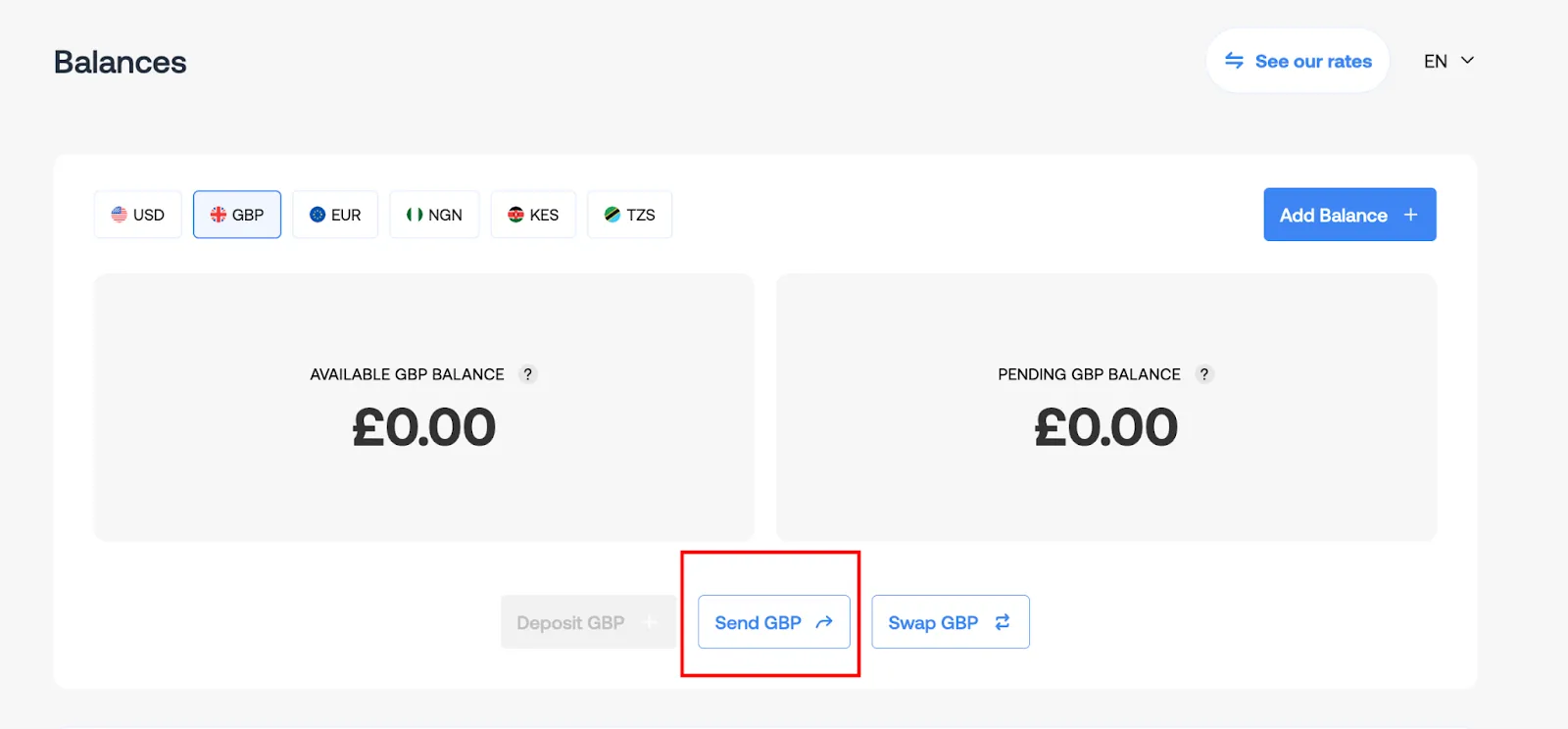
send-gbp-with-grey
  • From the dropdown menu, tap on ‘Send to New Recipient’
  • In the recipient’s currency, select ‘GBP’ and proceed to enter the remaining details
entergbp-details
  • Double-check to be sure that your school banking details are correct before completing the transaction.
  • Once it sends, share the transaction receipt with your school and wait for payment confirmation from them.

Please note that bank transfers to the UK typically take 1-3 working days, excluding weekends and holidays.

Pay via debit card

Another way to pay your UK school fees is via a debit card. Usually, your school will also have a portal where you can directly make payments via a card. However, since all Naira cards don’t work for international payments, you can only pay using your domiciliary account card or via a virtual card.

Since the Grey USD card works for every international payment, we strongly recommend this option, especially if you don’t have a domiciliary bank card. This is because the Grey virtual card is efficient, reliable, and there are no hidden fees associated with your payments, unlike most cards.

To pay your school fees via debit card, here are the steps you can follow

  • Log in to your Grey app.
  • Top up your Naira balance via a bank transfer to your NGN virtual account
  • Visit the cards section and top up your Grey USD virtual card from your Naira balance
  • If you don’t have one yet, here’s how to create a virtual card on Grey
  • Once your funds reflect on your card, visit your school portal and pay with it
  • Complete the transaction and wait for payment confirmation from your school

For subsequent payment installments

Once you’ve completed the visa application process and started your studies in the UK, paying for the rest of your fees will be pretty easy. You can choose to pay using any of the following options above or even in person now.

However, we recommend using Form A, especially if your school fees balance is in Naira. Form A is an international payment method offered by the Central Bank of Nigeria and commercial banks. 

The CBN gives these banks a specific amount of foreign currency and instructs them to sell it at bank rates. As an international student, you qualify for this bank exchange rate. In this case, your bank makes the payment on your behalf to your school and notifies you when the transaction is complete.

What you need to qualify for Form A as an international student

Since you’d have to fill out a form online, here are a few documents you’ll need to verify your status as an international student from Nigeria;

  • Your school admission letter or unconditional offer
  • A valid Nigerian international passport
  • School invoice that contains the school’s banking details
  • WAEC certificate for undergraduates
  • First-degree certificate for postgraduate students
  • Sponsors ID if you’re paying through a sponsor
  • The equivalent amount of your school fees in your Naira bank account

How to pay for your school fees abroad using Form A

Once you have all the documents listed above, here’s how to pay for your school fees via Form A.

  • Visit the Trade Monitoring System Applicant Portal
  • Sign up using your BVN as an individual
  • You’ll get an OTP in the email address linked to your BVN. 
  • Verify your email and login to your portal
  • Select ‘Educational fees’ from the options under Form A
  • Fill out the forms displayed and upload all your required documents
  • Review your entry and submit

Once you submit, the prompt is sent to your bank so they can review and process your transaction.

Please keep in mind that, unlike payment options with Grey, using Form A requires a longer processing time. Since the transaction is highly dependent on the country’s FX availability, it can take up to months. If you’re in a hurry, we recommend paying in person, using a bank transfer or a debit card, to be on the safer side.

So whether you’re paying your first deposit or subsequent installments, carefully consider the fees and exchange rates to ensure you are getting the best deal. Grey has transparent rates and prices, so you’re guaranteed affordable currency exchange and faster payments. Sign up to get started.
The digital nomad's guide to managing money across borders in 2024

•

•

2 min read

The laptop lifestyle is a dream many aspire to live: working from beautiful places, sipping coffee with a view from a quaint cafe, and taking your work with you anywhere you go. It’s a vision of freedom and flexibility.

But behind the Instagram-worthy sunsets and the allure of location independence lies a not-so-glamorous reality for digital nomads: managing your finances across borders.

The financial challenges of the wandering worker.

Ah, the joys of currency fluctuations. You meticulously budget for your dream co-working space in Lisbon, only to have the Euro suddenly surge and the naira crash even further, leaving your workspace feeling more like a closet. And then there’s the niggling pain of budgeting.

Keeping track of expenses in different currencies can feel like juggling flaming chainsaws while blindfolded. Throw in those pesky international bank fees that swallow a significant chunk of your hard-earned income, and you’ve got a recipe for financial frustration.

Essential tips for managing your finances while you travel the world.

Fear not, fellow wanderers! Financial freedom on the road is achievable. Here are some battle-tested tips I've gathered on my own adventures to help you conquer the financial side of the digital nomad life:

Ditch the static budget:

A rigid, one-size-fits-all budget just doesn’t work for a constantly inconstant life. Consider a zero-based budgeting approach, allocating every dollar you earn to specific categories. You can also explore a more flexible system that adapts to your location. For instance, you might assign a larger portion of your budget for transportation in cities with limited public options and adjust accordingly when you settle into a more walkable location.

Also read: Smart budgeting tips for digital nomads in 2024

Embrace the freedom of a borderless bank account:

Opening a borderless bank account can be a game-changer. Look for an option with low international transaction fees and the ability to hold multiple currencies. Imagine the freedom of not having to worry about exchange rates every time you buy a cup of coffee in a new city! This eliminates the need for multiple bank accounts in different countries, simplifying your financial life significantly.

Budgeting apps:

Budgeting apps are your secret weapons for tracking income and expenses, categorising your spending habits, and setting realistic financial goals when moving. Popular options like YNAB or Mint can help you wrangle those multiple currencies and keep your financial house in order, even when your actual home is constantly changing.

__wf_reserved_inherit

Build an emergency fund for life's curveballs:

Life throws curveballs, which sometimes involve accidents, hefty medical bills, or travel disruptions. Don’t let an unexpected expense derail your digital nomad journey. Consider investing in travel insurance to cover medical and non-medical risks while travelling. You can also set aside an emergency fund to cushion the blow of unforeseen costs.

Diversify your income streams:

If you can help it, don’t limit yourself to a single source of income. The more diverse your income, the wider your safety net and financial cushion. Every little bit counts! Especially if you’re a freelancer, building multiple income sources can protect you from fluctuations in any one income stream.

Introducing Grey: Your cross-border financial partner

Remember how I mentioned feeling overwhelmed by managing finances on the road? Well, that's where Grey comes in. Grey is a revolutionary cross-border payment app designed specifically for remote workers like us. Here's how Grey can be your financial bestie on the road:

Fast, secure, and affordable:

Say sayonara to those bank charges that make you wince, and hello to cheap exchange rates! Grey helps you receive payments from international clients quickly and securely, with minimal fees.

Grey makes it easy to manage your money globally, whether you're getting paid or sending money. With Grey, you can also send money across the world, including cryptocurrencies.

Manage multiple currencies easily:

Hold and manage different currencies in a single, secure wallet. Swapping between currencies is a breeze with Grey so you can ditch the hassle of multiple bank accounts and spreadsheets.

Manage finances from anywhere:

Grey's user-friendly mobile app lets you manage your money from anywhere in the world with truly inclusive global banking. No need to be chained to your laptop – you can literally be conquering that mountain peak in the Philippines while checking your balance or receiving payment from your client in Switzerland!

__wf_reserved_inherit

How to manage multiple currencies as an expatriate with Grey

•

•

2 min read

Living as an expatriate and remote worker often means juggling multiple currencies, which can be tricky when it comes to managing finances. How do you stay on top of exchange rates, international transfers, and fees without letting it become overwhelming? This article offers practical tips to help you simplify your finances and manage your money effectively across different currencies with Grey.

Why expatriates need to manage multiple currencies

For most expatriates, handling multiple currencies is part of daily life. Whether you’re receiving salary payments in one currency, paying rent or bills in another, or saving for a rainy day, managing financial obligations requires careful organisation. Here’s why it’s crucial to take control of your multi-currency needs:

  • Currency fluctuations: The value of currencies fluctuates frequently, and even minor changes in exchange rates can impact how far your money stretches. For instance, if you earn in US dollars but live in Europe, the EUR/USD exchange rate can significantly affect the value of your income.
  • Conversion fees: Hidden or high conversion fees imposed by traditional banks and financial institutions can quickly eat into your savings. Over time, these charges can add up, making it harder to maintain a balanced budget.
  • Managing multiple accounts: When dealing with various currencies, it is easy to lose track of your funds across different accounts. This can lead to disorganisation and difficulties in budgeting, especially if you need to keep track of multiple accounts in various currencies.

The good news is that with the right financial tools, managing multiple currencies doesn’t need to be a hassle. Grey offers a comprehensive solution to help expatriates stay organised, reduce conversion fees, and streamline financial management.

Also read: Why is international payment so complex for migrant workers?

Choosing the ideal bank account for expatriates

A multi-currency account is one of the best solutions for managing multiple currencies. Traditional banking systems often impose high fees and lengthy processing times for international transactions. Grey offers a modern, efficient alternative that makes international financial management simple and affordable.

  • Low conversion fees: Look for a platform that offers competitive exchange rates and low conversion fees. Grey stands out for its affordable rates and transparent pricing, ensuring you get the most value from your currency exchanges.
  • Multi-currency support: Make sure the platform supports all the currencies you regularly use. Grey offers seamless multi-currency support, allowing expatriates to hold and transact in various currencies, from USD to EUR and beyond.
  • User-friendly interface: Choose a platform that is easy to navigate, helping you manage and track your finances without complexity. Grey provides an intuitive and streamlined platform to make managing your finances as straightforward as possible.

Benefits of using Grey for currency exchange

Expatriates need access to reliable and cost-effective currency exchange platforms, and Grey provides just that. Here’s why Grey is an excellent choice:

  • Competitive exchange rates: Unlike traditional banks that often have high margins, Grey offers real-time market exchange rates, ensuring you get the best value for your money.
  • Fast international transfers: Sending money across borders is quick and hassle-free. Grey processes international transfers swiftly, sometimes within a few hours or instantly, so you can send money without delay.
  • Stay informed: Use Grey’s currency converter to monitor real-time exchange rates. This will give you complete control over your transactions and ensure you make the most of every currency exchange.
  • Transparent pricing: Grey offers clear, upfront information about all fees associated with currency exchanges and transfers, so you won’t be hit with hidden charges.

How does Grey simplify currency management?

Grey is designed to meet the needs of expatriates managing international finances. Here's how Grey works for expatriates and migrants:

1. Open a multi-currency account

Grey allows you to create virtual accounts in USD, EUR, and GBP, making receiving payments in these currencies easy. Follow these steps to get started:

  • Sign up on Grey: Visit Grey’s website or download the app and create your account.
  • Verify your identity: Upload your identification documents for a quick and secure verification process.
  • Access your accounts: Once verified, you can request US dollars, UK Bank Accounts or Euro bank accounts to help receive your foreign currency payments.

With these accounts, you can receive foreign payments or transfer funds without relying on expensive traditional banking.

2. Convert currencies at competitive rates

Grey allows you to convert foreign currencies at competitive exchange rates, saving you money compared to traditional banks. Here’s how:

  • Log in to your Grey account and navigate to the "Convert" section.
  • Select the currency you want to convert and specify the amount.
  • Review the live exchange rate and confirm the transaction.
  • Your converted funds will be credited instantly to your Grey account.
  • You can take a look at how Grey currency conversion works to get started.

Grey's currency conversion is invaluable for expatriates who need to make local payments while holding income in foreign currencies.

3. Using a US virtual card to simplify payments

As an expatriate, a USD virtual card is one of the best tools you can have. Obtaining a USD card can often be complicated, with restrictions, high fees, and problems funding the card in local currencies. Grey offers a simple solution with its US virtual card, providing a seamless way to make payments across a wide range of platforms and services.

  • Global access: A USD debit card gives you access to international stores, brands, and services, allowing you to shop online or in-store without worrying about exchange rates.
  • Save on fees: The Grey USD virtual card allows you to avoid the high conversion fees typically charged by traditional banks when making foreign currency payments.
  • Travel convenience: When you’re travelling, use your Grey USD Mastercard to pay for hotels, flights, transportation, and more without the stress of fluctuating exchange rates.
  • Subscription payments made easy: Many popular services, including Netflix, Spotify, and Adobe, charge in USD. With a Grey USD card, paying for these services is simple and cost-effective.

You may also like: How to get an instant USD debit card online in 2025

Keep your finances organised and safe with Grey

Managing multiple currencies is simpler when you have the right tools. Grey offers an intuitive platform to help expatriates stay organised, track their spending, and manage their budgets effectively.

  • Financial tracking: Use Grey to centralise all your financial information, monitor your spending, and stay within your budget, while tracking multiple currencies in real-time.
  • Create strong passwords: Always use unique and complex passwords for your Grey account to safeguard your funds.
  • Enable two-factor authentication: Grey offers two-factor authentication for added security, ensuring that only you can access your account.

Simplifying multi-currency finances for global expatriates

Managing multiple currencies doesn’t have to be overwhelming. With Grey, expatriates can easily navigate financial complexities, reduce unnecessary fees, and stay organised. Grey is the all-in-one solution for managing your finances while living abroad, allowing you to focus on what matters most: your life abroad.

Open a bank account with Grey today and enjoy the freedom of seamless international transactions, low conversion fees, and a range of features designed for the world's most ambitious expatriates.

‍

5 tips for getting the best currency exchange rates

•

•

2 min read

While currency exchange rates are super important to our economy, they affect the value of money you send or receive. This is why you should look into getting the best exchange rates whenever you need to make international transactions.

So whether you’re traveling abroad or simply looking to swap money you just received, here are five tips to ensure you get the best rates. 

How Do Exchange Rates Work?

Most people think about buying low and selling high when they think about exchange rates - understandably so. 

However, beyond how it favors you as an individual, exchange rates are a way to calculate the value of your national currency when compared to its counterparts in other countries. This affects the prices of imported goods, government loans, services, and much more.

If you’ve noticed, there are central bank rates known as the official exchange rates and others. These other rates vary amongst money changers. Unfortunately, at the moment, bank rates continue to differ from other rates because they all buy at different rates. 

Money changers buy and sell at higher rates. This is because they’d want to make a commission and recoup how much they spent purchasing these foreign currencies. Since getting foreign currencies at the bank aren’t so accessible, it’s up to you to find the best exchange rates available.

How to Get the Best Exchange Rates

So do you need to exchange foreign currencies, make a purchase or sell your foreign currency? We’ve got you covered. Here’s how to get the best exchange rates available in the market;

1. Always stay on top of the market

How do you even know if you’re about to make a loss or profit? By knowing when there’s any change in the parallel market. Prices will constantly fluctuate, so you’d have to know what the prices are to see when you have an advantage.

When prices are going up, you don’t want to risk buying at the last minute and losing your funds when it comes down. So we recommend monitoring what the current rates are at least every week.

2. Compare the best rates

When using foreign exchange services, you shouldn’t just choose the first one that comes to mind. In addition to reviewing customer service and user experience, you should also compare the exchange rates across your options. 

With this, you can figure out what the average rates are and which offers the best. If you’re not sure where to start, Grey offers one of the best currency exchange rates in the market. There are also multiple currencies you can swap on the app. 

There’s also the option of currency exchange calculators. You can use these across different websites to weigh your options.

3. Don’t use your debit cards at foreign ATMs

If you’re paying for a transaction with your debit card, you’d have to remit either withdrawals or transaction fees. But for an international transaction, you’d pay for the currency exchange - which isn’t favorable, ATM fees at the foreign ATM, and a fee from your bank for using your card at a foreign ATM. 

With all these charges, the cost is almost three times the amount you would ordinarily spend. So before using your card at a foreign bank, reevaluate your need. 

If it’s essential, speak to a bank representative to know how much you’d be charged for an international transaction. 

This way, you can review your transaction history for any inconsistencies.

4. Buy items in the local currency

This is especially handy if you’re traveling as a tourist. Often, stores would offer to receive the equivalent of what you’d like to pay in either Dollars or Euros. Seems reasonable, right? 

The thing is - the equivalent will always be a hiked version of the exchange rate. It might not look like a lot at first, but it can run into a considerable loss when accumulated. So, instead, make a bulk exchange at the bank or money changer and pay in the local currency.

5. Be wary when there are no currency exchange fees

Many money changers, shop owners, and exchange providers might try to convince you that there are no additional fees. While this might seem like a great bargain, think about it. How do they then earn a living from it? It’s simple - by hiking up the already unfavorable exchange rates. 

We recommend opting for exchange services that offer transparent rates and prices. With this, you know that no hidden fees or charges will spring up after your transaction. 

Wrapping up

Getting the best market exchange rates requires careful observation, staying up to date with price changes, and sticking to local payments. Are you traveling soon? Or perhaps you’re just looking to swap money in a different currency, we recommend using Grey. 

With Grey, you can receive, send or swap foreign currencies and withdraw to your local bank account. All at the best market rates. Get started here.

‍

How to become a digital nomad

•

•

2 min read

Are you currently working remotely and looking to travel the world while at it? Perhaps becoming a digital nomad is the next step you need to take. However, before you can always work by the beach and tour hundreds of cities, there’s a lot of work that goes into building this lifestyle. 

That’s why in this article, we’ve listed everything you need to know about becoming a digital nomad, including its benefits and potential drawbacks. Keep reading to find out more.

Who is a digital nomad?

A digital nomad is anyone who works remotely, primarily online, while traveling to different locations in the world. Since their work is entirely online and sometimes at flexible hours, these nomads can travel anywhere as long as there’s access to the internet. 

Recently, some countries have started offering digital nomad visas. These visas serve as temporary permits that allow people to stay legally in a country while working online.

Also read: A list of 40+ countries offering digital nomad visas

What do digital nomads do for a living?

Since the key to being a digital nomad is taking online or remote jobs, many of them work as programmers, bloggers, writers, designers, social media managers, virtual assistants, customer support representatives, video creators, and many other similar roles.

The advantages of becoming a digital nomad

Are you looking for a solid reason to start this new phase? Well, here are a few benefits of being a digital nomad.

  • Flexibility: You can choose where and when you want to work. As a nomad, you don’t have to wait for your leave request to get granted before hopping on your next flight. You can choose to switch countries and locations and live wherever you want.‍
  • Work with international clients:  Granted, you may already get foreign clients at the moment. But, as a nomad, you’d get exposed to more global brands on your several journeys. This allows you to network with them and secure endorsements or multiple projects.‍
  • Build your network: Your travel experiences allow you to meet new people from various cultures and backgrounds. Aside from building your professional network, you’d also get to make new friends.

Five steps for becoming a digital nomad

Before becoming a digital nomad, you must first have the zeal to travel around the world and be open to unplanned experiences. This is because, without any of this, you’d end up getting overwhelmed, tired, and yearning for the regular nine-to-five experience. 

So, in addition to these fundamental requirements, here are the steps you should take to become a professional digital nomad;

1. Build your online portfolio and find a remote job

This is the first step. You need to identify your skills and strengthen them because the competition will be fierce. Take up more courses and build on your existing knowledge.

The best way to learn faster is to shadow someone in your preferred field. They’d be able to give you insights into how to position yourself for better jobs and how to increase your earnings. 

Once you’ve done this, create a stellar portfolio and apply for high-paying remote jobs. You want to focus on roles that give you the flexibility to do your work. 

This is the difference between work-from-home and a remote job. While some tend to have rigid communication hours, others allow you to share your deliverables when due and work with an asynchronous communication style. So look out for these types of roles and try to secure one.

2. Grow your savings to a substantial amount

If you already have a healthy client base and you’ve secured a remote role, it’s time to build your savings. Since you’d be travelling a lot, purchasing new items, and paying for hotels or accommodation, you need to have the resources to afford these. 

Many people take the risk of solely relying on their income. And while that might be possible, you need to prepare for rainy days. What happens if you lose that source of income? What’s the plan B?

And so, try to have an amount you can survive on for at least three months. We also recommend keeping it in a stable and universal currency like USD, GBP, or EUR.

3. Join digital nomad communities

A community of digital nomads is essential in helping you settle in. They’d obviously know more than you do and offer you valuable advice on navigating the nomadic lifestyle. So, find these communities and gain insights before diving into them. Learn from the experiences of others. 

4. Get the right documents and digital services 

To start this lifestyle, you must have essential documents like your international passport. We also recommend opting for travel insurance, so you’re covered in emergencies. 

Have your medical records with you because if you are changing locations frequently, you’d have to find a new medical practitioner every time. Your medical history will be helpful whenever they need to make a diagnosis or prescription.

If you aren’t vaccinated, take the necessary vaccines for Yellow Fever, Measles, Chicken Pox, Covid, and others.

Another important thing you need is a universal account for accepting payments. With Grey, you can get a foreign account and use it to receive payments wherever you are in the world. It’s also very convenient to send money back home because all you have to do is swap currencies and send them to a local bank account in any of the countries where we offer payouts.

5. Find a country and plan toward it

Although digital nomads are usually found in Mexico, Bali, Colombia, Rwanda, and other popular destinations, many countries now offer digital nomad visas. So you can simply look at the list, choose your first destination, and plan toward it.

Also read: How to apply for a digital nomad visa in Mexico

Some things you’d want to look into include currency conversion rates, cost of living if there are any nomad communities there, and meeting the visa requirements. 

The downsides of being a digital nomad

While the idea of being able to sip margaritas during a weekday might seem appealing and this lifestyle exhilarating, being a digital nomad also has its disadvantages. Some of these cons include the following;

  • Visa restrictions:  Depending on your passport type, you might have trouble switching from one visa to another over time. If you want to visit a country that doesn’t offer a digital nomad visa, for example, you might have to use a tourist visa with many limitations. It also means endless applications and embassy visits if you're applying in the Schengen area with an African passport.
  • Unstable income: Since you might be freelancing a lot, there’s no job security like the one that comes with the 9-5. So you might need to take on more work than usual, save more and live a simpler lifestyle.

Also read: How to land digital nomad jobs with no experience

  • Unpredictable taxes: Tax laws vary by country, so you might need to consult an account officer to help you keep track of your taxes, especially if you’ve changed countries within a year.

Wrapping up

Being a digital nomad requires adequate planning, research, and savings. However, joining online communities will help you better understand the lifestyle as you hear directly from other nomads.

And Grey has made this easier for you with our very own community - The Grey Area. You'll be joining a network of freelancers, remote workers and digital nomads from around the world. All you have to do is sign up with your email address to get started.

5 essential things you need when relocating to the UK on a student Visa (+bonus tips)

•

•

2 min read

Are you planning to relocate to the UK for your studies? Congratulations! It’s an exciting opportunity, but it can also be overwhelming. Relocating to a new country comes with a lot of challenges, especially if you’re a student from Nigeria, Kenya, or Tanzania.

That’s why we’ve created this detailed guide on the most important things and documents you need when relocating to the UK on a student visa.

1. Student Visa

The first and most important thing you need when relocating to the UK for your studies is a student visa. This is because, without a student visa, you won't be allowed to enter the country.

Usually, after paying your first deposit, it’s the next step to take. You can apply for a student visa through the UK Visas and Immigration website.

After this, book your appointment date. Make sure you have all the necessary documents, such as a valid passport, a CAS number, and proof of financial support.

2. Accommodation

Finding suitable accommodation is another crucial aspect of relocating to the UK. You can choose to live on-campus or off-campus, depending on your preference and budget. On-campus accommodation can sometimes be more expensive, but it’s convenient and a great way to meet new people.

Off-campus accommodation could be cheaper, but you’ll need to factor in additional costs such as transportation. It also depends on whether your school is located in an expensive city like London or in more affordable areas like Leeds.

Be sure to start your search for accommodation early, and don’t hesitate to seek advice from your university’s housing team.

3. Bank Account

Opening a bank account in the UK is essential, especially if you plan to stay for an extended period. A UK bank account will make it easier for you to manage your finances, pay bills, and receive payments from your family or employers while in school.

We recommend opening an account that can allow you to make ultra-fast conversions from your local currency to GBP. So, for example, if you need to receive money from your family in Nigeria or even send money back home, you can easily do this with a foreign bank account like Grey.

Unlike other banks that’ll require you to show up in person, with Grey, all you need is your proof of identification and address, like a utility bill.

Another reason to choose Grey is that you don’t have to suffer high international transaction fees and poor currency exchange rates with other options. Plus, you can open one before relocating. Learn more about how it works here.

4. Health Insurance

As an international student, it’s important to have health insurance to cover any medical expenses you may incur during your stay in the UK. You can either choose to purchase private health insurance or register with the National Health Service (NHS).

The NHS offers free healthcare services to UK residents, but you’ll need to pay for some treatments, such as dental care. Make sure you have adequate health insurance before you travel to the UK.

5. Travel Documents

Remember to bring all the necessary travel documents with you when relocating to the UK. This includes your passport, student visa, and any other relevant documentation, such as your acceptance letter from your university. Keep these documents in a safe and secure place and make copies to have as a backup.

6. Student ID Card

Your student ID card is an essential piece of documentation that you’ll need throughout your studies in the UK. It will allow you to access your university’s facilities, such as the library and computer labs, and may also offer discounts on transport and other services. Make sure you apply for your student ID card as soon as possible after arriving on campus.

Tips for a Smooth Relocation to the UK on a Student Visa

Here are some additional tips guaranteed to help you with your relocation to the UK on a student visa:

1. Research Your University

Before you arrive in the UK, make sure you research your university thoroughly. This will help you to get a better idea of what to expect when you arrive and what facilities and services are available to you. Check the university’s website for details on accommodation, student services, and any other relevant information.

2. Plan Your Finances

Moving to a new country can be expensive, so it’s important to plan your finances carefully. Make a budget and stick to it, and remember to factor in costs such as accommodation, food, transportation, and leisure activities.

You may also need to consider the costs of additional expenses like clothing and purchasing health insurance. If you already have a Grey account, you can convert your savings in Naira and shillings to British Pounds at the best rates. Afterward, you can make an instant transfer to your regular GBP account.

3. Attend Orientation

Most universities in the UK offer orientation sessions for new international students. These sessions are designed to help you get familiar with your new surroundings and meet other students. Attend orientation if you can, as it’s a great way to get started on the right foot and make new friends.

4. Join Clubs and Societies

Joining clubs and societies is a great way to meet other students and get involved in campus life. Most universities in the UK offer a wide range of clubs and societies, including sports teams, cultural groups, and academic societies. Joining a club or society that interests you can be a great way to make new friends and get involved in activities outside of your studies.

5. Stay Connected with Family and Friends

Moving to a new country like the UK can be a lonely experience, so it’s important to stay connected with your family and friends back home. Use video calling apps to keep in touch, and consider setting up a regular time to chat with your loved ones back home.

Wrapping Up

Relocating to the UK on a student visa can be a challenging experience, but it’s also an exciting opportunity to explore a new country and culture. Don’t forget to set up your Grey account so you never have to worry about your finances while studying in the UK.

‍

Arrow (up)

Back to top

