
<script type="application/ld+json" data-schema-version="grey-blog-v4"> [{"@context":"https://schema.org","@type":"BlogPosting","@id":"https://grey.co/blog/the-ultimate-guide-to-choosing-the-best-freelancing-platform-in-2026#article","headline":"The ultimate guide to choosing the best freelancing platform in 2026","description":"Struggling to find freelance work? Discover the top 6 freelance marketplaces in 2024 and learn how to choose the best platform for your skills and needs.","inLanguage":"en","url":"https://grey.co/blog/the-ultimate-guide-to-choosing-the-best-freelancing-platform-in-2026","mainEntityOfPage":{"@id":"https://grey.co/blog/the-ultimate-guide-to-choosing-the-best-freelancing-platform-in-2026#webpage"},"datePublished":"2024-02-29T12:28:30.737Z","dateModified":"2026-06-15T19:34:06.227Z","author":{"@type":"Person","@id":"https://grey.co/authors/toluwani-omotesho#person","name":"Toluwani Omotesho","url":"https://grey.co/authors/toluwani-omotesho"},"publisher":{"@type":"Organization","@id":"https://grey.co/#organization","name":"Grey","url":"https://grey.co","logo":{"@type":"ImageObject","url":"https://cdn.prod.website-files.com/6360022338a81bd6fdbb1145/6564ae1077a67e39d3c491a6_Grey%20Logo%20Lockup%20Black.svg"}},"image":{"@type":"ImageObject","@id":"https://grey.co/blog/the-ultimate-guide-to-choosing-the-best-freelancing-platform-in-2026#primaryimage","url":"https://cdn.prod.website-files.com/636a85d290ee58e70c17e1c0/65e0785bda6b1cf9ebba6caf_Frame%201000009647.webp","contentUrl":"https://cdn.prod.website-files.com/636a85d290ee58e70c17e1c0/65e0785bda6b1cf9ebba6caf_Frame%201000009647.webp","width":1200,"height":675}},{"@context":"https://schema.org","@type":"WebPage","@id":"https://grey.co/blog/the-ultimate-guide-to-choosing-the-best-freelancing-platform-in-2026#webpage","url":"https://grey.co/blog/the-ultimate-guide-to-choosing-the-best-freelancing-platform-in-2026","name":"The ultimate guide to choosing the best freelancing platform in 2026","description":"Struggling to find freelance work? Discover the top 6 freelance marketplaces in 2024 and learn how to choose the best platform for your skills and needs.","inLanguage":"en","primaryImageOfPage":{"@id":"https://grey.co/blog/the-ultimate-guide-to-choosing-the-best-freelancing-platform-in-2026#primaryimage"},"breadcrumb":{"@id":"https://grey.co/blog/the-ultimate-guide-to-choosing-the-best-freelancing-platform-in-2026#breadcrumb"}},{"@context":"https://schema.org","@type":"BreadcrumbList","@id":"https://grey.co/blog/the-ultimate-guide-to-choosing-the-best-freelancing-platform-in-2026#breadcrumb","itemListElement":[{"@type":"ListItem","position":1,"name":"Home","item":"https://grey.co/"},{"@type":"ListItem","position":2,"name":"Blog","item":"https://grey.co/blog"},{"@type":"ListItem","position":3,"name":"The ultimate guide to choosing the best freelancing platform in 2026","item":"https://grey.co/blog/the-ultimate-guide-to-choosing-the-best-freelancing-platform-in-2026"}]},{"@context":"https://schema.org","@type":"ItemList","@id":"https://grey.co/blog/the-ultimate-guide-to-choosing-the-best-freelancing-platform-in-2026#list","name":"The ultimate guide to choosing the best freelancing platform in 2026","numberOfItems":6,"itemListElement":[{"@type":"ListItem","position":1,"name":"Upwork","url":"https://www.upwork.com/"},{"@type":"ListItem","position":2,"name":"Toptal","url":"https://www.toptal.com/"},{"@type":"ListItem","position":3,"name":"Freelancer.com","url":"http://freelancer.com/"},{"@type":"ListItem","position":4,"name":"Designhill","url":"https://www.designhill.com/"},{"@type":"ListItem","position":5,"name":"Fiverr","url":"https://www.fiverr.com/"},{"@type":"ListItem","position":6,"name":"TaskRabbit","url":"https://www.taskrabbit.com/"}]}] </script>

The ultimate guide to choosing the best freelancing platform in 2026

Toluwani Omotesho

TABLE OF CONTENT

SHARE THIS POST

Freelancing has several perks – flexibility, autonomy, creative freedom, and a work-life balance. But it also has its fair share of challenges, the biggest being financial security. This is why many freelancers look for new gigs to maintain financial stability and avoid reliance on savings.

However, there are websites and job boards — freelance marketplaces that can help freelancers find new and profitable opportunities. We’ll be exploring some of these websites in this blog post.

But first, what are some important factors to consider when choosing a freelance marketplace?

  1. Types of projects: some websites and platforms post opportunities in specific industries like design, writing, or programming. Before signing up for a new job site, confirm that it aligns with your skills and interests.
  2. Terms and conditions: freelancing marketplaces have different conditions specific to them. For example, some job sites charge a signup fee, and others ask for a percentage on your commissions. You must be aware of the terms of the freelance website of your choice to ensure that your interests remain protected.
  3. Payment methods: before choosing a freelance marketplace, ensure it has payment systems that allow you to receive global payments securely and withdraw conveniently.

What are some of the best freelance marketplaces in 2026?

Upwork:

Upwork is a popular freelancing website that connects freelancers to clients and companies from around the world. It has jobs cut across various industries, including web development, writing, marketing, design, and support.

Upwork freelance platform 2024

To land gigs on this platform, after completing the verification process, you have to bid or pitch to projects that interest you. Upwork charges a service fee on the money you make, but this works on a sliding scale. For instance, you’re required to pay 20% of your first $500 bill, but this commission fee reduces as you make more money on the platform.

Although Upwork can seem overwhelming to navigate at first, taking time to understand and build your credibility on the platform can help you land high-paying projects from global clients.

Also read: Upwork vs. Fiverr: Which Freelancing Platform is the Best?

Toptal:

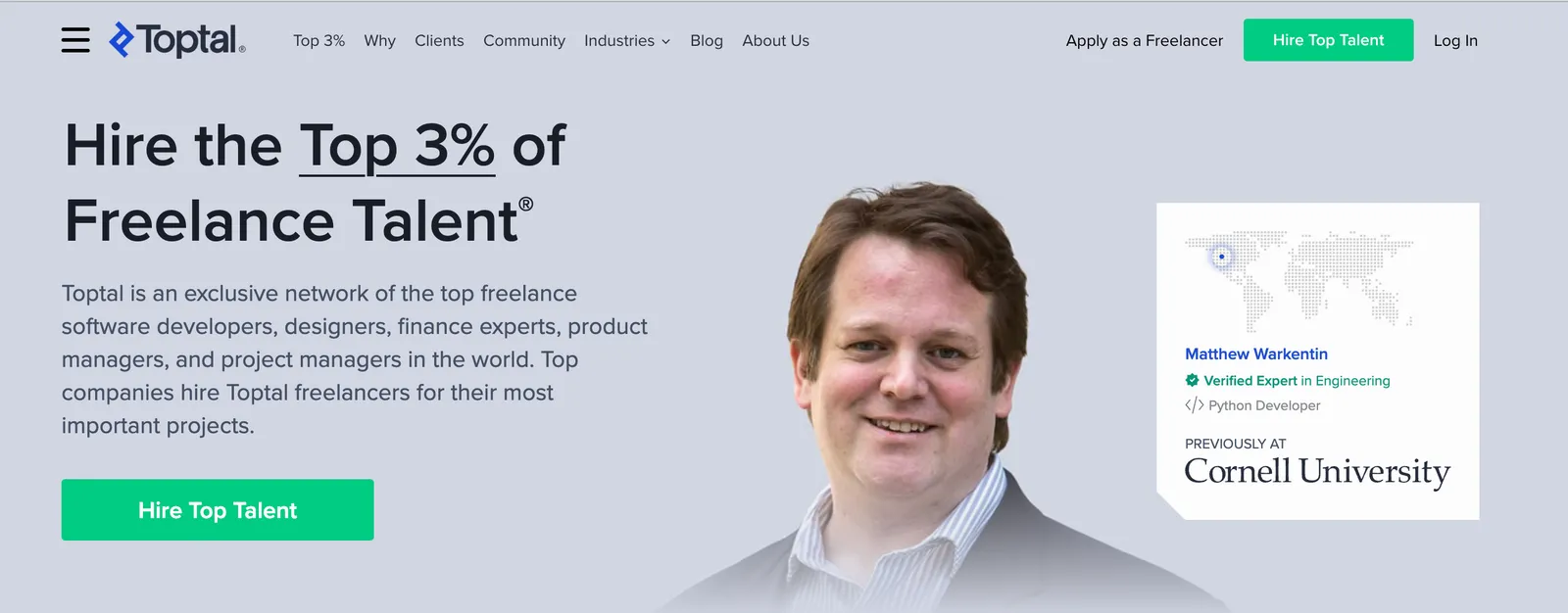
This freelance platform requires freelancers to undergo a 5-stage screening process before they get approved. This intensive selection process allows Toptal boast of having the top 3% of freelance talent.

Toptal freelance marketplace

Toptal shares exclusive job opportunities from leading companies and clients in software development, business consulting, and project management industries. It also has tools for time tracking and invoicing to make the payment process seamless and hassle-free for freelancers.

Freelancer.com

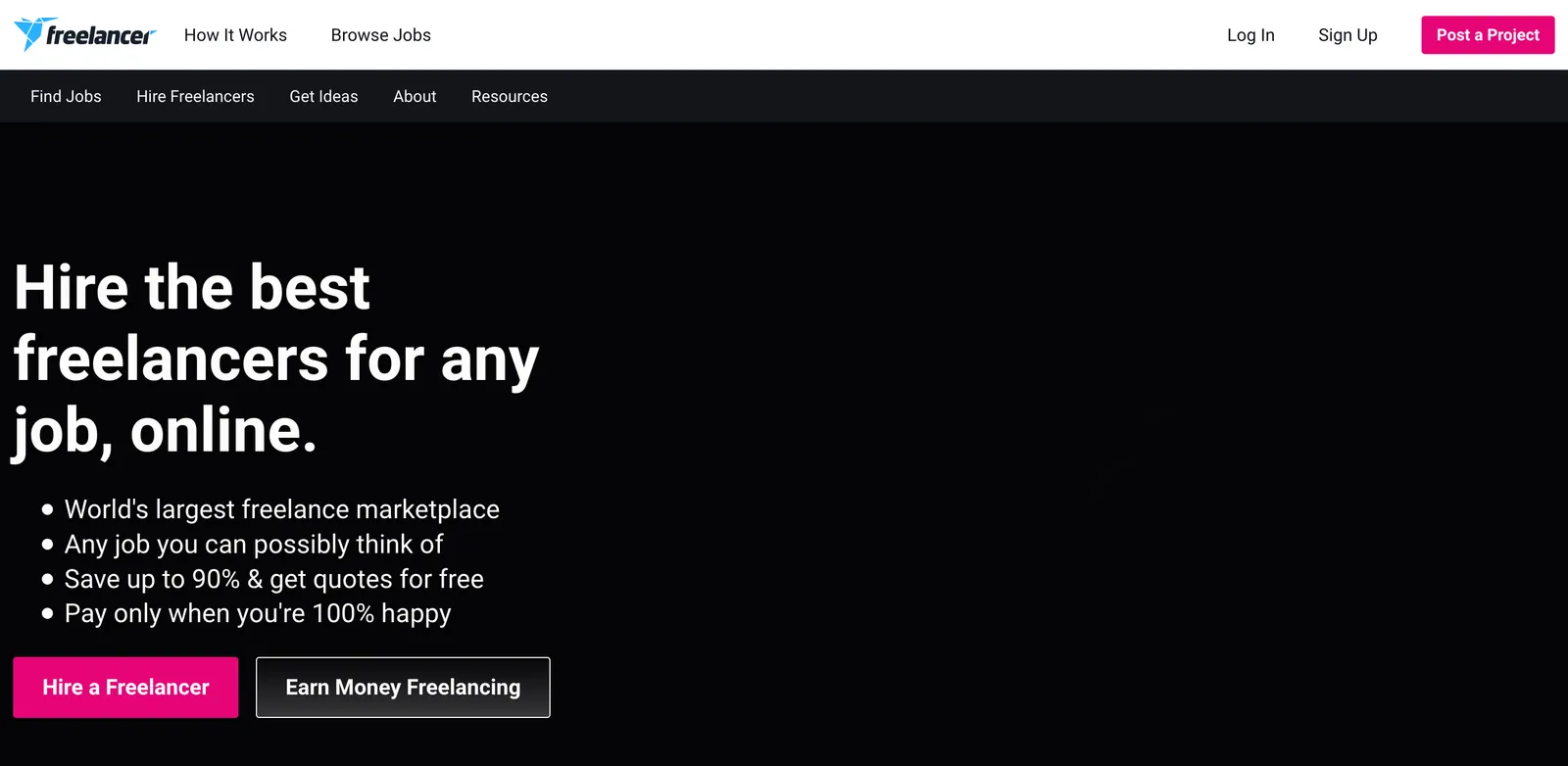
Freelancer.com is an excellent place for clients to find social media, web development, content, and marketing specialists.

freelance platform 2024

To land jobs in this marketplace, freelancers submit bids to client projects, outlining their approach, timeline, and price. In addition to this, freelancer.com features visual and design contests for freelancers to earn extra money and build a credible reputation on the site.

Designhill:

This is a creative marketplace that connects clients to freelance designers and artists. Designers typically land gigs by participating in design contests based on the client’s brief, who then selects the winning design.

Designhill freelance platform

Designhill also offers designers a free online store, allowing them to showcase their work and skills, increasing their visibility and attracting potential clients.

This freelance marketplace is free for freelance designers and charges no service fees. However, it only supports Payoneer and PayPal for payouts.

Fiverr:

Fiverr is another popular freelance platform with freelancers offering services across various industries, such as digital marketing, social media, writing, web development, design, and voiceovers.

Fiverr freelance platform

Freelancers don’t have to send bids or pitches to clients; they only have to set up their profiles listing their services and prices. Although Fiverr provides free access for freelancers and offers skill development courses, it has a few cons:

  • High commission fee: Fiverr charges a commission fee of 20%
  • Delayed withdrawals: Freelancers can take up to 14 days to withdraw their earnings.

TaskRabbit:

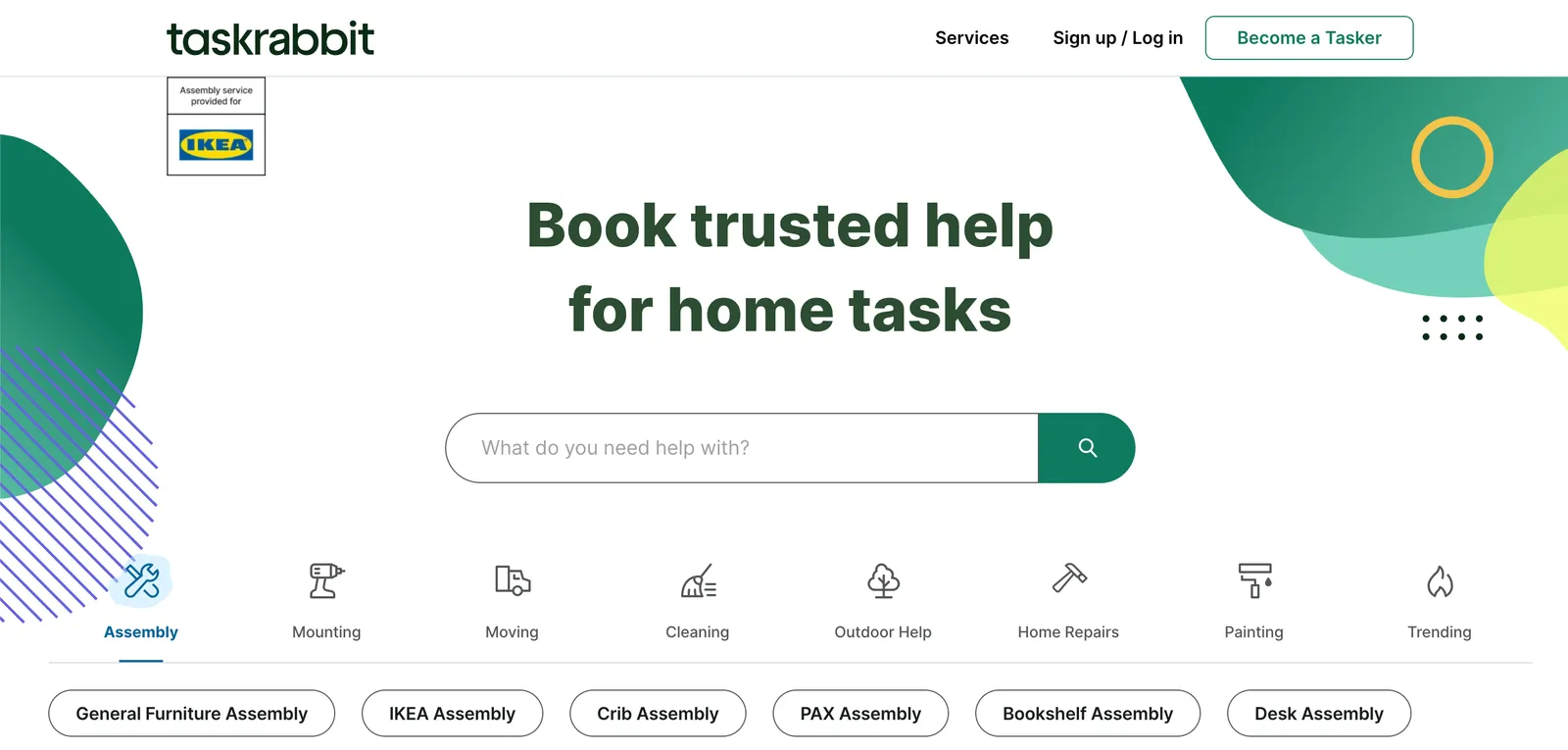
Taskrabbit, unlike other freelancing marketplaces, doesn’t specialize in professional opportunities. Instead, it connects clients with local freelancers who offer help with day-to-day tasks or odd jobs like household chores, moving, deliveries, or yard work.

Taskrabbit freelance platform

TaskRabbit charges no service fees, but freelancers have to pay a registration fee of $25 and are subject to background checks. One major pro of this freelance marketplace is that it offers a convenient way for businesses and individuals to outsource tasks and for freelancers to find work in their local area.

Wrapping up

As a freelancer, you’ll need a global account to receive and withdraw your earnings. We make this process seamless as you can connect your Grey virtual account to freelancing platforms like Upwork and Fiverr.

You can also withdraw your earnings from payment platforms like Payoneer and PayPal directly to your Grey virtual account. Sign up today to get started.

‍

Last updated:

October 2, 2026

Open a free Grey account to get startedJoin 1 million digital nomads
IF YOU ENJOYED THIS, CHECK THESE OUT

How global work culture is changing the way we live and earn

•

•

2 min read

We finally made it.

If you were one of those who used to argue for remote work and all its endless possibilities long before the pandemic and the hype, then you know exactly what I mean. Our moment has arrived. And it’s changing not just how we work, but everything around us.

The rise of remote work culture has untied careers from postcodes. Work has expanded across borders, redefined itself digitally, and reshaped how millions think about life and income.

Talent beyond geography

The internet has made geography negotiable. I’m in Brazil, writing for a US-based company alongside colleagues living in Nigeria, Morocco, Canada and the UK. A designer in Nairobi can shape the brand of a startup in Berlin. A developer in Rabat can debug code for a team in San Francisco. And a strategist in Cairo can run campaigns for an e-commerce store in London.

Borders are still there, but now in the form of time zones, currency conversions, and international contracts. And culturally, something shifted. Instead of asking, “Where do you live?” more people now ask, “What do you do?”

Also read: Best apps for remote workers and global freelancers

Time zones are the new office walls

If you think about it, the old fixed office schedule was built for a world where everyone worked in the same building. That’s not true anymore.

Global teams now stretch across continents, which means deadlines, meetings, and collaboration happen around the clock. For some, this creates flexibility: you might start your day when someone else is ending theirs, handing over tasks like runners in a relay. For others, it introduces challenges, early morning and midnight calls, or the constant mental math of “What time is it over there?”

The upside is that you’re no longer confined to opportunities in your own country’s time zone. Work is now continuous, and income can be, too.

New money habits for a global workforce

Here’s the part people don’t always talk about: once work went global, money had to follow.

That same designer in Nairobi isn’t paid in Berlin’s euros. That developer in Rabat isn’t always receiving US dollars directly into a local bank. And the strategist in Cairo might get paid in British pounds before converting them back home.

Earning globally means changing money habits and learning to live in different currencies, exchange rates, and platforms. It has given rise to an entire ecosystem of tools, from multi-currency accounts to crypto wallets, that make it easier for people to actually access the money they work for.

You may also like: Global accounts vs traditional banks: What remote workers should know

Remote work culture is becoming part of our identity

When you can work from anywhere, the boundaries between work and life blur. That has downsides (answering emails at dinner, never fully “logging off”), but also upsides.

For many people, global work has become a way to fund a digital nomad lifestyle. You can take your laptop to Bali, work from a co-working hub in Mexico City, or split your year between Cape Town and Lisbon.

The story isn’t only about digital nomads, though. Even expatriates and locals working remotely for foreign companies are rethinking what career stability looks like. Flexibility and choice now sit much higher on the list than climbing a corporate ladder.

Culture is blending in real time

Workplaces have become microcosms of cultural exchange.

Maybe this is the most underrated part of global work. In a single day, you might brainstorm with someone in New Delhi, send deliverables to Paris, and attend a virtual coffee chat with a client in New York.

Over time, this changes how people think, communicate, and live. Global slang spreads faster, humour travels across borders, and working styles evolve.

Also read: The best currencies to hold for global freelancers

So, where does this leave us?

Global work culture is changing how we think about success, how we structure our days, how we handle money, and how we see the world.

For me, this moment is about designing a life that connects my career, my income, and the freedom to live how (and where) I want.

Grey was built to make it easier to embrace this new way of living. You can get paid in dollars, euros, or pounds, manage multiple balances in one place, and spend easily wherever your work takes you.

I encourage you to sign up on Grey today and start building your life without borders.

‍

How remote teams build culture without an office

•

•

2 min read

When you walk into a physical office, you see culture everywhere: the buzz of conversations, the posters on the walls, even the way people queue at the coffee machine. But when our “office” is a Zoom link and a Slack thread, culture has to be something you intentionally design.

For those of us working from different countries, culture almost feels like a passport that makes us feel like we belong, gives a shared identity, and helps everyone work together even when we’re scattered across the world.

Why culture matters more in remote work

While researching this topic, I found that companies with strong cultures actually see up to four times more revenue growth than those that don’t. It really shows how much culture matters. I’d say it’s basically the glue that holds people together across time zones and continents.

One more thing that came up, which is curious but not so surprising, is that people working fully remotely often report being more engaged with their work, but also struggle more with stress and isolation. This shows why emotional and social support is important.

So, yes, building a strong culture matters more than we sometimes give it credit for.

Related: Best apps for remote workers and global freelancers

What thriving remote teams do differently

To build belonging without physical walls, remote-first companies experiment with practices replicating (and sometimes improving) the office experience. Here are some patterns that stand out:

1. They write everything down

People naturally absorb culture in an office by overhearing conversations, watching how decisions are made, or noticing meeting dynamics. Remote teams don’t have that luxury, so they turn to documentation as their backbone. They create living handbooks, playbooks, and culture decks that explain everything from how feedback is given to how holidays are celebrated.

Instead of leaving culture unspoken, remote-first companies document expectations, values, and processes in a shared source. This clarity makes onboarding smoother, reduces ambiguity, and helps everyone feel included and aligned.

Also read: Nomad vs expat vs remote worker: What’s the difference?

2. They invest in connection

Remote companies know that trust has to be built. That’s why many of them budget for home office setups, co-working passes, or in-person retreats. Day to day, they use rituals like virtual coffee chats, Slack channels for non-work interests, or online competitions to spark organic bonds.

Culture shows up in these small, consistent moments. Weekly all-hands calls, monthly AMAs, async video updates, or even shared playlists give people ways to connect. These rhythms help maintain a sense of team identity and belonging, even without a shared office.

3. They balance async with face time

Remote teams thrive when they avoid the trap of “always online.” Instead, they balance asynchronous tools, like shared docs, Loom videos, and written updates, with live touchpoints for collaboration. This approach respects time zones and reduces burnout while still leaving space for real-time brainstorming when it matters.

Intentional communication is the key. Casual spaces like random coffee pairings or hobby channels replicate watercooler chats, while structured video calls keep big-picture discussions alive. The balance ensures that work moves forward efficiently without sacrificing human connection.

You may also like: What cities are attracting global talent in 2025?

4. They invest in well-being

Without the commute and in-office perks, remote culture shifts toward supporting the whole person. Companies often provide home office stipends, wellness budgets, or mental health days, recognising that healthy employees will surely result in stronger teams.

This emphasis reflects a culture that values people’s lives outside of work, ensuring they have the energy and support to thrive professionally and personally.

5. They put transparency front and centre

In distributed teams, it’s easy for people to feel left out if information doesn’t flow. That’s why remote-first companies embrace radical transparency, from company-wide updates to open Q&As with leadership. The goal is to build trust through openness.

Instead of “management by walking around,” leaders focus on visibility and honesty. When employees feel informed about decisions, they’re more likely to feel empowered, trusted, and engaged in contributing to the company’s success.

Also read: How to save in USD as a remote worker

Built for the borderless

Remote culture is designed. By documenting clearly, balancing communication styles, investing in connection, prioritising transparency, and creating rituals, remote teams prove you don’t need an office to feel like a team.

At Grey, we understand borderless work because we’re built for it. Expatriates, freelancers, and remote workers can easily earn, save, and spend across currencies wherever they are.

You can sign up on Grey today to see just how much simpler your money life can get.

‍

What your money habits say about your travel personality

•

•

2 min read

I got the idea for this article after travelling with different groups of friends and realising that there’s always a pattern in how we deal with money during a trip.

From arguing over who grabs the next round of coffees to deciding if we’re spending on a fancy rooftop or camping in a budget hostel, money choices quickly reveal personalities. Watch closely, and you’ll see it. Each friend has their signature travel money style, and it’s more predictable (and entertaining) than any itinerary.

Also read: How to travel the world without quitting your job

The meticulous planner

There’s always that one friend who shares an itinerary weeks in advance. Mine is Marina. After her fair share of rough patches, she now puts together very organised spreadsheets, sets flight alerts, and books museum tickets long before we pack.

She even knows the average bus ride cost before we’ve set foot in the country. I love how everything feels so organised, though I’ll admit that I usually end up breaking the plan a little.

The spontaneous spender

Then there’s me. Normally, I’m the pretty chill and quiet one, but when I travel, it’s like another version of me emerges. I want to check out that cool rooftop bar, book a random boat ride, or jump into any new experience that blows the “daily budget.”

Yes, I’ve been told I’m the reason our trips cost more than planned. But in my defence, some of our best travel memories were the ones we didn’t plan, and they were worth every cent.

You may also like: Best online banks for non-residents and global travellers

The budget guardian

In every group, there’s also someone reminding us not to overspend. I have a couple of friends who will gently suggest cooking in the Airbnb instead of eating out and will always find the free walking tour option.

Sometimes it feels like they’re raining on my “let’s live the moment” parade, but to be honest, they save me from running out of money by day three. And here is my thank-you note to you guys.

The splitter

And of course, there’s the one who becomes the group’s accountant. I love this role, since maths and counting cents are not my forte. João, whom I tenderly call my human calculator, tracks every coffee, meal, bus ticket, and museum pass in some app he downloaded for this or the good old spreadsheet.

By the end of the trip, no one’s fighting over who owes whom, because the numbers don’t lie.

Also read: The best virtual dollar cards for freelancers and frequent travellers

Keep your adventures going without money stress

So, which one is your travel alter ego?

As the spontaneous spender in my group, I’ve learned that we definitely need a balance between managing money and chasing experiences. But whatever your travel personality is, I’d say Grey is a great way to handle different currencies, track spending, and send money easily so we can focus on the adventures (and maybe a few unplanned treats) without worrying about the budget.

Try Grey now and see how easy it is to manage your money while you travel.

‍

5 inspiring stories of people who earn globally while living locally

•

•

2 min read

I still think it’s a bit crazy that you can earn money from one country while living in another. Okay, let me rephrase, 10-year-old me would think it is crazy.

Back then, “work” meant watching people in crisp suits, briefcases in hand, heading off to offices. While that’s still true for some, today there’s another option: bringing the work to you and saving the suits for corporate headshots for LinkedIn.

For many, it means working online for companies thousands of miles away. Freelancers have perfected this, exporting their skills and earning a global income.

For this article, I spoke to five people about how they earn globally while staying rooted locally. They told me about their wins, struggles, and lessons that keep them going.

Also read: How to land your first client as a freelancer

“I had to invest in backup power and better internet” — David, designer*

I’m a graphic designer and animator, and it’s hard to pinpoint when I started. I’ve been designing since high school, doing little things for family and friends, then slowly moving on to paid jobs. Over the years, I kept climbing the ladder, one project at a time.

I earn most of my money globally as a contract graphic designer for an agency in the UK, and it’s completely changed my life. The economy in Nigeria is unpredictable, and being paid in pounds has given me a buffer.

Of course, it hasn’t been smooth sailing. My biggest challenges are unreliable electricity and poor internet. I had to invest in backup power and better internet, so I’m good now.

Chuckles

Advice for people looking to start? Hmmm, let me see… Find people who’ve already done what you want to do, study them, and apply what works. Don’t be afraid to think differently, because competing globally demands a different mindset and a different level of commitment.

Also read: How to find high-paying clients as a freelancer in Africa

“I’m already thinking about my next role” — Catherina, product designer*

I kinda stumbled into this path. After university, I realised I really liked art, drawing, and animation. At 21, I thought, “How can I turn this into money?” Graphic design was the closest option, so I leaned into it. I started working with a sports media agency, and that’s where the design journey really began. It was a bit difficult to adjust since I knew next to nothing about sports, but I adjusted quickly.

I have a full-time remote job, which has been good so far. Honestly, I can afford a lot more than I could have if I were only working locally. The only downside is that the black tax is still sucking me dry.

Challenges? Honestly, I haven’t faced anything major yet. Maybe I’ve just been lucky. I’m already thinking about my next role, but it’s been a smooth ride so far.

At work, I’m always on my toes and never wait to be chased for a task. Maybe that’s why I’ve done so well. I’m hardworking, and my output speaks for itself.

My advice to anyone who wants to earn globally is to build a strong portfolio, practice your interviews, and don’t give up. You won’t get every job you apply for, but eventually, you’ll land one.

Also read: Navigating forex regulations as a freelancer in Africa

“My mindset has helped greatly” — Chinedu, product marketer*

I live in Nigeria and work remotely as a product marketer. This flexible arrangement allows me to work across time zones while earning in foreign currency.

Curiousness and necessity pushed me in this direction. The local job market felt limited in opportunities and fair pay. Once I saw my mentors thriving by serving international clients, I knew it was possible and decided to pursue it.

Many people around me are either curious or inspired by what I do. Just believe I’m proof that global opportunities can be tapped without leaving home.

The only major problem has been adapting to different time zones and cultural expectations. It takes consistency and flexibility to keep everything running smoothly. My mindset has helped greatly. I’ve learned to see myself as a global professional, not limited by geography. That pushes me to deliver excellence, stay consistent, and communicate clearly because I know I’m competing worldwide.

If I could give one piece of advice, it’s this: start small, but start now. Pick a skill in demand globally, polish it, and put yourself out there. Build connections, nurture relationships, and be consistent. You don’t need to leave your country to access global income.

I rely on global payment platforms and digital banks to handle payments, diversifying my options so I’m never stuck. I also budget carefully in FX and naira, which helps me balance global income with local living.

Also read: How much should you charge as a freelancer?

“I never miss deadlines” — Aisha, data analyst*

I get most of my gigs through Upwork. I started by taking online courses, building a small portfolio, and applying for jobs. Landing the first client was tough, but referrals and reviews helped me grow once I did.

Earning in foreign currency has given me stability and freedom, though I still face challenges like time zone issues. Treating every gig professionally has helped me most. I always communicate clearly and never miss deadlines.

Also read: How to budget as a freelancer and manage irregular income

“Getting paid in dollars has eased the pressure of inflation” — Samuel, content writer*

Most of my clients are in the US. I started by writing blog posts for free to build samples, then used LinkedIn and cold emails to land paid gigs.

Getting paid in dollars has eased the pressure of inflation for me. It doesn’t even bother me as much as it used to. I’m just always confident that I’ll be fine.

My advice for young writers? I’m also a young writer, please. Okay, let me be serious, start small, keep learning, and put your work out there. Someone, somewhere, is willing to pay for your skill.

Also read: Cheapest way to receive USD as a freelancer

These stories prove you don’t need to relocate abroad to build a global career. With the right skills, mindset, and tools, earning in stronger currencies is possible while staying at home.

If you’re ready to take that step, Grey makes receiving your earnings simple. Sign up or download the app to get paid seamlessly from anywhere in the world, and access your money locally without stress.

Some names have been changed for anonymity*

‍

How Ghanaian YouTubers can receive USD earnings in 2026

•

•

2 min read

For many Ghanaian YouTubers, making videos is a chance to turn their creativity into a consistent income. As a Ghanaian YouTuber, some of the most popular niches you can focus on are food adventures, tech reviews and even comedy. Whatever the niche, YouTube’s monetisation tools can help you earn in US dollars.

However, getting paid isn’t always as straightforward as hitting “upload” and watching the money roll in. I’ll explain how YouTube payments work, the challenges Ghanaian creators face, and how you can seamlessly collect your earnings in USD with Grey.

Also read: How Nigerian creators can set up USD payout accounts without a US address

Why USD earnings matter for Ghanaian creators

As a YouTube creator in Ghana, it’s important to know that YouTube pays in US dollars, regardless of location. That’s great news for your earning potential. Still, it also creates a challenge: your Ghanaian cedi (GHS) bank account isn’t designed to receive USD directly, and traditional banks often charge high fees and offer poor exchange rates when converting your payments.

The Ghanaian cedi has experienced fluctuations over the years, meaning the value of your income can shrink when converted immediately to GHS. Keeping part of your earnings in USD creates a buffer against currency depreciation, helping your money hold its value over time.

Earning in USD means you get to keep more of the money you make and use it on your own terms.

How does YouTube pay?

Before discussing collecting your money, you need to know how YouTube’s payment system works. Here’s the full process from views to cash in your account:

1. Join the YouTube Partner Program (YPP)

You can’t earn from ads without being part of YouTube’s Partner Program. To qualify, you’ll need to hit one of these milestones in the last 12 months:

  • Option 1: 1,000 subscribers and 4,000 valid public watch hours
  • Option 2: 1,000 subscribers and 10 million valid public Shorts views

Once approved, you can monetise your content through ads, channel memberships, Super Chat, Super Stickers, and YouTube Premium revenue.

2. Set up a Google AdSense account

YouTube doesn’t pay you directly, as all payments go through Google AdSense. You’ll need to:

  • Create or link an AdSense account to your YouTube channel.
  • Provide your tax information (required even if you’re not US-based).
  • Select your preferred payout method.

Your AdSense account is where you’ll track your estimated earnings, payment history, and any deductions for taxes or invalid activity.

3. Reach the payment threshold

YouTube won’t send small trickles of money each month. Before a payment is triggered, you must earn at least $100 in your AdSense balance. If you haven’t hit the threshold, your earnings will roll over to the next month until you do.

4. Understand the payment timeline

YouTube’s payment cycle runs monthly, but there’s a built-in delay:

  • Earnings from your videos are finalised between the 3rd and 10th of the following month.
  • Payments are processed between the 21st and 26th.
  • You’ll only receive your payout once your account balance meets the threshold and there are no payment holds (e.g., missing tax info or verification issues).

For example, if you earned $250 in March, you’ll get paid in late April, not right away.

The payment problem for Ghanaian YouTubers

Many local creators quickly discover that the payout process isn’t as straightforward as for creators in other countries. Here’s why:

  • No access to local USD accounts: Most Ghanaian banks don’t allow residents to hold or operate in US dollars. This means YouTube’s USD payouts are automatically converted into Ghanaian cedi (GHS), often without your say in the exchange rate used.
  • High conversion fees and bad rates: Even when you do receive your earnings in GHS, the conversion process typically happens at rates that are far from favourable. In some cases, you could lose a significant percentage of your income just through currency exchange.
  • Limited payout options: Many popular global payment methods are restricted or challenging to use in Ghana for international USD transfers. That leaves many YouTubers with few practical alternatives.
  • Slow and unpredictable transfers: For those relying on international bank wires, it’s common to wait several business days for funds to arrive. Intermediary banks, extra compliance checks, or payment routing issues can cause delays.

These hurdles add up to one frustrating reality: Ghanaian YouTubers often lose time and money before their hard-earned payouts ever reach them, and sometimes, the losses are significant enough to make content creation feel less rewarding.

How to collect USD from YouTube in Ghana with Grey

Grey makes it easy for Ghanaian YouTubers to open a USD account without leaving the country. Here’s how it works:

1. Sign up for Grey

Go to Grey’s website or download the app. Create an account and complete KYC verification.

2. Get your USD account details

Once approved, you’ll receive account details like a US routing number, account number, and SWIFT code.

3. Link your Grey USD account to AdSense

Log in to your AdSense account, choose “Add payment method,” and enter your Grey account details.

4. Receive USD directly

YouTube sends your payments straight into your Grey account in USD, without automatic conversions.

5. Convert when you want

Use Grey’s in-app currency exchange to convert USD to GHS (or other currencies) at competitive rates. You can also hold USD in your account if you prefer.

Other ways Ghanaian YouTubers boost earnings

Once you’ve set up a reliable payment method, you can turn your channel into a sustainable income source. The most successful creators don’t rely on just one revenue stream; they layer multiple income sources to protect against dips in views or ad rates.

Here’s how you can do the same:

Channel memberships

Offer loyal fans exclusive perks like members-only videos, live Q&As, or custom emojis in exchange for a monthly subscription. This builds community and gives you a predictable monthly income.

Super Chat & Super Stickers

These features let viewers pay to have their messages highlighted or to send animated stickers during live chats, a fun way for fans to support you in real time.

Affiliate marketing

By adding affiliate links in your video descriptions, you can earn a commission every time someone buys a product you recommend. This works well if you review gear, software, or services your audience already needs.

Brand sponsorships

Partner with companies to feature their products or services in your content. Sponsored deals often pay far more than ad revenue, especially if you have a niche audience that brands want to reach.

At the end of the day, the more diverse your income streams, the more stable your creator career will be. If ad rates drop or one revenue source slows down, your other income channels keep you afloat.

Why Grey is the best option for Ghanaian creators

Grey is built to accommodate how modern creators work, earn, and spend across borders. If you’re a Ghanaian YouTuber, influencer, or freelancer receiving international payments, Grey removes the friction that usually comes with getting paid from abroad.

Free USD account setup

Grey lets you open a USD account in minutes, giving you the same kind of payment details (routing and account numbers) that US-based creators use.

Low, transparent FX rates

Grey gives you competitive exchange rates you can see upfront, so you know exactly how much you’ll receive before confirming a transfer.

Multi-currency accounts to grow your income

With Grey, you can also hold EUR and GBP alongside USD, which is perfect if you land brand deals in Europe or work with clients in the UK.

Fast, reliable payouts

Forget waiting weeks for your money to clear. Grey processes transfers quickly, so you can move your earnings to your local bank account or mobile wallet without delays, helping you keep your cash flow steady.

Built with creators in mind

Every feature is designed to make life easier for people who get paid globally, so you can focus on making content instead of chasing payments. This makes it easier to keep more of your hard-earned YouTube income and avoid the usual international payment frustrations.

Also read: How to get paid as a creator on social media from anywhere in the world

Being a YouTuber in Ghana is an exciting way to share your voice with the world and get paid for it. But the payment process doesn’t have to be a roadblock. By setting up a USD account with Grey, you can receive your YouTube earnings quickly, securely, and without losing money to bad exchange rates.

Create your free Grey account today or download the app to make your creator journey easier, smarter, and borderless.

‍

How to protect your funds while travelling abroad

•

•

2 min read

Travelling abroad can be one of life’s most rewarding experiences. There are new cities, fresh cuisines, and unexpected adventures. The one adventure you definitely don’t want is losing access to your money.

A stolen card, a suspicious transaction, or sudden currency restrictions are typical money troubles that can turn a dream trip into a stressful nightmare. The good news? With a few smart steps, you can enjoy your travels and keep your funds safe no matter where in the world you are.

Here’s your complete guide to protecting your money while travelling internationally.

Also read: Working with international clients: A freelancer’s guide to getting paid

1. Diversify how you carry your money

Relying on a single debit card or one stash of cash is dangerous, especially when travelling. If your card gets blocked or lost, you could be stranded without access to your money.

A better approach:

  • Mix it up: Carry different payment methods. I suggest a primary debit card, a backup credit card, and local currency for small purchases or emergencies.
  • Keep spares safe: Store one backup card somewhere separate from your main wallet, like a hotel safe or a discreet compartment in your luggage.
  • Set up an emergency-only account: Keep a small reserve of funds in a separate account you can access online if your main one is compromised.

By spreading your options, you’re building financial resilience. Even if one payment method fails, you’ve got plans B (and C) ready to go.

2. Use a trusted global banking solution

Nothing kills the vibe faster than your card getting declined because your local bank didn’t like the transaction. Okay, maybe watching a percentage of your hard-earned money vanish as hidden FX fees is a little worse than that.

A truly global banking solution changes everything. Instead of juggling multiple bank accounts, currencies, and time zones, you can run your finances from one secure platform, no matter where you are.

With Grey, for example, you can:

  • Hold multiple currencies (USD, GBP, EUR) in one account, so you’re always ready to receive or spend in your client’s currency.
  • Shop and pay globally with virtual USD cards that protect you from card cloning or fraud.
  • Convert money at competitive rates without the outrageous markups banks sneak in.
  • Withdraw in local currency without worrying about your funds getting trapped in international banking delays.

It’s the difference between hoping your money arrives and knowing it will.

3. Enable security alerts and two-factor authentication

Before you travel, flip on every security feature your bank and fintech app offer. Instant alerts and two-factor authentication give you the split-second advantage. You see a suspicious charge the moment it lands and stop attackers from getting in, even if they have your password.

What to do right now:

  1. Turn on transaction notifications: Enable push notifications and email alerts for all account activity — incoming deposits, withdrawals, attempted logins, and card payments. Set low thresholds (e.g., notify me for any debit over $1) so nothing slips past you.
  2. Choose authenticator apps over SMS: SMS 2FA is better than nothing, but vulnerable to SIM-swap attacks. Use an authenticator app (Authy, Google Authenticator, Microsoft Authenticator) for time-based one-time codes. If your fintech supports hardware keys (YubiKey, Titan), consider those for the highest security.
  3. Secure your 2fa backups: Save backup/recovery codes in a safe place like an encrypted note in a password manager, or an encrypted USB. Don’t email them or keep them on an unlocked cloud folder.
  4. Register a secondary device: Add a tablet or spare phone as a backup 2FA device so you’re not locked out if your main phone is lost or stolen.
  5. Check and prune connected devices: Regularly review active sessions in your banking apps and web services; sign out devices you don’t recognise.

4. Avoid public Wi-Fi for transactions

Free airport Wi-Fi feels like a travel win, perfect for scrolling social media or catching up on Netflix. But when checking your bank balance, paying invoices, or moving money around, that same network could be a hacker’s playground.

Public networks are often unsecured, meaning anyone with the right tools could intercept your data. And if you’re a remote worker or freelancer handling client payments, that’s a risk you simply can’t afford.

If you absolutely must access your accounts online:

  • Stick to mobile data or your own hotspot. Your personal connection is far more secure than public Wi-Fi.
  • Use a VPN (Virtual Private Network). It encrypts your browsing, making it much harder for anyone to snoop on your activity even if you’re connected to public Wi-Fi..

5. Keep your physical cards safe

Nothing can ruin a trip faster than losing access to your money because your card has been lost, stolen, or cloned. It’s still one of the most common and most stressful travel money mishaps.

  • Protect against electronic theft: Use an RFID-blocking wallet or card sleeve to guard against contactless skimming, especially in busy tourist spots or public transport.
  • Never let your card out of sight: If a merchant needs to process a payment, request that they bring the terminal to you. Handing your card over in a back room is an open invitation for fraud.
  • Carry a backup card: Keep a spare debit or credit card in a different bag, pocket, or hotel safe. If your main wallet is lost or stolen, you still have a lifeline.
  • Stay alert with notifications: Enable instant transaction alerts from your bank or payment app so you can spot suspicious activity the moment it happens.

6. Get familiar with the local currency and payment culture

Money works differently around the world. In some places, cash is still the norm, in others, you might get strange looks when offering a banknote instead of tapping your card or phone.

For example, Japan and Morocco still have plenty of cash-only cafés, markets, and small businesses. Sweden, on the other hand, is practically cashless. You could go days without seeing a single coin or note.

By understanding the local payment culture before you arrive, you’ll avoid awkward “sorry, we don’t take cards” moments or getting hit with surprise withdrawal fees.

Here’s what to research in advance:

  • ATM limits and fees: Know how much you can withdraw per day and what your bank or card provider charges.
  • Popular payment methods: Are mobile wallets like Apple Pay, M-Pesa, or Alipay widely accepted?
  • Currency regulations: Some countries limit how much foreign currency you can bring in or take out.
  • Exchange rate hacks: Learn whether you’ll get better rates at ATMs, banks, or currency exchanges.

A little homework here means you’ll land ready to pay your way like a local.

7. Always have an emergency plan

Even the most seasoned remote workers encounter unexpected bumps. The key is being ready before things go wrong.

Here’s how to build a safety net:

  • Save key contacts: Keep the customer service numbers and support emails for your bank, and any payment providers stored in your phone (and written down somewhere safe in case your phone dies).
  • Carry a universal backup currency: A small stash of cash in widely accepted currencies like USD or EUR can be a lifesaver where card systems go down or local ATMs are unreliable.
  • Have a trusted point of contact: Share your travel plans, key account details (securely), and backup payment options with a trusted friend or family member who can step in if you get stuck.
  • Know your digital backups: Keep scanned copies of important documents (passport, IDs, bank cards) in a secure cloud folder to access them anywhere in the world.

Also read: A freelancer’s guide to avoiding payment scams online

Protecting your funds while travelling isn’t about paranoia but preparation. With the right mix of secure banking tools, diverse payment methods, and smart money habits, you can explore the world without stressing over every transaction. Create your Grey account today or download the app to enjoy inclusive global banking designed to carry your dreams across borders.

‍

Arrow (up)

Back to top