




You've probably tapped your phone at a checkout counter to buy a coffee. That's a virtual wallet in action. But the term covers two fundamentally different things, and the difference matters for whether your money is actually protected.
A virtual wallet is a digital application that stores your payment card details so you can make purchases online or via contactless payment without a physical card. Examples include Apple Pay, Google Pay, and PayPal. Some virtual wallets also hold funds directly, like PayPal or Grey, making them closer to a digital bank account.
Apple Pay doesn't hold a single pound or dollar. It stores a copy of your existing card. PayPal holds actual money you can spend. Grey holds multiple currencies and issues its own card. These are all called "virtual wallets," but they work in completely different ways.
What is a virtual wallet and how does it work?
A virtual wallet stores your payment information digitally so you can pay without carrying a physical card. When you tap your phone at a terminal or select Apple Pay at an online checkout, the wallet sends a tokenised version of your card number to the merchant. The merchant never sees your actual card details.
Tokenisation is the key technology. Your real card number is replaced with a randomly generated token that's unique to that device and transaction. Even if someone intercepts the token, it's useless without the device it was generated on. This makes paying with a virtual wallet generally safer than handing over a physical card, where the actual number is exposed every time. To learn how to set up your wallet, see how to add a virtual card to Apple Pay or Google Pay.
But not all virtual wallets work the same way. The critical distinction is whether the wallet holds your money or simply holds your cards.
Types of virtual wallet: Pass-through vs stored value
This is the distinction most guides skip, and it's the one that matters most for your money's safety.
Pass-through wallets
Apple Pay, Google Pay, and Samsung Pay are pass-through wallets. They store your existing debit or credit cards digitally. No money lives inside the wallet itself. When you pay, the transaction goes through your bank, exactly as it would if you tapped the physical card. The wallet is just a faster way to access the card you already have.
Stored-value wallets
PayPal, Venmo, Cash App, and Grey are stored-value wallets. They hold actual funds in your account. You can receive money into them, hold a balance, and spend from that balance without linking a bank card at all. Some also issue their own virtual cards, which you can add to a pass-through wallet like Apple Pay for contactless payments.
| Feature | Pass-Through | Stored Value |
|---|---|---|
| Examples | Apple Pay, Google Pay, Samsung Pay | PayPal, Venmo, Cash App, Grey |
| Holds money? | No. Charges go to your linked card. | Yes. You can hold a balance. |
| Issues its own card? | No. Uses your existing cards. | Some do (Grey, Cash App). |
| Receives payments? | No. | Yes. Can receive transfers, invoices, salary. |
| Multi-currency? | Depends on your bank card. | Some (Grey: USD, GBP, EUR). |
| Best for | Contactless in-store payments. | Holding, sending, and spending money. |
The distinction matters because it affects whether your money is protected if the wallet provider fails. Pass-through wallets carry no risk here: your money is with your bank, not with Apple or Google. Stored-value wallets are different. Your money sits with the wallet provider, and the level of protection depends on whether that provider holds funds at a regulated, insured institution.
Virtual wallet vs bank account: What is the difference?
A digital wallet vs bank account comparison comes down to four things: where your money is held, whether it's insured, whether it earns interest, and what you can do with it.
| Feature | Virtual Wallet | Bank Account |
|---|---|---|
| Deposit insurance | Varies. PayPal holds funds at FDIC-insured banks. Others may not. | Yes. FDIC (US, $250K) or FSCS (UK, GBP 120K). |
| Earns interest? | Rarely. Most wallets don't pay interest on balances. | Yes, especially savings and money market accounts. |
| Direct debit / standing orders | Limited. Some wallets support recurring payments. | Yes. Full support. |
| International transfers | Some. PayPal and Grey support cross-border payments. | Yes, usually via wire or SWIFT (often expensive). |
| Physical cash access | No. Wallets don't dispense cash. | Yes. ATM withdrawals and branch access. |
| Card issuance | Some issue virtual or physical cards. | Yes. Debit cards standard. |
| Regulation | Varies by provider and country. | Regulated as deposit-taking institution. |
The biggest practical difference: bank accounts are regulated deposit accounts with government-backed insurance. If your bank fails, your money (up to the insured limit) is guaranteed. Most virtual wallets don't offer that guarantee directly, though some, like PayPal, hold customer funds at FDIC-insured partner banks.
For most people, the answer isn't one or the other. Use a bank account for savings and salary. Use a virtual wallet for spending, international payments, and everyday convenience. They solve different problems.
Best virtual wallet apps in 2026
Six virtual wallet apps worth considering, sorted by type:
1. Apple Pay (pass-through)
The default wallet on every iPhone. Stores your existing debit and credit cards for contactless payments. No fees, no account needed beyond your Apple ID. Works in-store, in-app, and online wherever Apple Pay is accepted. Doesn't hold funds or issue cards.
2. Google Pay (pass-through)
The Android equivalent. Stores your cards and works at contactless terminals, in apps, and online. Also supports peer-to-peer transfers in some markets. Free to use. Merged with Google Wallet in most countries.
3. PayPal (stored value)
The most widely recognised stored-value wallet globally. Holds funds, sends and receives money, and works with millions of online merchants. Transaction fees apply for business payments and currency conversion. Funds are held at FDIC-insured partner banks in the US.
4. Grey (stored value + multi-currency)
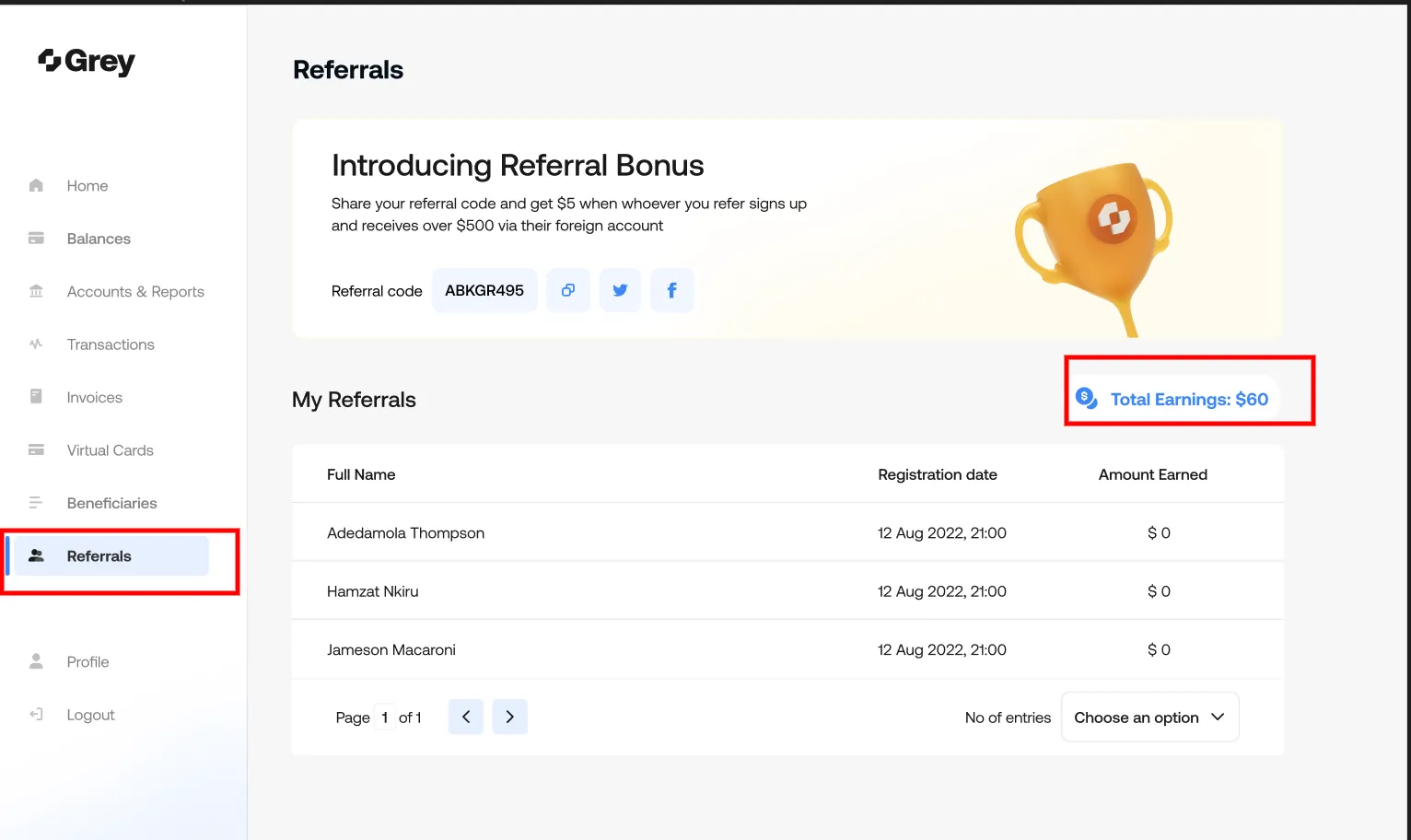
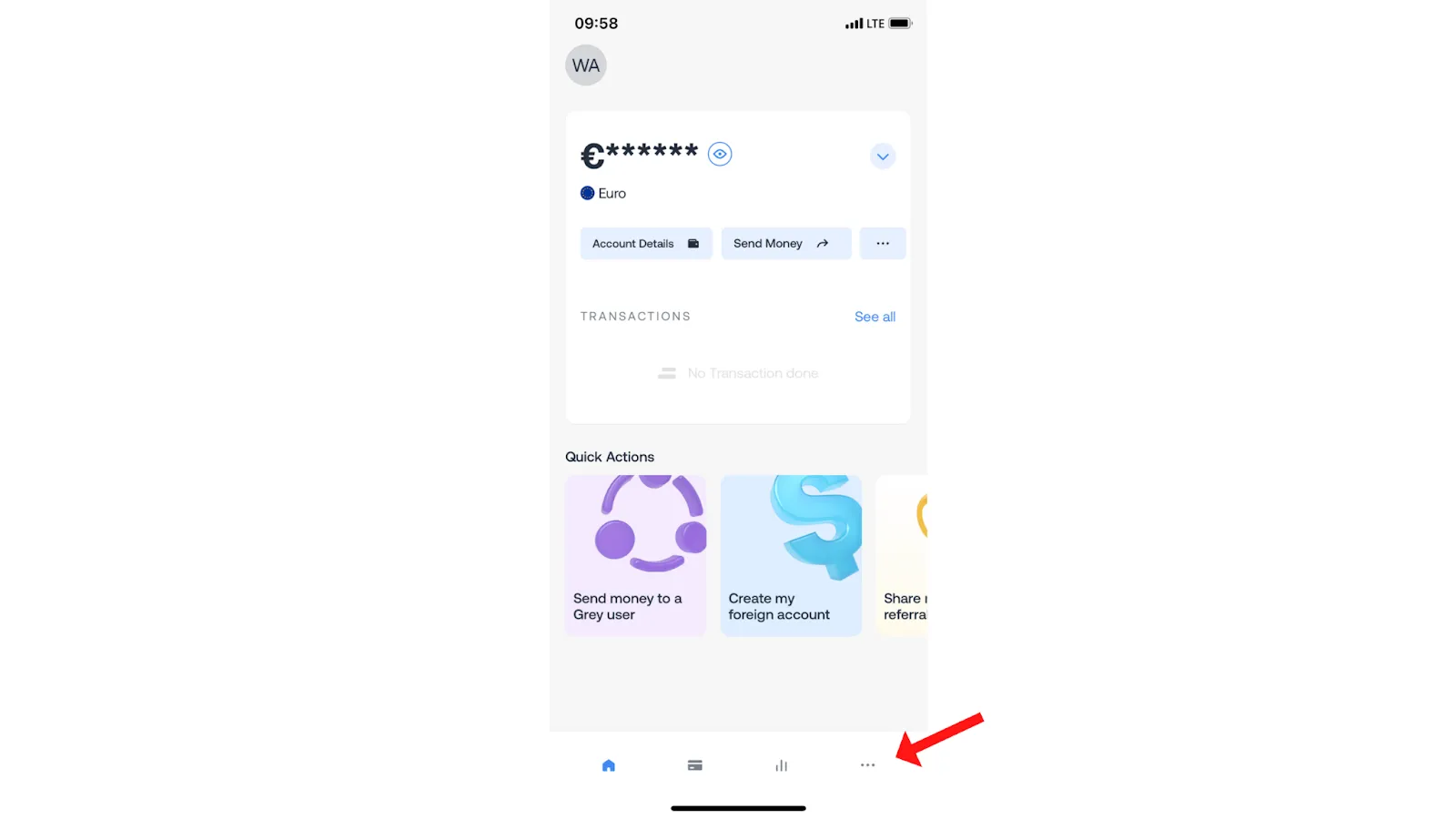
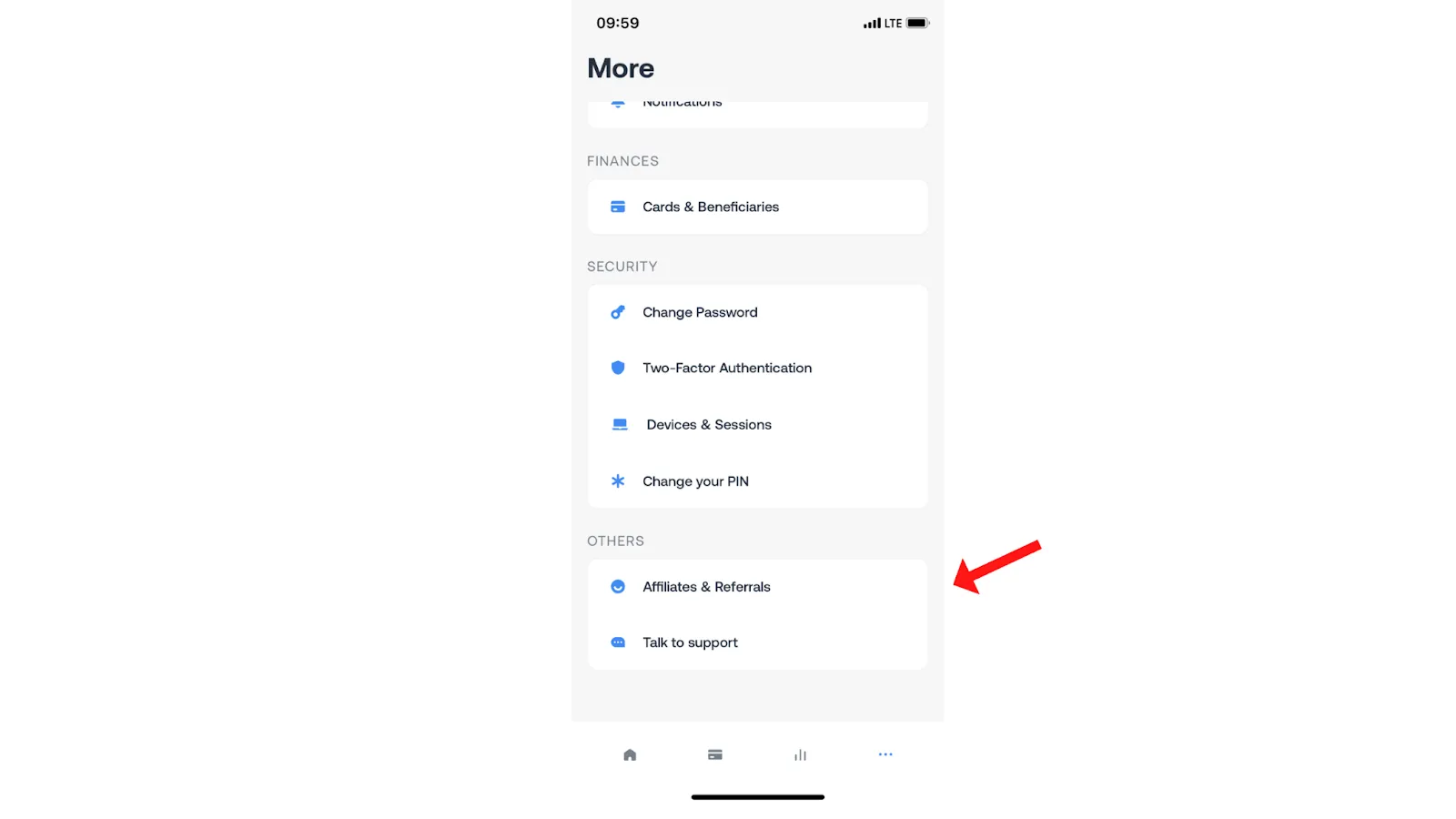
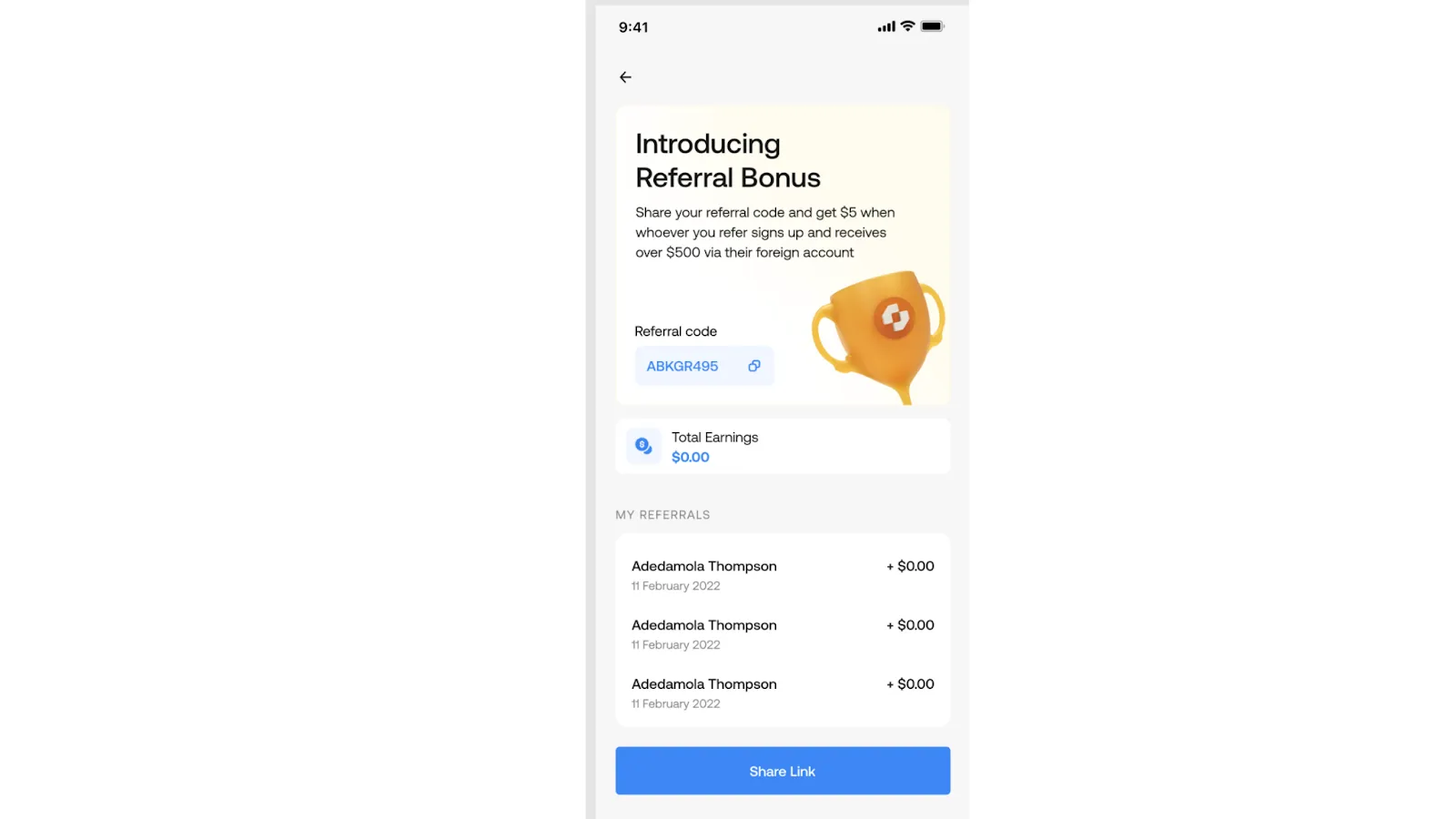
Grey holds USD, GBP, and EUR in one account, issues a virtual debit cardyou can add to Apple Pay or Google Pay, and lets you send money from the US or receive payments from clients worldwide. It's built for people who earn, hold, or spend in more than one currency. For more on the full feature set, see Grey for freelancers.
5. Cash App (stored value)
Popular in the US for peer-to-peer payments. Holds funds, issues a physical and virtual debit card (Cash Card), and supports direct deposit. Also offers stock and Bitcoin buying. Free for standard transfers; instant transfers cost a small fee.
6. Venmo (stored value)
Owned by PayPal, popular for splitting bills and social payments in the US. Holds funds and issues a debit card. The social feed (which shows transactions publicly by default) is either a feature or a privacy concern, depending on your preference. Free for standard transfers.
Open a Grey multi-currency account and get a virtual wallet that holds USD, GBP, and EUR, with a virtual card you can add to Apple Pay or Google Pay.
Are virtual wallets safe?
In most cases, paying with a virtual wallet is safer than paying with a physical card. Three layers of protection make the difference:
Tokenisation. Your real card number is never shared with the merchant. A unique token is generated for each transaction. Even if that token is intercepted, it can't be reused.
Biometric authentication. You must unlock your phone with Face ID, fingerprint, or a PIN before any payment goes through. A stolen phone can't be used to make wallet payments without your face or fingerprint.
Remote deactivation. If your phone is lost or stolen, you can remotely disable your wallet through Find My iPhone (Apple) or Find My Device (Google). Your cards are instantly frozen without needing to call your bank.
The one risk that's less visible: if you use a stored-value wallet and the provider isn't regulated as a bank, your balance may not be insured. Check whether your wallet provider holds customer funds at an FDIC-insured (US) or FSCS-protected (UK) institution before storing large amounts.
Frequently asked questions about virtual wallets
Is a virtual wallet the same as a bank account?
No. A bank account is a regulated deposit account with government-backed insurance (FDIC in the US, FSCS in the UK). A virtual wallet is a digital app that either stores your existing cards (pass-through) or holds funds (stored value). Some stored-value wallets hold funds at insured partner banks, but not all do. A virtual wallet can complement a bank account, but it doesn't replace the regulatory protection.
Can you get scammed using a virtual wallet?
The wallet itself is secure (tokenisation prevents card details from being exposed). The risk is social engineering: someone convincing you to send them money through the wallet, or phishing emails that trick you into entering your wallet credentials on a fake site. The wallet's technology is safe. The human using it is the vulnerability. Never send money to someone you don't know, and never enter your wallet login details on a site you reached via an email link.
What is the safest virtual wallet?
For payment security, Apple Pay and Google Pay are the safest because they don't hold money. Your funds stay with your insured bank. For stored-value wallets, safety depends on whether the provider holds funds at an insured institution. PayPal holds US customer funds at FDIC-insured banks. Check your provider's terms for your specific country.
Can I use a virtual wallet abroad?
Pass-through wallets (Apple Pay, Google Pay) work abroad wherever contactless payments are accepted, and your card issuer supports international transactions. Your bank's foreign transaction fees still apply. Stored-value wallets vary: PayPal works in 200+ countries but charges conversion fees. Grey lets you hold and spend in USD, GBP, and EUR without forced conversion, which avoids the fee on every transaction.
What happens to money in my virtual wallet if the company closes?
For pass-through wallets (Apple Pay, Google Pay), nothing happens to your money because it was never in the wallet. It's in your bank. For stored-value wallets, it depends on regulation. If the provider holds funds at an insured institution, your balance is protected up to the insurance limit. If they don't, you become an unsecured creditor in the company's insolvency, which means you may not get all your money back. This is why it's important to check how your wallet provider safeguards funds before storing large amounts.
Do virtual wallets charge fees?
Pass-through wallets (Apple Pay, Google Pay, Samsung Pay) are free. They don't charge you anything to store cards or make payments. Stored-value wallets vary: PayPal charges fees on business transactions and currency conversion. Cash App and Venmo charge for instant transfers. Grey doesn't charge monthly account fees but applies fees on currency conversion and card transactions. Always check your specific provider's fee schedule.
Open a Grey account and get a virtual wallet that holds USD, GBP, and EUR, with a virtual card you can add to Apple Pay or Google Pay.
Disclaimer: This article is for informational purposes only. Virtual wallet features, fees, and regulatory protections vary by provider and country. Verify current terms with your provider before relying on any wallet for significant funds. Grey is not a bank. Grey is a licensed financial services provider offering multi-currency accounts.
.svg)


